

Neivamyrmex rugulosus
- Scientific Name
- Neivamyrmex rugulosus
- Subfamily
- Dorylinae
- Author
- Borgmeier, 1953
- Distribution
- Found in 2 countries
Neivamyrmex rugulosus Overview
Neivamyrmex rugulosus is an ant species of the genus Neivamyrmex. It is primarily documented in 2 countries , including Mexico, United States of America. Detailed taxonomic data and occurrence records can be further explored via authoritative databases such as AntWeb or the Global Biodiversity Information Facility (GBIF).
Neivamyrmex rugulosus
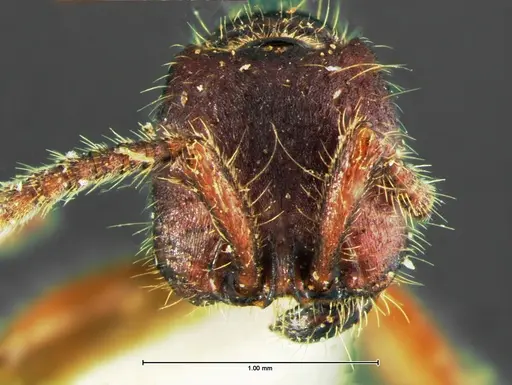
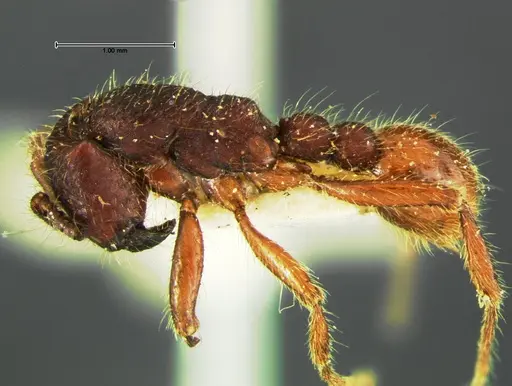
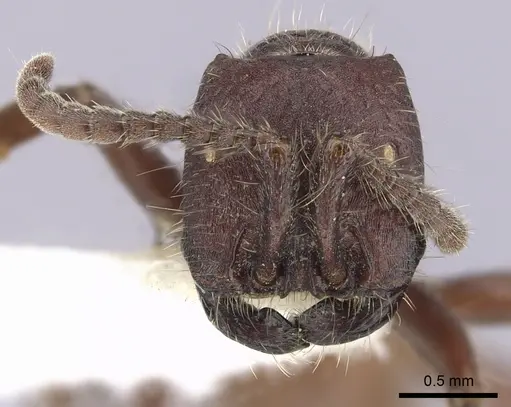
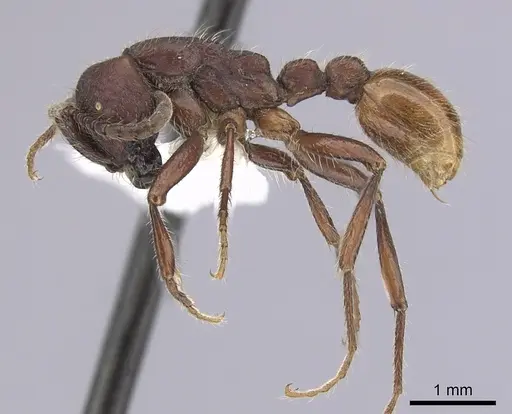
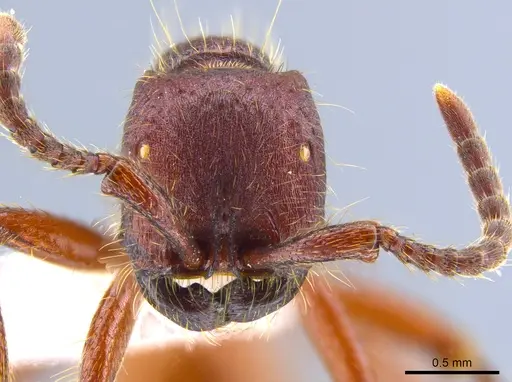
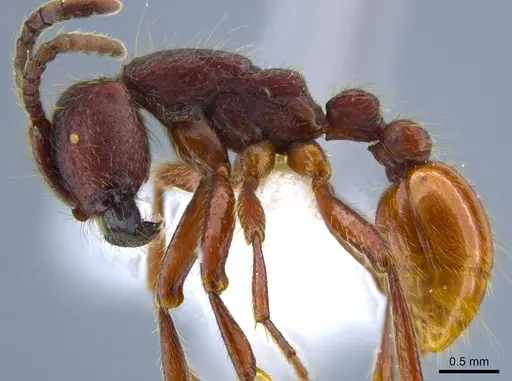
Neivamyrmex rugulosus is a small army ant species native to the southwestern United States and Mexico. Workers are typically 4-6mm and have the characteristic army ant body plan with a powerful stinger and large mandibles for capturing prey. This species is primarily found in Mexico, with its northernmost range extending into the Chiricahua Mountains of southeastern Arizona above 5000 feet elevation [1]. The species is a specialized predator that raids colonies of other ant species, particularly Trachymyrmex arizonensis and Pheidole desertorum [1][2]. What makes this species particularly interesting is its nomadic lifestyle, unlike many ants that maintain permanent nests, army ants create temporary underground bivouacs and relocate their colony every few days, following prey availability [3].
Quick Summary
- Difficulty: Expert
- Origin & Habitat: Chiricahua Mountains, Arizona and central-western Mexico (Jalisco, Nayarit, Sonora, Veracruz). Found at elevations between 1661-1737 meters in relatively mesic (damp) habitats [3][1]. This is a mid-elevational species that prefers cooler, moister mountain forest conditions.
- Colony Type: Nomadic army ant colonies. The colony structure is not fully documented, but like other army ants, they likely have a single queen (monogyne) with colony fragments of 150+ workers observed [3]. They are not parasitic, they are free-living predators.
- Colony: Monogyne
- Size & Growth:
- Queen: Unknown, queen measurements have not been documented in available literature
- Worker: Approximately 4-6mm based on typical Neivamyrmex morphology [4]
- Colony: Colony size is poorly documented. Observed fragments include approximately 150 workers, but full colonies are likely larger [3]. Growth rate is estimated as moderate to fast based on army ant biology.
- Growth: Moderate to fast
- Development: Unknown, no direct development studies exist for this species. Based on related army ant species, expect 4-8 weeks at optimal temperature. (Development timeline is unconfirmed. Related army ant species typically develop faster in warm conditions.)
- Antkeeping:
- Temperature: Keep at room temperature around 20-24°C. This species is found at higher elevations in cooler mountain habitats, so avoid overheating. A temperature gradient allowing cooler areas is beneficial [3].
- Humidity: Maintain moderate to high humidity (60-80%). Their natural habitat in mountain forests is relatively moist. Keep the nest substrate consistently damp but not waterlogged [3].
- Diapause: Likely yes, army ants in temperate regions typically have reduced activity in winter. However, specific diapause requirements for this species are unconfirmed. Expect some seasonal slowdown during winter months.
- Nesting: This is the most challenging aspect. Army ants need to relocate regularly. Use a naturalistic setup with multiple connected chambers or a custom formicarium that allows easy colony movement. Provide a deep soil layer for subterranean bivouac formation. They will not thrive in a static single-nest setup.
- Behavior: These are aggressive predators that raid other ant colonies. Workers are highly active and will attack any ant colony they encounter. They forage in the evening and early morning, avoiding the hottest parts of the day [3]. They form raiding columns and can overwhelm colonies much larger than their own. Escape prevention is critical, they are excellent climbers and will escape through tiny gaps. They are not aggressive toward humans but will sting if handled. Their sting is mild for an army ant but can cause localized irritation.
- Common Issues: Providing adequate live prey, they only accept other ant colonies as food, making them extremely difficult to feed, Enabling colony relocation, army ants need to move their bivouac regularly, static nests cause stress and colony failure, Maintaining proper humidity in a relocation-friendly setup is challenging, This species is rarely available in the antkeeping hobby and has very specific requirements, Cold sensitivity, being a mountain species, they may be stressed by typical room temperatures if not provided with cooler options
Housing and Nest Setup
Housing Neivamyrmex rugulosus is significantly different from keeping typical ants. These are nomadic army ants that need to relocate their bivouac regularly, sometimes every few days. A standard formicarium with fixed chambers will not work. The best approach is a naturalistic setup with a deep soil layer (at least 10-15cm) where they can form underground bivouacs. Provide multiple potential bivouac sites by including several flat stones or other structures on the soil surface. The outworld should be large enough to accommodate raiding parties and allow the colony to move between areas. Use a escape-proof lid as these ants are excellent climbers. Some keepers use modified setups with multiple connected containers that can be opened to allow colony migration between sections. This mimics their natural behavior of moving between bivouac sites. [3][1]
Feeding and Diet
This is the most challenging aspect of keeping N. rugulosus. They are obligate predators that only accept other ant colonies as prey. In captivity, you will need to provide colonies of feeder ant species, typically Pheidole or Trachymyrmex species work well since these are their natural prey [1][2]. You can either maintain separate feeder colonies or purchase colony fragments. Feed them roughly once per week, placing a prey ant colony near the raiding trail. They will typically raid in the evening (around 1730-2230 hours) and early morning (0900-1030 hours) [3]. Remove any uneaten prey after 24 hours. Sugar water is generally not accepted, they are pure predators. Do not attempt to keep this species unless you are prepared to maintain feeder ant colonies.
Temperature and Seasonal Care
Keep temperatures in the range of 20-24°C. This is a mountain species from elevations above 1600m, so it prefers cooler conditions than typical room temperature. Avoid temperatures above 27°C. Provide a thermal gradient so the ants can choose their preferred temperature. During winter (roughly November through February), reduce temperatures to around 15-18°C to simulate their natural seasonal cycle. They may become less active and reduce foraging during this period. Do not feed during the coldest winter months, resume feeding when temperatures warm in spring. Keep humidity moderate to high (60-80%) as they come from mesic mountain habitats. [3][1]
Raiding Behavior and Colony Activity
Understanding army ant behavior is essential for keeping this species. Unlike typical ants, N. rugulosus does not maintain a permanent nest. Instead, they form temporary bivouacs, clusters of workers hanging from each other in an underground chamber, and relocate every few days [3]. Raids occur primarily in the evening and early morning hours, with activity starting around 1730 hours and continuing until roughly 2230 hours, with a break during the hottest evening hours [3]. Morning raids occur between 0900-1030 hours. During the heat of day, the colony remains in their bivouac. When raiding, they form reticulating (network-like) foraging trails rather than the simple columns used by some other army ant species [3]. Expect to see significant colony activity during these periods, if your colony is consistently inactive during the day and evening, check that temperature and humidity are appropriate.
Legal and Ethical Considerations
Neivamyrmex rugulosus is native to the United States and Mexico. If you obtain a colony, never release it outside its native range. In the US, it is found only in the Chiricahua Mountains of Arizona. This species is rarely available in the antkeeping hobby, and wild collection should be avoided as it is poorly documented and potentially threatened at the edge of its range. If you encounter this species for sale, ensure it was captive-bred rather than wild-caught. Always check local regulations regarding ant ownership before purchasing.
Frequently Asked Questions
Can I keep Neivamyrmex rugulosus in a test tube setup?
No. Army ants are nomadic and need to relocate regularly. A test tube or fixed formicarium will not work. You need a naturalistic setup with deep soil (10-15cm) where they can form underground bivouacs and move between areas.
What do Neivamyrmex rugulosus eat?
They are obligate predators that only eat other ant colonies. You will need to maintain feeder ant colonies (typically Pheidole or Trachymyrmex species) to feed them. They do not accept sugar water, honey, or protein foods like crickets, only live ant prey.
How long until first workers?
The development timeline is unconfirmed for this species. Based on related army ant species, expect approximately 4-8 weeks from egg to worker at optimal temperature (around 22°C).
Are Neivamyrmex rugulosus good for beginners?
No. This is an expert-level species. They require live ant prey, need to relocate their bivouac regularly, need specific temperature and humidity conditions, and are rarely available. They are not recommended for anyone without significant antkeeping experience.
When do they raid?
They raid primarily in the evening (around 1730-2230 hours) and early morning (0900-1030 hours). They avoid the hottest parts of the day and remain in their bivouac during daylight hours.
Can I keep multiple queens together?
Army ants are typically monogyne (single queen). Multiple queens would likely fight. There is no evidence that this species can be kept in polygynous conditions.
How big do colonies get?
Colony size is poorly documented. Observed fragments include around 150 workers, but full colonies likely reach several hundred to a few thousand workers. They are smaller than many other army ant species.
Do they need hibernation?
Likely yes, based on their mountain habitat and the seasonal patterns of related species. Reduce temperatures to around 15-18°C during winter (roughly November-February) and reduce feeding. Specific diapause requirements are unconfirmed.
Why is my colony dying?
The most common causes are: lack of live ant prey (they will starve if fed anything else), inability to relocate (static nests cause stress), incorrect temperature (too hot or too cold), and low humidity. Ensure you can provide regular ant prey before attempting to keep this species.
References

This caresheet is licensed under CC BY-SA 4.0 .
CASENT0004591
View on AntWeb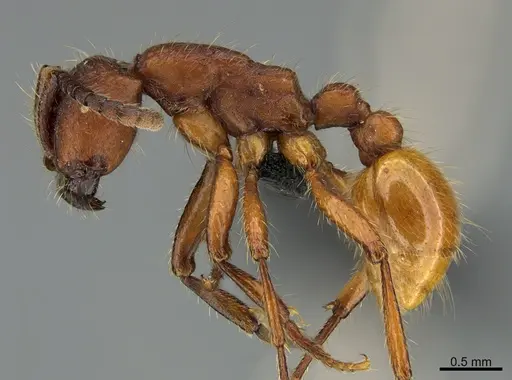
CASENT0102768
View on AntWeb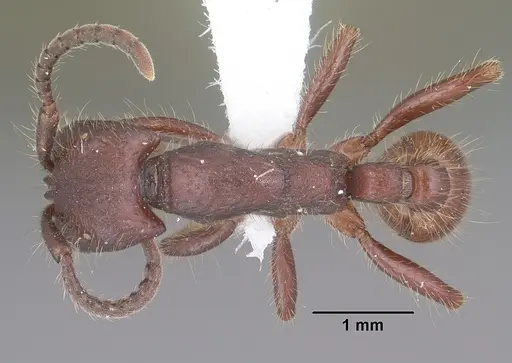
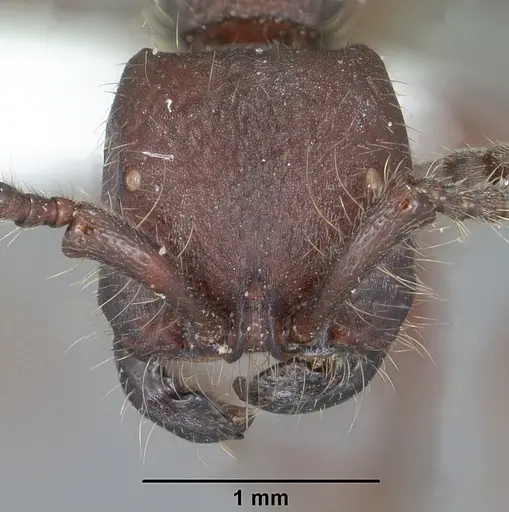
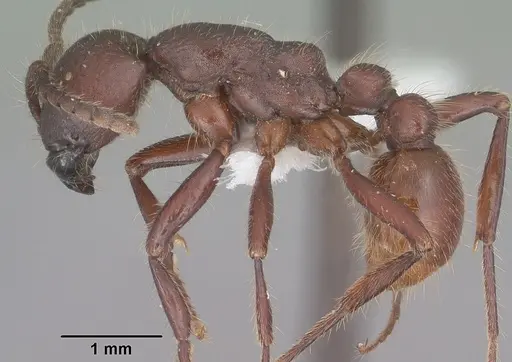
CASENT0105644
View on AntWeb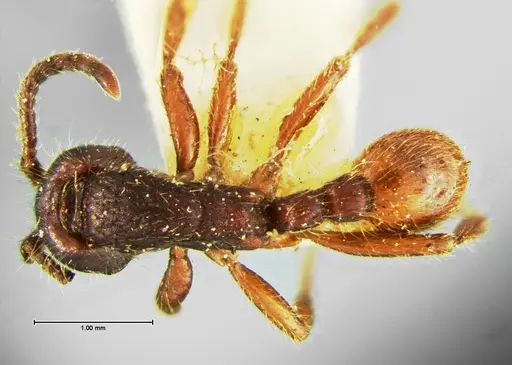
CASENT0249505
View on AntWeb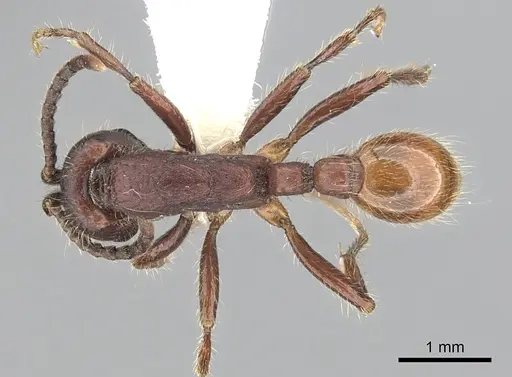
CASENT0637398
View on AntWeb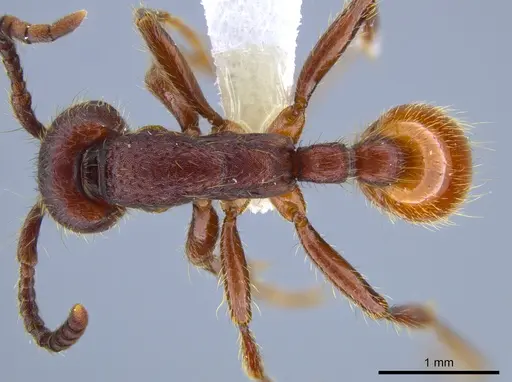
Literature
Loading...Loading products...