

Pheidole desertorum
- Scientific Name
- Pheidole desertorum
- Tribe
- Attini
- Subfamily
- Myrmicinae
- Author
- Wheeler, 1906
- Common Name
- Desert Big-headed Ant
- Distribution
- Found in 2 countries
Pheidole desertorum Overview
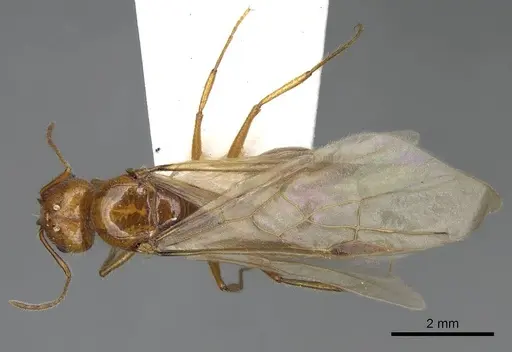
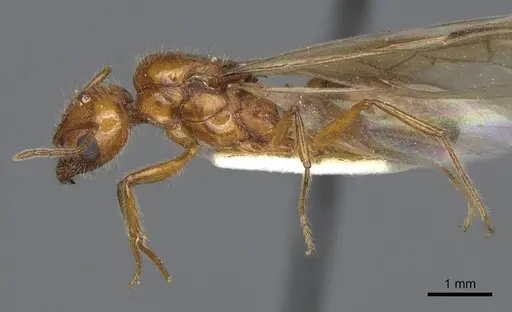
Pheidole desertorum (commonly known as the Desert Big-headed Ant) is an ant species of the genus Pheidole. It is primarily documented in 2 countries , including Mexico, United States of America. Detailed taxonomic data and occurrence records can be further explored via authoritative databases such as AntWeb or the Global Biodiversity Information Facility (GBIF).
Pheidole desertorum - "Desert Big-headed Ant"
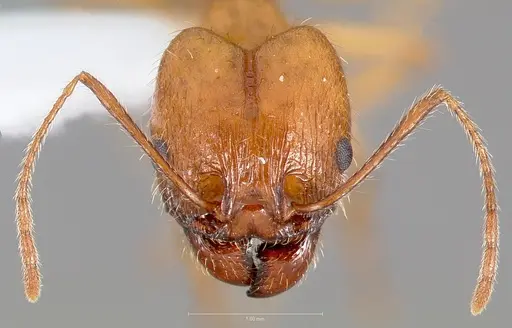
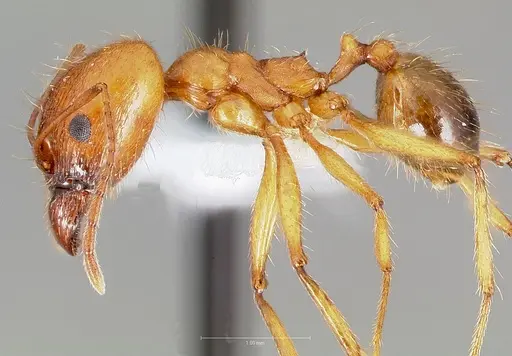
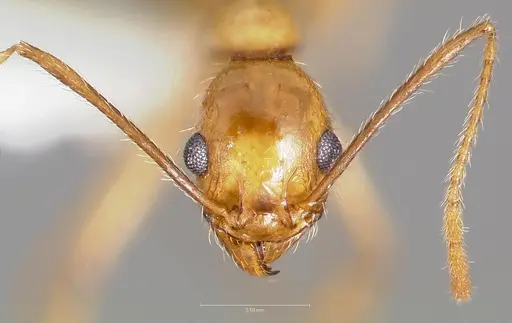
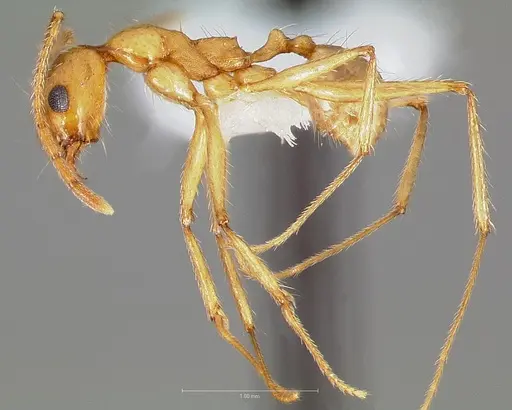
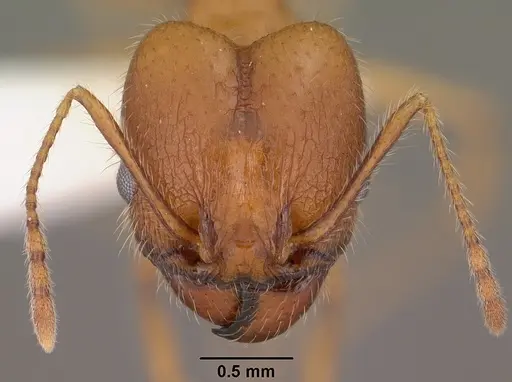
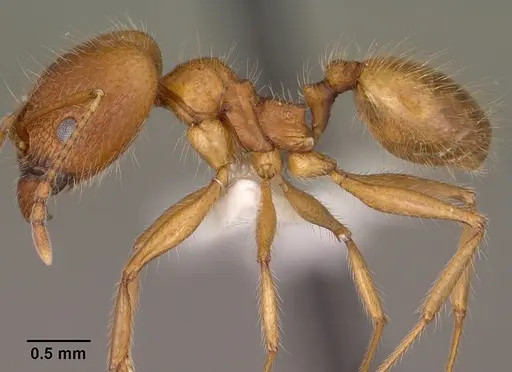
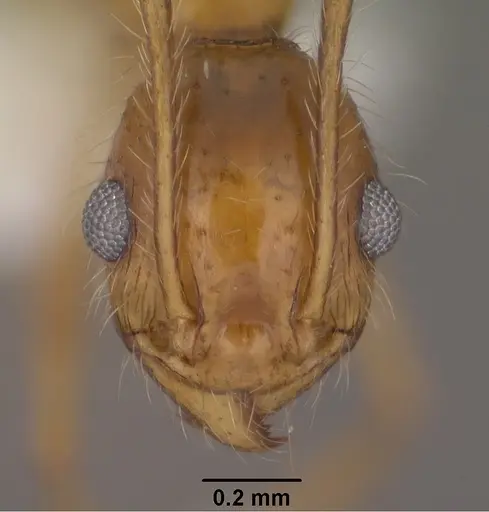
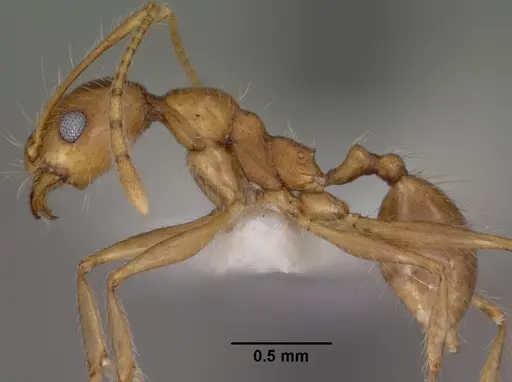
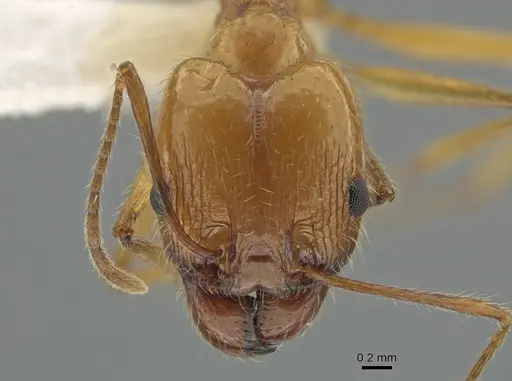
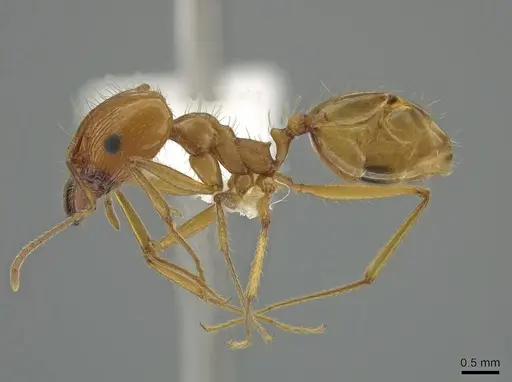
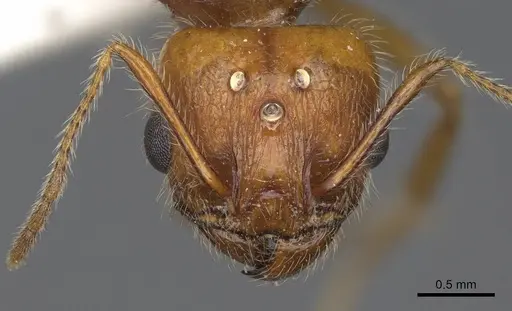
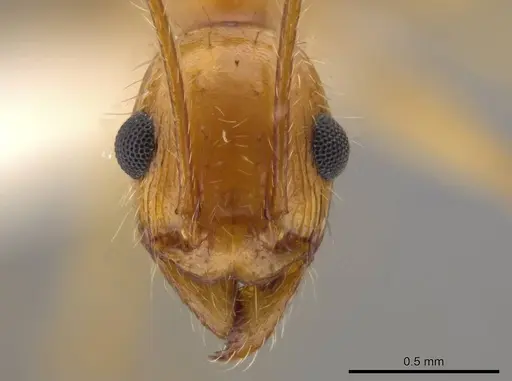
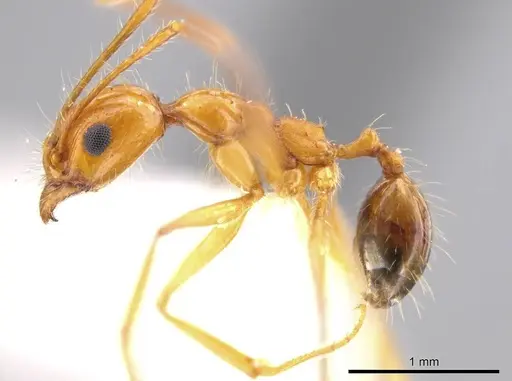
Pheidole desertorum is a small but aggressive desert ant native to the arid southwestern United States and northern Mexico. Workers come in two distinct sizes: tiny minors around 2.5mm and much larger majors (soldiers) reaching 4-5mm, with the majors easily recognized by their elongated antennal scapes that extend nearly to the back of their head [1][2]. The species builds large crater nests with single entrance holes and thrives in extremely dry desert habitats including mesquite-acacia bajadas, rocky slopes, and desert grasslands up to 1700m elevation [2]. Unlike many desert ants, this species is not a seed-eater, they are aggressive predators and scavengers that rarely collect seeds [2]. Colonies can grow massive, reaching 2,500 to 25,000 workers at maturity with one to multiple queens [2].
Quick Summary
- Difficulty: Medium
- Origin & Habitat: Native to the arid southwestern United States and northern Mexico, found from western Oklahoma and Texas west to southern Utah, Nevada, and California [3][4][5]. Inhabits desert habitats including mesquite or acacia-dominated bajadas, rocky slopes, and desert grasslands, often nesting under stones or in crater nests [2].
- Colony Type: Facultatively polygynous, colonies typically start with a single queen but can develop multiple queens as the colony matures. Multiple dealate females have been found in nests in New Mexico, suggesting polygynous potential [2].
- Colony: Optionally polygyne
- Founding: Claustral, Pleometrosis
- Size & Growth:
- Queen: Approximately 6-8mm, estimated based on related Pheidole species
- Worker: Minors 2-3mm, majors 4-5mm [1]
- Colony: 2,500-25,000 workers at maturity [2]
- Growth: Moderate to fast, large colonies develop over several years
- Development: 6-8 weeks, estimated based on typical Pheidole genus development (Development time is typical for the genus, colonies reach maturity in 2-3 years under good conditions)
- Antkeeping:
- Temperature: Keep at room temperature (20-26°C) with a warm side around 28°C. This desert species tolerates higher temperatures well, in their natural habitat, they are active during hot desert nights [2]. A heating cable on one side of the nest creates a suitable gradient.
- Humidity: Low to moderate, these are desert ants that prefer dry conditions. Keep the nest relatively dry with just a small water tube for humidity. Avoid damp substrates that can cause mold in their desert-adapted nest.
- Diapause: Yes, they are adapted to desert seasons and benefit from a cool period in winter (around 10-15°C) for 2-3 months to simulate natural seasonal cycles [2].
- Nesting: Test tubes work well for founding colonies. For established colonies, Y-tong nests or acrylic formicariums with dry to moderately moist substrate suit them. They prefer compact chambers over large open spaces. Naturalistic setups with a dry soil layer and flat stones for cover work well [2].
- Behavior: These ants are fast-moving, alert, and aggressive when their nest is disturbed. Workers are primarily nocturnal and become very active after rainfall [2]. They are predators and scavengers, not seed collectors, they will take insects, other small arthropods, and protein sources readily. The major workers (soldiers) defend the nest and help process larger prey. They have an impressive anti-predator strategy: when army ants (Neivamyrmex) attack, workers evacuate the entire colony including the queen to pre-established backup nests [6][7]. Escape risk is moderate due to their small size, use standard barrier methods.
- Common Issues: colonies often relocate frequently even under stable conditions, don't be alarmed if they move nests, overfeeding can cause mold in their dry desert nest, remove uneaten protein promptly, their small minor workers can escape through standard barriers, check for gaps, sex-biased colony production means some colonies produce only males while others produce only gynes, this is normal for this species [9], major workers are relatively slow compared to minors, ensure prey is small enough for soldiers to handle
Housing and Nest Setup
Pheidole desertorum adapts well to various captive setups. For founding colonies, a standard test tube setup works perfectly, fill one test tube with water, plug with cotton, and connect to an outworld. The queen will seal herself in a chamber and raise her first brood alone. Once the colony reaches 20-30 workers, you can upgrade to a Y-tong nest or acrylic formicarium. These ants prefer干燥 conditions, keep the nest substrate relatively dry, misting only occasionally. A small water tube provides drinking water without creating excess humidity. Because they are desert ants, avoid damp substrates that can lead to mold problems. The nest should have compact chambers scaled to their size, they do not need large open spaces. A simple outworld with a foraging area and protein food dish is sufficient [2].
Feeding and Diet
Unlike common misconceptions about desert ants being seed-eaters, Pheidole desertorum is an aggressive predator and scavenger. They rarely collect seeds, and when they do, it's only in small quantities [2]. Feed them protein-rich foods like small insects (fruit flies, pinhead crickets, mealworms), and they will readily accept these. Offer protein twice weekly, removing any uneaten prey within 24 hours to prevent mold. They also accept sugar water or honey as an energy source, though protein is the primary dietary need. The major workers help process larger prey items for the colony. In the wild, they are nocturnal foragers that become especially active after rainfall, hunting insects and scavenging [2]. A varied diet of different protein sources helps keep colonies healthy.
Temperature and Seasonal Care
As a desert species from the American Southwest, Pheidole desertorum tolerates a wide temperature range. Keep them at room temperature (20-26°C) with a warm spot around 28°C. They can handle warmer temperatures quite well, in the wild they experience extreme desert heat. A heating cable placed on part of the nest creates a temperature gradient that allows the ants to choose their preferred temperature. During winter, provide a cool period around 10-15°C for 2-3 months to simulate natural seasonal cycles. This diapause period helps maintain colony health and aligns with their natural breeding season, winged reproductives appear in summer after monsoonal rains [2]. Do not keep them warm year-round, as this can disrupt their natural cycles.
Defense and Colony Behavior
One of the most fascinating aspects of Pheidole desertorum is their sophisticated anti-predator behavior. When army ants (Neivamyrmex nigrescens) attack, the colony executes a remarkable evacuation strategy. Workers detect the approaching army ants through forager signals and enter an alert phase. Workers mass around the nest entrance, each holding a piece of brood. When the army ants get close, the colony evacuates to a pre-established backup nest they had previously prepared [6][7]. The queen remains in the nest during the attack, she does not flee [6]. This is called serial monodomy: colonies maintain multiple nest sites and quickly relocate when threatened [8]. In captivity, you may observe your colony attempting to relocate frequently, especially if disturbed. This is normal behavior, provide a secure setup with good escape prevention.
Colony Structure and Reproduction
Pheidole desertorum colonies have a dimorphic worker caste system: about 83% are minors and 17% are majors (soldiers) [1]. The majors have distinctive elongated antennal scapes and larger heads for defense and processing food. Colonies can be either monogyne (single queen) or polygyny (multiple queens), with single-queen founding being most common but small groups occasionally founding colonies together [2]. A fascinating aspect of this species is their extremely sex-biased reproduction: some colonies produce only males while others produce only gynes (future queens), with roughly half the population doing each [9]. The queen controls this by laying either worker-destined or reproductive-destined female eggs, and the population sex ratio remains balanced at approximately 50% female [10][11]. This prevents conflict between queens and workers over sex allocation.
Frequently Asked Questions
Are Pheidole desertorum good for beginners?
They are moderate difficulty, not the easiest but not challenging either. Their desert nature means they are forgiving of occasional mistakes with humidity. The main challenges are their need for protein-rich foods and their frequent tendency to relocate nests. They are rewarding to watch with their major workers and interesting anti-predator behaviors.
How long does it take for Pheidole desertorum to produce first workers?
Expect first workers (nanitics) around 6-8 weeks after the queen lays eggs, depending on temperature. This is typical for the Pheidole genus. The queen will seal herself in and raise the first brood alone using stored fat reserves.
Do Pheidole desertorum eat seeds?
No. Despite being a desert ant, they are not granivores. They are aggressive predators and scavengers that rarely collect seeds. Feed them insects, small arthropods, or protein-based foods instead [2].
How big do Pheidole desertorum colonies get?
Mature colonies reach 2,500 to 25,000 workers [2]. This is a large colony size, so plan accordingly, they will need significant space as they grow.
Do Pheidole desertorum need hibernation?
Yes, they benefit from a cool winter period around 10-15°C for 2-3 months. This simulates their natural seasonal cycle in the desert Southwest where winters are cool. Do not keep them warm year-round.
Can I keep multiple Pheidole desertorum queens together?
This species can be polygynous (multiple queens) in the wild, but combining unrelated foundress queens is not recommended. Single-queen founding is most common. If you want to try a polygynous setup, wait until you have established colonies and introduce queens carefully.
Why do my Pheidole desertorum keep trying to escape or relocate?
This is normal behavior, they are known to frequently relocate even under stable conditions [2]. They maintain multiple nest sites and quickly evacuate when they feel threatened. Ensure your setup is secure with good escape prevention. Avoid disturbing the colony excessively.
What should I feed my Pheidole desertorum colony?
Protein-rich foods are essential: small insects like fruit flies, pinhead crickets, mealworms, or other small arthropods. They also accept sugar water or honey occasionally. Remove uneaten protein within 24 hours to prevent mold in their dry nest environment.
When do Pheidole desertorum have nuptial flights?
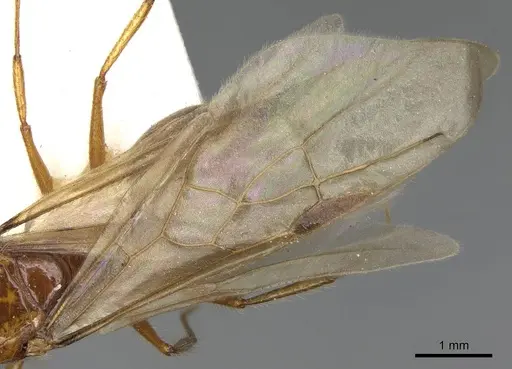
Winged reproductives appear in nests from early June to late August. Mating flights occur prior to sunrise in late summer, following rainfall. Males form aerial swarms and winged queens fly into them, with mating occurring on the ground [2].
Why is my colony producing only males (or only gynes)?
This is completely normal for this species. Pheidole desertorum has an extreme split-sex ratio: some colonies produce only males while others produce only gynes. About half the population produces each. The queen controls whether she lays male or female eggs, and this is not something you can influence or correct [9][10].
What's the difference between minor and major workers?
Minors are the small workers (about 2-3mm) that do most foraging and brood care. Majors (soldiers) are larger (4-5mm) with elongated antennal scapes and larger heads. They make up about 17% of the workforce and help with defense and processing larger prey [1].
References

This caresheet is licensed under CC BY-SA 4.0 .
CASENT0005736
View on AntWeb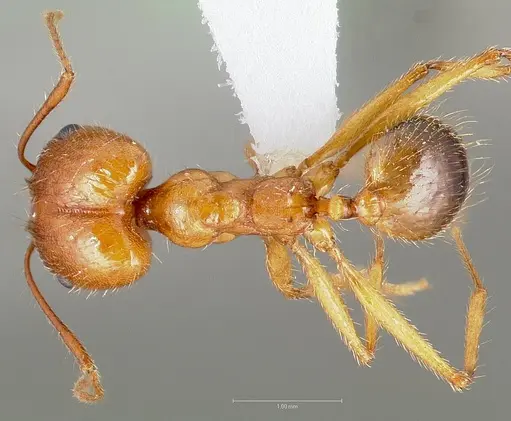
CASENT0005737
View on AntWeb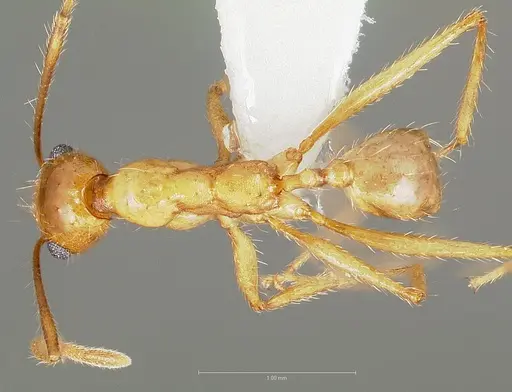
CASENT0102880
View on AntWeb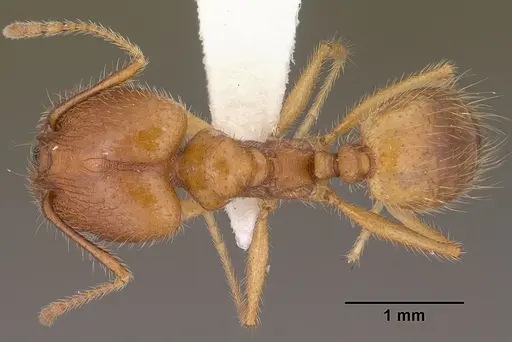
CASENT0102881
View on AntWeb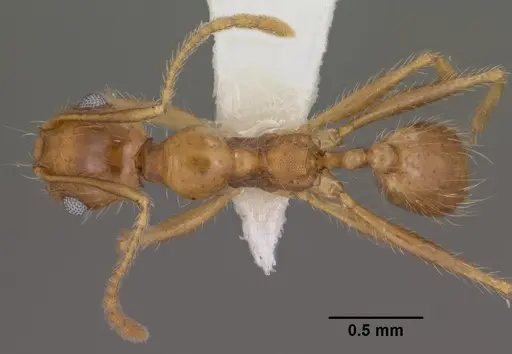
CASENT0631710
View on AntWeb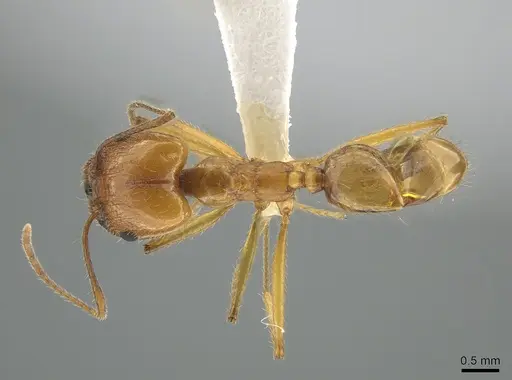
CASENT8368330
View on AntWeb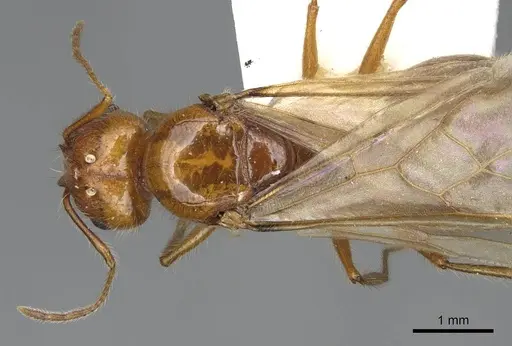
JTLC000013736
View on AntWeb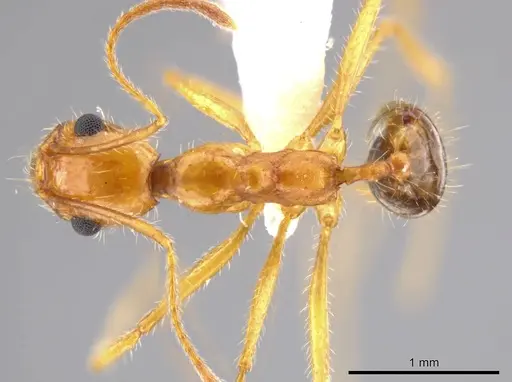
Literature
Loading...Loading products...