

Neivamyrmex harrisii
- Scientific Name
- Neivamyrmex harrisii
- Subfamily
- Dorylinae
- Author
- Haldeman, 1852
- Common Name
- Harris' Legionary Ant
- Distribution
- Found in 2 countries
Neivamyrmex harrisii Overview
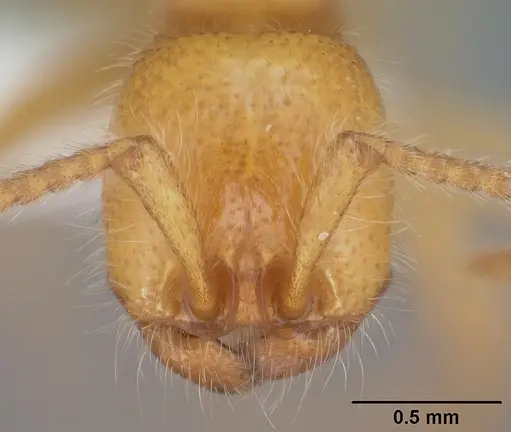
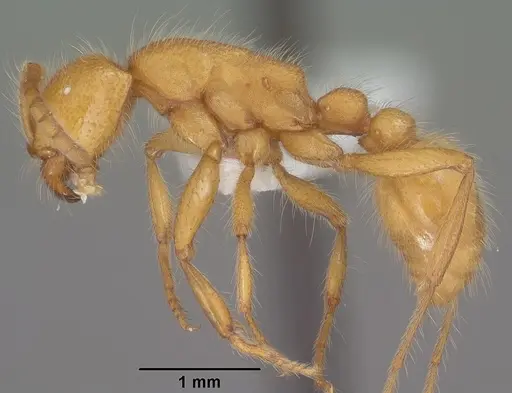
Neivamyrmex harrisii (commonly known as the Harris' Legionary Ant) is an ant species of the genus Neivamyrmex. It is primarily documented in 2 countries , including Mexico, United States of America. Detailed taxonomic data and occurrence records can be further explored via authoritative databases such as AntWeb or the Global Biodiversity Information Facility (GBIF).
Neivamyrmex harrisii - "Harris' Legionary Ant"
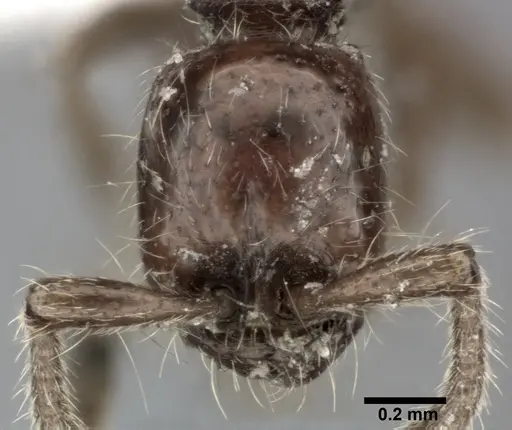
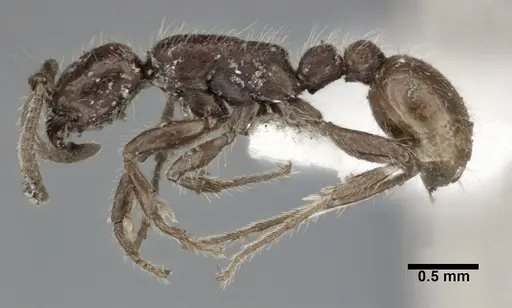
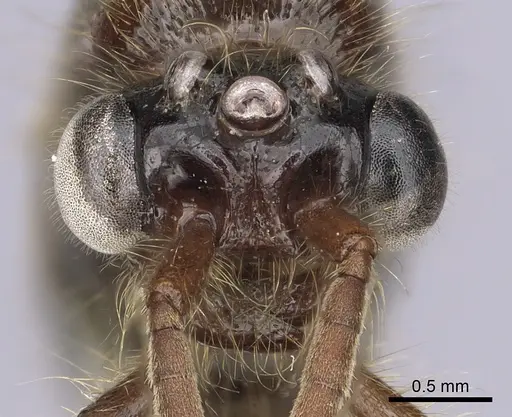
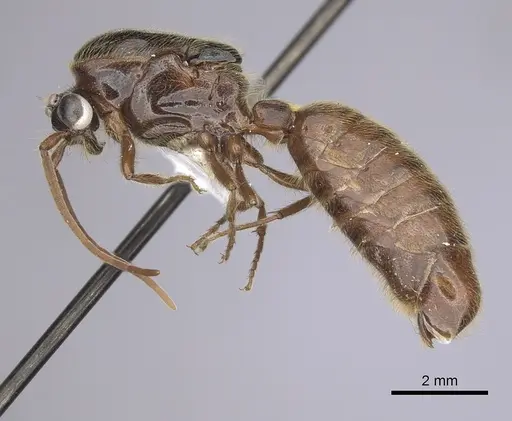
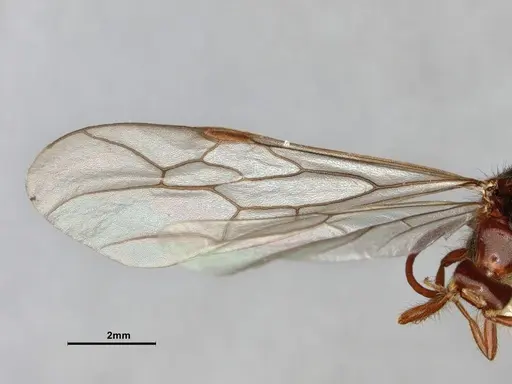
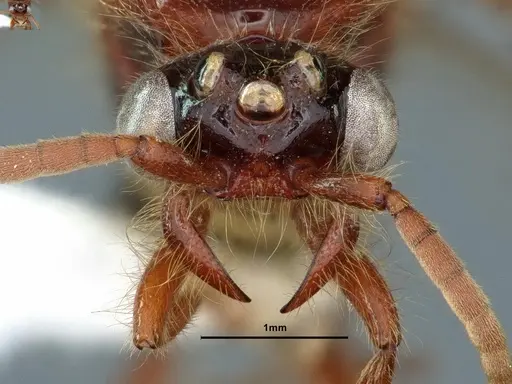
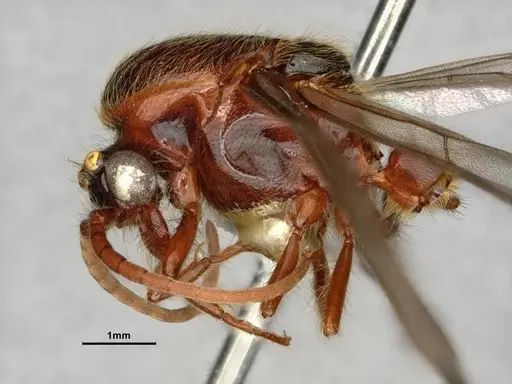
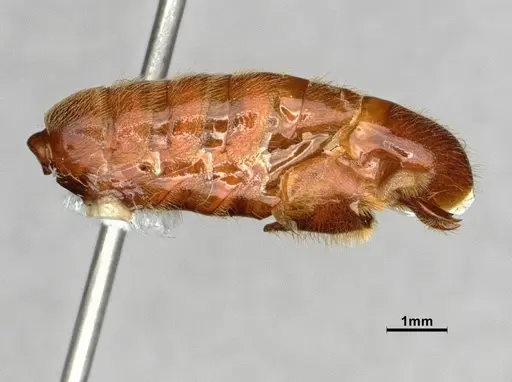
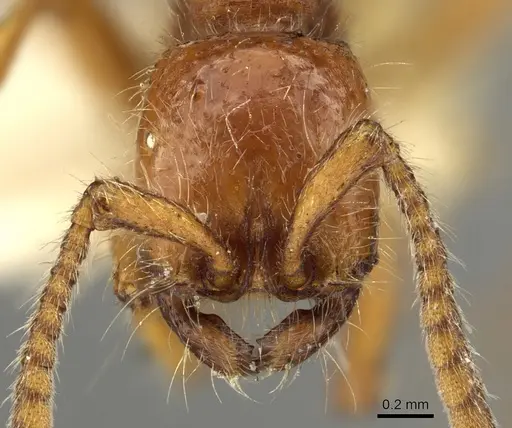
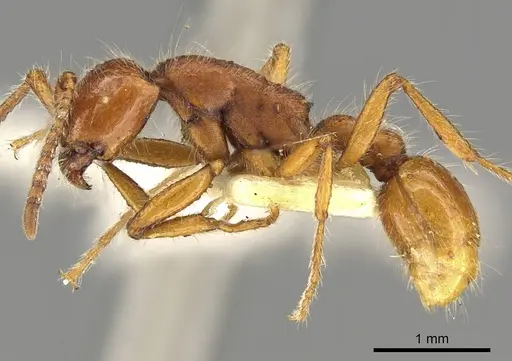
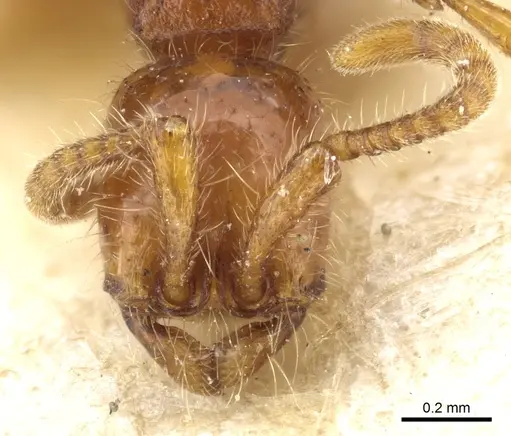
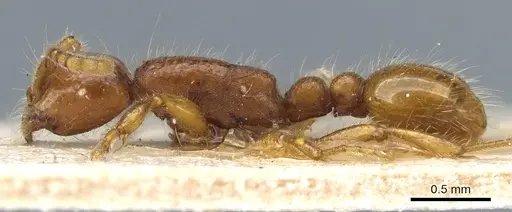
Neivamyrmex harrisii is a predatory army ant found across the southwestern United States and much of Mexico. Males are the most recognizable stage, reaching about 10.5mm with large, protuberant eyes and prominent ocelli. Their body ranges from light to dark brown, and they have pale wings with a grayish or yellowish tint [1]. This species is a specialized predator that raids the nests of Pheidole ants, particularly Pheidole xerophila [2]. Unlike many ant species, only the male caste has been scientifically described, the workers remain unknown, making this one of the more mysterious North American ants [3]. They inhabit creosotebush scrub up to foothill thorn scrub environments in arid regions [2].
Quick Summary
- Difficulty: Expert
- Origin & Habitat: Southwestern United States (Arizona, Texas, Oklahoma, New Mexico) and central-northern Mexico. Inhabits creosotebush scrub up to foothill thorn scrub, hot, dry arid environments [2][1].
- Colony Type: Unknown, only males have been scientifically described. The species is presumed to form typical army ant colonies with a single queen, but colony structure has not been documented.
- Size & Growth:
- Queen: Unknown, queen caste has not been described scientifically [3]
- Worker: Unknown, worker caste has never been described [3]
- Colony: Unknown, no colony size data available
- Growth: Unknown
- Development: Unknown, development has not been studied (No data exists on development timeline. Army ant colonies typically reach thousands of workers, but this species remains unstudied.)
- Antkeeping:
- Temperature: Likely 24-32°C based on arid southwestern habitat and related army ant patterns. Provide a warm gradient and monitor colony activity.
- Humidity: Low to moderate, arid desert species. Keep nest substrate relatively dry, with a small water chamber available.
- Diapause: Likely, temperate species with potential winter dormancy. Provide a cool period around 10-15°C for 2-3 months.
- Nesting: No captive data exists. Based on army ant behavior, they likely do not construct permanent nests, they bivouac (form temporary nests from their own bodies) and migrate regularly. In captivity, this would require a large outworld with minimal nest structure.
- Behavior: Army ants are nomadic predators that do not maintain permanent nests. They form bivouacs (temporary nests made of living workers clustered together) and conduct regular raids to capture brood from other ant colonies, particularly Pheidole species [2]. They are highly aggressive predators with well-developed stingers. Workers (if they could be obtained) would likely be small and very aggressive. Escape risk is difficult to assess since the worker caste is unknown, but army ants are typically strong climbers. Males are frequently collected at lights from June through October, with peak abundance in late July [2], this indicates nuptial flights occur during summer months.
- Common Issues: This species is essentially unkeepable, only males have been scientifically described, and no workers exist in collections, No captive husbandry information exists, there are no established care protocols, Obtaining a colony would require field collection of a wild nest, which is extremely difficult since workers are unknown to science, Army ant biology requires specialized setups, they need to migrate and raid, making them unsuitable for standard formicariums, The unknown worker caste means we cannot assess sting danger, size, or escape prevention needs
Why This Species Is Extremely Difficult to Keep
Neivamyrmex harrisii presents a unique challenge in ant keeping: the worker caste has never been scientifically described. This means no one knows what the workers look like, how big they are, or how the colony functions [3]. The only known caste is the male, which is regularly collected at lights during summer months. This species is essentially a scientific mystery, we know it exists, we know it raids Pheidole xerophila nests, but we have no information on how to keep it. For these reasons, Neivamyrmex harrisii cannot be recommended for captive keeping. There are no established protocols, no known source for colonies, and no baseline data to work from. Anyone attempting to keep this species would be pioneering entirely new husbandry methods with no guidance available.
Distribution and Habitat
This species ranges across the southwestern United States and much of central-northern Mexico. In the US, it is found in Arizona, Texas, Oklahoma, and New Mexico [1]. In Mexico, it has been recorded in numerous states including Chihuahua, Coahuila, Nuevo León, Sonora, Tamaulipas, Aguascalientes, Durango, Sinaloa, Nayarit, Zacatecas, Hidalgo, Jalisco, and San Luis Potosí [4][5]. The habitat consists of creosotebush scrub up to foothill thorn scrub, hot, arid desert environments with sparse vegetation [2]. This is a species of tropical climate specialists, adapted to warm, dry conditions [6].
Biology and Foraging
Neivamyrmex harrisii is a predatory army ant that specializes in raiding the nests of Pheidole ants, particularly Pheidole xerophila [2]. Like other army ants, they do not maintain permanent nests but form temporary bivouacs and conduct regular raids. The colony migrates periodically, moving to new hunting grounds. Males are frequently collected at lights from June through October, with peak abundance in late July [2]. This indicates nuptial flights occur during the summer months. The species has been confirmed as the same as what was previously described as N. wheeleri, that name refers to the female castes (workers and queen), while harrisii was the name applied to males [1].
Related Species and Comparison
Males of Neivamyrmex harrisii are superficially similar to those of Neivamyrmex andrei, but can be separated by mandibular shape and the large ocelli [2]. The genus Neivamyrmex contains numerous army ant species throughout the Americas, all sharing the predatory, nomadic lifestyle. In the US, several other Neivamyrmex species occur, many of which are better studied. If you are interested in keeping army ants, consider starting with better-documented Neivamyrmex species or the more commonly kept army ant genera like Labidus or Eciton. These related species have known worker castes and established care protocols.
Frequently Asked Questions
Can I keep Neivamyrmex harrisii ants?
No, this species cannot be practically kept. The worker caste has never been scientifically described, meaning no one knows what the workers look like or how to obtain a colony. There are no established care protocols, and no source for purchasing or collecting this species exists.
Where can I find Neivamyrmex harrisii?
In the wild, this species ranges across the southwestern US (Arizona, Texas, Oklahoma, New Mexico) and central-northern Mexico. Males are occasionally collected at lights during summer months (June-October). However, since the worker caste is unknown, collecting a colony would be essentially impossible.
What do Neivamyrmex harrisii eat?
Based on related army ant species, they are predators that raid other ant colonies, particularly Pheidole species. They would likely accept other ant brood, small insects, and protein sources. However, since workers have never been described, this is speculative.
How big do Neivamyrmex harrisii colonies get?
Unknown, no colony size data exists for this species. Other army ant colonies can reach thousands to tens of thousands of workers, but this has not been documented for N. harrisii.
What temperature do Neivamyrmex harrisii ants need?
Likely warm conditions (24-32°C) based on their arid southwestern habitat. Provide a temperature gradient and monitor colony activity. This is an estimate based on habitat, not direct observation.
Do Neivamyrmex harrisii need hibernation?
Likely yes, as a temperate species from the southwestern US, they probably require a winter dormancy period. Provide cool temperatures (around 10-15°C) for 2-3 months during winter.
Are there better army ant species to keep?
Yes. Many other army ant species have described workers and established care protocols. Consider better-documented Neivamyrmex species or other army ant genera like Labidus that are more commonly available in the ant keeping hobby.
Why are only males known for Neivamyrmex harrisii?
This is simply a gap in scientific knowledge. The species was originally described from males collected at lights, and while the female castes were later given the name N. wheeleri, the workers have never been formally described or collected for study [3][1]. This is unusual but not unique among insects.
Can I start a colony from a queen?
No known method exists. Since the queen caste has not been described, we do not know what a founding queen looks like or how to obtain one. Even if you found a queen, there would be no guidance on how to care for her.
References

This caresheet is licensed under CC BY-SA 4.0 .
CASENT0102765
View on AntWeb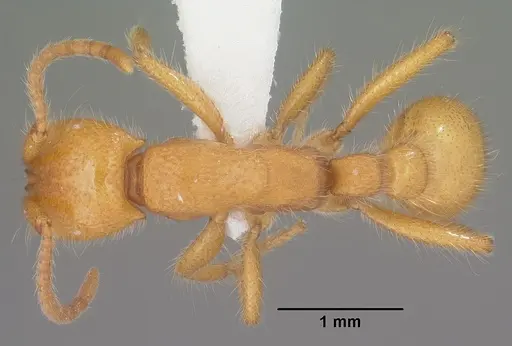
CASENT0246011
View on AntWeb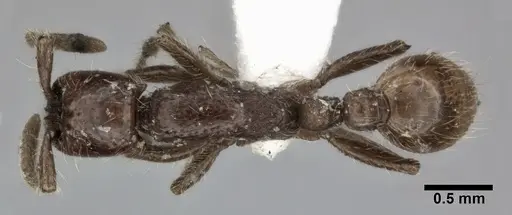
CASENT0249487
View on AntWeb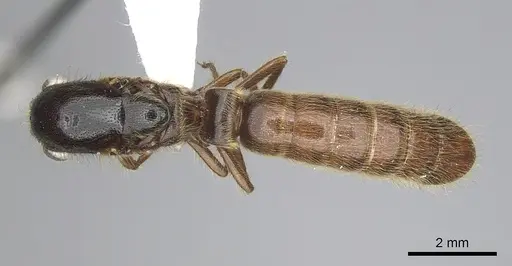
CASENT0843624
View on AntWeb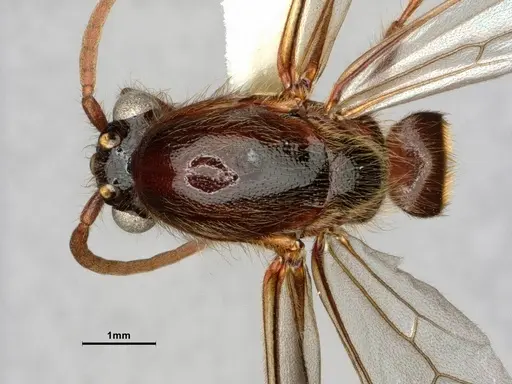
CASENT0902637
View on AntWeb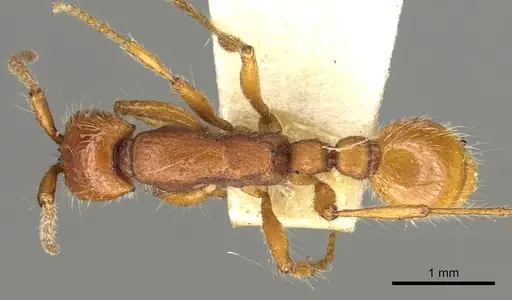
CASENT0903729
View on AntWeb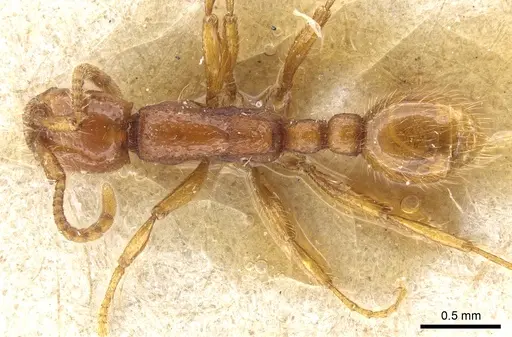
Literature
Loading...Loading products...