

Pheidole xerophila
- Scientific Name
- Pheidole xerophila
- Tribe
- Attini
- Subfamily
- Myrmicinae
- Author
- Wheeler, 1908
- Distribution
- Found in 2 countries
Pheidole xerophila Overview
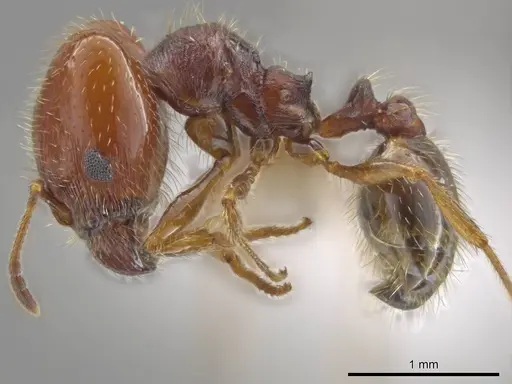
Pheidole xerophila is an ant species of the genus Pheidole. It is primarily documented in 2 countries , including Mexico, United States of America. Detailed taxonomic data and occurrence records can be further explored via authoritative databases such as AntWeb or the Global Biodiversity Information Facility (GBIF).
Pheidole xerophila
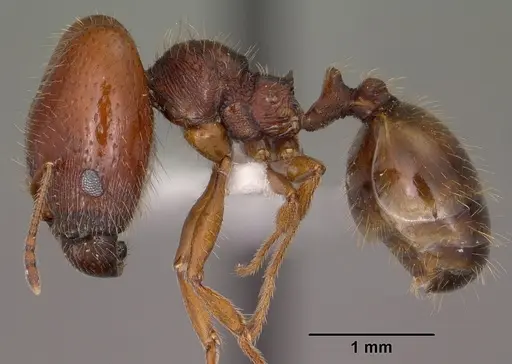
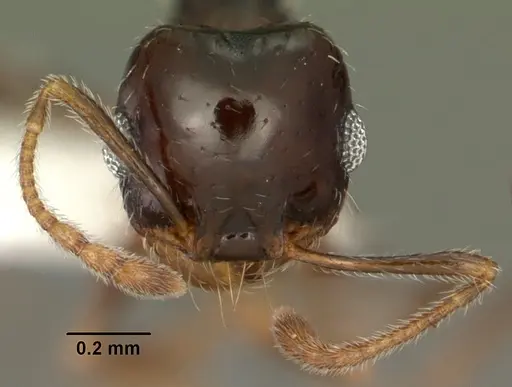
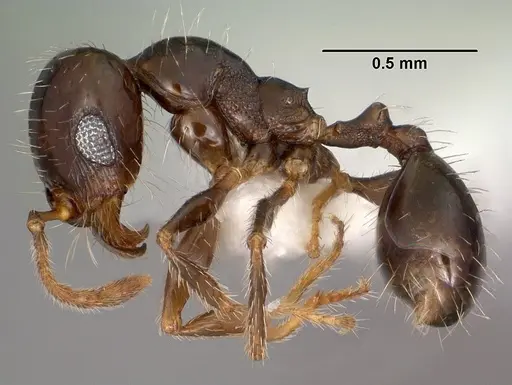
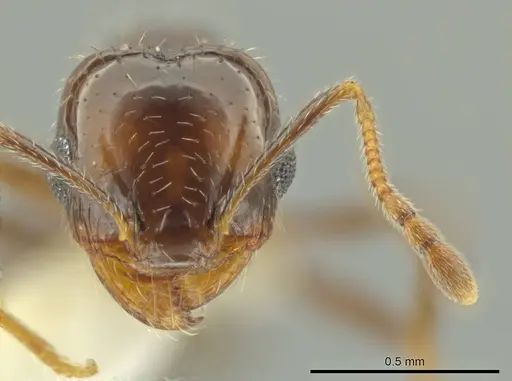
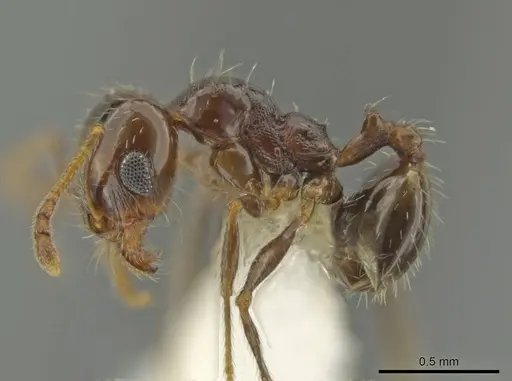
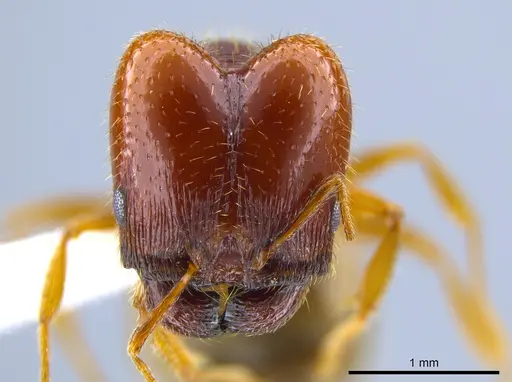
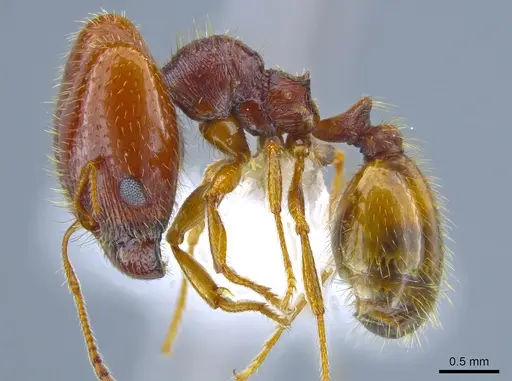
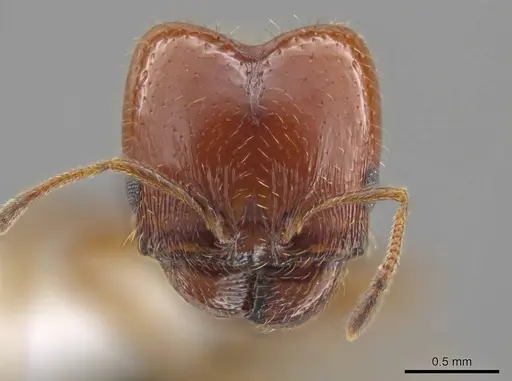
Pheidole xerophila is a small seed-harvester ant native to the deserts of the American Southwest and northern Mexico. The name xerophila means 'aridity lover', fitting for an ant that thrives in the hot, dry conditions of the Sonoran and Chihuahuan deserts. Workers come in two sizes: tiny minors around 2.3mm and much larger majors (soldiers) around 1.4-1.6mm that make up about 10% of the colony [1][2]. The majors have distinctive large heads and are active foragers alongside the minors, helping crack open seeds [3]. Colonies are relatively small, typically reaching 300-400 workers with 30-40 majors [4]. This species builds small crater nests in sandy soil and is known for its efficient trunk-trail foraging where columns of ants travel to seed sources.
Quick Summary
- Difficulty: Easy
- Origin & Habitat: Desert regions of the American Southwest, central Texas west through southern New Mexico, Arizona, and southern California into Sonora, Mexico. Found in creosote bush scrub, Joshua-tree woodland, and oak-juniper habitats at elevations 150-1500m [4][5].
- Colony Type: Monogyne, single queen colonies. Colonies are polydomous, meaning they have multiple nest entrances that connect underground [3]. Majors regularly accompany minors during foraging [3].
- Colony: Monogyne
- Founding: Claustral
- Size & Growth:
- Queen: Approximately 6-7mm (estimated based on genus patterns)
- Worker: Minors 2.3mm average, majors 1.4-1.6mm [1][2]
- Colony: Up to 300-400 workers with 30-40 majors [4]
- Growth: Moderate
- Development: 6-8 weeks (estimated based on typical Pheidole development) (Development time is estimated, Pheidole species typically develop faster in warm conditions. Colonies produce single-sex broods, either all males or all gynes, never mixed [6].)
- Antkeeping:
- Temperature: Keep at 24-30°C. These are desert ants adapted to hot conditions. A heating cable on one side of the nest creates a gradient they can regulate themselves [4].
- Humidity: Low to moderate, keep the nest relatively dry. Provide a water tube but avoid excessive moisture. The natural habitat is arid desert.
- Diapause: Yes, a winter rest period is recommended. Reduce temperature to 15-18°C for 2-3 months during winter months, mimicking their natural cycle in the desert [4].
- Nesting: Use a dry, sandy substrate. A Y-tong or acrylic nest with sand-filled chambers works well. They prefer compact, dark spaces. Test tubes with cotton can work for founding colonies if kept dry.
- Behavior: Generally peaceful but majors will defend the colony aggressively if threatened. They are seed harvesters and will form trunk trails to food sources. Foraging range is typically 3-4m from nest entrances [1]. Escape risk is moderate, minors are small enough to slip through small gaps, so use standard barrier precautions. They are active foragers especially during cooler evening hours in summer.
- Common Issues: colonies stay small, don't expect the massive colonies of some Myrmicinae,300-400 workers is normal for this species, overwatering kills them, being desert ants, they prefer dry conditions, majors may not form if colony is stressed, they need stable conditions to produce the soldier caste, winter mortality, colonies that aren't given proper diapause often fail to thrive the following year, escape through tiny gaps, minors are small enough to squeeze through standard test tube barriers if not careful
Housing and Nest Setup
Pheidole xerophila does best in dry, compact nests. A Y-tong (acrylic) nest with sand-filled chambers mimics their natural sandy soil nests. You can also use test tubes for founding colonies, but keep the substrate dry, these desert ants rot easily if kept too moist. The nest should be dark and compact. Provide an outworld area for foraging that is easy to clean. Because they are seed harvesters, give them a sand area where they can sort and store seeds. A water tube is essential but don't overdo the humidity, the nest should feel dry, not damp. [4]
Feeding and Diet
As seed harvesters, their diet centers around seeds, they crack them open using their majors and feed the kernel to larvae. Offer a mix of grass seeds, millet, and bird seed. They also need protein: small insects like fruit flies, small crickets, or mealworm pieces. Majors help process harder seeds. Offer protein 2-3 times per week and keep seeds available constantly. They do best with a varied diet, so rotate seed types occasionally. A small dish of sugar water or honey can be offered occasionally but isn't a primary food source for this seed harvester. [1]
Temperature and Seasonal Care
These desert ants need warmth, keep the nest at 24-30°C. A heating cable on one side of the nest creates a temperature gradient they can regulate by moving brood to optimal spots. In summer, room temperature in the low-to-mid 80s°F (around 27°C) is ideal. During winter, they need a diapause period: reduce temperature to 15-18°C for 2-3 months. This mimics their natural cycle in the desert Southwest where winters are cool but not freezing. Don't skip the winter rest, it helps trigger reproductive behavior the following season. [4]
Colony Structure and Growth
Pheidole xerophila has dimorphic workers: tiny minors (around 2.3mm) and much larger majors (soldiers) around 1.4-1.6mm [1][2]. The majors make up roughly 10% of the colony and help with seed processing and defense [4]. Colonies are relatively small, typically maxing out at 300-400 workers with 30-40 majors [4]. This is normal for the species, don't expect the massive colonies of Pogonomyrmex or other harvesters. Growth is moderate, expect 6-12 months from founding to a established colony of 50+ workers. They produce single-sex alate broods, each colony produces either all males or all gynes, never both [6].
Foraging Behavior
This species forms distinct trunk trails, lines of ants traveling between the nest and food sources [7]. Both majors and minors forage together, with majors helping crack open larger seeds [3]. They typically forage within 3-4 meters of nest entrances [1]. In the wild, they harvest seeds and bring them back to store in nest chambers. In captivity, you'll see them form predictable trails to food dishes. They're most active during cooler parts of the day in summer, evening foraging is common in their desert habitat.
Escape Prevention
While not the smallest ants, minors are still small enough to slip through gaps if not careful. Use standard barrier methods: fluon on test tube rims, tight-fitting lids on outworlds, and ensure any connections between nest and outworld are secure. The majors are too large to escape through typical ant farm gaps, but the minors can squeeze through surprisingly small openings. Check connections regularly, especially if your colony is active and exploring.
Frequently Asked Questions
How long does it take for Pheidole xerophila to produce first workers?
Expect first workers (nanitics) around 6-8 weeks after the queen lays eggs, assuming warm conditions (around 27°C). This is typical for Pheidole species. The queen will stay sealed in her founding chamber until the first workers emerge.
Can I keep multiple Pheidole xerophila queens together?
No, this is a monogyne species with a single queen per colony. Unlike some Pheidole that can be polygynous, P. xerophila colonies should be started with one queen. Multiple unrelated queens will fight.
What do I feed Pheidole xerophila?
They are seed harvesters, offer a mix of small seeds like grass seed, millet, or commercial ant bird seed. Also provide protein 2-3 times weekly in the form of small insects like fruit flies, pinhead crickets, or mealworm pieces. Majors help process harder seeds.
How big do Pheidole xerophila colonies get?
Colonies typically reach 300-400 workers with 30-40 majors. This is relatively small compared to some other harvester ants. The majors (soldiers) make up about 10% of the workforce.
Do Pheidole xerophila need hibernation?
Yes, a winter rest period is recommended. Reduce temperature to 15-18°C for 2-3 months during winter. This mimics their natural desert cycle and helps trigger reproductive behavior the following season.
Why are my majors dying?
Majors are expensive for colonies to produce, if the colony is stressed or not feeding well, they may be the first to die. Ensure the colony is well-fed with protein and seeds. Some loss of older majors is normal, but sudden losses indicate a problem with diet or conditions.
When will my colony produce alates (reproductives)?
Mature colonies (1-2 years old) may produce alates. In the wild, nuptial flights occur in July in southern Arizona. Colonies produce single-sex broods, either all males or all gynes, never both [6].
Is Pheidole xerophila good for beginners?
Yes, this is a good beginner species. They are hardy, don't require high humidity, and are forgiving of minor temperature fluctuations. Their small colony size makes them manageable, and their seed-harvesting behavior is interesting to watch.
Why does my colony have so few majors?
Majors typically make up about 10% of the colony, 30-40 majors out of 300-400 workers is normal [4]. Young or stressed colonies produce fewer majors. Make sure the colony is well-fed and at proper temperature to encourage major production.
References

This caresheet is licensed under CC BY-SA 4.0 .
CASENT0005773
View on AntWeb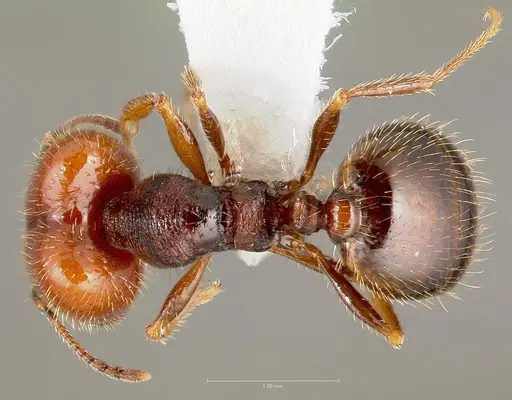
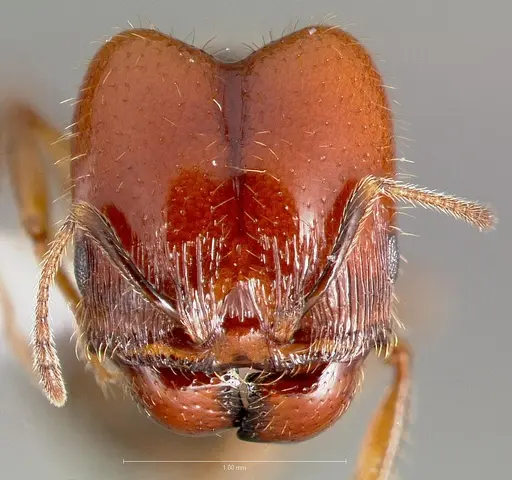
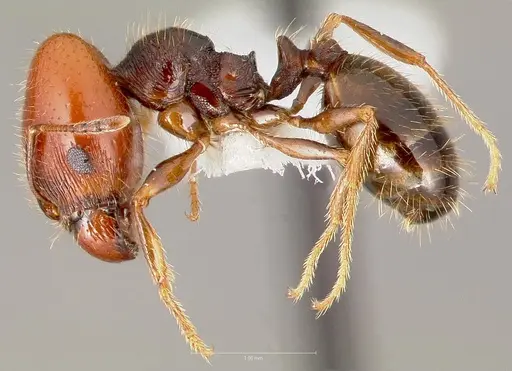
CASENT0005774
View on AntWeb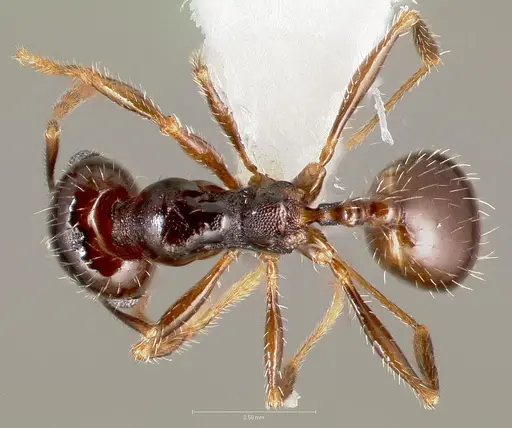
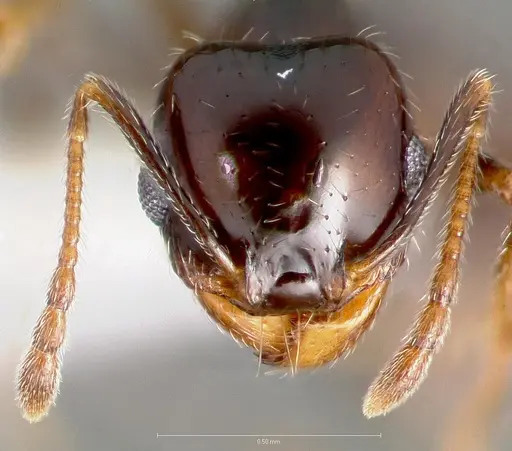
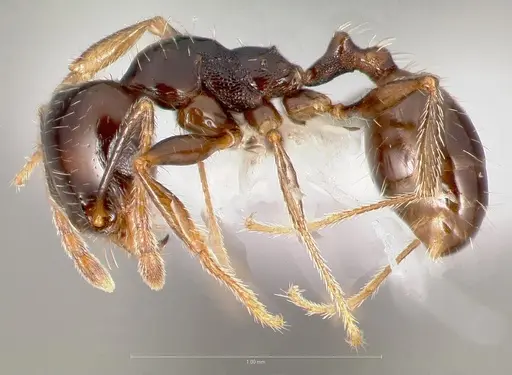
CASENT0104451
View on AntWeb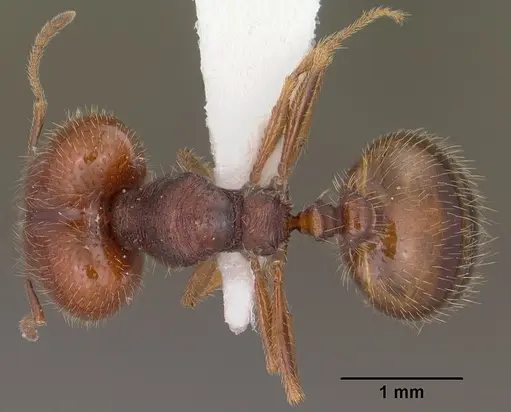
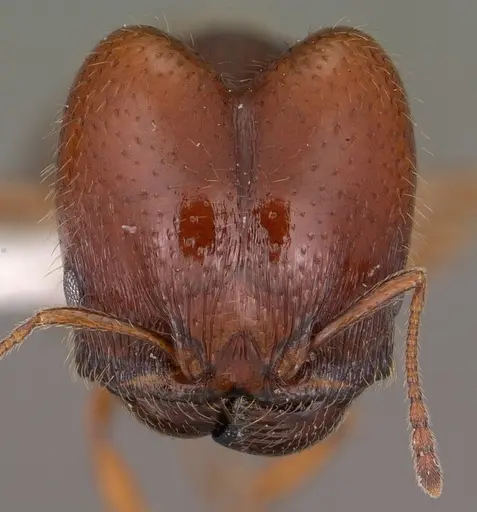
CASENT0104452
View on AntWeb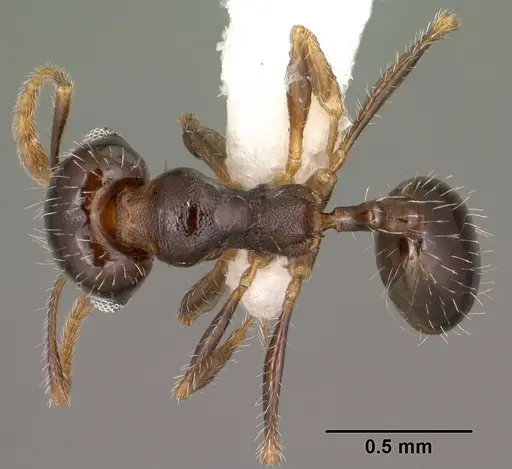
CASENT0636803
View on AntWeb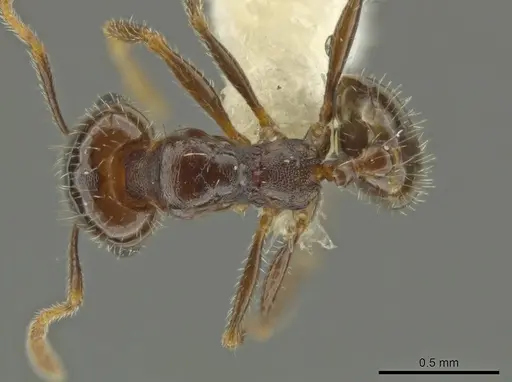
CASENT0637418
View on AntWeb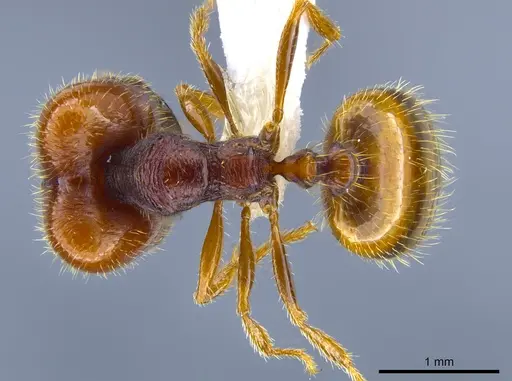
JTLC000007762
View on AntWeb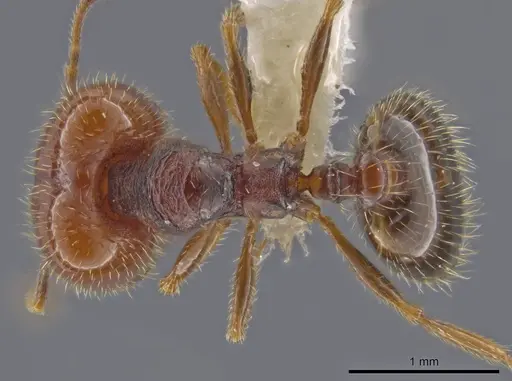
Literature
Loading...Loading products...