Neivamyrmex halidaii - "Halidaii's Army Ant (unofficial)"
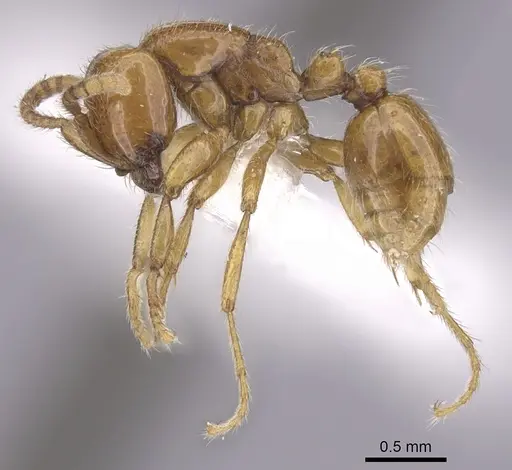
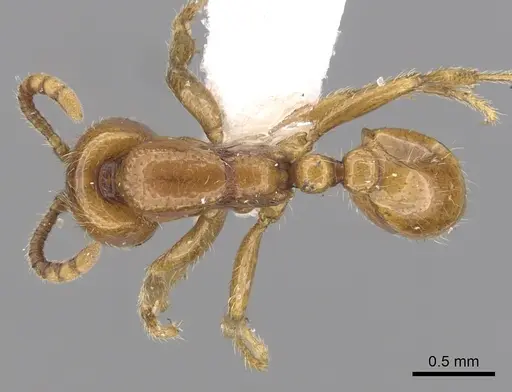
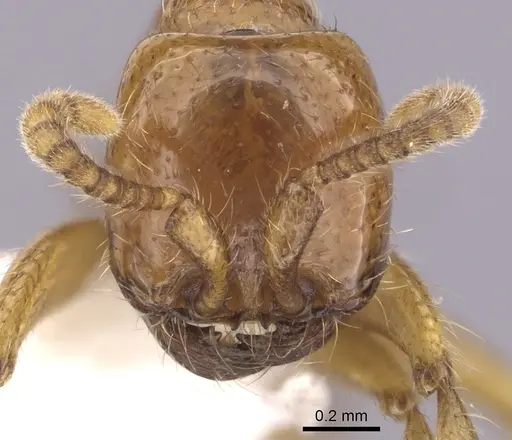
Neivamyrmex halidaii is a species of army ant belonging to the subfamily Dorylinae. While many Neivamyrmex species are known primarily from their worker castes, this particular species, N. halidaii, is known only from its winged males (alates). This makes identification and understanding the full scope of their colony biology challenging for antkeepers. Males of this species are reddish testaceous in body color, with black heads, except for the clypeus, mandibles, and antennae which match the body color. They possess wings and are often collected at lights, especially during the dry season from February to May in their natural range. Like other army ants in the genus, Neivamyrmex halidaii is expected to exhibit nomadic behavior, with colonies not building permanent nests but instead forming temporary bivouacs and preying almost exclusively on the brood of other ant species.
- Difficulty: Expert
- Origin & Habitat: Mexico to northern Argentina and Bolivia, including Costa Rica. in Predominantly subterranean, with occasional above-ground foraging at night or on cloudy days. Males are attracted to light..
- Colony Type: The exact colony type for Neivamyrmex halidaii is not definitively known as the species is only known from males. However, other Neivamyrmex species are typically monogyne, though some, like N. carolinensis and N. kiowapache, can be polygynous., unknown for n. halidaii specifically. for the genus neivamyrmex, new queens typically found colonies by leaving their natal colonies with a large number of workers. founding.
- Size & Growth:
- Queen: Not specified
- Worker: Not specified
- Colony: Unknown for N. halidaii. Other Neivamyrmex species have moderate colony sizes, ranging from 10,000 to 140,000 workers.. Unknown for N. halidaii. Army ant colonies generally have fast growth rates during their nomadic phases. growth.
- Antkeeping:
- Temperature: Specific temperature requirements for N. halidaii are unknown. For other Neivamyrmex species, preferred temperatures are typically between 20-30°C..
- Humidity: Specific humidity requirements for N. halidaii are unknown. Other Neivamyrmex species prefer high humidity..
- Diapause: Not required. Not specified at Not specified.
- Nesting: As N. halidaii is an army ant species, it does not build permanent nests. Colonies establish temporary bivouacs, primarily subterranean. Replicating this nomadic behavior and bivouac structure in captivity would be extremely challenging..
- Behavior: High (towards other ant species, primarily for prey) aggressiveness.
- Common Issues: Lack of biological knowledge for care, Inability to provide nomadic environment, Difficulty in sourcing appropriate live prey (ant brood), High mortality rates in captivity due to specialized needs.
Keeping Neivamyrmex halidaii in captivity is incredibly difficult, bordering on impossible, due to the limited knowledge we have about this species. Currently, N. halidaii is only known from its winged males, which are often found attracted to lights. Without a queen and workers, establishing and sustaining a colony is simply not feasible. The nomadic lifestyle and specific predatory diet of army ants, even those where more is known about the workers, pose significant hurdles for even the most experienced antkeepers.
The genus Neivamyrmex is characterized by its nomadic behavior, where colonies do not construct permanent nests. Instead, they form temporary bivouacs and move frequently in search of prey. This constant relocation is a fundamental aspect of their biology and would be exceedingly challenging to replicate in a typical formicarium setup. Providing adequate space and the necessary environmental cues for such movements is a monumental task.
A key challenge for any Neivamyrmex species, including halidaii if a colony could ever be acquired, is their highly specialized diet. These army ants primarily feed on the brood (larvae and pupae) of other ant species. Sourcing a consistent and sufficient supply of live ant brood, especially for a large colony that could number in the tens of thousands, presents a significant logistical barrier for antkeepers. This specific dietary requirement makes them vastly different from typical feeder insect-fed species.
Furthermore, the subterranean nature of most Neivamyrmex species means that their activity is rarely observed above ground. This cryptic lifestyle, coupled with their specific prey preferences and nomadic cycles, means that even if a colony could be kept, much of their natural behavior would occur out of sight. This limited visibility could diminish the rewarding aspects of antkeeping for many hobbyists, as observing their intricate behaviors is a major draw.