

Neivamyrmex raptor
- Scientific Name
- Neivamyrmex raptor
- Subfamily
- Dorylinae
- Author
- Forel, 1911
- Distribution
- Found in 1 countries
Neivamyrmex raptor Overview
Neivamyrmex raptor is an ant species of the genus Neivamyrmex. It is primarily documented in 1 countries , including Brazil. Detailed taxonomic data and occurrence records can be further explored via authoritative databases such as AntWeb or the Global Biodiversity Information Facility (GBIF).
Neivamyrmex raptor
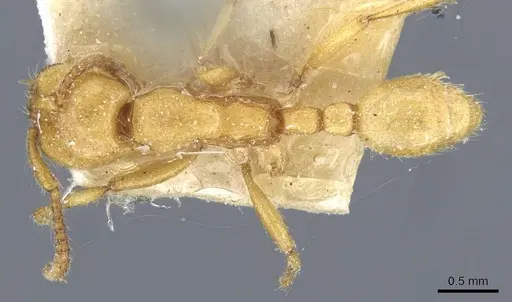
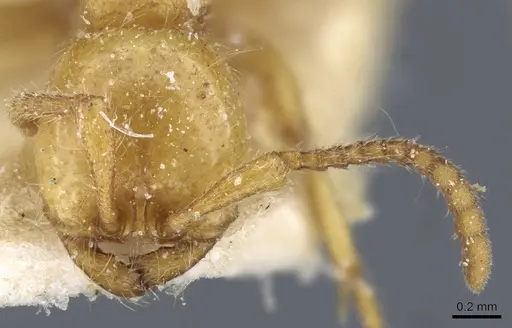
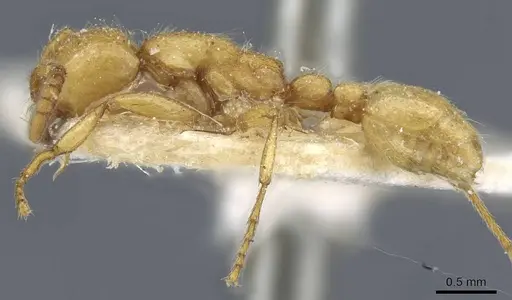
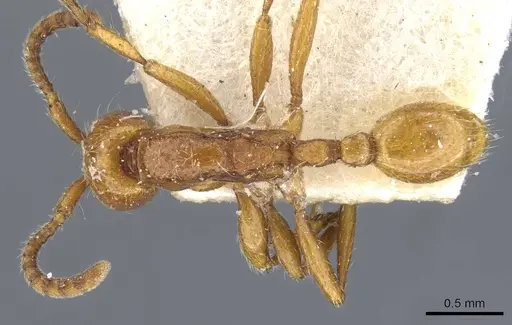
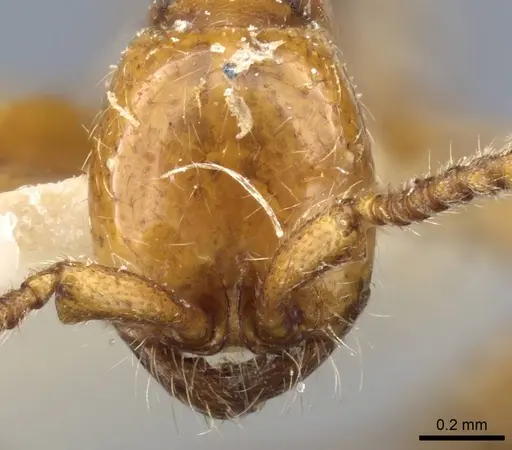
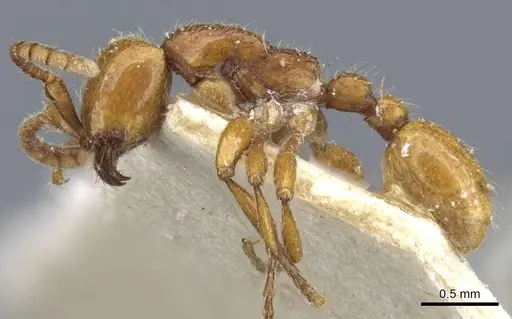
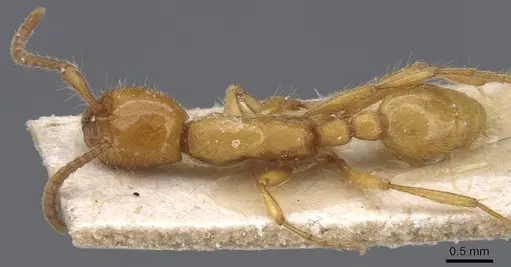
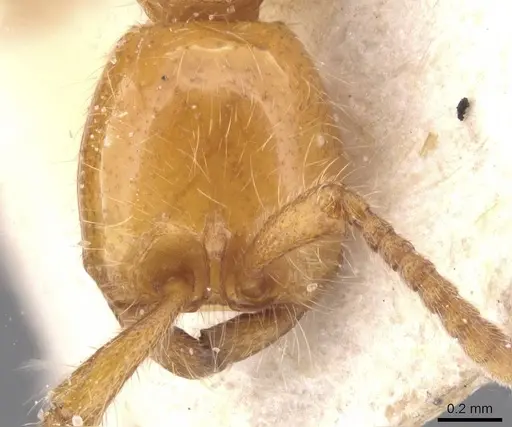
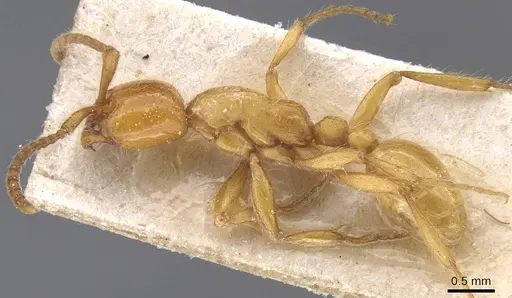
Neivamyrmex raptor is a neotropical army ant species native to southern Brazil and northern Argentina. Workers are small to medium-sized, typically measuring 3-5mm, with the characteristic army ant morphology: a slender body, large curved mandibles adapted for capturing prey, and a generally dark reddish-brown coloration. As a member of the Dorylinae subfamily, this species exhibits the classic army ant lifestyle of nomadic colony movement and coordinated raiding behavior. Colonies can grow quite large, with documented sizes reaching into the thousands of workers. The species was originally described as Eciton rapax by Forel in 1911 and later transferred to the genus Neivamyrmex. In Argentina, they are found in Santa Fe and Misiones provinces, where they occupy tropical and subtropical habitats.
Quick Summary
- Difficulty: Expert
- Origin & Habitat: Native to the Neotropical Region, specifically southern Brazil (São Paulo) and northern Argentina (Santa Fe, Misiones). They inhabit tropical and subtropical forests in the Mesopotamia region of Argentina. This species is classified as a Tropical Climate Specialist (TCS) [1].
- Colony Type: Army ant colonies are typically polygyne (multiple functional queens) with colony sizes reaching thousands of workers. However, the exact colony structure for N. raptor specifically has not been documented in detail.
- Colony: Polygyne
- Size & Growth:
- Queen: Estimated 8-12mm based on genus patterns, specific measurements not documented
- Worker: 3-5mm based on type specimen measurements [2]
- Colony: Likely several thousand workers based on typical Neivamyrmex colonies, exact maximum unknown
- Growth: Fast, army ant colonies grow rapidly when well-fed
- Development: Estimated 3-5 weeks at tropical temperatures (25-28°C) based on related Ecitoninae, this is a rough estimate as specific development data does not exist for this species (Army ant development is typically fast compared to many ant species, but exact timelines for N. raptor are unconfirmed)
- Antkeeping:
- Temperature: Army ants require warm, stable tropical conditions. Maintain nest and foraging areas at 25-28°C with minimal temperature fluctuation. A heating cable on one side of the setup can help maintain these warm conditions.
- Humidity: High humidity is essential, think humid tropical forest floor. Keep substrate consistently moist but not waterlogged. Aim for 70-80% relative humidity in the nest area. Frequent misting or a water reservoir in the outworld helps maintain humidity.
- Diapause: Likely minimal or no true diapause, being a tropical species, they probably remain active year-round with slight slowdowns during cooler periods. However, specific seasonal behavior for N. raptor is unconfirmed.
- Nesting: Army ants do not build permanent nests. In captivity, they require a spacious outworld with multiple chambers or formicaria connected by tubing to allow for colony movement. They often bivouac in enclosed spaces, provide dark retreats like nested test tubes, small boxes, or artificial chambers that the colony can occupy temporarily. A naturalistic setup with multiple connected chambers works best.
- Behavior: Neivamyrmex raptor is a predatory army ant that hunts in coordinated raids. Workers use their large mandibles to capture and subdue prey, which primarily consists of other insects and arthropods. They are highly active and aggressive foragers, conducting regular raids through the outworld. Colonies are nomadic and will regularly relocate within the enclosure. They have moderate escape ability, while not the smallest ants, they are agile and will exploit gaps. All army ants can sting, though their stings are typically mild due to their small size. They are primarily nocturnal or crepuscular in their raiding behavior, becoming most active in dim lighting or darkness.
- Common Issues: nomadic behavior makes them difficult to house, they constantly want to move and may refuse to settle in any single formicarium, predatory nature requires constant live prey, colonies can decline rapidly without adequate hunting opportunities, large colony size demands significant space and food resources, this is not a species for small setups, stress from relocation can cause colony decline, avoid disturbing the colony when they are establishing a bivouac, army ants are extremely difficult to establish from queen, wild colonies are the typical source for keepers
Understanding Army Ant Biology
Neivamyrmex raptor belongs to the Dorylinae subfamily, commonly known as army ants. Unlike most ant species that establish permanent nests, army ants are nomadic, they constantly move their colony between bivouac sites, sometimes daily. This behavior evolved because their intense predatory raids quickly deplete prey in any given area. The colony forms a living mass called a bivouac, which can be a cavity in rotting wood, a hollow in the soil, or any dark enclosed space the workers can protect. In the wild, these ants conduct massive raids through the forest floor, overwhelming prey items much larger than individual workers through sheer numbers and coordinated attack. The genus Neivamyrmex contains over 120 species distributed throughout the Americas, with the highest diversity in the neotropics. N. raptor specifically is found in Brazil and Argentina, where it occupies tropical forest habitats [1][3].
Housing and Enclosure Setup
Keeping army ants like Neivamyrmex raptor is among the most challenging antkeeping endeavors. These ants require extensive space, a standard formicarium is inadequate for established colonies. You will need a large outworld (at least 30x30cm for a growing colony) with multiple potential bivouac sites connected by tubing. The setup should allow the colony to relocate freely between areas. Provide dark retreats such as nested test tube clusters, small boxes, or artificial chambers. Use a substrate of moist soil or sand for the foraging area. Escape prevention is important, while not tiny, army ants are determined and will find gaps. Apply fluon or similar barriers to all edges. The key principle is to provide space and options, let the ants choose where to form their bivouac rather than forcing them into a specific area. Multiple formicaria or outworlds connected by tubing allows for easier relocation when the colony inevitably wants to move.
Feeding and Nutrition
Neivamyrmex raptor is strictly predatory and requires live prey to thrive. They are not scavengers and will not readily accept dead insects or protein foods. Offer a variety of small arthropods: fruit flies, small crickets, mealworms, waxworms, isopods, and other insects appropriate to the colony size. Feed generously, a hungry army ant colony can decline rapidly. For a large colony, you may need to offer prey items daily or even multiple times daily during active periods. The ants will swarm and overwhelm prey items, carrying them back to the bivouac to be dismembered and fed to larvae. Unlike many ants, army ants do not typically collect honeydew or nectar, though they may occasionally accept sugar water. Do not rely on sugar sources as a primary food. The predatory nature means you must be comfortable maintaining cultures of feeder insects.
Temperature and Climate Control
Being a neotropical species from Brazil and Argentina, N. raptor requires warm conditions year-round. Maintain temperatures between 25-28°C (77-82°F) in both the nest/bivouac area and the foraging area. Temperature drops below 20°C can stress colonies and slow activity significantly. Use a heating cable or heat mat on one side of the setup to create a warm zone, but ensure the colony can move to cooler areas if needed. Avoid placing heating directly on the bivouac chamber as it can dry out the ants. Room temperature may be adequate if your home stays in the mid-70s°F, but monitor with a thermometer. These ants are adapted to stable tropical conditions, avoid drafts, air conditioning vents, or any location with temperature fluctuations. High humidity (70-80%) should accompany these warm temperatures.
Colony Behavior and Activity Patterns
Army ant colonies operate on a cycle of raids and relocation. During active periods, workers emerge in large numbers to hunt, forming visible raiding columns that can extend across the enclosure. These raids typically occur in low light conditions, many army ants are nocturnal or crepuscular. The colony will periodically relocate its bivouac, sometimes every few days, sometimes more frequently. This relocation is natural and should not be prevented. When the colony moves, it can appear as a massive living mass flowing from one area to another. Queens are permanently wingless after mating and are carried by workers during relocation. Army ant colonies can be aggressive when raiding, while the individual stings are mild, mass stinging can be uncomfortable. The colony's queen(s) remain deep within the bivouac, protected by masses of workers.
Frequently Asked Questions
Is Neivamyrmex raptor a good species for beginners?
No. Neivamyrmex raptor is an expert-level species that is not recommended for beginners. Army ants require extensive space, constant live prey, warm humid conditions, and the ability to handle nomadic colony behavior. They are far more demanding than typical ant species.
How do I start a Neivamyrmex raptor colony?
Starting from a queen is extremely difficult for army ants. Most keepers obtain established colonies or colony fragments from the wild, typically during nuptial flights when alates are produced. Capturing a mated queen and establishing her is challenging and rarely successful. If you obtain a wild colony, acclimate it slowly to captivity and provide appropriate conditions immediately.
What do Neivamyrmex raptor ants eat?
They eat live prey only. Offer small arthropods such as fruit flies, small crickets, mealworms, isopods, and other insects. Feed generously, army ant colonies have massive appetites and can consume dozens of prey items daily. They do not typically accept sugar water or dead food.
How often should I feed Neivamyrmex raptor?
Feed as often as the colony will eat, typically daily for established colonies. Offer prey items in the evening when the colony is most active. Remove uneaten prey after 24 hours to prevent mold. A well-fed army ant colony will be constantly active, while a hungry colony will become sluggish.
Why does my army ant colony keep moving?
This is completely normal behavior. Army ants are nomadic by nature, they do not stay in one location like typical ants. They will relocate their bivouac regularly, sometimes daily. This is not a problem to solve but a behavior to accommodate by providing multiple connected spaces for the colony to use.
What temperature do Neivamyrmex raptor ants need?
Keep them warm at 25-28°C (77-82°F). They are tropical ants that suffer if temperatures drop below 20°C. Use a heating cable or heat mat to maintain warm conditions, especially in cooler climates.
How big do Neivamyrmex raptor colonies get?
Army ant colonies can become massive, potentially thousands of workers. While specific data for N. raptor is lacking, Neivamyrmex colonies commonly reach several thousand individuals. This requires significant space and food resources.
Can I keep Neivamyrmex raptor in a test tube setup?
No. Test tube setups are far too small for army ants. They require large outworlds with multiple chambers and the ability to relocate. A single test tube cannot accommodate a functioning army ant bivouac.
Do Neivamyrmex raptor ants need hibernation?
No. As a neotropical species from Brazil and Argentina, they do not require hibernation. Keep them warm year-round. They may show slightly reduced activity during cooler periods but should not be subjected to cold temperatures.
How long does it take for eggs to develop into workers?
Exact development time for N. raptor is unconfirmed, but army ant development is relatively fast. Based on related species, expect approximately 3-5 weeks from egg to worker at optimal tropical temperatures (25-28°C).
Is Neivamyrmex raptor aggressive?
They are aggressive predators but not dangerous to humans. Their aggression is directed toward prey items, which they overwhelm through coordinated attacks. The ants may sting if threatened, but the effect is mild.
References

This caresheet is licensed under CC BY-SA 4.0 .
Literature
Loading...Loading products...