

Neivamyrmex alfaroi
- Scientific Name
- Neivamyrmex alfaroi
- Subfamily
- Dorylinae
- Author
- Emery, 1890
- Distribution
- Found in 2 countries
Neivamyrmex alfaroi Overview
Neivamyrmex alfaroi is an ant species of the genus Neivamyrmex. It is primarily documented in 2 countries , including Colombia, Costa Rica. Detailed taxonomic data and occurrence records can be further explored via authoritative databases such as AntWeb or the Global Biodiversity Information Facility (GBIF).
Neivamyrmex alfaroi
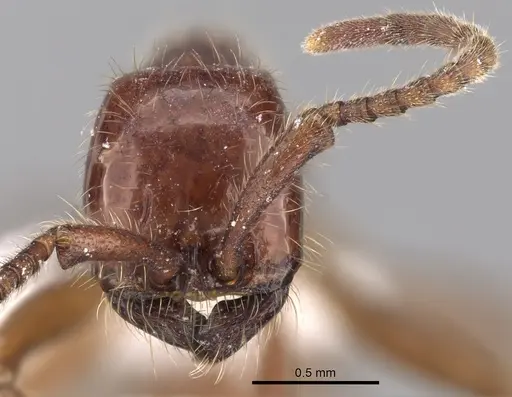
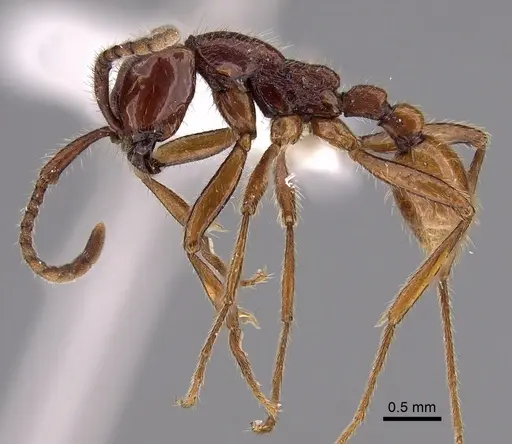
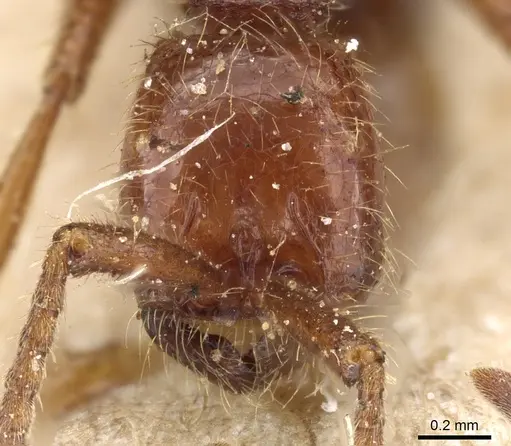
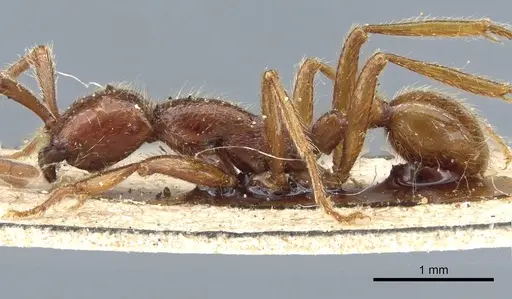
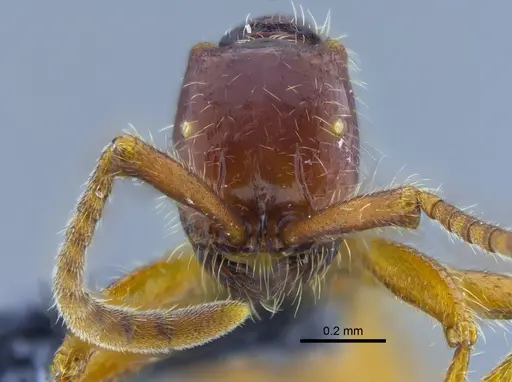
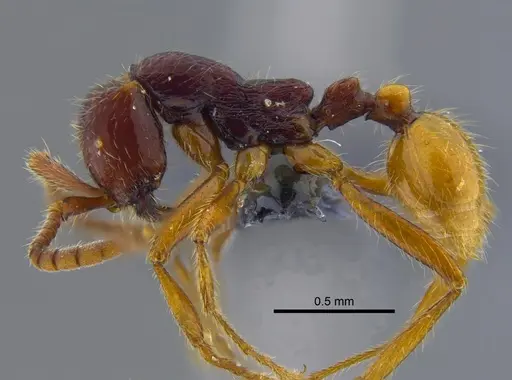
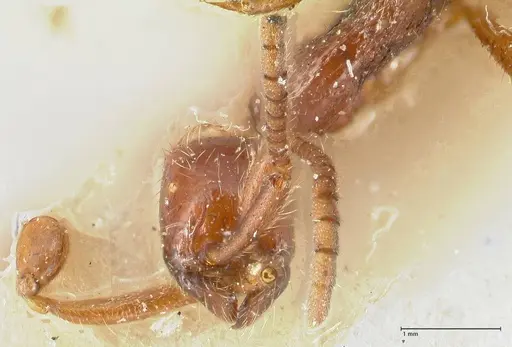
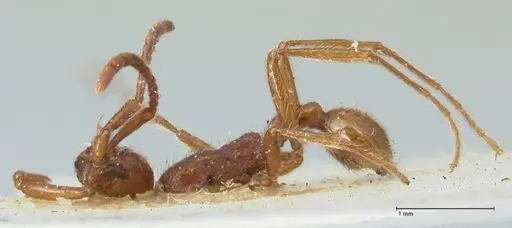
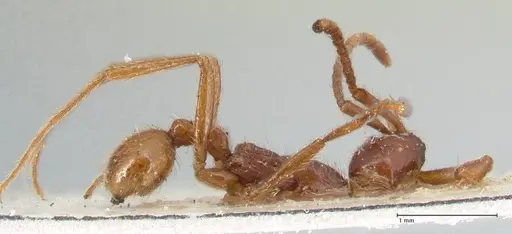
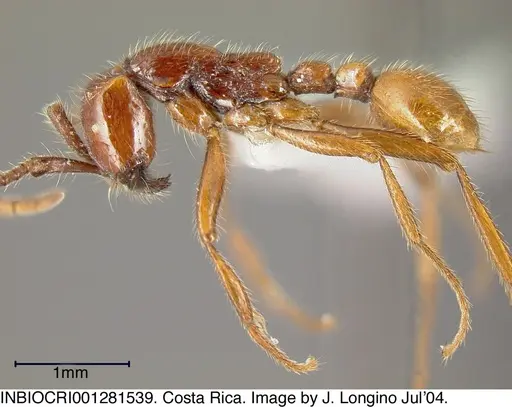
Neivamyrmex alfaroi is a small army ant species native to Costa Rica. Workers are reddish-brown with a smooth, shiny head and distinctive concave propodeum. They measure just a few millimeters and are ground-nesting predators known for their spectacular nocturnal raids on other ant colonies. This species occurs in lowland wet to moist forests across Costa Rica, from sea level to around 300m elevation. Unlike many army ants that are widespread, N. alfaroi is endemic to Costa Rica, making it a rare and specialized species in the antkeeping hobby. The genus Neivamyrmex contains the New World army ants, famous for their nomadic lifestyle and coordinated swarm raids that overwhelm target colonies.
Quick Summary
- Difficulty: Expert
- Origin & Habitat: Endemic to Costa Rica, found in lowland wet to moist forest and seasonally dry scrubby vegetation from sea level to 300m elevation [1].
- Colony Type: Colony structure is not well-documented. As a Neivamyrmex species, they likely form colonies with a single queen (monogyne), typical of army ants. The species is only known from workers and queens, males have not been described.
- Size & Growth:
- Queen: Queen size not precisely documented in available literature [2].
- Worker: Worker size is small, a few millimeters, typical for Neivamyrmex species [1].
- Colony: Colony size is unconfirmed, but Neivamyrmex colonies typically reach hundreds to thousands of workers.
- Growth: Growth rate is unconfirmed.
- Development: Development timeline is unconfirmed for this species. Based on typical army ant patterns, development may be relatively fast, possibly 4-8 weeks at optimal temperature. (No specific development data available for this species.)
- Antkeeping:
- Temperature: As a Costa Rican lowland species, they likely prefer warm conditions around 24-28°C. Avoid temperatures below 20°C.
- Humidity: Lowland rainforest habitat suggests high humidity needs, around 70-80%. Keep substrate consistently moist but not waterlogged.
- Diapause: Diapause requirements are unconfirmed. As a tropical species from Costa Rica, they may not require a true hibernation but may have reduced activity during drier seasons.
- Nesting: Ground-nesting species. In captivity, they need a spacious outworld for raiding behavior. A test tube setup works for founding colonies, but established colonies require significant space to express natural raiding and foraging behaviors. They are not suitable for compact nests.
- Behavior: This is an aggressive predator that raids other ant colonies. Observed conducting spectacular nocturnal swarm raids on Cyphomyrmex salvini nests, with dense fan-shaped swarms advancing up tree trunks. They attack target colonies and steal brood. Workers move very rapidly and form dense columns. This species is strictly predatory on other ants, they do not forage for sugar or plant matter. They have functional stingers for subduing prey. Escape prevention is important as they are active and fast-moving. They are primarily nocturnal but have been observed raiding during the day as well.
- Common Issues: specialized predator requiring constant access to prey ant colonies, cannot be fed standard ant foods, requires much larger enclosure than typical ants due to raiding behavior and large worker numbers, difficult to maintain long-term as they need sustainable prey populations to raid, colony may decline or fail without proper prey availability, no established captive breeding protocols for this rarely Kept species
Understanding Neivamyrmex alfaroi
Neivamyrmex alfaroi is an army ant, a member of the subfamily Dorylinae. Army ants are famous for their predatory lifestyle and coordinated group raids on other ant colonies. This species is endemic to Costa Rica, found only in that country's lowland forests and scrubland. The workers are reddish-brown with a smooth, shiny head and a distinctive deeply concave propodeum (the section between the thorax and abdomen). Queens are known but males have never been described for this species, which is unusual and suggests the species may be rarely collected or that males are nocturnal and hard to find. The genus Neivamyrmex contains about 150 species of New World army ants, all of which are specialized predators that raid other ant colonies for brood. [1]
Raiding Behavior
The most spectacular aspect of N. alfaroi behavior is their raiding. In the wild, observers have witnessed dramatic nocturnal raids on Cyphomyrmex salvini colonies, a fungus-growing ant. The raid began at 8pm with a dense, fan-shaped swarm advancing up a tree trunk. Individual ants moved extremely rapidly, so dense that the swarm appeared to have swirls and eddies like a fluid. The Cyphomyrmex colony was nesting several meters high in an aroid plant clump, and when attacked, workers ran out carrying their brood. Similar raids have been observed on Camponotus colonies, with the army ants dragging out alate (winged) queens and males. This predatory behavior means N. alfaroi cannot be fed standard ant foods, they need live ant brood or worker prey to survive. In captivity, this presents a significant challenge as you would need to maintain viable prey ant colonies. [1]
Housing and Space Requirements
Neivamyrmex alfaroi requires significantly more space than typical ant species. Because they are army ants that conduct large-scale raids, they need an expansive outworld where they can form columns and swarm. A standard formicarium or compact nest setup is completely unsuitable, they need room to move. For a founding colony, a test tube setup can work initially, but as the colony grows, you will need to provide a large outworld connected to the nest. The setup should allow for easy prey introduction. Many army ant keepers use custom-built large enclosures or connect multiple containers together. The enclosure should have excellent escape prevention, these fast-moving ants will exploit any gap. Lighting should be adjustable since they are primarily nocturnal but can raid during the day. [1]
Feeding and Nutrition
N. alfaroi is an obligate predator, they eat nothing but other ants. In the wild, they raid colonies of Cyphomyrmex, Camponotus, and other ant species. They steal brood (eggs, larvae, pupae) and kill adult workers for food. In captivity, you cannot feed them honey water, fruit, or standard protein sources. They require a constant supply of live ant brood, preferably from species that are safe to maintain as prey. Some keepers use small Myrmica or Brachymyrmex colonies as sustainable prey sources, but this requires careful management. You will need to establish and maintain multiple prey ant colonies to keep N. alfaroi fed. Do not attempt to keep this species unless you are prepared to maintain a mini-ant-farm as a food source. [1]
Temperature and Humidity
As a Costa Rican lowland species, N. alfaroi needs warm, humid conditions. Aim for temperatures around 24-28°C, avoid letting temperatures drop below 20°C for extended periods. A heating mat on one side of the enclosure can provide a gradient. Humidity should be high, around 70-80%, mimicking their wet forest habitat. Keep the substrate consistently moist but not waterlogged. A water reservoir in the nest area helps maintain humidity. Since they are ground-nesting ants, they do best with a moist substrate layer that doesn't dry out quickly. Monitor condensation on the enclosure, some is good, but excessive condensation can indicate too much moisture. [1]
Is This Species Right for You?
Neivamyrmex alfaroi is NOT a beginner species. This is an expert-level ant that requires specialized care most hobbyists cannot provide. They need: constant access to live ant prey (not standard insects), much larger enclosures than typical ants, high humidity and warm temperatures, and experience managing multiple ant colonies simultaneously. The biggest challenge is nutrition, without ant prey, the colony will starve. Most antkeepers should choose a different species. If you are specifically interested in army ants, consider starting with more documented species like Labidus coecus or Eciton burchelli, which have more established care protocols. Only attempt N. alfaroi if you have extensive experience with predatory ant species and can provide the specialized requirements they demand. [1]
Frequently Asked Questions
Can I keep Neivamyrmex alfaroi in a test tube?
Only for a very small founding colony. Once the colony grows beyond 20-30 workers, they need significant space for raiding behavior. A test tube is completely inadequate for established colonies.
What do Neivamyrmex alfaroi eat?
They eat only other ants, specifically the brood and workers of other ant species. They are obligate predators and cannot survive on honey water, fruit, or dead insects. You must provide live ant colonies as food.
How long until first workers in Neivamyrmex alfaroi?
The development timeline is unconfirmed for this species. Based on typical army ant patterns, expect 4-8 weeks from egg to worker at optimal temperature (around 26°C).
Are Neivamyrmex alfaroi good for beginners?
No. This is an expert-only species. They require live ant prey, large enclosures, and specialized care that most hobbyists cannot provide.
Can I keep multiple queens together?
This has not been documented. Based on typical army ant behavior, they likely form single-queen colonies. Combining unrelated queens is not recommended.
How big do Neivamyrmex alfaroi colonies get?
Colony size is unconfirmed for this specific species, but Neivamyrmex colonies typically reach hundreds to thousands of workers.
Do Neivamyrmex alfaroi need hibernation?
Diapause requirements are unconfirmed. As a tropical species from Costa Rica, they likely do not require true hibernation but may have reduced activity during drier seasons.
Why are my Neivamyrmex alfaroi dying?
The most likely cause is starvation, they need live ant prey, not standard ant food. Other causes include low temperature (below 20°C), low humidity, or insufficient space for their raiding behavior.
When to move to formicarium?
Only when the colony is well-established with 50+ workers and you can provide a large outworld for raiding. Standard formicariums are too small, you will likely need custom enclosures.
References

This caresheet is licensed under CC BY-SA 4.0 .
CASENT0619176
View on AntWeb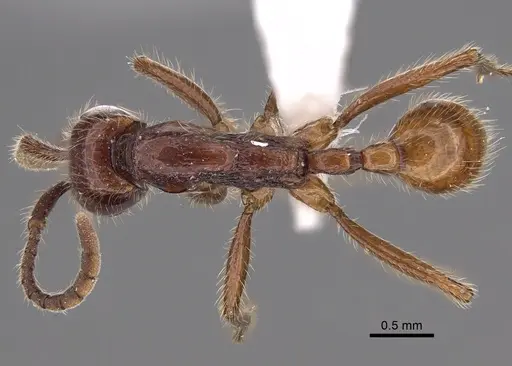
CASENT0903727
View on AntWeb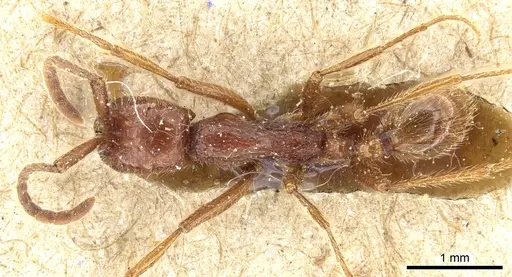
CBUMAGENT41917
View on AntWeb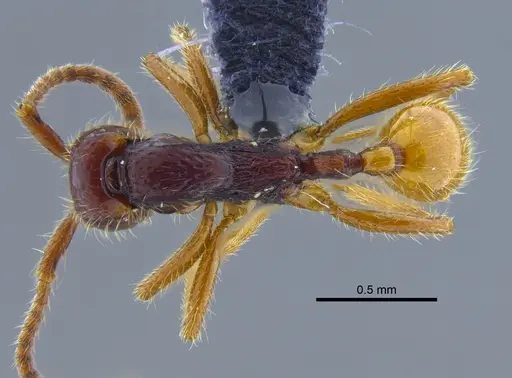
FOCOL1133
View on AntWeb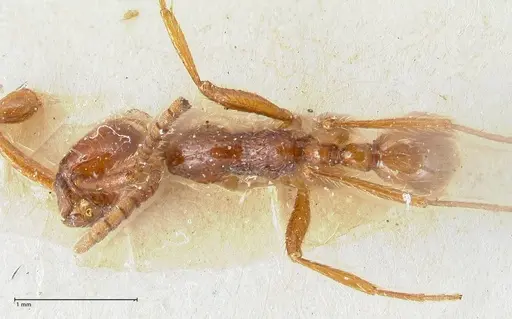
INBIOCRI001281539
View on AntWeb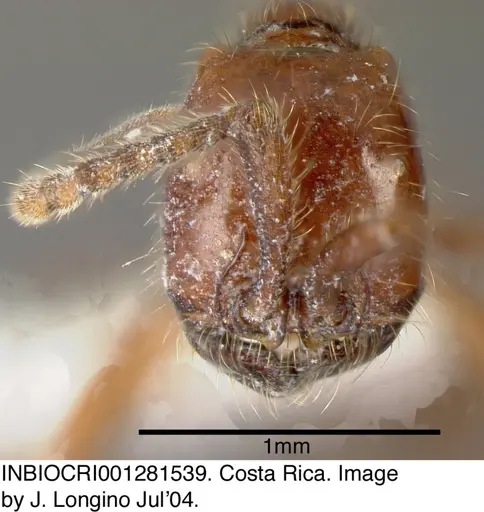
Literature
Loading...Loading products...