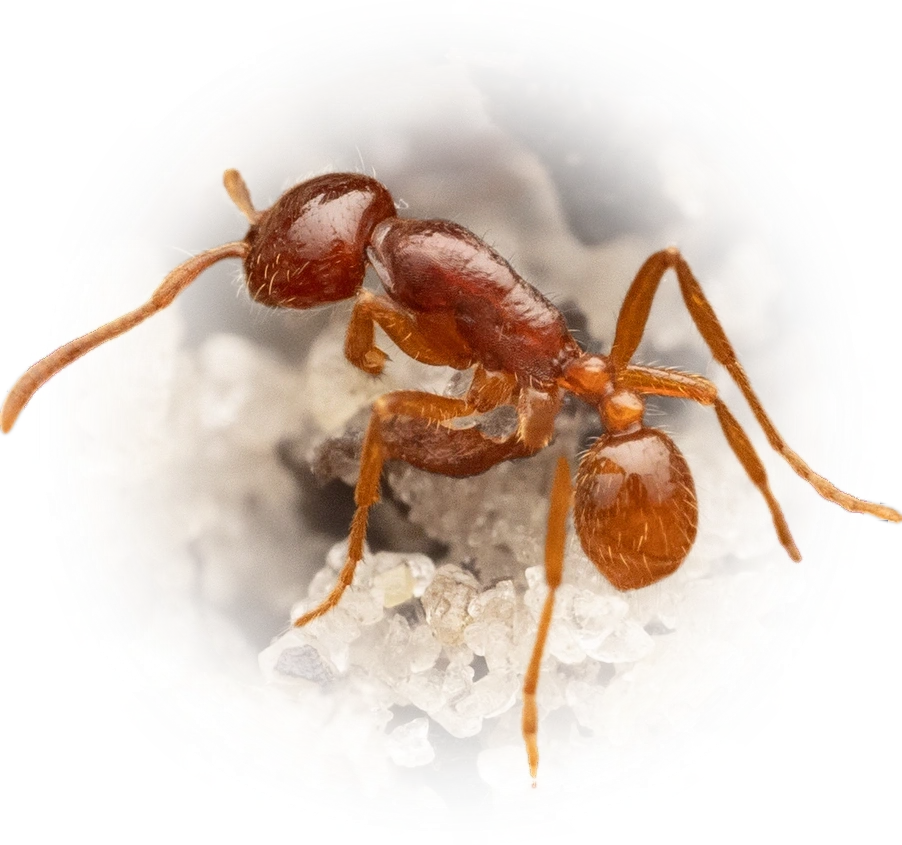

Labidus coecus
- Scientific Name
- Labidus coecus
- Subfamily
- Dorylinae
- Author
- Latreille, 1802
- Distribution
- Found in 8 countries
Labidus coecus Overview
Labidus coecus is an ant species of the genus Labidus. It is primarily documented in 8 countries , including Brazil, Colombia, Costa Rica. Detailed taxonomic data and occurrence records can be further explored via authoritative databases such as AntWeb or the Global Biodiversity Information Facility (GBIF).
Labidus coecus
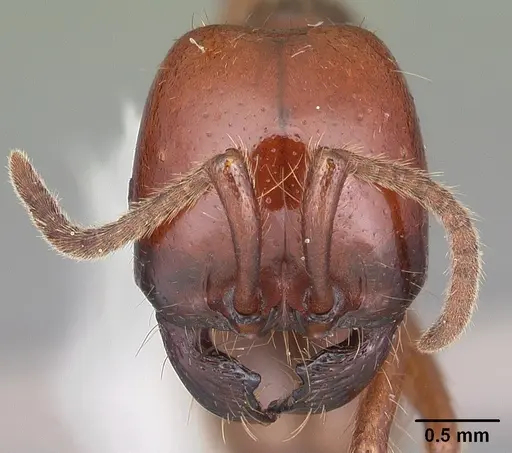
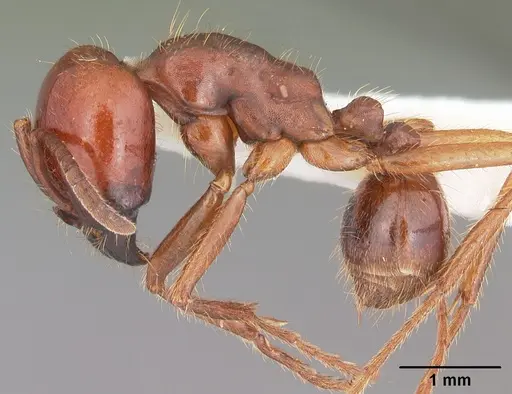
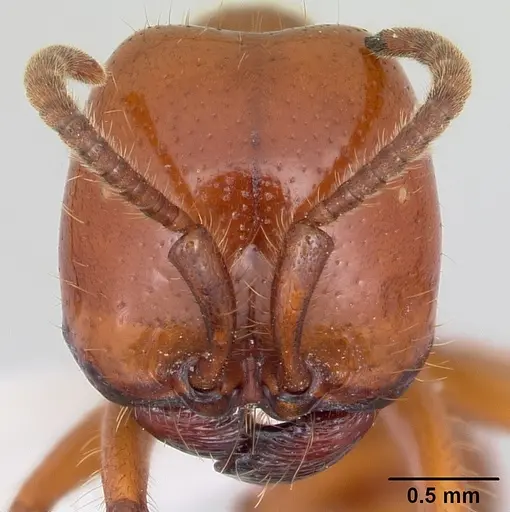
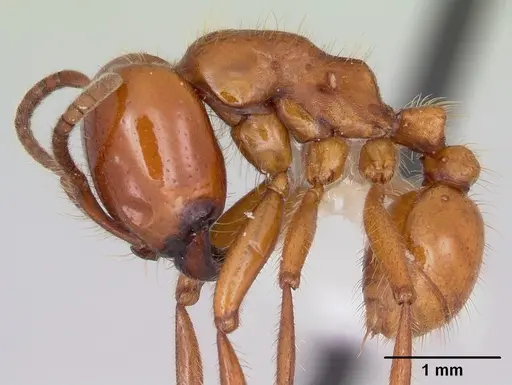
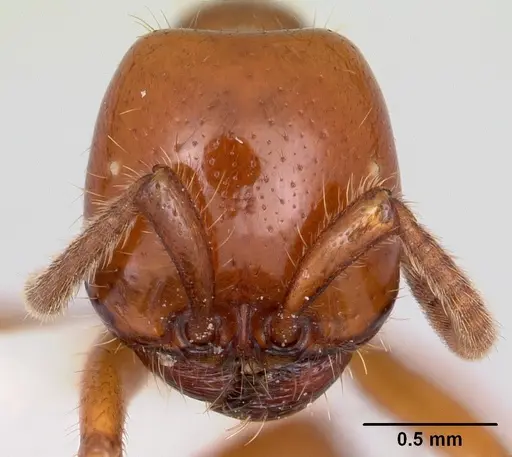
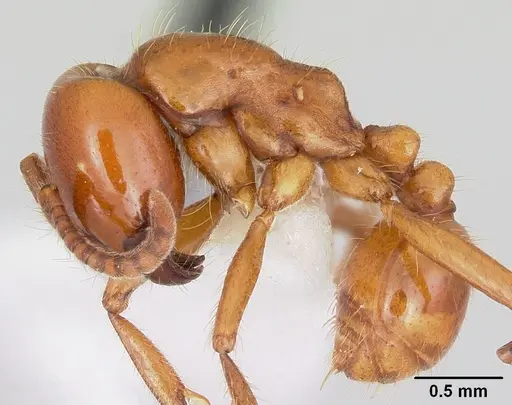
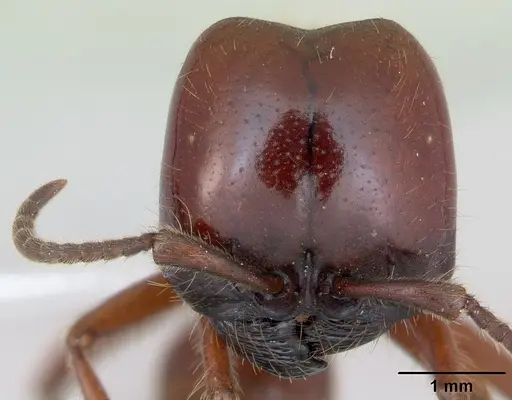
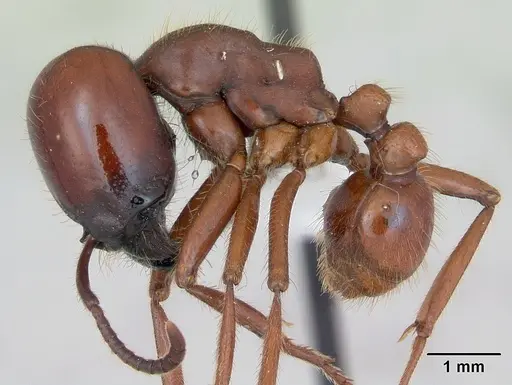
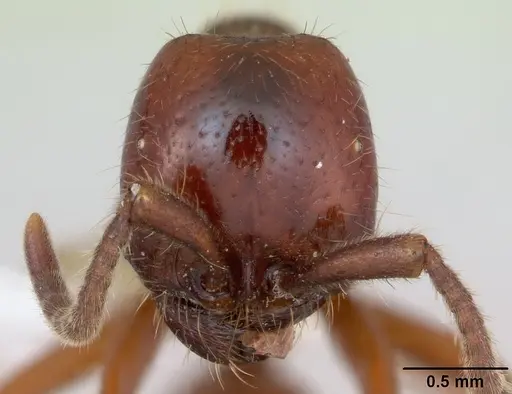
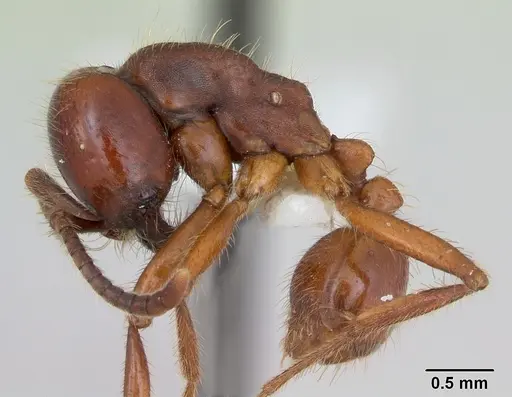
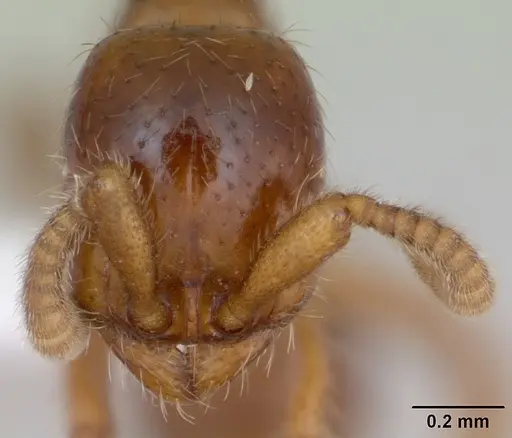
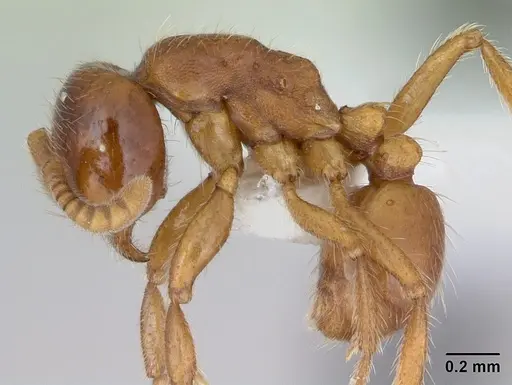
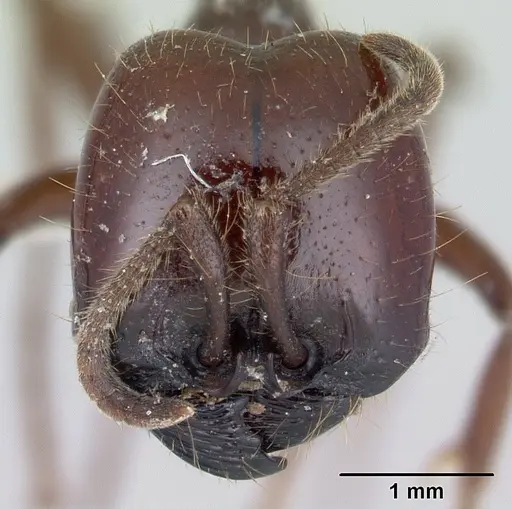
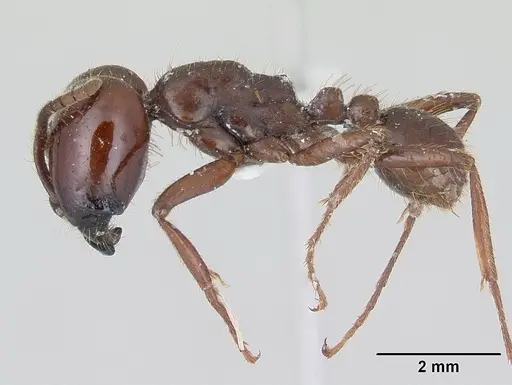
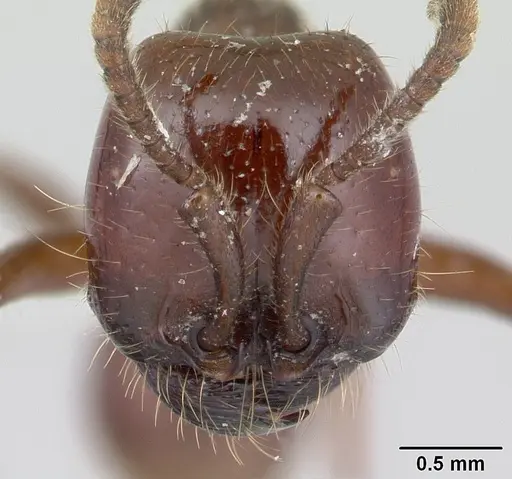
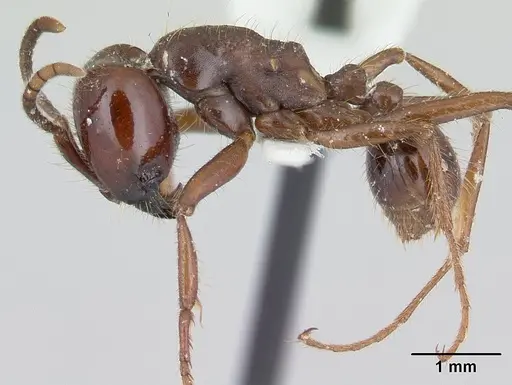
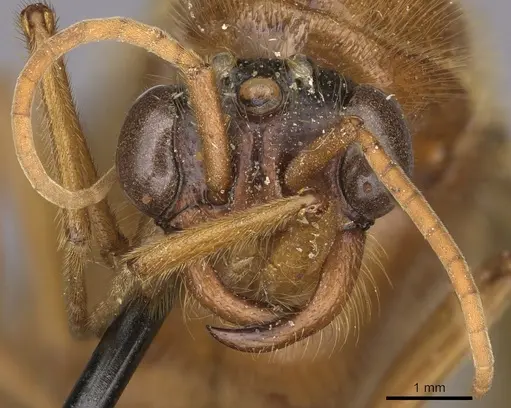
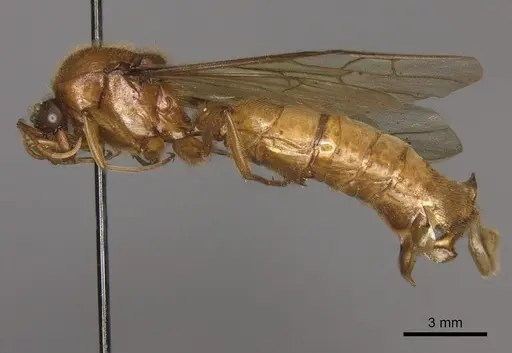
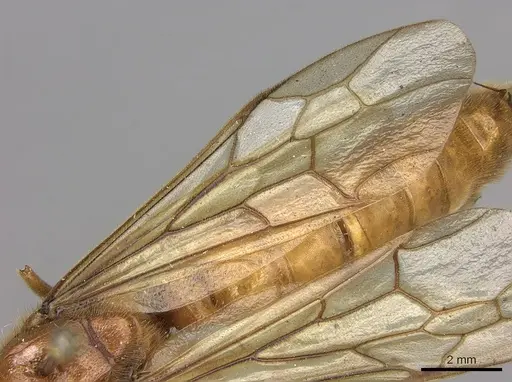
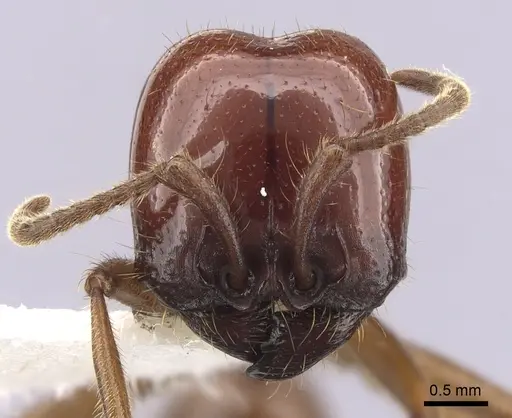
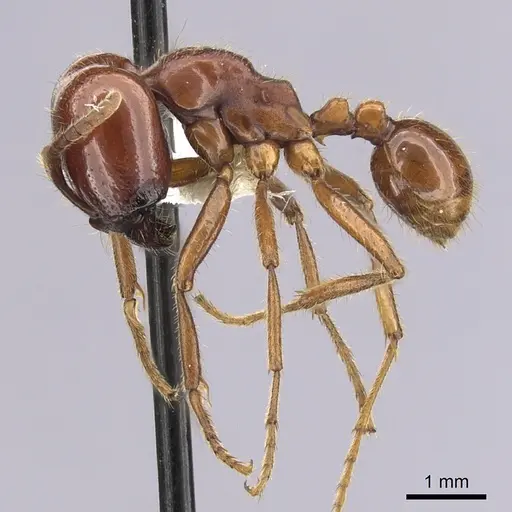
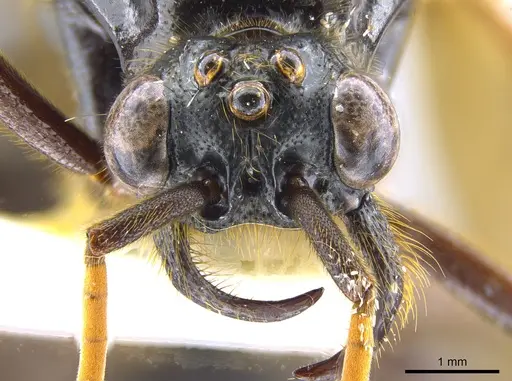
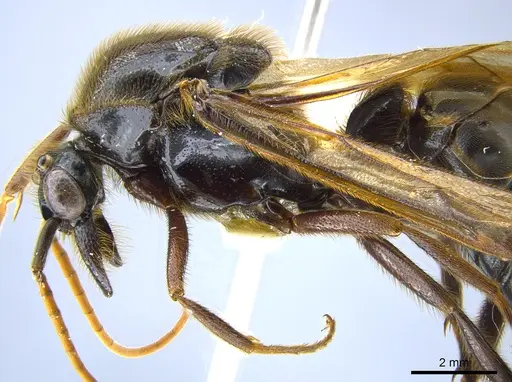
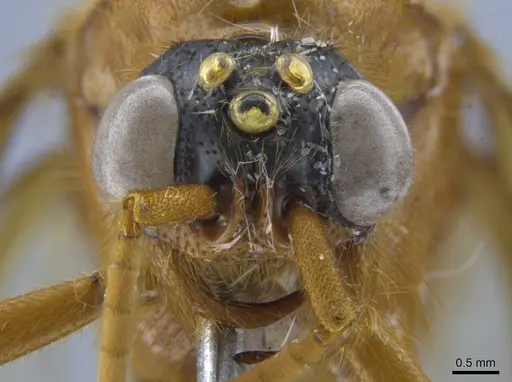
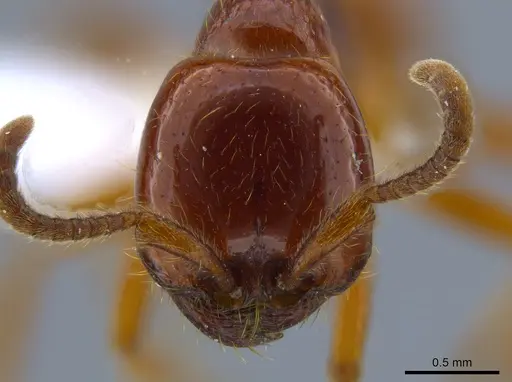
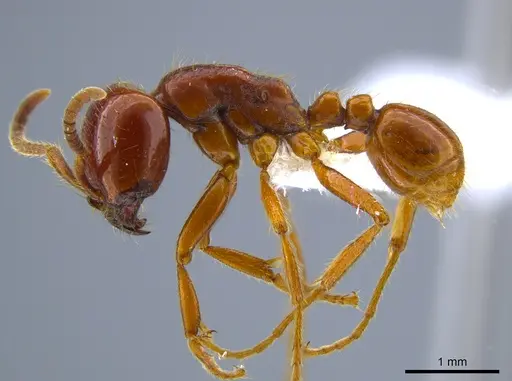
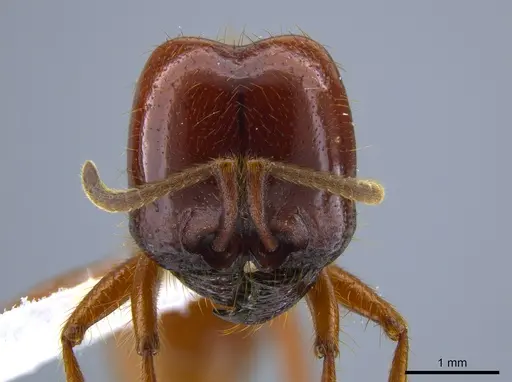
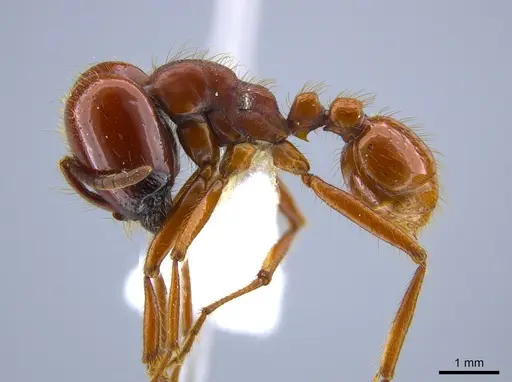
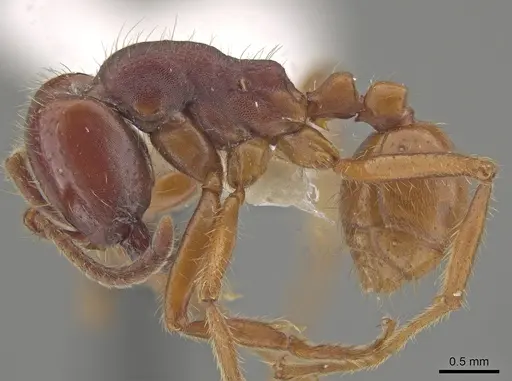
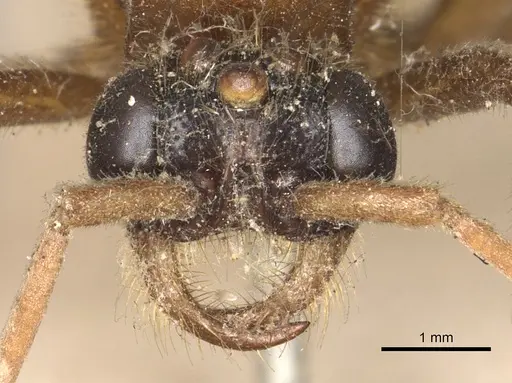
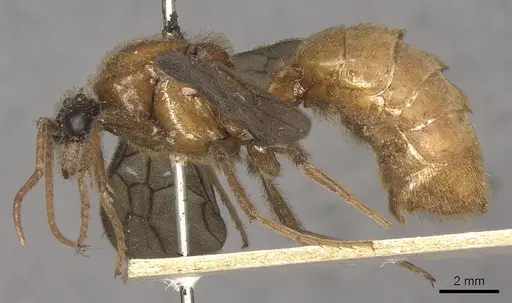
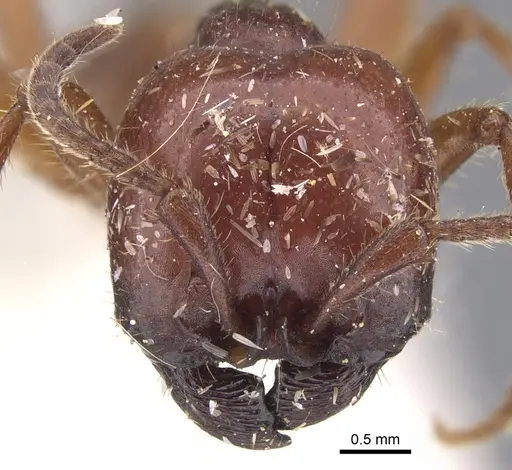
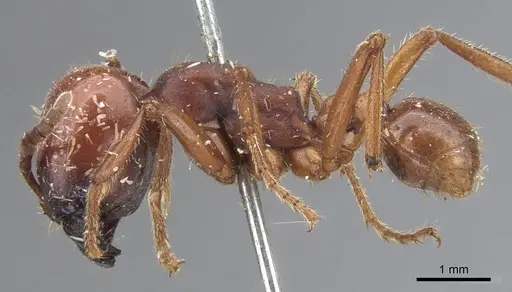
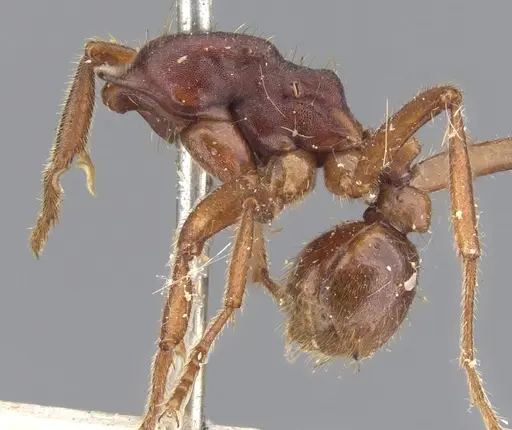
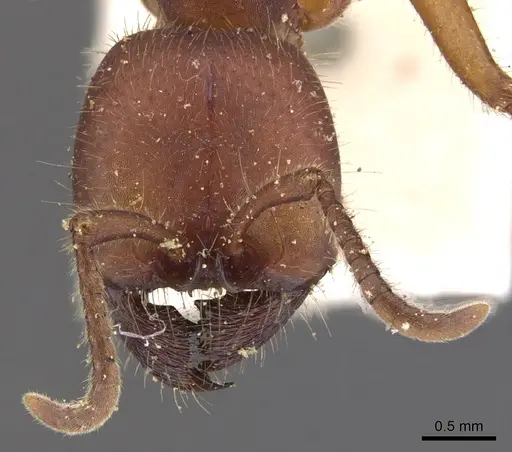
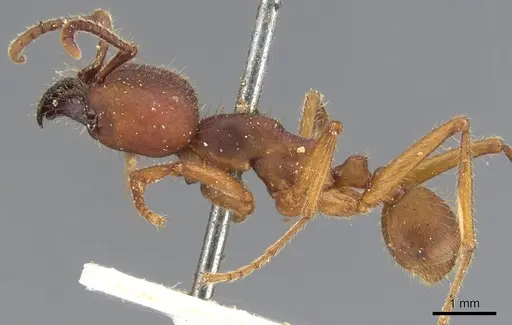
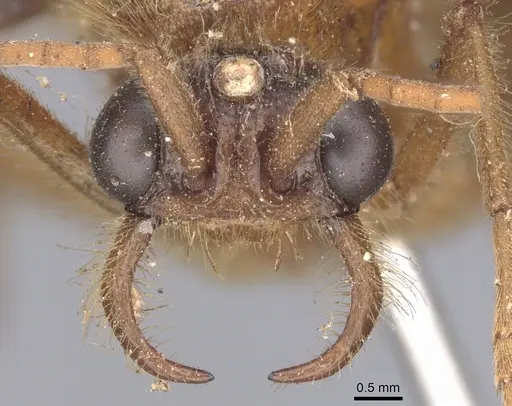
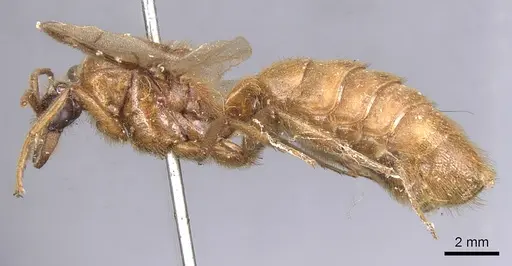
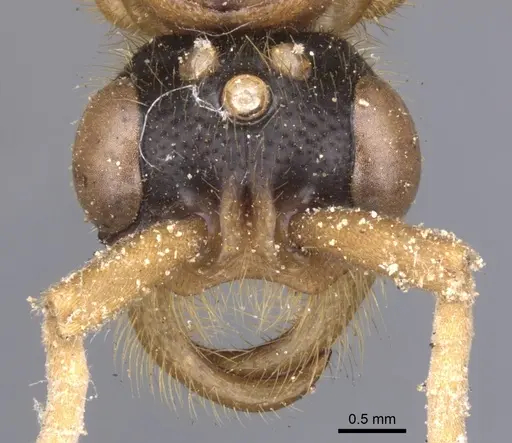
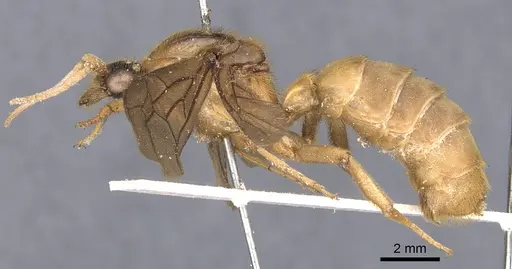
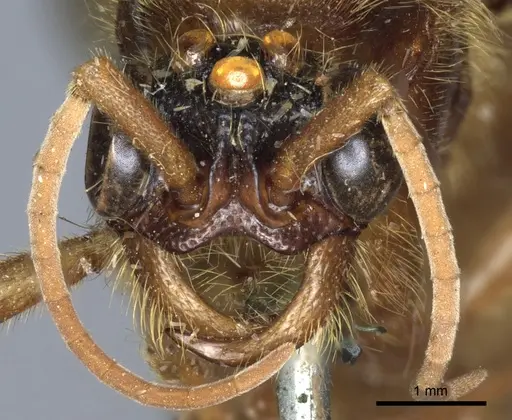
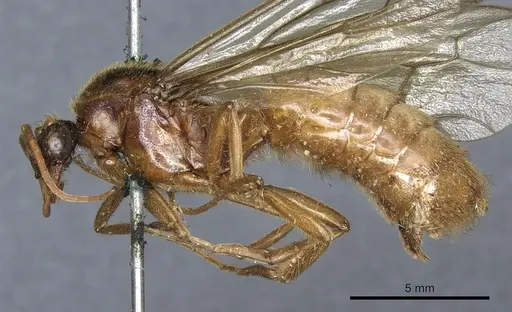
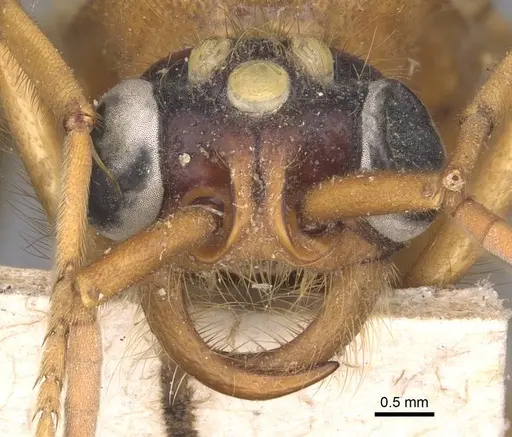
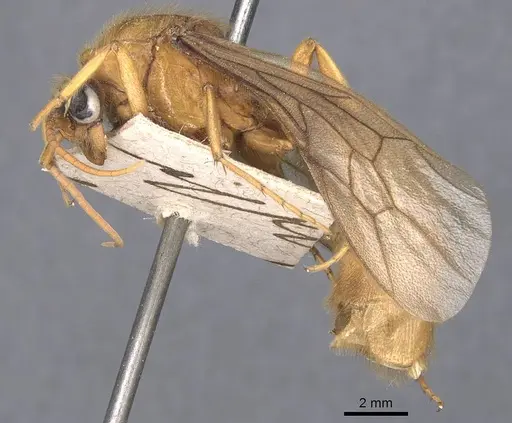
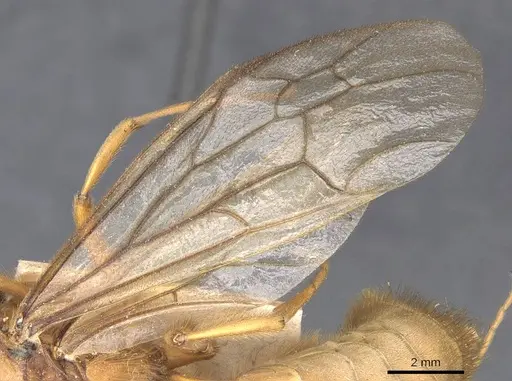
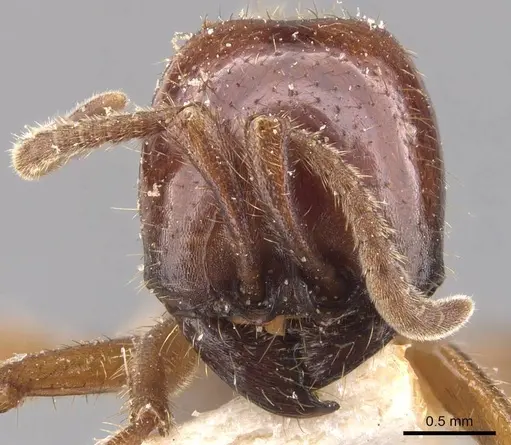
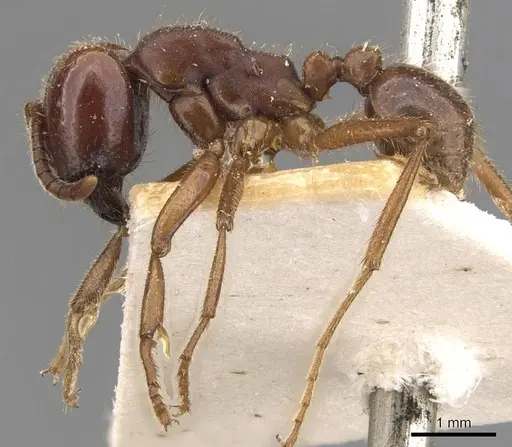
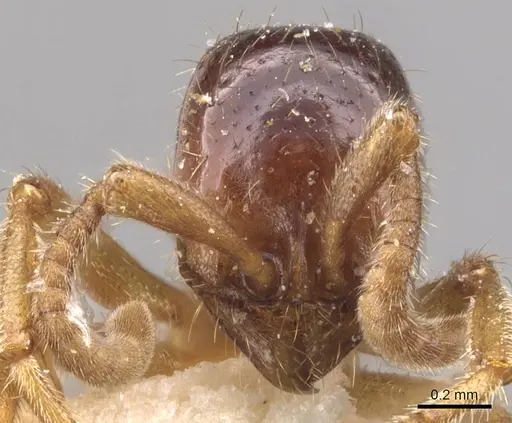
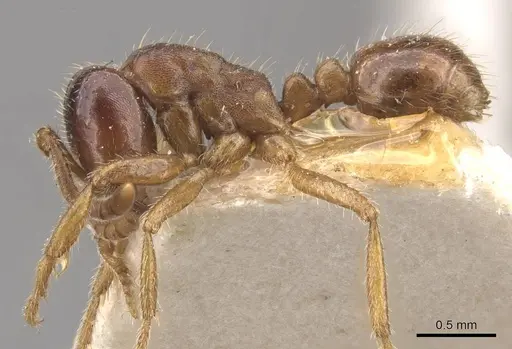
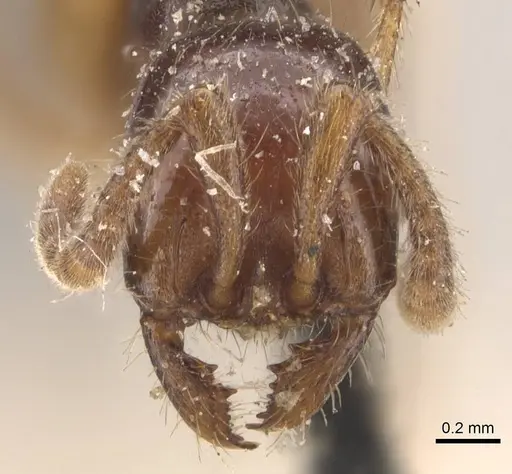
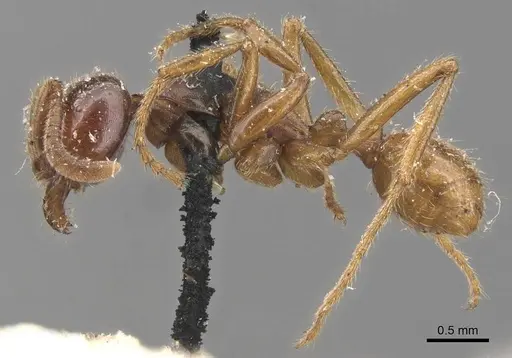
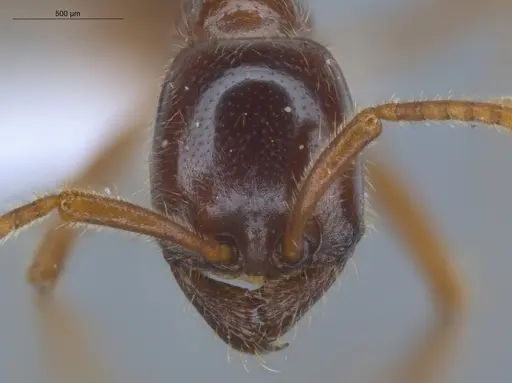
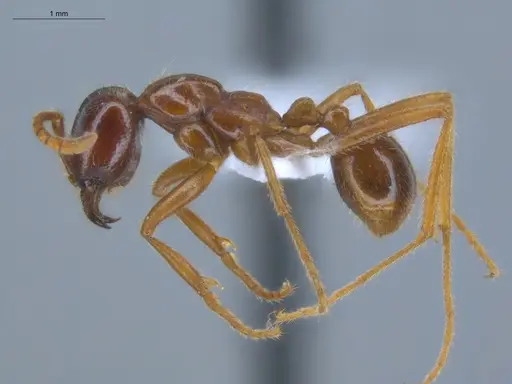
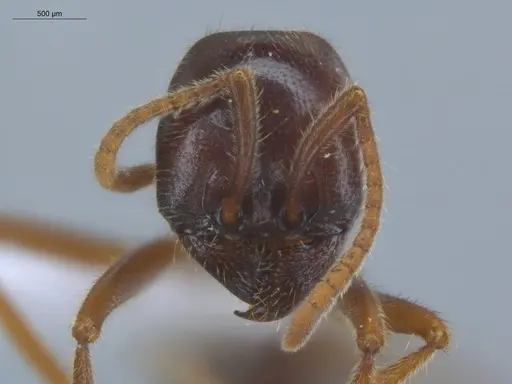
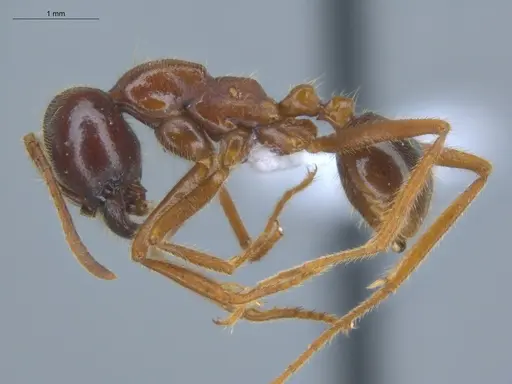
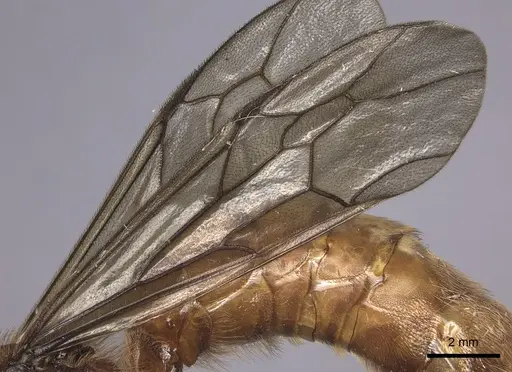
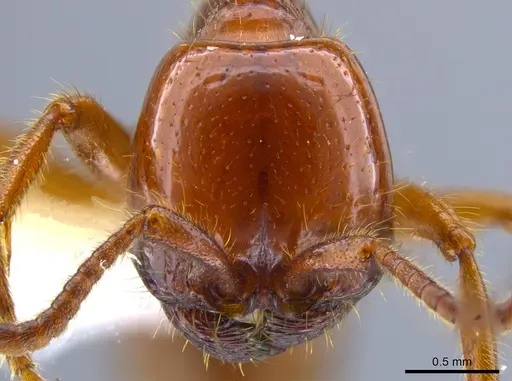
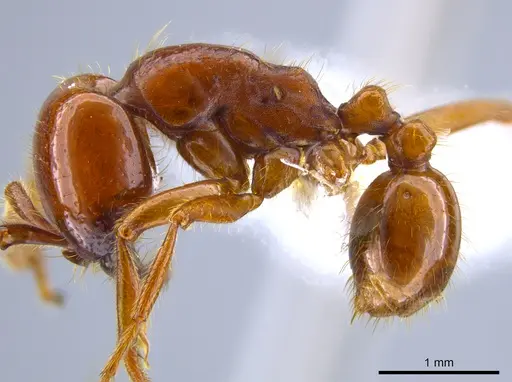
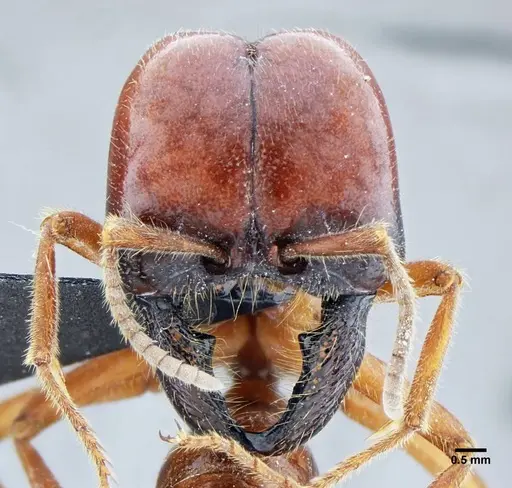
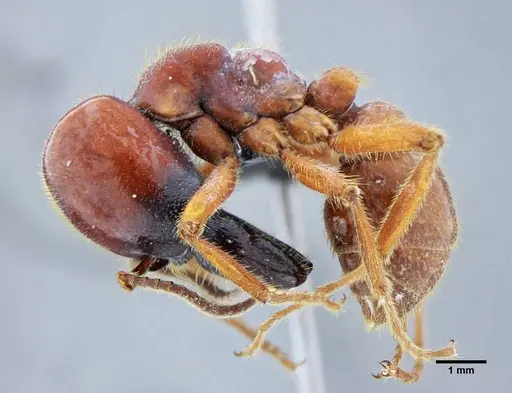
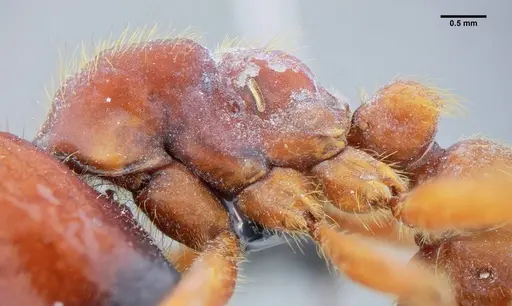
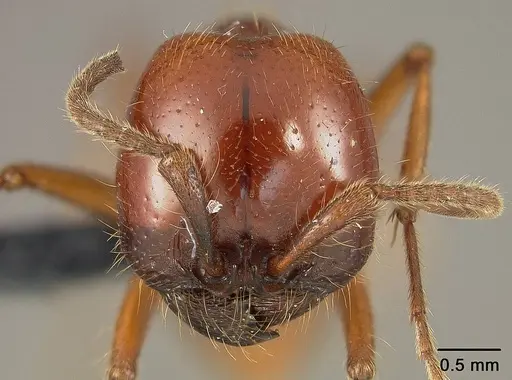
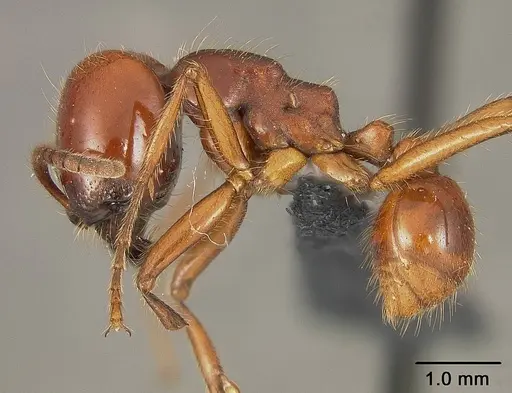
Labidus coecus is a small to medium-sized army ant with workers measuring 3-7mm in length, featuring a reddish-brown to reddish-yellow coloration and a distinctive anteroventral tooth on the petiole [1]. This species holds the record for the widest distribution of any New World army ant, ranging from Oklahoma and Texas in the north to Argentina in the south, across 20 countries in Central and South America. Unlike the famous surface-raiding Eciton species, L. coecus is almost entirely subterranean, spending most of its life underground where it conducts raids through loose soil and leaf litter [2]. What makes this species remarkable is its extraordinary ecological flexibility, it thrives in rainforests, dry forests, coffee farms, pastures, and even suburban yards, from sea level to altitudes above 3000m [3].
Quick Summary
- Difficulty: Expert
- Origin & Habitat: Native to the Americas, ranging from Oklahoma/Texas (USA) south to Argentina. Found across diverse habitats including rainforests, dry forests, cloud forests, coffee farms, pastures, and suburban areas. Commonly nests in caves and underground chambers[3].
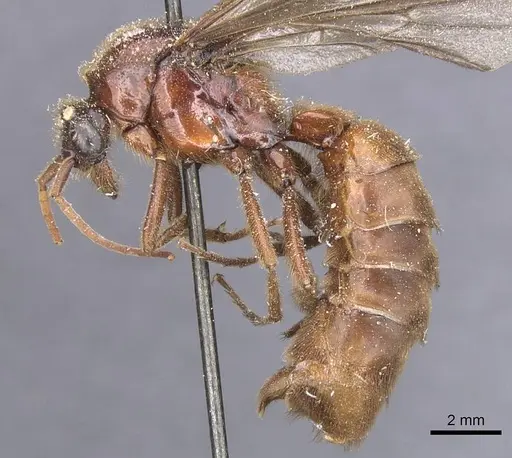
- Colony Type: Colony structure is not well-documented in scientific literature. As an army ant, colonies are expected to be large with a single queen. The queen is wingless (apterous) and was first described by Weber in 1941 [3].
- Colony: Monogyne
- Founding: Semi-claustral
- Size & Growth:
- Queen: Unconfirmed, queen described but measurements not available in primary literature
- Worker: 3-7mm, polymorphic [1]
- Colony: Large colonies expected, army ant colonies typically reach thousands of workers, though specific data for L. coecus is lacking
- Growth: Moderate, inferred from related army ant species
- Development: 6-10 weeks (estimated based on typical Ecitoninae development at tropical temperatures) (Development timeline is unconfirmed for this specific species. Army ants typically have asynchronous brood development, with eggs, larvae, and pupae present simultaneously in the nest [2].)
- Antkeeping:
- Temperature: Keep at 24-28°C, this is a tropical to subtropical species that thrives in warm, humid conditions. Avoid temperatures below 20°C. Use a heating cable on one side of the nest to create a temperature gradient [3].
- Humidity: High humidity is essential, aim for 70-85% relative humidity. Keep the nest substrate consistently moist but not waterlogged. This species naturally lives in underground environments and leaf litter where humidity remains stable [3].
- Diapause: No, this species does not hibernate. Being tropical/subtropical, it remains active year-round. However, mating flights occur during cooler months (July-September in Brazil) [4].
- Nesting: This species is strictly subterranean and requires deep, dark nesting spaces. Provide a deep soil-based setup or a naturalistic terrarium with several inches of substrate. They will not thrive in shallow acrylic nests. Cave-like conditions with minimal light exposure are ideal. Y-tong nests with deep chambers may work if provided with darkness and high humidity [5].
- Behavior: L. coecus is a nocturnal and diurnal forager, unusual among army ants, studies show no significant difference between day and night foraging activity [6]. Workers raid underground through loose soil, rarely forming visible surface columns. They are aggressive predators that attack ant colonies and other arthropods, but also scavenge dead food and consume fallen fruits [2]. Workers can sting painfully if handled [7]. They are escape artists due to their small size, excellent escape prevention is essential. Colonies exhibit irregular emigration patterns and asynchronous brood development, unlike the synchronized cycles of surface-raiding army ants [2].
- Common Issues: strictly subterranean nature makes them extremely difficult to observe and enjoy, most activity happens hidden underground, requires constant access to live prey, cannot survive on sugar water alone like many ant species, colonies may fail if kept in inadequate housing, they need deep, dark spaces that mimic their natural underground habitat, escape prevention is critical due to their small size, they will squeeze through standard barrier gaps, very rare in the antkeeping hobby, finding a colony for sale is extremely difficult
Housing and Nest Setup
Housing Labidus coecus presents unique challenges that most antkeepers are not prepared for. This is not a species for observation, they are almost entirely subterranean and will spend most of their time hidden underground. The ideal setup is a deep naturalistic terrarium with at least 10-15cm of moist substrate (a mix of soil and sand works well). The enclosure should be kept in darkness or very low light conditions. Some keepers have had success with modified plastic containers with deep soil layers, covered with dark material to block light. Avoid standard acrylic formicariums, these ants will not thrive in shallow, visible chambers. The key is to replicate their natural underground environment: dark, humid, and with plenty of soil depth for them to create chambers and foraging tunnels. Provide a water reservoir connected to the substrate to maintain long-term humidity without disturbing the colony. [5][2][3]
Feeding and Diet
Labidus coecus is a generalist predator with a varied diet. In the wild, they primarily prey on the brood of other ant species, but they also scavenge dead arthropods, consume fallen fruits, and even eat annelids (earthworms) and other soft-bodied invertebrates [8]. In captivity, you must provide a constant supply of live prey, this is not optional. Small crickets, mealworms, fruit flies, and other small arthropods should be offered regularly. They will also accept dead insects and can be attracted to protein-based baits. Unlike many ant species, they show weak interest in sugar water, though they may occasionally accept sweet liquids. The key is protein, protein, protein. Feed them small live prey items every 2-3 days, removing any uneaten prey after 24 hours. Their predatory nature means they are most active when hunting, watching them raid through soil is one of the few ways to observe this species.
Temperature and Seasonal Care
As a tropical and subtropical species, L. coecus requires warm temperatures year-round. Keep the nest area at 24-28°C (75-82°F). A heating cable placed on one side of the enclosure creates a temperature gradient that allows the ants to regulate their own conditions. Temperature drops below 20°C can stress colonies and should be avoided. Unlike temperate ant species, this species does not enter diapause or hibernation. However, reproductive flights occur during cooler months, in Brazil, mating flights happen from July to September, which are the colder, drier months [4]. If you keep this species long-term and successfully produce reproductives, you would need to provide conditions for nuptial flights. In most captive situations, maintaining stable warmth is the priority. Room temperature in heated homes (around 22-24°C) may be acceptable, but monitor colony activity to ensure they remain active and foraging.
Behavior and Observation
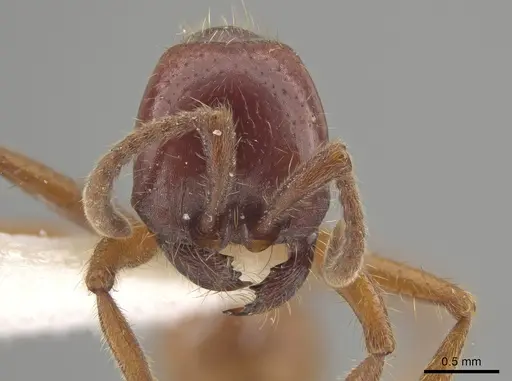
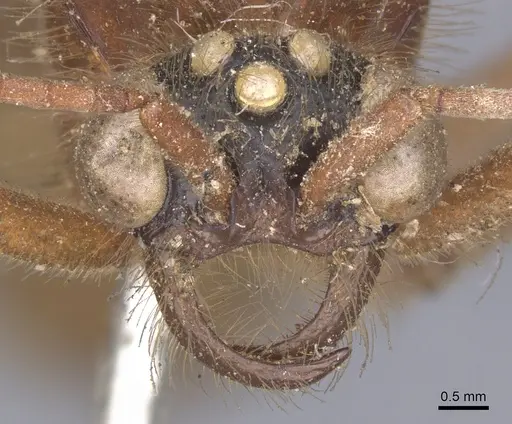
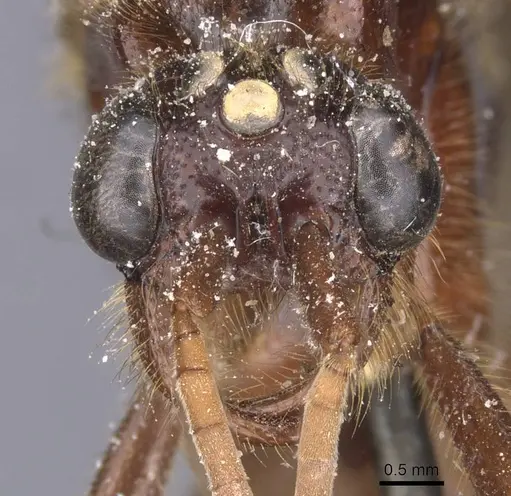
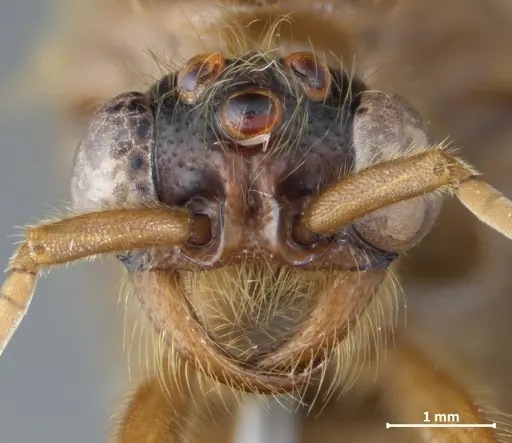
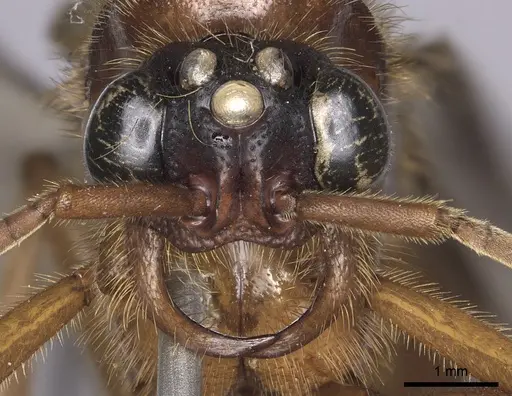
If you are looking for an ant species to observe and interact with, L. coecus is NOT the right choice. These are hidden predators that spend almost their entire lives underground. Surface raids are rare and usually occur only at night or when colonies need to cross open areas. The most interesting behavior to observe is their underground raiding, if you set up a naturalistic terrarium with a clear front panel (covered most of the time), you might occasionally catch glimpses of them hunting through the soil. They are aggressive when threatened and can deliver a painful sting [7]. Colonies exhibit asynchronous brood development, meaning you will see eggs, larvae, and pupae at the same time rather than in distinct cycles. They also show irregular emigration patterns, unlike Eciton species that move their bivouac regularly on a schedule, L. coecus colonies may stay in one location for extended periods before suddenly moving. Their reduced eyes reflect their subterranean lifestyle, they navigate primarily through chemical cues and vibrations rather than sight.
Ecological Significance
Labidus coecus plays a crucial role in Neotropical ecosystems as one of the most abundant subterranean predators. Research suggests that every square meter of rainforest floor may be visited nearly daily by army ants, largely due to the high densities of L. coecus found in leaf litter samples. They help control populations of other ant species and serve as prey for various predators, they have been found in the stomach contents of fossorial (burrowing) reptiles like Amphisbaena in Central Brazil [9]. Their consumption of fallen fruits and subsequent seed burial may actually benefit some plants by reducing seed predation and fungal infection [2]. This species is considered a Tropical Climate Specialist (TCS) in functional group classifications, indicating it has specific ecological requirements tied to warm, humid conditions [10]. Their presence in an area is often considered an indicator of good ecosystem health.
Frequently Asked Questions
Can I keep Labidus coecus in a test tube setup?
No, test tube setups are completely unsuitable for this species. L. coecus is strictly subterranean and requires deep soil chambers to create their natural underground foraging tunnels. A test tube would be completely inadequate and the colony would likely fail. You need a deep naturalistic terrarium with at least 10-15cm of moist substrate.
How long does it take for Labidus coecus to produce first workers?
The exact development timeline is unconfirmed for this species, but based on typical Ecitoninae development, expect 6-10 weeks from egg to worker at optimal temperatures (24-28°C). Army ants have asynchronous brood development, meaning eggs, larvae, and pupae are present simultaneously rather than in distinct batches.
Are Labidus coecus good for beginners?
No, this species is not recommended for beginners and is generally considered an expert-level species. Their strictly subterranean lifestyle makes them nearly invisible in captivity, they require constant access to live prey, and they need specific underground housing conditions that are difficult to provide. Most antkeepers find them unsatisfying to keep because you cannot observe them.
What do Labidus coecus eat?
They are generalist predators that primarily eat the brood of other ant species, but also consume other arthropods, annelids (earthworms), and dead food items. In captivity, offer live small crickets, mealworms, fruit flies, and other small arthropods regularly. They will scavenge dead insects but prefer live prey. They show weak interest in sugar water.
Do Labidus coecus need hibernation?
No, this species does not hibernate. Being tropical/subtropical, it remains active year-round. However, mating flights occur during cooler months (July-September in Brazil), which are the drier, colder months in their range.
Why can't I see my Labidus coecus colony?
This is normal, L. coecus is almost entirely subterranean. They conduct raids underground through soil and leaf litter, rarely forming visible surface columns. Most of their activity happens hidden from view. This is why they are considered a 'hidden' predator and why they are challenging to keep as pets, you are essentially keeping a colony you rarely see.
How big do Labidus coecus colonies get?
Specific colony size data is lacking, but as an army ant species, colonies likely reach thousands of workers. They are among the most abundant subterranean ants in Neotropical forests, with research suggesting extremely high colony densities in suitable habitats.
Where can I get Labidus coecus?
This species is extremely rare in the antkeeping hobby. Unlike common species like Lasius niger or Camponotus, you will not find L. coecus for sale at most ant vendors. They are difficult to collect (being subterranean) and challenging to keep. If available, they would only come from specialized dealers who work with exotic army ant species.
References

This caresheet is licensed under CC BY-SA 4.0 .
ANTWEB1008538
View on AntWeb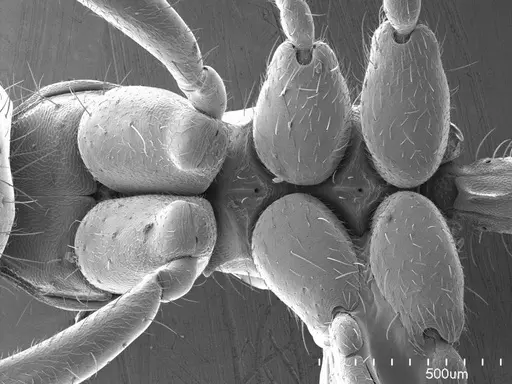
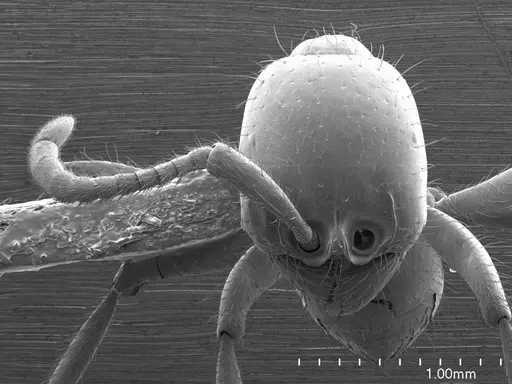
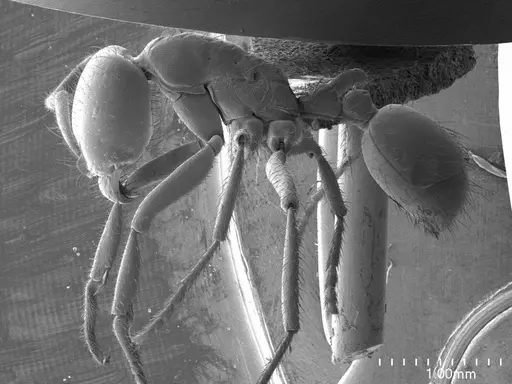
CASENT0104069
View on AntWeb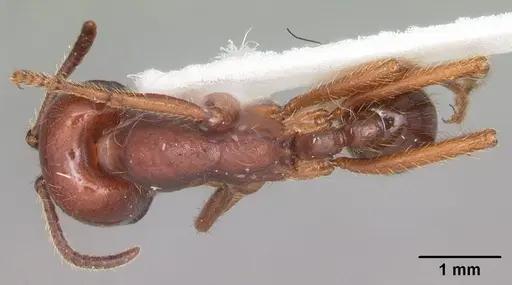
CASENT0104772
View on AntWeb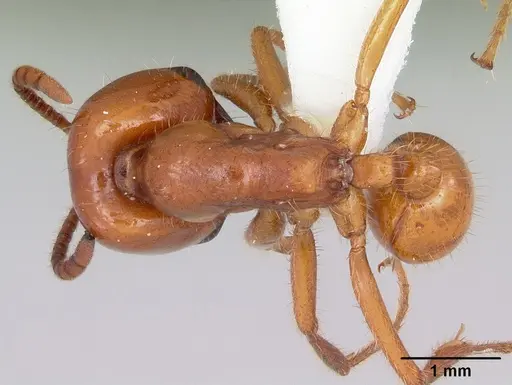
CASENT0104978
View on AntWeb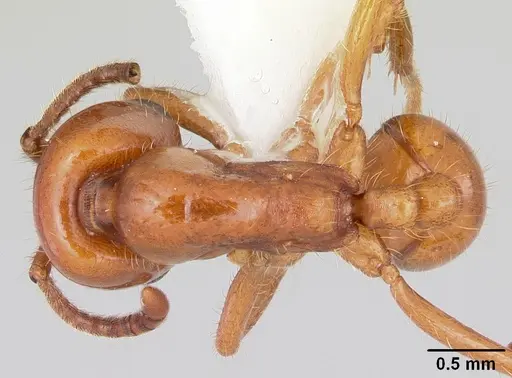
CASENT0173511
View on AntWeb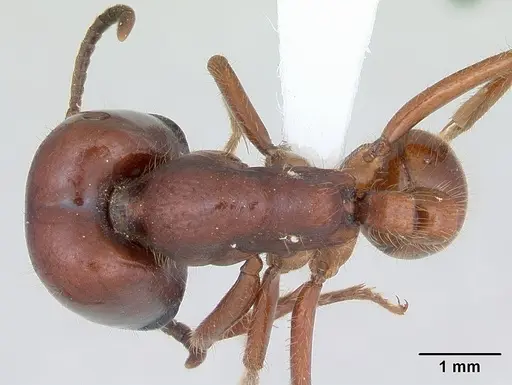
CASENT0173512
View on AntWeb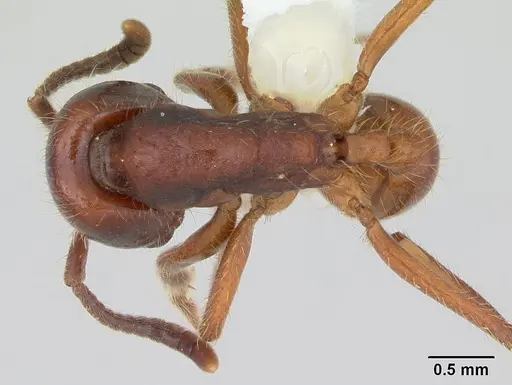
CASENT0173595
View on AntWeb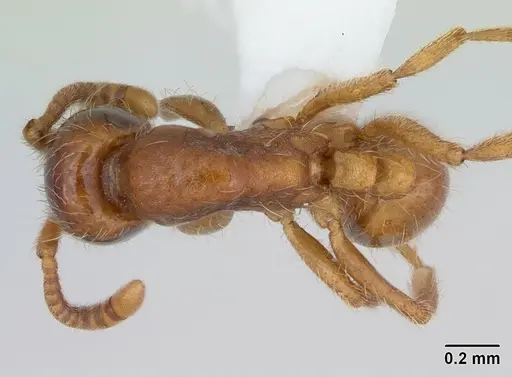
CASENT0178609
View on AntWeb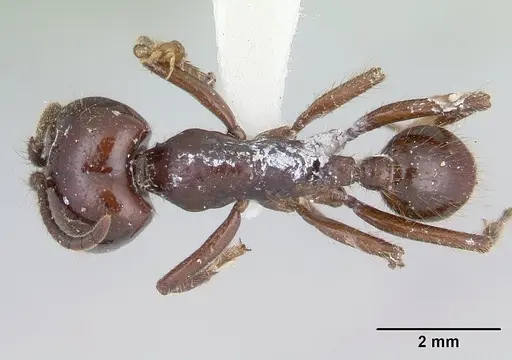
CASENT0178610
View on AntWeb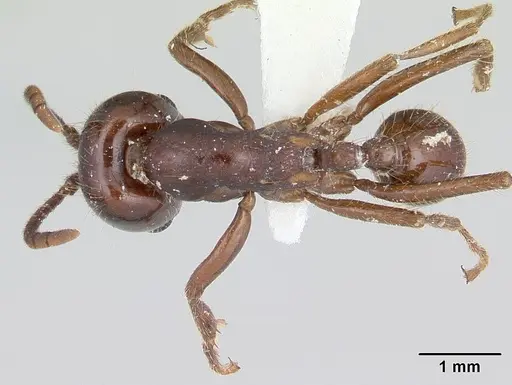
CASENT0248146
View on AntWeb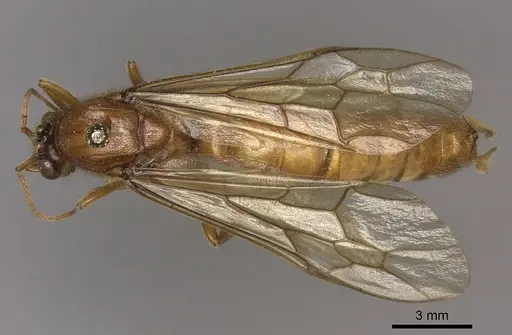
CASENT0249465
View on AntWeb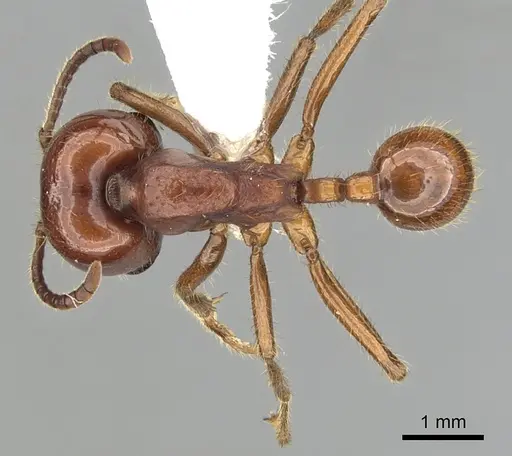
CASENT0642947
View on AntWeb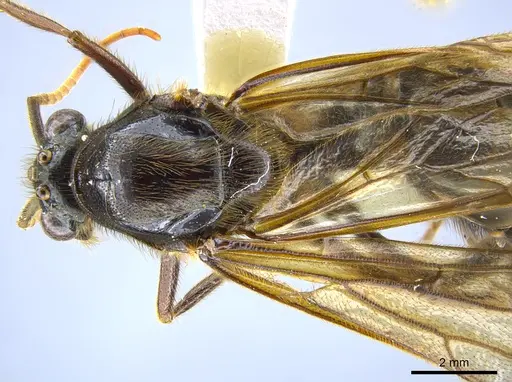
CASENT0650512
View on AntWeb
CASENT0651448
View on AntWeb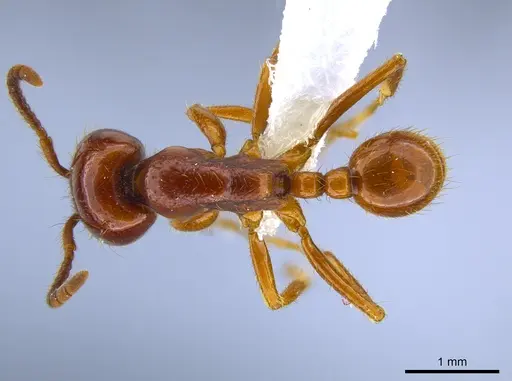
CASENT0651450
View on AntWeb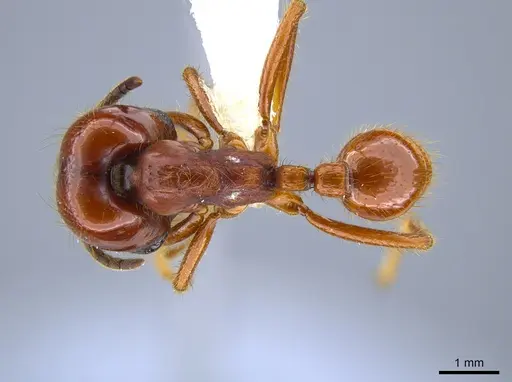
CASENT0653554
View on AntWeb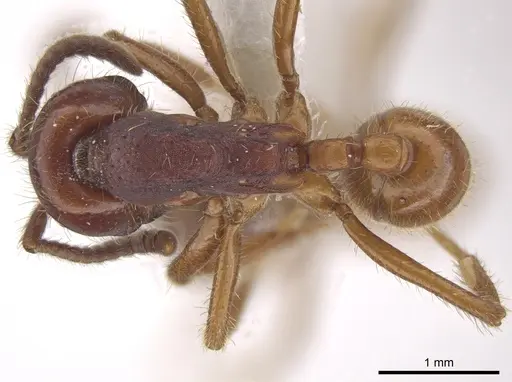
CASENT0901957
View on AntWeb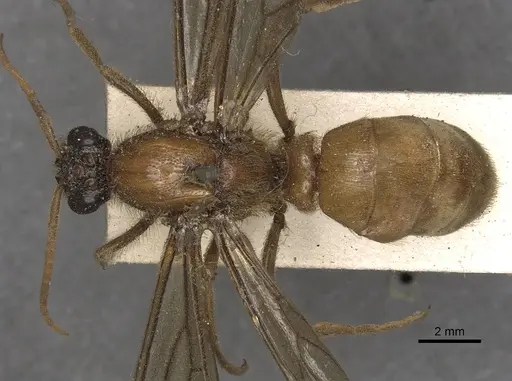
CASENT0902660
View on AntWeb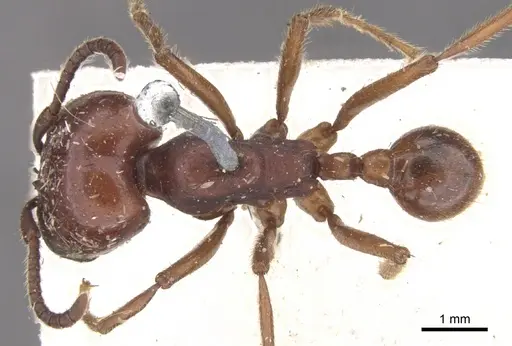
CASENT0902661
View on AntWeb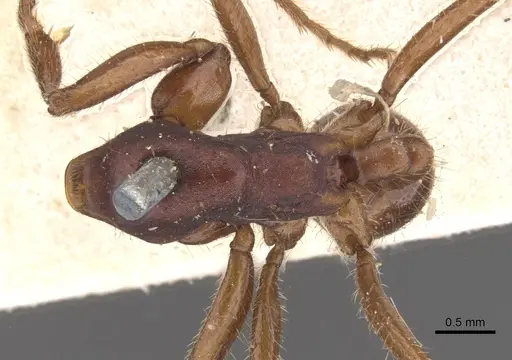
CASENT0902662
View on AntWeb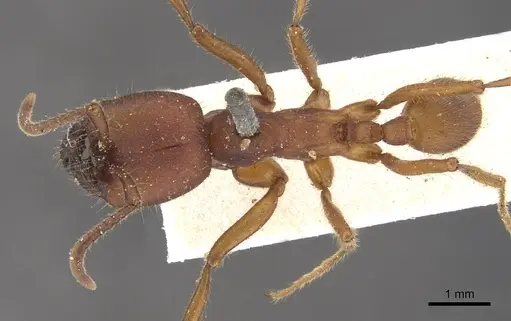
CASENT0902663
View on AntWeb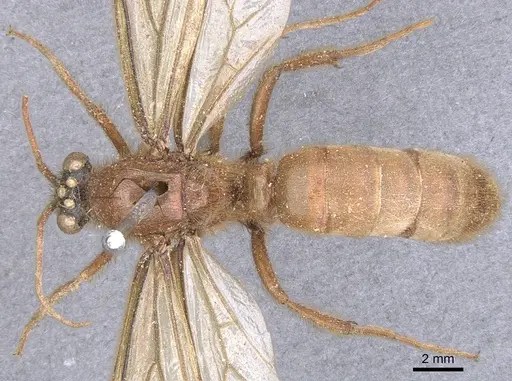
CASENT0902664
View on AntWeb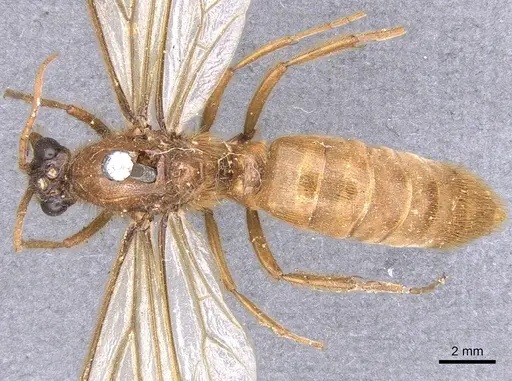
CASENT0902665
View on AntWeb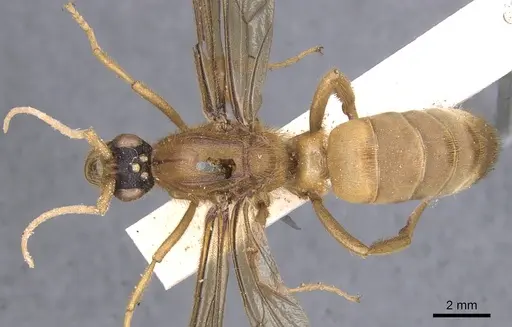
CASENT0903721
View on AntWeb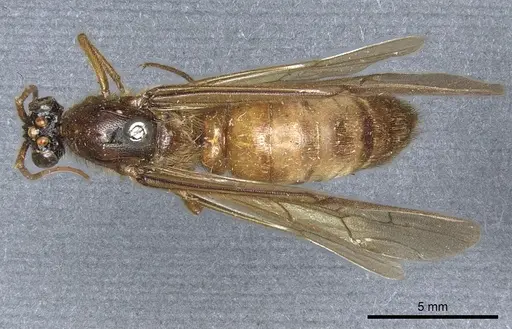
CASENT0905942
View on AntWeb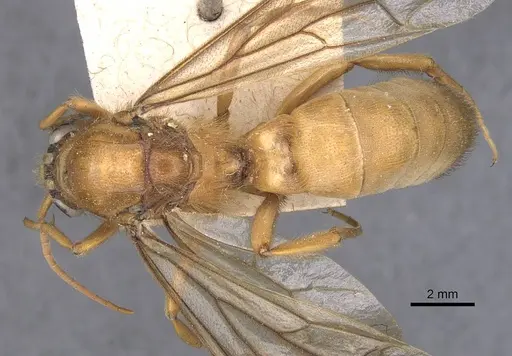
CASENT0905943
View on AntWeb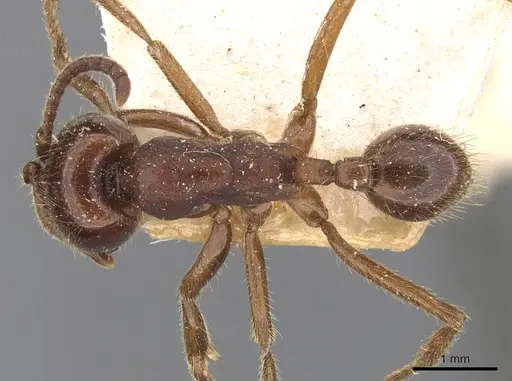
CASENT0905944
View on AntWeb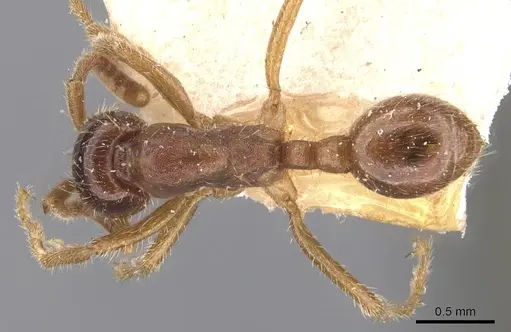
CASENT0905945
View on AntWeb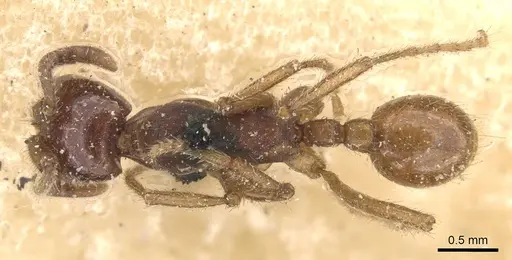
CASENT0911392
View on AntWeb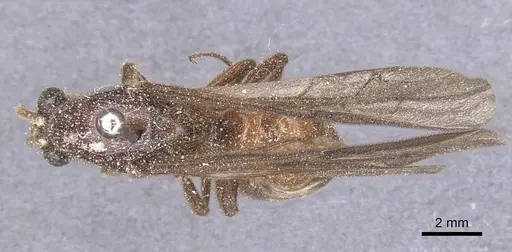
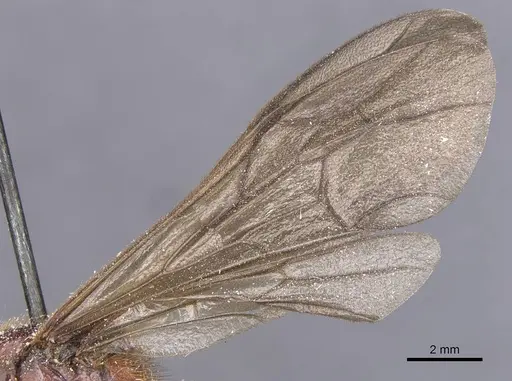
CBUMAGENT41855
View on AntWeb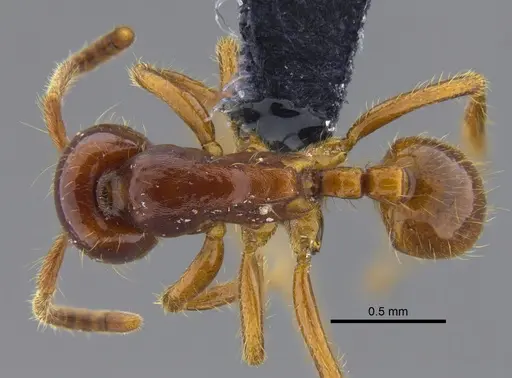
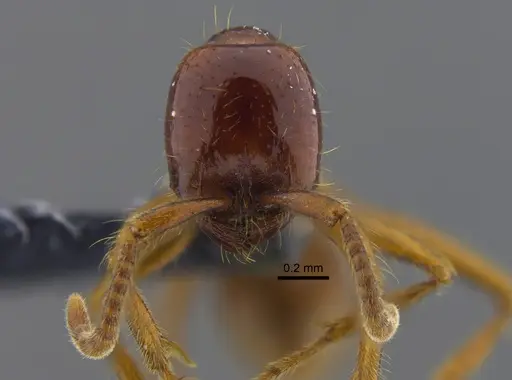
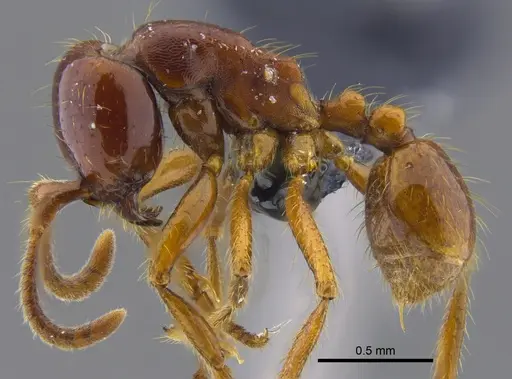
DZUP549833
View on AntWeb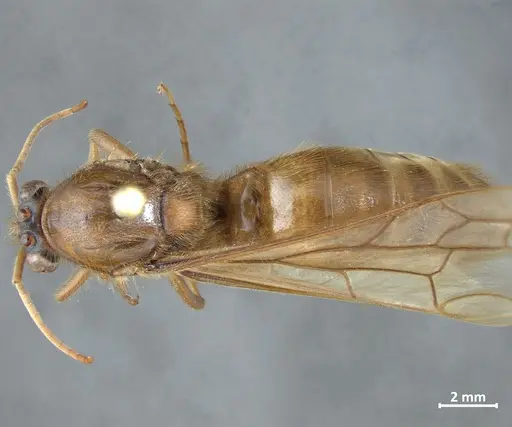
ECOFOG-IT14-0257-21
View on AntWeb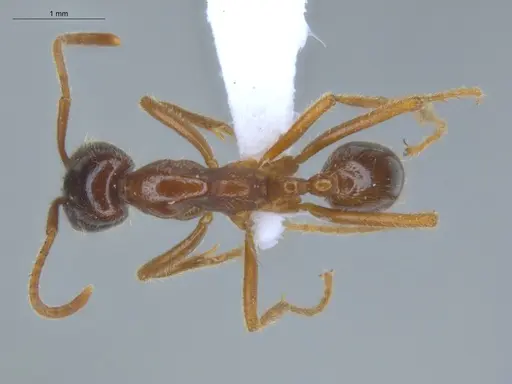
ECOFOG-IT14-0292-19
View on AntWeb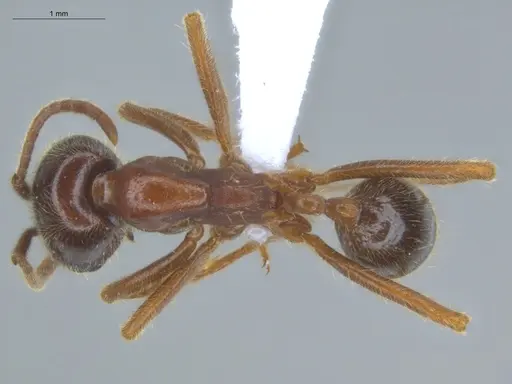
INB0003226251
View on AntWeb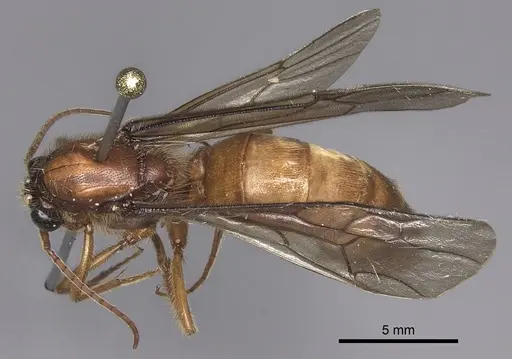
JTLC000006439
View on AntWeb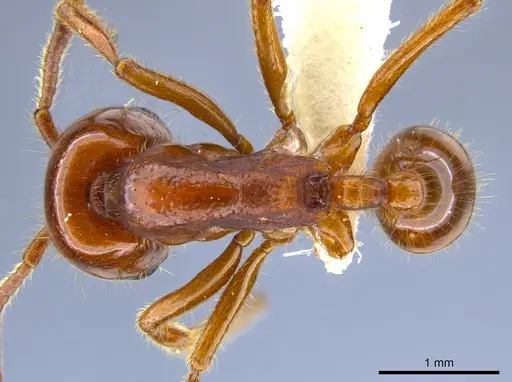
UFV-LABECOL-003449
View on AntWeb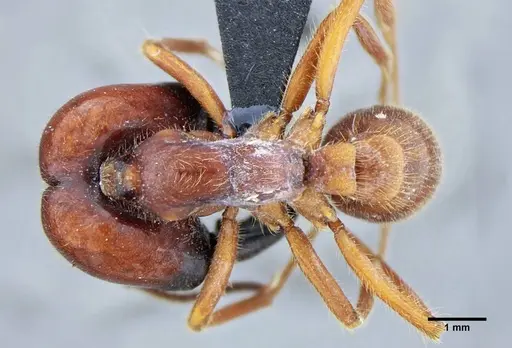
USNMENT01124236
View on AntWeb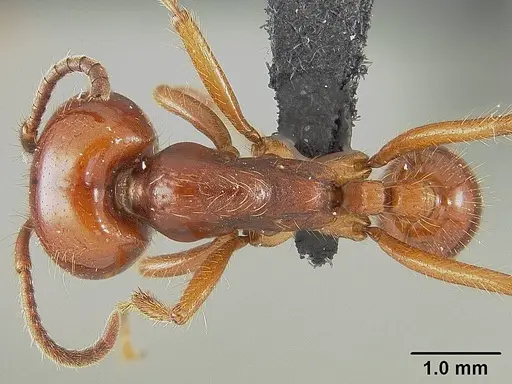
Literature
Loading...Loading products...