

Cyphomyrmex salvini
- Scientific Name
- Cyphomyrmex salvini
- Tribe
- Attini
- Subfamily
- Myrmicinae
- Author
- Forel, 1899
- Distribution
- Found in 8 countries
Cyphomyrmex salvini Overview
Cyphomyrmex salvini is an ant species of the genus Cyphomyrmex. It is primarily documented in 8 countries , including Colombia, Costa Rica, Ecuador. Detailed taxonomic data and occurrence records can be further explored via authoritative databases such as AntWeb or the Global Biodiversity Information Facility (GBIF).
Cyphomyrmex salvini
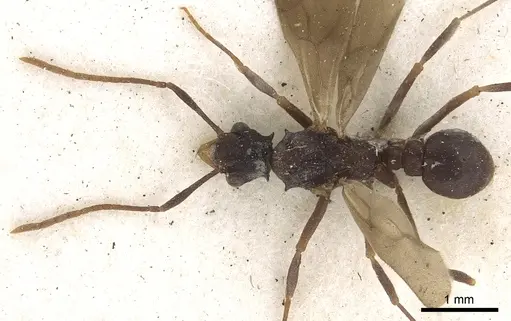
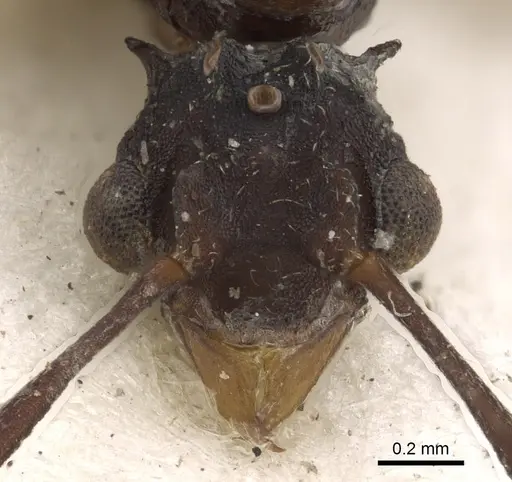
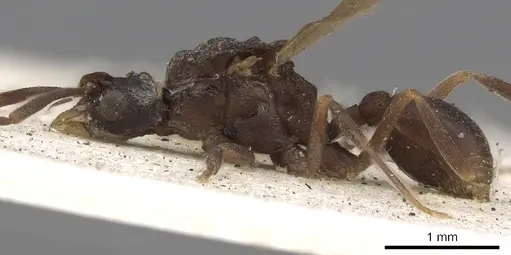
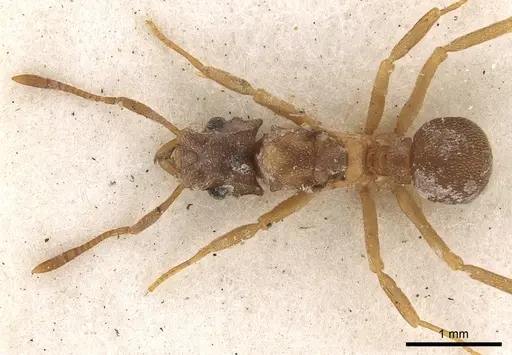
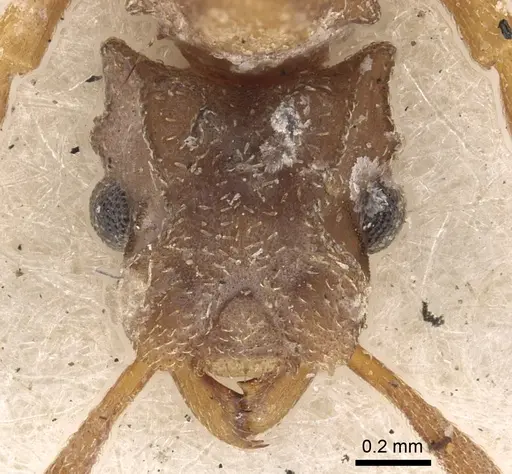
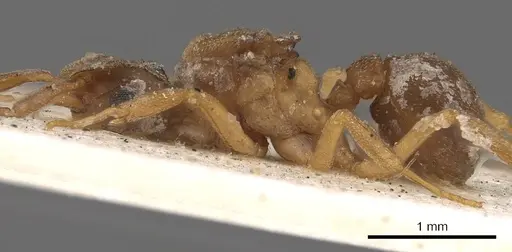
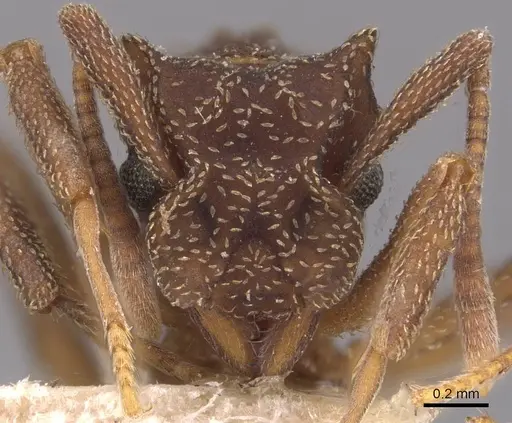
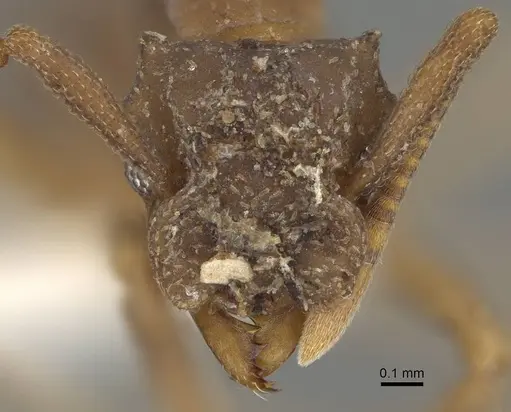
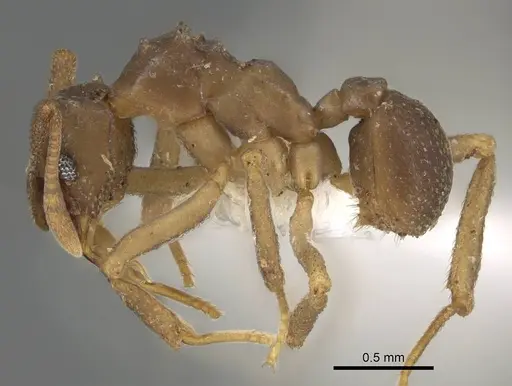
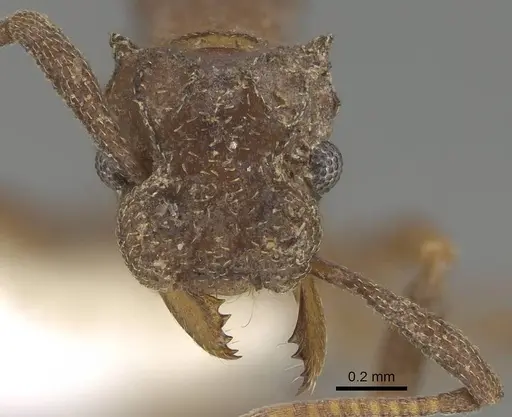
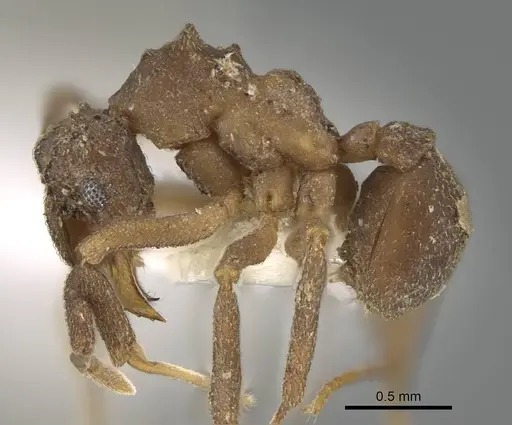
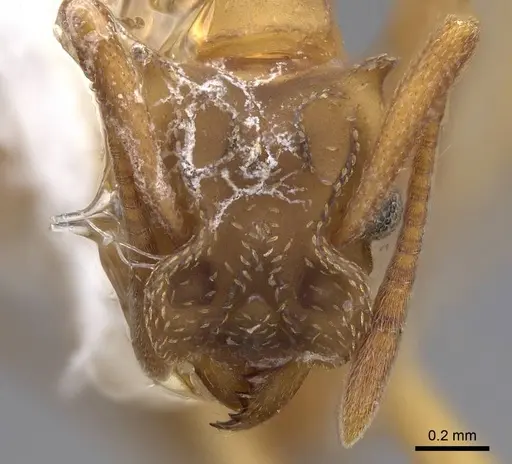
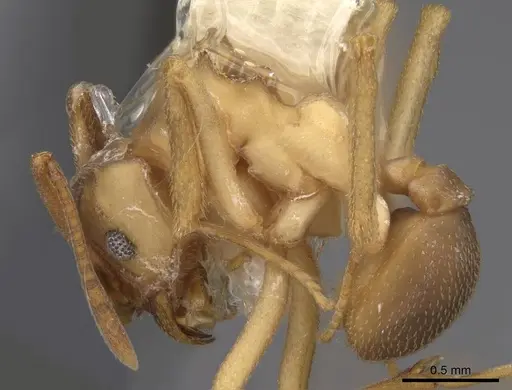
Cyphomyrmex salvini is a small fungus-growing ant native to the Neotropics, ranging from Guatemala south to Ecuador. Workers measure 3.3-3.8mm and have distinctive spines on the head and pronotum, with a generally brownish coloration. These ants are part of the yeast-growing group (Cyphomyrmex rimosus group) and cultivate a yeast-form fungus for food. They live in wet to moist forest habitats, from lowland rainforests up to cloud forest, typically nesting in leaf litter, small pieces of rotten wood, or in subarboreal positions within 2 meters of the ground. Colonies are small, usually containing tens to hundreds of workers. This species may actually be a complex of several sibling species, with 6-7 morphotypes identified in Costa Rica alone [1][2].
Quick Summary
- Difficulty: Medium
- Origin & Habitat: Neotropical forests from Guatemala to Ecuador, in wet to moist habitats from lowlands to cloud forest [2].
- Colony Type: Monogyne (single queen colonies). Colonies are small, typically tens to hundreds of workers [2].
- Colony: Monogyne
- Size & Growth:
- Queen: Approximately 3.7mm [3]
- Worker: 3.3-3.8mm
- Colony: Up to a few hundred workers [2]
- Growth: Moderate
- Development: Unknown, no direct development data available for this species (Development timeline has not been directly studied. Related Cyphomyrmex species typically develop in 6-10 weeks at optimal temperatures.)
- Antkeeping:
- Temperature: Keep at 24-28°C. These are tropical forest ants that need warm, stable conditions. A heating cable on one side of the nest can help maintain temperature within this range.
- Humidity: High humidity is essential. Keep the nest substrate consistently moist but not waterlogged. These ants live in damp forest floor environments, think damp leaf litter, not standing water. Provide a water reservoir for humidity.
- Diapause: No, this is a tropical species that does not enter hibernation. Maintain warm conditions year-round.
- Nesting: These ants prefer naturalistic setups that mimic their natural leaf litter and rotting wood habitat. A naturalistic setup with damp soil/leaf litter and small pieces of rotting wood works well. Alternatively, a Y-tong or plaster nest with high humidity can work. Avoid dry, open setups.
- Behavior: Nocturnal foragers that are generally calm but can exhibit panic evacuation behavior when threatened, workers carrying larvae will explode outward from the nest and disperse onto surrounding vegetation before returning. Workers are not aggressive but may show defensive behaviors ranging from crypsis to aggressive attack when the nest is disturbed [1]. They have long foraging lines and will carry caterpillar droppings and insect fragments back to the nest. Escape prevention should be moderate, they are small but not particularly prone to escaping compared to some other leaf-litter species.
- Common Issues: high humidity requirements can lead to mold if ventilation is poor, balance is critical, small colony size means slow population growth, don't expect rapid expansion, tropical species will decline if temperatures drop too low, wild-caught colonies may contain parasites (wasps have been documented parasitizing larvae) that can kill the colony, they require fungal substrate, dead insects alone are not sufficient nutrition
Fungus Farming and Feeding
Cyphomyrmex salvini is a yeast-growing ant in the Cyphomyrmex rimosus group. Unlike leaf-cutter ants that cut fresh vegetation, these ants cultivate a yeast-form fungus on a substrate of caterpillar droppings and dead insect fragments. In captivity, you must provide this fungal symbiont, the colony will not survive on protein alone. Offer small pieces of dead insects (especially beetle parts with metallic coloration, which they preferentially collect in the wild). Caterpillar droppings or small fecal material can serve as fungal substrate. The fungus garden is the center of the nest and must be maintained. Feed protein (small insects) 2-3 times per week, and ensure the fungal substrate is always available. [1][2]
Nesting Preferences
In the wild, C. salvini nests in leaf litter, small pieces of rotten wood on the ground, and in rotten logs. They also commonly nest in the subarboreal zone, in dead wood suspended in vegetation or under epiphytes, usually within 2 meters of the ground. Nests are often partially constructed of accreted organic soil. For captive care, a naturalistic setup works best, use a container with damp soil/leaf litter substrate and small pieces of rotting wood. The nest should have multiple small chambers mimicking the natural fragmented nesting sites. A Y-tong or plaster nest with tight chambers and high humidity can also work, but ensure the nest material stays moist. Avoid dry, open setups that would cause the fungus garden to dry out. [2]
Temperature and Humidity
As a tropical forest species, C. salvini requires warm and humid conditions. Keep temperatures in the 24-28°C range, use a heating cable on one side of the nest if your room temperature is below this range. High humidity is critical since these ants inhabit damp forest floor environments. Keep the substrate consistently moist but not waterlogged. Provide a water reservoir connected to the nest to maintain humidity. Good ventilation is needed to prevent mold, but avoid excessive airflow that will dry out the nest. A balance of humidity and airflow is essential. [2]
Behavior and Defense
Workers are nocturnal foragers and may be seen carrying caterpillar droppings or beetle elytra that are often several times their own size. They form long foraging lines to collect resources. When threatened, particularly by army ants, colonies exhibit spectacular panic evacuations, workers each carrying a larva explode from the nest and may rain onto surrounding vegetation. They then disperse and rest on leaf tips before eventually returning to the nest. This defensive behavior is fascinating to observe but means you should avoid placing the nest near vibrations or disturbances. Workers are not particularly aggressive toward keepers but will defend the nest if directly threatened. [1][2]
Colony Structure and Growth
Colonies are small, typically containing tens to hundreds of workers. The few nests examined in the wild have been monogynous, containing a single queen. Multiple queens (polygyny) have never been observed in this species. Colony growth is relatively slow compared to many common ant species. Do not expect rapid population expansion, these ants prioritize maintaining the fungus garden over producing large numbers of workers. A mature colony may reach a few hundred workers. The species may be a complex of sibling species, which could explain some variation in behavior and colony size across their range. [2][1]
Frequently Asked Questions
Can I keep Cyphomyrmex salvini in a test tube?
Test tubes are not ideal for this species. They require high humidity and need space for a fungus garden, which is difficult to maintain in a simple test tube setup. A naturalistic setup with damp substrate or a Y-tong/plaster nest with a water reservoir is more suitable.
What do Cyphomyrmex salvini eat?
They are fungus farmers that cultivate yeast on caterpillar droppings and dead insect fragments. You must provide fungal substrate (small amounts of fecal material or dead insects) in addition to protein sources like small insects. They cannot survive on protein alone.
How long until first workers in Cyphomyrmex salvini?
The exact development timeline has not been documented for this species. Based on related Cyphomyrmex species, expect 6-10 weeks from egg to first worker at optimal temperature (around 26°C).
Are Cyphomyrmex salvini good for beginners?
This species is rated as medium difficulty. While fascinating due to their fungus-farming behavior, they have specific requirements: high humidity, warm temperatures, and most importantly, they require fungal substrate to survive. They are not as straightforward as common species like Lasius or Tetramorium.
Do Cyphomyrmex salvini need hibernation?
No, this is a tropical species from wet Neotropical forests. They do not enter diapause and should be kept warm year-round (24-28°C).
How big do Cyphomyrmex salvini colonies get?
Colonies remain relatively small, typically reaching tens to hundreds of workers. A few hundred workers represents a mature colony.
Can I keep multiple queens together?
No, wild colonies are monogynous (single queen), and polygynous colonies have never been observed. Multiple queens would likely fight.
Why are my Cyphomyrmex salvini dying?
Common causes include: temperatures too low (they need 24-28°C), fungus garden drying out or dying (requires constant moisture), insufficient fungal substrate, or parasites (wasps have been documented parasitizing larvae in the wild). Ensure humidity is high, temperatures are warm, and fungal substrate is always available.
When should I move Cyphomyrmex salvini to a formicarium?
Move them when the colony reaches at least 20-30 workers and the founding setup is becoming too small. However, a naturalistic setup can work for the entire colony life since they prefer fragmented nesting sites. If using a formicarium, choose one that maintains high humidity.
References

This caresheet is licensed under CC BY-SA 4.0 .
CASENT0643400
View on AntWeb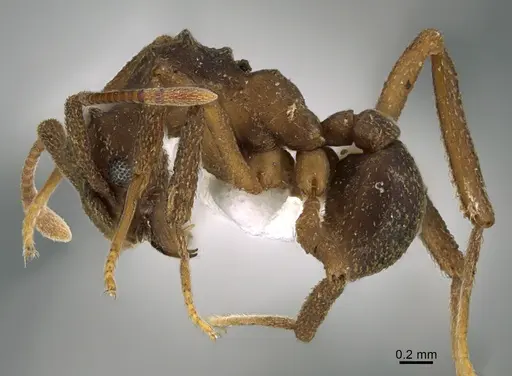
CASENT0901668
View on AntWeb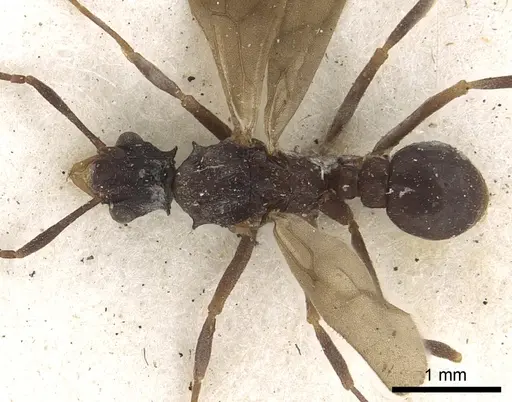
CASENT0901669
View on AntWeb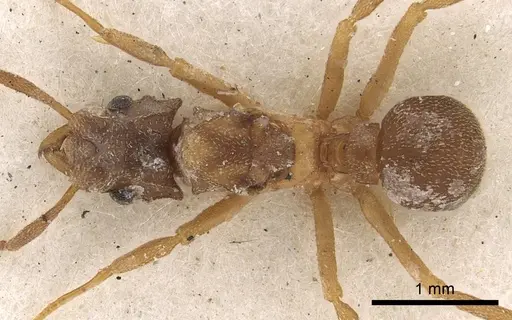
CASENT0909382
View on AntWeb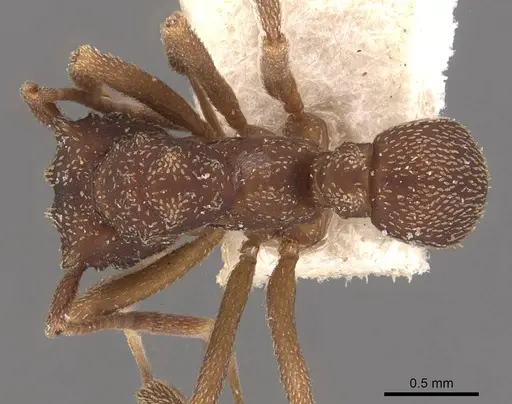
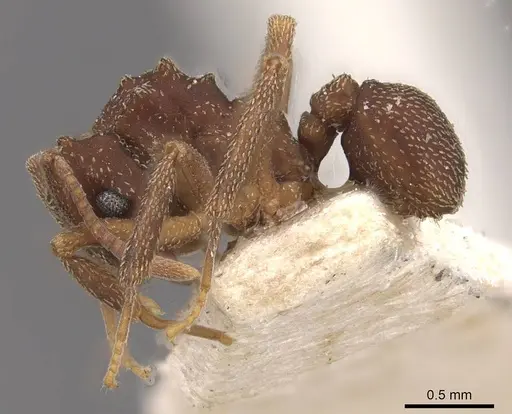
CASENT0922138
View on AntWeb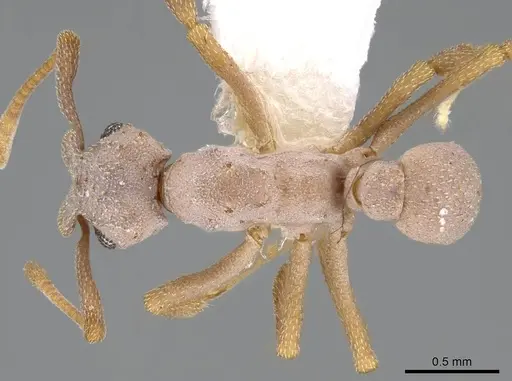
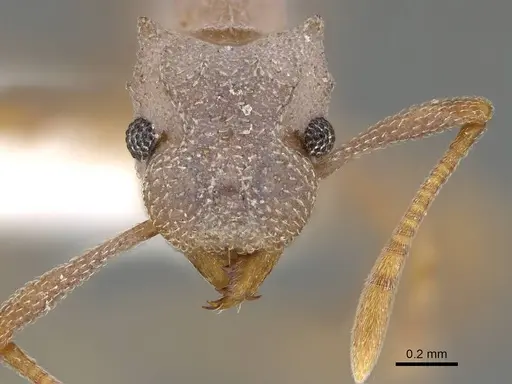
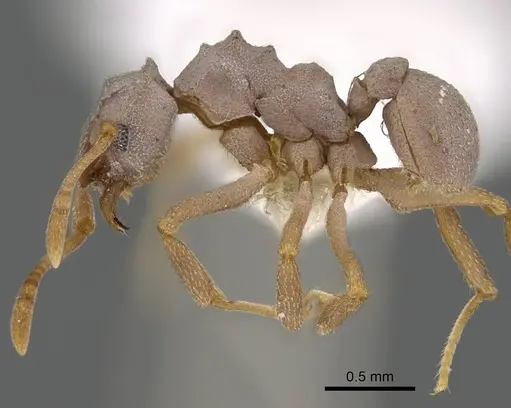
CASENT0922139
View on AntWeb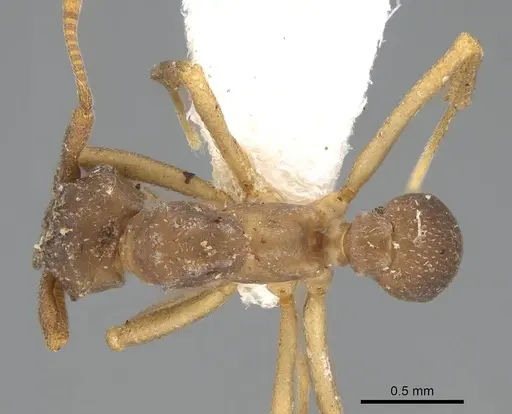
CASENT0922140
View on AntWeb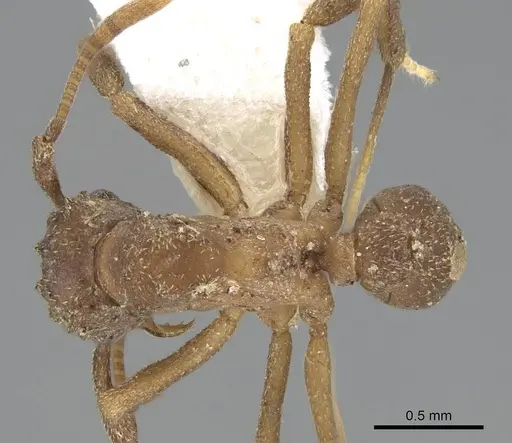
CASENT0923108
View on AntWeb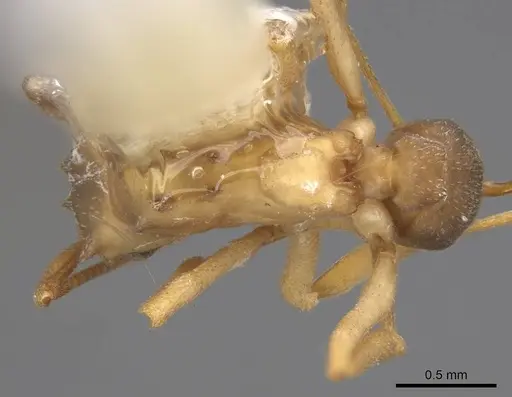
Literature
Loading...Loading products...