

Myrmica tulinae
- Scientific Name
- Myrmica tulinae
- Tribe
- Myrmicini
- Subfamily
- Myrmicinae
- Author
- Elmes <i>et al.</i>, 2002
- Distribution
- Found in 3 countries
Myrmica tulinae Overview
Myrmica tulinae is an ant species of the genus Myrmica. It is primarily documented in 3 countries , including Greece, Türkiye, Netherlands. Detailed taxonomic data and occurrence records can be further explored via authoritative databases such as AntWeb or the Global Biodiversity Information Facility (GBIF).
Myrmica tulinae
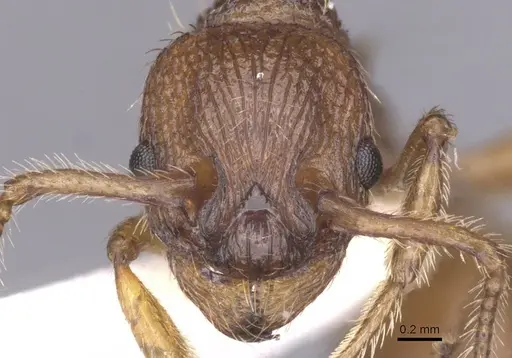
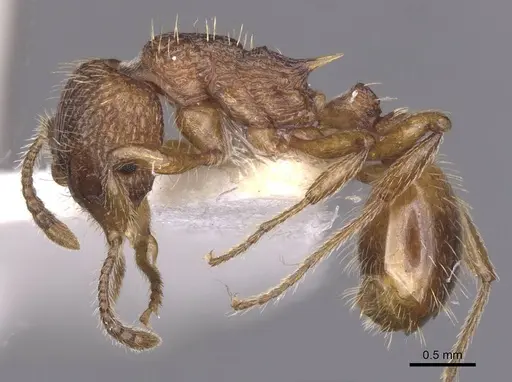
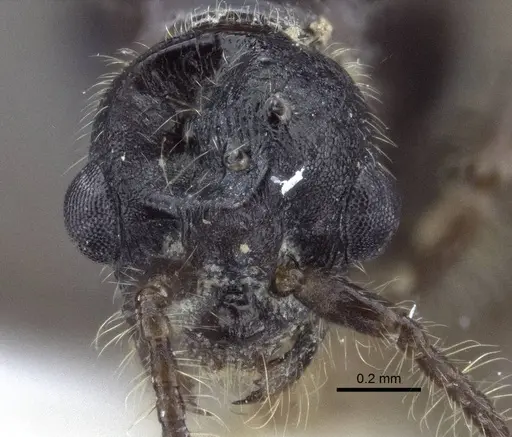
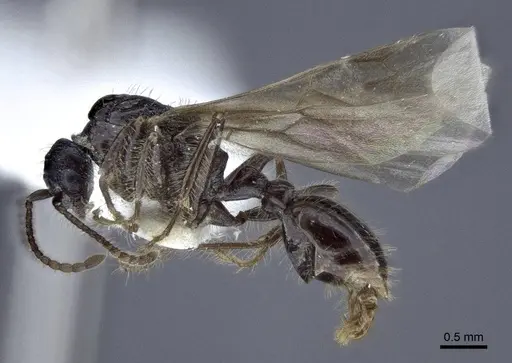
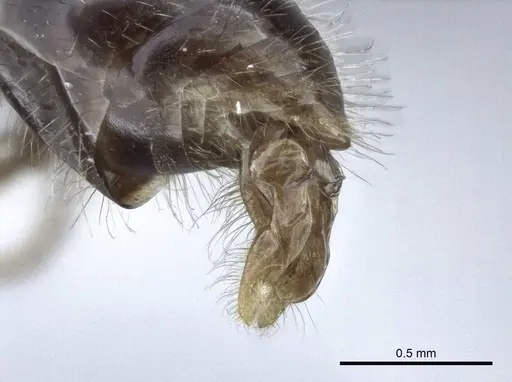
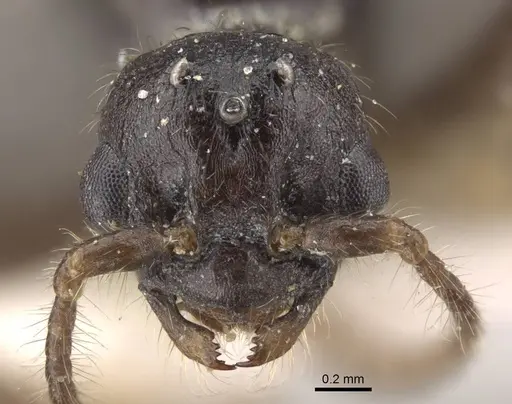
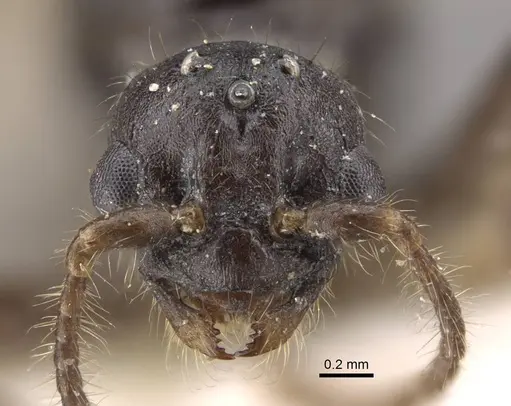
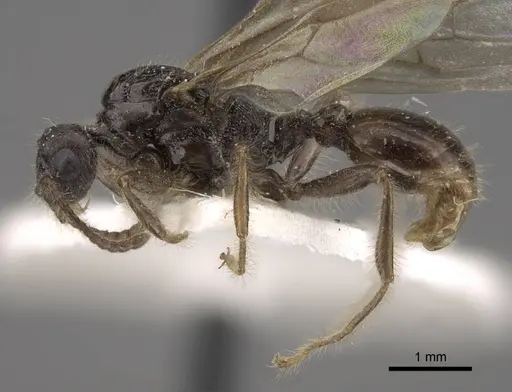
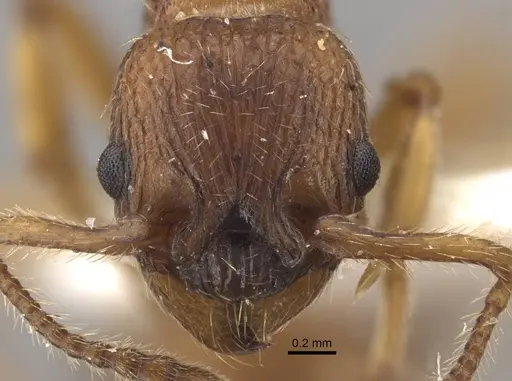
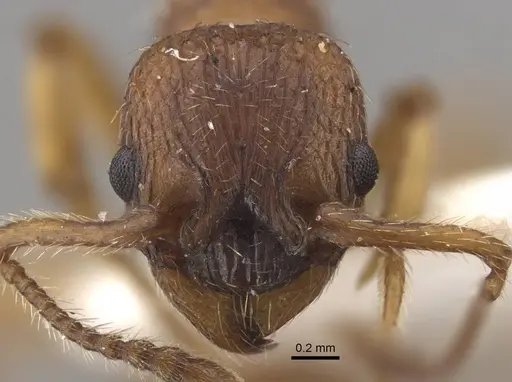
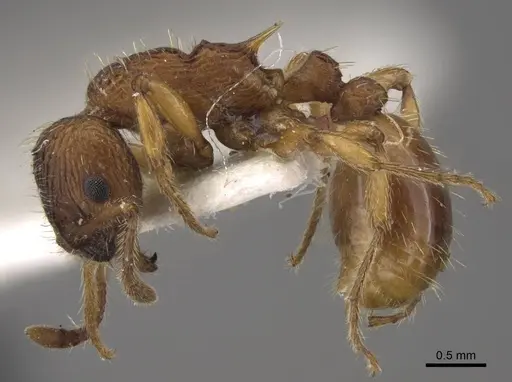
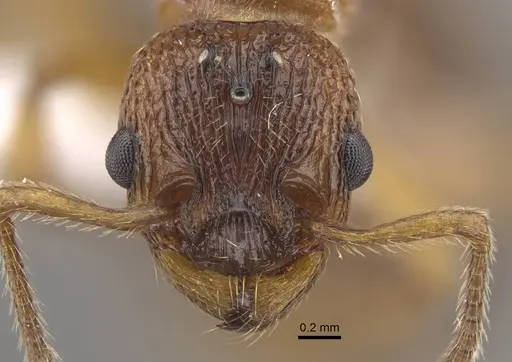
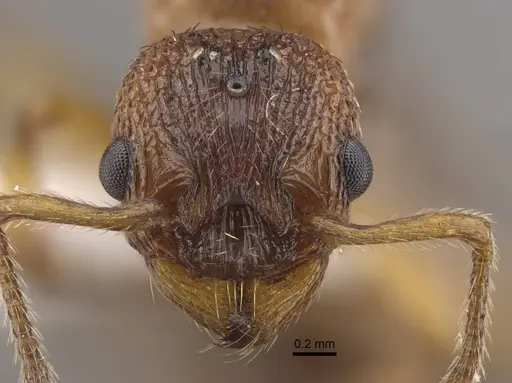
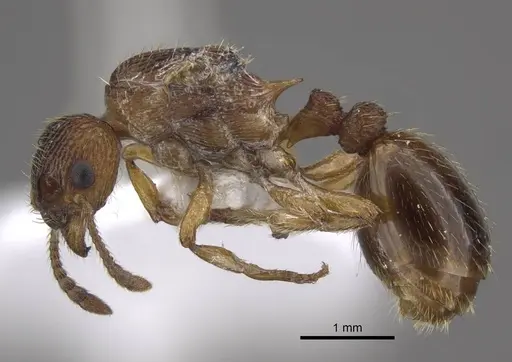
Myrmica tulinae is a small, reddish-brown ant belonging to the Myrmica scabrinodis species group. Workers measure around 4-6mm and closely resemble the more common Myrmica sabuleti, making visual identification difficult. Males have distinctive short antennae that resemble Myrmica scabrinodis. This species inhabits moderately humid to wet habitats across Turkey, Georgia, France, Italy, the Netherlands, and Poland, living at altitudes from sea level up to 1800m. Nests are built in damp, coarse-sandy soil where they create small raised mounds, or under stones in alpine meadows. What makes M. tulinae special is its preference for damper conditions than its close relative M. sabuleti, and it serves as a rare host for the endangered Maculinea nausithous butterfly in Poland [1][2].
Quick Summary
- Difficulty: Medium
- Origin & Habitat: Native to Turkey, Georgia, France, Italy, Netherlands, and Poland. Inhabits moderately humid sites, wet boggy places, and alpine meadows up to 1800m elevation. Never found in dry habitats [2][3].
- Colony Type: Likely single-queen colonies (monogyne), following typical Myrmica patterns. No specific multi-queen colonies documented in research.
- Colony: Monogyne
- Founding: Claustral
- Antkeeping:
- Temperature: Keep around 20-24°C. This species prefers cooler conditions than many ants, reflecting its damp, temperate habitat. A temperature gradient allows workers to regulate their conditions [2].
- Humidity: High humidity is essential. These ants naturally live in damp soil and wet habitats, keep the nest substrate consistently moist but not waterlogged. Provide a water source and occasional misting. The substrate should feel damp to the touch [2].
- Diapause: Yes, as a temperate species from Turkey and Eastern Europe, colonies require winter hibernation. Reduce temperature to 5-10°C for 3-4 months during winter, mimicking natural seasonal cycles.
- Nesting: Prefers damp, sandy soil substrates. In captivity, a naturalistic setup with moist soil or a Y-tong/plaster nest works well. Avoid dry conditions entirely. Provide a humid environment with some drier areas for workers to escape excess moisture.
- Behavior: Workers are moderately aggressive when disturbed and possess a functional stinger, though their sting is mild compared to larger ants. They are active foragers that search for honeydew, small insects, and nectar. Colonies show typical Myrmica alarm responses, workers readily defend the nest. Escape risk is moderate, standard test tube setups with cotton barriers work well for this size. They are not particularly aggressive toward humans but will sting if handled roughly or if their nest is threatened.
- Common Issues: high humidity requirements mean mold can develop if ventilation is poor, balance humidity with adequate airflow, difficulty in species identification, M. tulinae is easily confused with M. sabuleti and M. scabrinodis, so verify your source, rare in the hobby, wild-caught colonies are uncommon and may have been misidentified, colonies are slow-growing and small compared to other Myrmica, requiring patience, overwintering failure is common, ensure proper hibernation conditions with stable cool temperatures
Natural History and Identification
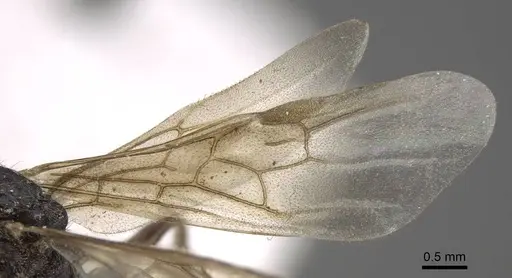
Myrmica tulinae was described in 2002 from Turkey and has since been found across Southern and Eastern Europe. It belongs to the Myrmica scabrinodis species complex, a group of closely related ants that are notoriously difficult to distinguish. Workers of M. tulinae are nearly identical to Myrmica sabuleti, and males closely resemble Myrmica scabrinodis, accurate identification requires examining both workers and males together [2]. DNA studies have revealed highly inconsistent mitochondrial haplotypes, suggesting possible hybridization with related species [4]. In the wild, these ants nest in damp, coarse-sandy soil creating small raised mounds about 20cm in diameter, or under stones in alpine meadows. They prefer slightly damper conditions than their close relative M. sabuleti, and are one of the rarest Myrmica species, only 6 nests were found among over 2,400 Myrmica nests surveyed in Poland [1].
Housing and Nest Setup
Because M. tulinae requires high humidity, a naturalistic setup with moist soil works best. Use a substrate that holds moisture well but drains adequately, a mix of sand and organic soil mimics their natural damp, sandy nesting sites. Y-tong (acrylic) nests with a water reservoir or plaster nests also work well for maintaining humidity. Test tubes can work for founding colonies but monitor moisture levels closely, they can dry out or flood. Always provide a water source and ensure some ventilation to prevent mold while maintaining humidity. The nest should be kept away from direct sunlight and drafts.
Feeding and Diet
Like other Myrmica species, M. tulinae is omnivorous with a preference for protein. Feed small insects like fruit flies, pinhead crickets, or mealworms. They also readily accept sugar water, honey, or diluted jam for energy. In nature, they tend aphids and collect honeydew, so offering occasional sugar sources helps maintain colony health. Feed protein prey 2-3 times per week, and keep a sugar source available at all times. Remove uneaten prey after 24-48 hours to prevent mold.
Temperature and Seasonal Care
M. tulinae does best at moderate temperatures around 20-24°C. Avoid warm conditions, they naturally inhabit cooler, damp habitats and can suffer in heat. A room-temperature environment within this range is ideal. During winter, provide a proper hibernation period of 3-4 months at 5-10°C. Place the colony in a cool basement, garage, or refrigerator during winter dormancy. Do not feed during hibernation but ensure the substrate remains slightly moist. Gradual temperature changes in spring and fall help trigger natural activity cycles.
Behavior and Colony Dynamics
M. tulinae colonies follow typical Myrmica social structure with one queen (likely) and workers that divide labor. Workers are active foragers and will readily defend the nest if threatened. They possess a stinger and can deliver a mild sting. Colonies are relatively small compared to other Myrmica species, expect several hundred workers at maturity rather than thousands. Growth is slow, so patience is essential during the founding phase. Workers may show alarm behavior when the nest is disturbed, but they are not excessively aggressive toward keepers.
Frequently Asked Questions
How long does it take for Myrmica tulinae to produce first workers?
Expect 6-10 weeks from egg to first worker at optimal temperature (around 20-24°C). This is typical for Myrmica species, though specific development data for M. tulinae is not available. The first workers (nanitics) will be smaller than mature workers.
Do Myrmica tulinae ants sting?
Yes, they have a functional stinger. However, their sting is mild compared to larger ants and is rarely significant for humans. Most keepers experience only minor irritation if stung.
What humidity level do Myrmica tulinae need?
High humidity is essential. Keep the nest substrate consistently moist but not waterlogged. These ants naturally live in damp, wet habitats, dry conditions will kill them. The substrate should feel damp to the touch.
Can I keep multiple Myrmica tulinae queens together?
Not recommended. While specific data is lacking, Myrmica species typically form single-queen colonies. Combining unrelated queens has not been documented for this species and would likely result in fighting.
Do Myrmica tulinae need hibernation?
Yes, they require a winter dormancy period. Reduce temperature to 5-10°C for 3-4 months during winter. This mimics their natural seasonal cycle in Turkey and Eastern Europe. Do not feed during hibernation but keep the substrate slightly moist.
Are Myrmica tulinae good for beginners?
They are moderate difficulty. While not as challenging as some exotic species, their high humidity requirements and the need for proper hibernation make them better suited for keepers with some experience. Their slow growth also requires patience.
What do Myrmica tulinae eat?
They are omnivorous. Feed small insects (fruit flies, pinhead crickets, mealworms) as protein 2-3 times per week. Also provide constant access to sugar water, honey, or diluted jam. They will also tend aphids if available.
How big do Myrmica tulinae colonies get?
Colony size is relatively small compared to other Myrmica. Based on limited wild data, colonies likely reach several hundred workers at most. They are one of the rarest Myrmica species with few large colonies documented.
Why is Myrmica tulinae so hard to find?
This species is genuinely rare in the wild, only a few colonies have been documented. Additionally, it is easily confused with Myrmica sabuleti and Myrmica scabrinodis, so many specimens may be misidentified. DNA testing is often needed for certain identification.
When should I move Myrmica tulinae to a formicarium?
Wait until the colony has at least 20-30 workers. For founding colonies in test tubes, ensure the tube stays humid and move to a larger setup only when the colony outgrows it. A naturalistic setup with moist soil is ideal for this humidity-dependent species.
References

This caresheet is licensed under CC BY-SA 4.0 .
CASENT0913082
View on AntWeb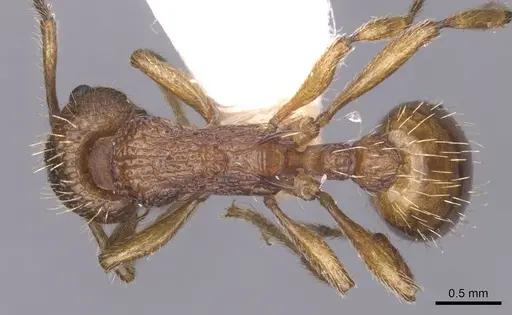
CASENT0916686
View on AntWeb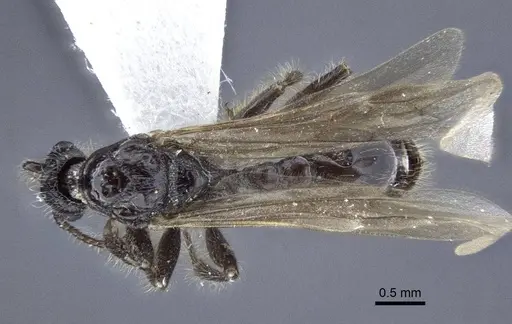
CASENT0917682
View on AntWeb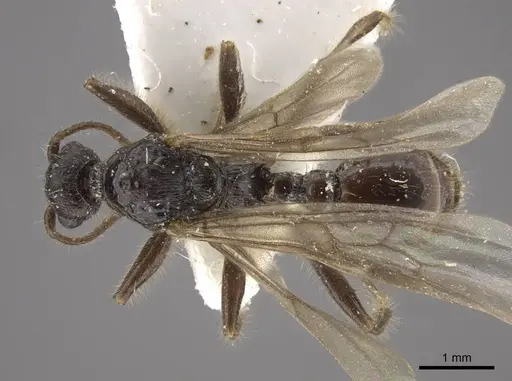
CASENT0917683
View on AntWeb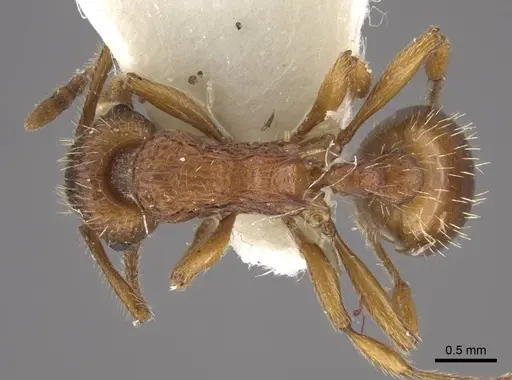
CASENT0917684
View on AntWeb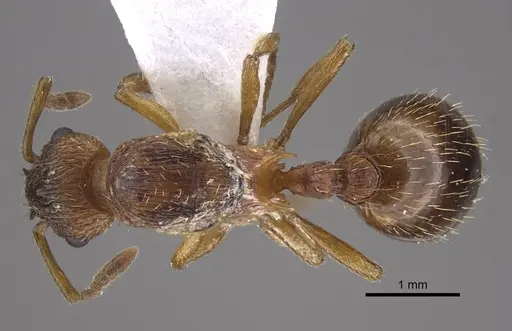
Literature
Loading...Loading products...