
Myrmica scabrinodis exhibits a clear seasonal activity window. Peak activity is concentrated in August and September, with the overall period spanning April to October. This extended season suggests multiple flight events or varying conditions across its range.
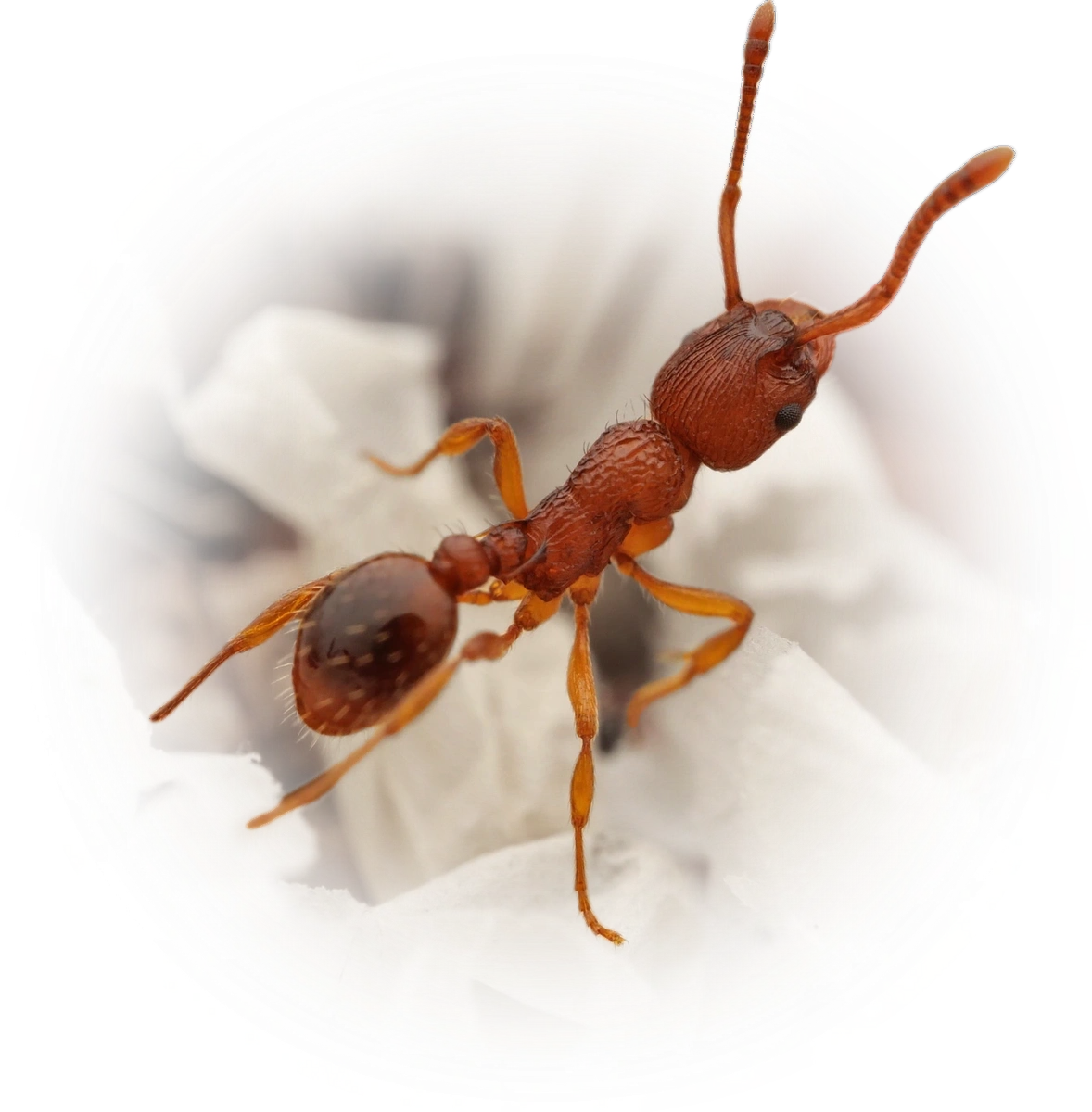
Myrmica scabrinodis
- Scientific Name
- Myrmica scabrinodis
- Tribe
- Myrmicini
- Subfamily
- Myrmicinae
- Author
- Nylander, 1846
- Common Name
- Ant
- Distribution
- Found in 11 countries
- Nuptial Flight
- from April to October, peaking in August
AI Identifiable
try →
Myrmica scabrinodis Overview
Myrmica scabrinodis (commonly known as the Ant) is an ant species of the genus Myrmica. It is primarily documented in 11 countries , including Belgium, Switzerland, Germany. Detailed taxonomic data and occurrence records can be further explored via authoritative databases such as AntWeb or the Global Biodiversity Information Facility (GBIF).
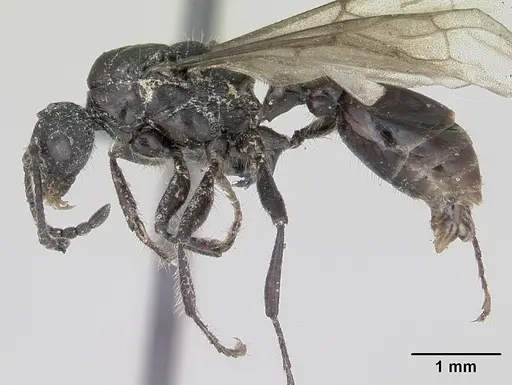
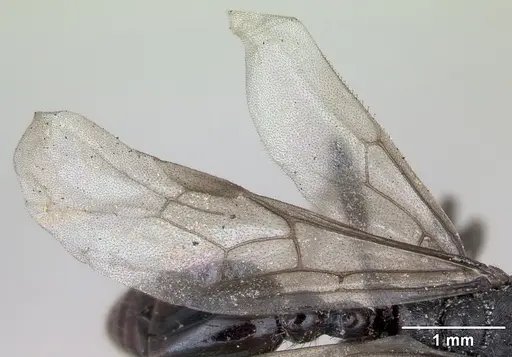
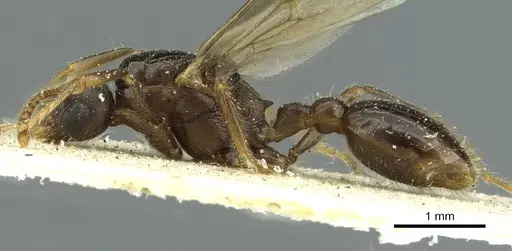
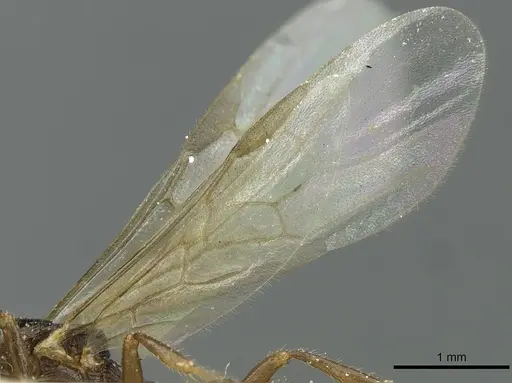
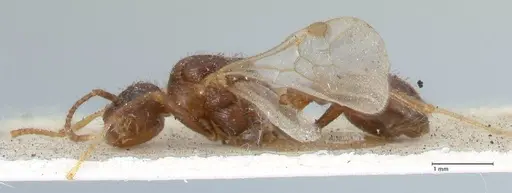
The nuptial flight of Myrmica scabrinodis is a significant biological event, typically occurring from April to October, peaking in August. During this time, winged queens and males leave the nest to mate and establish new colonies.
Myrmica scabrinodis - "Ant"
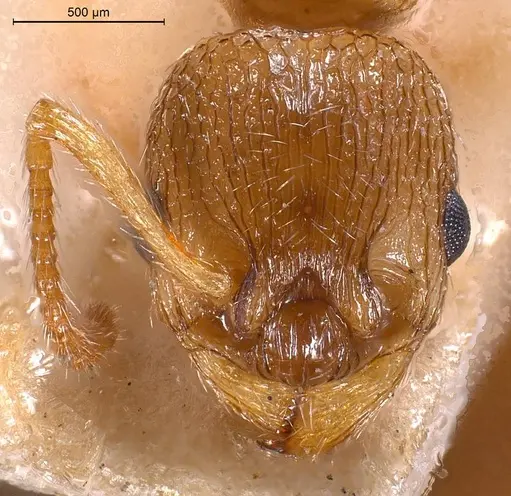
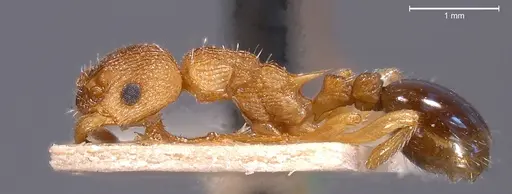
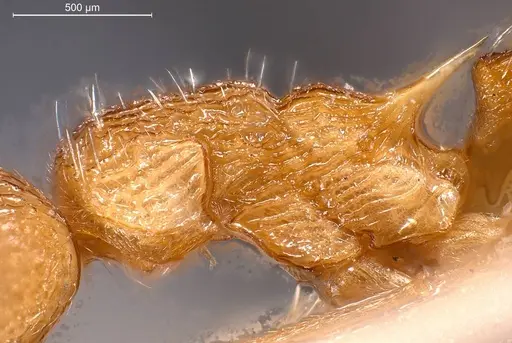
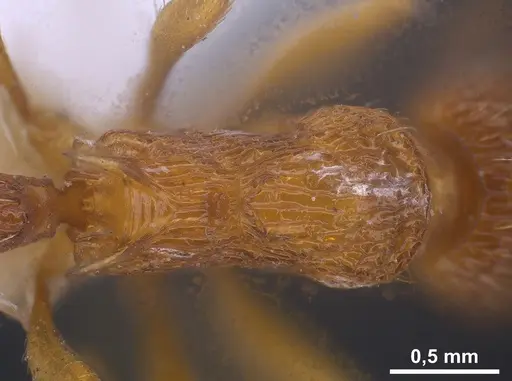
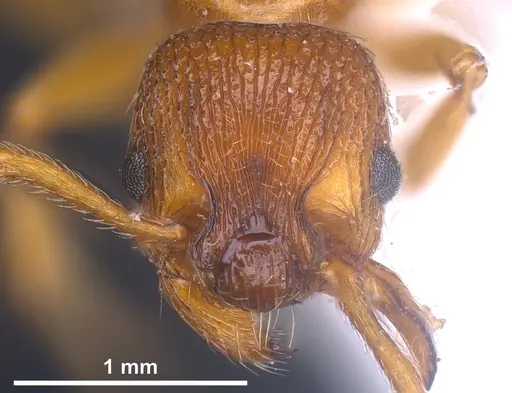
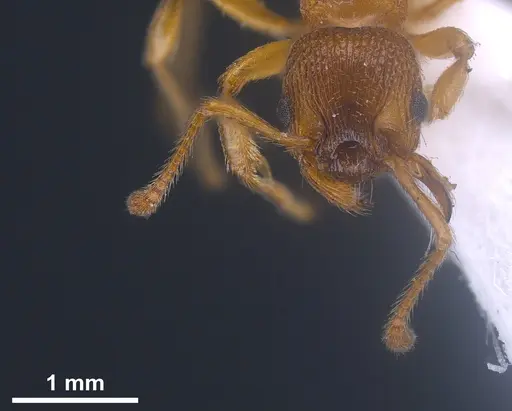
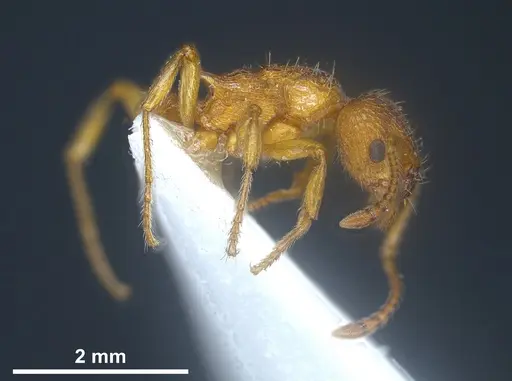
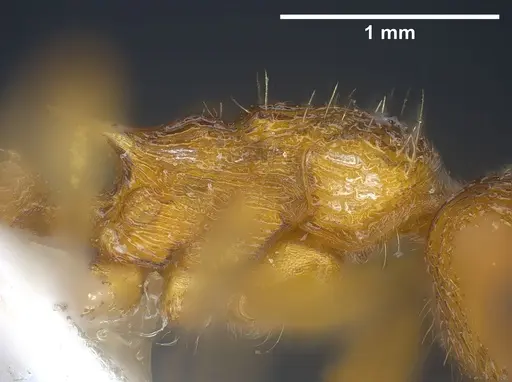
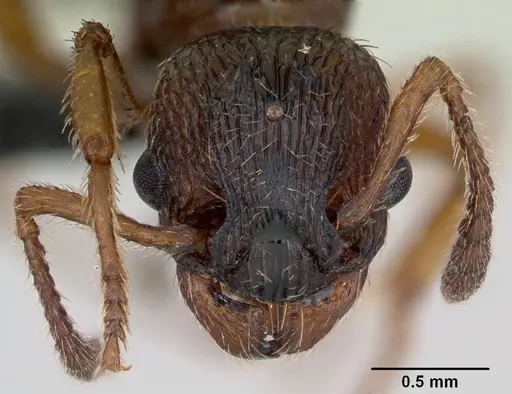
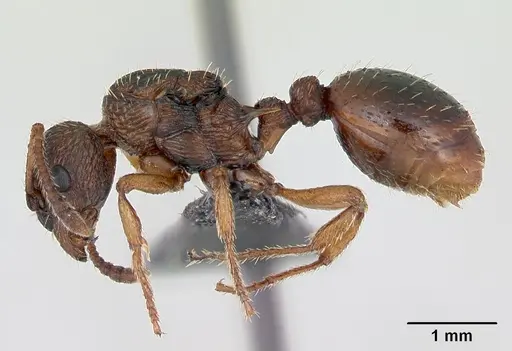
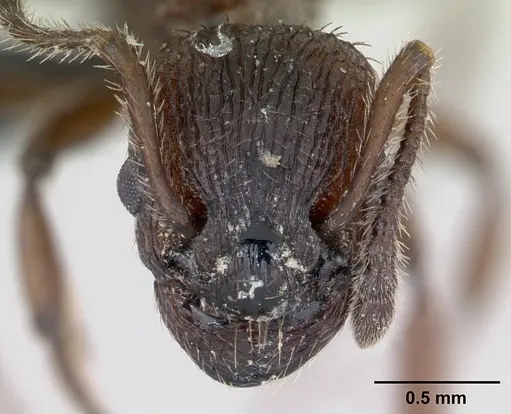
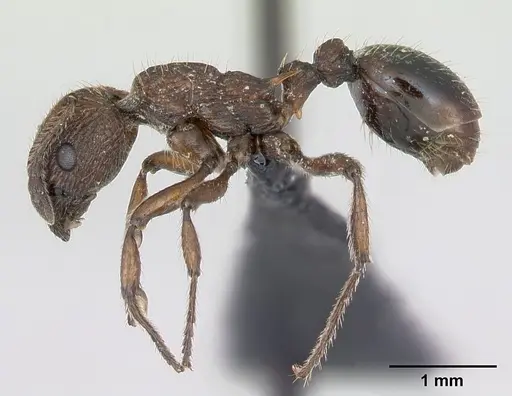
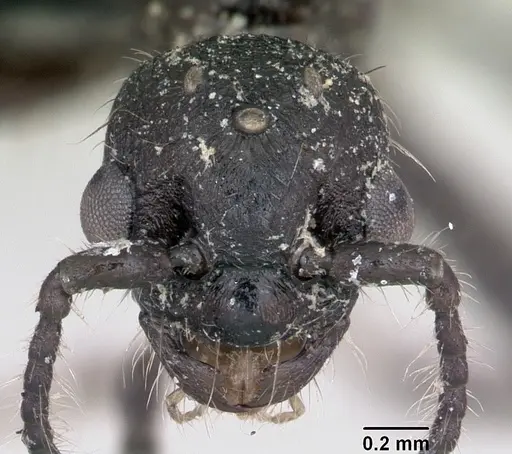
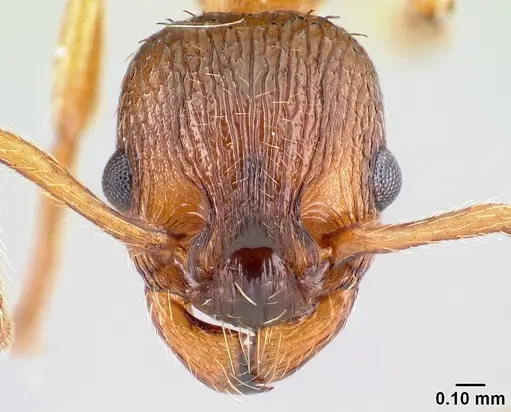
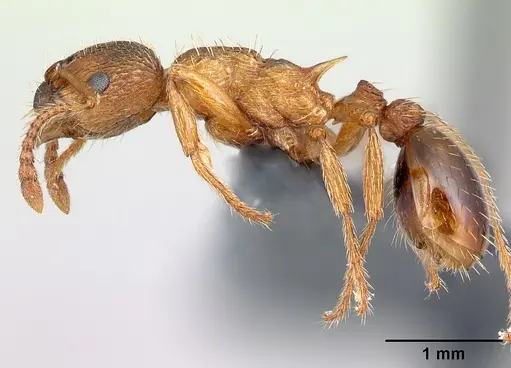
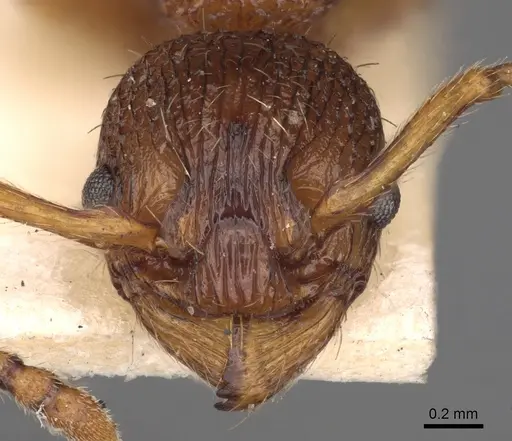
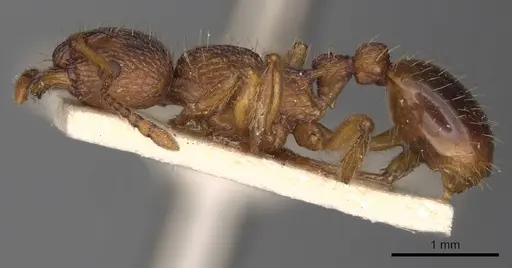
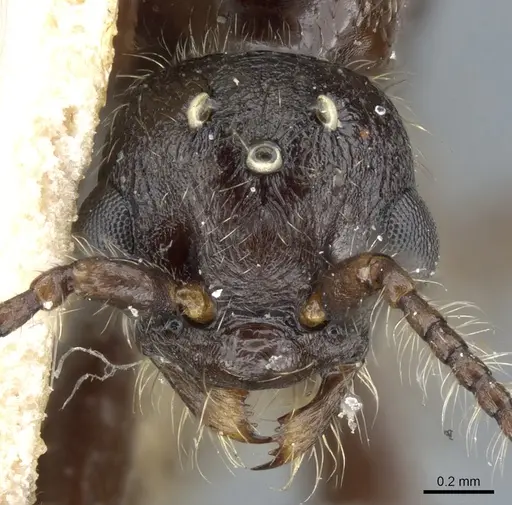
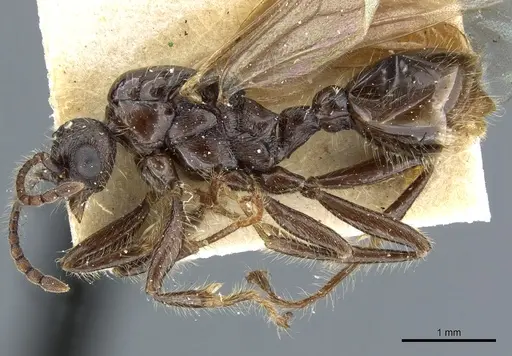
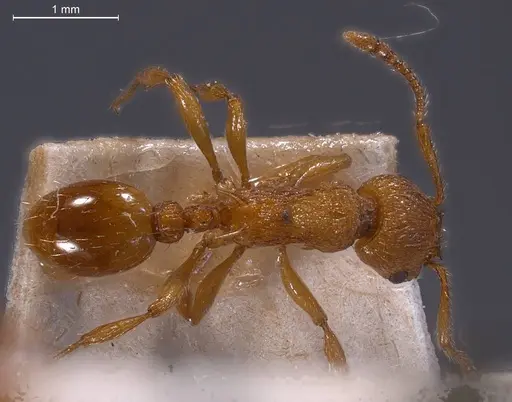
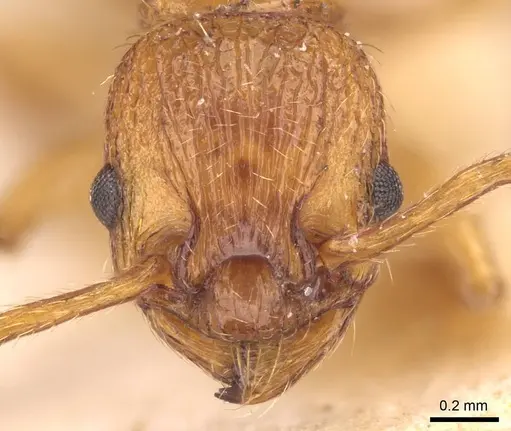
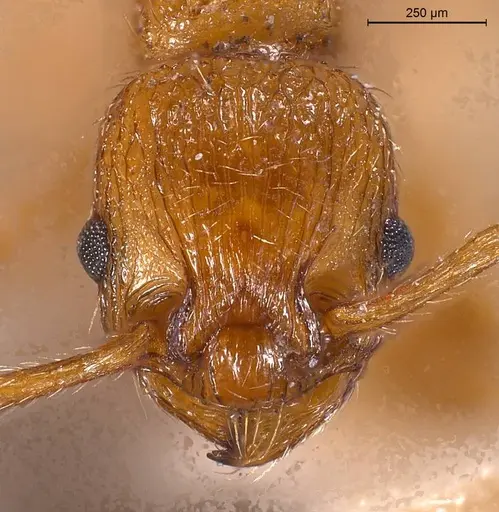
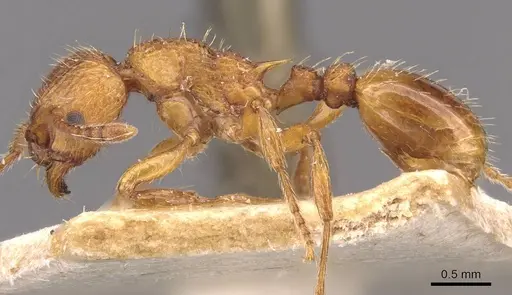
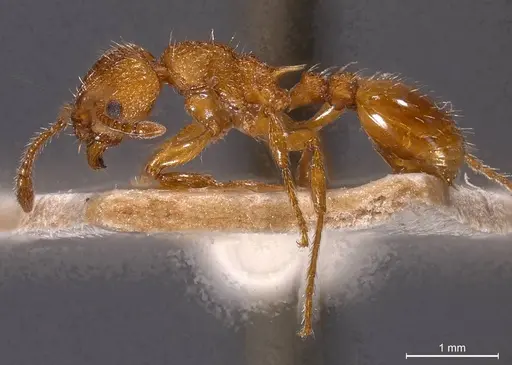
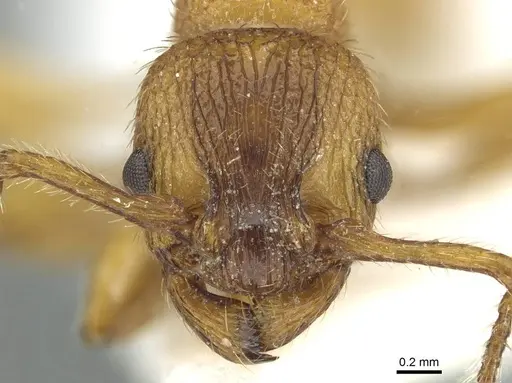
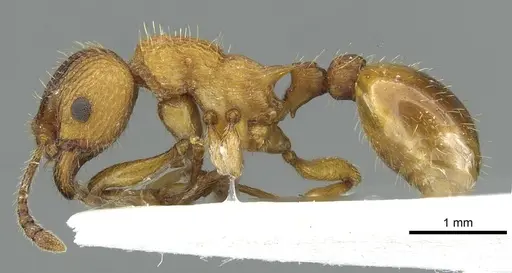
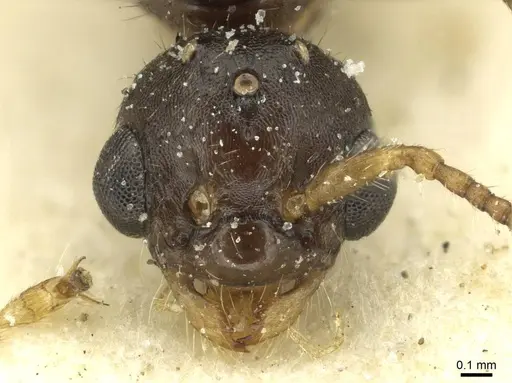
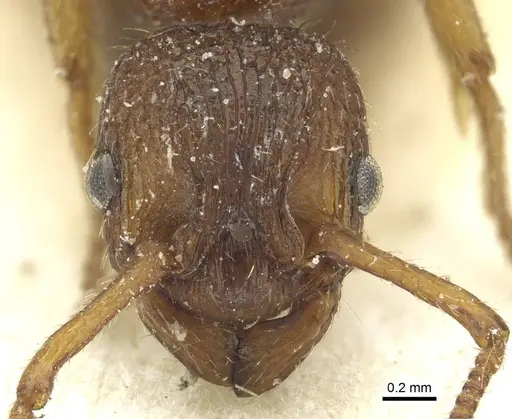
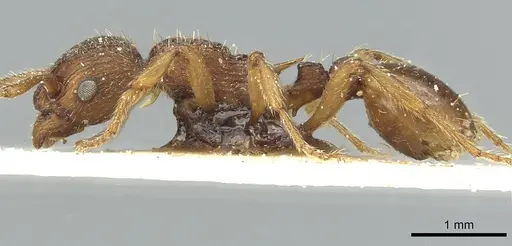
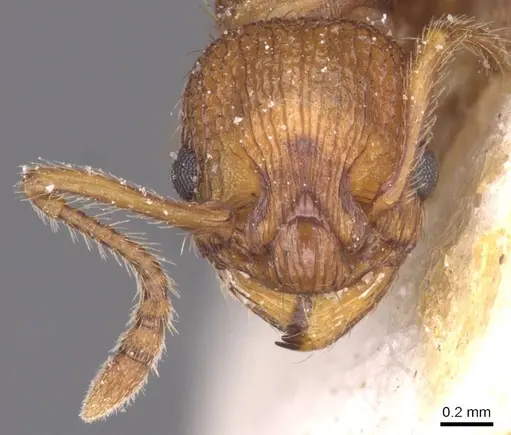
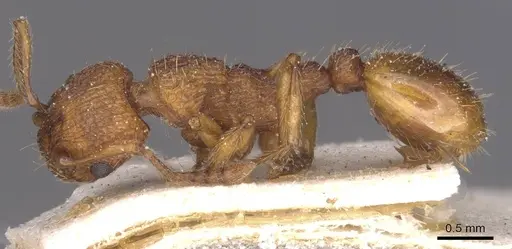
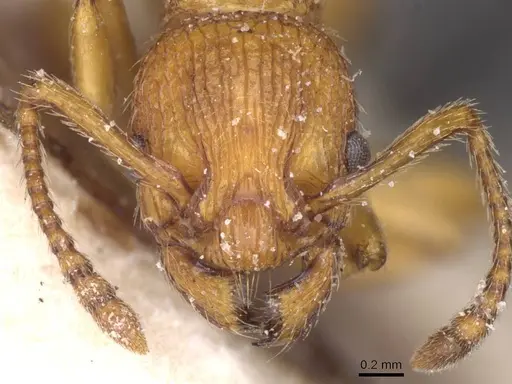
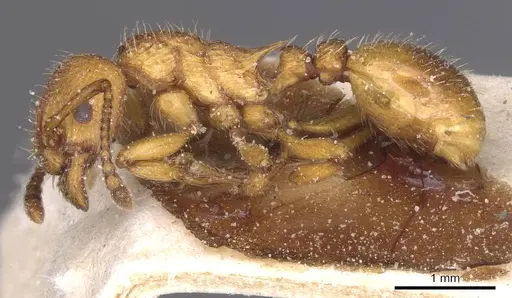
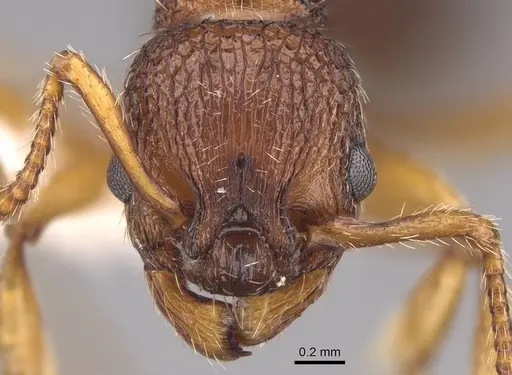
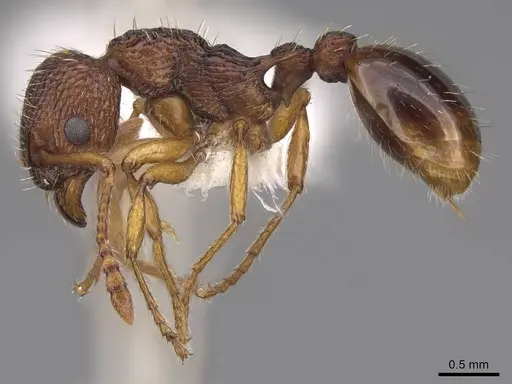
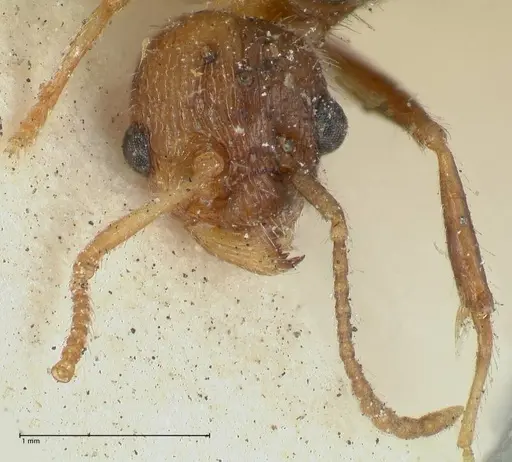
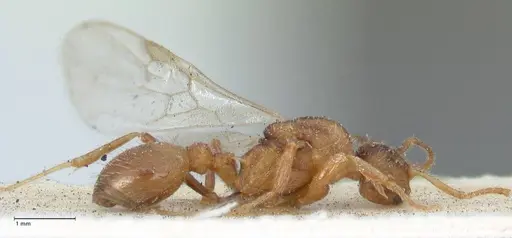
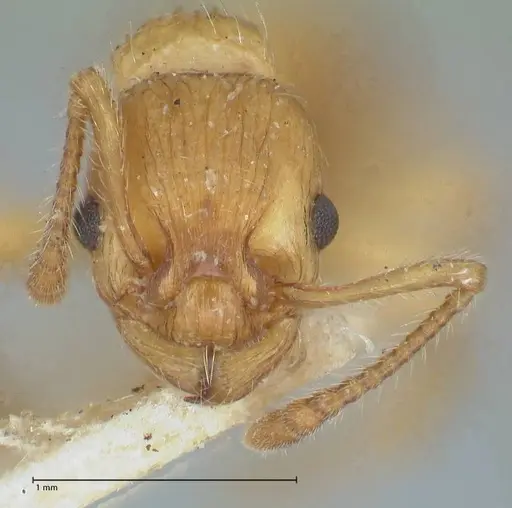
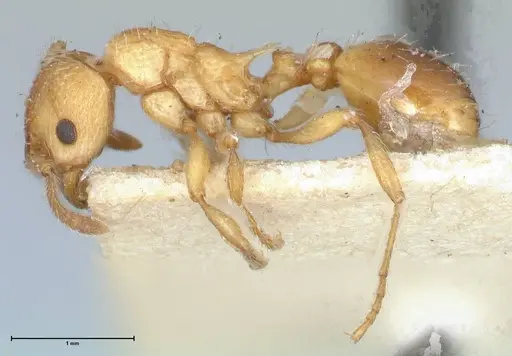
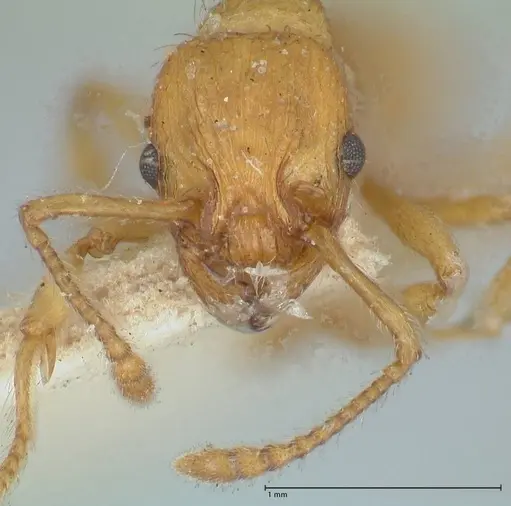
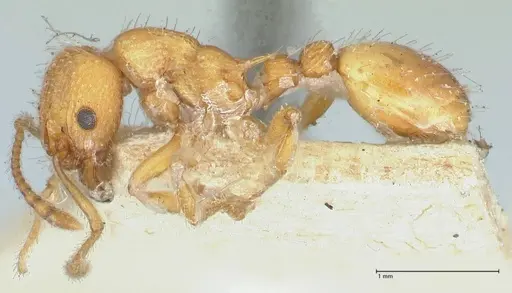
Myrmica scabrinodis is a small to medium-sized red ant widespread across Europe and into Siberia. Workers measure 3.5-5mm with a distinctive sharply-bent antenna featuring a small tooth at the bend, and long epinotal spines on the rear of the thorax. The body is typically brown with a darker head and gaster, and the head has characteristic strong longitudinal ridges. This species is one of the most common Myrmica ants in Europe, found in moist meadows, peat bogs, forest edges, and pastures. It serves as the primary host for several endangered Maculinea butterflies, making it ecologically important in grassland conservation. Colonies contain several hundred to 2500 workers and can have one or multiple queens.
Quick Summary
- Difficulty: Easy
- Origin & Habitat: Euro-Siberian species found throughout Europe from Scandinavia to Siberia, east to Central Asia. Inhabits moderately humid open habitats including meadows, pastures, peat bogs, and sunny forest edges. Requires good insolation but tolerates high soil moisture, avoiding only very dry and hot places [1][2].
- Colony Type: Facultatively polygynous, colonies can have a single queen or multiple queens (oligogynous). Typically contains several hundred to 2500 workers [1][2].
- Colony: Optionally polygyne, Oligogyne
- Founding: Semi-claustral
- Size & Growth:
- Queen: 5-6 mm [2]
- Worker: 3.5-5 mm [3]
- Colony: Up to 2500 workers [1]
- Growth: Moderate
- Development: 6-10 weeks at optimal temperature (estimated from genus patterns) (Development is temperature-dependent, faster at 22-24°C, slower at cooler temperatures. Northern populations develop slightly faster than southern ones at the same temperature [4].)
- Antkeeping:
- Temperature: Keep at 22-24°C for optimal brood development. Can tolerate 16-26°C but development slows outside this range [4].
- Humidity: Requires moist conditions. Keep substrate consistently damp but not waterlogged. This species tolerates higher humidity than many other Myrmica species and can even survive in very wet habitats like sphagnum bogs [1][5].
- Diapause: Yes, requires winter hibernation. In temperate regions, colonies should be cooled to 5-10°C for 3-4 months from late autumn through early spring. Queens enter diapause and stop laying eggs in late summer [6].
- Nesting: Nests in soil, grass tufts, moss mounds, or under stones. In captivity, use test tubes with moist cotton as founding setup, then transfer to soil-filled formicarium or Y-tong nest. Provide access to both moist and slightly drier areas within the nest.
- Behavior: Active and aggressive predators with a painful sting. Workers forage actively in vegetation and on the ground, hunting small invertebrates and collecting honeydew from aphids. They are a subordinate species in ant communities, avoiding direct competition with dominant ants like Formica species. Workers are moderately aggressive and will defend the nest vigorously. Escape risk is moderate, use standard barrier methods like Fluon on test tube rims.
- Common Issues: colonies may fail if substrate dries out, this species needs constant moisture, queens may not survive founding if not fed, semi-claustral queens must forage for protein during colony establishment, wild-caught colonies may be infected with the parasitic fungus Rickia wasmannii which can spread to other colonies, overheating is dangerous, temperatures above 26°C suppress brood development, nuptial flights occur late in the season (July-October) so queens may not be available until late summer
Queen Ant Activity Analysis 158 observations
Queen Activity by Hour 158 observations
Myrmica scabrinodis queen activity peaks around 14:00 during the afternoon. Activity is spread across a 12-hour window (10:00–21:00). Times may be influenced by human observation patterns.
Housing and Setup
For a newly caught queen, use a standard test tube setup with a water reservoir at one end sealed with a cotton plug. Keep the tube horizontal so the queen can move between the wet and dry ends. The queen will need to forage for food during founding, so provide small protein items like crushed insects near the tube entrance. Once the first workers (nanitics) emerge and the colony reaches 20-30 workers, you can transfer to a proper formicarium. A Y-tong (AAC) nest or a simple soil-filled container works well. Myrmica scabrinodis needs moisture, keep the nest material damp and provide a water tube for drinking. Escape prevention is important but not as critical as for tiny ants, standard barriers like Fluon on tube rims work well. [2][1]
Feeding and Diet
Myrmica scabrinodis is predatory and will readily accept small insects like fruit flies, pinhead crickets, and mealworm pieces. Feed protein 2-3 times per week for growing colonies. They also collect honeydew from aphids, so you can offer diluted honey or sugar water as a supplemental energy source. Remove uneaten prey after 24 hours to prevent mold. In the wild, they also eat other ant brood when they can raid Lasius niger nests, but this is optional in captivity. [1][4]
Temperature and Seasonal Care
Maintain temperatures between 22-24°C for best brood development. This species can tolerate cooler temperatures (down to 16°C) but development slows significantly. In summer, room temperature is usually sufficient. In winter, colonies require a hibernation period, reduce temperature to 5-10°C for 3-4 months (November through February in temperate regions). Place the formicarium in a cool basement or refrigerator during hibernation. Do not feed during hibernation but keep the substrate slightly moist. [4][6]
Colony Dynamics
Myrmica scabrinodis colonies grow moderately. A healthy colony might reach 500 workers in 2-3 years under good conditions. Colonies can be polygynous (multiple queens) which can lead to faster growth, but single-queen colonies are also common. The species is known for its complex social structure and genetic diversity, there are at least two cryptic lineages in Europe that differ in habitat preference (wet vs dry). Queens can live for many years (over 20 years documented in some populations), while workers live approximately one year. [1]
Ecological Importance
This ant is ecologically significant as the primary host for several endangered Maculinea (large blue) butterflies. If you live in Europe and release colonies, be aware that these ants support rare biodiversity. The species is also commonly parasitized by the ectoparasitic fungus Rickia wasmannii, which reduces worker lifespan and changes colony behavior. Infected colonies show reduced aggression toward strangers and may be more accepting of social parasites.
Frequently Asked Questions
How long does it take for Myrmica scabrinodis to produce first workers?
Expect first workers (nanitics) to emerge 6-10 weeks after the queen lays eggs, depending on temperature. Keep the nest at 22-24°C for fastest development. The first batch is usually small (5-15 workers) but the colony will grow quickly once established.
Can I keep multiple Myrmica scabrinodis queens together?
Yes, this species is facultatively polygynous, colonies can have one or multiple functional queens. However, introducing unrelated queens to an established colony may result in fighting. It's safer to let a single queen found a colony, or combine dealate queens at the very start of founding before they establish territories.
Do Myrmica scabrinodis ants sting?
Yes, they have a painful sting and will use it when defending the nest. However, they are not aggressive toward humans unless directly threatened. The sting is comparable to other small Myrmica species, uncomfortable but not dangerous for most people.
What temperature do Myrmica scabrinodis need?
Keep the nest at 22-24°C for optimal brood development. They can tolerate 16-26°C but growth is slower outside this range. Never exceed 26°C as this suppresses brood rearing. Room temperature (18-22°C) is acceptable but will result in slower development.
Do they need hibernation?
Yes, they require a winter rest period. In captivity, provide 3-4 months of cold temperatures (5-10°C) from late autumn through winter. This triggers proper reproductive cycles and helps queens survive longer. Without hibernation, colonies may become stressed and queens may die prematurely.
What do Myrmica scabrinodis eat?
They are predatory ants that primarily eat small insects. Offer fruit flies, small crickets, mealworms, or other small protein sources 2-3 times per week. They also will drink sugar water or honey diluted with water. Remove uneaten food after 24 hours.
Are Myrmica scabrinodis good for beginners?
Yes, they are considered easy to keep. They are more tolerant of moisture and less aggressive than some other Myrmica species. The main requirements are keeping the substrate moist and providing a proper hibernation period. They are widely available and relatively forgiving of beginner mistakes.
Why are my ants dying during hibernation?
This often happens if the colony was too wet or too cold during hibernation. Make sure the substrate is only slightly moist, not saturated, during cold storage. Also check that temperatures stayed consistently cool (5-10°C) without freezing. Queens that were not healthy going into hibernation may not survive.
How big do Myrmica scabrinodis colonies get?
Mature colonies contain several hundred to about 2500 workers. Growth rate is moderate, expect 2-3 years to reach 500 workers under good conditions. Colonies with multiple queens can grow faster. This is a medium-sized Myrmica species, not as large as Myrmica rubra.
References

This caresheet is licensed under CC BY-SA 4.0 .
ANTWEB1008453
View on AntWeb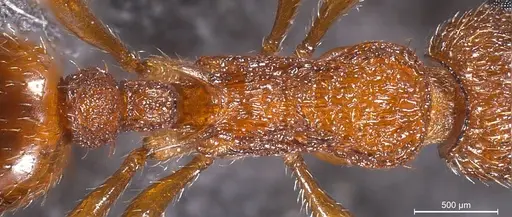
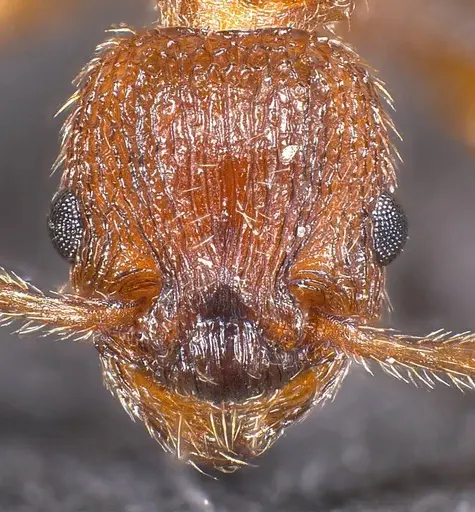
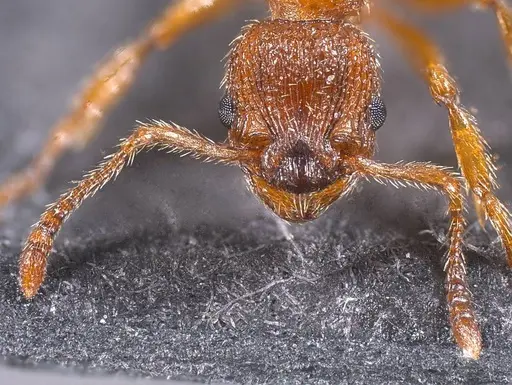
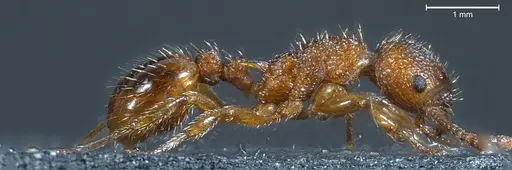
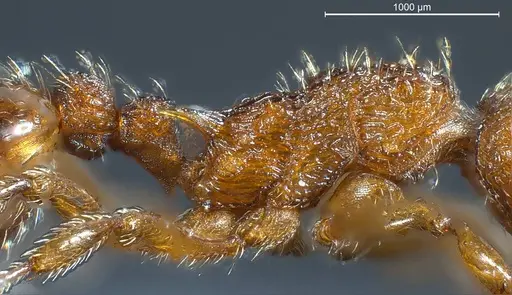
ANTWEB1008454
View on AntWeb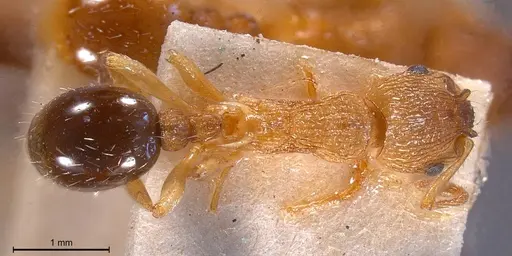
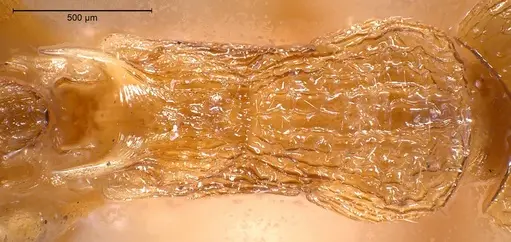
ANTWEB1041458
View on AntWeb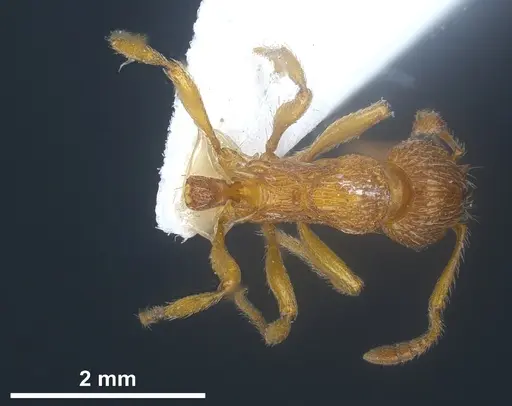
CASENT0172744
View on AntWeb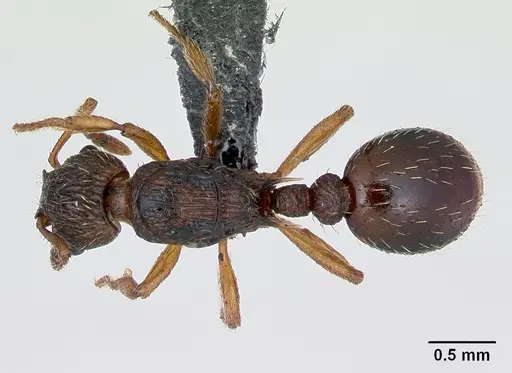
CASENT0172759
View on AntWeb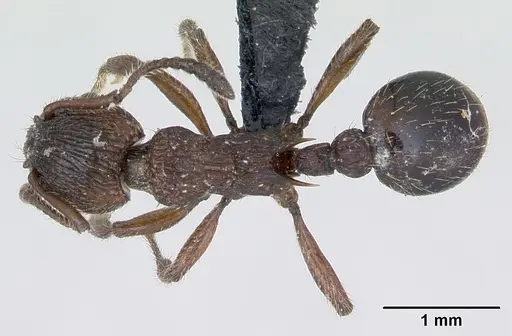
CASENT0172760
View on AntWeb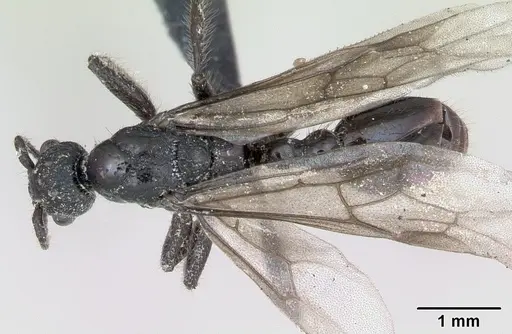
CASENT0179939
View on AntWeb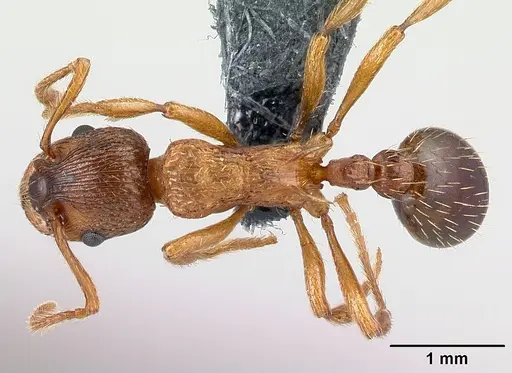
CASENT0900278
View on AntWeb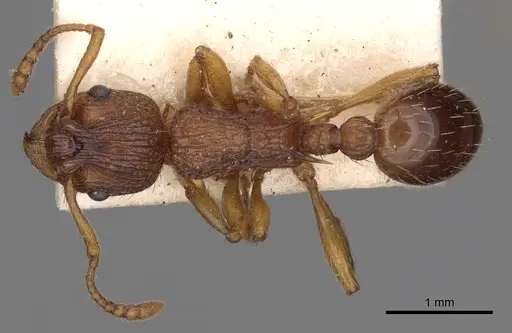
CASENT0904069
View on AntWeb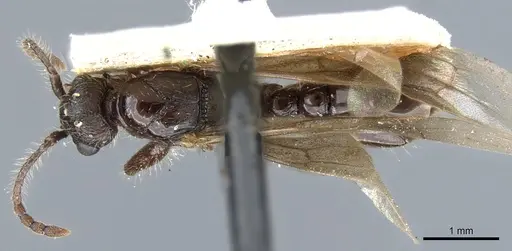
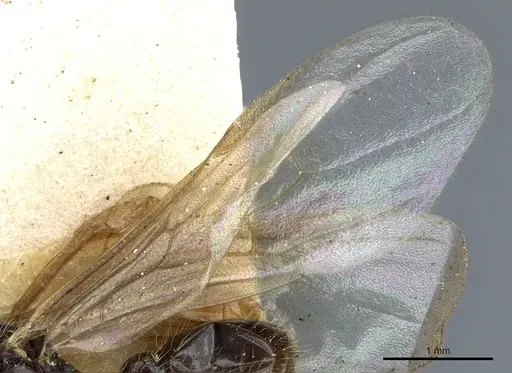
CASENT0907597
View on AntWeb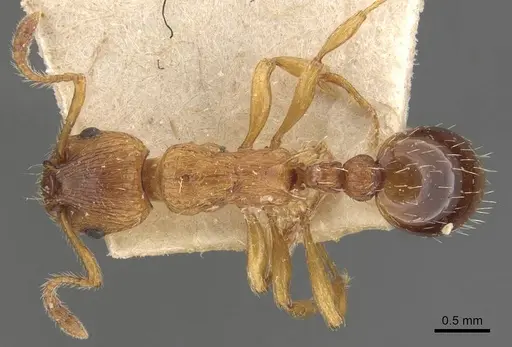
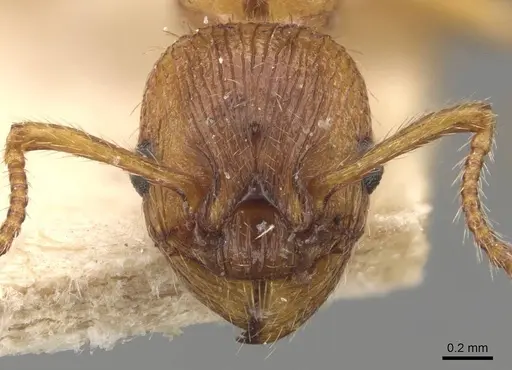
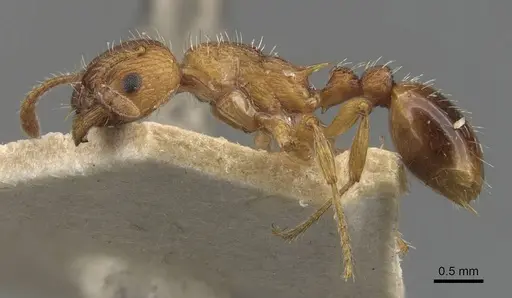
CASENT0907654
View on AntWeb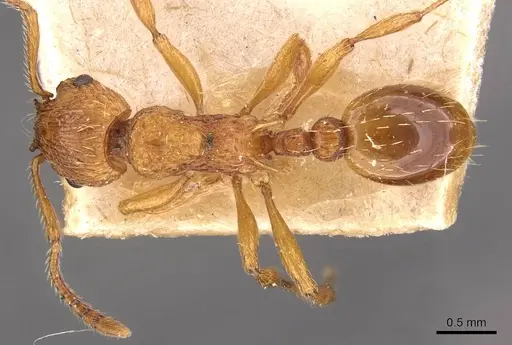
CASENT0913058
View on AntWeb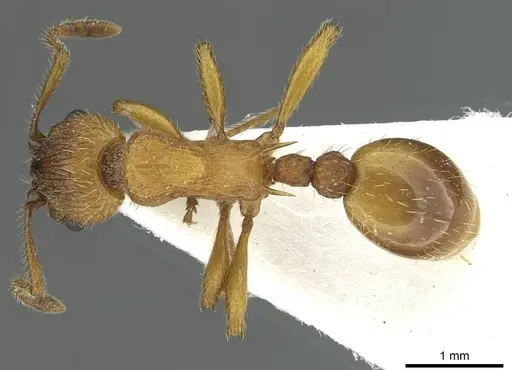
CASENT0913064
View on AntWeb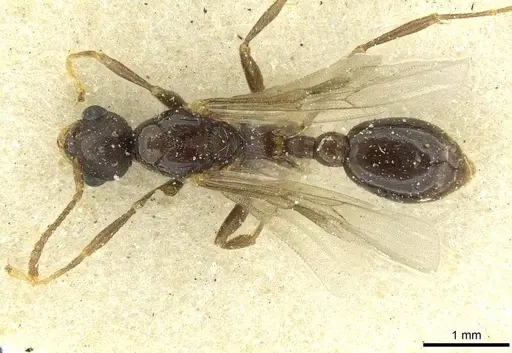
CASENT0913078
View on AntWeb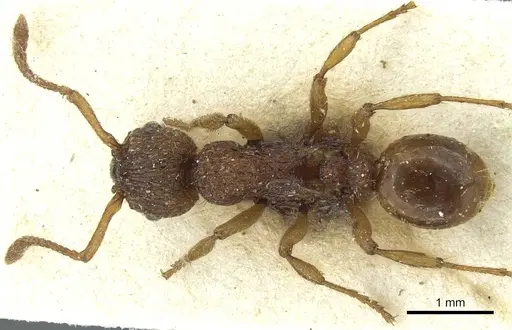
CASENT0913079
View on AntWeb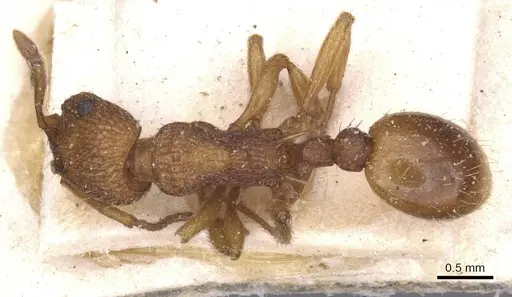
CASENT0913086
View on AntWeb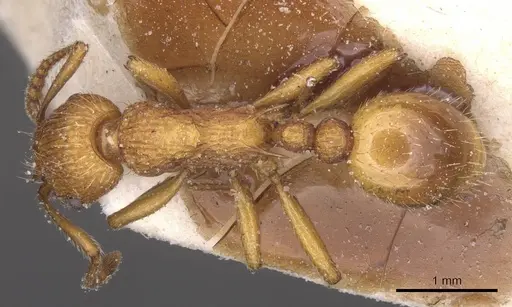
CASENT0922795
View on AntWeb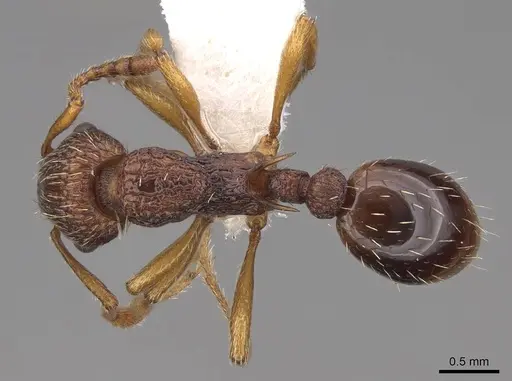
FOCOL1203
View on AntWeb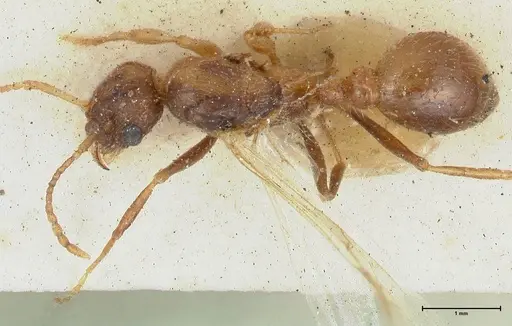
FOCOL1204
View on AntWeb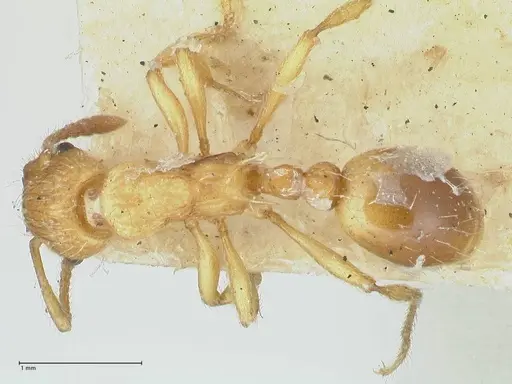
FOCOL1205
View on AntWeb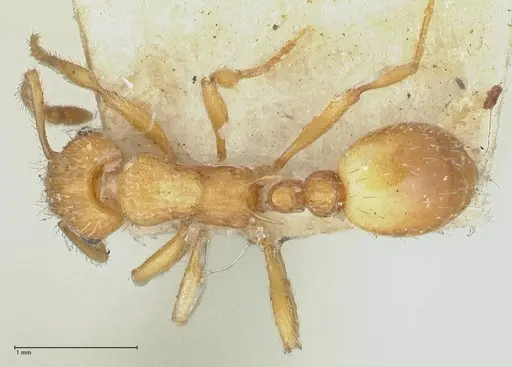
Literature
Loading...Loading products...