
Myrmica sabuleti shows a April to September activity window. Peak activity occurs in August, with queen sightings distributed across 6 months. This extended season suggests multiple flight events or varying conditions across its range.
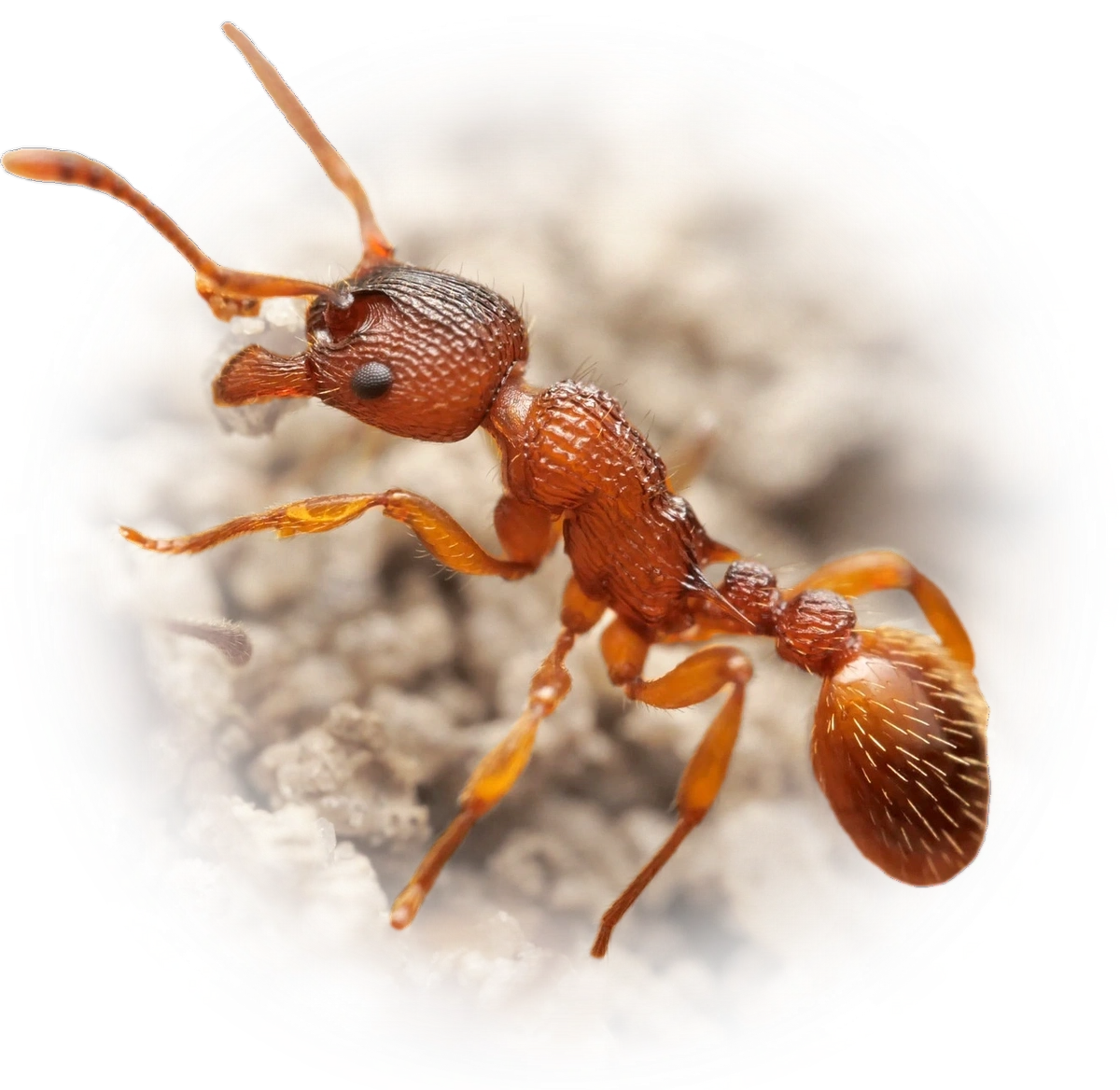
Myrmica sabuleti
- Scientific Name
- Myrmica sabuleti
- Tribe
- Myrmicini
- Subfamily
- Myrmicinae
- Author
- Meinert, 1861
- Distribution
- Found in 13 countries
- Nuptial Flight
- from April to September, peaking in August
AI Identifiable
try →
Myrmica sabuleti Overview
Myrmica sabuleti is an ant species of the genus Myrmica. It is primarily documented in 13 countries , including Belgium, Switzerland, Germany. Detailed taxonomic data and occurrence records can be further explored via authoritative databases such as AntWeb or the Global Biodiversity Information Facility (GBIF).
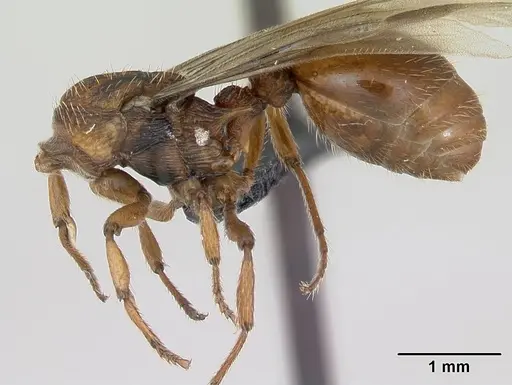
The nuptial flight of Myrmica sabuleti is a significant biological event, typically occurring from April to September, peaking in August. During this time, winged queens and males leave the nest to mate and establish new colonies.
Myrmica sabuleti
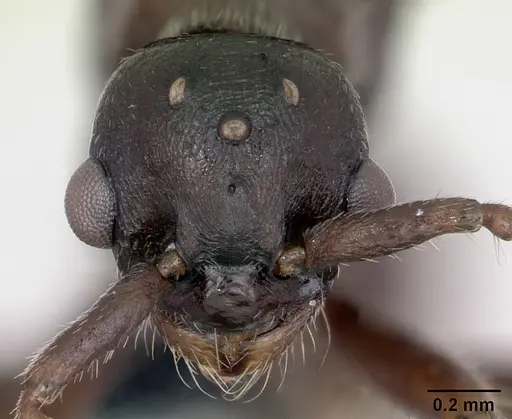
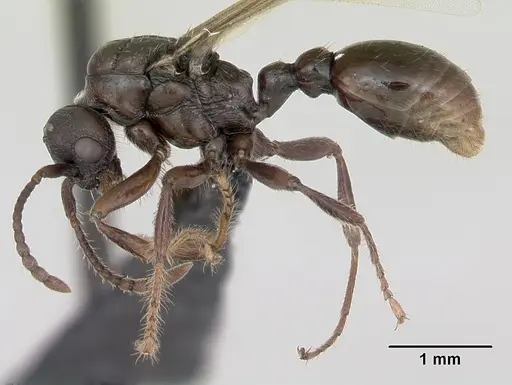
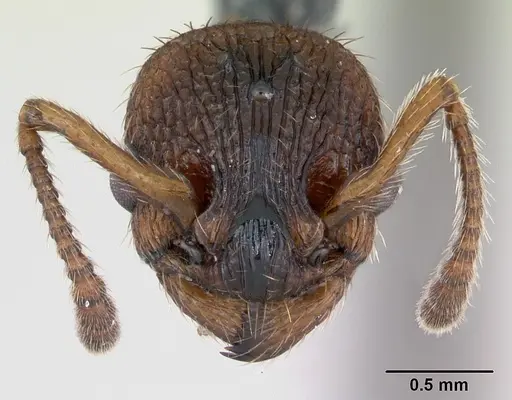
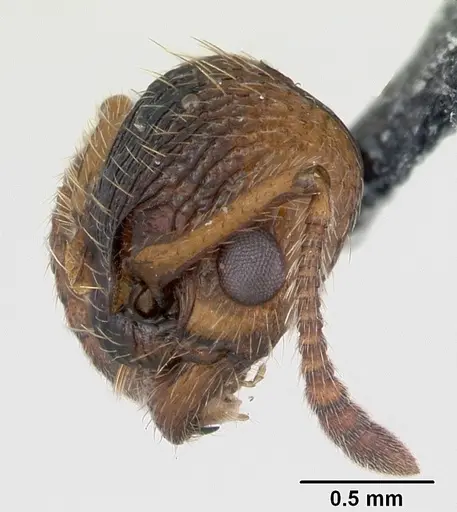
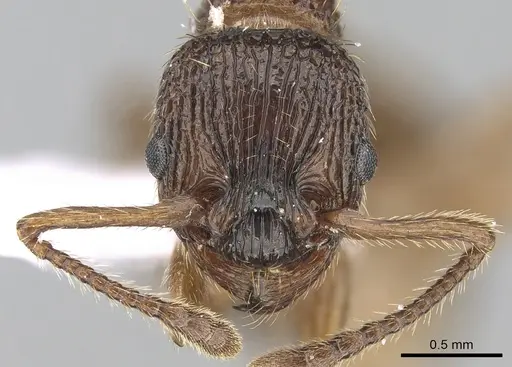
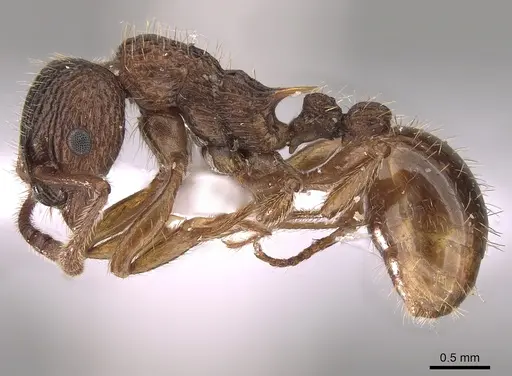
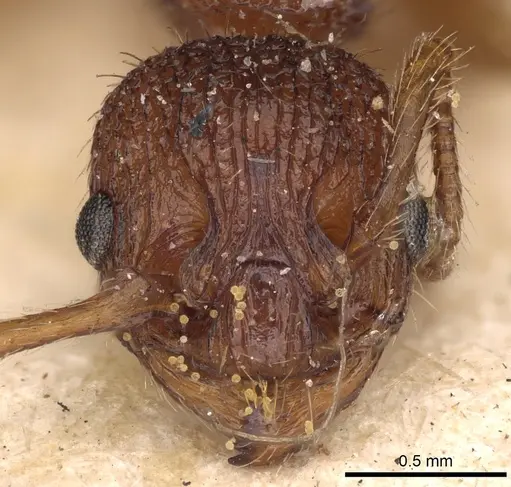
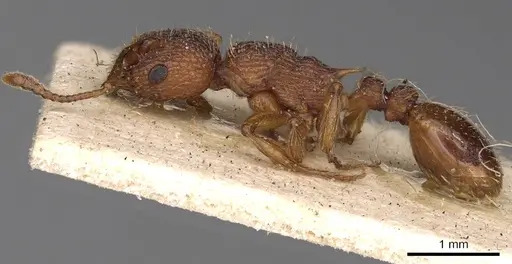
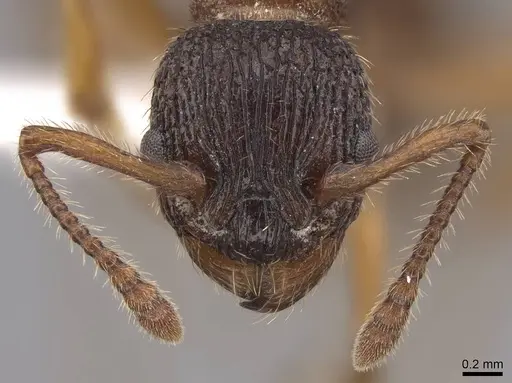
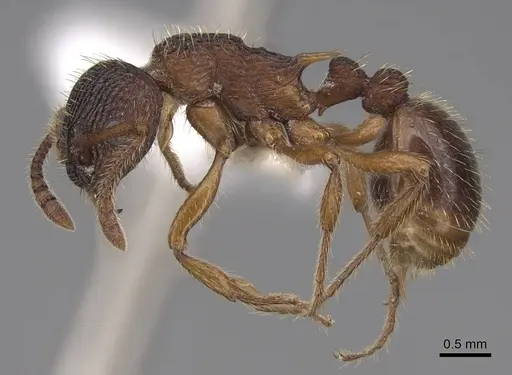
Myrmica sabuleti is a medium-sized Myrmica ant native to Europe and parts of Asia. Workers measure 4-5.5mm with a reddish-brown body and characteristic long epinotal spines. This species belongs to the scabrinodis-group and is distinguished by the spoon-like extension at the base of its antenna. It inhabits dry, warm grasslands, heathlands, and sunny forest edges across Europe, from southern Scandinavia to the Mediterranean. Colonies are polygynous with multiple queens and can reach up to 2000 workers. This ant is an important host species for several endangered butterflies including Maculinea arion (large blue) and M. rebeli. Workers are not aggressive and primarily forage for honeydew and small insects in vegetation.
Quick Summary
- Difficulty: Easy
- Origin & Habitat: Europe and western Asia, found from southern Norway, Sweden and Russia south to Spain, Italy and the Balkans. Inhabits dry, warm open habitats including heathlands, sandy grasslands, sunny forest edges and dunes [1][2].
- Colony Type: Polygynous (multiple-queen) colonies with typically several hundred to 2000 workers and a small number of queens (oligogyn). Single-queen colonies are also possible [2][3][4].
- Colony: Optionally polygyne, Oligogyne
- Founding: Semi-claustral
- Size & Growth:
- Queen: 5-6 mm [1]
- Worker: 4-5.5 mm [1][5]
- Colony: Up to 2000 workers [2][3]
- Growth: Slow
- Development: 6-10 weeks (estimated based on related Myrmica species and Strategy F classification) [6][7] (Semi-claustral founding with slow larval development. Last larval instar can overwinter, with first egg-laying occurring after diapause.)
- Antkeeping:
- Temperature: Keep at 20-24°C. This is a warmth-loving species that tolerates temperatures up to 40°C (CTM) but prefers moderate warmth around 22°C (MAT) [8][9].
- Humidity: Moderate to low humidity. Prefers drier conditions than M. scabrinodis, aim for 60-80% humidity. Keep nest substrate slightly moist but not waterlogged [2][3].
- Diapause: Yes, requires winter hibernation. Colonies show overwintering behavior around end of October. Provide 2-3 months at 5-10°C during winter [10].
- Nesting: Nests in soil, under stones, or in tufts of grass and moss. In captivity, standard test tubes or acrylic nests work well. Provide a gradient from damp to slightly drier areas. Avoid overly wet conditions [3].
- Behavior: Workers are not aggressive and typically avoid conflict with other ants. They forage actively, both on the ground and in vegetation, collecting honeydew from aphids and small insects. Uses mass recruitment to food sources. Active primarily during cooler parts of the day in hot weather. Has a painful sting for its size, handle with care. Escape prevention should be standard (Fluon on edges).
- Common Issues: colonies may fail if kept too wet, this species prefers drier conditions than many Myrmica, slow growth can frustrate beginners, be patient with founding colonies, wild-caught colonies may carry the parasitic fungus Rickia wasmannii which can spread to other ants, queens may fight if multiple unrelated foundresses are introduced, best to establish single-queen colonies, hibernation failure is common cause of colony loss, ensure proper cold period
Queen Ant Activity Analysis 57 observations
Queen Activity by Hour 57 observations
Myrmica sabuleti queen activity peaks around 15:00 during the afternoon. Activity is spread across a 13-hour window (10:00–22:00). Times may be influenced by human observation patterns.
Housing and Nest Setup
Myrmica sabuleti is best housed in standard test tube setups for founding colonies, or acrylic/formicarium nests for established colonies. This species prefers dry to moderately humid conditions, avoid the constantly wet setups suitable for M. rubra. Provide a water tube for drinking but allow the nest area to dry somewhat between rehydrations. A gradient from damp (for brood) to drier (for workers) is ideal. Outworlds should have a thin layer of substrate that can dry out between mistings. Temperature should be maintained at 20-24°C using a heating cable if needed, but avoid overheating. This species tolerates temperatures up to 40°C but thrives at moderate warmth around 22°C. [8][3][1]
Feeding and Diet
Myrmica sabuleti is omnivorous with a preference for protein and sugars. Workers readily collect honeydew from aphids and will tend aphid colonies in vegetation. In captivity, offer sugar water (30% solution) constantly as an energy source. For protein, provide small insects like fruit flies, small crickets, or mealworm pieces 2-3 times weekly. Workers also occasionally collect seeds and will scavenge on dead insects. Unlike some Myrmica, this species does forage actively in vegetation, so providing some climbing opportunities in the outworld is beneficial. Remove uneaten prey after 24-48 hours to prevent mold. [3][1]
Temperature and Seasonal Care
Maintain temperatures between 20-24°C for optimal colony development. This is a warmth-loving species that naturally inhabits dry, sunny habitats. During summer, room temperature is usually sufficient. In winter, colonies require a hibernation period of 2-3 months at 5-10°C. Reduce feeding and move colonies to a cool location (garage, basement, or refrigerator for short periods) in late autumn. Signs of proper hibernation include reduced activity and clustering near the nest center. Do not feed during hibernation but provide access to water. Resume normal feeding and warming gradually in spring. [9][10][3]
Colony Development and Growth
Myrmica sabuleti colonies grow slowly, which is typical for semi-claustral founding species. Queens must leave the nest to forage during the founding stage, making this phase more risky than claustral species. Expect 6-10 weeks from egg to first worker under optimal conditions. Colonies typically reach several hundred workers over 2-3 years. Maximum colony size is around 2000 workers. The species shows polygynous structure with multiple queens contributing to reproduction, which supports faster growth once established. Larval development is slow, with the last instar capable of overwintering in colder climates. [6][7][2][3]
Behavior and Defense
Workers are not aggressive and typically flee from threats rather than attack. However, they possess a sting that can deliver a noticeable sting, this is why the species is called the 'sand stinging ant'. When threatened, workers may sting, so handle with care. The species uses mass recruitment, forming trails to good food sources. Workers forage both on the ground and in low vegetation, collecting honeydew and small prey. They are subordinate in ant communities and avoid conflict with more aggressive species. In the outworld, provide some enrichment like small rocks or plants to encourage natural foraging behavior. [3][1]
Common Problems and Solutions
The most common issues with M. sabuleti are related to humidity, keeping them too wet causes colony decline and fungal growth. Use a light touch when misting and allow substrate to dry between waterings. Slow growth frustrates many keepers, founding colonies can take months to produce first workers, so patience is essential. Wild-caught colonies may carry the parasitic fungus Rickia wasmannii, which appears as grayish patches on workers and can spread to other Myrmica. Quarantine new colonies. Finally, ensure proper hibernation, colonies that don't cool down properly in winter often fail to thrive the following year. [1]
Frequently Asked Questions
How long does it take for Myrmica sabuleti to produce first workers?
Expect 6-10 weeks from egg to first worker under optimal conditions (20-24°C). This is a slow-growing species, and founding colonies may take several months to establish. Patience is essential.
Do Myrmica sabuleti ants sting?
Yes, they can sting and the sting is noticeable, this species is known as the 'sand stinging ant'. While not dangerous to healthy adults, it can be painful. Handle with care and avoid provoking them.
What temperature do Myrmica sabuleti need?
Keep them at 20-24°C. This is a warmth-loving species that tolerates up to 40°C but thrives around 22°C. A heating cable on one side of the nest can create a beneficial gradient.
How big do Myrmica sabuleti colonies get?
Mature colonies reach up to 2000 workers, though most colonies stay in the several hundred range. Growth is slow, taking 2-3 years to reach moderate size.
Do Myrmica sabuleti need hibernation?
Yes, they require a winter rest period of 2-3 months at 5-10°C. Reduce feeding in autumn and move to a cool location. This is essential for colony health.
Can I keep multiple Myrmica sabuleti queens together?
Yes, this is a polygynous species, colonies naturally have multiple queens. However, introducing unrelated founding queens to an established colony may result in aggression. Best to let single queens found independently.
What do Myrmica sabuleti eat?
They are omnivorous. Offer sugar water constantly and protein (insects) 2-3 times weekly. They also collect honeydew and will scavenge on dead insects. Avoid overly large prey items.
Is Myrmica sabuleti good for beginners?
Yes, they are considered easy to keep. They are not aggressive, tolerate a range of conditions, and are widely available. The main challenges are their slow growth and humidity requirements, don't keep them too wet.
Why is my Myrmica sabuleti colony dying?
The most common cause is too high humidity, this species prefers drier conditions than many Myrmica. Check that the nest isn't constantly wet. Other possibilities include improper hibernation, poor nutrition, or parasitic infection (Rickia fungus).
When do Myrmica sabuleti have nuptial flights?
Nuptial flights occur from July through September, with August being peak season. Males and winged queens leave the nest on warm days to mate. If you want to catch queens, look for them on these dates.
References

This caresheet is licensed under CC BY-SA 4.0 .
CASENT0173177
View on AntWeb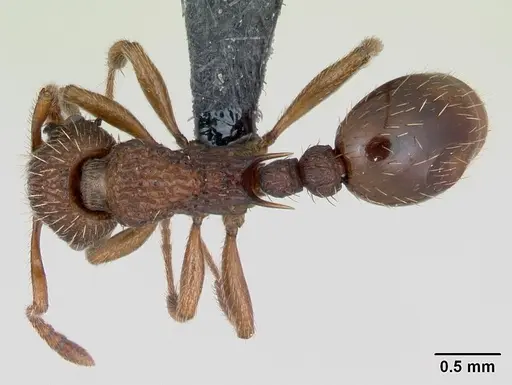
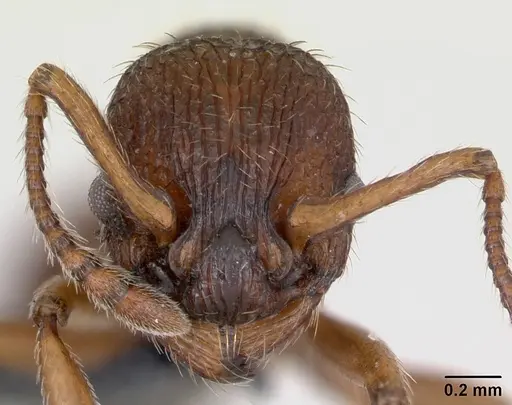
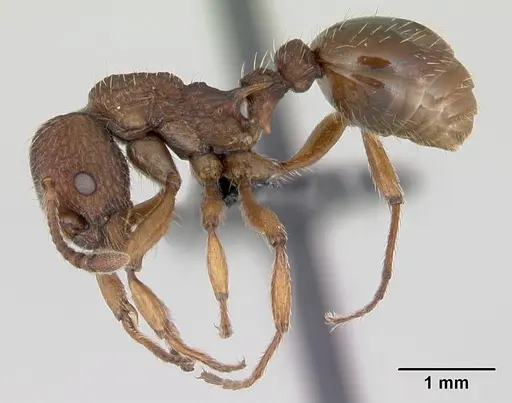
CASENT0173178
View on AntWeb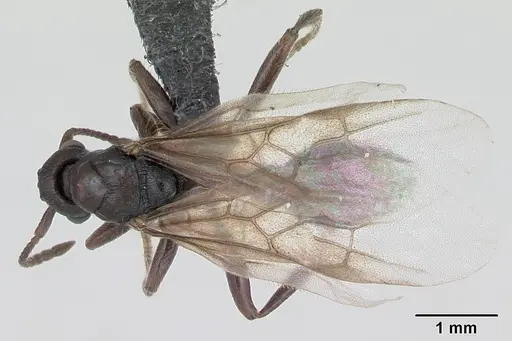
CASENT0173179
View on AntWeb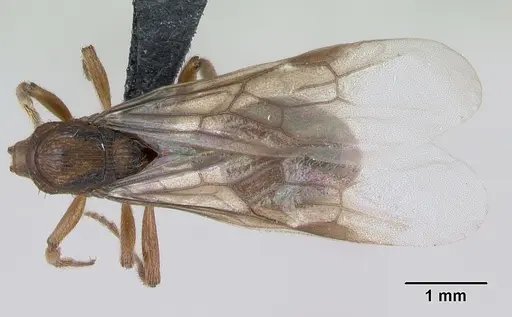
CASENT0281554
View on AntWeb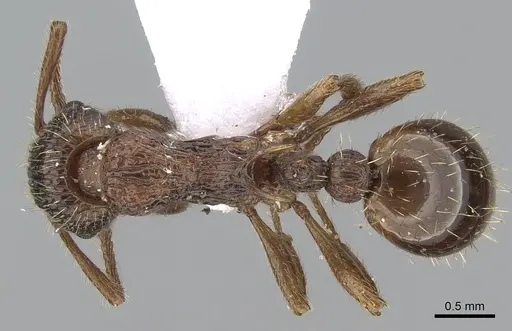
CASENT0900277
View on AntWeb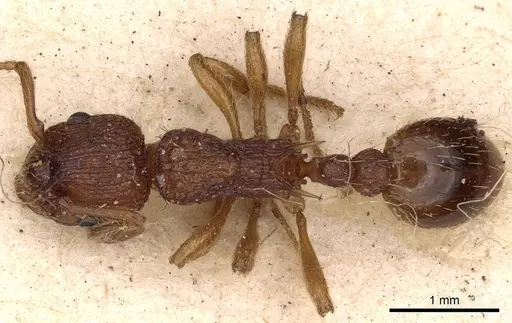
CASENT0922794
View on AntWeb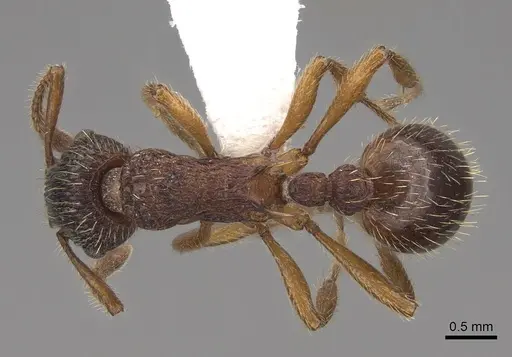
Literature
Loading...Loading products...