

Myrmica tibetana
- Scientific Name
- Myrmica tibetana
- Tribe
- Myrmicini
- Subfamily
- Myrmicinae
- Author
- Mayr, 1889
- Distribution
- Found in 1 countries
Myrmica tibetana Overview
Myrmica tibetana is an ant species of the genus Myrmica. It is primarily documented in 1 countries , including China. Detailed taxonomic data and occurrence records can be further explored via authoritative databases such as AntWeb or the Global Biodiversity Information Facility (GBIF).
Myrmica tibetana
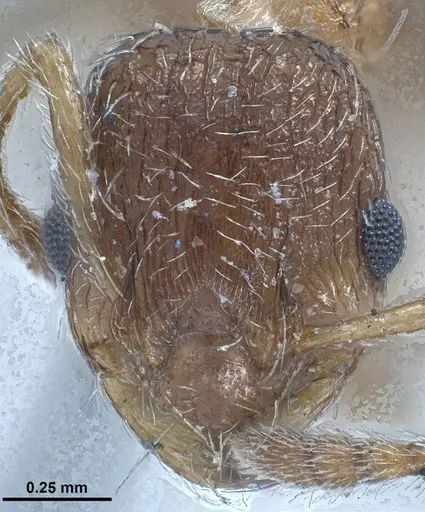
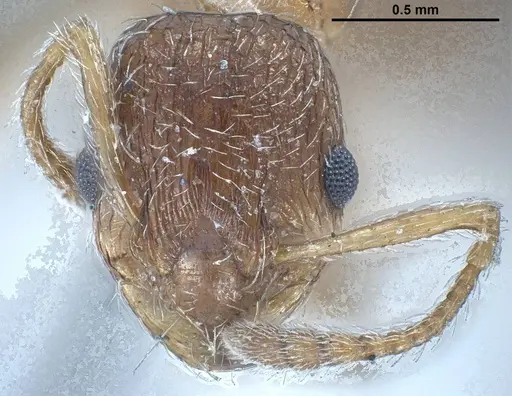
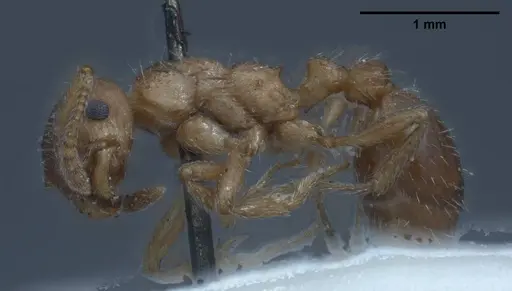
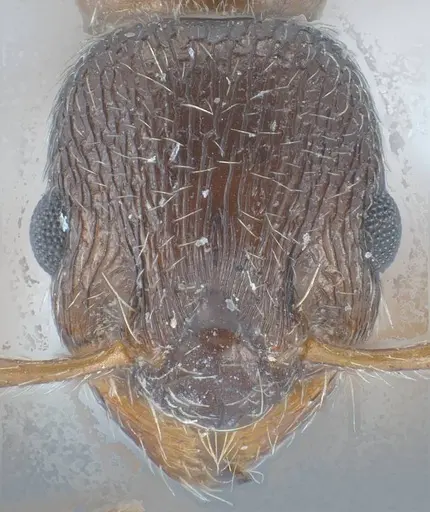
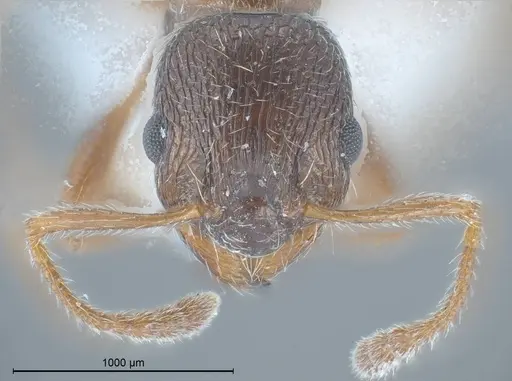
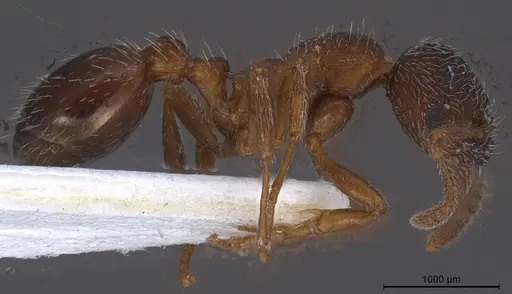
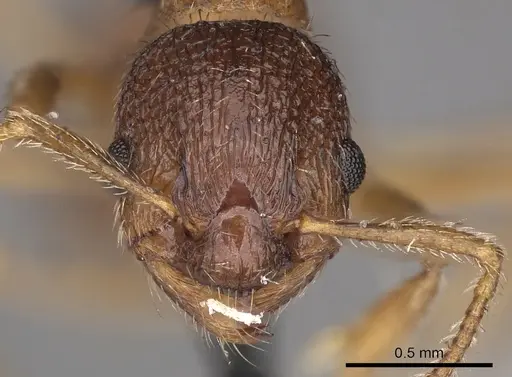
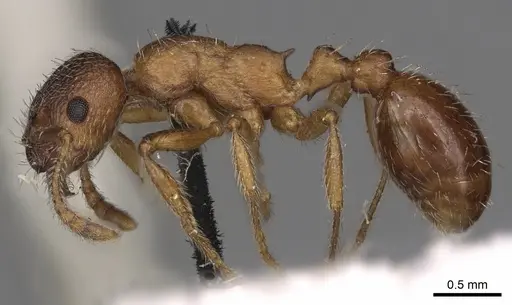
Myrmica tibetana is a small, reddish-brown ant native to the high-altitude regions of Tibet and surrounding areas. Workers measure approximately 4mm and belong to a distinct species group characterized by uniquely shaped frontal carinae that curve outward in their anterior third and wide, sub-square frontal lobes. The species was originally described from Tibet in 1889 and is now recognized as part of a cryptic species complex that includes several closely related species found across the Tibetan Plateau at elevations exceeding 3000 meters. Males have been described, but queens remain unknown in the scientific literature. This ant inhabits subalpine meadows in one of Earth's most extreme environments, making it a fascinating species for keepers interested in cold-hardy mountain ants.
Quick Summary
- Difficulty: Medium
- Origin & Habitat: Tibetan Plateau and surrounding regions (Afghanistan, China, Tibet) at elevations over 3000m in subalpine meadows [1][2]. Type locality is the Southern Kuku Mountains near Lake Kuku Nor at approximately 3700m elevation [3].
- Colony Type: Colony structure is unconfirmed, queens have not been described, so monogyne or polygyne status cannot be determined from available research.
- Size & Growth:
- Queen: Unknown, queens have not been described in the scientific literature
- Worker: Approximately 4mm based on cephalic size measurements of 886-1059µm [3]
- Colony: Unknown, no colony size data available
- Growth: Unknown, no development data available
- Development: Unknown, no direct measurements. Based on typical Myrmica patterns from related species, estimate 6-10 weeks at optimal temperature. (Development timeline is unconfirmed. Related Myrmica species typically take 6-10 weeks from egg to worker at room temperature.)
- Antkeeping:
- Temperature: Keep cool, aim for 15-22°C. This species comes from high-altitude Tibetan meadows where temperatures remain low even in summer. Room temperature is likely appropriate, with a slight gradient if possible.
- Humidity: Moderate to high, these ants inhabit subalpine meadows, so they prefer damper conditions than desert ants. Keep the nest substrate consistently moist but not waterlogged.
- Diapause: Yes, required. As a high-altitude Tibetan species, these ants need a winter hibernation period. Provide 3-4 months of cold conditions around 5-10°C.
- Nesting: In nature they nest in soil under stones in subalpine meadows. In captivity, a standard Myrmica setup works well, test tubes, Y-tong nests, or plaster nests with moisture chambers. Keep substrate damp.
- Behavior: Workers are active foragers and likely behave like typical Myrmica, moderately aggressive when defending the nest, with a functional stinger. They are not escape artists due to their moderate size, but standard escape prevention (Fluon, tight-fitting lids) is still recommended. They likely accept a typical Myrmica diet of sugar water and protein sources.
- Common Issues: queen unavailability, queens have never been scientifically described, making this species extremely difficult to acquire, cold requirements, failure to provide adequate cooling during summer months may stress colonies, hibernation failure, colonies may not survive without proper winter dormancy period, limited data, very little is known about this species in captivity, so care is largely inferential, slow growth, like many high-altitude species, growth may be slower than common temperate ants
Origin and Natural Habitat
Myrmica tibetana comes from one of the most extreme environments any ant species inhabits. The type locality is the Southern Kuku Mountains near Lake Kuku Nor in northeastern Tibet, at approximately 3700 meters elevation [3]. This is a subalpine meadow environment with cold temperatures year-round and harsh winters. The species has been recorded across the Tibetan Plateau including Afghanistan and various parts of China [1]. These ants nest in soil under stones in alpine meadows, similar to other high-altitude Myrmica species. The region experiences freezing temperatures for much of the year, which strongly suggests this species is cold-hardy and requires hibernation.
Identification and Related Species
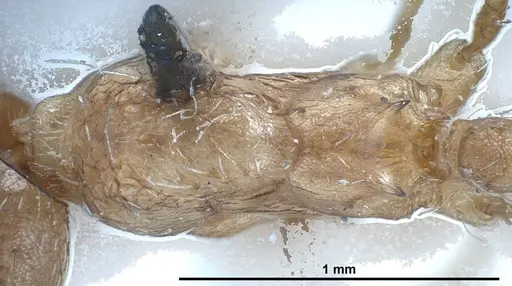
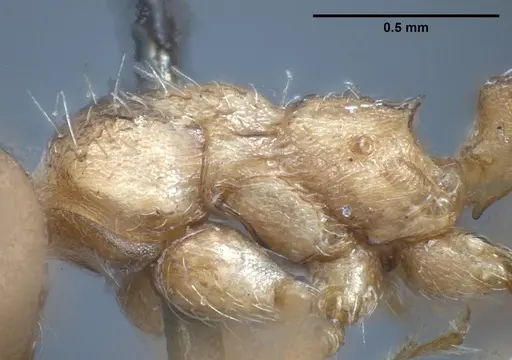
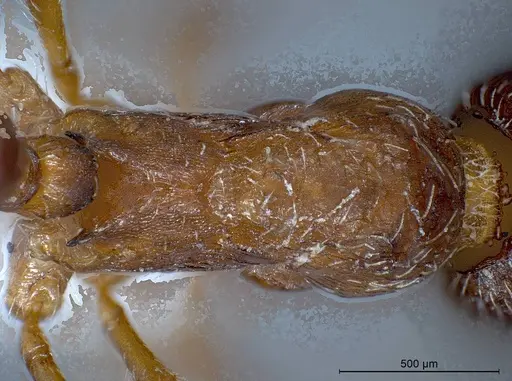
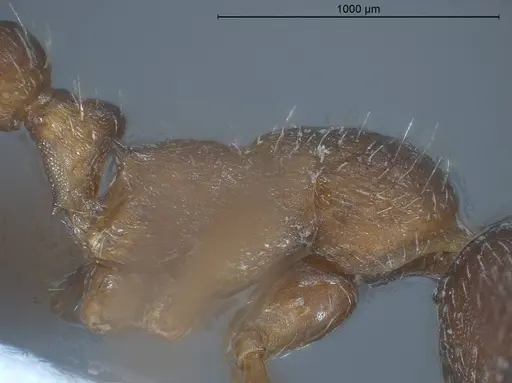
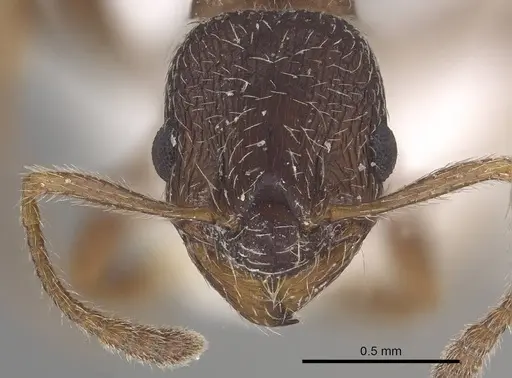
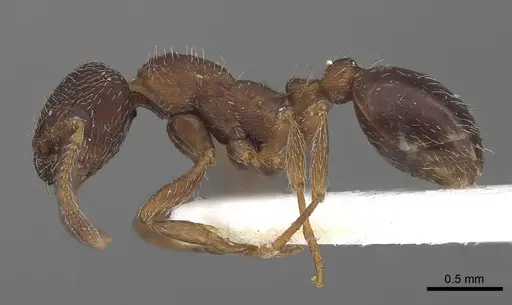
Myrmica tibetana belongs to its own species group (the tibetana group) and is part of a cryptic species complex. Workers are characterized by uniquely shaped frontal carinae that curve outward in their anterior third, and wide, sub-square frontal lobes [2]. This distinguishes them from other Myrmica species. The propodeal spines are notably short compared to related species. Males have shorter antennal scapes compared to the similar-looking Myrmica tenuispina. Recent genetic analysis has revealed several cryptic species within what was previously considered M. tibetana, making positive identification challenging [3]. Workers measure approximately 4mm in total length.
Temperature and Seasonal Care
This is a cold-hardy species that requires cool conditions. In captivity, keep the nest area between 15-22°C, with room temperature likely being appropriate for most keepers. Unlike tropical ants that need constant warmth, these ants are adapted to the cool temperatures of high-altitude Tibet. During winter, provide a proper hibernation period of 3-4 months at temperatures around 5-10°C. This mimics the natural seasonal cycle they would experience on the Tibetan Plateau. Failure to provide adequate cold may stress colonies and prevent proper development. A refrigerator or cool basement can serve as a hibernation chamber.
Feeding and Diet
While specific dietary studies are lacking, Myrmica tibetana likely accepts a typical Myrmica diet. Offer sugar water or honey water as an energy source, and protein sources such as small insects (fruit flies, small mealworms, crickets). Like other Myrmica species, they are likely omnivorous and will collect honeydew from aphids if given the opportunity. Feed protein 2-3 times per week and keep sugar water available constantly. Remove uneaten prey after 24 hours to prevent mold.
Nesting Requirements
In the wild, these ants nest in soil under stones in subalpine meadows. For captivity, standard Myrmica setups work well. Test tube setups with a water reservoir work for founding colonies. For established colonies, Y-tong nests, plaster nests, or naturalistic setups with damp substrate are appropriate. Keep the nest substrate consistently moist but not waterlogged, these ants prefer damper conditions than many ants but still need some dry areas. Provide a temperature gradient so ants can choose their preferred microclimate.
Availability and Acquisition
Myrmica tibetana is extremely rare in the antkeeping hobby. Queens have never been scientifically described, which means wild-caught colonies are essentially unavailable. This species remains primarily of interest to ant taxonomists and researchers rather than hobbyists. The closely related and more commonly kept Myrmica species like M. rubra, M. ruginodis, or M. scabrinodis offer similar keeping challenges and are far more accessible. If you are interested in high-altitude Myrmica, consider these more commonly available alternatives.
Frequently Asked Questions
Can I keep Myrmica tibetana in a test tube?
Yes, test tubes work well for founding colonies. Keep the water reservoir filled and maintain moderate humidity. Place the setup in a cool area away from direct heat.
What temperature do Myrmica tibetana ants need?
Keep them cool, aim for 15-22°C. This is a high-altitude species that does not need warm conditions. Room temperature is typically appropriate.
Do Myrmica tibetana ants need hibernation?
Yes, hibernation is required. Provide 3-4 months of cold conditions around 5-10°C during winter to mimic their natural cycle on the Tibetan Plateau.
How long does it take for Myrmica tibetana to develop from egg to worker?
The exact timeline is unknown. Based on related Myrmica species, estimate 6-10 weeks at optimal temperature. This species has never been kept in captivity, so actual development time is uncertain.
Are Myrmica tibetana good for beginners?
No. This species is not recommended for beginners. Queens have never been scientifically described, making acquisition nearly impossible, and very little is known about captive care. Consider Myrmica rubra or Myrmica ruginodis instead.
What do Myrmica tibetana ants eat?
Likely a typical Myrmica diet, sugar water or honey water plus small insects. No specific dietary studies exist for this species, but related Myrmica readily accept these foods.
Can I keep multiple queens together?
Unknown. The colony structure of this species has not been studied, and queens have never been documented. Do not attempt to combine unrelated queens.
How big do Myrmica tibetana colonies get?
Unknown. No colony size data is available. Related Myrmica species typically reach several hundred to a few thousand workers.
Do Myrmica tibetana ants sting?
Yes, Myrmica species have functional stingers. While not dangerously painful, stings can cause mild discomfort. The stinger is small but functional.
Where can I get Myrmica tibetana queens?
You likely cannot. Queens of this species have never been scientifically described, meaning they are not available through any known supplier. Consider alternative high-altitude Myrmica species that are available.
References

This caresheet is licensed under CC BY-SA 4.0 .
ANTWEB1008460
View on AntWeb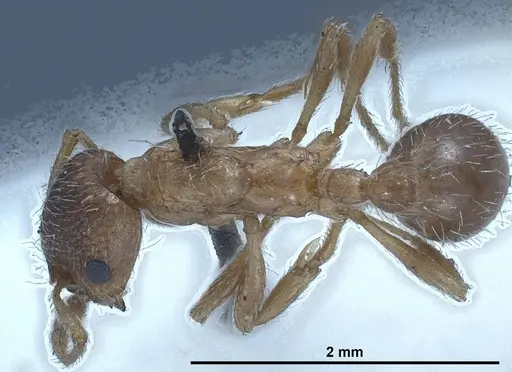
ANTWEB1008461
View on AntWeb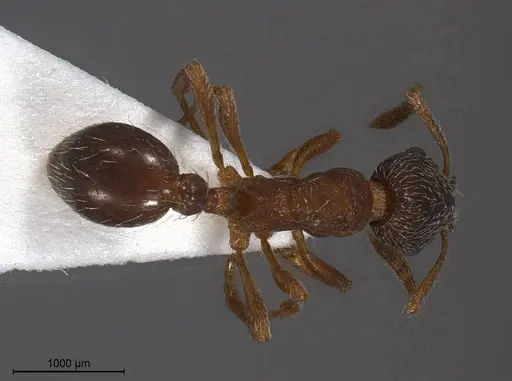
CASENT0900303
View on AntWeb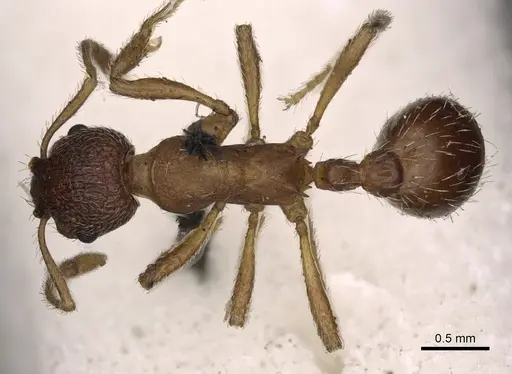
CASENT0919631
View on AntWeb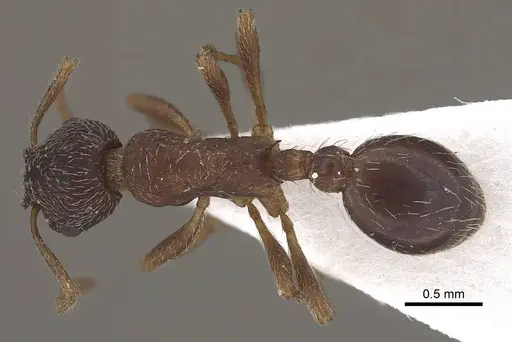
Literature
Loading...Loading products...