
Myrmica ruginodis exhibits a clear seasonal activity window. Peak activity is concentrated in August, with the overall period spanning May to September.
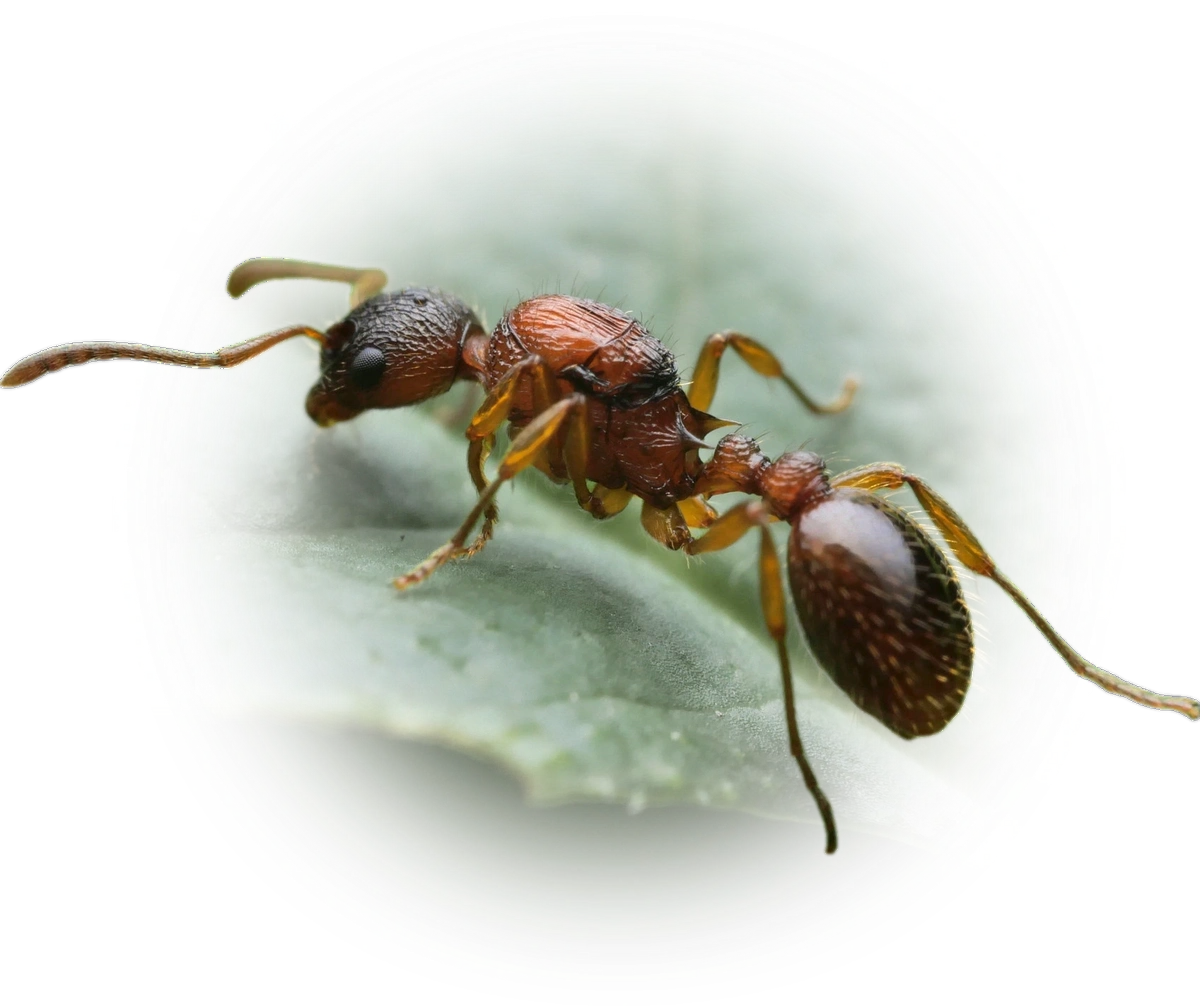
Myrmica ruginodis
- Scientific Name
- Myrmica ruginodis
- Tribe
- Myrmicini
- Subfamily
- Myrmicinae
- Author
- Nylander, 1846
- Common Name
- Woodland Red Ant
- Distribution
- Found in 14 countries
- Nuptial Flight
- from May to September, peaking in August
AI Identifiable
try →
Myrmica ruginodis Overview
Myrmica ruginodis (commonly known as the Woodland Red Ant) is an ant species of the genus Myrmica. It is primarily documented in 14 countries , including Belgium, Switzerland, Germany. Detailed taxonomic data and occurrence records can be further explored via authoritative databases such as AntWeb or the Global Biodiversity Information Facility (GBIF).
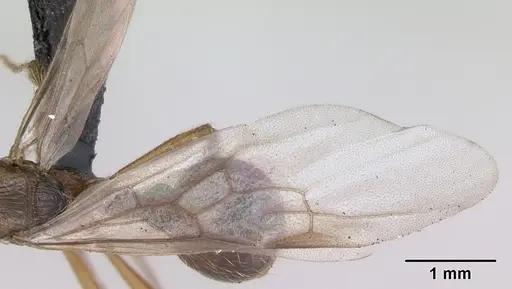
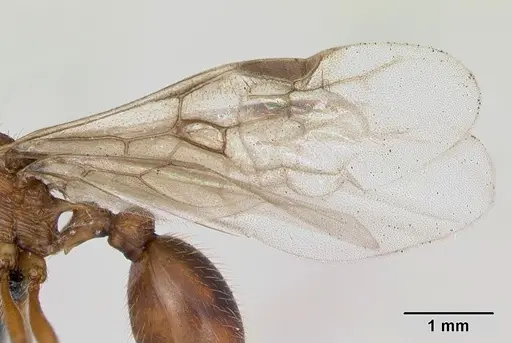
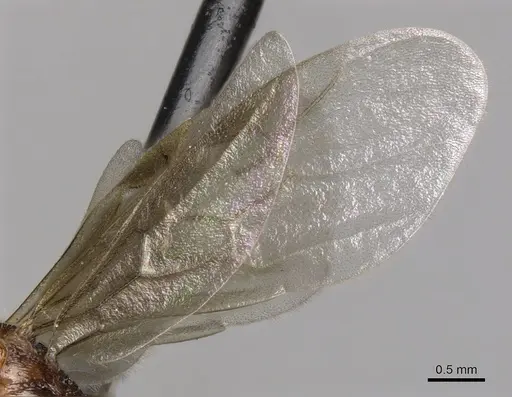
The nuptial flight of Myrmica ruginodis is a significant biological event, typically occurring from May to September, peaking in August. During this time, winged queens and males leave the nest to mate and establish new colonies.
Myrmica ruginodis - "Woodland Red Ant"
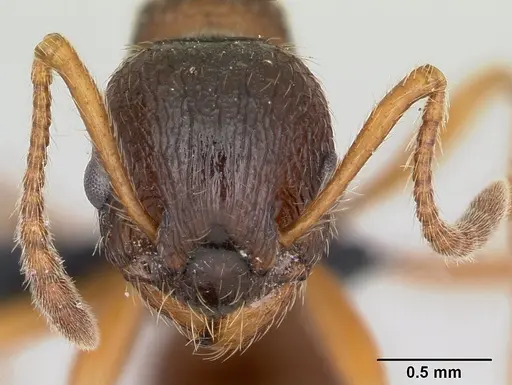
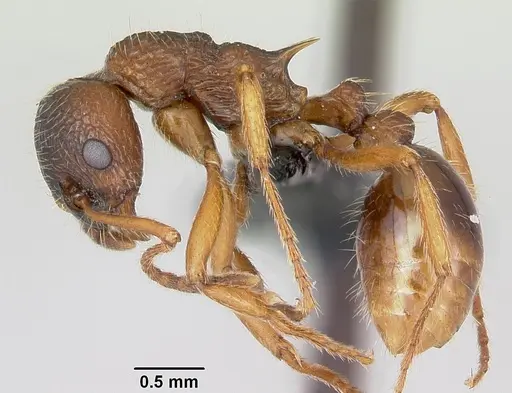
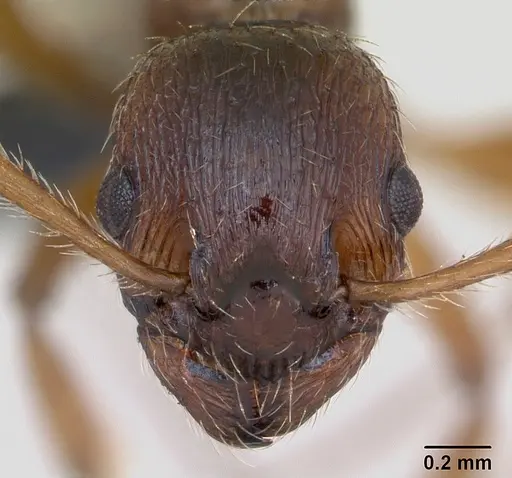
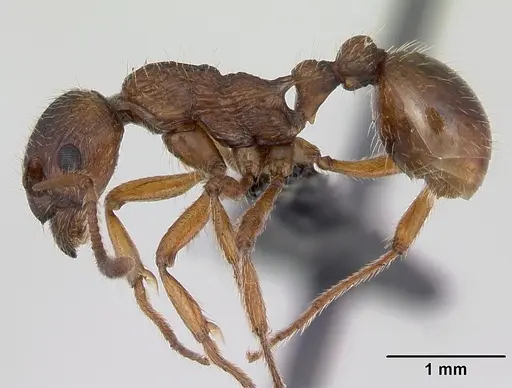
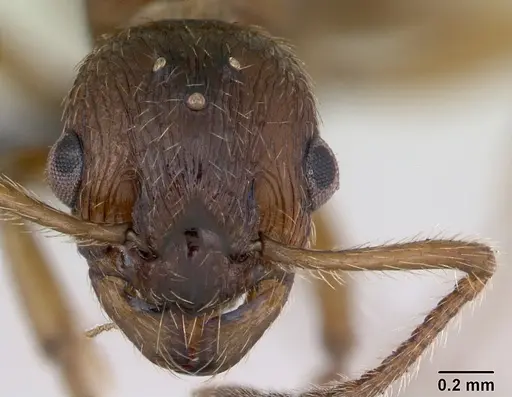
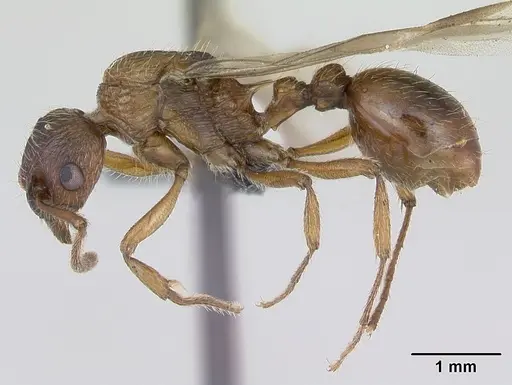
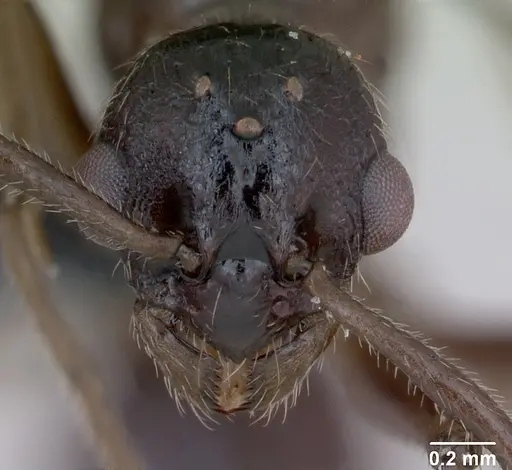
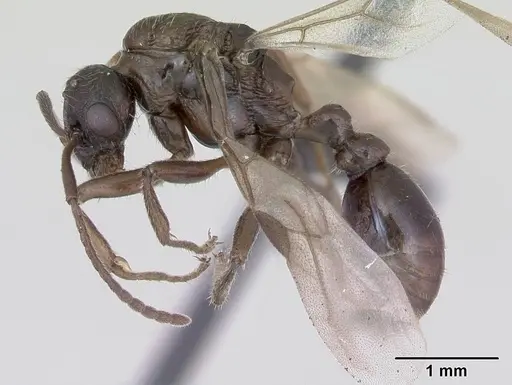
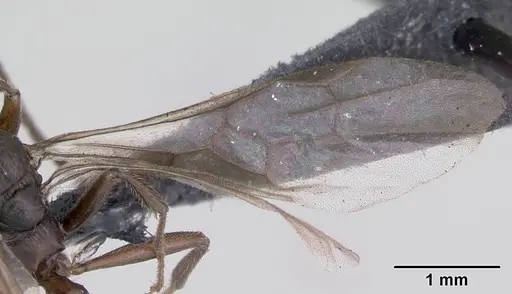
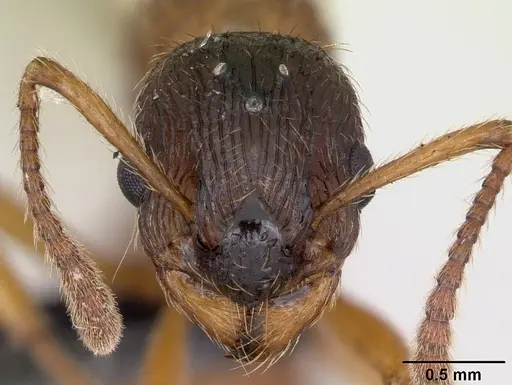
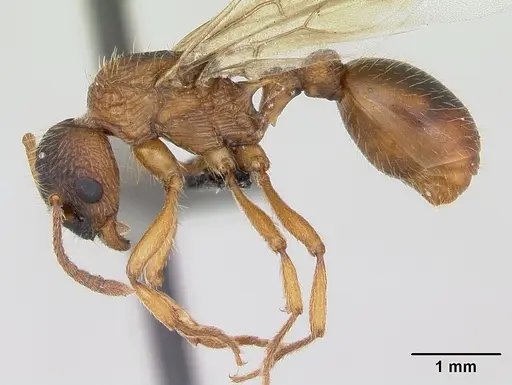
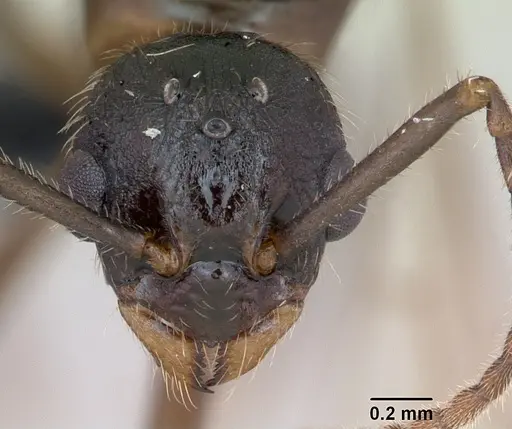
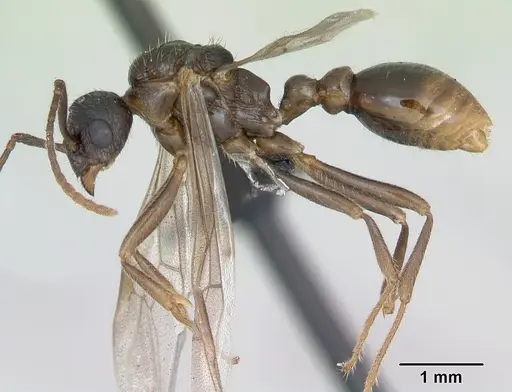
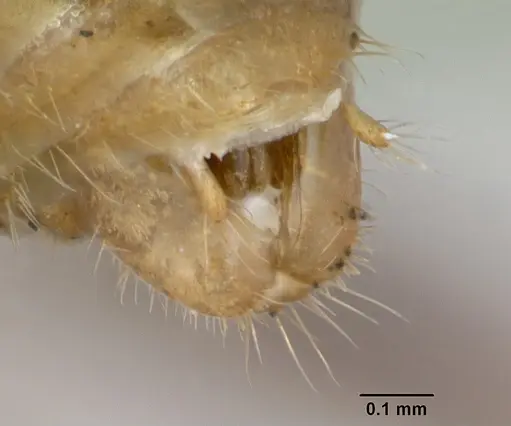
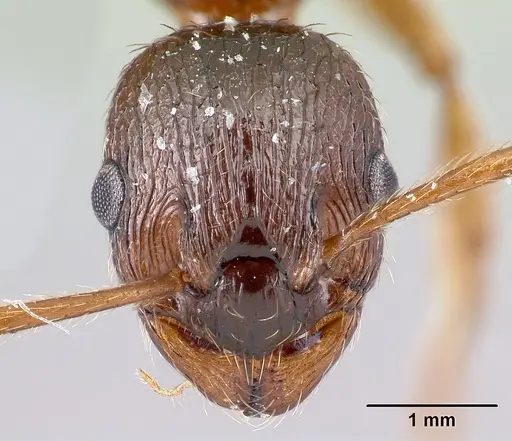
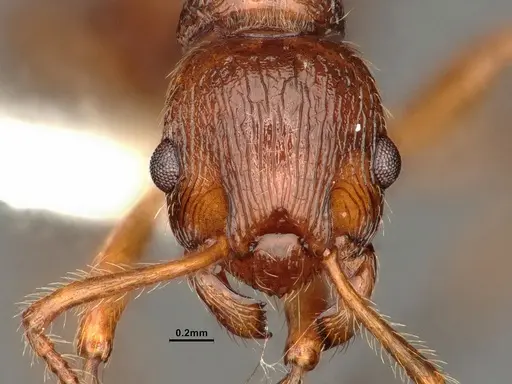
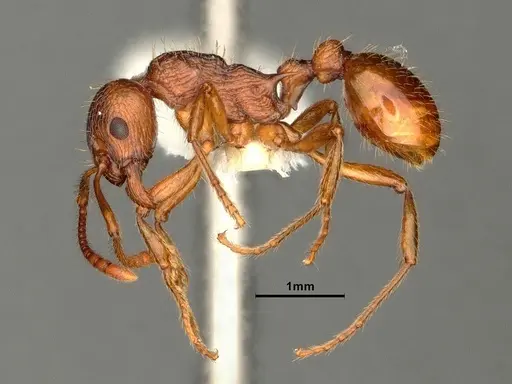
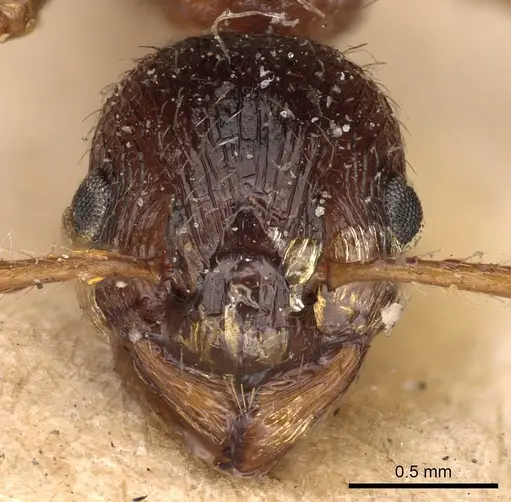
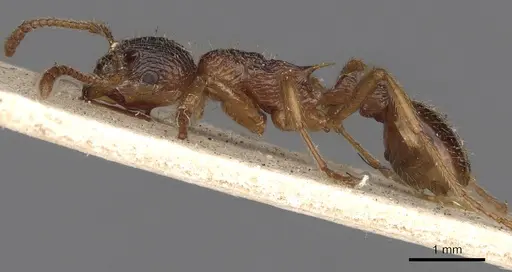
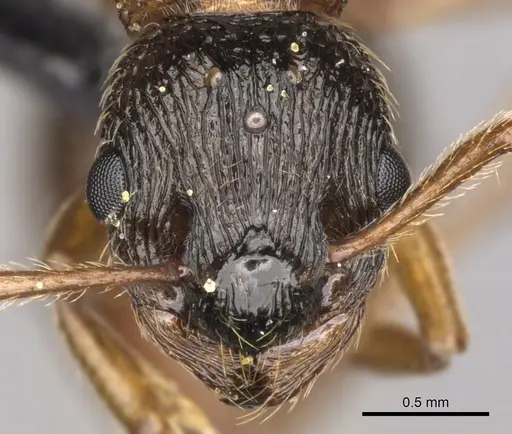
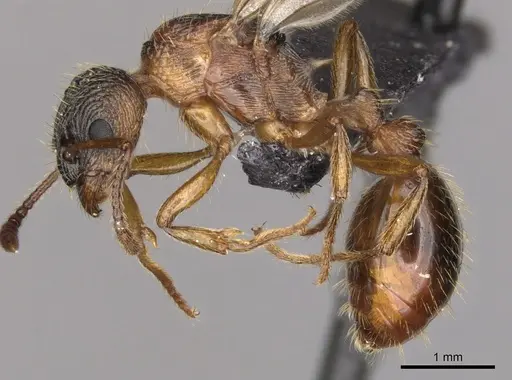
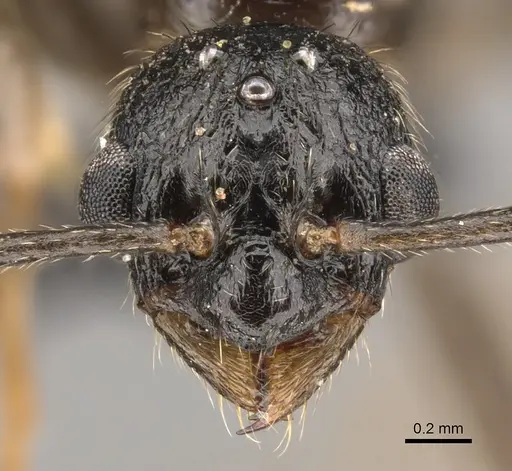
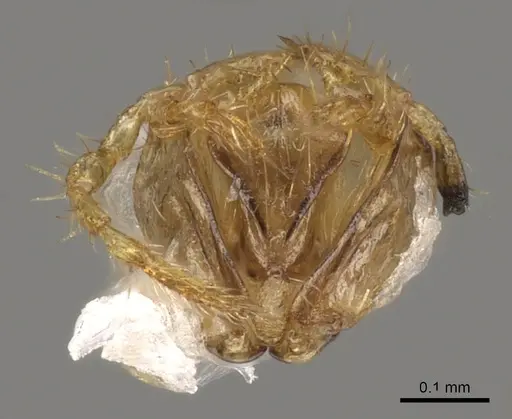
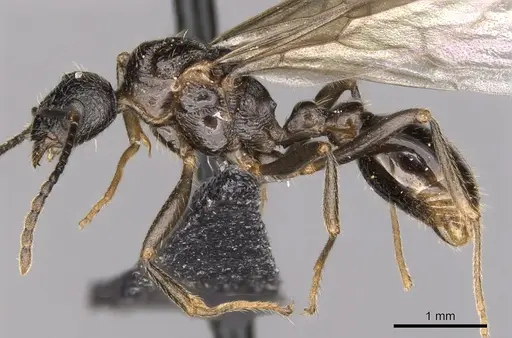
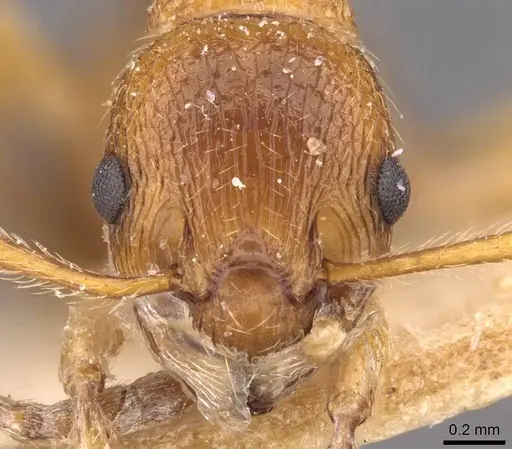
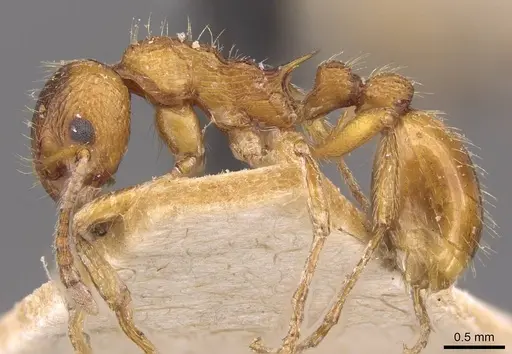
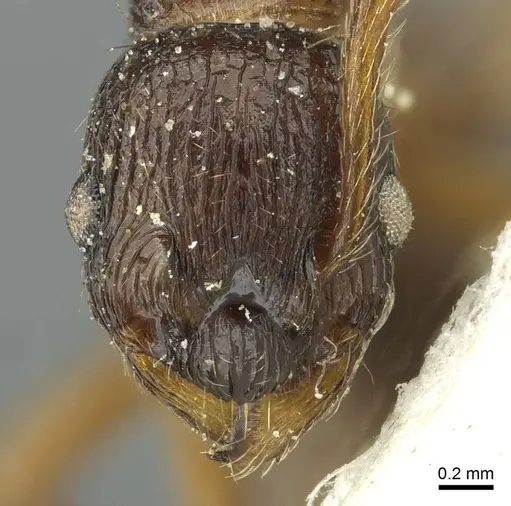
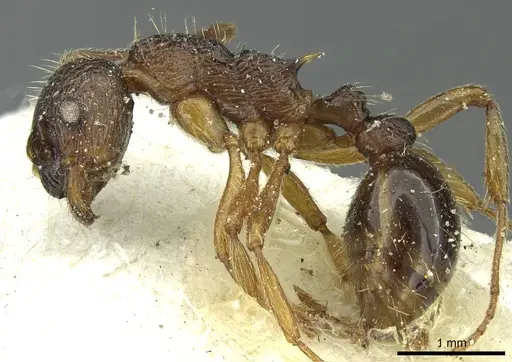
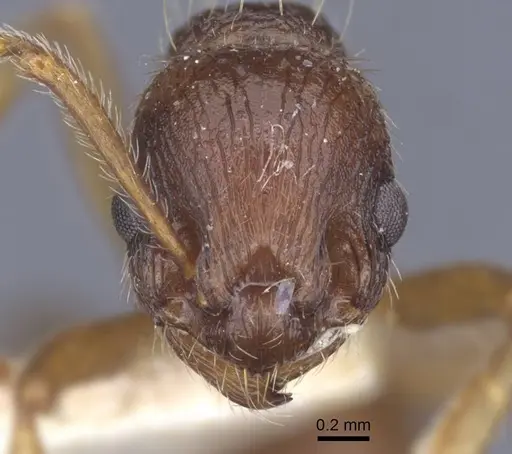
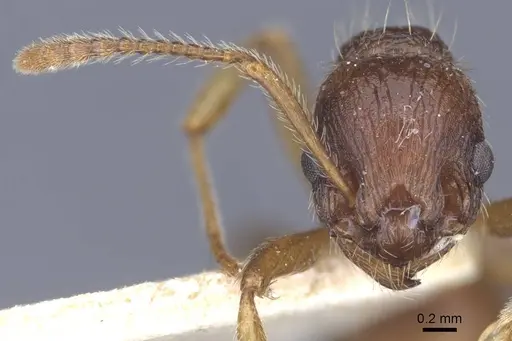
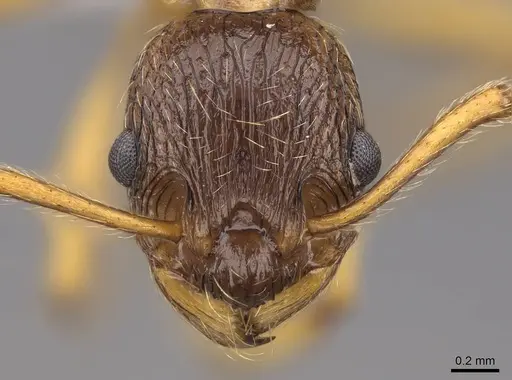
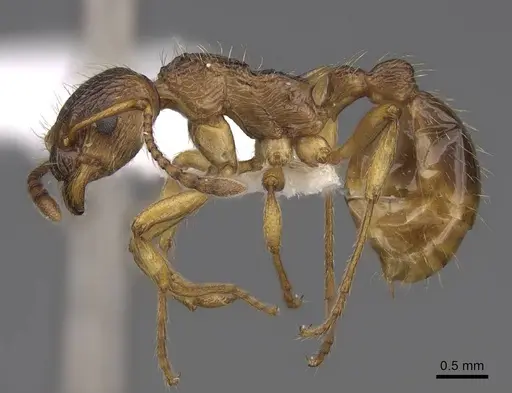
Myrmica ruginodis is a widespread Palearctic ant species belonging to the rubra species group. Workers measure 4-6mm with a reddish-brown to dark reddish-brown body, characterized by relatively long propodeal spines and coarsely rugose petiolar nodes. This species is closely related to Myrmica rubra but can be distinguished by its longer spines and the shape of its petiolar segments. Queens exist in two distinct size morphs: larger macrogynes (5-7mm) and smaller microgynes, representing one of the most well-documented cases of queen polymorphism in ants [1][2].
This is the least thermophilic Myrmica species in Europe, replacing M. rubra in cooler, shadier, and more humid habitats such as mature forests, peatlands, and high-altitude meadows. Colonies are typically polygynous with multiple queens, though monogynous colonies also occur. The species is known for its painful sting and serves as an important host for several endangered Maculinea butterfly species, including the Alcon blue and Scarce large blue butterflies [3][4].
Quick Summary
- Difficulty: Medium
- Origin & Habitat: Palearctic distribution spanning from Western Europe through Central and Northern Europe to Siberia, Japan, and Korea. Found across most of Europe including Britain, Ireland, Scandinavia, the Baltic states, Poland, Germany, Austria, Switzerland, France, Spain, Portugal, Italy, the Balkans, Romania, Bulgaria, Greece, Turkey, and the Caucasus. Also recorded in Mongolia, China, Korea, and Japan. In Europe, this species replaces Myrmica rubra in cooler habitats and is particularly common in northern and mountainous regions [5][6][7].
- Colony Type: Facultatively polygynous, colonies can be either monogynous (single queen) or polygynous (multiple queens). Two distinct queen morphs exist: larger macrogynes that tend toward monogynous colonies and smaller microgynes that typically form polygynous colonies. Mixed colonies containing both queen types have been documented. Colonies can contain from several hundred to over 2000 workers [2][8][9].
- Colony: Optionally polygyne
- Founding: Semi-claustral
- Size & Growth:
- Queen: 5-7 mm (macrogynes 5.4-6.5mm, microgynes smaller) [2][10]
- Worker: 4-6 mm [9][11]
- Colony: Up to several thousand workers, typically 500-1000 in established colonies [12][9]
- Growth: Fast, fastest larval development among European Myrmica species [13]
- Development: 6-10 weeks at optimal temperature (estimated based on genus patterns and temperature requirements) (Development is temperature-dependent. Minimum 16°C required for larval development, optimal range 20-25°C where development is most rapid [14].)
- Antkeeping:
- Temperature: Keep nest area at 20-25°C. This species is cold-tolerant and prefers cooler conditions than many other Myrmica species. Avoid temperatures above 26°C as this suppresses brood development. A temperature gradient allowing workers to choose their preferred warmth is recommended [15][14].
- Humidity: Moderate to high humidity required. Keep nest substrate consistently moist but not waterlogged. This species naturally inhabits moist forest floors and peatlands. Provide a water tube as primary moisture source and mist occasionally if the nest appears dry [7][9].
- Diapause: Yes, requires winter hibernation period. In temperate regions, colonies should be cooled to 5-10°C for 3-4 months (typically October-March) to simulate natural dormancy. This is essential for colony health and sexual production. Do not hibernate above 15°C [15][2].
- Nesting: Prefers naturalistic setups that mimic forest floor conditions. Y-tong (AAC) nests work well, or a plaster/acrylic nest with chambers scaled to colony size. Provide connections to an outworld with access to soil or substrate for nest-building. Nests in rotting wood, soil, under stones, and in moss in the wild, captive colonies will use similar spaces [9][16].
- Behavior: Generally submissive and non-aggressive compared to other Myrmica species. Workers will sting if threatened, and the sting is notably painful. Forages primarily on the ground for honeydew, nectar, and small insects. Can shift to nocturnal foraging when competing with dominant ant species. Uses visual cues for navigation in bright light and switches to olfactory cues in darkness. Colonies are territorial and will defend against foreign workers from other colonies. Escape risk is moderate, use standard barrier methods [7][17][18].
- Common Issues: Cold intolerance, temperatures above 26°C suppress brood development and can kill colonies, Hibernation failure, colonies that don't receive proper winter cooling may decline or fail to produce reproductives, Queen loss in monogynous colonies, single-queen colonies can fail if the queen dies and no replacement is available, Slow colony growth in suboptimal conditions, this species grows faster than most Myrmica but still requires patience, Habitat specificity, wild colonies prefer forest environments, colonies may struggle in urban or highly altered habitats
Queen Ant Activity Analysis 158 observations
Queen Activity by Hour 158 observations
Myrmica ruginodis queen activity peaks around 18:00 during the evening. Activity is spread across a 15-hour window (09:00–23:00). A secondary activity peak occurs around 14:00. Times may be influenced by human observation patterns.
Housing and Nest Setup
Myrmica ruginodis does well in Y-tong (AAC) nests, plaster nests, or naturalistic setups that provide moist, dark conditions similar to forest floor habitats. A test tube setup works for founding colonies, but established colonies benefit from more space. Connect the nest to a foraging area (outworld) where you can provide food. The nest material should retain moisture well, this species is sensitive to drying out. Include some substrate or soil in the setup if possible, as wild colonies often nest in rotting wood or soil. Escape prevention is moderate priority, these ants are not strong climbers but standard barriers work well [9][16].
Feeding and Diet
Like other Myrmica species, M. ruginodis is omnivorous with a preference for protein foods. Offer small insects (fruit flies, pinhead crickets, mealworms) as primary protein sources twice weekly. They also readily accept sugar water, honey, or diluted syrup. In the wild, workers forage for honeydew from aphids and nectar from flowers, these can be replicated in captivity. This species is also known to disperse seeds (myrmecochory), so offering small seeds may be accepted. Remove uneaten food after 24 hours to prevent mold. Colonies with brood benefit from regular protein feeding [17].
Temperature and Seasonal Care
Maintain nest temperatures between 20-25°C for optimal brood development. This species is notably cold-tolerant and is the least thermophilic of European Myrmica, temperatures above 26°C suppress brood rearing. During summer, room temperature is usually appropriate, but avoid placing nests in direct sunlight or near heat sources. In winter (October-March), provide a hibernation period at 5-10°C, this is essential for colony health and triggers sexual production. Refrigerator hibernation works well for this species. Return to room temperature gradually in spring [15].
Colony Dynamics and Queen Morphs
M. ruginodis exhibits remarkable queen polymorphism with two distinct morphs: macrogynes (larger queens, typically 5.5-6.5mm) that tend to form monogynous colonies, and microgynes (smaller queens) that typically establish polygynous colonies. Macrogynes disperse by flight and found colonies independently, while microgynes often disperse on foot and join existing colonies. Both types can coexist in mixed colonies. This polymorphism is associated with different ecological strategies, macrogynes use more ephemeral habitats while microgynes prefer stable environments. In captivity, you may receive either morph or mixed colonies [1].
Behavior and Defense
Workers are equipped with a functional sting that delivers a notably painful injection, this is one of two European Myrmica species with powerful stings. Unlike aggressive species like Formica rufa, M. ruginodis is generally submissive and will avoid confrontation with dominant ants. When threatened, workers may retreat rather than attack. However, they will sting if directly handled or if their nest is disturbed. The species uses visual navigation during the day and switches to pheromone-based navigation in darkness or low light conditions [20].
Ecological Importance
This species plays important ecological roles in forest ecosystems. It is a known host for several endangered Maculinea butterfly species (Alcon blue, Scarce large blue, and Dusky large blue) whose caterpillars are adopted into ant colonies and fed by workers. The species also disperses seeds of many spring ephemeral plants, contributing to forest regeneration. Additionally, workers prey on small arthropods and tend aphids for honeydew, making them important components of forest food webs [3].
Frequently Asked Questions
How long does it take for Myrmica ruginodis to produce first workers?
At optimal temperatures (20-25°C), expect first workers in 6-10 weeks from founding. Established colonies grow relatively fast compared to other Myrmica species, a healthy colony can reach several hundred workers within the first year under good conditions [13].
Do Myrmica ruginodis ants sting?
Yes, workers have a painful sting. This is one of two European Myrmica species with particularly powerful stings. While not dangerous to healthy adults, the sting can be quite painful. Handle with care and avoid provoking the colony [20].
What temperature do Myrmica ruginodis need?
Keep the nest at 20-25°C. This species is cold-tolerant and prefers cooler conditions than many ants, avoid temperatures above 26°C as it suppresses brood development. Room temperature is usually appropriate in most homes [15][14].
Do they need hibernation?
Yes, a winter rest period is essential. Cool the colony to 5-10°C for 3-4 months (typically October-March in the Northern Hemisphere). This triggers sexual production and is necessary for long-term colony health. Use a refrigerator or cold cellar for hibernation [2].
How big do Myrmica ruginodis colonies get?
Colonies can reach several thousand workers, though typical mature colonies contain 500-1000 workers. The species is facultatively polygynous, some colonies have multiple queens, which can accelerate growth [12][9].
Can I keep multiple queens together?
This species naturally forms both monogynous (single queen) and polygynous (multiple queen) colonies. If you receive a polygynous colony, queens typically coexist peacefully. However, combining unrelated foundress queens is not recommended as aggression may occur [8].
Are Myrmica ruginodis good for beginners?
Medium difficulty, not the best choice for complete beginners but manageable for those with some antkeeping experience. They require proper hibernation, prefer cooler temperatures, and need stable humidity. Their sting is also something to consider [7].
What do Myrmica ruginodis eat?
Omnivorous diet: protein (small insects like fruit flies, pinhead crickets, mealworms) 2-3 times weekly, plus sugar sources (honey water, sugar water, or diluted syrup) available at all times. They also forage for nectar and honeydew in the wild [17].
References

This caresheet is licensed under CC BY-SA 4.0 .
CASENT0008642
View on AntWeb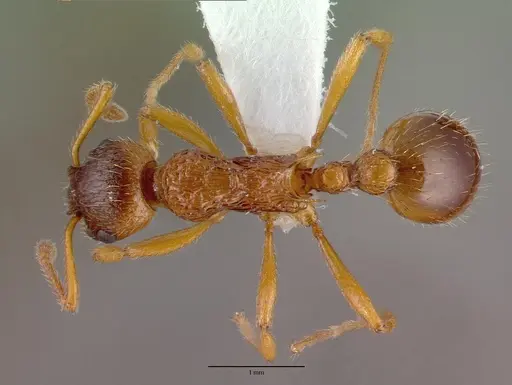
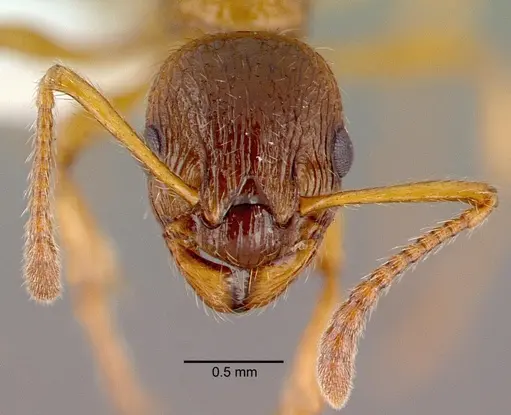
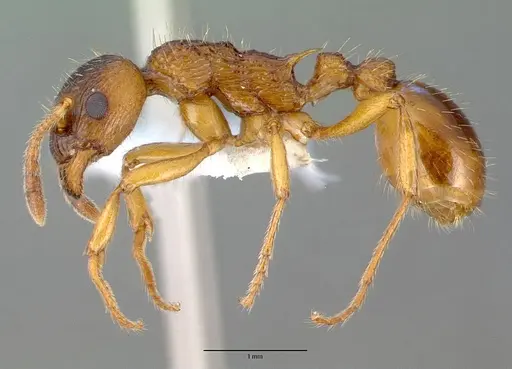
CASENT0080767
View on AntWeb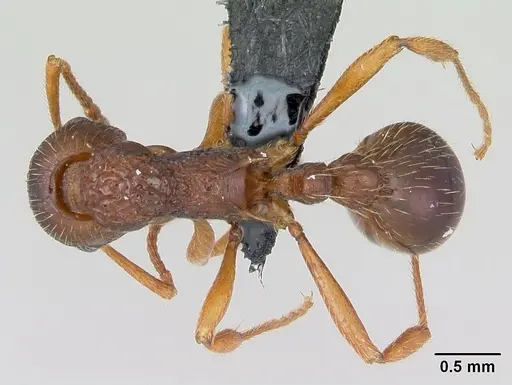
CASENT0172713
View on AntWeb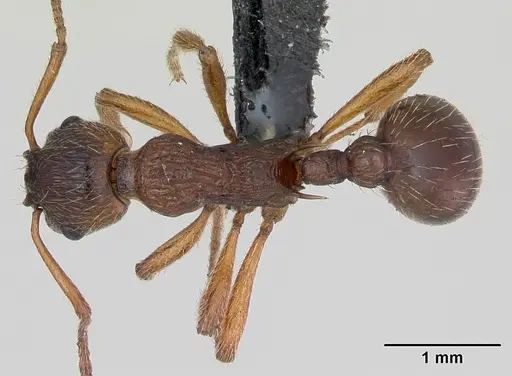
CASENT0172714
View on AntWeb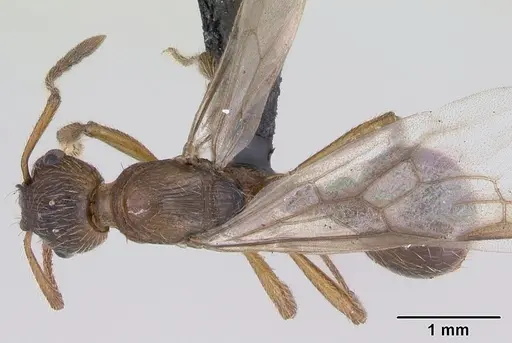
CASENT0172715
View on AntWeb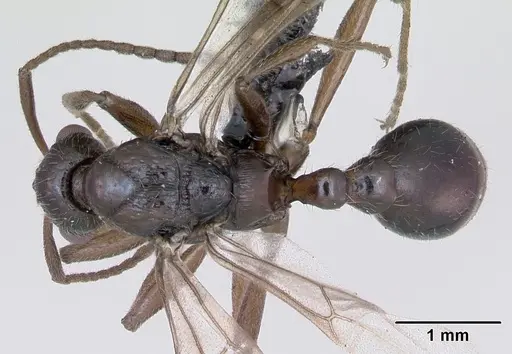
CASENT0173164
View on AntWeb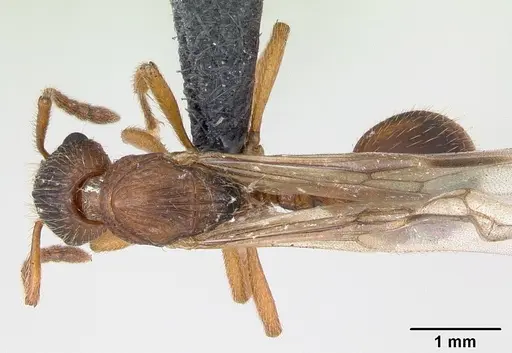
CASENT0173165
View on AntWeb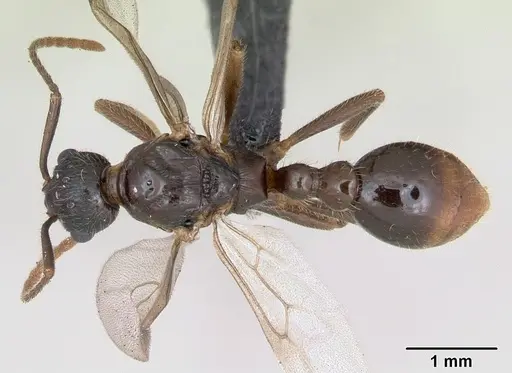
CASENT0179918
View on AntWeb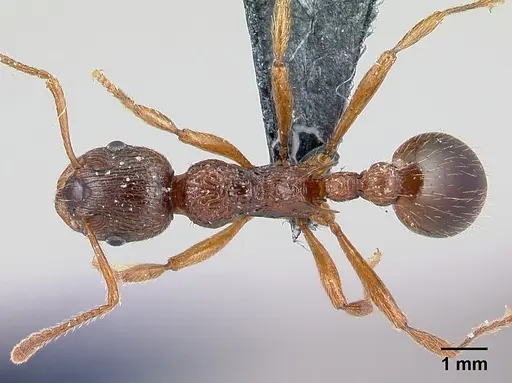
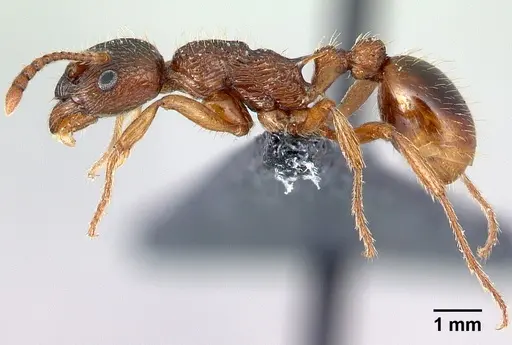
CASENT0246081
View on AntWeb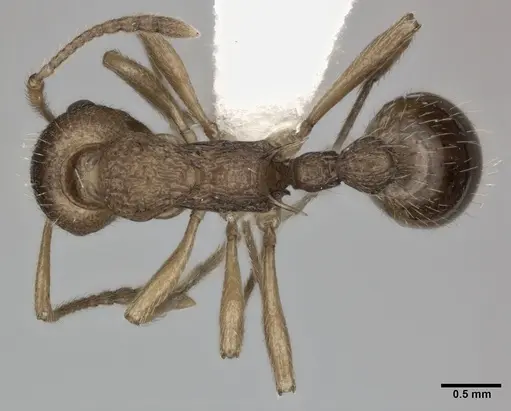
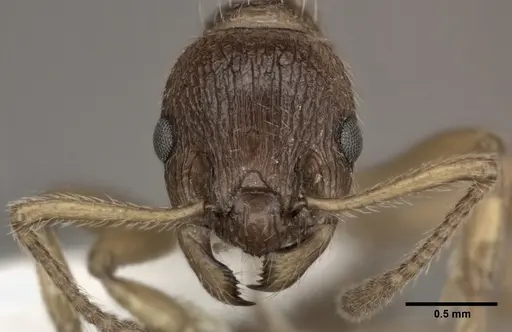
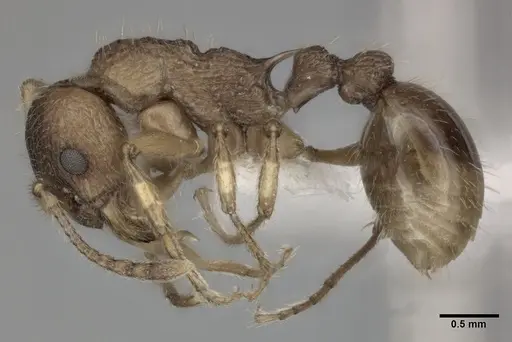
CASENT0844496
View on AntWeb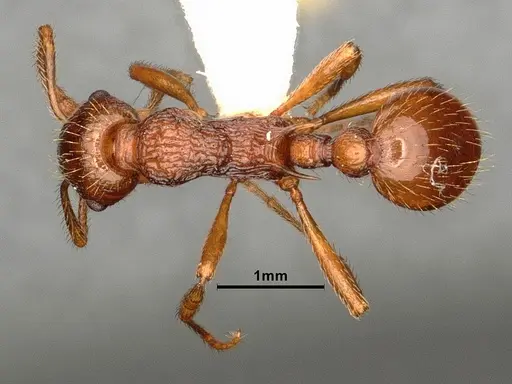
CASENT0900274
View on AntWeb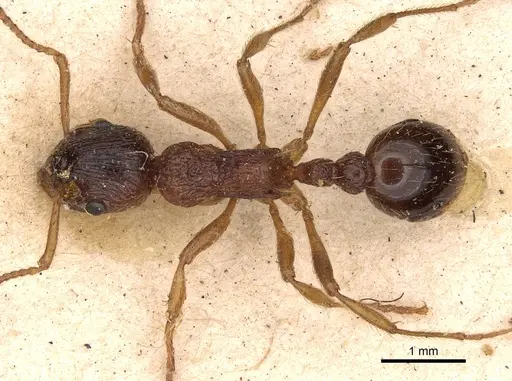
CASENT0902304
View on AntWeb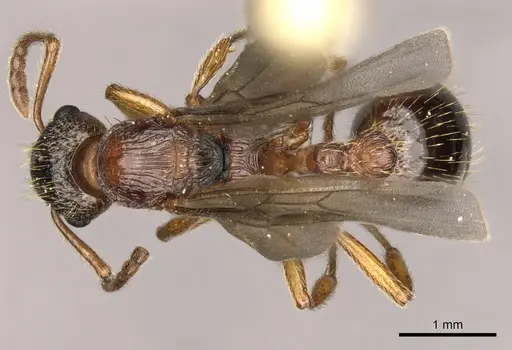
CASENT0902305
View on AntWeb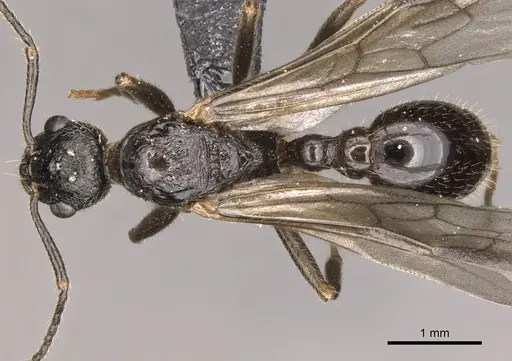
CASENT0907647
View on AntWeb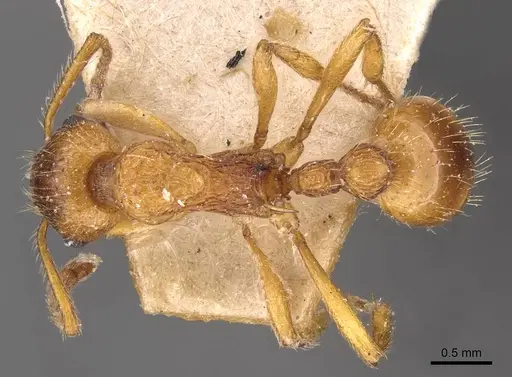
CASENT0913065
View on AntWeb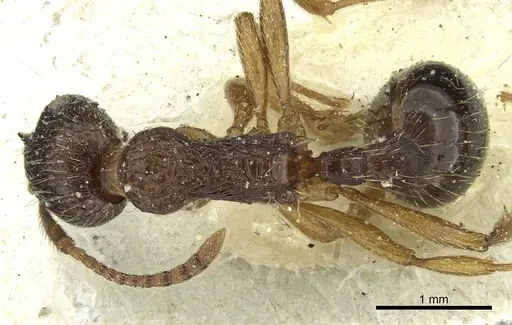
CASENT0916896
View on AntWeb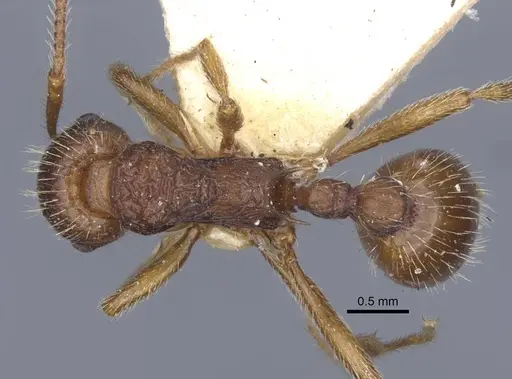
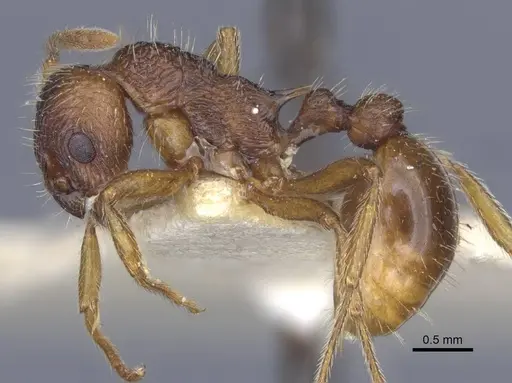
CASENT0922784
View on AntWeb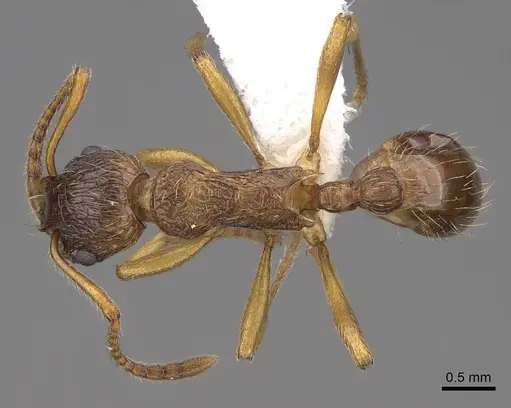
Literature
Loading...Loading products...