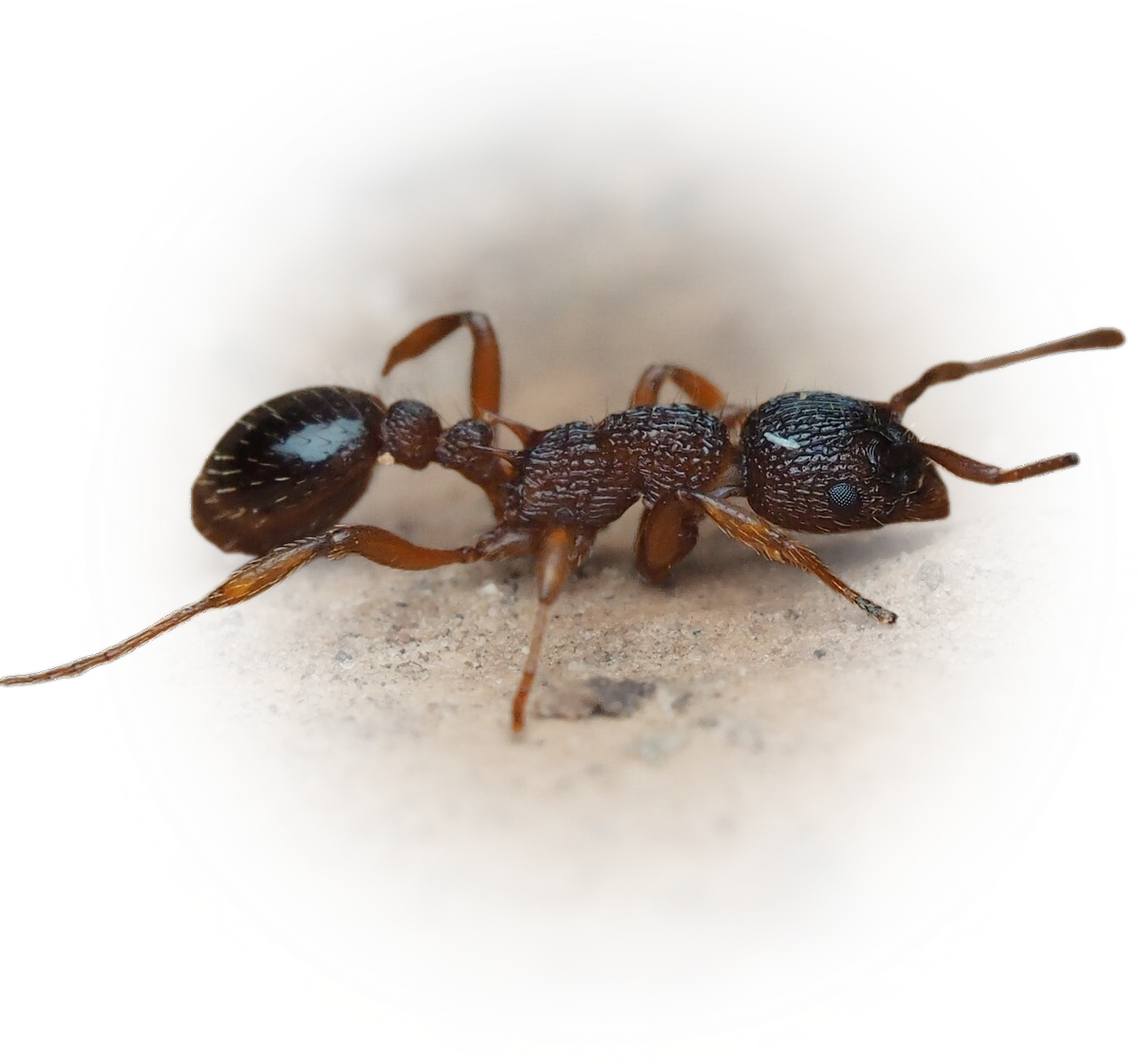

Myrmica spinosior
- Scientific Name
- Myrmica spinosior
- Tribe
- Myrmicini
- Subfamily
- Myrmicinae
- Author
- Santschi, 1931
- Distribution
- Found in 3 countries
Myrmica spinosior Overview
Myrmica spinosior is an ant species of the genus Myrmica. It is primarily documented in 3 countries , including Spain, France, Italy. Detailed taxonomic data and occurrence records can be further explored via authoritative databases such as AntWeb or the Global Biodiversity Information Facility (GBIF).
Myrmica spinosior
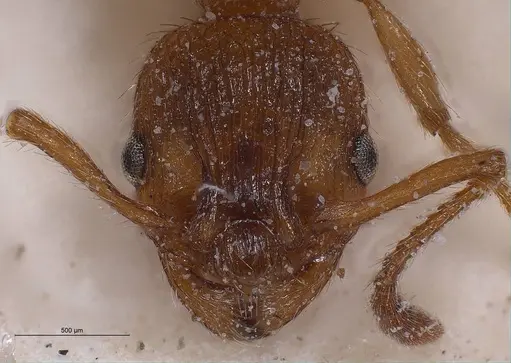
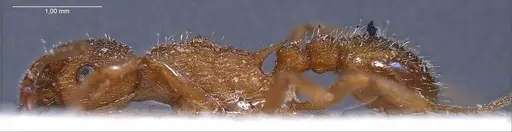
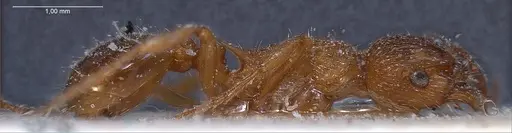
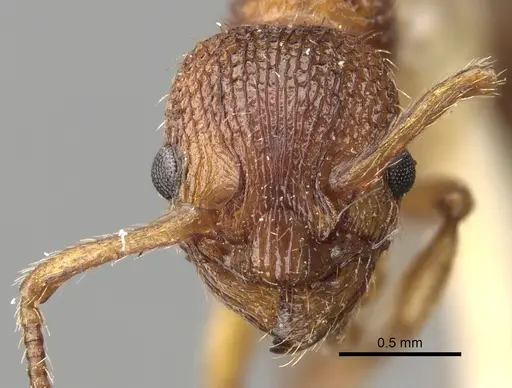
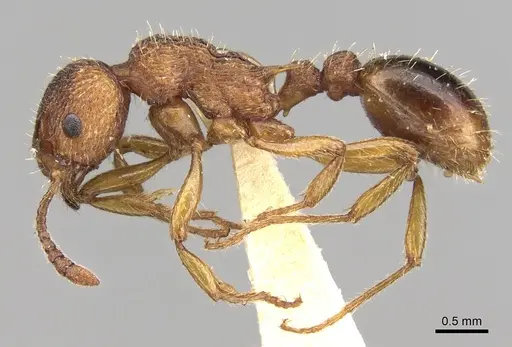
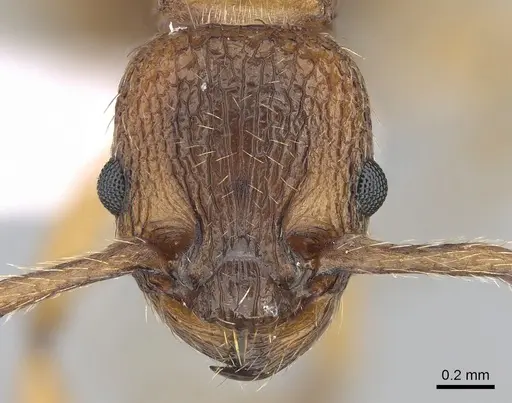
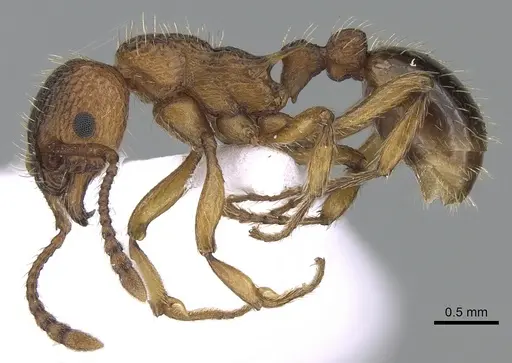
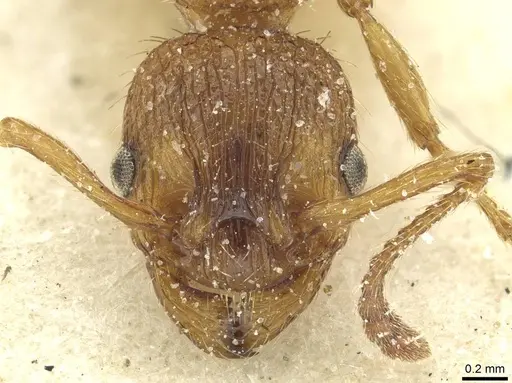
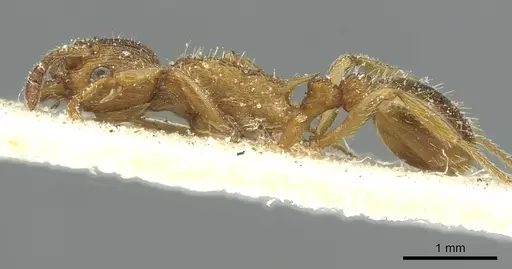
Myrmica spinosior is a small to medium-sized red ant belonging to the Myrmica genus, specifically the sabuleti species complex. Workers are reddish-brown with a distinctly narrow waist and the species gets its name from its relatively long propodeal spines (the pointed projections at the back of the thorax). The species closely resembles the more common Myrmica sabuleti but can be distinguished by its wider frons (the front part of the head). This ant is native to the West Mediterranean region, being most abundant on the Iberian Peninsula and southernmost France, with populations also found in Italy, Andorra, Albania, and Turkey [1][2]. In the wild, they build nests under stones or in soil in mountain grassland pastures, typically at elevations between 1000-2000 meters [3].
One of the most interesting aspects of M. spinosior is its role as a host species for social parasites. It serves as the primary host for the rare social parasite Myrmica bibikoffi, and is likely a host for Phengaris (butterfly) parasites as well due to its close relationship with M. sabuleti [4][5]. The species can also be infected by the ectoparasitic fungus Rickia wasmannii, which can heavily infest workers and queens [6][7]. Colonies typically contain several functional queens and can grow to several hundred or even over a thousand workers [3].
Quick Summary
- Difficulty: Medium
- Origin & Habitat: West Mediterranean region, primarily the Iberian Peninsula, southern France, and Italy, with populations also in Andorra, Albania, and Turkey. They inhabit mountain grassland pastures at elevations of 1000-2000m, nesting under stones or in soil [3][1][8].
- Colony Type: Multi-queen colonies (polygyne) with several functional queens per colony. Colonies can contain from a few hundred to over a thousand workers [3].
- Colony: Polygyne
- Founding: Claustral
- Size & Growth:
- Queen: Approximately 5-6mm, similar to other Myrmica species in the sabuleti complex
- Worker: Approximately 4-6mm
- Colony: Up to 1000+ workers [3]
- Growth: Moderate, typical for Myrmica species
- Development: 6-10 weeks at optimal temperature (Development time follows typical Myrmica patterns. Nuptial flights occur in July-August based on wild colony observations [8].)
- Antkeeping:
- Temperature: Keep nest area at 20-24°C. These are mountain grassland ants from Mediterranean elevations, so they prefer moderate temperatures. A slight temperature gradient allows workers to regulate their conditions.
- Humidity: Keep substrate moderately moist. These ants naturally nest under stones in soil, which tends to retain some moisture. The nest area should have damp substrate but avoid waterlogging, aim for consistently moist, not wet.
- Diapause: Yes, these are temperate ants that require a winter rest period. Reduce temperature to around 5-10°C for 2-3 months during winter, typically from late autumn through early spring[3].
- Nesting: Y-tong (acrylic) nests or test tube setups work well. Provide a moisture reservoir to maintain humidity. These ants do well in formicariums with narrow chambers scaled to their worker size. Naturalistic setups with stones over soil also mimic their natural nesting preferences.
- Behavior: Myrmica spinosior workers have a functional sting and can sting defensively when threatened [9]. They are active foragers that search for food both on the ground and may climb vegetation. Workers are moderately aggressive compared to some Myrmica species. They are not strong escape artists but their small size means you should still use proper barriers. They form multi-queen colonies and show typical Myrmica social structure with queen tolerance [3].
- Common Issues: fungal infections, Rickia wasmannii can infect colonies, causing visible grayish patches on heavily infested ants [6][7], dry conditions, these mountain ants are sensitive to low humidity and desiccation, overheating, despite being from southern Europe, they prefer moderate temperatures rather than heat, colonies may fail if not given proper winter diapause period, small size means escape prevention is necessary, though not as critical as with tiny species
Housing and Nest Setup
Myrmica spinosior does well in standard ant keeping setups. Y-tong (acrylic) nests work excellently because they allow you to control humidity precisely. Test tube setups are also suitable, especially for founding colonies. The key is maintaining consistently moist substrate in the nest chamber while providing a dry outworld for foraging. For established colonies, a formicarium with multiple chambers gives them room to expand. These ants naturally nest under stones in soil, so a naturalistic setup with a layer of soil beneath flat stones can mimic their natural environment. Whatever setup you choose, ensure the nest chambers are appropriately sized, Myrmica workers are small enough that overly large chambers can make them feel insecure. A humidity reservoir or water tube connected to the nest helps maintain the moisture levels they need. [3]
Feeding and Diet
Like other Myrmica species, M. spinosior is omnivorous with a preference for protein. Offer them small insects like fruit flies, pinhead crickets, or mealworms as their primary protein source. They also readily accept sugar water, honey, or diluted syrup as an energy source. In the wild, they forage for honeydew from aphids and other small invertebrates. Feed protein-rich foods 2-3 times per week for growing colonies, and keep a constant sugar source available. Remove uneaten prey after 24-48 hours to prevent mold. These ants are active foragers, so they will readily search out and consume food items in the outworld. [3]
Temperature and Seasonal Care
Maintain nest temperatures between 20-24°C. These ants come from mountain grasslands in the West Mediterranean, so they prefer moderate temperatures rather than heat. Too high temperatures can stress the colony and harm brood development. A heating cable on one side of the nest can create a gentle gradient, allowing workers to move to warmer or cooler areas as needed. During winter, you must provide a diapause period, reduce temperatures to around 5-10°C for 2-3 months, typically from November through February in the Northern Hemisphere. This mimics their natural seasonal cycle and is essential for colony health. Do not feed during diapause and keep disturbance to a minimum. [8][3]
Colony Structure and Multi-Queen Care
Myrmica spinosior naturally forms polygyne colonies with multiple functional queens. This is unusual among ants, as many species have only one queen per colony. In captivity, you can keep multiple queens together, though initially they may squabble until they establish a hierarchy. The presence of multiple queens typically leads to faster colony growth since all queens can lay eggs. Colonies can reach 1000+ workers in the wild [3]. If you start with a single queen, she should establish and found a colony claustrally, she seals herself in a chamber and raises the first workers (nanitics) on her stored fat reserves without leaving to forage. After the first workers emerge, the colony enters the claustral phase and the queen resumes normal egg-laying.
Health Concerns and Parasites
One significant concern with M. spinosior is the fungal parasite Rickia wasmannii, which is known to infect this species in the wild [6][7][10]. This ectoparasitic fungus can infest workers and queens, with heavy infections visible as grayish patches on the ant's body. While wild colonies can tolerate low-level infections, heavily infested colonies may suffer. If you acquire a wild-caught colony, watch for signs of fungal infection. Additionally, these ants are hosts for the social parasite Myrmica bibikoffi [4][5]. While you likely won't encounter this parasite in captivity, it's worth being aware of their parasitic relationships. Maintain good hygiene, avoid overfeeding, and keep the nest clean to minimize disease risks.
Behavior and Temperament
Workers of M. spinosior have a functional sting and will use it defensively when the nest is disturbed [9]. However, they are not excessively aggressive compared to some other Myrmica species. They are active foragers and will search the outworld for food. Their multi-queen colony structure means they are generally more tolerant of conspecifics than single-queen species. Workers communicate using chemical trails and will recruit nestmates to food discoveries. The species shows typical Myrmica behavior, they are not particularly timid but also not bold to the point of being problematic. Their small size (4-6mm workers) means they can squeeze through small gaps, so ensure your setup has proper escape prevention, though they are not as prone to escaping as truly tiny ants.
Frequently Asked Questions
Is Myrmica spinosior good for beginners?
Myrmica spinosior is a medium-difficulty species. They are more forgiving than some exotic tropical ants but require proper winter diapause and moderate humidity. If you're comfortable keeping other Myrmica species like M. rubra or M. scabrinodis, you should do well with M. spinosior.
How long does it take for first workers to appear?
Expect first workers (nanitics) to emerge around 6-10 weeks after the queen lays eggs, assuming temperatures around 22-24°C. This follows typical Myrmica development patterns. The exact timing depends on temperature and colony health.
Do Myrmica spinosior ants sting?
Yes, they have a functional sting and will use it defensively [9]. The sting is not dangerous to healthy humans but can be painful. Handle with care and avoid disturbing the nest unnecessarily.
Can I keep multiple queens together?
Yes, this species is naturally polygyne (multiple queens per colony) [3]. You can keep multiple founding queens together, though they may fight initially until they establish a social hierarchy. Having multiple queens typically leads to faster colony growth.
What temperature do they need?
Keep the nest at 20-24°C. They prefer moderate temperatures typical of their mountain grassland habitat. Avoid overheating, temperatures above 28°C can stress the colony.
Do they need hibernation?
Yes, they require a winter diapause period. Reduce temperatures to 5-10°C for 2-3 months during winter, typically from late autumn through early spring. This is essential for colony health and mimics their natural seasonal cycle.
What do they eat?
Feed them small insects (fruit flies, pinhead crickets, mealworms) as protein 2-3 times per week. Keep a constant sugar source available (sugar water, honey, or diluted syrup). They will also collect honeydew if you provide aphids.
How big do colonies get?
Colonies can reach 1000+ workers in the wild [3]. In captivity, well-maintained colonies typically reach several hundred workers within a year or two.
Why are some workers grayish?
Grayish or dusty-looking workers may be infected with the fungal parasite Rickia wasmannii [6][7]. Heavy infestations can be visible to the naked eye. If you notice this, isolate the affected individuals if possible and maintain clean conditions.
When do nuptial flights happen?
Nuptial flights occur in July-August based on observations of sexuals in wild colonies during this time [8]. In captivity, you can expect alates (reproductives) to develop during summer if the colony is healthy and well-established.
Is this species invasive?
No, Myrmica spinosior is not invasive. It is native to the West Mediterranean region and has not been introduced anywhere outside its natural range.
What's the difference between M. spinosior and M. sabuleti?
These two species are very closely related and were even considered the same species until recently. M. spinosior has a distinctly wider frons (front of the head) compared to M. sabuleti, and their mitochondrial DNA shows about 1.85% difference [1]. They also have different distributions, M. spinosior is primarily West Mediterranean while M. sabuleti is more widespread in Europe.
References

This caresheet is licensed under CC BY-SA 4.0 .
ANTWEB1008459
View on AntWeb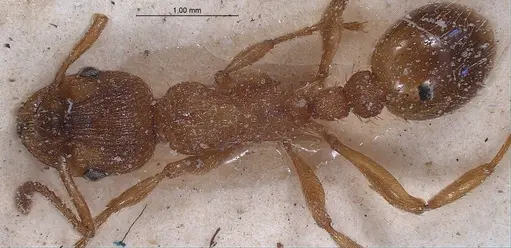
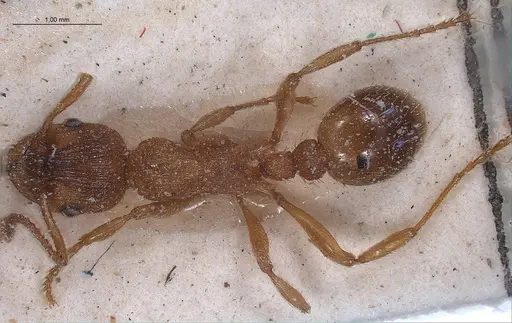
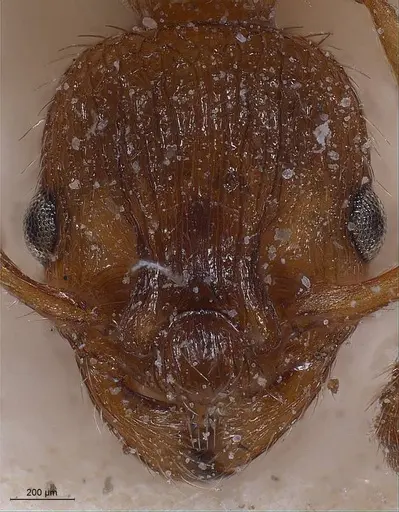
CASENT0280840
View on AntWeb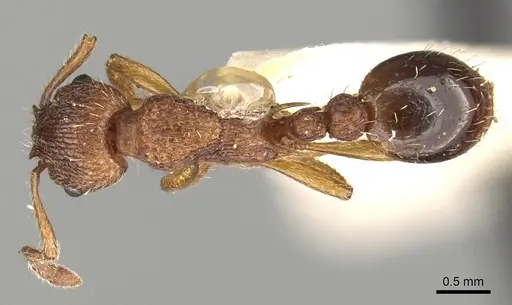
CASENT0281555
View on AntWeb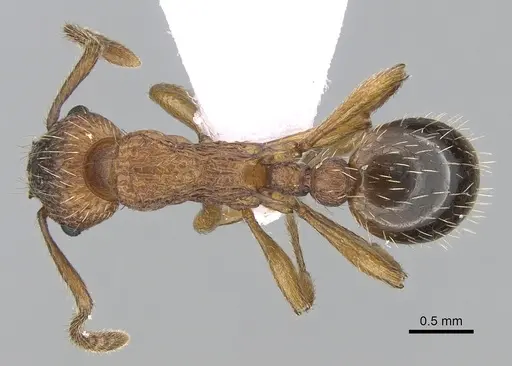
CASENT0913077
View on AntWeb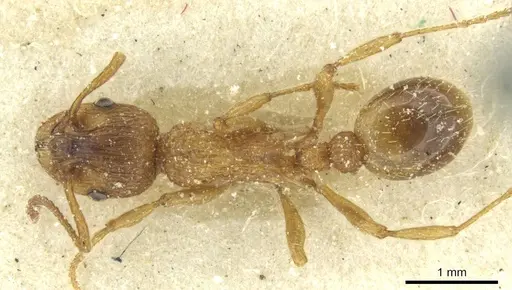
Literature
Loading...Loading products...