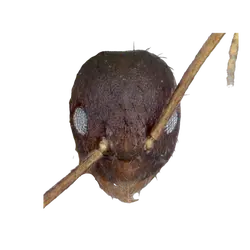
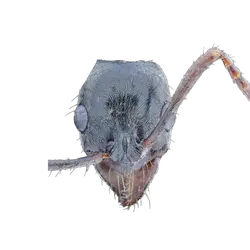
Nylanderia caeciliae - "Nylanderia Crazy Ant"
Nylanderia caeciliae is a fascinating ant species known for its quick, erratic movements and often glossy appearance, characteristic of the broader Nylanderia genus, which are commonly called "crazy ants." These ants typically feature light to dark brown bodies with lighter legs and antennae. Workers are generally small, ranging from 2 to 4 mm in length, while queens are noticeably larger, typically between 6 and 8 mm. They are incredibly efficient foragers and can rapidly recruit nestmates to newly discovered food sources, showcasing the distinct, "crazy" movement pattern for which their genus is renowned.
- Difficulty: Medium
- Origin & Habitat: Neotropical Region, including Brazil, Costa Rica, French Guiana, Guyana, Suriname, Trinidad and Tobago, and Peru. in These ants thrive in warm, forested environments, often found nesting in leaf litter, under rocks, or within decaying wood..
- Colony Type: Polygyne (multiple queens) and Polydomous (multiple nests), claustral founding.
- Size & Growth:
- Queen: 6-8mm
- Worker: 2-4mm
- Colony: Large (tens of thousands). Fast growth.
- Antkeeping:
- Temperature: Optimal temperatures range from 22-26°C (72-79°F). Maintaining a consistent warm environment is crucial for consistent brood development and colony activity, reflecting their tropical origin..
- Humidity: These ants prefer substantial humidity, ideally between 70-85%. Adequate moisture is vital, especially for the brood, so ensure your nest setup provides a good humidity gradient..
- Diapause: Not required. Not specified at Not specified.
- Nesting: Nylanderia caeciliae are adaptable and can thrive in various artificial nest types, including acrylic, gypsum, or even naturalistic setups. Nests that allow for a good humidity gradient and offer ample space for expansion are recommended. They naturally nest in leaf litter, soil, and rotting wood, so substrates mimicking these conditions are suitable..
- Behavior: Low (towards handler), Medium (towards food or other ants) aggressiveness.
- Common Issues: Escape attempts due to high speed, Drowning in overly sticky liquid foods, Mold growth in humid setups without adequate ventilation, Colony overcrowding if expansion space is not provided in time, Humidity fluctuations impacting brood health.
One of the most captivating aspects of keeping Nylanderia caeciliae is their incredibly fast and erratic movement, which perfectly earns them the "crazy ant" nickname. This rapid agility means that effective escape prevention in your antkeeping setup's outworld is absolutely paramount. They can effortlessly scale smooth surfaces, making a generous application of Fluon or a fine layer of olive oil along the top edges of your enclosure a non-negotiable step to keep your colony safely contained. Their speed also provides for engaging observation sessions, though it can present a fun challenge during routine feeding or maintenance tasks.
These fascinating ants are truly generalist foragers, exhibiting remarkable recruitment capabilities. Once a diligent scout locates a new food source, prepare for a swift influx of workers as the colony rapidly mobilizes to collect the bounty. Nylanderia caeciliae are quite versatile in their diet, readily accepting a variety of offerings from sugary liquids to small insect prey. However, a word of caution: when providing sugar solutions, avoid overly sticky concoctions, as some Nylanderia species can unfortunately get trapped and drown. A simple cotton ball soaked in sugar water or offering pre-cut insect pieces can easily mitigate this risk, ensuring your ants can feast safely.
As a polygynous and often polydomous ant species, Nylanderia caeciliae colonies can achieve impressive sizes and may naturally spread their presence across multiple nesting areas within a spacious formicarium. Therefore, it's a smart strategy to provide ample room from the outset, or at least have a clear expansion plan in mind for your growing colony. While generally peaceful towards their human keepers, their sheer numbers and competitive foraging style can make them formidable opponents against other ant species if ever housed in close proximity, so careful species segregation is key in a diverse ant room.
Effective humidity management is a critical factor for the well-being of these tropical ants. Nylanderia caeciliae thrives in consistently high humidity, so ensuring your chosen nest setup can provide a suitable moisture gradient is of utmost importance. Regularly monitoring and adjusting the moisture levels in a gypsum or natural substrate nest, coupled with providing a reliable external water source like a water feeder in the outworld, will significantly contribute to optimal brood development, efficient foraging, and the overall thriving health of your vibrant colony.
Frequently Asked Questions
How fast do Nylanderia caeciliae colonies grow?
These 'crazy ants' are known for their rapid growth rate! With consistent feeding and optimal conditions, you can expect your Nylanderia caeciliae colony to expand quite quickly, reaching impressive numbers into the tens of thousands. Their efficient foraging and swift recruitment contribute significantly to this fast colony growth.
Are Nylanderia caeciliae good for beginner antkeepers?
While they are quite active and fascinating, Nylanderia caeciliae are generally rated as a 'Medium' difficulty species. Their need for consistent tropical temperatures and high humidity, coupled with their incredible speed (requiring robust escape prevention), means they might be a bit challenging for absolute first-time antkeepers. However, for those with some prior experience, they are a highly rewarding species to keep.
What should I feed my Nylanderia caeciliae colony?
These ants are generalist foragers, so a varied diet is best! They love sugary liquids like honey water or sugar water (offered on a cotton ball to prevent drowning). For protein, they readily accept small insects like fruit flies, roaches, or even pre-killed crickets. Offering a mix of these regularly will keep your colony well-fed and thriving.
Do Nylanderia caeciliae sting or bite?
Nylanderia caeciliae are not known to sting. While any ant can deliver a minor bite, these ants are generally very gentle towards handlers. Their primary defense mechanism is their incredible speed and sheer numbers, making them more of a nuisance through overwhelming presence rather than aggressive stinging.
What kind of formicarium is best for Nylanderia caeciliae?
Given their tendency to be polydomous (spreading into multiple nests) and their potential for large colony sizes, a spacious formicarium is ideal. Acrylic, gypsum, or even naturalistic setups with a substrate mix of sand, loam, and decaying wood work well. Ensure your chosen formicarium allows for a good humidity gradient and provides ample room for your growing colony, perhaps with modular expansion options for the future.
Do Nylanderia caeciliae need hibernation (diapause)?
No, Nylanderia caeciliae is a tropical species native to the Neotropical Region. Unlike temperate ant species, they do not require a period of cold hibernation (diapause) in captivity. Maintaining consistent warm temperatures and high humidity year-round will support their continuous activity and growth.
How do I prevent escapes with such fast ants?
Preventing escapes is crucial for Nylanderia caeciliae. Their speed and ability to climb smooth surfaces mean standard barriers often fail. The most effective methods include applying a thick, consistent line of Fluon (PTFE) along the top interior edges of your outworld. A very thin layer of olive oil or mineral oil can also work as a temporary barrier, though it requires more frequent reapplication.
Can Nylanderia caeciliae co-exist with other ant species?
No, it is highly recommended to keep Nylanderia caeciliae in isolation from other ant species. As efficient and rapid foragers capable of forming very large, populous colonies, they are highly competitive. Introducing them to other species, even in separate setups within the same room, risks escapes, stress, or even direct conflicts if they manage to breach barriers.
What is the lifespan of a Nylanderia caeciliae queen?
While specific data for Nylanderia caeciliae queen lifespan is limited, queens of the Nylanderia genus, particularly those from tropical regions with continuous breeding, typically have lifespans ranging from several years to potentially up to 5-7 years with proper care and optimal conditions. Regular feeding and a stable environment contribute significantly to their longevity.