

Myrmica kotokui
- Scientific Name
- Myrmica kotokui
- Tribe
- Myrmicini
- Subfamily
- Myrmicinae
- Author
- Forel, 1911
- Distribution
- Found in 3 countries
Myrmica kotokui Overview
Myrmica kotokui is an ant species of the genus Myrmica. It is primarily documented in 3 countries , including Japan, Korea, Republic of. Detailed taxonomic data and occurrence records can be further explored via authoritative databases such as AntWeb or the Global Biodiversity Information Facility (GBIF).
Myrmica kotokui
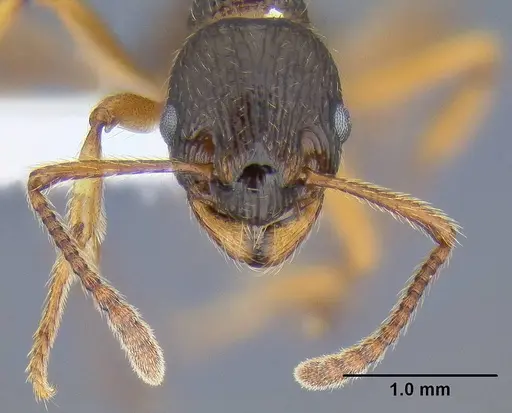
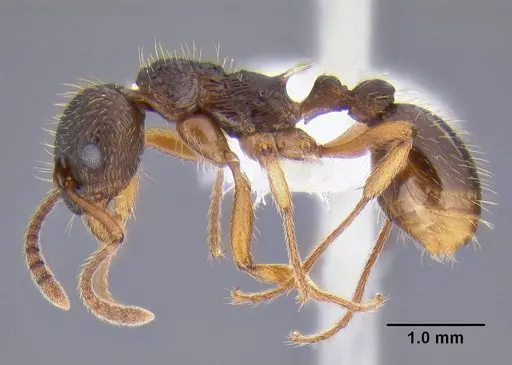
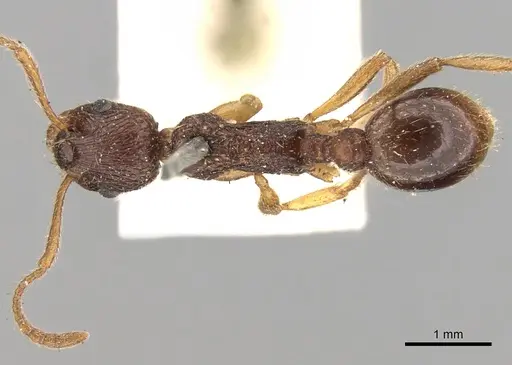
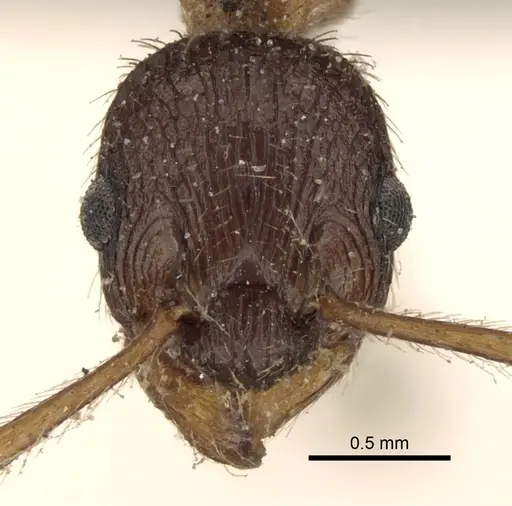
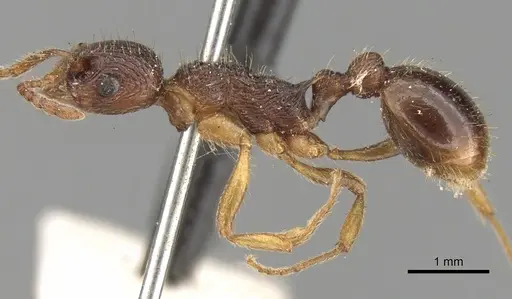
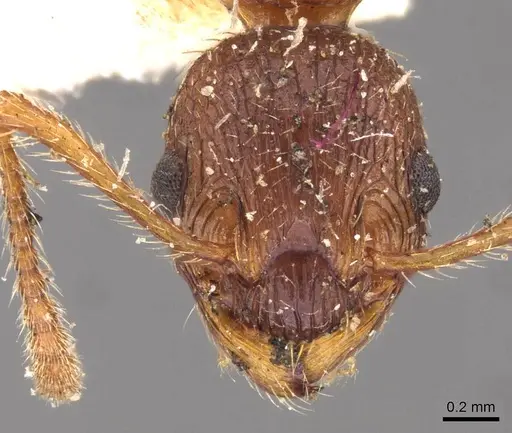
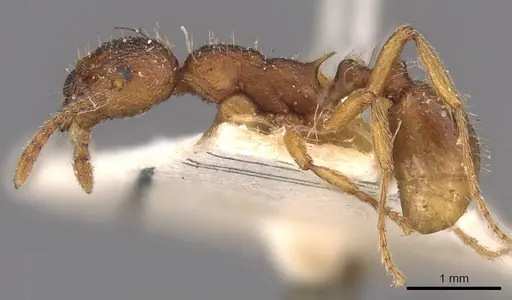
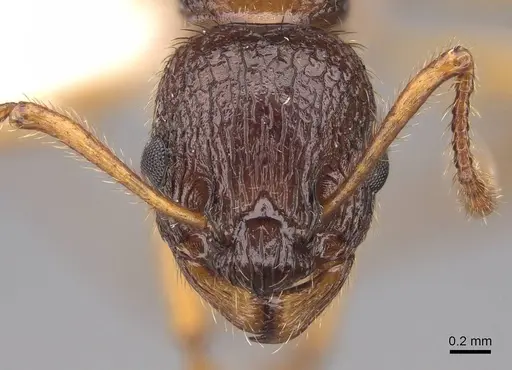
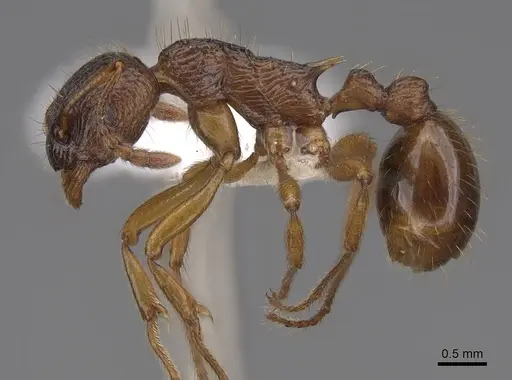
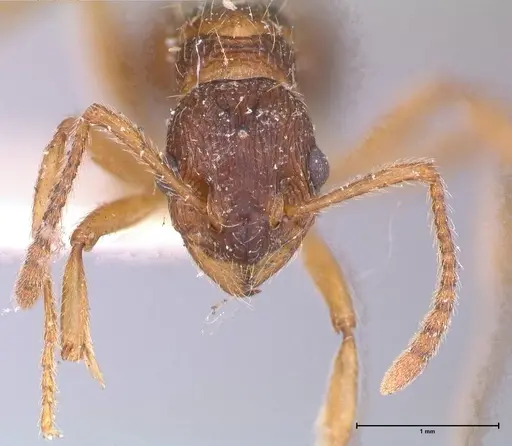
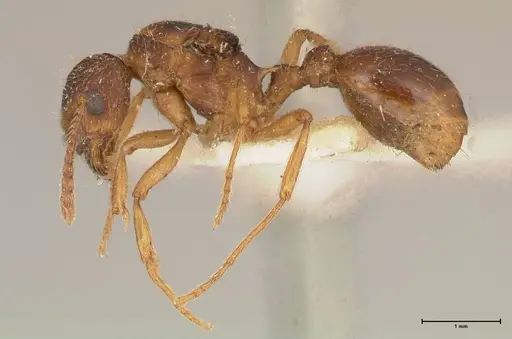
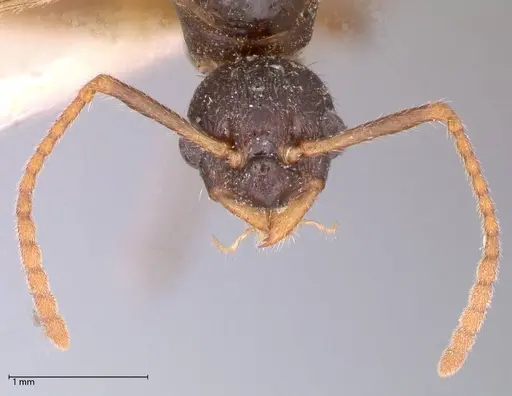
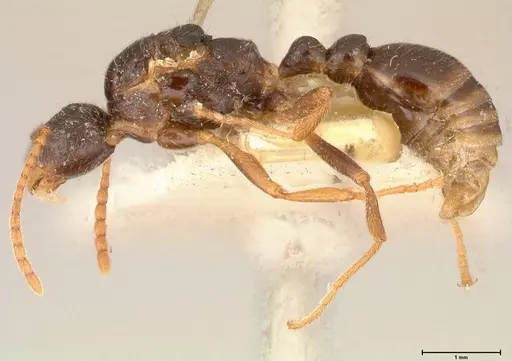
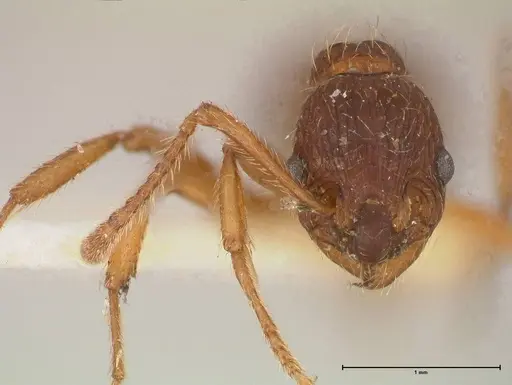
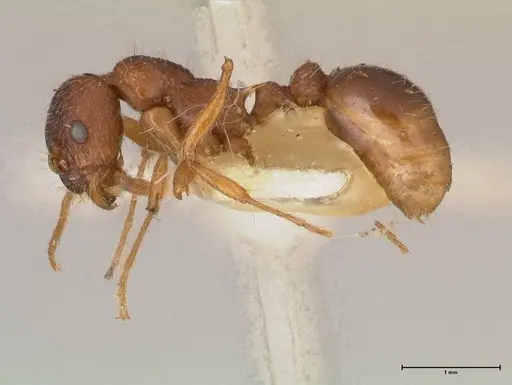
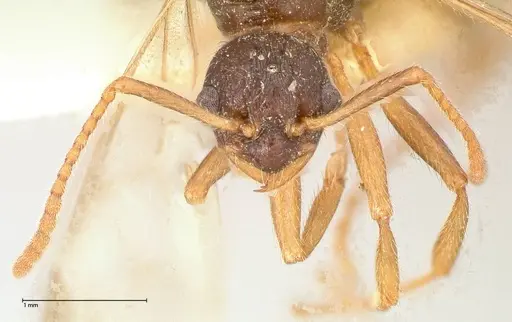
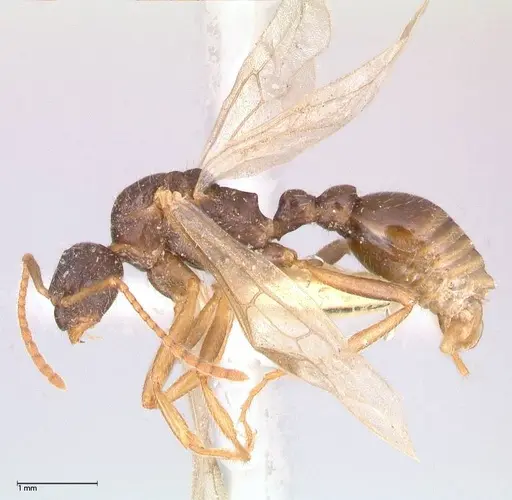
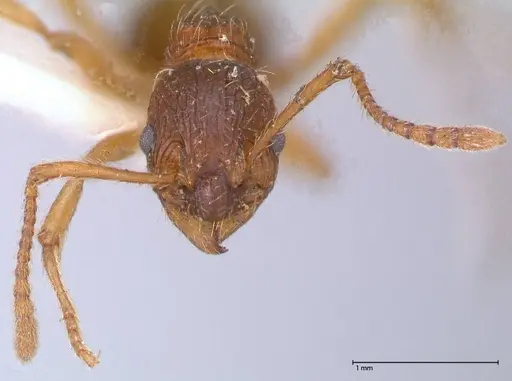
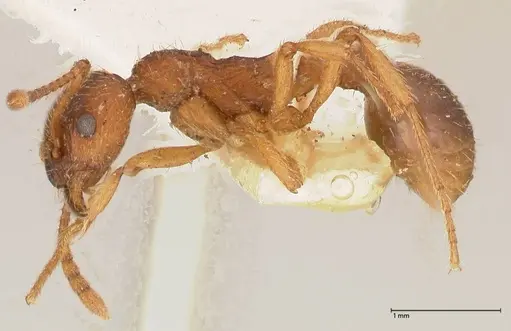
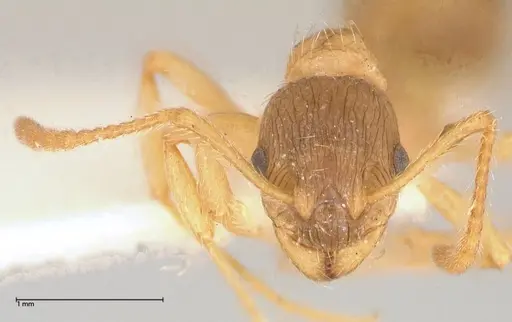
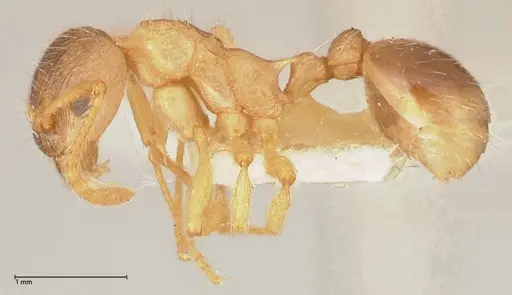
Myrmica kotokui is a small to medium-sized ant native to East Asia, belonging to the Myrmica rubra species group. It is very similar in appearance to its close relatives Myrmica ruginodis and Myrmica rubra, making identification challenging. Workers are reddish-brown with a characteristic smooth petiole (the narrow waist section) that distinguishes them from the rougher-surfaced M. ruginodis. This species is one of the commonest Myrmica ants across its range, which spans the Russian Far East, Korean Peninsula, NE China, and Japan (Hokkaido and Honshu islands) [1].
What makes M. kotokui particularly interesting is its social flexibility, unlike most Myrmica species, colonies are quite polygynous (with multiple queens), sometimes reaching several thousand workers. However, different populations show different structures: dry riverbed populations near Sapporo are polygynous while mountainous populations are monogynous (single-queen). This species also plays an important ecological role as a host for endangered large blue butterflies (Phengaris spp.) and as a seed disperser for Trillium plants [2][3][4].
Quick Summary
- Difficulty: Medium
- Origin & Habitat: Native to East Asia: Russian Far East, Korean Peninsula, NE China, and Japan. Found in various forest types including pine, oak, maple, birch, lime, spruce, fir, and larch forests, as well as shrublands and meadows. Prefers damp habitats and avoids dry places. In Japan, found at altitudes of 1200-2000m on Honshu and sea level to 1000m on Hokkaido. Nests in soil, often under stones, in decayed wood, or constructs small soil mounds [5].
- Colony Type: Facultatively polygynous, colonies can have multiple queens (polygynous) or single queens (monogynous) depending on population and location. Mountainous populations tend to be monogynous while lowland/dry riverbed populations are polygynous. Colonies can reach several thousand workers [5].
- Colony: Optionally polygyne
- Founding: Claustral
- Size & Growth:
- Queen: Estimated 6-8mm based on typical Myrmica genus dimensions
- Worker: Estimated 4-6mm based on typical Myrmica genus dimensions
- Colony: Several thousand workers in polygynous colonies, a few hundred in monogynous colonies [5][6]
- Growth: Moderate, estimated 6-10 weeks from egg to first worker based on typical Myrmica development
- Development: 6-10 weeks (estimated based on typical Myrmica genus development patterns) (Development time inferred from related Myrmica species, actual timeline may vary with temperature)
- Antkeeping:
- Temperature: Keep at room temperature (18-24°C). This is a temperate species native to northern Japan and Russian Far East, so it tolerates cooler conditions better than tropical ants. A slight temperature gradient is beneficial. Since they naturally experience cold winters, they require a hibernation period.
- Humidity: Prefers damp conditions, keep nest substrate consistently moist but not waterlogged. This species avoids dry places in the wild and is associated with moist grassland and forest floor habitats. Monitor substrate moisture and provide water access.
- Diapause: Yes, requires hibernation during winter months. In the wild, colonies move deep into the ground during winter [6]. In captivity, provide a cold period around 5-10°C for 2-3 months during winter.
- Nesting: Nests in soil, often under stones or in decayed wood. In captivity, a naturalistic setup with soil substrate and stones, or a plaster/acrylic nest with moisture-retaining substrate works well. They form colonies in fallen rotten wood and move deep into ground during winter [6].
- Behavior: Generally non-aggressive but will defend the nest if threatened. Workers are active foragers, hunting small insects and scavenging. They have a functional stinger but rarely use it against humans due to their small size. This is a monomorphic species (all workers similar in size) [6]. Escape risk is moderate, standard escape prevention measures (fluon barriers, tight-fitting lids) are sufficient for their size class. Workers show interesting task division with many 'lazy workers' that serve as reserves for catastrophic events [6].
- Common Issues: colonies may fail if kept too warm year-round without hibernation period, polygynous colonies can be difficult to establish if multiple queens fight during founding, wild-caught colonies may have parasites that kill them in captivity, dry substrate causes stress and colony decline, they naturally prefer damp habitats, queen loss during founding is common, claustral queens need quiet, dark spaces
Housing and Nest Setup
Myrmica kotokui can be kept in various setups, but they do best in naturalistic or semi-naturalistic arrangements that mimic their forest floor habitat. A setup with a soil substrate (about 2-3cm deep) allows them to dig chambers and tunnels. Place flat stones or pieces of decaying wood on the surface as they naturally nest under stones and in rotten wood [5]. Keep the substrate consistently moist, these ants avoid dry places in the wild. A test tube setup can work for founding colonies, but transfer to a larger naturalistic setup once the colony reaches 20-30 workers. Ensure adequate ventilation while maintaining humidity, avoid both stagnant air (causes mold) and excessive airflow (causes drying). Foraging area should be connected to the nest via a short tunnel, similar to setups used in research [6].
Feeding and Diet
Myrmica kotokui is a generalist predator and scavenger, typical of the Myrmica genus [7]. Feed protein sources such as small insects (fruit flies, small crickets, mealworms) twice weekly. They also accept sugar water, honey, or diluted sugar syrup as an energy source. In the wild, they forage for insects and honeydew from aphids. Research colonies have been successfully maintained on commercial insect food (Konchu-no-mitsu) in laboratory settings [6]. Remove uneaten prey after 24-48 hours to prevent mold. Always provide fresh water, a small water tube with cotton stop works well.
Temperature and Seasonal Care
This is a temperate species native to northern Japan and the Russian Far East. Keep them at room temperature (18-24°C) with a slight gradient if possible. They tolerate cooler conditions better than many tropical ant species. Most importantly, you must provide a hibernation period during winter, this is essential for colony health and reproduction. In the wild, colonies move deep into the ground during winter [6]. During the cold months (roughly November-February in the Northern Hemisphere), reduce temperature to 5-10°C for 2-3 months. Do not feed during hibernation but ensure water is available. Gradual temperature changes are key, avoid sudden shifts. If your room temperature naturally drops in winter, that may be sufficient, but monitor closely.
Colony Structure and Queen Management
Myrmica kotokui shows fascinating social flexibility. Some populations are polygynous (multiple egg-laying queens) while others are monogynous (single queen). This depends on habitat, dry riverbed populations near Sapporo are polygynous, while mountainous populations are monogynous [5]. If you acquire a colony, observe queen behavior. In polygynous colonies, multiple queens may coexist peacefully, while in monogynous colonies, expect only one dominant queen. The species also has two queen size variants: larger 'macrogynes' and smaller 'microgynes'. Winged queens (alates) develop in late summer, with nuptial flights occurring August to early October. If you wish to propagate colonies, allow alates to mate and establish new colonies.
Behavior and Interaction
Workers of M. kotokui are active and industrious, showing complex social organization. Research has shown that about 66% of worker behavior is resting, while a subset of workers (12-26%) perform very few social tasks, these 'lazy workers' act as a reserve force for catastrophic events [6]. When all active workers were removed, inactive workers began working, demonstrating their role as an insurance population. Workers can recognize nestmates and will defend the colony against intruders. They communicate through chemical signals and may use tandem-running to recruit nestmates to food sources, though this is less documented in Myrmica than in some other genera. The species is not aggressive toward keepers but will sting if threatened, however, their sting is mild due to their small size.
Frequently Asked Questions
Is Myrmica kotokui a good beginner ant species?
Myrmica kotokui is of medium difficulty and can be kept by beginners with some experience. They are more forgiving than tropical species because they tolerate cooler temperatures and require hibernation. However, their need for a winter rest period and preference for damp conditions may require more attention than beginner-friendly species like Lasius. The main challenges are providing proper hibernation and maintaining appropriate humidity.
How long does it take for the first workers to appear?
Based on typical Myrmica development patterns, expect 6-10 weeks from egg to first worker (nanitic) at room temperature. Development time depends on temperature, warmer conditions speed development slightly, but avoid high temperatures. The first workers will be smaller than mature workers and are called nanitics.
Do Myrmica kotokui ants sting?
Yes, they have a functional stinger but rarely use it against humans. Due to their small size, the sting is typically mild and may feel like a minor pinch. Most keepers report minimal issues with stinging behavior, they are not aggressive and will only sting if directly threatened or handled roughly.
Can I keep multiple queens together?
This depends on the colony's origin. Some populations (dry riverbed areas) are naturally polygynous and may accept multiple queens, while mountainous populations are monogynous. If combining unrelated foundress queens, do so cautiously, some will fight while others may tolerate each other. Start with one queen for reliability unless you know your specific population is polygynous.
What temperature should I keep Myrmica kotokui at?
Room temperature (18-24°C) is suitable. They are tolerant of cooler conditions given their northern distribution. A slight gradient allows workers to choose their preferred temperature. Most importantly, provide a winter hibernation period at 5-10°C for 2-3 months.
Do they need hibernation?
Yes, hibernation is essential for this temperate species. In the wild, colonies move deep into the ground during winter [6]. Provide 2-3 months of cold (around 5-10°C) during winter months. This supports colony health and is necessary for alate (reproductive) development. Skip hibernation only at risk to the colony's long-term health.
How big do colonies get?
Colony size varies significantly based on queen number. Polygynous colonies can reach several thousand workers, while monogynous colonies typically stay in the hundreds [5]. A typical monogynous colony might have 225-421 workers [6]. Growth is moderate, expect several years to reach maximum size.
What do Myrmica kotokui eat?
They are generalist predators and scavengers. Feed small insects (fruit flies, pinhead crickets, small mealworms) twice weekly as protein. Also provide sugar sources like sugar water, honey, or diluted honey water for energy. They will also scavenge dead insects. Remove uneaten food promptly to prevent mold.
Why are my ants dying?
Common causes include: (1) too dry substrate, they prefer damp conditions and avoid dry places, (2) no hibernation, year-round warmth without rest period stresses colonies, (3) parasites from wild-caught colonies, (4) queen death during founding, (5) mold from overwatering or poor ventilation. Check humidity levels, ensure hibernation is provided, and maintain clean housing.
When should I move them to a formicarium?
Keep founding colonies in a simple test tube setup until they have 20-30 workers. Once the colony outgrows the test tube or shows signs of space stress (workers clustering at the cotton, reduced activity), transfer to a larger naturalistic setup with soil substrate. Do not disturb the queen during founding, she needs a quiet, dark space.
References

This caresheet is licensed under CC BY-SA 4.0 .
CASENT0106286
View on AntWeb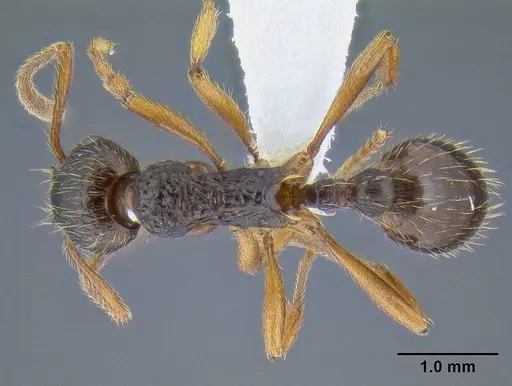
CASENT0280827
View on AntWeb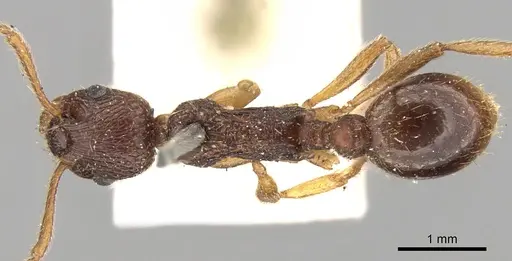
CASENT0907648
View on AntWeb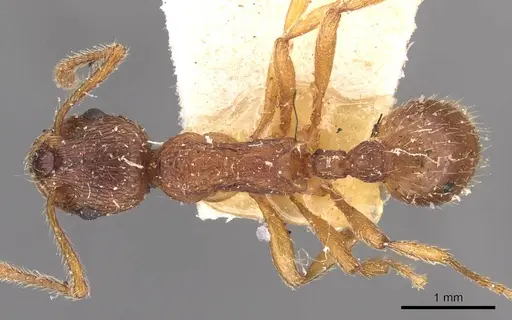
CASENT0922780
View on AntWeb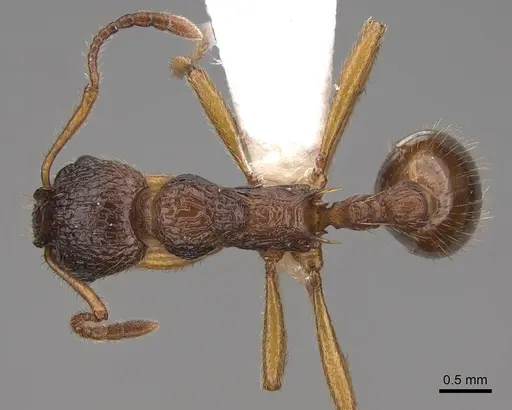
FOCOL0594
View on AntWeb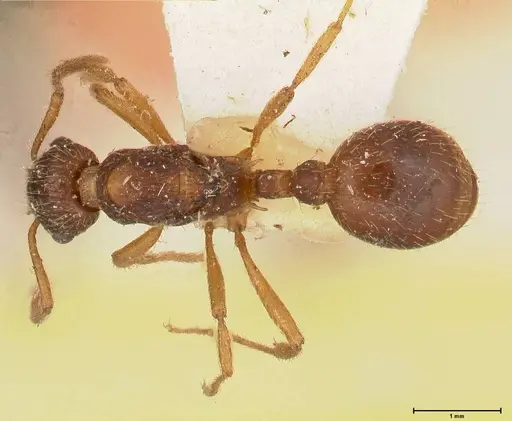
FOCOL0595
View on AntWeb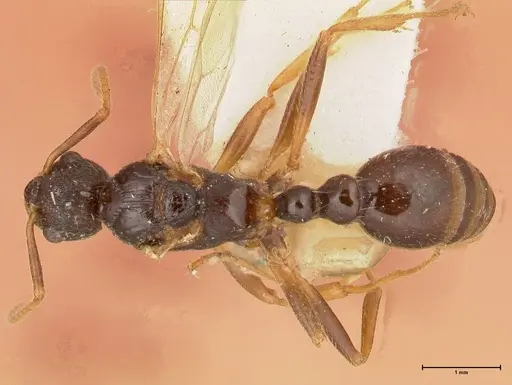
FOCOL0596
View on AntWeb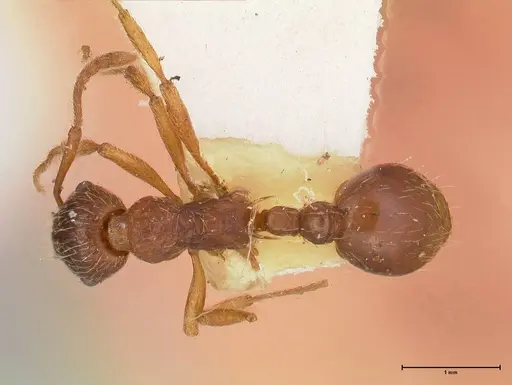
FOCOL0597
View on AntWeb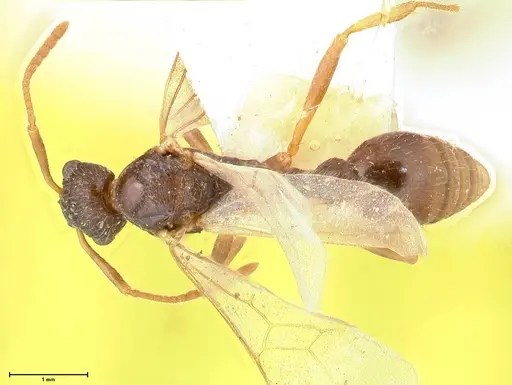
FOCOL0598
View on AntWeb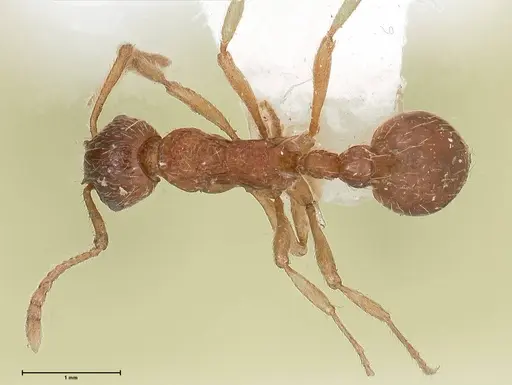
FOCOL0599
View on AntWeb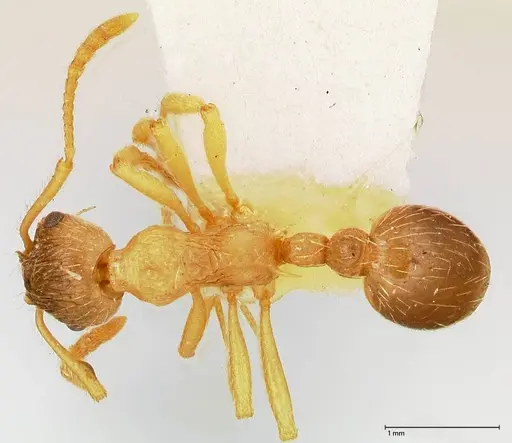
Literature
Loading...Loading products...