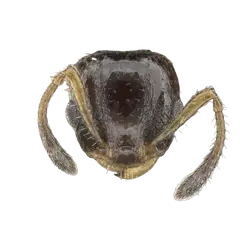
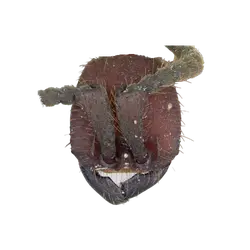
Neoponera striatinodis - "Striated Ponerine Ant"
Neoponera striatinodis is a moderately sized, black ant species with distinctive yellowish-brown legs and antennae. Workers typically reach about 9 mm in total length, while queens are slightly larger, around 11 mm. A key identifying feature for both workers and queens is the presence of striae or rugae (fine lines or wrinkles) covering all surfaces of their petiole (the narrow waist segment). This species is known to nest in arboreal environments, specifically within the ant plant Cecropia hispidissima. Like many ponerine ants, they are predatory, hunting insects for sustenance. They are part of the diverse Neoponera genus, which is restricted to the Neotropics and includes species with a wide range of behaviors and morphologies.
- Difficulty: Medium
- Origin & Habitat: Central and South America (Guatemala, Costa Rica, Panama, Colombia, Peru, Guyana, Brazil, Bolivia) in Arboreal, primarily nesting in live trees, specifically within the stems of ant plants like Cecropia hispidissima..
- Colony Type: Monogyne, though some Neoponera species can be facultatively polygynous, it is generally considered monogyne with isolated notes in nature of some species being polygynous in the genus., semi-claustral founding.
- Size & Growth:
- Queen: 11-11mm
- Worker: 9-9mm
- Colony: Small (typically fewer than 200 workers, though some Neoponera species can reach up to 1,800 workers). Slow (eggs can take 3-4 weeks to develop) growth.
- Antkeeping:
- Temperature: Maintain a temperature gradient, aiming for 26-28°C in part of the nest to replicate their tropical origins..
- Humidity: High humidity is crucial, ideally 70-80% in the nest. Regular misting is recommended..
- Diapause: Not required. Not specified at Not specified.
- Nesting: Artificial nests mimicking arboreal cavities, such as test tubes with outworlds, or specially designed formicariums with good humidity retention. They may benefit from setups that allow them to anchor cocoons..
- Behavior: Medium (towards prey, low towards handler unless provoked) aggressiveness.
- Common Issues: Humidity fluctuations leading to desiccation, Lack of consistent protein supply, Nest disturbances causing stress, Mold growth from uneaten prey or excessive humidity without ventilation, Colony stalling due to inadequate founding care.
One unique aspect of caring for Neoponera striatinodis is their semi-claustral founding. Unlike fully claustral queens that seal themselves off and rely solely on their fat reserves, these queens will need access to food during the founding stage. This means providing a small outworld with a consistent food source from the very beginning. Neglecting this crucial step can quickly lead to queen stress and colony failure, so it's a vital consideration for aspiring keepers of this species.
Humidity management is paramount for Neoponera striatinodis. Originating from tropical environments, they thrive in high humidity, specifically within the 70-80% range. Inadequate humidity can lead to desiccation of the brood and workers, potentially stalling colony growth or even causing the colony to perish. Regular misting of the nest or using a formicarium designed to maintain consistent high humidity is essential for their well-being and long-term success.
Their predatory nature means Neoponera striatinodis require a diet rich in protein. They are carnivorous and primarily feed on small insects in the wild. In captivity, this translates to offering a varied diet of live or freshly killed feeder insects like crickets, mealworms, and small roaches. It's also important to note that, unlike many common ant species, Neoponera lack the ability to regurgitate liquid food, so providing whole food sources and open water sources that they can transport in droplets or chunks is key.
Patience is a virtue when keeping Neoponera striatinodis, particularly during the initial founding stage. The egg-to-worker development time for this species can be quite long, with eggs sometimes taking 3-4 weeks to hatch. This slow development is normal for the species and should not be a cause for concern. Providing a stable environment with consistent temperature and humidity will support their growth, but frequent disturbances should be avoided as they can stress the colony and hinder development.
Neoponera striatinodis possess a sting, and like many Ponerine ants, their venom can inflict a painful sting if provoked. While they are not typically aggressive towards handlers, direct interaction should be minimized to avoid stings. When handling is necessary, using soft tweezers or a brush to gently guide them is recommended. Ensuring the outworld is escape-proof is also important, as they can bite through certain nest materials if not properly contained.