

Myrmica curiosa
- Scientific Name
- Myrmica curiosa
- Tribe
- Myrmicini
- Subfamily
- Myrmicinae
- Author
- Radchenko <i>et al.</i>, 2008
- Distribution
- Found in 1 countries
Myrmica curiosa Overview
Myrmica curiosa is an ant species of the genus Myrmica. It is primarily documented in 1 countries , including China. Detailed taxonomic data and occurrence records can be further explored via authoritative databases such as AntWeb or the Global Biodiversity Information Facility (GBIF).
Myrmica curiosa
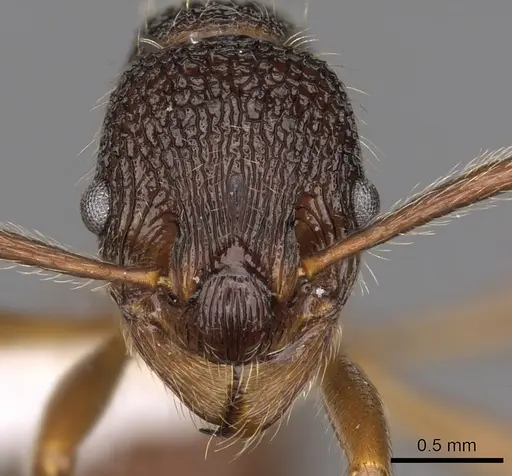
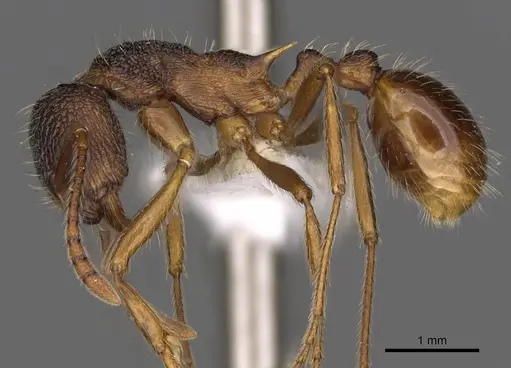
Myrmica curiosa is a small, recently described ant species from the mountainous provinces of Hunan, Sichuan, and Yunnan in China. Workers measure 1.3-1.5mm with a distinctive elongated head, long slender scapes, and moderately long propodeal spines. They have a brownish-red coloration with yellowish-red highlights on the alitrunk and waist. The species is notable for its unusual combination of morphological features that don't fit neatly into any existing Myrmica species group, it shares characteristics with the ritae-group, inezae-group, and rubra-group, earning it the Latin name 'curiosa' meaning curious or inquisitive. This taxonomic uncertainty reflects how little we know about this species in the wild.
Quick Summary
- Difficulty: Medium
- Origin & Habitat: Native to the Hengduan Mountains region of China, specifically Hunan, Sichuan, and Yunnan Provinces. Type specimens were collected at elevations ranging from 1700-3150m in mountainous areas [1]. Based on typical Myrmica habitat preferences in this region, they likely nest in soil or under stones in cool, damp mountain habitats.
- Colony Type: Likely single-queen colonies (monogyne) based on typical Myrmica genus patterns, though colony structure has not been documented for this species.
- Colony: Monogyne
- Founding: Claustral
- Size & Growth:
- Queen: 1.48-1.49mm [1]
- Worker: 1.34-1.48mm [1]
- Colony: Unknown, no colony size data exists for this species
- Growth: Unknown, no development data exists for this species
- Development: Unknown, no direct measurements exist. Based on typical Myrmica genus patterns, estimate 6-10 weeks at optimal temperature. (Development timeline is unconfirmed for this species. Related Myrmica species typically take 6-10 weeks from egg to first worker at room temperature.)
- Antkeeping:
- Temperature: Keep at room temperature, roughly 18-22°C. This aligns with typical Myrmica preferences and the cool mountain elevations where they were found [1].
- Humidity: Moderate to high humidity preferred. Myrmica generally prefer damp nest conditions, keep the nest substrate moist but not waterlogged.
- Diapause: Likely required. Most Myrmica species from temperate Asia require a winter hibernation period of 3-4 months at 5-10°C.
- Nesting: No specific nesting data exists. Based on genus patterns, they likely prefer soil nests or will accept test tube setups. A naturalistic setup with damp substrate works well for Myrmica.
- Behavior: Workers are moderately active foragers. Myrmica workers possess a functional stinger and can deliver a mild sting if provoked. They are not particularly aggressive but will defend the nest. Escape risk is moderate, their small size means they can slip through small gaps, so use standard barrier precautions.
- Common Issues: no biological data exists, this is one of the least studied Myrmica species, so care is based on genus inference rather than species-specific research, colony growth may be slow, with no documented development timeline, expect patience is needed during founding, hibernation requirements are inferred, not confirmed, monitor colony response to determine optimal winter conditions, test tube flooding risk, small colonies in test tubes need careful water reservoir management, wild-caught colonies may have parasites, any field-collected specimens should be quarantined and monitored
Discovery and Taxonomy
Myrmica curiosa was only described in 2008 by Radchenko, Zhou, and Elmes, making it one of the newer additions to the ant-keeping hobby. The species was discovered in three Chinese provinces: Sichuan (type locality at Hailugou Natural Park,1700m elevation), Hunan (Ba Da Gong Mountain), and Yunnan (Hobasan Mountains at 2800-3150m elevation). What makes this species particularly interesting is its intermediate morphology, it has features that resemble multiple different species groups. The long slender scape and alitrunk are similar to the ritae-group, the petiole shape resembles the inezae-group, and it has some characteristics found in the rubra-group. This mosaic of features is why the researchers named it 'curiosa', the unusual combination of traits puzzled them taxonomically. [1]
Appearance and Identification
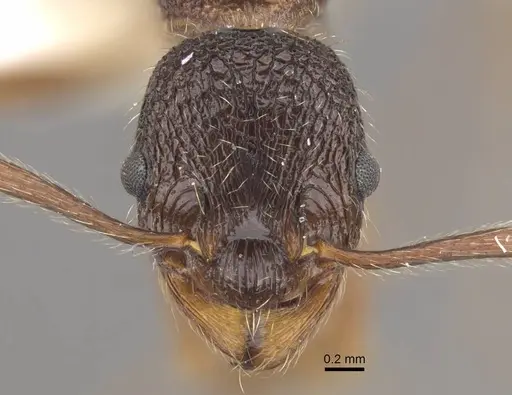
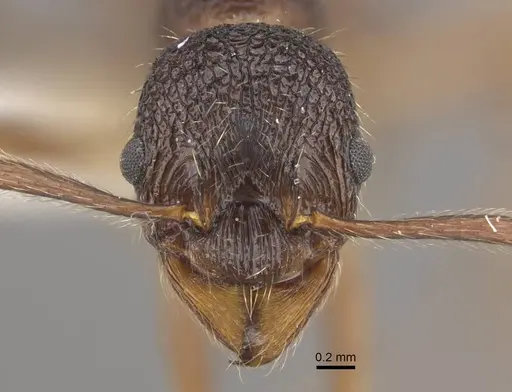
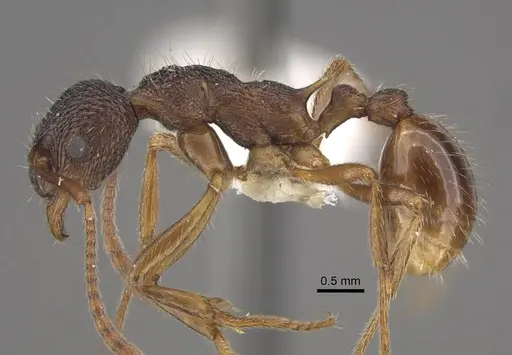
Workers of Myrmica curiosa are relatively small at 1.3-1.5mm, with a distinctly elongated head that is longer than it is wide. The scapes (the long segments of the antennae) are notably long and slender, extending well beyond the head. They have propodeal spines of moderate length that point at about a 45-degree angle. The coloration is brownish-red overall, with the sides of the alitrunk and waist showing yellowish-red tones, while the legs are lighter testaceous red. Queens are similar in appearance but larger at 1.5mm with the typical alitrunk modifications for wing-bearing. The mandibles have 11-13 small teeth, which is unusual among Myrmica species and more typical of the genus Manica. [1]
Housing and Nesting
Since no specific nesting data exists for M. curiosa, housing recommendations are based on typical Myrmica genus preferences. A test tube setup works well for founding colonies, fill a test tube with water, plug with cotton, and place the queen in the tube. For established colonies, a Y-tong (acrylic) nest or a naturalistic setup with damp soil works well. The key is maintaining moderate to high humidity in the nest chamber while allowing some dry area options. Given their mountain habitat origins, avoid overheating, room temperature or slightly below is appropriate. Provide an outworld for foraging with standard escape prevention.
Feeding and Diet
No specific dietary data exists for M. curiosa. Based on typical Myrmica feeding behavior, they likely accept protein sources like small insects (fruit flies, small mealworms, crickets) and may also collect honeydew from aphids or accept sugar water. Feed protein prey 2-3 times per week for established colonies, and provide a constant sugar source. Myrmica are not particularly specialized feeders compared to some ant genera, so a varied diet of proteins and sugars should work. Remove uneaten prey after 24-48 hours to prevent mold.
Temperature and Seasonal Care
Keep M. curiosa at room temperature, roughly 18-22°C. This is cooler than many tropical ant species and reflects their origin in the cool mountainous regions of central China. During winter, most Myrmica species require a hibernation period. Based on typical Myrmica from temperate Asia, provide 3-4 months of cold conditions around 5-10°C. This can be done in a garage, basement, or refrigerator during winter months. Do not feed during hibernation. Resume normal feeding and warming gradually in spring.
Behavior and Defense
Myrmica workers possess a functional stinger and can deliver a mild sting if threatened or handled roughly. While not dangerously aggressive, they will defend their nest if disturbed. Workers are moderately active and will forage for food in the outworld. They are not known for being particularly fast-moving or escape-artist prone compared to some smaller ant species, but standard barrier precautions (Fluon, baby powder barriers) should still be used. The colony will likely show increased activity and aggression when the queen is producing brood.
Frequently Asked Questions
How long does it take for Myrmica curiosa to produce first workers?
The development timeline is unconfirmed for this species since no research has been done on its biology. Based on typical Myrmica genus patterns, expect roughly 6-10 weeks from egg to first worker at room temperature. Patience is essential during the founding stage.
What do Myrmica curiosa ants eat?
No species-specific dietary data exists. Based on typical Myrmica behavior, offer small protein sources like fruit flies, small mealworms, or cricket pieces 2-3 times per week. Also provide sugar water or honey as an energy source. Remove uneaten food after 24-48 hours.
Do Myrmica curiosa ants sting?
Yes, Myrmica workers have a functional stinger and can sting. The sting is mild and not medically significant for healthy humans, but it can cause brief pain and irritation. Handle gently and avoid provoking the colony.
What temperature should I keep Myrmica curiosa at?
Keep them at room temperature, roughly 18-22°C. This is cooler than tropical species and reflects their origin in the mountainous regions of China. Avoid placing them in direct heat or very warm rooms.
Do Myrmica curiosa need hibernation?
Likely yes. Most Myrmica species from temperate Asia require a winter dormancy period. Provide 3-4 months of cold conditions around 5-10°C during winter, typically from late autumn through early spring.
How big do Myrmica curiosa colonies get?
Colony size is unknown, no research has documented maximum colony sizes for this species. Based on their small worker size and typical Myrmica patterns, colonies likely reach several hundred workers at most.
Is Myrmica curiosa a good species for beginners?
This species is not recommended for beginners primarily because no species-specific care information exists. All recommendations are genus-level inferences. Experienced antkeepers who can adapt care based on colony behavior will have better success. If you want a Myrmica species with established care guidelines, consider more common species like Myrmica rubra or Myrmica ruginodis.
Can I keep multiple Myrmica curiosa queens together?
No information exists about colony founding behavior for this species. Based on typical Myrmica patterns, single-queen colonies are most likely. Do not attempt to combine unrelated queens, they will likely fight and stress each other.
Where is Myrmica curiosa found in the wild?
This species is known only from central and southwestern China, specifically Hunan, Sichuan, and Yunnan Provinces. Specimens have been collected at elevations between 1700-3150m in mountainous terrain.
Why is it called Myrmica curiosa?
The species name 'curiosa' comes from Latin meaning 'curious' or 'inquisitive'. The researchers chose this name because the ant has an unusual combination of morphological features that don't fit neatly into any existing species group, it was 'curious' to them taxonomically.
References

This caresheet is licensed under CC BY-SA 4.0 .
CASENT0900307
View on AntWeb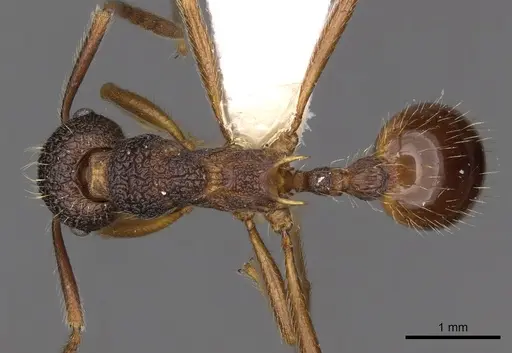
CASENT0917698
View on AntWeb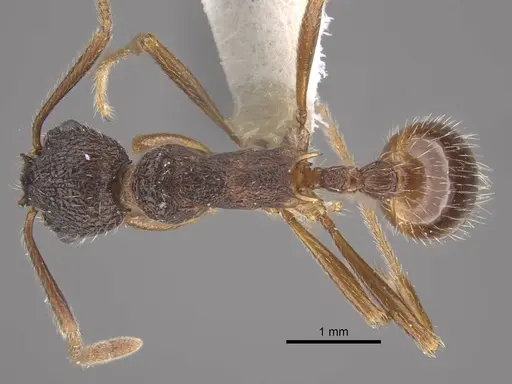
Literature
Loading...Loading products...