

Myrmica constricta
- Scientific Name
- Myrmica constricta
- Tribe
- Myrmicini
- Subfamily
- Myrmicinae
- Author
- Karavaiev, 1934
- Distribution
- Found in 8 countries
Myrmica constricta Overview
Myrmica constricta is an ant species of the genus Myrmica. It is primarily documented in 8 countries , including Austria, Switzerland, Germany. Detailed taxonomic data and occurrence records can be further explored via authoritative databases such as AntWeb or the Global Biodiversity Information Facility (GBIF).
Myrmica constricta
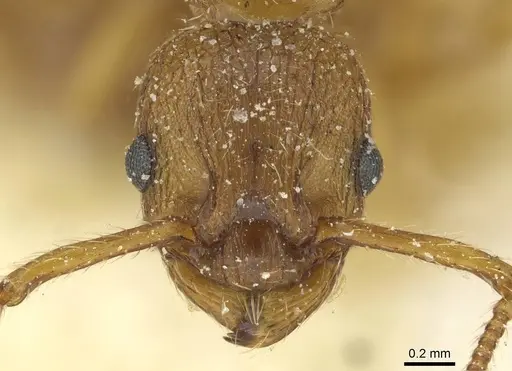
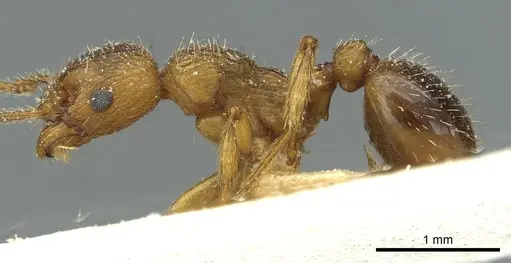
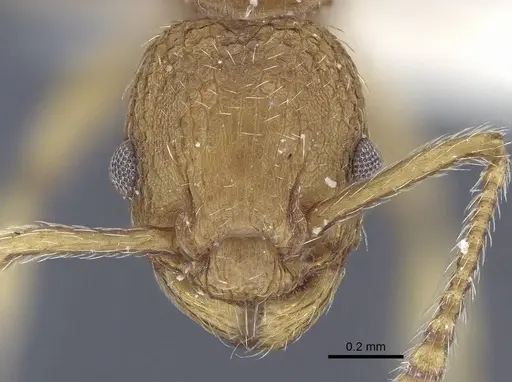
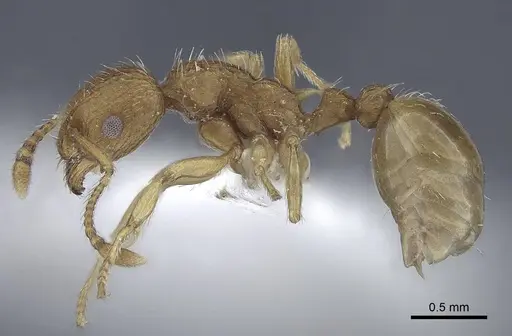
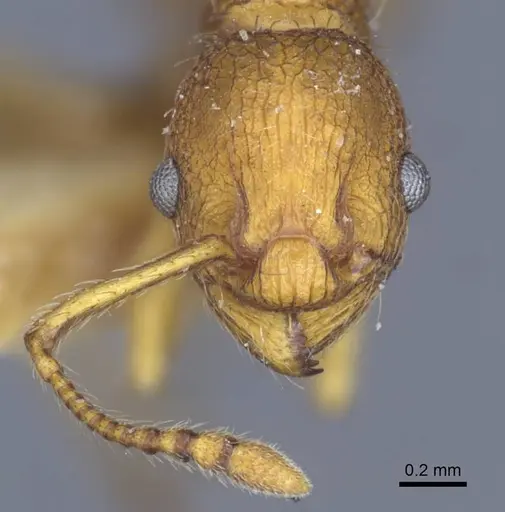
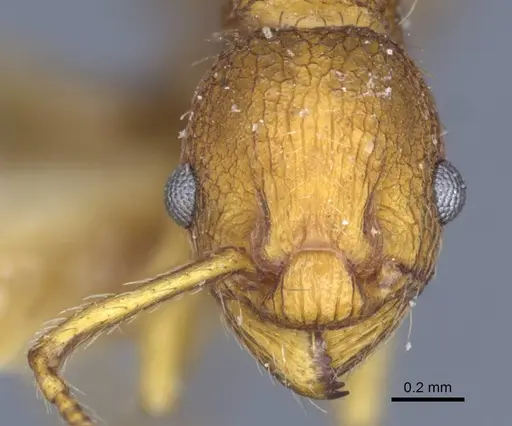
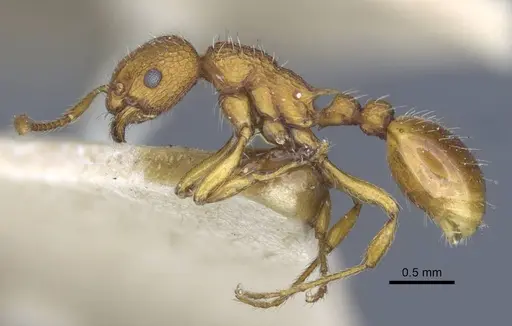
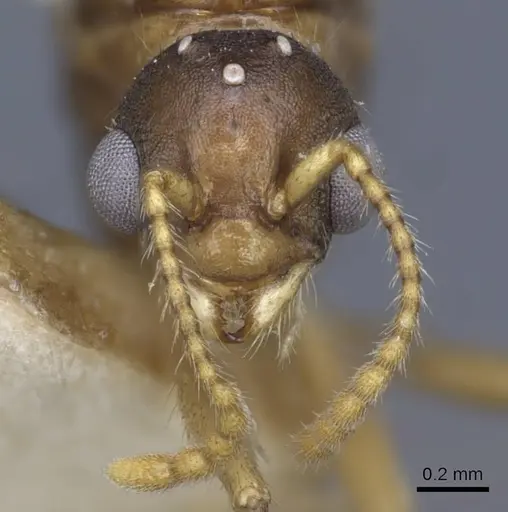
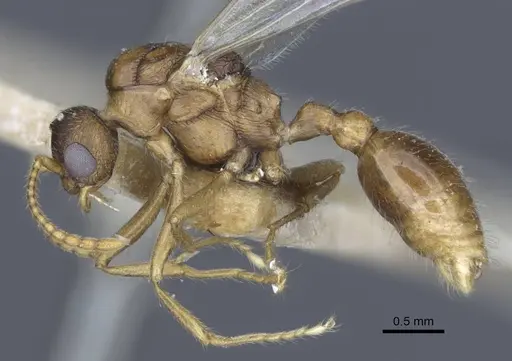
Myrmica constricta is a small Myrmica ant species (workers around 4mm, queens 4.5-5mm) that belongs to the rugulosa species complex. It was historically confused with Myrmica hellenica but was confirmed as a separate species in 2009. Workers have a distinctly angled scape (antenna) base without any lamellar outgrowth, which distinguishes them from the closely related M. specioides. The species gets its name from the Latin 'constricta' meaning small or compressed, a replacement name for the preoccupied 'minuta' [1].
This ant is a riparian specialist found across Central and southern Europe, from Ukraine and Poland through to Finland, Germany, Austria, Switzerland, Romania, Italy, Serbia, Bulgaria, and Greece. It thrives in warm, sunny spots with sandy or gravelly soils, think river banks, sand dunes, and lake margins. In urban areas, it happily colonizes lawns and flower borders in parks. Colonies can grow quite large, reaching over 1500 workers with multiple queens [1][2].
Quick Summary
- Difficulty: Medium
- Origin & Habitat: Central and southern Europe (Ukraine, Poland, Finland, Germany, Austria, Switzerland, Romania, Italy, Serbia, Bulgaria, Greece). Primary habitat is river banks and sand dunes along glacial stream valleys, also coastal sand dunes. Requires sun-exposed areas with sandy or gravelly soils and significant bare surfaces [1].
- Colony Type: Polygynous colonies with multiple queens, can contain up to 1600 workers. Large colonies tend to be polygynous. May form several entrance holes [1].
- Colony: Optionally polygyne
- Founding: Claustral
- Size & Growth:
- Queen: 4.5-5mm (gynes mean CS 1.112mm) [1]
- Worker: ~4mm (mean CS 0.963mm) [1]
- Colony: Up to 1600 workers [1]
- Growth: Moderate
- Development: 6-10 weeks (estimated based on typical Myrmica development at optimal temperature) (Development time inferred from genus-level data, specific measurements for this species not documented)
- Antkeeping:
- Temperature: Keep nest area at 20-24°C. This species prefers warm conditions with mean soil temperatures above 15°C and maximum soil temperatures of 24-28°C [3]. A gentle temperature gradient allows workers to regulate their exposure.
- Humidity: Moderate. In nature they inhabit riparian zones and sandy meadows near water, so provide some moisture. Keep the nest substrate slightly moist but not waterlogged, allow drying between waterings. They avoid truly wet conditions.
- Diapause: Yes. As a temperate European species, colonies require a winter rest period. Reduce temperature to around 5-10°C for 3-4 months (November-February) to simulate hibernation.
- Nesting: Y-tong or plaster nests work well. Provide a shallow water chamber for humidity. This species nests in grass root layers and under moss in the wild, so include some organic material or moss in the outworld if possible. Avoid overly compact substrates.
- Behavior: Workers are largely zoophagous (meat-eating) and very aggressive toward other Myrmica species and Tetramorium. They actively hunt small invertebrates and will defend their territory vigorously. Despite their small size, they are bold foragers. They do not interfere with Manica rubida when found in sympatry [1]. Escape prevention should be good, they are not particularly small or agile escape artists, but standard precautions apply.
- Common Issues: colonies often fail during hibernation if kept too wet or at wrong temperature, slow growth means beginners may overfeed or disturb the colony too often, wild-caught colonies may have parasites that kill them in captivity, urban populations may be stressed and adapt poorly to captive conditions, polygynous colonies can be sensitive to queen removal, don't disturb multiple-queen colonies
Housing and Nest Setup
Myrmica constricta does well in standard formicarium setups. A Y-tong (AAC) nest or plaster nest provides good humidity control and allows you to observe the colony easily. Since they naturally nest in grass root layers and under moss near water, add a shallow water chamber or regular misting to maintain moderate humidity. The outworld should have some substrate they can dig into or organic material like moss to mimic their natural nesting sites. Keep the nest area warm (20-24°C) with a gentle gradient so workers can move between temperatures. Use test tubes for founding colonies, a simple setup with a cotton-plugged water reservoir works well for claustral queens. [1][3]
Feeding and Diet
These ants are primarily zoophagous, meaning they need protein-rich foods. Feed them small insects like fruit flies, small crickets, mealworms, or other appropriately-sized invertebrates. Offer protein 2-3 times per week, removing any uneaten prey after 24 hours. They will also accept sugar water or honey as an energy source, especially when the colony grows larger. Keep a constant supply of sugar water once workers emerge. In the wild they are aggressive predators on other small arthropods, so live prey is ideal but frozen/thawed insects are acceptable for established colonies [1].
Temperature and Seasonal Care
Myrmica constricta comes from temperate Europe and requires a winter diapause. From November through February, reduce temperatures to 5-10°C, a garage, basement, or refrigerator works well. Do not feed during hibernation but keep the substrate slightly moist. Return to room temperature (20-24°C) in spring when the colony becomes active again. During the active season, maintain warm conditions with soil temperatures above 15°C. In captivity, they can tolerate low 20s°C quite well. Avoid temperatures below 15°C during the growing season as this slows development significantly. [3][1]
Colony Dynamics
This species forms polygynous colonies with multiple queens, which can grow quite large (up to 1600 workers). Large colonies tend to have more queens. Queens can live for many years, and the colony persists through queen replacement. When keeping established colonies, avoid disturbing the nest structure unnecessarily, polygynous colonies can be sensitive to major changes. If you capture a founding queen, she will seal herself in a claustral chamber and raise the first workers (nanitics) alone before the colony expands. Growth is moderate, expect 6-12 months to reach 50 workers, and several years to reach maximum colony size. [1]
Behavior and Defense
Workers are aggressive toward other Myrmica species and will defend their territory. They are active foragers and will readily hunt small prey in the outworld. Unlike some Myrmica, they don't have a particularly painful sting, but they may bite if threatened. They are not known for excessive escape behavior, standard barrier methods (fluon on container rims, fine mesh on openings) are sufficient. They coexist peacefully with Manica rubida in the wild, showing specific interspecific behavior. The colony maintains multiple entrance holes in natural settings [1].
Frequently Asked Questions
How long does it take for Myrmica constricta first workers to emerge?
Expect first workers (nanitics) to emerge around 6-10 weeks after the queen lays eggs, depending on temperature. Warmer conditions (22-24°C) speed development, while cooler temperatures slow it down. This is typical Myrmica timing, the queen seals herself in and raises the first brood alone.
Can I keep multiple Myrmica constricta queens together?
Yes, this species is naturally polygynous, meaning colonies typically have multiple queens. Unlike some species where queens fight, M. constricta queens coexist peacefully. If you capture multiple founding queens, they can potentially start a colony together.
Do Myrmica constricta ants sting?
They can sting but are not considered dangerous to humans. Their sting is mild due to their small size. They are more likely to bite if threatened. The main concern is their aggressive behavior toward other ant species, not their defense against humans.
What temperature do Myrmica constricta need?
Keep them at 20-24°C during the active season. They prefer warm conditions with mean soil temperatures above 15°C. A heating cable on one side of the nest creates a useful gradient. During winter, they need a cold period at 5-10°C.
Are Myrmica constricta good for beginners?
They are intermediate in difficulty. They require a winter hibernation period and specific habitat conditions (warm, sandy areas), but their care is straightforward once you understand the seasonal cycle. They are not as challenging as tropical species but need more attention than truly beginner-friendly ants.
How big do Myrmica constricta colonies get?
Colonies can reach 1500-1600 workers at maturity. This takes several years of growth. Large colonies are typically polygynous with multiple queens contributing to reproduction.
What do Myrmica constricta eat?
They are primarily zoophagous (meat-eaters). Feed small insects like fruit flies, pinhead crickets, or small mealworms 2-3 times per week. They also accept sugar water or honey for energy. Remove uneaten prey after 24 hours.
Do Myrmica constricta need hibernation?
Yes. As a temperate European species, they require a winter rest period. Reduce temperature to 5-10°C from November-February. Keep the substrate slightly moist during hibernation but do not feed. This rest period is essential for colony health and queen reproduction.
When do Myrmica constricta have nuptial flights?
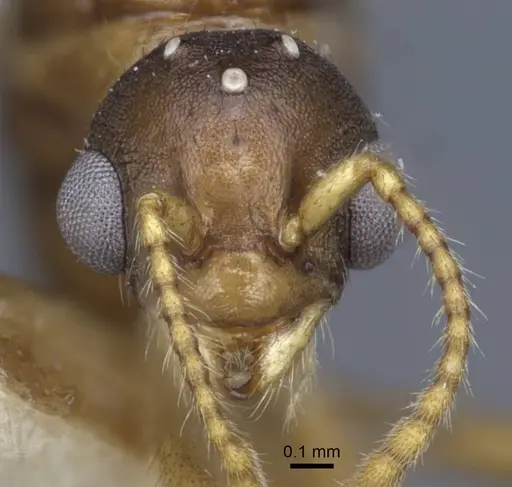
Nuptial flights occur from late July through early October, with swarming typically observed in late afternoon on warm, sunny days [1]. If you want to catch alates (flying ants), this is the period to watch.
Why are my Myrmica constricta dying?
Common causes include: incorrect hibernation (too wet or too warm), overfeeding leading to mold, disturbing the queen during founding, or keeping them at wrong humidity. Also check for parasites. Wild-caught colonies often carry mites or other parasites that can devastate captive colonies.
References

This caresheet is licensed under CC BY-SA 4.0 .
CASENT0913076
View on AntWeb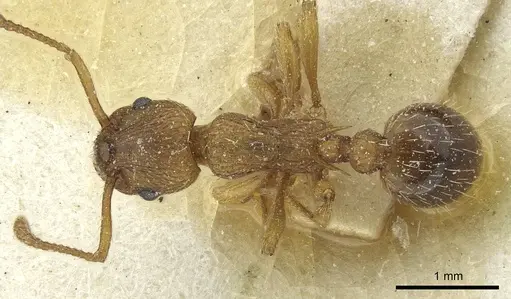
CASENT0916783
View on AntWeb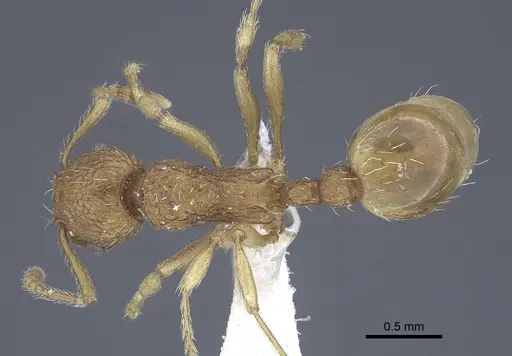
CASENT0916881
View on AntWeb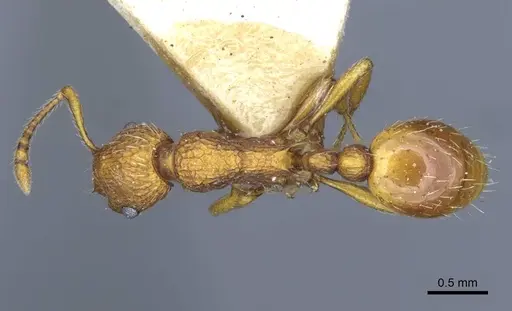
CASENT0916882
View on AntWeb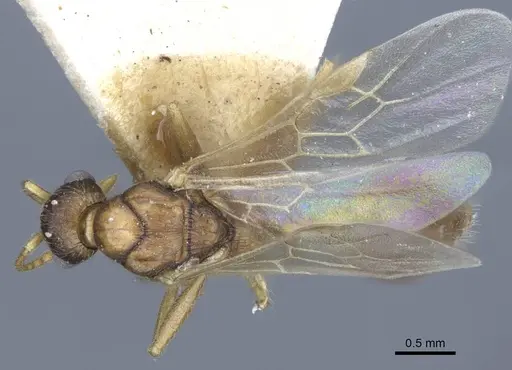
Literature
Loading...Loading products...