

Myrmica hellenica
- Scientific Name
- Myrmica hellenica
- Tribe
- Myrmicini
- Subfamily
- Myrmicinae
- Author
- Finzi, 1926
- Distribution
- Found in 10 countries
Myrmica hellenica Overview
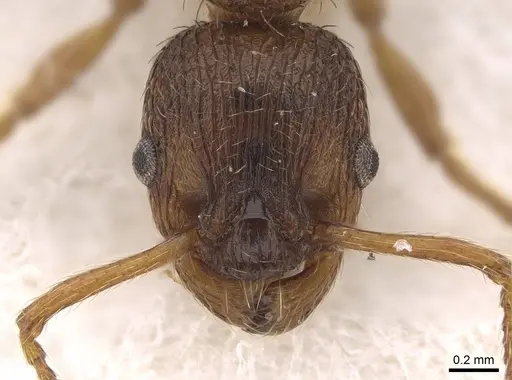
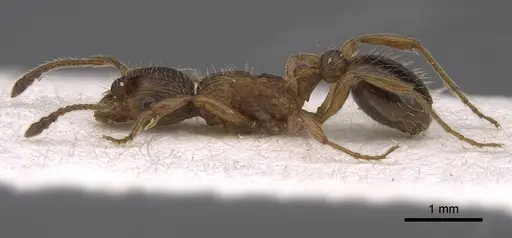
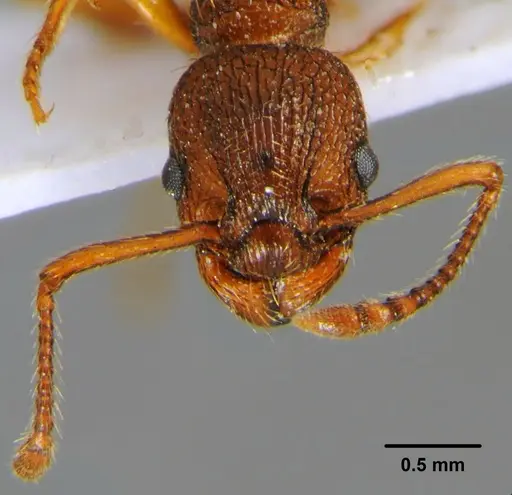
Myrmica hellenica is an ant species of the genus Myrmica. It is primarily documented in 10 countries , including Azerbaijan, Bulgaria, Georgia. Detailed taxonomic data and occurrence records can be further explored via authoritative databases such as AntWeb or the Global Biodiversity Information Facility (GBIF).
Myrmica hellenica
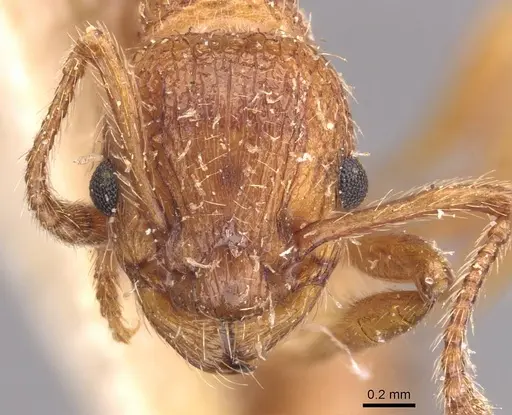
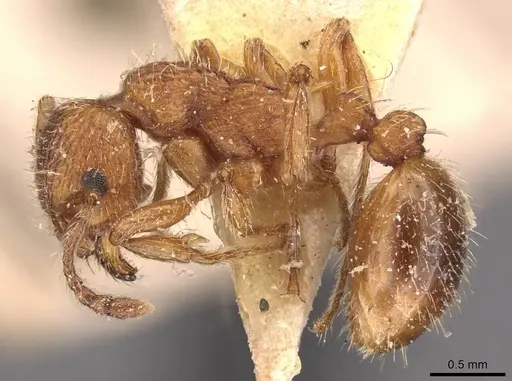
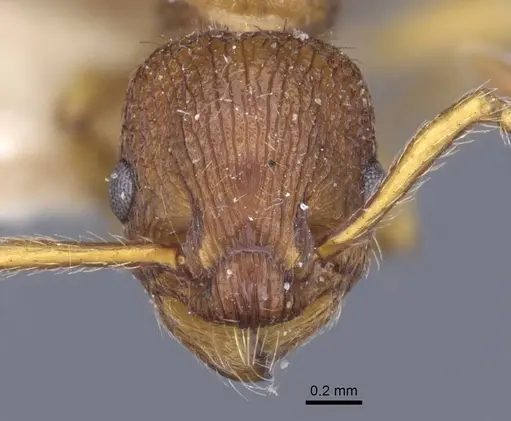
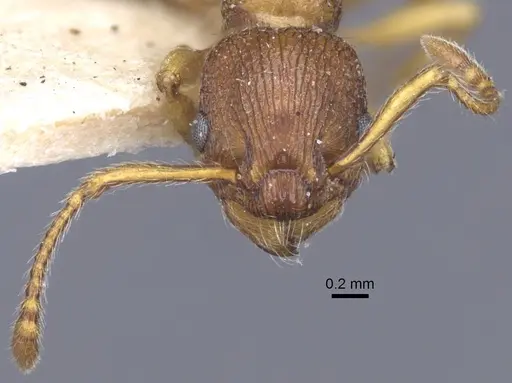
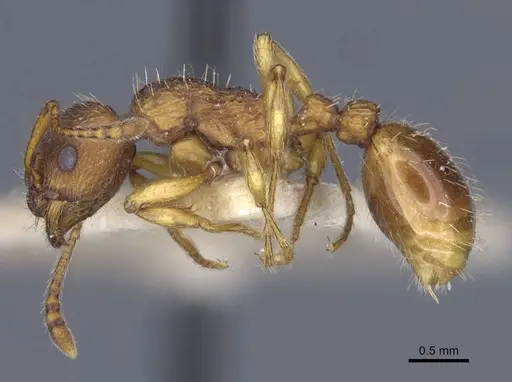
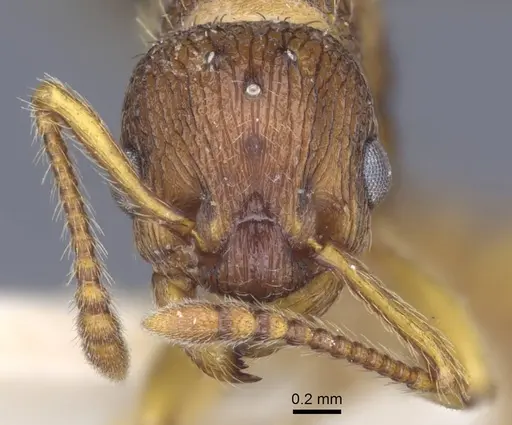
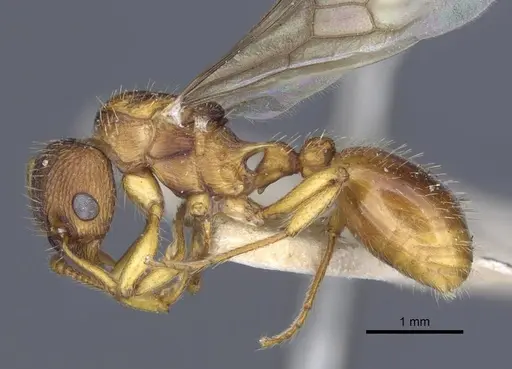
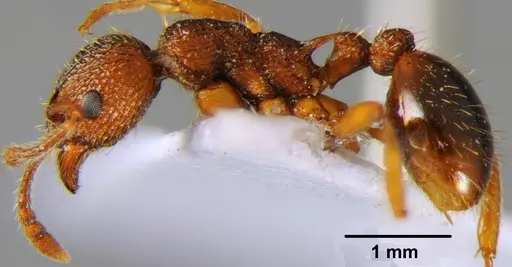
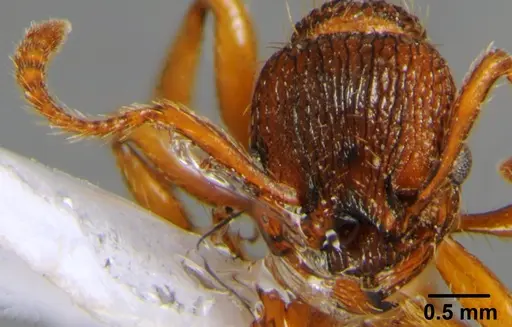
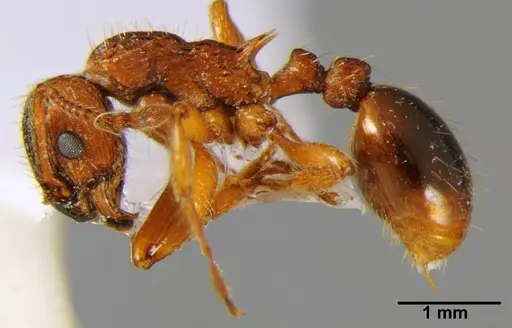
Myrmica hellenica is a small to medium-sized Myrmica ant native to the Mediterranean and eastern Europe. Workers measure around 4-5mm and have the characteristic reddish-brown coloration typical of the genus, with a distinctly angled scape at the base. This species belongs to the rugulosa complex within the Myrmica scabrinodis species group, making it closely related to M. specioides and M. constricta. Queens are notably larger than the related M. constricta, with head width exceeding 1mm [1].
What makes M. hellenica special is its remarkable ecological flexibility. It thrives across a huge temperature range from 7°C to 24°C, allowing it to inhabit everything from riverbanks in lowland areas to mountain meadows up to 2300m elevation. It dominates the Myrmica fauna along the Caucasian Black Sea coast below 600m, and researchers believe it evolved from M. constricta to exploit southern mountain habitats with short growing seasons. The species is a known host for the endangered Phengaris (Maculinea) arion butterfly, though it's not their primary host [2].
Quick Summary
- Difficulty: Medium
- Origin & Habitat: Native to the Palaearctic region, found across southern and central Europe from Greece and Italy north to Poland and Finland, east to the Caucasus, Turkey, and Iran [3][4]. Inhabits xerothermal habitats with sandy soils and sparse vegetation, particularly river terraces, banks of stagnant waters, and exposed sunny slopes [5][6]. A pioneer species that colonizes dynamic riverbanks and gravel bars, often under stones [6][1].
- Colony Type: Oligogynous colonies with typically 2-5 queens working together, though some colonies can have more [6][5]. Colonies contain several hundred workers, occasionally reaching 1500-1600 individuals [6][7].
- Colony: Optionally polygyne, Oligogyne
- Founding: Claustral
- Size & Growth:
- Queen: 1mm [1]. Estimated 5-6mm total length based on genus patterns.
- Worker: Workers measure approximately 4-5mm [8]. Mean CS (centroid size) 1.047mm in studied populations [1].
- Colony: Colonies reach several hundred workers, with maximum documented around 1500-1600 workers [6][7].
- Growth: Moderate, based on related Myrmica species and their cool-spring adaptation, development likely takes 6-10 weeks from egg to worker at optimal temperature.
- Development: 6-10 weeks estimated based on typical Myrmica scabrinodis-group development patterns. (The species has a high metabolism similar to northern Myrmica species, enabling it to rear brood in cool spring conditions when insect prey is abundant [1].)
- Antkeeping:
- Temperature: Keep nest area around 20-24°C as a baseline, matching their documented range of 7-24°C seasonal variation. They tolerate cooler conditions better than most Myrmica, aim for roughly 20-22°C with a gentle gradient. A heating cable on one side of the nest can help maintain warmth during cooler months [1] [8].
- Humidity: Moderate humidity needs. In the wild, they inhabit areas where soil remains moist below the surface even when the top appears dry [6]. Keep substrate consistently damp but not waterlogged. Provide a moisture gradient so ants can choose their preferred zone.
- Diapause: Yes, these ants require a winter rest period. In their native range, they experience cold winters at high elevations. Provide 2-3 months of hibernation at 5-10°C during winter months [8].
- Nesting: Soil-nesting species that does well in naturalistic setups with sandy substrate or test tube setups with sand chambers. Accepts nests under stones in naturalistic terrariums. Y-tong or plaster nests work well if provided with appropriately moist substrate. They prefer tight chambers scaled to their size [6][1].
- Behavior: Generally non-aggressive but will defend nests if threatened. Workers are active foragers that search for prey and honeydew. As a small Myrmica species, they have a functional stinger but rarely pose any danger to humans. They are escape risks due to their small size, use fine mesh and tight-fitting lids. Workers are moderately active and will readily forage in the outworld. They show typical Myrmica recruitment behavior when food is found [8].
- Common Issues: colonies often fail during hibernation if substrate becomes too wet or temperatures fluctuate dramatically, their small size means escape prevention must be excellent, use fine mesh barriers, slow initial growth can frustrate beginners, founding colonies may take months before first workers appear, wild-caught colonies may have parasites that kill them in captivity, they need space to forage, cramped setups lead to colony decline
Nest Preferences and Housing
Myrmica hellenica is a soil-nesting species that naturally builds nests in sandy or gravelly substrates, often under stones or among grass roots [5][6]. In captivity, they do well in several setups. A naturalistic terrarium with a sandy soil mix allows them to excavate chambers, while test tubes with sand chambers provide a simpler option. If using formicariums, choose Y-tong or plaster nests with chambers scaled to their small size. The key is providing substrate that holds moisture without becoming waterlogged, they prefer conditions where deeper soil layers remain moist even when the surface appears dry [6].
These ants are pioneer species that colonize dynamic habitats, so they don't need elaborate decorations. However, they do appreciate some vertical space and a foraging area. A shallow outworld connected to the nest works well. Avoid overly tall chambers that could make them feel exposed, they prefer snug, tight spaces. Temperature gradients help them regulate their brood development, so placing the nest on one end of a heating setup creates natural zones [1].
Feeding and Diet
Like other Myrmica species, M. hellenica is omnivorous with a preference for protein. In the wild, they forage for small insects and other arthropods, taking advantage of the abundant spring prey when other ant species are still inactive due to cool temperatures [1]. They also collect honeydew from aphids and may attend aphid colonies for this sweet secretion.
In captivity, offer protein sources like fruit flies, small crickets, mealworms, and other appropriately-sized insects twice weekly. Sugar water, honey, or commercial ant jelly can be provided as carbohydrate sources, though protein should form the bulk of their diet. Remove uneaten prey after 24-48 hours to prevent mold. During founding, queens survive on stored fat reserves, do not feed founding queens as they will not leave the nest to forage [8].
Temperature and Seasonal Care
One of the most interesting aspects of M. hellenica is their remarkable temperature tolerance. Research shows they experience air temperatures ranging from 7°C in May to 24°C in August across their range, with a mean summer temperature of 17.7°C ± 4.0°C [1]. This flexibility means they handle cooler conditions better than many other Myrmica species.
For captive care, aim for 20-24°C in the nest area during the active season. They can tolerate brief temperature drops without issue. During winter, provide a proper diapause (hibernation) period of 2-3 months at 5-10°C. This mimics their natural cycle and is essential for colony health. In spring, they become active early, this matches their natural behavior where they exploit cool conditions when other ant species are still dormant [1]. A small heating cable on one side of the nest creates a gradient that helps with temperature regulation.
Colony Structure and Founding
M. hellenica forms oligogynous colonies, meaning they typically have a few queens (2-5) working together, though some sources note colonies can have several queens [6][5]. This is different from monogyne (single queen) species and different from highly polygynous species with many queens.
During founding, a claustral queen seals herself in a small chamber and raises the first brood alone, surviving entirely on her stored fat reserves. This takes 6-10 weeks depending on temperature. The first workers (nanitics) are smaller than mature workers. After the nanitics emerge, the queen resumes egg-laying and the colony grows. Multiple founding queens may establish colonies together in the wild (pleometrosis), though this is less common in captivity.
Colonies grow to several hundred workers, with maximum documented sizes around 1500-1600 individuals [6][7]. Growth rate is moderate, expect the first year to focus on establishing the colony, with significant growth in years two and three.
Behavior and Temperament
These ants are generally calm and not particularly aggressive, though they will defend their nest if threatened. Workers are active foragers that search the outworld for food. They show typical Myrmica recruitment behavior, when a worker finds a good food source, it returns to the nest and leads nestmates to the location.
Their small size (4-5mm workers) means they can escape through tiny gaps. Excellent escape prevention is essential, use tight-fitting lids, fluon barriers, and fine mesh on any ventilation. They are not dangerous to humans and rarely sting. If they do sting, it feels like a mild pinprick.
In the wild, they are known for their ability to survive flooding by digging out nest entrances through sand layers up to one meter deep [9]. This resilience is an interesting trait, though it doesn't directly affect captive care. They are also known to host the parasitic butterfly Phengaris arion in eastern Poland, though this is rare and not a concern for keepers [2][10].
Overwintering and Diapause
M. hellenica requires a winter rest period (diapause) to remain healthy. In their native range, they experience cold winters, especially at higher elevations where they are found up to 2300m [1]. Provide 2-3 months of hibernation annually, typically from late October through March in the Northern Hemisphere.
During diapause, reduce temperature to 5-10°C. A refrigerator, unheated garage, or basement can work. Keep the colony slightly moist during this period, do not let the substrate dry out completely, but avoid the damp conditions they have during summer. Do not feed during hibernation. When you bring them out in spring, gradually warm them back to room temperature over a week or two before offering food.
This hibernation is not optional, without it, colonies become stressed, produce fewer eggs, and may decline over time. The cool spring conditions are actually when they are most active in the wild, taking advantage of abundant insect prey before other ant species become active [1].
Frequently Asked Questions
Can I keep Myrmica hellenica in a test tube?
Yes, test tubes work well for founding colonies and small established colonies. Use a test tube with a sand chamber filled with moist sand/soil mix, as this soil-nesting species prefers to excavate their own chambers. Make sure to use excellent escape prevention, their small size means they can squeeze through tiny gaps.
When should I move my M. hellenica colony to a formicarium?
Move them when the colony reaches around 50-100 workers and the test tube setup becomes cramped. These ants do well in Y-tong nests, plaster nests with sand chambers, or naturalistic setups with soil substrate. They prefer tight chambers scaled to their small size.
How long does it take for M. hellenica to produce first workers?
From founding (queen sealed in), expect 6-10 weeks until first workers (nanitics) emerge. This timeline depends on temperature, warmer conditions within their tolerance range speed development slightly. The queen will not leave to forage during founding, so she relies entirely on stored fat reserves.
Can I keep multiple queens together?
Yes, this is natural for the species, M. hellenica is oligogynous, meaning colonies typically have 2-5 queens working together. However, if combining unrelated foundresses, introduce them carefully and monitor for aggression. Some keepers report success keeping multiple founding queens together, while others prefer single-queen setups for simplicity.
How big do M. hellenica colonies get?
Colonies reach several hundred workers, with maximum documented around 1500-1600 workers in the wild [6][7]. In captivity, expect moderate growth over 2-3 years to reach several hundred workers with proper care.
Do M. hellenica ants sting?
Yes, they have a stinger, but they rarely use it and the sting is mild, feels like a small pinprick to humans. They are not considered dangerous. Their small size also means the sting barely penetrates human skin.
What temperature do M. hellenica need?
Keep nest area around 20-24°C during the active season. They tolerate a wide range (7-24°C in the wild) and handle cooler conditions better than most Myrmica. A gentle temperature gradient allows them to regulate brood development. They also require 2-3 months of winter hibernation at 5-10°C [1].
Are M. hellenica good for beginners?
They are rated as medium difficulty. They are more forgiving of temperature variations than some Myrmica, but their small size requires good escape prevention. The main challenge is their slower initial growth and the need for proper hibernation. Beginners should research their specific needs before purchasing.
Do M. hellenica need hibernation?
Yes, they require an annual diapause period of 2-3 months during winter. This is essential for colony health, without it, colonies become stressed and may decline. Provide temperatures of 5-10°C from late October through March.
Why are my M. hellenica dying?
Common causes include: improper hibernation (too warm, too wet, or no diapause), escape through tiny gaps, mold from overwatering or uneaten food, and stress from disturbance during founding. Check that escape prevention is excellent, temperatures are appropriate, and remove uneaten prey promptly.
What do M. hellenica eat?
They are omnivorous but prefer protein. Offer small insects like fruit flies, pinhead crickets, or mealworms twice weekly. They also accept sugar sources like honey water or ant jelly. Remove uneaten prey after 24-48 hours. Do not feed founding queens, they survive on stored fat reserves.
References

This caresheet is licensed under CC BY-SA 4.0 .
CASENT0907653
View on AntWeb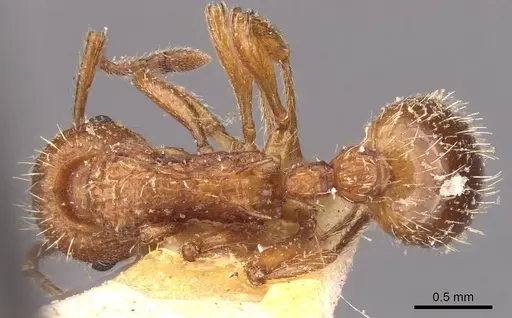
CASENT0916891
View on AntWeb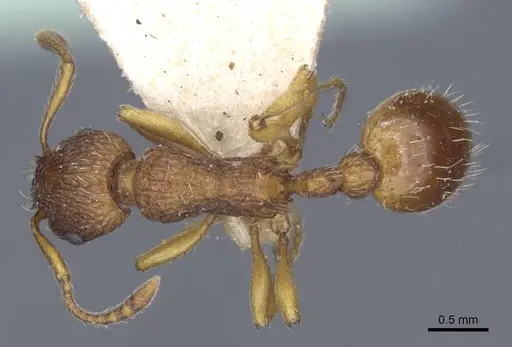
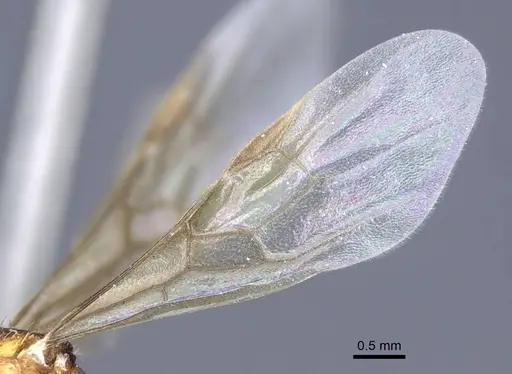
CASENT0916892
View on AntWeb
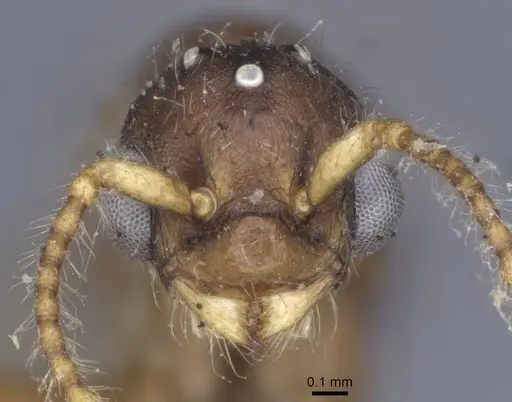
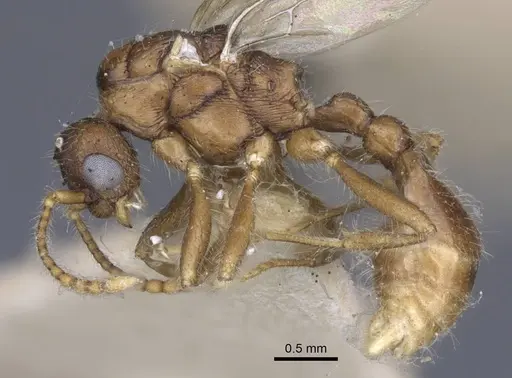
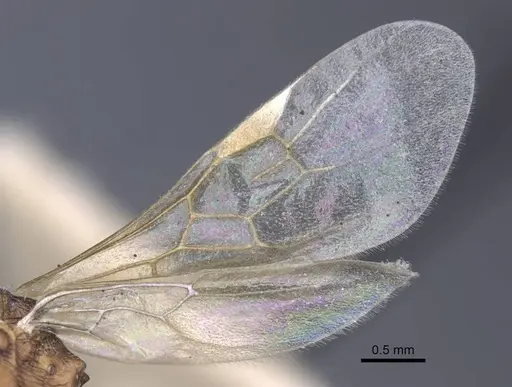
CASENT0916893
View on AntWeb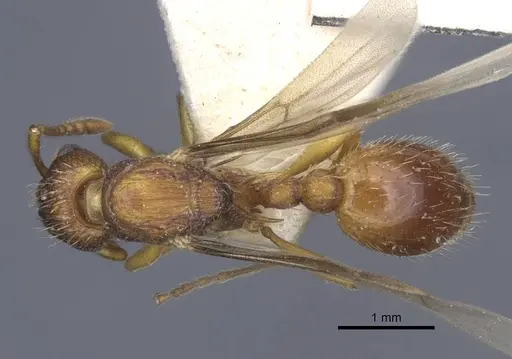
CASENT0922792
View on AntWeb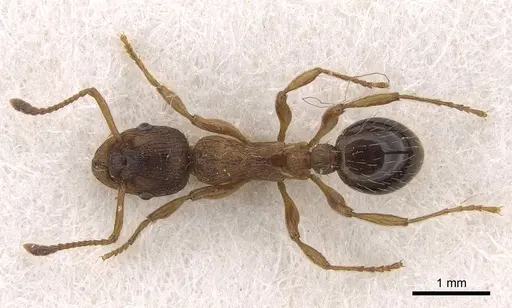
CFH000022
View on AntWeb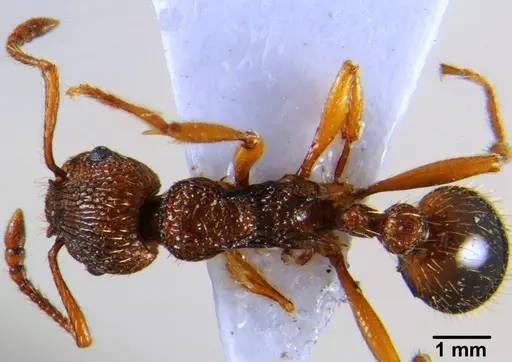
CSH000040
View on AntWeb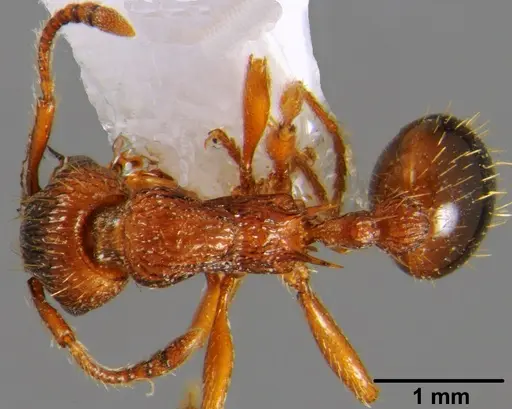
Literature
Loading...Loading products...