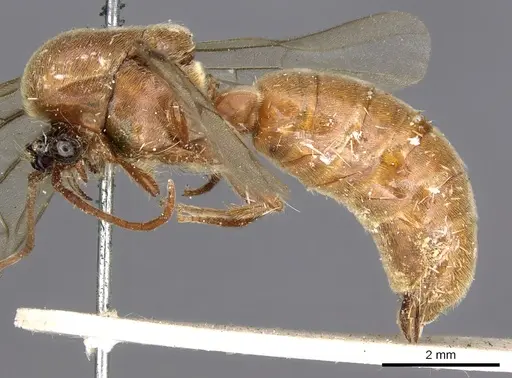
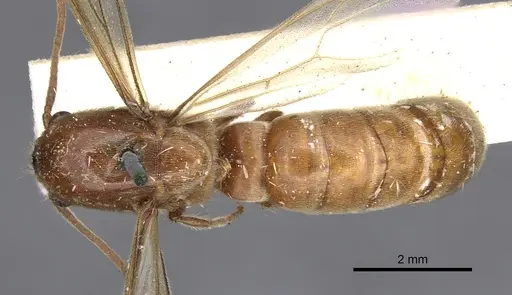
Neivamyrmex shuckardi - "Shuckard's Army Ant"
Thinking about diving into the fascinating world of Neivamyrmex shuckardi? Get ready for an adventure! This incredible army ant species, part of the Dorylinae subfamily, defies typical antkeeping norms. Unlike your average ant colony that settles down, Neivamyrmex shuckardi embraces a nomadic existence, never building a permanent nest. Instead, they form living bivouacs, a remarkable feat where the entire colony, queen and all, constructs a temporary shelter out of their own bodies. Their workers, often blind, are precision hunters, specializing in raiding the nests of other ant species to consume their precious brood – the larvae and pupae. While they often operate beneath the surface, these legionary ants will occasionally send out their foraging trails above ground, particularly when the sun isn't blazing. With their distinctive ergatoid (wingless) queens, new Neivamyrmex shuckardi colonies aren't founded by lone alates; they're established through a unique process of colony fission, where a queen sets off with a significant portion of her loyal worker force.
- Difficulty: Expert
- Origin & Habitat: Neotropical Region (Argentina, Bolivia, Brazil, Paraguay) in Subterranean, likely preferring environments such as grasslands and forests, adapting to various soil types for bivouac formation..
- Colony Type: Monogyne (typically, though some Neivamyrmex species can be polygynous), dependent founding (colony fission - queen leaves with workers) founding.
- Size & Growth:
- Queen: 8-15mm
- Worker: 3-6mm
- Colony: Large (tens of thousands to over a hundred thousand workers). Fast growth.
- Antkeeping:
- Temperature: Maintain a warm environment, ideally between 24-28°C (75-82°F). Consistent temperature is crucial for their nomadic cycles and brood development..
- Humidity: High humidity, around 70-90%, is essential, particularly within their bivouac area to prevent desiccation of brood and workers. A high ambient humidity in the enclosure is also beneficial..
- Diapause: Not required. Not specified at Not specified.
- Nesting: As nomadic army ants, they do not inhabit static nests. They require a dynamic setup that allows for regular movement and bivouac formation. This usually involves a large, escape-proof container (outworld) with a substrate they can dig into, along with areas for bivouacking. Regular 'emigrations' will need to be facilitated..
- Behavior: High (towards other ants as prey), Low (towards handler if unprovoked) aggressiveness.
- Common Issues: Inability to provide consistent live ant brood, Maintaining required humidity and preventing mold in a dynamic setup, Managing nomadic behavior and providing adequate space for migrations, Colony stalling or dying due to improper nutrition or environmental conditions, High risk of escape due to their migratory nature and large colony size.
Delving into the world of Neivamyrmex shuckardi for your antkeeping setup is an ambition reserved strictly for seasoned experts. These aren't your typical sedentary ants! Their highly specialized nomadic lifestyle means they're constantly on the move, establishing new bivouacs, or living nests made of their own bodies, every few days or weeks. Replicating this dynamic behavior in a captive ant setup demands an expansive, meticulously secured outworld. This isn't just about providing space; it's about enabling their natural migration patterns and the establishment of these temporary, living formicariums, which are absolutely crucial for their foraging strategies and the proper development of their precious brood. A static nest, no matter how large, simply won't cut it for these incredible ants.
One of the most daunting aspects of Neivamyrmex shuckardi ant care is their incredibly specialized diet. These are obligate predators, meaning they must feed almost entirely on the larvae and pupae (brood) of other ant species. This isn't a suggestion; it's a requirement. To meet this demand, you'll need to maintain multiple healthy feeder colonies of easily reproducible ant species, ensuring a continuous supply of fresh ant brood. Failing to provide this specific nutrition will inevitably lead to a rapid decline and collapse of your Neivamyrmex colony. While small supplemental insects might be accepted, the core of their diet must remain ant brood. This additional responsibility of managing feeder colonies significantly elevates the complexity of keeping these fascinating army ants.
Maintaining precise humidity and substrate conditions is paramount for these subterranean specialists. Their living bivouacs, being made of biological material, are highly susceptible to desiccation. Consistently high humidity, ideally between 70-90%, within their bivouac area is critical for the survival of both workers and brood. A deep, moist substrate, such as a mix of loam, sand, and fine gravel, provides the perfect medium for them to dig their temporary chambers and regulate moisture. However, achieving this high humidity without encouraging mold growth in a large, dynamic enclosure is a delicate balancing act. Strategically placed hydration points and excellent overall ventilation in your ant setup are essential to prevent stagnant, mold-prone conditions while still providing the localized moisture they crave.
To truly succeed with Neivamyrmex shuckardi, an antkeeper must grasp their unique life cycles, particularly the alternation between nomadic and statary phases. During the nomadic phase, the colony is actively foraging and migrating, driven by the need for more prey and new bivouac locations. The statary phase, on the other hand, is a period of relative dormancy where the queen focuses on egg-laying and the entire brood develops within a stationary bivouac. While precise timings for Neivamyrmex shuckardi are still largely undocumented in detail, observations of related Neivamyrmex species suggest cycles of approximately 16 days nomadic activity followed by 20 days of statary rest. Understanding and accommodating these natural rhythms in your ant colony's care, such as timing prey introduction to coincide with their active foraging, is key to fostering a thriving army ant setup.
Finally, escape prevention is not just a recommendation; it's an absolute imperative when housing Neivamyrmex shuckardi. Given their large colony sizes, their blind yet highly efficient mobility, and their predatory nature, an escaped colony poses a significant risk. They can be incredibly difficult to contain if not adequately secured, potentially establishing themselves in unwanted areas or preying on other beloved ant colonies you might keep. Your ant enclosure design must incorporate multiple, robust layers of security: think tightly fitting lids, specialized anti-climb barriers like Fluon or talc, and even fine mesh screens to prevent even the smallest workers from squeezing through. Over-engineering your containment is the only safe approach for these masters of escape.