

Myrmelachista nigella
- Scientific Name
- Myrmelachista nigella
- Tribe
- Myrmelachistini
- Subfamily
- Formicinae
- Author
- Roger, 1863
- Distribution
- Found in 2 countries
Myrmelachista nigella Overview
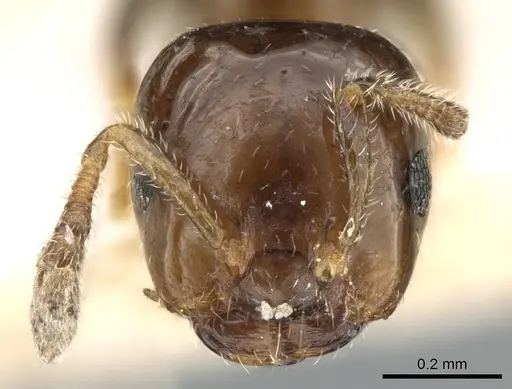
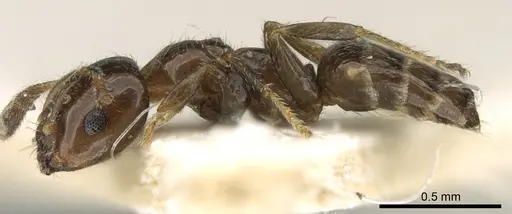
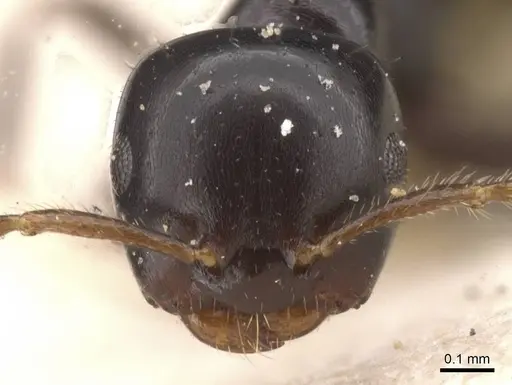
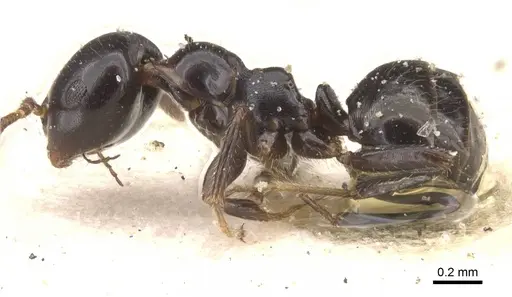
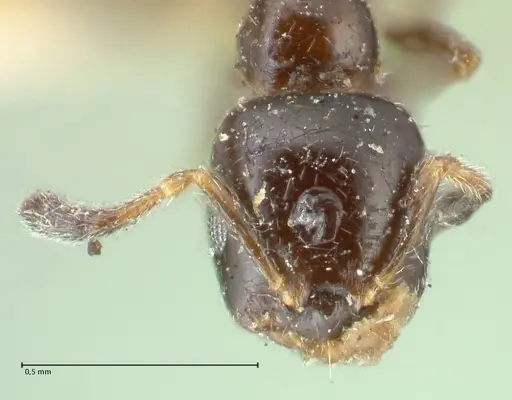
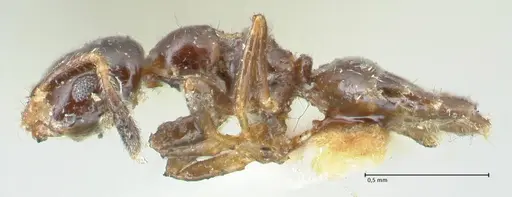
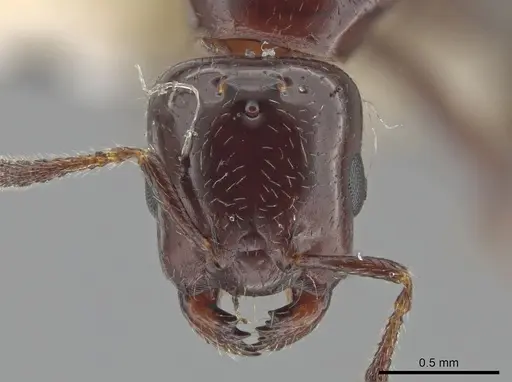
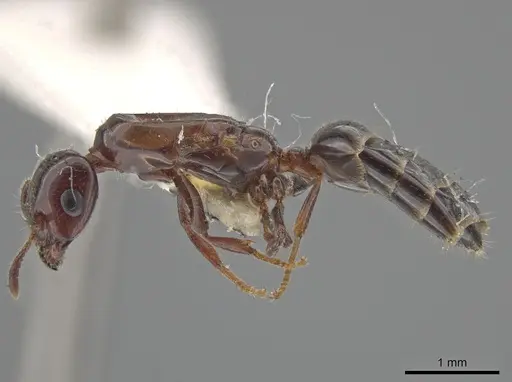
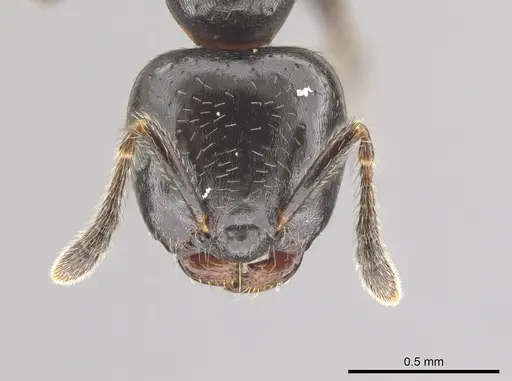
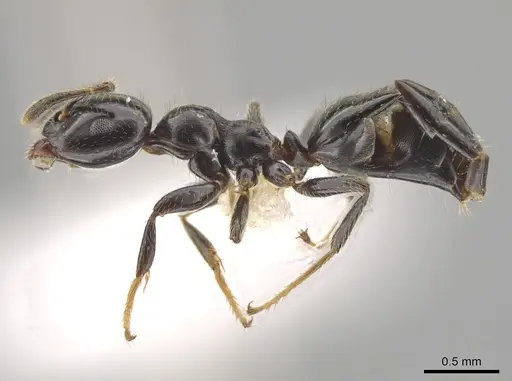
Myrmelachista nigella is an ant species of the genus Myrmelachista. It is primarily documented in 2 countries , including Colombia, Venezuela, Bolivarian Republic of. Detailed taxonomic data and occurrence records can be further explored via authoritative databases such as AntWeb or the Global Biodiversity Information Facility (GBIF).
Myrmelachista nigella
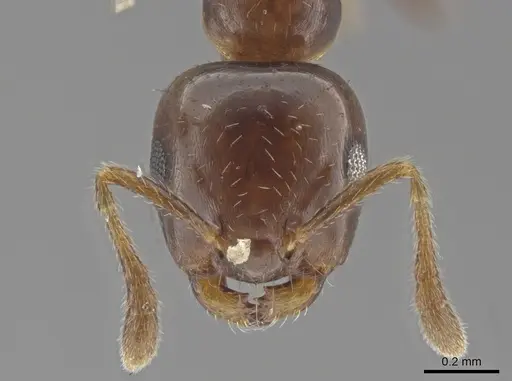
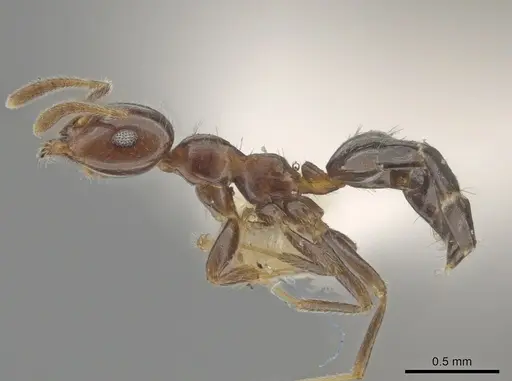
Myrmelachista nigella is a small Neotropical ant species native to Brazil and Venezuela [1]. Workers are tiny and inconspicuous, which is why researchers classify them as a 'cryptic species', they blend into their environment and are easily overlooked [2]. The genus Myrmelachista belongs to the Formicinae subfamily, meaning they lack a sting but can spray formic acid as a defense. This species remains poorly documented in scientific literature, with much of its biology unknown to researchers.
Quick Summary
- Difficulty: Unknown, insufficient data for difficulty rating
- Origin & Habitat: Brazil and Venezuela, Neotropical region [1]. Also recorded in Misiones province, Argentina [2]. Natural habitat details are unconfirmed.
- Colony Type: Unconfirmed, colony structure has not been studied
- Size & Growth:
- Queen: Unconfirmed, original description exists but measurements not digitized [1]
- Worker: Unconfirmed, worker described but measurements not available [1]
- Colony: Unknown, no colony size data available
- Growth: Unknown
- Development: Unknown, no development data available for this species (No direct measurements exist. Related Myrmelachista species suggest 4-8 weeks at tropical temperatures, but this is a rough estimate.)
- Antkeeping:
- Temperature: Likely 22-28°C based on Neotropical distribution, start in this range and observe colony activity
- Humidity: Likely 60-80% humidity, aim for damp but not waterlogged substrate, similar to other Neotropical forest ants
- Diapause: Unlikely, Neotropical species typically remain active year-round, though they may reduce activity in cooler months
- Nesting: Likely prefers moist nesting sites like rotting wood, dead twigs, or leaf litter, a naturalistic setup with damp substrate works well
- Behavior: Behavior is unstudied. Based on genus patterns, they are likely docile and non-aggressive. Their small size means escape prevention is important, use fine mesh and tight-fitting lids. Formicinae ants may spray formic acid when threatened.
- Common Issues: lack of documented care information makes proper husbandry challenging, escape prevention is critical due to their tiny size, humidity control may be difficult without knowing exact requirements, no data on acceptable prey items or feeding schedules, wild-caught colonies may have unknown parasites or diseases
Species Overview
Myrmelachista nigella is a small ant species described by Roger in 1863 from Venezuela [1]. It belongs to the tribe Myrmelachistini within the Formicinae subfamily. The species is found across the Neotropical region including Brazil, Venezuela, and has been recorded as far south as Misiones province in Argentina [2]. This ant is classified as a 'cryptic species, ' meaning it is small, inconspicuous, and difficult to distinguish from related species in the field [2]. The original description covers both workers and queens, but detailed measurements and biological observations have not been digitized from the historical literature.
Nest Preferences
The natural nesting habits of Myrmelachista nigella have not been documented in scientific literature. Based on typical Myrmelachista genus behavior, they likely nest in moist microhabitats such as rotting wood, dead twigs, or leaf litter in forest environments. For captive care, a naturalistic setup with damp substrate (like a mix of soil and organic material) would be a reasonable starting point. Test tubes with water reservoirs can work, but monitor for mold issues. Given their likely small size, ensure any nesting setup provides appropriately scaled chambers and passages.
Feeding and Diet
Dietary requirements are unconfirmed for this species. As with most Formicinae ants, they likely consume honeydew from aphids and scale insects, plus small arthropods for protein. In captivity, you can offer sugar water or honey as a carbohydrate source, along with small live prey like fruit flies, pinhead crickets, or other appropriately sized insects. Start with small prey items and observe acceptance. Since this is a poorly studied species, experimental feeding to determine preferences is reasonable.
Temperature and Care
Given their Neotropical distribution spanning Brazil and Venezuela, Myrmelachista nigella likely thrives in warm, humid conditions. Aim for temperatures in the 22-28°C range initially and observe colony behavior. If workers are active and foraging, the temperature is likely suitable. If they seem sluggish or cluster together, consider slightly increasing heat. A heating cable on one side of the nest can create a temperature gradient, allowing ants to self-regulate. Humidity should be moderate to high, keep substrate damp but not waterlogged.
Behavior and Temperament
Specific behavioral observations are unavailable for this species. However, Myrmelachista species are generally known to be docile and non-aggressive. As Formicinae ants, they lack a sting but can spray formic acid as a defensive mechanism. Their tiny size means they pose minimal threat to keepers. Escape prevention is important due to their small stature, use fine mesh barriers and ensure all openings are sealed. These ants are likely cryptic in behavior, preferring to stay hidden within their nest rather than foraging openly.
Frequently Asked Questions
How do I care for Myrmelachista nigella ants?
Care information is largely unconfirmed for this species. Based on Neotropical ant patterns, provide temperatures around 22-28°C, humidity of 60-80%, and offer sugar water plus small live prey. This is an experimental species for advanced antkeepers comfortable with adapting care based on colony observation.
What do Myrmelachista nigella eat?
Unconfirmed, but likely honeydew and small arthropods like most Formicinae. Offer sugar water or honey and small live prey such as fruit flies or pinhead crickets. Observe what the colony accepts.
How big do Myrmelachista nigella colonies get?
Colony size is unknown, no scientific data exists on maximum colony sizes for this species.
What temperature do Myrmelachista nigella need?
Likely 22-28°C based on their Neotropical distribution. Start in this range and adjust based on colony activity.
Do Myrmelachista nigella need hibernation?
Unlikely, Neotropical species typically do not require hibernation. They may reduce activity in cooler months but a true diapause is probably not necessary.
How long does it take for Myrmelachista nigella to develop from egg to worker?
Unknown, no development data exists for this species. Related Myrmelachista species may take 4-8 weeks, but this is a rough estimate.
Is Myrmelachista nigella good for beginners?
No, this species lacks documented care information, making it unsuitable for beginners. Choose a better-studied species like Lasius niger or Camponotus for your first colony.
Can I keep multiple Myrmelachista nigella queens together?
Unknown, colony structure has not been studied. Do not attempt combining unrelated queens without evidence they accept pleometrosis.
Where is Myrmelachista nigella found?
Brazil, Venezuela, and northern Argentina (Misiones province). This is a Neotropical species.
References

This caresheet is licensed under CC BY-SA 4.0 .
CASENT0652295
View on AntWeb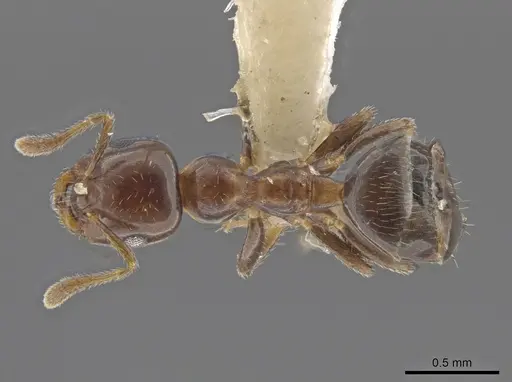
CASENT0906244
View on AntWeb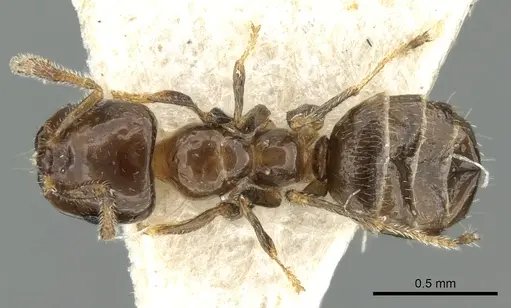
CASENT0912342
View on AntWeb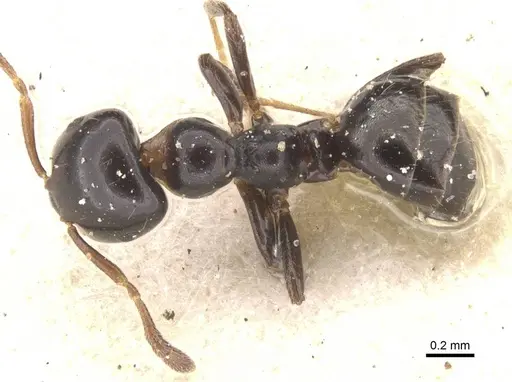
FOCOL2233
View on AntWeb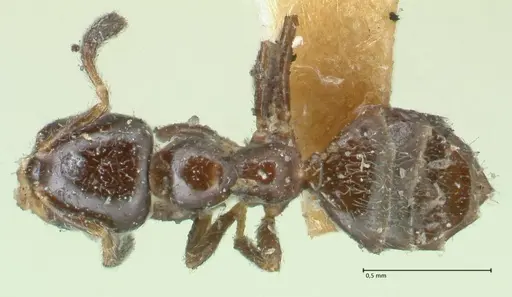
JTLC000002851
View on AntWeb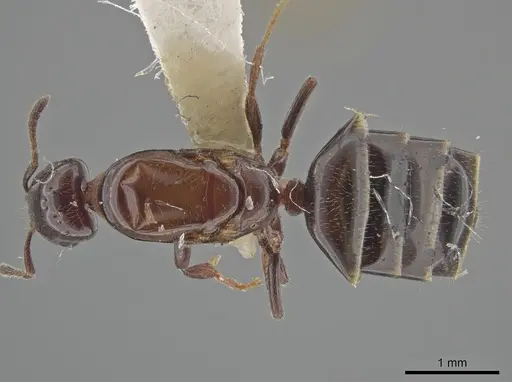
JTLC000015126
View on AntWeb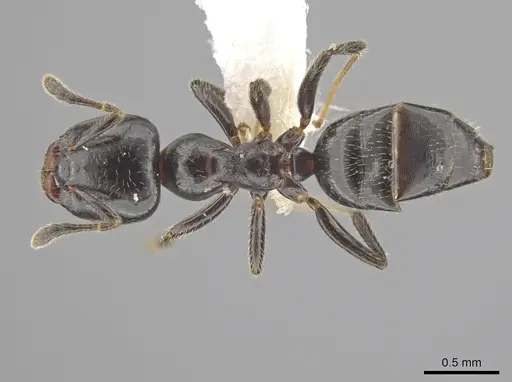
Literature
Loading...Loading products...