Neivamyrmex punctaticeps - "Punctate Army Ant"
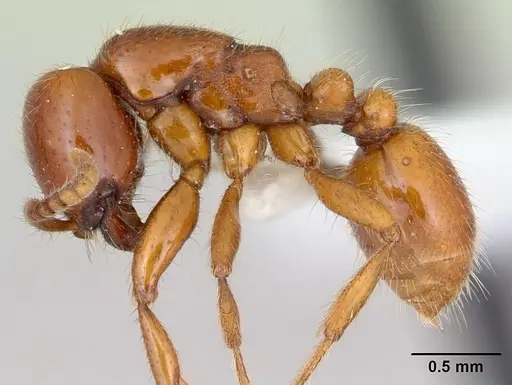
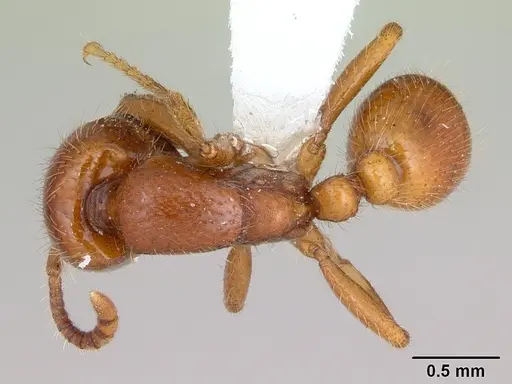
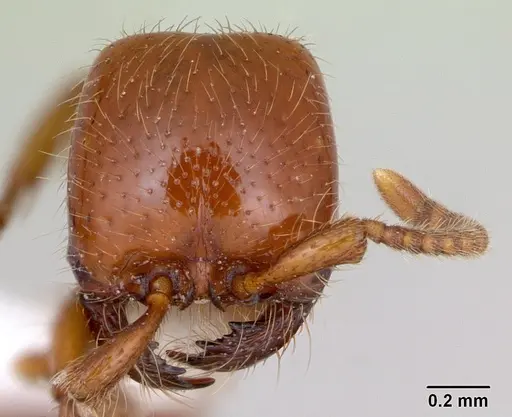
Neivamyrmex punctaticeps is a fascinating army ant species hailing from the Neotropics. These ants are primarily recognized by their robust worker caste, featuring distinct punctate (pitted) sculpturing on their heads and thoraxes, alongside their characteristic toothed mandibles. Unlike many common ant species, Neivamyrmex punctaticeps do not construct permanent nests. Instead, their colonies are nomadic, constantly on the move, establishing temporary bivouacs underground or within existing structures like rotten logs. Their eyes are extremely small and often indistinct, reflecting their predominantly subterranean and nocturnal foraging habits.
- Difficulty: Expert
- Origin & Habitat: Mainland Neotropics (Mexico to Argentina), with a widespread presence in Central America, including Costa Rica, and extending into the Southern United States. in Diverse environments, ranging from cloud forests to open ground, often found within rotten logs, under stones, or in soil-covered galleries. They are predominantly subterranean..
- Colony Type: Monogyne (typically, though some Neivamyrmex species have been observed to be polygynous), budding/fission (queens establish new colonies by migrating with a portion of the existing worker force and brood, rather than founding solitarily) founding.
- Size & Growth:
- Queen: Not specified
- Worker: 1.7-5.0mm
- Colony: Large (tens of thousands to over a hundred thousand workers). Medium to Fast (once the colony is well-established and raiding efficiently) growth.
- Antkeeping:
- Temperature: Maintain a warm environment, ideally between 24-28°C (75-82°F). Consistent temperatures are crucial for their activity and brood development..
- Humidity: High humidity is essential, typically ranging from 70-90%. Their subterranean bivouacs naturally provide moist conditions..
- Diapause: Not required. Not specified at Not specified.
- Nesting: These ants are highly specialized and do not use traditional formicaria. They require a setup that mimics their nomadic bivouac lifestyle, often involving deep, moist substrate (like a soil or sand-loam mix) in an escape-proof container that allows them to move and establish temporary nesting chambers. A large outworld for foraging is also necessary..
- Behavior: High (towards prey and any perceived threats, they are army ants known for their formidable foraging raids) aggressiveness.
- Common Issues: Maintaining nomadic conditions in captivity, Sourcing specialized live food (other ant brood), Preventing escapes due to their nomadic nature and strong foraging drive, Colony stalling or collapse if specific environmental and dietary needs are not met, Humidity fluctuations in artificial setups, Difficult to observe internal colony dynamics due to their cryptic nature.
Keeping Neivamyrmex punctaticeps is a true endeavor for the dedicated ant enthusiast. Unlike most ants that settle into a permanent home, these army ants are constantly on the move, establishing temporary bivouacs as they forage for food. Replicating this nomadic behavior in captivity requires a highly dynamic setup, often involving large, interconnected containers that allow the colony to 'migrate' as they would in nature. This unique colony cycle means you won't be observing them in a static nest but rather as a living, shifting mass of ants.
A significant challenge for anyone considering this species is their highly specialized diet. Neivamyrmex punctaticeps are fierce predators, primarily feeding on the brood (larvae and pupae) of other ant species and occasionally termites. Providing a consistent and sufficient supply of live ant brood, particularly from pest species like fire ants or Pheidole, is paramount to their survival and growth. This isn't a species that will thrive on sugar water and common feeder insects alone; their nutritional needs are very specific.
Due to their largely subterranean and nocturnal nature, these army ants are rarely observed even in their natural habitats. This cryptic lifestyle translates into antkeeping, meaning direct observation within their bivouac can be limited. While you'll see their impressive foraging columns in the outworld, much of their 'nest life' happens out of sight. It's a testament to their unique adaptations, but also a point to consider if you're looking for a species with constant, visible nest activity.
Another notable point for this species is the difficulty in their precise identification. Even for experienced myrmecologists, Neivamyrmex punctaticeps can be challenging to distinguish from closely related species, often described as a 'generalized Neivamyrmex' without highly distinctive features. This means ensuring you have the correct species can sometimes require expert verification, especially given that many Neivamyrmex species are only known from male specimens or have very similar worker morphologies.
Frequently Asked Questions
What kind of enclosure is best for keeping Neivamyrmex punctaticeps?
Forget your standard acrylic or Ytong formicarium for these guys! Neivamyrmex punctaticeps are nomadic army ants, so they don't have permanent nests. You'll need a specialized setup that allows them to form temporary bivouacs in deep, moist substrate, like a soil-filled bin. Crucially, this setup needs to be interconnected, letting them 'emigrate' from one section to another as they would in their natural, ever-shifting habitat. Think dynamic, not static, for your army ant enclosure!
What do Punctate Army Ants (Neivamyrmex punctaticeps) eat?
This is where it gets tricky for the average ant keeper. Neivamyrmex punctaticeps are highly specialized predators. Their primary diet consists almost exclusively of the brood – eggs, larvae, and pupae – of other ant species and occasionally termites. Providing a consistent supply of live ant brood, perhaps from feeder colonies of pest ants, is an absolute must for their health and the colony's growth. Sugar water and typical feeder insects aren't enough for these voracious hunters.
Are Neivamyrmex punctaticeps dangerous or aggressive?
As true army ants, Neivamyrmex punctaticeps are indeed aggressive, especially during their formidable foraging raids. While their primary aggression is directed towards their prey (other ant colonies), they can deliver a painful sting if provoked or handled carelessly. It's crucial to exercise caution and use appropriate tools when interacting with their setup to avoid stings. Always remember, a large colony of army ants is a force to be respected.
How do Neivamyrmex punctaticeps colonies start?
Unlike many common queen ants who found colonies solitarily, Neivamyrmex punctaticeps queens don't do the 'claustral' founding thing. Instead, new colonies are formed through a process called budding or fission. This means a portion of the mature colony, including the queen (or a new queen if produced), a significant number of workers, and brood, will split off and migrate to a new location to establish a new colony. It's a fascinating way for an ant empire to expand!
Why are Neivamyrmex punctaticeps rarely observed in the wild?
These army ants lead a very cryptic lifestyle, primarily operating underground or within hidden spaces like rotten logs. They are largely nocturnal, especially when foraging above ground, preferring the cover of darkness or cloudy days. Their nomadic nature also means they don't stay in one place long, making them difficult to track and observe consistently. This secretive behavior is a key adaptation for their predatory lifestyle, allowing them to ambush other ant colonies effectively.
Do Neivamyrmex punctaticeps need a hibernation period (diapause)?
No, Neivamyrmex punctaticeps are a tropical species, native to warmer regions from Mexico down to Argentina. Therefore, they do not require a diapause (hibernation) period like many temperate ant species. Maintaining consistent warm temperatures year-round is important for their continuous activity and brood development.
What is a 'bivouac' in army ant keeping?
In the world of army ants, a 'bivouac' is their temporary living space. Since they don't build permanent nests, a bivouac is essentially a living structure formed by the workers themselves, interlocking their bodies to create chambers for the queen and brood. For keepers, it means providing a substrate or space where they can form these temporary, often subterranean, aggregates, and allowing them to move to new bivouac sites as their nomadic cycle dictates.
What are the biggest challenges of keeping Punctate Army Ants?
The challenges are significant! Top of the list are replicating their nomadic behavior (requiring multiple interconnected setups for migration), consistently providing their specialized live ant brood diet, and preventing escapes – their strong foraging drive means they're always looking for new territory. Maintaining optimal and stable humidity levels in a dynamic setup can also be tricky. These are definitely not a beginner-friendly species.
What size do Neivamyrmex punctaticeps workers get?
Workers of Neivamyrmex punctaticeps exhibit polymorphism, meaning they come in different sizes within the colony. The smaller workers, or minors, can be around 1.7 mm, while the larger, more robust workers, known as majors, can reach up to 5 mm in length. This size variation helps them perform different tasks within the colony, from tending brood to participating in powerful foraging raids.
Can I keep just a queen and start a colony of Neivamyrmex punctaticeps?
Unfortunately, no. Neivamyrmex punctaticeps, like most army ants, cannot be started from a lone queen. Their founding type is 'budding' or 'fission,' meaning a new colony is established when a queen leaves her original colony accompanied by a significant number of workers and brood. A lone queen will not be able to raise her first generation of workers by herself, as is common with claustral species.
How large can a Neivamyrmex punctaticeps colony become?
These are truly impressive colonies! While precise numbers for N. punctaticeps can be elusive due to their cryptic nature, other Neivamyrmex species are known to reach colony sizes ranging from tens of thousands to over a hundred thousand workers. This necessitates very large enclosures in captivity to accommodate their numbers and nomadic movements as the colony expands.
What kind of substrated is preferred for their bivouacs?
For their temporary bivouacs, Neivamyrmex punctaticeps prefer deep, moist substrates. In the wild, they utilize soil-covered galleries, rotten logs, and spaces under stones. In a captive setup, a mix of sand and loam that holds moisture well, or even specialized setups with sections of rotten wood, would be ideal to allow them to create their temporary living spaces.