

Myrmelachista arthuri
- Scientific Name
- Myrmelachista arthuri
- Tribe
- Myrmelachistini
- Subfamily
- Formicinae
- Author
- Forel, 1903
- Distribution
- Found in 1 countries
Myrmelachista arthuri Overview
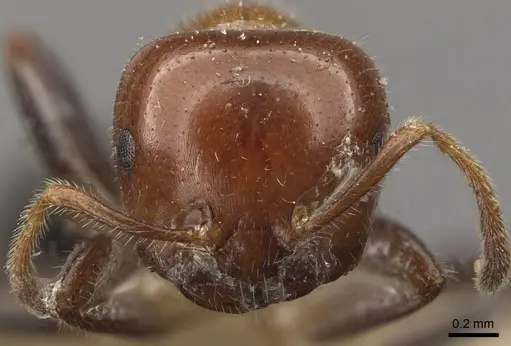
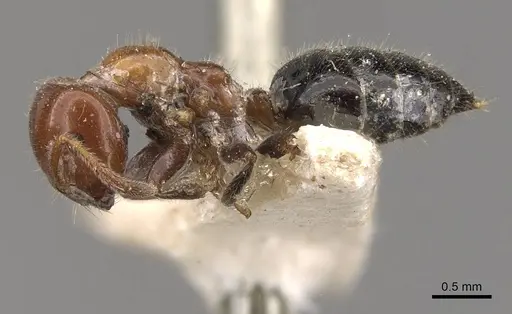
Myrmelachista arthuri is an ant species of the genus Myrmelachista. It is primarily documented in 1 countries , including Brazil. Detailed taxonomic data and occurrence records can be further explored via authoritative databases such as AntWeb or the Global Biodiversity Information Facility (GBIF).
Myrmelachista arthuri
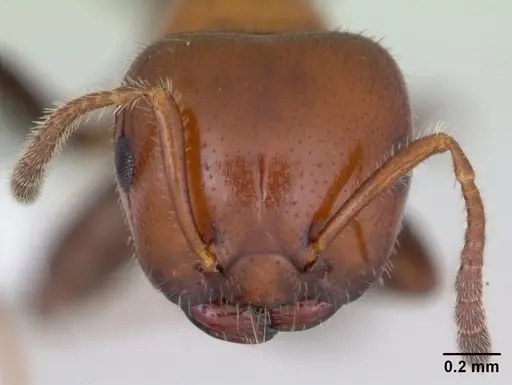
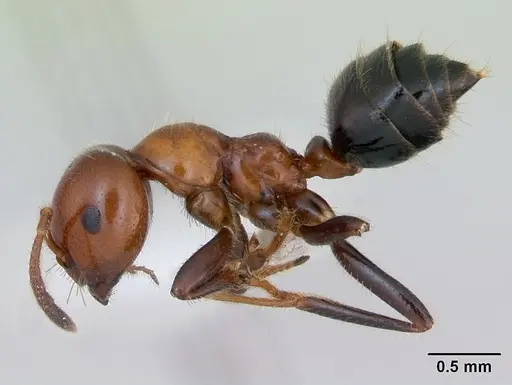
Myrmelachista arthuri is a small arboreal ant native to the Atlantic Forest of southeastern South America (Brazil, Argentina, Paraguay). Workers are modest in size and typically dark in color, nesting exclusively in the stems of standing live or dead trees rather than in fallen twigs on the ground. This species forms large colonies exceeding 1,000 workers and creates visible foraging trails along tree stems. One of the most fascinating aspects of this species is its unusual dietary habit, workers regularly prey on each other, with their own colony members making up nearly half of the food items collected [1]. They are aggressive defenders that raise their gasters when threatened, making them a spirited but manageable species for experienced antkeepers.
Quick Summary
- Difficulty: Medium
- Origin & Habitat: Atlantic Forest of southeastern Brazil, Argentina, and Paraguay. This species nests in the wood or stems of live and dead standing plants, primarily tree trunks and branches, not fallen twigs [2][1].
- Colony Type: Likely single-queen colonies (monogyne). Genetic studies show a single mitochondrial haplotype across all colonies in an area, suggesting colonies spread to surrounding trees as one interconnected population [1].
- Colony: Monogyne
- Size & Growth:
- Queen: Approximately 5-6mm (estimated based on genus Myrmelachista patterns)
- Worker: Approximately 3-4mm (typical for the genus)
- Colony: Over 1,000 workers in mature colonies [3]
- Growth: Moderate
- Development: Estimated 6-8 weeks at optimal temperature based on related Formicinae species (Direct development data unavailable, estimate based on genus patterns)
- Antkeeping:
- Temperature: Keep colonies at 24-28°C. Research shows worker activity increases with higher temperatures, so a warm setup supports natural foraging behavior [1][2].
- Humidity: Maintain 60-75% relative humidity. Lab colonies have thrived at 70±10% humidity [2]. Provide moist substrate but allow some drying between waterings.
- Diapause: No, as a tropical species from the Atlantic Forest, they do not require hibernation. Maintain consistent temperatures year-round.
- Nesting: Arboreal nesting specialist. Provide setups that mimic their natural environment, vertical spaces with access to wood, cork, or plant stems. Y-tong nests or wooden formicaria work well. They need to climb and traverse vertical surfaces.
- Behavior: This is an aggressive and active species. Workers immediately raise their gasters when disturbed as a defensive display [2][4]. They are arboreal foragers that create well-defined trails along tree stems to access the leaf litter below [1]. Foraging peaks in the afternoon and increases during the cold/dry season when food is scarcer. They are generalist feeders but show a surprising tendency toward intraspecific predation, eating injured or dead workers from their own colony [1]. Escape prevention is important since they are agile climbers.
- Common Issues: intraspecific predation is high, injured workers may be consumed by nestmates, which is normal but can seem alarming, colonies need vertical space and climbing surfaces to replicate their arboreal lifestyle, foraging trails require space, cramped nests may lead to stress and reduced activity, tropical humidity needs mean mold can be an issue if ventilation is poor, small colony fragments may struggle without proper heat and humidity gradients
Nest Preferences and Housing
Myrmelachista arthuri is an obligate arboreal nester, in the wild they exclusively colonize standing live or dead tree stems, never fallen twigs in leaf litter [2][1]. They excavate cavities in wood or occupy pre-existing channels within living plant stems. For captive care, provide vertical-oriented housing that mimics this arboreal lifestyle. Y-tong (acrylic) nests with narrow chambers, wooden formicaria, or setups using cork bark work well. The key is providing climbing structures and vertical space rather than horizontal ground-nest arrangements. Ensure the nest has multiple chambers connected by tunnels, as colonies can extend over 50cm of trunk length in natural settings [2]. Escape prevention is important, these are agile climbers that will exploit any gap in housing.
Feeding and Diet
This is a generalist species with a surprisingly carnivorous tendency. In the wild,92% of their diet consists of arthropods or their remains, with only 8% being plant material like seeds [1]. The most remarkable finding is that their own workers make up 47% of collected food items, they readily prey on injured or dying colony members. Other prey includes springtails (Collembola), various insect fragments, and small beetles. They have even been observed attacking leafcutter ant soldiers (Atta sexdens) [5]. In captivity, offer a varied diet: small insects (fruit flies, pinhead crickets, mealworms), and occasional sugar sources like honey water or sugar water. The intraspecific predation is natural behavior, do not panic if you see workers consuming fallen nestmates. Feed protein-rich foods 2-3 times per week, with sugar water available continuously.
Temperature and Seasonal Care
As a tropical Atlantic Forest species, Myrmelachista arthuri does not require hibernation or diapause. Maintain temperatures between 24-28°C for optimal colony health and activity [2][3]. Research shows worker foraging activity directly correlates with temperature, they become more active as temperatures rise [1]. A heating cable on one side of the nest creates a gradient allowing workers to self-regulate their temperature preference. During the cold/dry season in their native range, foragers become more intense despite lower energy availability, suggesting they are adapted to temperature fluctuations. Keep humidity moderate at 60-75%, avoiding both drying out and excessive moisture that causes mold. Room temperature within this range is acceptable, but additional heating improves foraging activity.
Behavior and Colony Dynamics
This species displays clear aggressive posturing when threatened, workers instantly raise their gasters as a warning signal [2][4]. They are active foragers that establish well-defined trails along tree stems, using these highways to travel between the nest and leaf litter where they hunt prey [1]. Foraging peaks in the afternoon hours when temperatures are highest. Colonies can grow large, exceeding 1,000 workers in established nests [3]. The single mitochondrial haplotype found across geographically separated colonies suggests this species may form interconnected supercolonial-like structures across forest areas, with colonies spreading to neighboring trees [1]. When keeping this species, expect active, visible workers constantly moving along trails, they are not a cryptic species that hides away. Their bold behavior makes them engaging to watch but means you should use escape-proof barriers.
Reproduction and Nuptial Flights
Winged reproductives have been observed in laboratory colonies, with males appearing in August, September, and November [2]. Nuptial flights have been documented in laboratory settings during September across two consecutive years, with more than 20 males observed on the nest surface during these events [3]. The reproductive season appears to align with the transition from cooler to warmer months in their native habitat. If you maintain a mature colony, watch for alate production in late summer/early fall. Mated queens would likely found new colonies in tree stems, though the exact founding behavior remains unobserved.
Frequently Asked Questions
Can I keep Myrmelachista arthuri in a test tube setup?
Test tubes can work for founding colonies, but this species is arboreal and prefers vertical spaces. Once the colony reaches 20+ workers, transfer to a more naturalistic setup with vertical chambers, cork, or wood. They need climbing surfaces to create their characteristic foraging trails.
How long until first workers appear?
Based on related Formicinae species, expect 6-8 weeks from egg to worker at optimal temperature (24-28°C). Direct development data for this specific species is unavailable, so monitor your colony and adjust conditions if development seems slow.
Are Myrmelachista arthuri good for beginners?
This species is best suited for intermediate to experienced antkeepers. Their arboreal nesting needs, specific humidity requirements, and unusual dietary habits (including intraspecific predation) require some antkeeping knowledge. They are rewarding but not ideal as a first species.
What do I feed Myrmelachista arthuri?
They are generalist carnivores. Offer small insects (fruit flies, springtails, tiny crickets, mealworm pieces) as their primary food. They also accept sugar water or honey occasionally. Do not be alarmed if they eat injured workers from their own colony, this is normal behavior for this species.
How big do colonies get?
Mature colonies can exceed 1,000 workers [3]. They are considered large-colony species and will need expanding housing as they grow. The colony structure appears to spread across multiple trees in the wild.
Do they need hibernation?
No. As a tropical species from the Atlantic Forest, they do not require diapause or hibernation. Maintain consistent warm temperatures (24-28°C) year-round.
Why do they eat their own workers?
Intraspecific predation (eating members of your own species) is actually their primary food source, making up 47% of collected prey items [1]. This seems to target injured, dying, or weak workers. It is completely natural behavior for this species and provides important protein for the colony. Do not confuse this with a problem, it is how they recycle nutrients.
When should I move them to a formicarium?
Move from test tube to a proper nest once the colony reaches 30-50 workers and you see constant activity. Provide a vertical-oriented setup with multiple chambers and climbing surfaces. They need space to establish their characteristic foraging trails.
Can I keep multiple queens together?
This is not recommended. Genetic evidence suggests single-queen colonies that spread to surrounding trees, not multi-queen arrangements. Combining unrelated foundresses has not been documented and likely would result in aggression.
References

This caresheet is licensed under CC BY-SA 4.0 .
CASENT0173484
View on AntWeb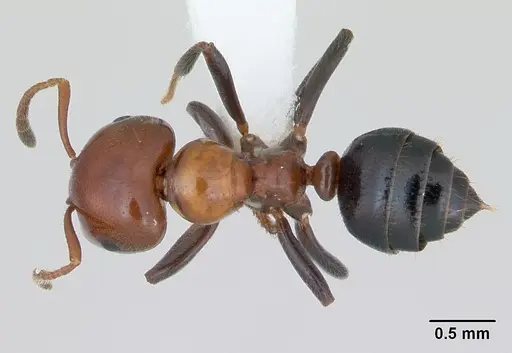
CASENT0647364
View on AntWeb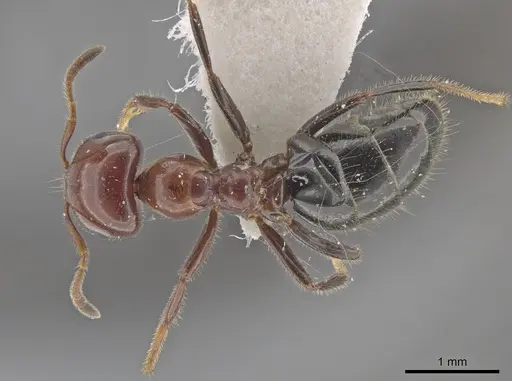
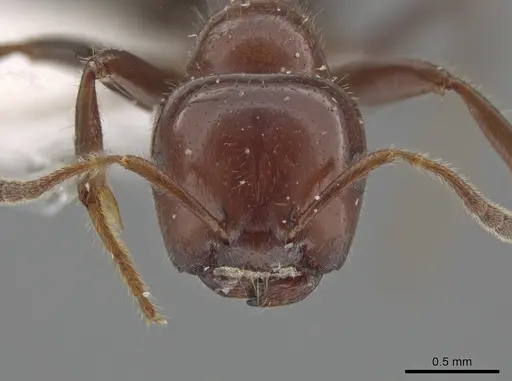
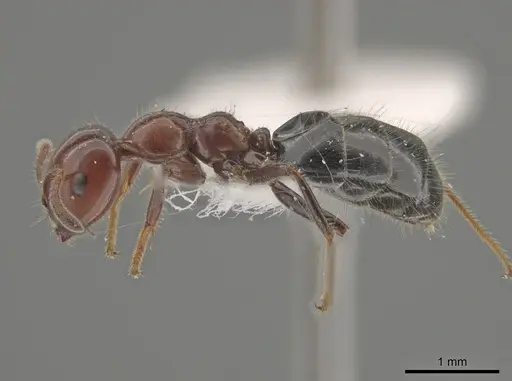
CASENT0654154
View on AntWeb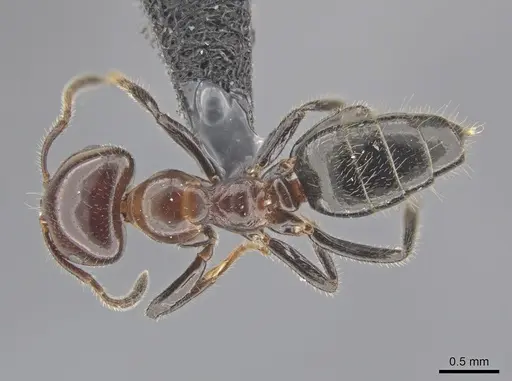
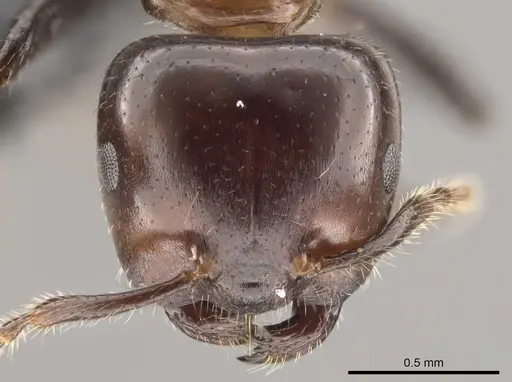
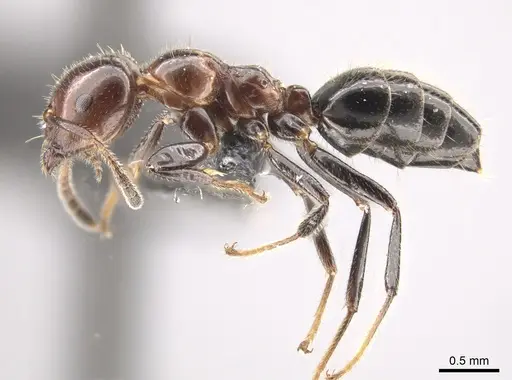
CASENT0909913
View on AntWeb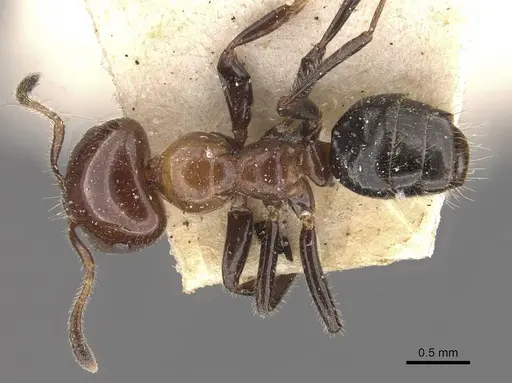
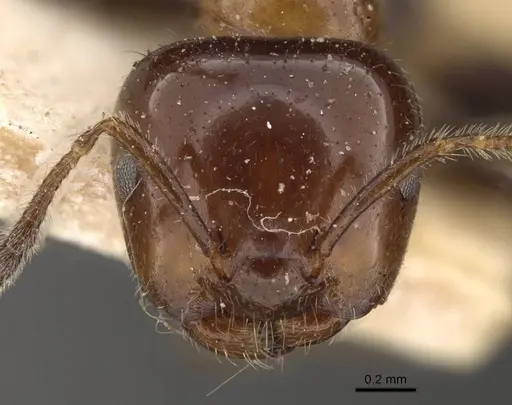
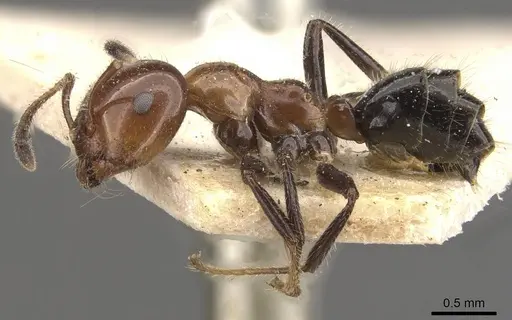
CASENT0909914
View on AntWeb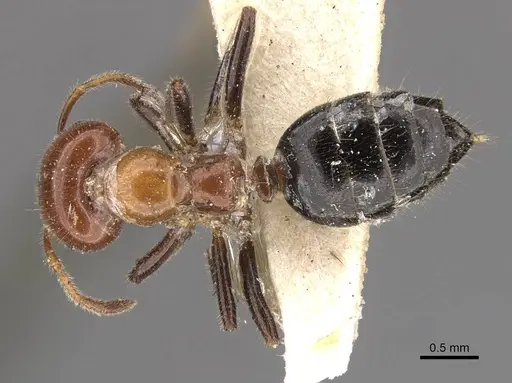
Literature
Loading...Loading products...