
Atta sexdens shows a January to November flight window. Peak activity occurs in October, with nuptial flights distributed across 5 months.
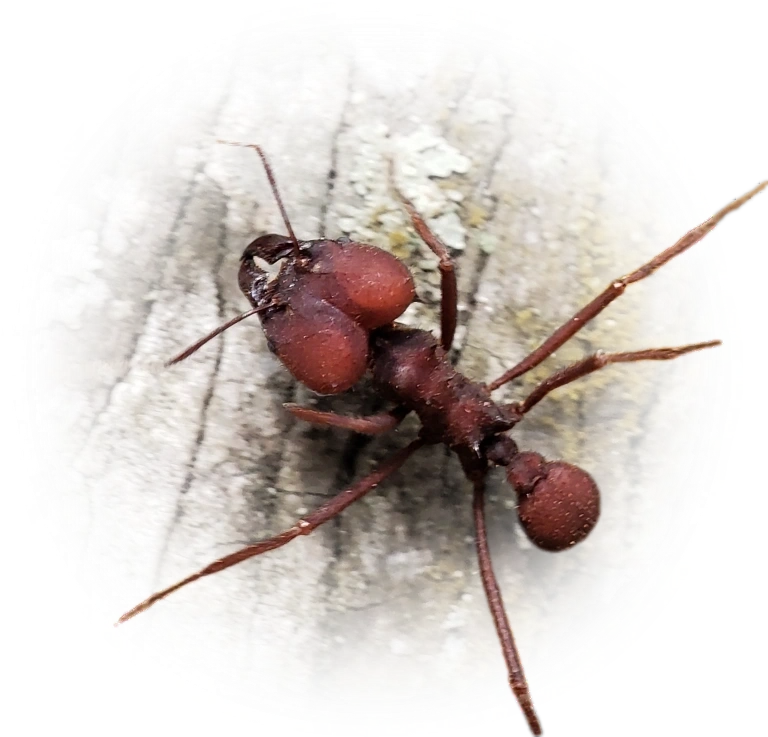
Atta sexdens
- Scientific Name
- Atta sexdens
- Tribe
- Attini
- Subfamily
- Myrmicinae
- Author
- Linnaeus, 1758
- Distribution
- Found in 8 countries
- Nuptial Flight
- from January to December, peaking in October
AI Identifiable
try →
Atta sexdens Overview
Atta sexdens is an ant species of the genus Atta. It is primarily documented in 8 countries , including Argentina, Bolivia, Plurinational State of. Detailed taxonomic data and occurrence records can be further explored via authoritative databases such as AntWeb or the Global Biodiversity Information Facility (GBIF).
The nuptial flight of Atta sexdens is a significant biological event, typically occurring from January to December, peaking in October. During this time, winged queens and males leave the nest to mate and establish new colonies.
Atta sexdens
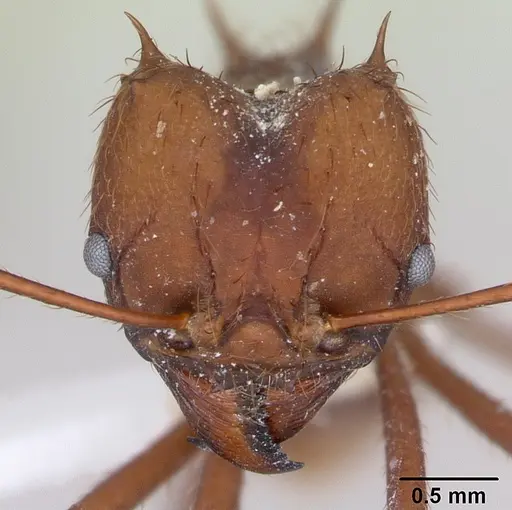
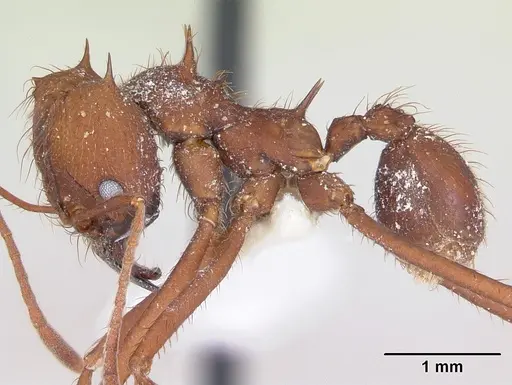
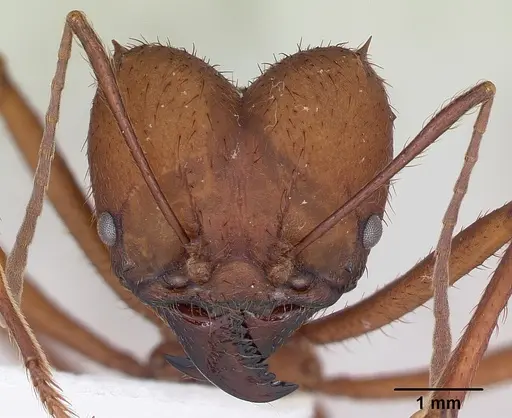
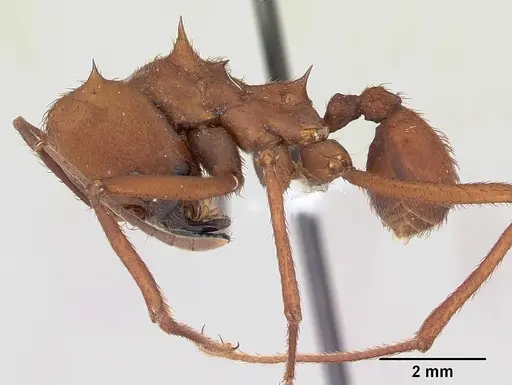
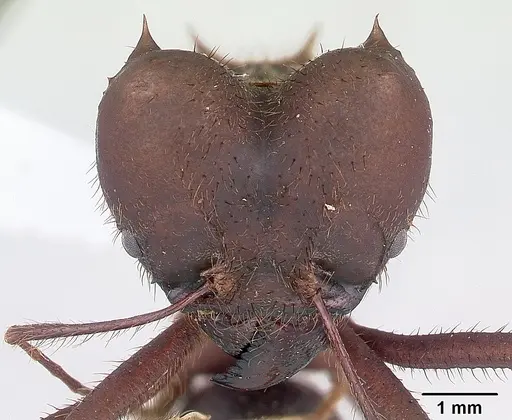
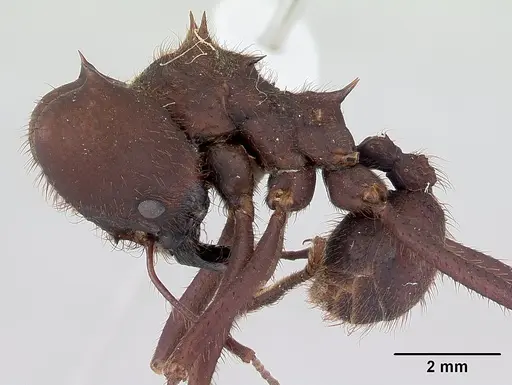
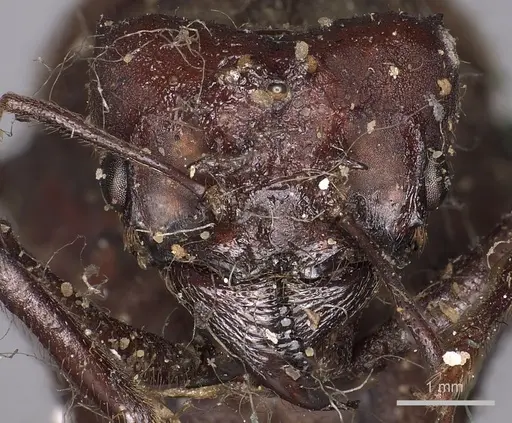
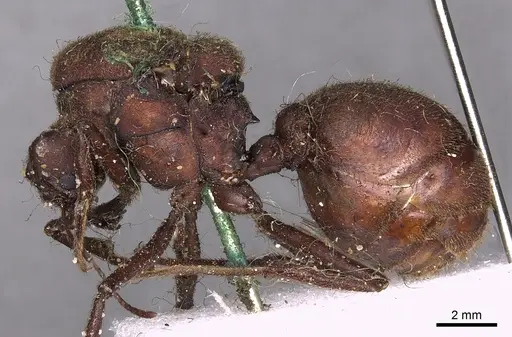
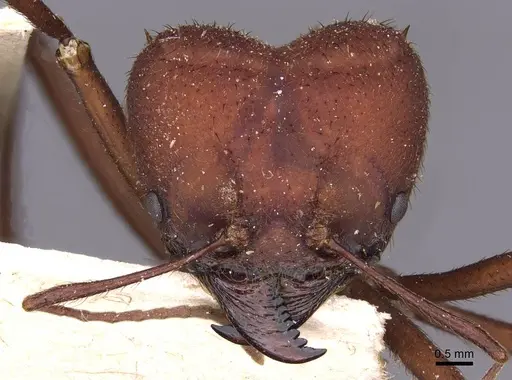
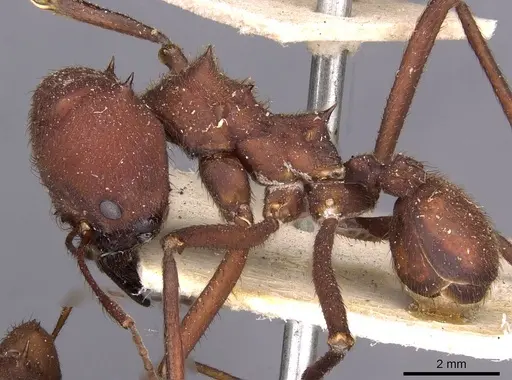
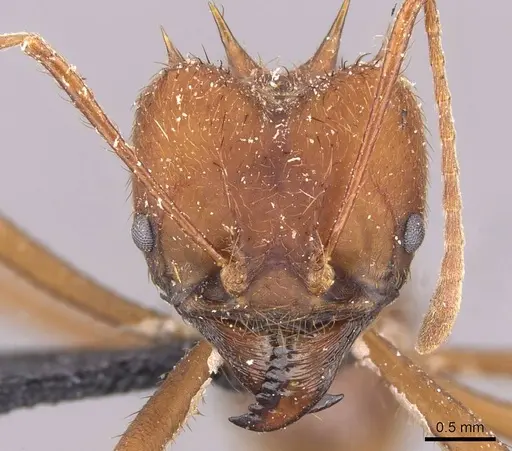
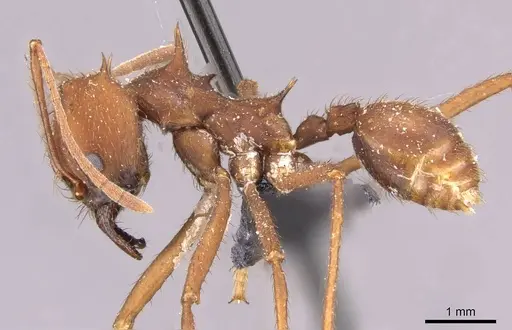
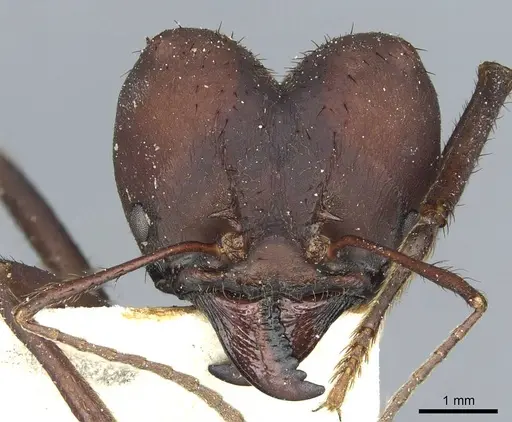
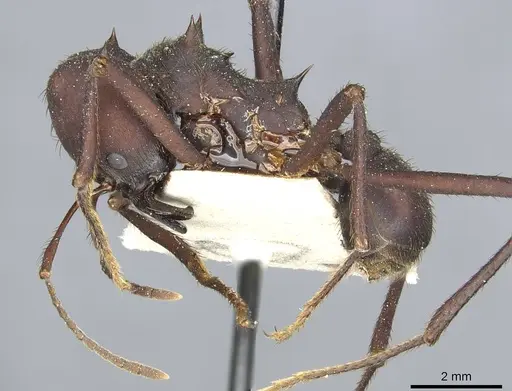
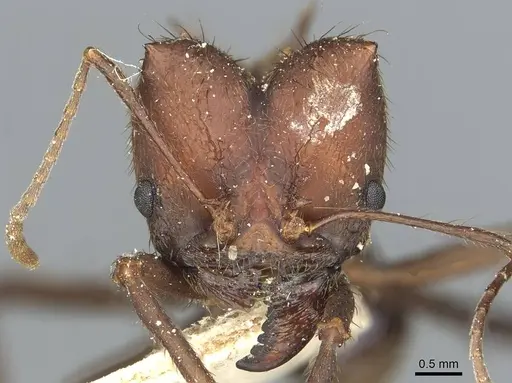
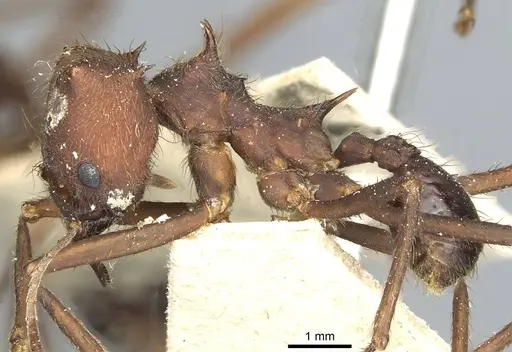
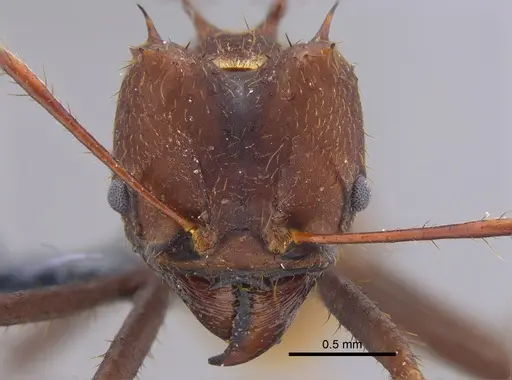
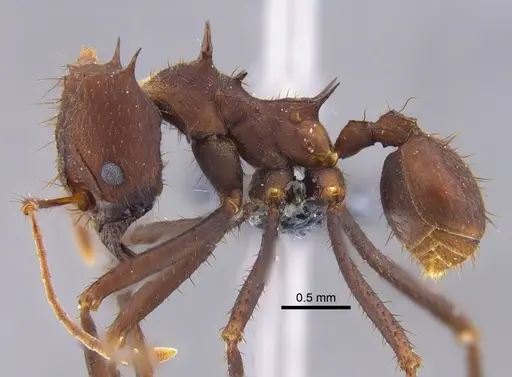
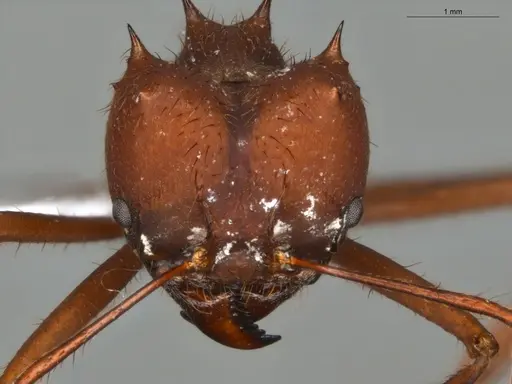
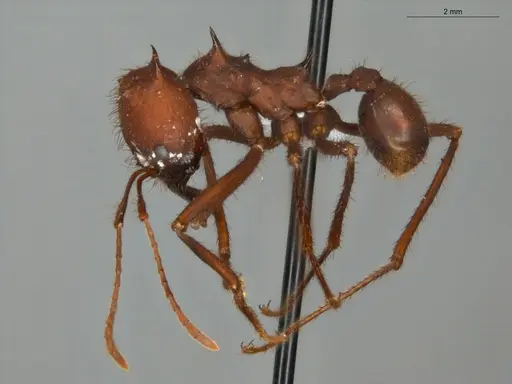
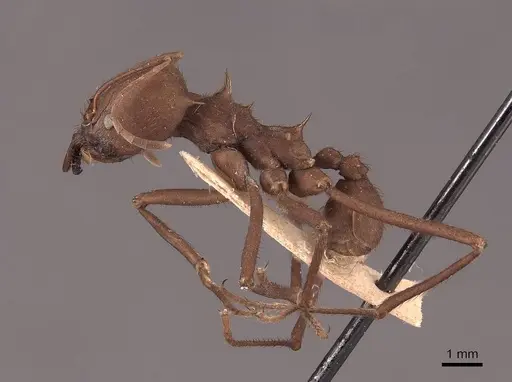
Atta sexdens are large, polymorphic ants native to the Neotropical region, ranging from Central America through Brazil to northern Argentina [1]. Queens are massive at 20-27mm with bulky thoraxes, while workers vary dramatically from tiny 3mm minors to 15mm soldiers with powerful mandibles [2][3]. Their bodies are typically reddish-brown to dark brown, and when crushed, they emit a distinctive lemon-like odor [4]. These ants are famous for their massive colony sizes, which can reach up to 8 million workers living in elaborate underground nests with hundreds of fungus chambers [2][5]. What makes Atta sexdens truly unique among ants is their obligate symbiosis with a cultivated fungus, Leucoagaricus gongylophorus, which they grow on chewed leaf pulp inside their nests [6]. Unlike most ants that eat sugars or insects directly, these leaf-cutters harvest fresh vegetation not to eat, but to feed their fungus garden. The fungus then produces specialized nutrient-rich structures called gongylidia that serve as the primary food for the ant larvae and a significant portion of the adult diet [7]. This agricultural lifestyle makes them one of the most ecologically important herbivores in the Neotropics, but also one of the most challenging ants to maintain in captivity.
Quick Summary
- Difficulty: Expert
- Origin & Habitat: Neotropical region including Brazil, Paraguay, Uruguay, and northern Argentina, found in tropical forests, agricultural areas, and disturbed habitats [1][8]
- Colony Type: Single-queen colonies (monogyne) with queens mating with multiple males, colonies can persist for 15-20 years [9][10]
- Size & Growth:
- Queen:{.size-link} 20-27 mm [2]
- Worker:{.size-link} 3-15 mm depending on caste (minors ~3mm, soldiers ~15mm) [3][11]
- Colony: Up to 8 million workers in mature colonies [2][5]
- Growth: Slow initially during founding, then exponential, first nuptial flight occurs at approximately 38 months [2]
- Development: 6-10 weeks (approximately 40-60 days) at 24-26°C [12][13] (First workers are small minors that assist the queen, colony growth accelerates significantly after the first year)
- Antkeeping:
- Temperature: 24-26°C year-round, tropical species requiring stable warmth [14][15]
- Humidity: High humidity, approximately 80% relative humidity, fungus gardens require moist conditions but not waterlogged [14][16]
- Diapause: No, they remain active year-round [1]
- Nesting: Requires specialized fungus garden chambers with controlled humidity and ventilation, standard test tubes or small formicariums are unsuitable [17]
- Behavior: Highly polymorphic with distinct worker castes performing different tasks, minors tend fungus and brood, media process leaves, majors forage and cut leaves, and soldiers defend the nest [3][18]. They create extensive foraging trails up to 100 meters long and can strip entire trees of leaves within 24 hours [19][20]. Workers are active both day and night depending on temperature, with peak foraging often occurring in late afternoon or at night [21][22]. They possess a sophisticated chemical communication system using trail pheromones (3-ethyl-2,5-dimethylpyrazine) to recruit nestmates to food sources [23][24].
- Common Issues: fungus garden collapse if fed inappropriate plant material or if contaminated with molds like Escovopsis [26][27], massive space requirements, colonies quickly outgrow standard ant setups and require room-sized enclosures [2], escape risk from tiny minor workers that can squeeze through the smallest gaps in mesh or tubing [3], legal restrictions in many regions due to their status as agricultural pests, never release captive colonies [26][27], high mortality during founding if queens are disturbed or if humidity fluctuates too much [28][29]
Nuptial Flight Activity Analysis 78 observations
Flight Activity by Hour 78 observations
Atta sexdens nuptial flight activity peaks around 17:00 during the afternoon. Activity is spread across a 12-hour window (08:00–19:00). A secondary activity peak occurs around 14:00. Times may be influenced by human observation patterns.
Fungus Garden Requirements
Atta sexdens cannot survive without their cultivated fungus, Leucoagaricus gongylophorus, making their care fundamentally different from other ants. The fungus grows best at 25°C with high humidity (around 80%) and requires a pH of approximately 5.0 [14][15]. In captivity, you must provide a dedicated fungus chamber, typically a large plastic container with a plaster or soil base to maintain moisture, connected to foraging arenas via tubes [14]. The garden itself appears as a white to grayish spongy mass with visible gongylidia (small white swellings) when healthy [25]. Workers constantly tend the fungus, pruning it and adding fresh leaf pulp while removing waste. If the fungus dies, the entire colony will starve within days because the ants cannot digest leaf material directly [6]. Contamination is a major risk, the parasitic fungus Escovopsis can destroy gardens, and various filamentous fungi can invade if hygiene is poor [26][27]. You must maintain the garden in darkness or very dim light, as direct light damages the fungus.
Feeding and Diet
These ants are obligate fungus farmers, they do not eat sugar water or honey like most captive ants. Instead, you must provide fresh plant material daily, preferably dicotyledonous leaves (broadleaf plants) rather than grasses [28][29]. In the lab, they accept leaves from Eucalyptus, Acalypha, Ligustrum, Hibiscus, and citrus, though preferences vary by colony [14][30]. Before offering leaves, wash them to remove pesticides and contaminants. The workers will cut the leaves into fragments, chew them into a pulp mixed with their fecal fluids (which contain enzymes), and place this onto the fungus garden [7]. The fungus breaks down the plant cellulose and produces gongylidia, which the ants consume [7]. Workers also drink plant sap while cutting leaves, which provides some carbohydrates, but the fungus remains their primary protein and nutrient source [31]. Remove uneaten leaf fragments daily to prevent mold growth. Never feed them meat, sugar water, or artificial ant diets, they will ignore these or the food will mold and contaminate their garden.
Temperature and Care
As a tropical species, Atta sexdens requires warm, stable temperatures between 24-26°C year-round [14][15]. They do not hibernate and will die if exposed to temperatures below approximately 15°C for extended periods. Use a heating cable or mat on one side of the nest to create a thermal gradient, but ensure the fungus garden does not dry out [14]. Humidity must remain high at around 80% relative humidity [14][16]. You can maintain this by keeping the nest substrate damp (but not waterlogged) and covering ventilation holes with fine mesh to retain moisture while allowing gas exchange. The ants produce significant CO2 in their nests (up to 1.4% in field nests), so adequate ventilation is crucial to prevent suffocation [32]. Monitor the fungus garden daily, if it turns gray, smells sour, or shows colorful mold, the conditions are wrong and the colony is in danger.
Colony Founding
New colonies begin when a mated queen lands, removes her wings, and digs a vertical tunnel 10-15cm deep to create a small chamber [13][33]. She then seals herself inside (claustral founding) and regurgitates a small pellet of fungus from her infrabuccal pocket to start the garden [12][13]. The queen survives entirely on her stored fat reserves, losing approximately 40% of her body weight over the next 60 days until the first workers hatch [33][34]. During this time, she lays both reproductive eggs and larger trophic eggs to feed the first larvae [12]. First workers are small minors that immediately begin foraging for leaves to expand the fungus garden. In captivity, founding queens are extremely delicate, any disturbance, incorrect humidity, or temperature fluctuation can cause them to abandon the nest or die. Success rates in the field are low, only about 2.5% of founding queens survive the first three months [2].
Polymorphism and Division of Labor
Atta sexdens exhibits extreme physical polymorphism with at least four distinct worker castes determined by head size [3][11]. Minima workers (head width 0.8-1.0mm) remain inside the nest, tending the fungus garden and caring for brood [3]. Generalist workers (head width ~1.4mm) process leaf fragments, care for the queen, and handle waste disposal [3]. Forager-excavator workers (head width 2.0-2.2mm) cut leaves, transport them to the nest, and dig new chambers [3]. Soldiers (head width 3.0mm+) defend the nest against intruders and can deliver painful bites with their powerful mandibles [3]. This division of labor is flexible, workers can switch tasks based on colony needs, but generally, larger ants work outside while smaller ants manage the fungus garden [18]. When foraging, the largest workers cut leaves while smaller workers ride on the leaf fragments as 'hitchhikers' to protect against parasitic phorid flies [35].
Space and Growth Management
These ants are not suitable for standard ant keeping setups. A mature colony requires an enclosure the size of a small room or multiple large interconnected containers totaling hundreds of liters in volume [2][5]. The fungus garden alone can occupy 20-100 liters in a mature colony. They also need a large foraging arena (minimum 1-2 meters in length) where you can place fresh leaves daily [36]. Colonies grow slowly for the first year, then expand rapidly. By year three, they can have thousands of workers, and by year five, hundreds of thousands [2]. Most captive colonies fail because keepers underestimate the space requirements, the ants will pile fungus garden material against container walls, causing ventilation problems and fungal contamination. Plan for the long term: these queens can live 15-20 years, and colonies grow continuously throughout this time [10].
Frequently Asked Questions
Can I keep Atta sexdens in a test tube?
No. Atta sexdens requires specialized fungus garden chambers with controlled humidity and ventilation. Test tubes are far too small and lack the necessary space for the fungus garden that the colony needs to survive. You need large plastic containers or custom-built formicariums with multiple chambers.
What do Atta sexdens ants eat?
They eat fungus, not leaves directly. You must provide fresh leaves (such as Eucalyptus, Acalypha, or Ligustrum) which the ants use to grow their symbiotic fungus Leucoagaricus gongylophorus. The fungus produces gongylidia, small white swellings that the ants consume. They cannot survive on sugar water, honey, or insect protein alone.
How long until Atta sexdens first workers hatch?
First workers typically emerge 6-10 weeks (approximately 40-60 days) after the queen seals herself in the founding chamber, depending on temperature. Keep the founding chamber at 24-26°C for optimal development.
Do Atta sexdens need hibernation or diapause?
No. Atta sexdens is a tropical species that remains active year-round. They do not hibernate and require consistent temperatures of 24-26°C throughout the year. Exposing them to cold temperatures will kill the colony.
How big do Atta sexdens colonies get?
Mature colonies can contain up to 8 million workers and occupy underground nests with hundreds of chambers extending several meters deep. In captivity, they will quickly outgrow small setups and require room-sized enclosures.
Can I keep multiple Atta sexdens queens together?
No. Atta sexdens is monogyne, meaning each colony has only one queen. If you put multiple queens together, they will fight until only one survives, or they will all die. Founding queens must be kept completely separate.
Is it legal to keep Atta sexdens?
Check your local laws carefully. In many countries (including the United States and parts of Europe), Atta sexdens is classified as an agricultural pest and importation or keeping is illegal or requires special permits. In their native range (South America), they are major pests of agriculture and forestry. Never release captive colonies into the wild.
Why did my Atta sexdens fungus garden turn gray and die?
Fungus garden collapse usually occurs from feeding the wrong types of leaves (some plants contain antifungal compounds), contamination with mold spores, incorrect humidity (too dry or too wet), or temperature fluctuations. Once the fungus dies, the colony cannot be saved. Prevention through strict hygiene and proper leaf selection is essential.
Can Atta sexdens eat seeds or grains instead of leaves?
No. While they may occasionally collect seeds, they require fresh green leaf material to cultivate their fungus. Dried leaves, seeds, or grains will not support fungus growth and may promote harmful molds.
Report an Issue
The current care sheet is based fully on literature. See inconsistencies, or something that's incorrect? Please , it will be resolved after review from an admin. Contributing to the blogs tab also helps providing information, to make us be able to further improve the caresheets. Thank you for your support!
References

This caresheet is licensed under CC BY-SA 4.0 .
CASENT0173815
View on AntWeb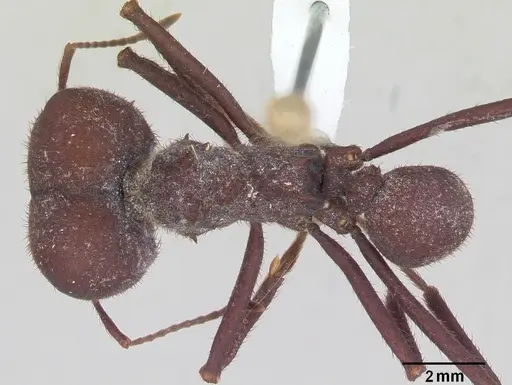

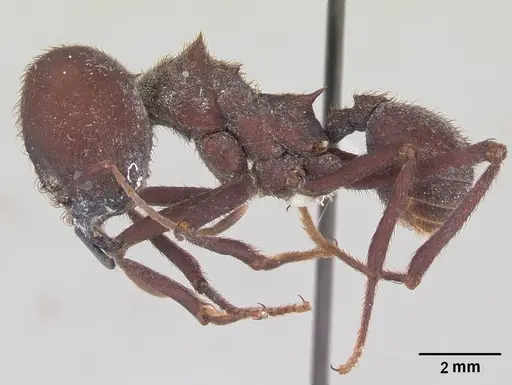
CASENT0173816
View on AntWeb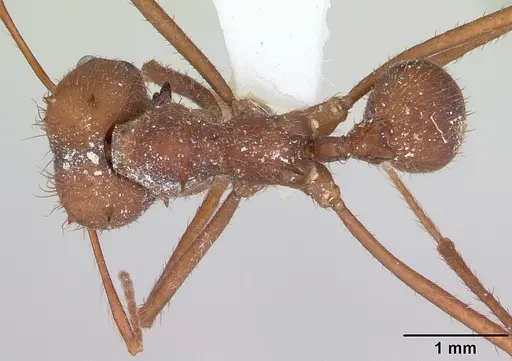
CASENT0173817
View on AntWeb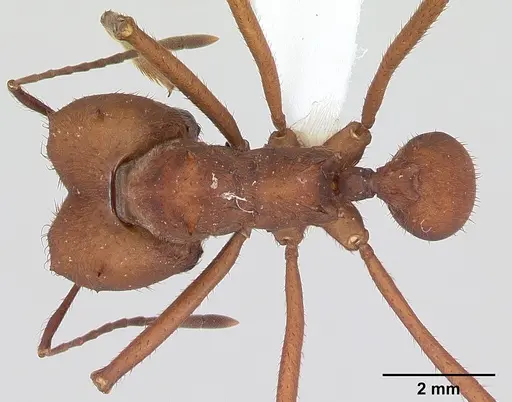
CASENT0178706
View on AntWeb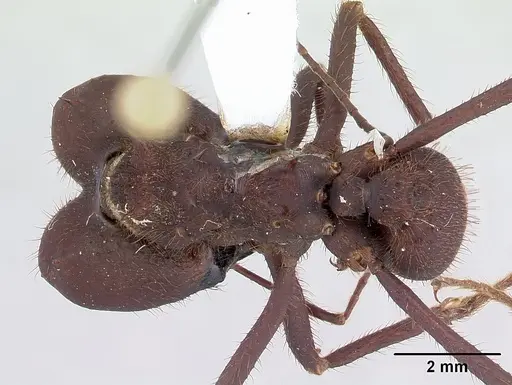
CASENT0900489
View on AntWeb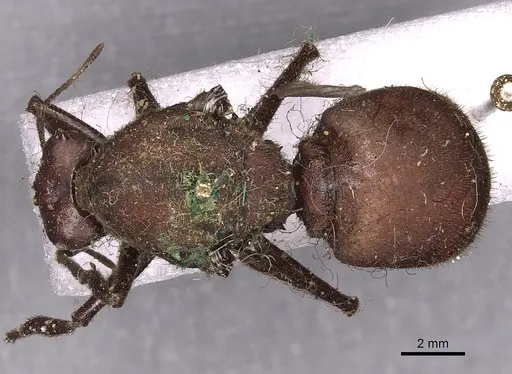
CASENT0909449
View on AntWeb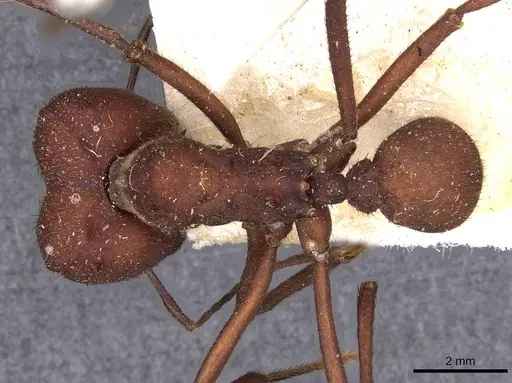
CASENT0909450
View on AntWeb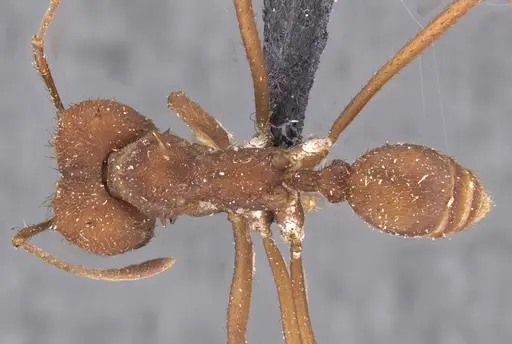
CASENT0912496
View on AntWeb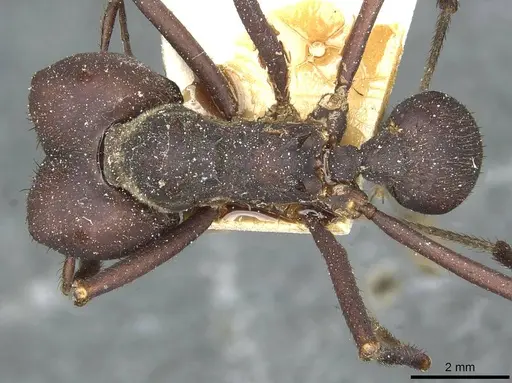
CASENT0912497
View on AntWeb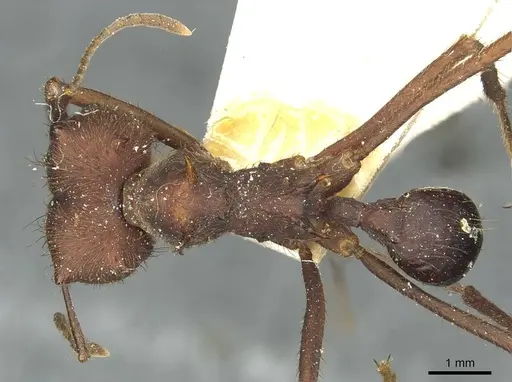
CASENT0923578
View on AntWeb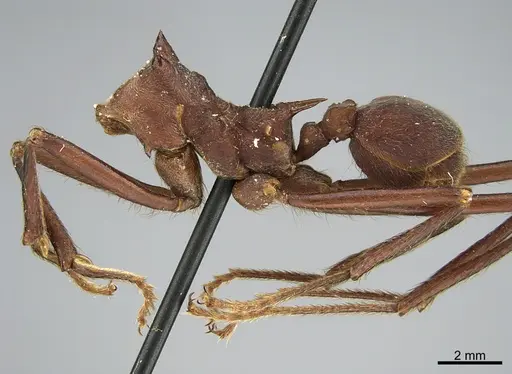
CBUMAGENT41876
View on AntWeb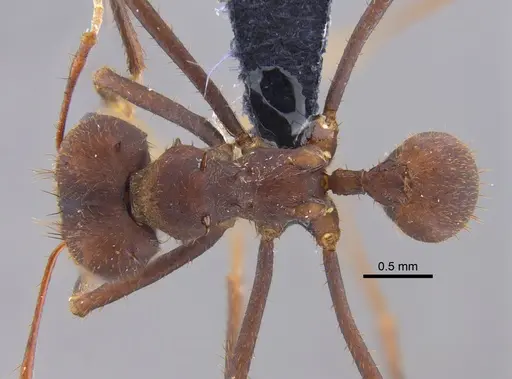
ECOFOG-SG17-0042-03
View on AntWeb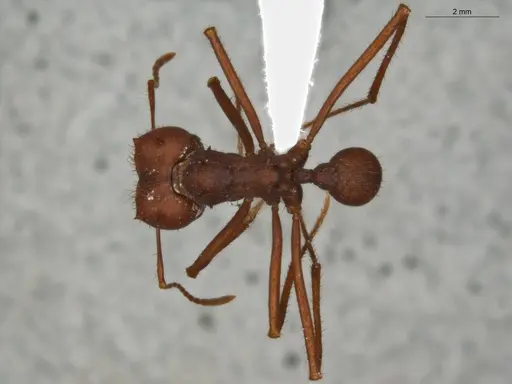
FMNHINS0000046913
View on AntWeb
Literature
Loading...Loading products...