

Myrmecia ludlowi
- Scientific Name
- Myrmecia ludlowi
- Tribe
- Myrmeciini
- Subfamily
- Myrmeciinae
- Author
- Crawley, 1922
- Distribution
- Found in 1 countries
Myrmecia ludlowi Overview
Myrmecia ludlowi is an ant species of the genus Myrmecia. It is primarily documented in 1 countries , including Australia. Detailed taxonomic data and occurrence records can be further explored via authoritative databases such as AntWeb or the Global Biodiversity Information Facility (GBIF).
Myrmecia ludlowi
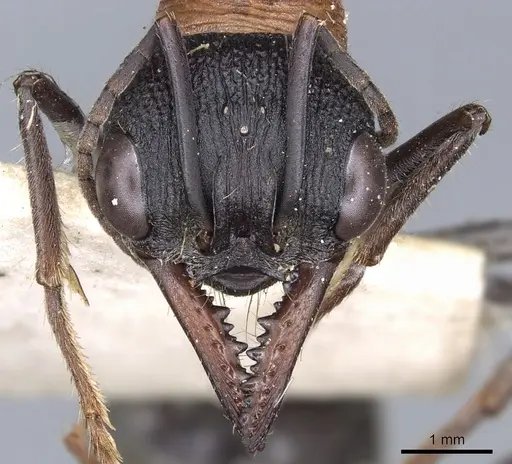
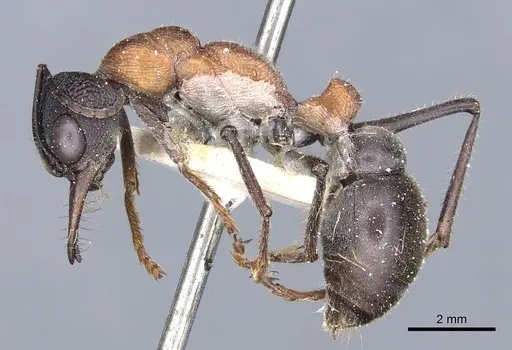
Myrmecia ludlowi is a large, robust ant species native to Western Australia, particularly found in the Darling Range around Perth. Workers reach approximately 14mm in length, making them substantial ants. They have a distinctive dark black-brown coloration with reddish-yellow markings on the antennae, legs, pedicel, and the apical segments of the gaster. Their tibiae are notably hairy, which helps distinguish them from similar species like Myrmecia chasei and Myrmecia elegans. This species belongs to the pilosula species group, which includes the well-known jack jumper ants. Like other Myrmecia species, they are aggressive defenders of their nests and possess a potent sting capable of causing anaphylactic reactions in sensitive individuals [1][2][3].
Quick Summary
- Difficulty: Medium
- Origin & Habitat: Endemic to Western Australia, found in the Darling Range including the Perth area. They nest under stones or in soil in temperate Australian bushland [1].
- Colony Type: Likely single-queen colonies (monogyne), which is typical for the Myrmecia genus. Colony founding involves a single queen sealing herself in a chamber.
- Colony: Monogyne
- Founding: Claustral
- Size & Growth:
- Queen: Approximately 14-16mm estimated based on worker size and genus patterns [1]
- Worker: 14mm [1]
- Colony: Likely several hundred workers based on typical Myrmecia colony sizes [1]
- Growth: Moderate, Myrmecia species typically grow at a moderate pace, with first workers (nanitics) appearing in 6-10 weeks under optimal conditions
- Development: 6-10 weeks estimated based on related Myrmecia species (Development time is temperature-dependent, warmer conditions within safe ranges may speed development slightly)
- Antkeeping:
- Temperature: Keep at room temperature or slightly warm, around 22-26°C. Australian Myrmecia species do best with a gentle temperature gradient. Avoid temperatures above 30°C.
- Humidity: Moderate humidity around 50-60%. They prefer drier conditions compared to many tropical ants. Ensure the nest has some moisture but avoid waterlogging.
- Diapause: Yes, Myrmecia species from temperate Australia benefit from a winter rest period. Reduce temperature to 10-15°C for 2-3 months during winter if keeping in a climate with cold winters.
- Nesting: Y-tong (acrylic) nests or plaster nests work well. These ants are medium-to-large and need appropriately sized chambers. They do well in formicariums with moderate humidity and a foraging area.
- Behavior: Myrmecia ludlowi is an aggressive species that will readily defend its nest. Workers are active foragers, hunting insects and collecting nectar. They are diurnal, being most active during daylight hours. They have a powerful sting and are known to cause anaphylactic reactions in sensitive individuals, this is medically significant. They are good climbers and can escape if given the opportunity. Workers are robust and can handle themselves well, but escape prevention should still be a priority [2][3].
- Common Issues: sting risk, these ants have potent venom and can cause anaphylaxis, handle with extreme caution and keep away from allergic individuals, escape prevention, robust ants but still capable of climbing smooth surfaces, ensure enclosures are secure, aggression, colonies will defend vigorously, avoid disturbing nests or sudden movements near foraging workers, slow founding, claustral queens take time to raise first workers, beginners may lose patience and disturb founding chambers, temperature sensitivity, too high temperatures can be fatal, monitor and control heating carefully
Housing and Nest Setup
Myrmecia ludlowi is a medium-to-large ant that needs appropriately sized housing. Y-tong (acrylic) nests work well because they provide good visibility and easy maintenance. Plaster nests are also suitable and help maintain moderate humidity. The chamber size should be proportional to the colony, these are robust 14mm ants that need space to move. A test tube setup can work for founding colonies, but be prepared to move them to a larger formicarium once the colony reaches 20-30 workers. The outworld (foraging area) should be escape-proof with smooth walls and a reliable barrier like fluon. Provide a water source and a small soil or sand area for natural behaviors. [1]
Feeding and Diet
Myrmecia ludlowi is a predatory ant that hunts insects and also feeds on nectar and honeydew. In captivity, offer a varied diet including live insects like crickets, mealworms, and roaches. Prey items should be appropriately sized, these are large ants that can tackle substantial prey. They also readily accept sugar sources like honey water or sugar water. Feed protein (insects) 2-3 times per week and provide constant access to sugar water. Remove uneaten prey after 24 hours to prevent mold. Young colonies may prefer smaller prey items until workers reach full size. [1]
Temperature and Seasonal Care
These ants come from temperate Western Australia and do well at room temperature (22-26°C). They can tolerate slightly cooler conditions but should be kept above 18°C for optimal activity and brood development. A heating cable on one side of the nest can create a temperature gradient if your room is cool. During winter in temperate climates, a diapause period is beneficial, reduce temperatures to 10-15°C for 2-3 months. This mimics their natural seasonal cycle and helps maintain colony health. Do not feed during deep hibernation but ensure water is available. [1]
Safety and Handling
Myrmecia ludlowi has a potent sting and is known to cause anaphylactic reactions in sensitive individuals. This is not an ant to handle casually. The venom is notably different from jack jumper ant venom, and standard jack jumper ant venom treatments may not work for M. ludlowi stings [2][3]. Keep colonies well-contained and avoid putting your hands near defensive workers. If you or anyone in your household has known insect venom allergies, reconsider keeping this species. In case of sting reactions, seek medical attention immediately. These ants are aggressive and will chase perceived threats, so work carefully around established colonies.
Colony Development
Myrmecia ludlowi colonies start with a claustral queen sealing herself in a chamber. She lays eggs and raises the first workers (nanitics) entirely on her stored fat reserves. First workers are typically smaller than mature workers. Once the first workers emerge, the colony enters a growth phase. Growth rate is moderate, expect several months before you have a substantial colony. Myrmecia colonies can live for many years with a healthy queen producing workers continuously. The queen can live for 15-20 years in ideal conditions. Be patient during the founding phase as disturbing the queen can cause colony failure. [1]
Frequently Asked Questions
How long does it take for first workers to emerge?
First workers typically emerge in 6-10 weeks under optimal conditions. This is based on typical Myrmecia development patterns. The exact timeline depends on temperature, warmer (within safe ranges) conditions may speed development slightly.
Is Myrmecia ludlowi good for beginners?
No, this is not recommended for beginners. While Myrmecia are rewarding to keep, their potent sting and potential for anaphylactic reactions make them a species for experienced antkeepers only. They also require specific temperature and humidity conditions.
What do Myrmecia ludlowi eat?
They are predatory ants that hunt insects, but also feed on nectar and honeydew. Offer live insects like crickets, mealworms, and appropriately sized prey. Sugar water or honey should be available constantly. Remove uneaten prey after 24 hours.
Do Myrmecia ludlowi need hibernation?
Yes, a winter rest period is beneficial. Reduce temperatures to 10-15°C for 2-3 months during winter. This mimics their natural seasonal cycle in temperate Western Australia and helps maintain colony health.
How big do Myrmecia ludlowi colonies get?
Based on typical Myrmecia species, colonies likely reach several hundred workers. The queen can live for many years, producing workers continuously. Full colony maturity may take 2-3 years.
Can I keep multiple queens together?
No, Myrmecia species are typically monogyne (single queen colonies). Multiple unrelated queens will likely fight. Only keep one queen per colony.
What size nest do I need?
Use a Y-tong (acrylic) or plaster formicarium with chambers appropriately sized for 14mm ants. For founding colonies, a test tube setup works. Move to a larger formicarium once the colony reaches 20-30 workers.
Is Myrmecia ludlowi aggressive?
Yes, they are very aggressive and will vigorously defend their nest. Workers will readily attack perceived threats and can chase intruders. This is why sting incidents occur, they defend proactively.
Where is Myrmecia ludlowi found?
This species is endemic to Western Australia, specifically the Darling Range area around Perth. They nest under stones or in soil in temperate bushland.
References

This caresheet is licensed under CC BY-SA 4.0 .
CASENT0902802
View on AntWeb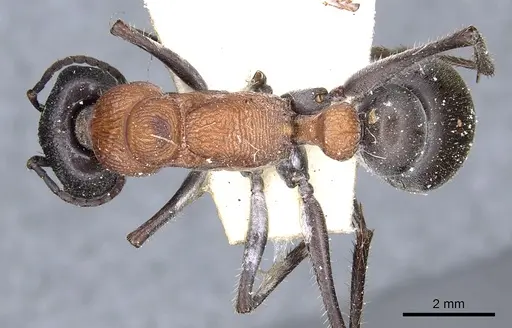
Literature
Loading...Loading products...