

Myrmecia chasei
- Scientific Name
- Myrmecia chasei
- Tribe
- Myrmeciini
- Subfamily
- Myrmeciinae
- Author
- Forel, 1894
- Distribution
- Found in 1 countries
Myrmecia chasei Overview
Myrmecia chasei is an ant species of the genus Myrmecia. It is primarily documented in 1 countries , including Australia. Detailed taxonomic data and occurrence records can be further explored via authoritative databases such as AntWeb or the Global Biodiversity Information Facility (GBIF).
Myrmecia chasei
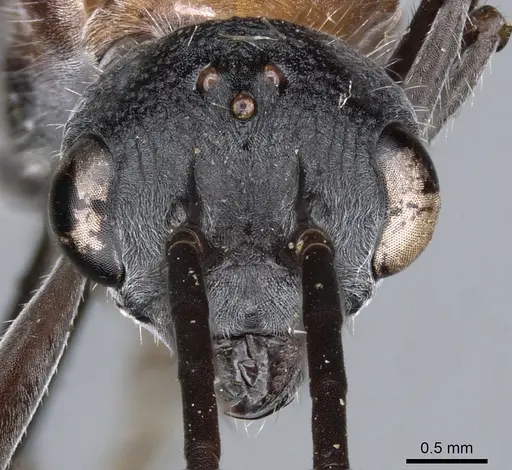
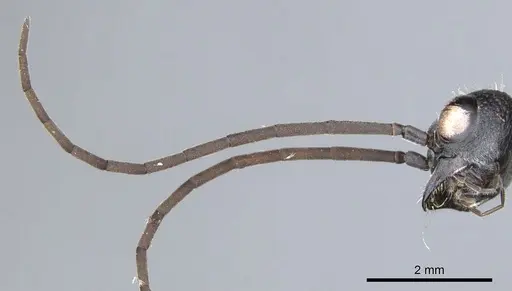
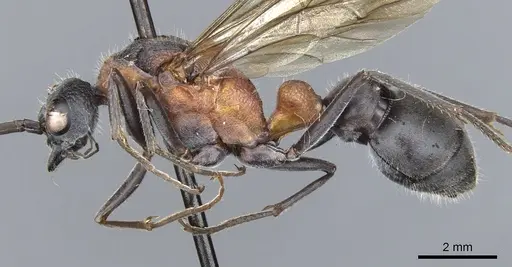
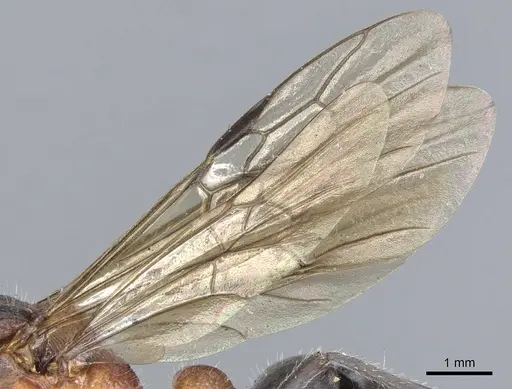
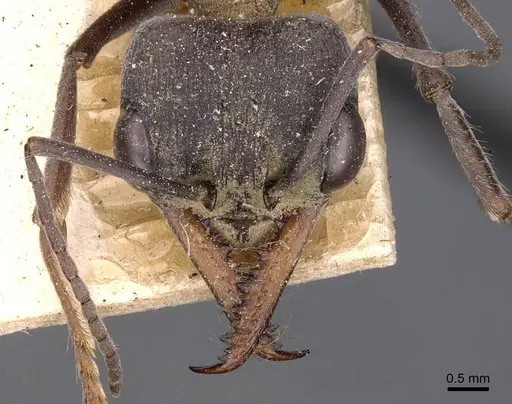
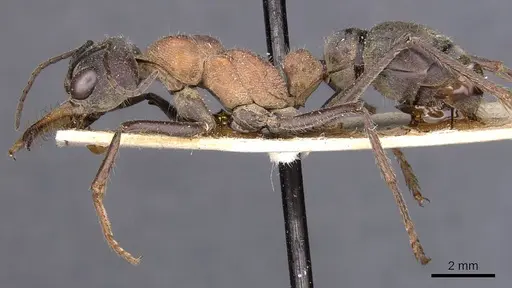
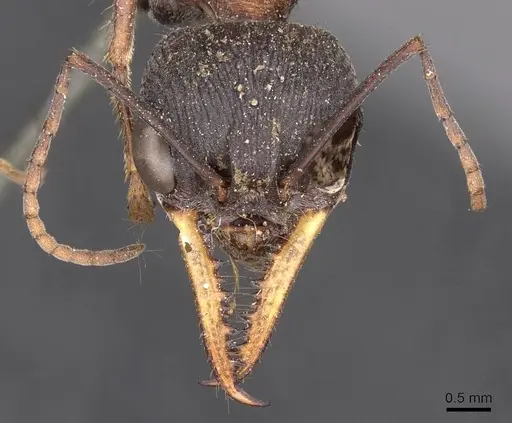
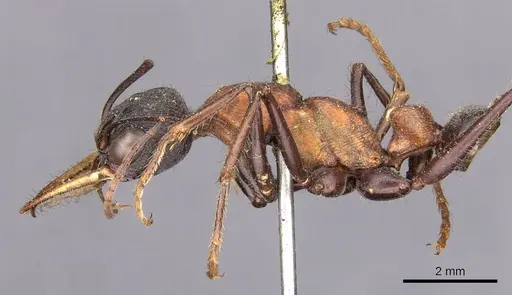
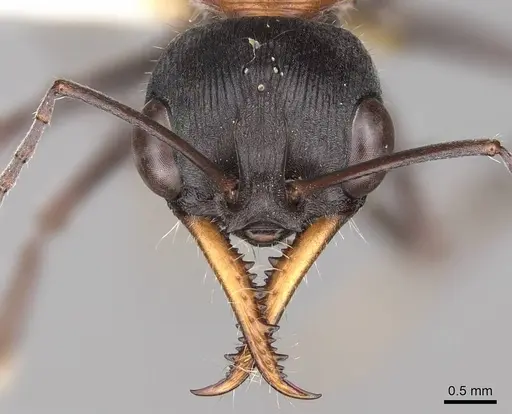
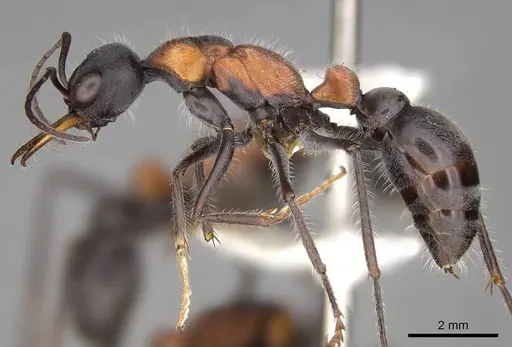
Myrmecia chasei is a large, robust bulldog ant native to Western Australia, particularly the Darling Range around Perth. Workers measure 12-15.5mm while queens are impressively sized at 22-24mm, making them one of the larger Myrmecia species. They have a distinctive appearance with yellow mandibles (though some specimens show intermediate light to medium brown), hairy tibiae, and the classic bulldog ant body shape with large eyes and powerful mandibles. This species belongs to the pilosula species group and is part of the 'jumper ant' complex known for their painful, medically significant stings [1]. In the wild, they nest in soil, often under stones or in natural ground cavities in the sclerophyll forest and woodland areas of southwestern Australia.
Quick Summary
- Difficulty: Medium
- Origin & Habitat: Western Australia, Australia, Darling Range including Perth area. They inhabit sclerophyll forest and woodland, nesting in soil under stones or in natural ground cavities [2].
- Colony Type: Likely monogyne (single-queen colonies), which is typical for Myrmecia species. The queen-worker size difference is notably larger than in other Myrmecia species.
- Colony: Monogyne
- Founding: Claustral
- Size & Growth:
- Queen: 22-24mm
- Worker: 12-15.5mm
- Colony: Likely several hundred workers based on typical Myrmecia colony development
- Growth: Moderate, large ants take time to develop
- Development: Estimated 8-12 weeks based on typical Myrmecia development patterns at optimal temperature (Large queen size suggests substantial founding reserves, development time is typical for the genus)
- Antkeeping:
- Temperature: Keep around 24-28°C with a slight gradient. Room temperature in most homes (22-25°C) is suitable, but a heating cable on one side of the nest can help maintain optimal warmth [2].
- Humidity: Moderate humidity around 50-60%. These ants come from southwestern Australia which has a Mediterranean climate, not overly humid. Keep the nest substrate slightly moist but allow it to dry between waterings.
- Diapause: Yes, a winter rest period is recommended. Reduce temperature to 15-18°C for 2-3 months during winter (May-August in Northern Hemisphere). This mimics their natural seasonal cycle in Western Australia.
- Nesting: Y-tong (AAC) nests work well for these large ants, as do plaster or acrylic nests with appropriately sized chambers. Provide a deep water reservoir as they drink and need moisture. A test tube setup can work for founding colonies.
- Behavior: Myrmecia chasei is an aggressive species with a powerful sting. Workers are highly alert and will readily defend the nest. They are active foragers that hunt for prey and collect honeydew. Their large size and powerful mandibles, combined with their potent venom, make them a defensive species, they will not hesitate to sting if threatened. Escape prevention is important but less critical than for tiny ants, their size makes them visible and they cannot squeeze through typical ant-keeping barriers. However, they are strong climbers and can scale smooth surfaces, so standard barrier methods still apply.
- Common Issues: Sting risk is significant, these ants belong to the jumper ant group known for causing anaphylactic reactions in sensitive individuals. Handle with extreme caution., Large size means they need spacious outworlds and properly sized nest chambers, cramped conditions can stress colonies., Slow colony development compared to smaller ants requires patience, founding colonies may take months to produce first workers., Winter diapause is essential for long-term colony health, skipping hibernation can weaken colonies over time., Wild-caught colonies may be difficult to establish in captivity after transport stress.
Housing and Nest Setup
Myrmecia chasei requires appropriately sized housing due to their large worker size (12-15.5mm). For founding colonies, a standard test tube setup works well, use a tube with a water reservoir at one end, stopped with cotton, providing a dark chamber for the queen. The tube should be large enough for the queen to move around comfortably. Once the colony reaches 15-20 workers, transfer to a proper formicarium. Y-tong (AAC) nests are excellent for Myrmecia as they provide appropriate chamber depth and allow for easy observation. Plaster nests also work well, providing the chambers are sized for their body width. The outworld should be spacious, these are active ants that need room to forage. Use a deep escape barrier like fluon around the edges. A water station is essential as they drink regularly. [2]
Feeding and Diet
Myrmecia chasei is an opportunistic predator and scavenger. In captivity, they readily accept live insects like crickets, mealworms, and roaches. Prey items should be appropriately sized, roughly half the worker body length is ideal. They also accept sugar sources including honey water and sugar water solutions. In the wild, they forage for honeydew from aphids and scale insects, so offering occasional sweet liquids is beneficial. Feed protein-rich foods 2-3 times per week for growing colonies, and provide a constant sugar source. Remove uneaten prey after 24-48 hours to prevent mold. Queens in founding mode do not need to be fed, they survive entirely on their stored fat reserves. [2]
Temperature and Seasonal Care
Maintain nest temperatures between 24-28°C for optimal brood development. A heating cable placed on one side of the nest creates a temperature gradient allowing ants to self-regulate. Room temperature (22-25°C) is acceptable in most homes. During winter (roughly November to March in captivity, or May-August if mimicking Southern Hemisphere seasons), reduce temperatures to 15-18°C to induce diapause. This winter rest period is important for colony health and mimics their natural seasonal cycle in Western Australia. Do not feed during deep diapause, but ensure a small water source is available. Avoid sudden temperature changes, gradual transitions are better for these ants. [2]
Behavior and Defense
Myrmecia chasei is one of the more aggressive Australian ant species. Workers are highly territorial and will aggressively defend the nest against intruders. Their primary defense is a painful sting, they belong to the 'jumper ant' group known for their ability to jump when alarmed and their potent venom that can cause severe allergic reactions in humans. When threatened, workers will raise their abdomen, bare their mandibles, and may lunge forward before stinging. This species is not suitable for handling. Always use caution when working with the colony, never handle directly, use tools for nest maintenance, and work in a well-lit area where you can see approaching workers. Their large size makes them easier to manage than tiny ants, but their sting more than compensates. [1]
Colony Development
A newly mated queen will dig a chamber and seal herself inside, this is claustral founding. She lays eggs and raises the first brood entirely from her stored fat reserves, not leaving the nest to forage. The first workers (nanitics) are typically smaller than normal workers but still impressively sized at around 12mm. After the nanitics emerge, the colony enters a growth phase with the queen continuing to lay eggs and workers expanding the nest and foraging for food. Colony growth is moderate, Myrmecia species are not among the fastest-growing ants, but they can eventually reach several hundred workers. The large queen size (22-24mm) suggests she has substantial fat reserves for successful founding. Be patient with founding colonies, it may take 3-6 months before the first workers appear. [2]
Frequently Asked Questions
How long does it take for first workers to appear?
Expect 8-12 weeks from egg to first worker at optimal temperature (24-28°C). This is typical for Myrmecia species. Founding colonies require patience, the queen seals herself in and raises the first brood alone. You may not see workers for 3-6 months after the queen begins founding.
Can I keep multiple queens together?
No. Myrmecia chasei is monogyne, colonies have a single queen. Unlike some ant species, multiple queens will fight. If you have multiple founding queens, house them separately from the start.
Do Myrmecia chasei need hibernation?
Yes, a winter diapause period is recommended. Reduce temperatures to 15-18°C for 2-3 months annually. This mimics their natural seasonal cycle in Western Australia and is important for long-term colony health.
What do Myrmecia chasei eat?
They are predators and scavengers. Feed live insects like crickets, mealworms, and roaches (appropriately sized), along with sugar water or honey. Protein should be offered 2-3 times per week, with a constant sugar source available.
Are Myrmecia chasei good for beginners?
Not recommended for beginners. While their large size makes them easier to see and house than tiny ants, their aggressive temperament and powerful sting make them challenging. They require specific temperature control, seasonal diapause, and careful handling. Experience with less dangerous ant species first is highly recommended.
When should I move from test tube to formicarium?
Move the colony when you see 15-20 workers and the test tube is becoming crowded. Myrmecia chasei workers are large (12-15.5mm), so they need appropriately sized chambers. A Y-tong or plaster nest works well for the transition.
How big do Myrmecia chasei colonies get?
Mature colonies can reach several hundred workers. The queen is large (22-24mm) and can produce many eggs over her lifespan. Growth is moderate, expect several years to reach maximum colony size.
What temperature do they need?
Keep the nest at 24-28°C. A heating cable on one side creates a gradient. Room temperature (22-25°C) is acceptable, but slightly warmer conditions speed up brood development. Avoid temperatures below 20°C except during diapause.
Where is Myrmecia chasei from?
Western Australia, Australia, specifically the Darling Range around Perth. They inhabit sclerophyll forest and woodland areas, nesting in soil under stones.
References

This caresheet is licensed under CC BY-SA 4.0 .
CASENT0903663
View on AntWeb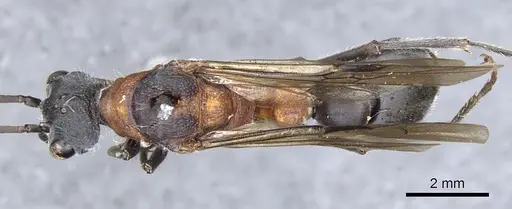
CASENT0907076
View on AntWeb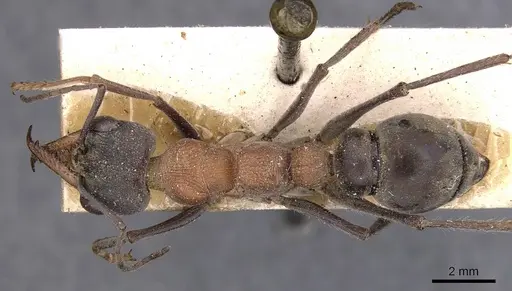
CASENT0907091
View on AntWeb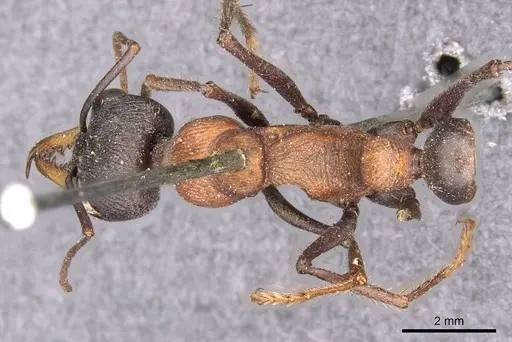
CASENT0914309
View on AntWeb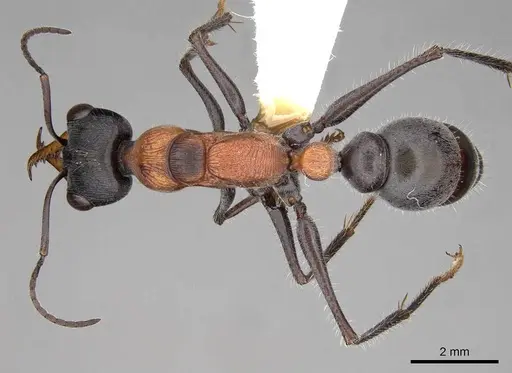
Literature
Loading...Loading products...