

Myrmecia elegans
- Scientific Name
- Myrmecia elegans
- Tribe
- Myrmeciini
- Subfamily
- Myrmeciinae
- Author
- Clark, 1943
- Distribution
- Found in 1 countries
Myrmecia elegans Overview
Myrmecia elegans is an ant species of the genus Myrmecia. It is primarily documented in 1 countries , including Australia. Detailed taxonomic data and occurrence records can be further explored via authoritative databases such as AntWeb or the Global Biodiversity Information Facility (GBIF).
Myrmecia elegans
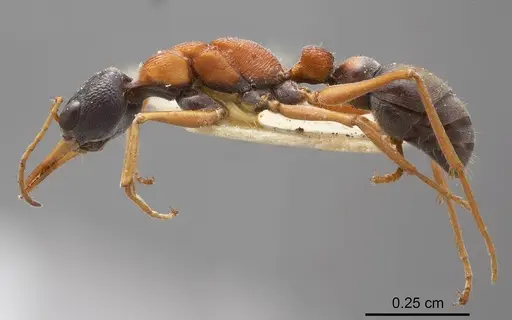
Myrmecia elegans is a medium-sized bulldog ant native to Western Australia. Workers measure around 12-15mm and feature distinctive mandibles that can range from light yellow to dark, with the mesosoma varying from uniformly red-orange to bicolored dark red and black. The species is closely related to Myrmecia occidentalis, with key identification features including yellowish pubescence on the clypeus and shorter antennal scape compared to similar species. As a member of the pilosula species group, these ants possess the characteristic powerful sting typical of Myrmecia bulldog ants [1].
Quick Summary
- Difficulty: Medium
- Origin & Habitat: Western Australia, Australia. Found in the southwestern regions around Hovea, Mt Dale, and Mundaring in Western Australia [1].
- Colony Type: Likely monogyne (single queen) based on typical Myrmecia patterns. Colony structure is inferred from genus-level observations as species-specific data is limited.
- Colony: Monogyne
- Founding: Claustral
- Size & Growth:
- Queen: Approximately 15-18mm (estimated based on genus patterns)
- Worker: 12-15mm [1]
- Colony: Likely several hundred workers based on typical Myrmecia colony development
- Growth: Moderate, Myrmecia species typically develop at a moderate pace
- Development: Estimated 2-3 months based on related Myrmecia species (Development time is inferred from genus patterns, specific data for M. elegans is unavailable)
- Antkeeping:
- Temperature: Keep at 22-26°C, with a slight gradient allowing workers to self-regulate. Room temperature in most homes should work well [1].
- Humidity: Moderate humidity around 50-60%. Provide a water tube and allow the nest area to dry slightly between rehydration.
- Diapause: Unknown for this specific species. Many Australian Myrmecia may not require strong diapause but benefit from cooler winter temperatures around 15-18°C.
- Nesting: Y-tong (AAC) nests or acrylic formicaria work well. Provide a foraging area with access to protein foods. Native to Western Australia so they prefer well-drained substrates.
- Behavior: Bulldog ants are known for their aggressive temperament and powerful stings. Workers are active foragers that will readily hunt prey. They are diurnal and often seen hunting during daylight hours. Escape prevention is important, while not as small as some species, they are strong and can push through loose fittings. Their sting is painful and can cause allergic reactions in sensitive individuals [1].
- Common Issues: sting hazard, use caution when servicing the colony, as their sting is painful and potentially dangerous to allergic individuals, limited species-specific data means care is based on genus patterns rather than direct observation, colonies can be sensitive to improper humidity, both too dry and too wet can cause problems, foraging workers may escape if the outworld is not properly sealed, queen founding can be difficult, claustral queens seal themselves in and may fail if disturbed
Housing and Nest Setup
Myrmecia elegans does well in Y-tong (AAC) nests or acrylic formicaria. These ants are medium-sized and need appropriately scaled chambers. Provide a water tube attached to the nest for humidity control. The foraging area should be spacious enough for workers to hunt and should be escape-proof, use fluon on edges and ensure lids fit tightly. A dark background helps these ants feel secure. Since they come from Western Australia, they prefer drier conditions than many tropical ants, avoid overly damp substrates. [1]
Feeding and Diet
Myrmecia bulldog ants are predators by nature. Feed them live insects such as crickets, mealworms, and roaches. Prey items should be appropriately sized, roughly half the worker length is ideal. They also accept sugar sources like honey water or sugar water, though protein-rich foods are essential for colony growth. Feed workers 2-3 times per week, removing uneaten prey after 24 hours to prevent mold. Queens in founding colonies do not need food, they survive on stored fat reserves until first workers emerge.
Temperature and Seasonal Care
Maintain temperatures between 22-26°C during the active season. Myrmecia are from temperate Australia and can tolerate a range of conditions. In winter, you can reduce temperatures to 15-18°C to simulate cooler months, but strong diapause is not typically required. Avoid temperatures below 12°C or above 30°C. A heating cable on one side of the nest can create a gradient if your room temperature runs cool. Monitor colony activity, workers should be actively foraging, if they seem sluggish, try slightly increasing temperature.
Handling and Safety
Myrmecia elegans has a potent sting and should be handled with extreme caution. These ants are not suitable for beginners who want to handle their colony frequently. When servicing the nest, work slowly and use gentle puff of air rather than blowing on them. If threatened, workers will raise their gaster and deliver a painful sting. Some individuals may have allergic reactions, seek medical attention if stings cause severe swelling or breathing difficulties. Always use protective gear when working with established colonies. [1]
Colony Development
Newly mated queens will dig a chamber and seal themselves inside, this is claustral founding. They lay eggs and feed the larvae from their own body reserves. First workers, called nanitics, are typically smaller than mature workers. The colony grows slowly at first as the queen focuses on producing workers. Once established, growth accelerates as more foragers can bring back protein. A mature colony may reach several hundred workers over several years. Colonies are long-lived, Myrmecia queens can live 15-20 years in captivity with proper care.
Frequently Asked Questions
How long does it take for Myrmecia elegans to produce first workers?
Expect first workers (nanitics) in approximately 2-3 months after the queen lays eggs. This is based on typical Myrmecia development patterns, as species-specific data is not available.
Do Myrmecia elegans ants sting?
Yes, they have a powerful sting. Their sting is painful and can cause allergic reactions in sensitive individuals. Use extreme caution when handling or servicing the colony.
What do I feed Myrmecia elegans?
Feed them live insects like crickets, mealworms, and roaches. They also accept sugar water or honey. Protein-rich foods are essential for colony growth. Remove uneaten prey after 24 hours.
Are Myrmecia elegans good for beginners?
No, they are not recommended for beginners. Their potent sting and aggressive temperament make them challenging to handle. They require experienced keepers who understand bulldog ant behavior.
What temperature do Myrmecia elegans need?
Keep them at 22-26°C during the active season. They can tolerate cooler temperatures down to 15-18°C in winter. Avoid temperatures below 12°C or above 30°C.
How big do Myrmecia elegans colonies get?
Based on typical Myrmecia patterns, colonies likely reach several hundred workers over several years. Exact colony size for this species is unknown.
Can I keep multiple Myrmecia elegans queens together?
This species is likely monogyne (single queen). Combining unrelated queens has not been documented and is not recommended, queens will likely fight.
Do Myrmecia elegans need hibernation?
Strong diapause is not required, but they benefit from cooler winter temperatures around 15-18°C. This simulates their natural seasonal cycle in Western Australia.
When should I move Myrmecia elegans to a formicarium?
Wait until the colony has at least 20-30 workers before moving to a formicarium. Test tubes work well for founding colonies. Moving too early can stress the queen and cause colony failure.
Why is my Myrmecia elegans colony dying?
Common causes include improper humidity (too dry or too wet), temperature stress, disturbance during founding, or poor nutrition. Check that the water tube is working, temperatures are stable, and workers have access to protein foods.
References

This caresheet is licensed under CC BY-SA 4.0 .
ANTWEB1008282
View on AntWeb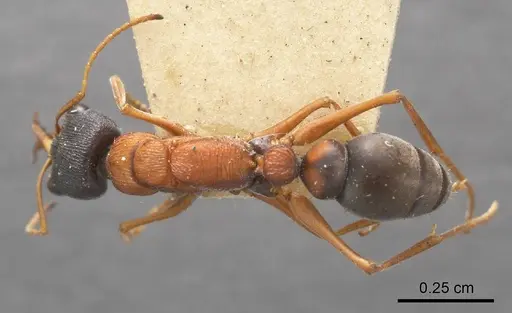
Literature
Loading...Loading products...