

Myrmecia occidentalis
- Scientific Name
- Myrmecia occidentalis
- Tribe
- Myrmeciini
- Subfamily
- Myrmeciinae
- Author
- Clark, 1943
- Distribution
- Found in 1 countries
Myrmecia occidentalis Overview
Myrmecia occidentalis is an ant species of the genus Myrmecia. It is primarily documented in 1 countries , including Australia. Detailed taxonomic data and occurrence records can be further explored via authoritative databases such as AntWeb or the Global Biodiversity Information Facility (GBIF).
Myrmecia occidentalis
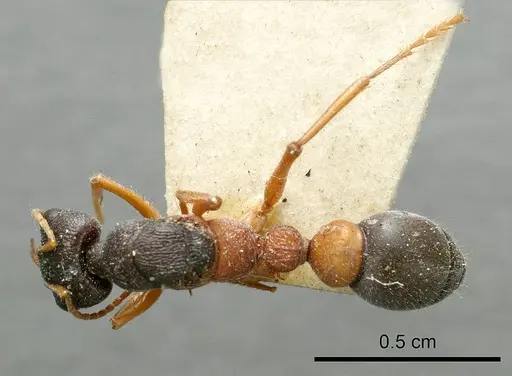
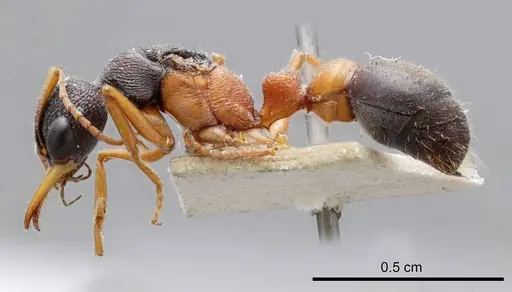
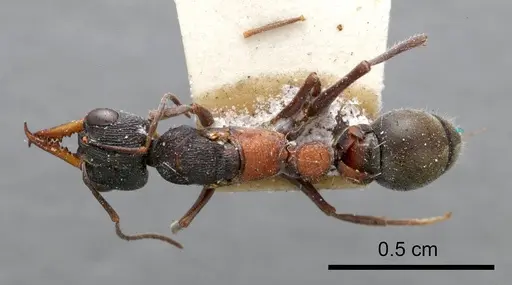
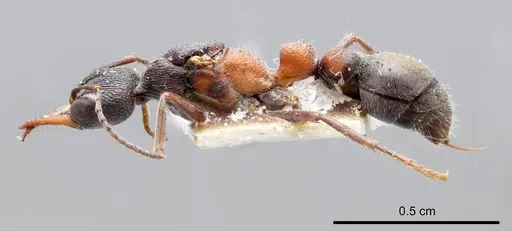
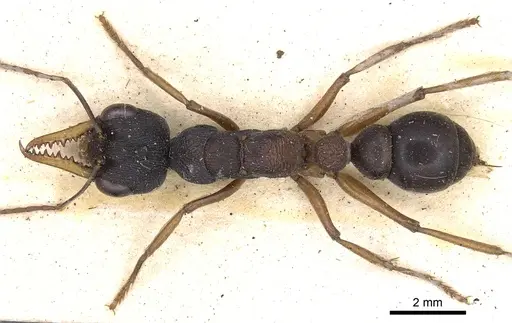
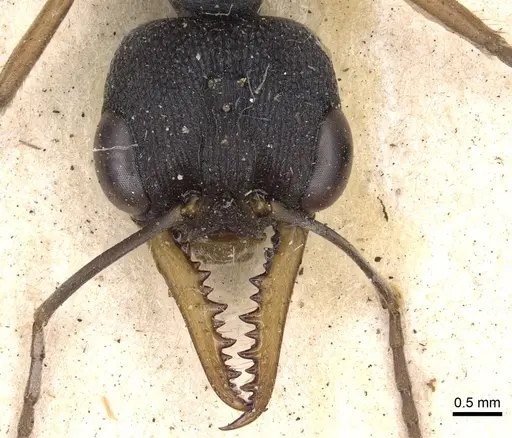
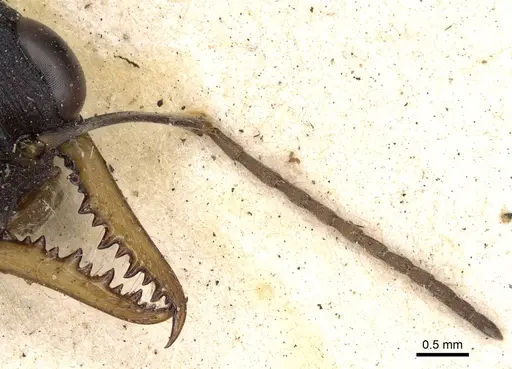
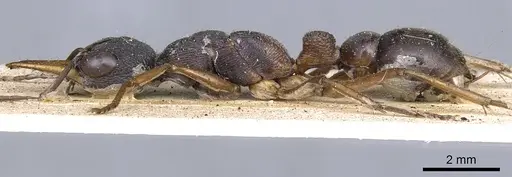
Myrmecia occidentalis is a large bulldog ant species native to Western Australia, particularly common in the Kwongan sand-plain region north of Perth [1]. Workers are robust ants with the characteristic large mandibles and powerful sting typical of Myrmecia species. They belong to the pilosula species group and are known for their aggressive foraging behavior, often hunting prey on vegetation across the sand-plain habitats [1]. The species was originally described as Myrmecia occidentalis in 1943 by Clark, with later synonymization under Myrmecia.
This species stands out for its hunting behavior, unlike many ants that simply collect honeydew or scavenge, these bulldog ants are active predators that pursue prey on plants and ground. Their painful sting makes them a species to handle with caution, but their impressive size and active hunting style make them fascinating for experienced antkeepers who can provide proper care.
Quick Summary
- Difficulty: Medium
- Origin & Habitat: Western Australia, specifically the Southwest Botanical Province. Particularly common in the Kwongan sand-plain north of Perth where it forages on vegetation [1]. Found at type localities including Tammin, Eradu, Merridin, and Beverley in Western Australia.
- Colony Type: Likely monogyne (single queen) based on typical Myrmecia patterns. Colonies likely establish with one founding queen that becomes the sole reproductive.
- Colony: Monogyne
- Founding: Claustral
- Size & Growth:
- Queen: Estimated 18-22mm based on genus Myrmecia queen sizes.
- Worker: Large workers, approximately 15-20mm based on genus patterns for pilosula group species.
- Colony: Likely several thousand workers at maturity based on typical Myrmecia colony development.
- Growth: Moderate, Myrmecia species typically grow at moderate pace with founding queens raising first workers over several months.
- Development: Estimated 8-12 weeks at optimal temperature based on related Myrmecia species development. (Development time is temperature-dependent. First workers (nanitics) are typically smaller than mature workers.)
- Antkeeping:
- Temperature: Keep at 24-28°C with a warm gradient. These are Australian ants adapted to warm conditions. A heating cable on part of the nest helps maintain optimal temperatures.
- Humidity: Moderate humidity around 50-60%. Being from sand-plain habitats, they prefer drier conditions than many Myrmecia species. Provide a water tube but avoid overly damp nests.
- Diapause: Yes, a winter rest period is recommended. Reduce temperature to 15-18°C for 2-3 months during winter, mimicking Western Australian seasonal patterns.
- Nesting: Large test tubes for founding colonies, transitioning to spacious formicariums or naturalistic setups with deep soil substrate. They appreciate vertical space for their foraging activity. Y-tong or acrylic nests with chambers large enough for their size work well.
- Behavior: Myrmecia occidentalis is an aggressive forager with a powerful sting. Workers actively hunt prey rather than just scavenging, using their large mandibles to capture insects and other small invertebrates [1]. They are diurnal and often forage on vegetation in their natural habitat. This species has a painful sting and should be handled with care, they are not suitable for beginners who want to handle their ants. Escape prevention is important given their size and strength, though they are not as prone to climbing smooth surfaces as some smaller species. They are territorial and will defend their nest aggressively.
- Common Issues: painful stings, these ants have potent venom and should never be handled without protection, colonies grow large quickly, need spacious housing before they outgrow initial setups, aggressive temperament makes them unsuitable for observation without secure barriers, winter diapause is essential, skipping hibernation can weaken or kill colonies over time, founding colonies are vulnerable, queen must not be disturbed during claustral founding period
Housing and Nest Setup
For founding colonies, use a large test tube setup with a water reservoir. The tube should be at least 20mm wide to accommodate the large queen and her subsequent colony. Once the colony reaches 20-30 workers, transition to a proper formicarium. Myrmecia occidentalis needs more vertical space than many ants due to their active foraging behavior. Y-tong (acrylic) nests work well, or you can use a naturalistic setup with a deep soil chamber. Avoid nests with very narrow tunnels, these large ants need room to move. Always use excellent escape prevention, while they are not extreme climbers, their size and strength mean they will exploit any gap. [1]
Feeding and Diet
Myrmecia occidentalis is a predatory species that hunts live prey. Feed them a variety of insects including crickets, roaches, mealworms, and other appropriately-sized invertebrates. Prey should be no larger than the ant's head. They also accept sugar sources like honey water or sugar water, though protein-rich prey should form the bulk of their diet. Feed founding colonies small prey items that the queen can manage. For established colonies, offer prey 2-3 times per week, removing any uneaten insects within 24 hours. Always ensure fresh water is available. [1]
Temperature and Seasonal Care
These Western Australian ants prefer warm conditions. Maintain nest temperatures between 24-28°C during the active season. A heating cable placed on one side of the nest creates a temperature gradient that allows the ants to regulate their own temperature. During winter (roughly May-August in the Southern Hemisphere), reduce temperatures to 15-18°C to induce diapause. This winter rest period is essential for colony health, skipping it can lead to weakened colonies that fail to produce brood properly in subsequent seasons. Do not feed during diapause and minimize disturbance.
Behavior and Handling
Myrmecia occidentalis is one of the more aggressive Australian ant species. Workers will readily sting when threatened, and their sting is painful, comparable to a bee sting. Never handle these ants without proper protection. They are active foragers that hunt prey rather than scavenging, making them fascinating to observe. Workers are territorial and will aggressively defend the nest. They do not have the extreme climbing ability of some ants, but can still escape through small gaps. Keep noise and vibrations near the nest to a minimum, especially during founding. [1]
Colony Development
A newly mated queen will dig a chamber and seal herself inside, this is claustral founding. She lays eggs and feeds the larvae from her own fat reserves and broken-down wing muscles. The first workers (nanitics) are typically smaller than mature workers but will immediately begin foraging to feed the colony. Growth is moderate, expect the first workers within 2-3 months in optimal conditions. The colony will grow steadily over several years, potentially reaching several thousand workers. A mature colony is impressive, with workers of various sizes (major and minor castes) performing different tasks.
Frequently Asked Questions
How long does it take for Myrmecia occidentalis to produce first workers?
Expect first workers (nanitics) to emerge around 8-12 weeks after the queen lays eggs, assuming optimal temperatures of 24-28°C. This is typical for Myrmecia species. The queen will remain sealed in her chamber until the first workers emerge.
Do Myrmecia occidentalis ants sting?
Yes, they have a powerful sting. These are among the more dangerous Australian ant species, their sting is painful and can cause allergic reactions in sensitive individuals. Never handle them without protection and keep them securely contained.
Are Myrmecia occidentalis good for beginners?
No, they are not recommended for beginners. Their aggressive temperament, painful sting, large colony size, and specific temperature and diapause requirements make them better suited for experienced antkeepers who already understand proper ant husbandry.
What do I feed Myrmecia occidentalis?
Feed them primarily live insects like crickets, roaches, and mealworms. They are predators that actively hunt prey. You can also offer sugar water or honey as a supplement. Remove uneaten prey within 24 hours to prevent mold.
Do Myrmecia occidentalis need hibernation?
Yes, they require a winter diapause period. Reduce temperatures to 15-18°C for 2-3 months during winter. This mimics their natural seasonal cycle in Western Australia and is essential for long-term colony health.
Can I keep multiple Myrmecia occidentalis queens together?
No, Myrmecia species are typically monogyne (single queen). Multiple unrelated queens will fight. Only a mated pair that naturally founds a colony together might coexist temporarily, but even then, pleometrosis (multiple queen founding) often results in queen elimination.
When should I move my colony to a formicarium?
Move from test tube to formicarium once the colony reaches 20-30 workers. Myrmecia need more space than many ants, so provide a spacious formicarium with room for foragers. Ensure the outworld is also appropriately sized.
How big do Myrmecia occidentalis colonies get?
Mature colonies can reach several thousand workers. They are among the larger Australian ant species with workers measuring 15-20mm. Plan for a spacious setup that can accommodate a large, active colony.
What temperature should I keep Myrmecia occidentalis at?
Maintain temperatures between 24-28°C during the active season. Use a heating cable on part of the nest to create a gradient. During winter diapause, reduce to 15-18°C.
Why is my Myrmecia occidentalis colony dying?
Common causes include: skipping winter diapause, temperatures too low or too high, improper humidity, mold from uneaten prey, or disturbance during founding. Ensure proper conditions and review your care against the requirements in this guide.
References

This caresheet is licensed under CC BY-SA 4.0 .
Literature
Loading...Loading products...