

Mycetophylax simplex
- Scientific Name
- Mycetophylax simplex
- Tribe
- Attini
- Subfamily
- Myrmicinae
- Author
- Emery, 1888
- Distribution
- Found in 1 countries
Mycetophylax simplex Overview
Mycetophylax simplex is an ant species of the genus Mycetophylax. It is primarily documented in 1 countries , including Brazil. Detailed taxonomic data and occurrence records can be further explored via authoritative databases such as AntWeb or the Global Biodiversity Information Facility (GBIF).
Mycetophylax simplex
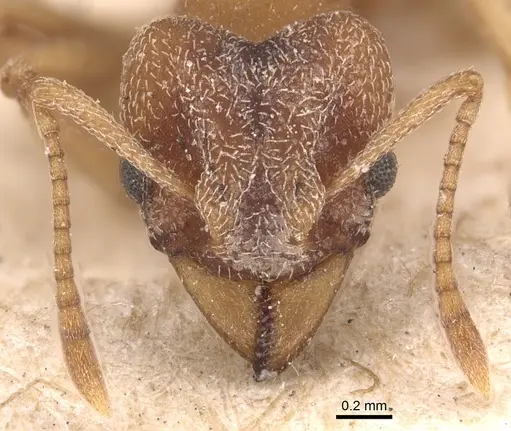
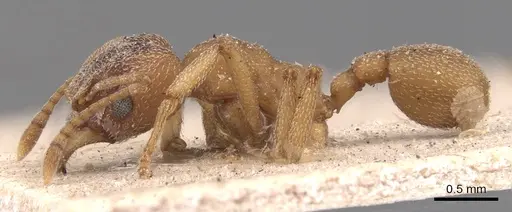
Mycetophylax simplex is a small fungus-farming ant native to the Atlantic coast of Brazil. Workers measure 3.3-4.1mm and have a distinctive yellow to brownish color with a smooth, almost heart-shaped head and no spines on the propodeum (the section behind the middle body). Queens are larger at 5.1-5.3mm. This species belongs to the Attini tribe, the fungus-farming ants that cultivate a specialized fungus for food. Unlike leaf-cutter ants, M. simplex is a 'lower agriculture' species that collects plant material rather than fresh leaves to feed their fungus. They build nests in sandy coastal dunes, with fungus chambers located 35-80cm underground. Colonies are small, typically containing 33-535 workers with a single queen. [1][2][3]
Quick Summary
- Difficulty: Hard
- Origin & Habitat: Atlantic coastal sand dunes of southern Brazil (Rio Grande do Sul, Santa Catarina, and Rio de Janeiro states). They nest in bare sandy areas near sparse vegetation on beaches, with nests positioned close to the shore where vegetation cover is limited. [1][2][3][4]
- Colony Type: Monogyne, colonies have a single queen that mates only once (monandrous). All studied colonies were headed by a single mated queen. Worker reproductive ability is absent, workers cannot lay reproductive eggs. [1][3][5]
- Colony: Monogyne
- Size & Growth:
- Queen: 5.10-5.30 mm [1][2]
- Worker: 3.30-4.05 mm [1][2]
- Colony: 33-535 workers (mean 245) [1][3]
- Growth: Moderate, inferred from related Attini species
- Development: 6-10 weeks (estimated based on Attini genus patterns) (Direct development data unavailable. Attini typically develop in 6-10 weeks at optimal temperatures. Lower agriculture species like M. simplex tend to have moderate growth rates.)
- Antkeeping:
- Temperature: Keep at 24-28°C. This species inhabits warm coastal Brazilian dunes, so aim for low-to-mid 20s °C. A gentle temperature gradient allows ants to regulate their own exposure.
- Humidity: Moderate. Their coastal dune habitat experiences variable humidity. Keep the nest substrate slightly moist but allow some drying between waterings. The fungus garden needs consistent moisture, aim for damp substrate that isn't waterlogged.
- Diapause: No, being a tropical/subtropical species from coastal Brazil, they do not require hibernation. Maintain year-round warm conditions.
- Nesting: Naturalistic setup with deep sand chambers works best. In the wild, they dig tunnels ending in fungus chambers 35-80cm deep. For captivity, use a deep naturalistic formicarium or a plaster nest with adequate depth for fungus cultivation. The key requirement is space for a fungus garden chamber. [1][3]
- Behavior: Workers are relatively calm and not aggressive. They forage for plant material to feed their fungal cultivar. Nest entrances may close during windy weather or when foraging isn't active. After rainfall, they sometimes dig new entrances nearby. Escape risk is moderate, workers are 3-4mm so standard barriers work well, but their small size means you should still use proper escape prevention. [1][3]
- Common Issues: fungus cultivation is difficult, these ants require live fungal symbiont and half of laboratory colonies died because they wouldn't start foraging or maintain fungus growth, requires plant material, you must provide dried, crushed plant material (grass clippings, dead leaves) for them to cultivate their fungus, small colony size means slower population growth compared to more common ant species, queen is monandrous, if your queen dies, the colony cannot replace her since workers cannot reproduce, wild-caught colonies may carry parasites or have difficulty adjusting to captive conditions
Fungus Farming - The Core of Their Diet
Mycetophylax simplex is a fungus-farming ant in the Attini tribe. Unlike leaf-cutter ants that cut fresh leaves, this 'lower agriculture' species collects and uses dead plant material to cultivate their fungal garden. The fungus is their sole food source, they don't eat the plant material directly, but feed the fungus and then eat what the fungus produces. In captivity, you must provide dried, crushed plant material such as dried grass clippings, dead leaves, or crushed flower petals. Place this material in the outworld near the nest entrance, workers will transport it to the fungus chamber. This is critical: without plant material, the fungus dies and the colony starves. Laboratory studies showed that even when provided with dried plant material from their native habitat, colonies struggled to maintain healthy fungus growth. This makes M. simplex one of the more challenging ant species to keep. [1][6][7]
Nest Setup and Housing
These ants need deep nesting space for their fungus garden. In the wild, the fungus chamber sits 35-80cm below ground, but for captivity a depth of 10-15cm in a suitable chamber works. A naturalistic setup with a deep sand/soil mixture allows them to build their own tunnels. Alternatively, a plaster or acrylic formicarium with a large chamber for the fungus garden can work. The fungus chamber should be quite large, in the wild, chambers reach 300-2464ml (about 1.3 liters on average), with the fungus filling about two-thirds of that space. Provide an outworld connected to the nest where you can offer plant material and where foraging occurs. Use a water tube for humidity and mist the nest area occasionally to maintain the moisture the fungus needs. Escape prevention is important, while not extreme escape artists, standard barriers prevent issues. [1][3]
Temperature and Seasonal Care
Being from the warm Atlantic coast of Brazil, these ants need consistently warm temperatures. Keep the nest area at 24-28°C. A heating cable on one side of the nest creates a gentle gradient that ants can use to regulate their temperature. They do not require hibernation or winter cooling, maintain warm conditions year-round. The coastal dune habitat experiences mild temperatures, so avoid extremes. Room temperature in most homes (20-24°C) may be slightly cool, consider using a small heat source. Monitor colony behavior: if workers are consistently clustered near the heat source, increase temperature slightly, if they avoid it, the nest may be too warm. Humidity is also important for the fungus, the substrate should feel damp but not waterlogged.
Colony Structure and Reproduction
Mycetophylax simplex forms monogyne colonies with a single queen. The queen mates only once (monandrous), which has been confirmed through genetic analysis. This means each colony originates from one mated queen, and all workers are full siblings. Colony sizes are relatively small compared to many ant species, the largest observed colonies had around 535 workers, with an average of about 245. Each colony also contains males (averaging 11 per colony) and new queens (averaging 8-9 per colony, though this varies from 0-59). Workers cannot reproduce, they have lost reproductive totipotency. If your queen dies, the colony cannot replace her. This makes establishing a healthy colony from the start critical. The small colony size also means growth is slower than many beginner-friendly species. [1][3][5]
Feeding and Foraging
The primary food is their fungal cultivar, not conventional ant foods. You must provide plant material for the fungus to grow on. Offer small amounts of dried, crushed plant matter (dried grass, dead leaves, crushed flower petals) in the outworld. Place it near the nest entrance where foragers can find it. Do not offer sugar water, honey, or protein foods like crickets, these ants are obligate fungus farmers and cannot process typical ant foods. The plant material must be dry and crushed, not fresh. Some keepers report success with very small amounts of organic material, but the key is providing what the fungus needs. Observe whether workers collect the material, if they don't, the colony may fail to establish fungus. Laboratory studies showed that half of colonies refused to forage at all, making this species particularly challenging. [1]
Frequently Asked Questions
Can I keep Mycetophylax simplex in a test tube?
A test tube is not suitable for established colonies. These ants need deep nesting space for their fungus garden chamber (35-80cm deep in the wild). Use a naturalistic setup with deep sand/soil or a formicarium with a large fungus chamber. A test tube may work for temporary housing of a single queen during founding, but the colony will need proper housing once workers emerge. [1][3]
What do Mycetophylax simplex ants eat?
They do not eat conventional ant foods. As fungus farmers, they cultivate a fungal garden and eat what the fungus produces. You must provide dried, crushed plant material (dried grass, dead leaves, crushed flower petals) for them to grow their fungus. Do not offer sugar water, honey, insects, or other typical ant foods, they cannot digest these. The plant material must be dry and crushed into small pieces. [1]
How long does it take for first workers to appear?
The exact development time is unconfirmed, but based on related Attini species, expect 6-10 weeks from egg to first worker at optimal temperature (around 24-28°C). This is slower than many common ant species. Growth is also limited by fungus health, if the fungal garden struggles, colony growth will be stunted.
Are Mycetophylax simplex good for beginners?
No. This is an expert-level species due to the difficulty of maintaining their fungal symbiont. Laboratory studies showed half of colonies died quickly because they wouldn't forage or maintain fungus growth. Unless you have experience with fungus-farming ants or are prepared for significant trial-and-error, start with an easier species like Lasius niger or Tetramorium caespitum. [1]
How big do colonies get?
Colony sizes are relatively small, wild colonies reach 33-535 workers with an average of about 245. This is modest compared to many ant species. Colonies are monogyne with a single queen, and the queen mates only once, limiting potential for rapid growth. Expect your colony to stay in the tens to low hundreds of workers rather than reaching thousands. [1][3]
Can I keep multiple queens together?
No. This species is monogyne, colonies have a single queen. Multiple unrelated queens will fight. Even if you could introduce queens successfully, the monandrous mating system (queen mates only once) means additional queens wouldn't contribute to colony reproduction. Start with one queen. [1][3]
Do they need hibernation?
No. Being from the warm Atlantic coast of Brazil, they do not require hibernation or winter cooling. Keep them warm year-round at 24-28°C. They are adapted to a subtropical climate without cold winters.
Why are my ants dying?
The most likely cause is fungus garden failure. These ants are obligate fungus farmers, if the fungus dies, the colony starves. This happens easily in captivity, which is why half of laboratory colonies died. Ensure you provide appropriate dried, crushed plant material, maintain warmth (24-28°C), and keep the fungus chamber humid but not waterlogged. Also ensure good ventilation to prevent mold, which can kill the fungus. [1]
When should I move them to a formicarium?
Move them once you have a healthy colony with at least 20-30 workers and the founding setup is becoming cramped. The key requirement is having enough space for a proper fungus chamber. A naturalistic setup with deep substrate is ideal. If using a formicarium, ensure it has a large enough chamber for the fungus garden, at least several hundred milliliters in volume.
References

This caresheet is licensed under CC BY-SA 4.0 .
USNMENT00445505
View on AntWeb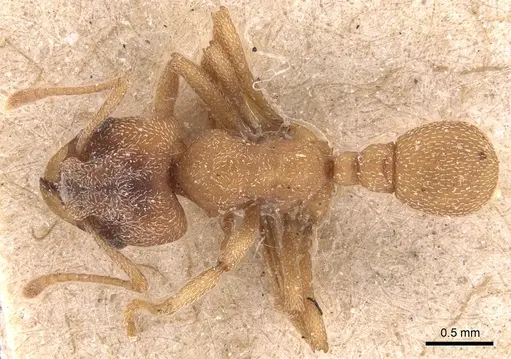
Literature
Loading...Loading products...