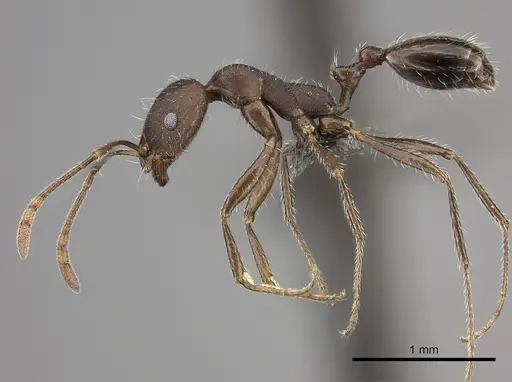
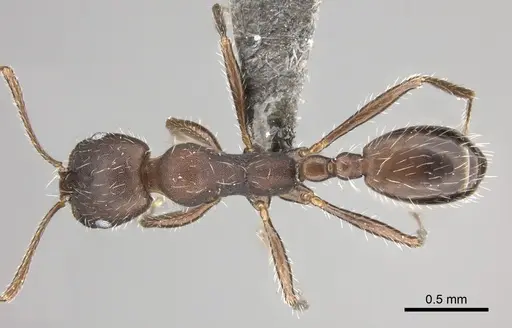
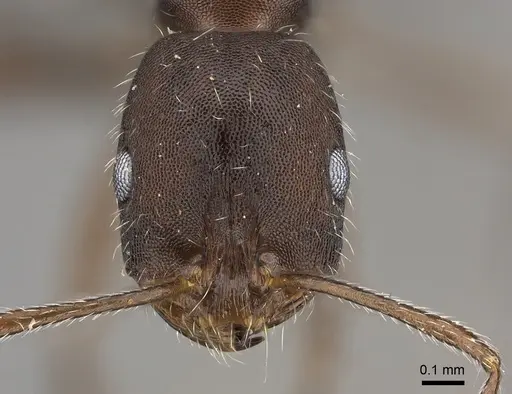
Monomorium albopilosum - "White-haired Monomorium Ant"
Monomorium albopilosum is a fascinating ant species known for its dense covering of erect, pale hairs across its body, which gives it a distinct, almost 'fuzzy' appearance. These ants are relatively small, with workers typically ranging from 3.4 to 4.4 mm in length. Their coloration can vary from light to dark brown, with some variations even appearing deep black. They are quite pugnacious and are known to sting freely. Colonies typically nest in the ground, often forming a low mound of earth around the entrance. Both winged (alate) and wingless (apterous) queens have been observed in this species.
- Difficulty: Medium
- Origin & Habitat: Africa (specifically Southern Africa, including South Africa, Zimbabwe, Lesotho, Malawi, and Mozambique) in Ground nests, often with a low mound of earth..
- Colony Type: Polygyne (multiple queens), semi-claustral (queen forages) founding.
- Size & Growth:
- Queen: Not specified
- Worker: 3.4-4.4mm
- Colony: Large (tens of thousands). Fast growth.
- Antkeeping:
- Temperature: Ideal temperature range is 22-28°C. Consistent heating aids brood development..
- Humidity: Nests prefer higher humidity (50-70%), while the outworld should be drier (30-50%)..
- Diapause: Not required. Not specified at Not specified.
- Nesting: This species thrives in various artificial nest setups, including acrylic, Ytong, glass, and 3D-printed nests. A 'tub and tube' setup is recommended for smaller colonies before moving to a larger formicarium..
- Behavior: Medium (towards handler, food or other ants) aggressiveness.
- Common Issues: Escape, Humidity fluctuations, Overfeeding leading to waste, Colony stalling (if conditions are not met).
One of the most notable aspects of keeping Monomorium albopilosum is their highly polygynous nature, meaning colonies can house a significant number of queens. This allows for incredibly rapid colony growth, leading to vast numbers of workers in a relatively short period. Keepers should be prepared for this explosive growth and plan for ample nesting space and consistent food sources to accommodate the ever-expanding population. Monitoring their activity closely will help determine when a new, larger setup is needed.
Escape prevention is paramount when dealing with Monomorium albopilosum due to their small size and relentless drive to expand their territory. These ants are known to be escape artists, and if they manage to get out, they can readily establish new nests in your home. Regular reapplication of escape barriers like Fluon or talcum powder on outworld walls is crucial. Some keepers also find success with water moats, but careful planning and consistent maintenance are key to keeping these tiny foragers contained.
While M. albopilosum workers are quite small, they are also very pugnacious and possess a functional sting. Although typically not a significant threat to humans unless provoked, it’s a factor to be mindful of during maintenance or feeding. Always exercise caution and avoid direct contact with the ants. Their aggressive nature also extends to their feeding habits; they are enthusiastic eaters and will readily swarm prey items when the colony is large.
The inbreeding capabilities within Monomorium colonies are a fascinating biological trait. While it may seem counterintuitive for colony health, it allows these ants to continually produce new fertile queens from within the nest. This internal queen production contributes to their remarkable colony longevity and expansion. This means that even if older queens naturally decline, new queens are always emerging to maintain the colony's vitality, making them a truly long-term antkeeping project.
Providing a diverse and consistent diet is essential for the health and rapid growth of a Monomorium albopilosum colony. They require a steady supply of both carbohydrates, such as honey water or sugar water, and protein. Pre-killed insects are highly recommended, especially for smaller workers, to prevent any casualties during hunting. As the colony size swells, their appetite will increase significantly, so be prepared to offer larger quantities of food and observe their consumption patterns to avoid overfeeding.
Frequently Asked Questions
What is the typical colony size for Monomorium albopilosum?
These ants are incredibly prolific! While a starting colony might be small, they can quickly balloon to tens of thousands of workers, especially given their polygynous nature. Be ready for a population boom!
Do Monomorium albopilosum queens need to hibernate?
Generally, Monomorium albopilosum do not require a diapause period. They are quite hardy and can be kept active year-round with consistent conditions. However, some keepers might provide a short cool-down period, but it's not essential for their long-term health.
What kind of nest is best for Monomorium albopilosum?
Due to their small size and tendency to squeeze into tiny gaps, escape prevention is key! Acrylic, Ytong, or 3D-printed nests are suitable, but ensure they have very tight seals. For smaller colonies, a secure 'tub and tube' setup works wonders before they graduate to a larger formicarium.
Are Monomorium albopilosum difficult to keep for beginners?
While they are quite robust, their tiny size and exceptional escape artistry make them a bit more challenging than typical beginner species like Lasius niger. Intermediate keepers with good escape prevention strategies will find them more manageable.
What do Monomorium albopilosum eat?
These ants have a healthy appetite! They thrive on a mix of sugary liquids like honey water and various protein sources, such as pre-killed feeder insects (crickets, mealworms, roaches). Ensure a constant supply, especially as the colony grows.
How fast do Monomorium albopilosum colonies grow?
Very fast! Their growth rate is considered rapid. With multiple queens constantly laying eggs and efficient brood development (around 4-6 weeks from egg to worker), you'll see their numbers swell quickly. This is one species where you'll witness explosive colony expansion firsthand.
Do Monomorium albopilosum sting?
Yes, they do have a functional sting. While their sting is not usually severe for humans, it's best to handle them with care and avoid direct contact, especially if you have sensitive skin.
How do I prevent Monomorium albopilosum from escaping?
This is the most critical aspect of their care! Regularly apply a barrier like Fluon (PTFE) or talcum powder mixed with alcohol to the upper edges of your outworld. Ensure there are no humidity spots on the barrier, as this can compromise its effectiveness. Consistent reapplication is vital.
Can Monomorium albopilosum inbreed within their colony?
Yes, fascinatingly, they can! This internal breeding allows them to continuously produce new fertile queens, contributing to their remarkable colony longevity and impressive population numbers within a single nest.
What temperature and humidity do Monomorium albopilosum prefer?
Aim for a nest temperature of 22-28°C (around 72-82°F) to encourage optimal brood development. The nest area should have moderate to high humidity (50-70%), while the foraging area can be a bit drier (30-50%).