

Monomorium creticum
- Scientific Name
- Monomorium creticum
- Tribe
- Solenopsidini
- Subfamily
- Myrmicinae
- Author
- Emery, 1895
- Distribution
- Found in 1 countries
Monomorium creticum Overview
Monomorium creticum is an ant species of the genus Monomorium. It is primarily documented in 1 countries , including Greece. Detailed taxonomic data and occurrence records can be further explored via authoritative databases such as AntWeb or the Global Biodiversity Information Facility (GBIF).
Monomorium creticum
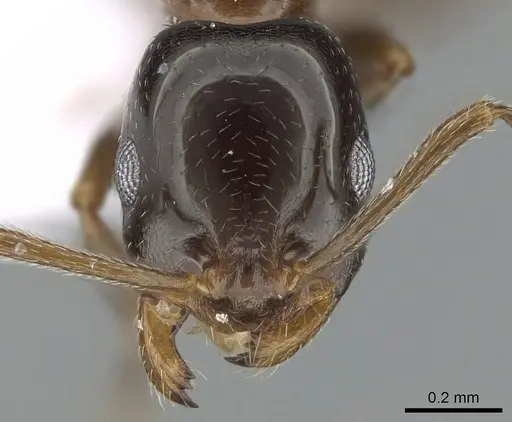
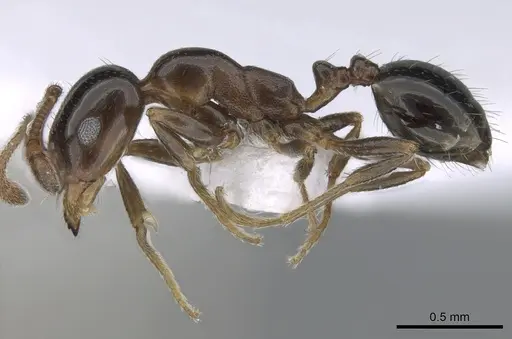
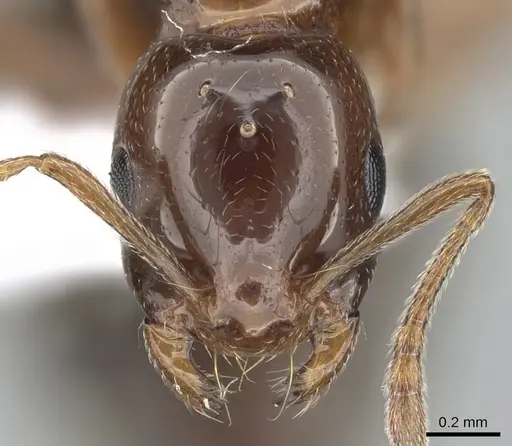
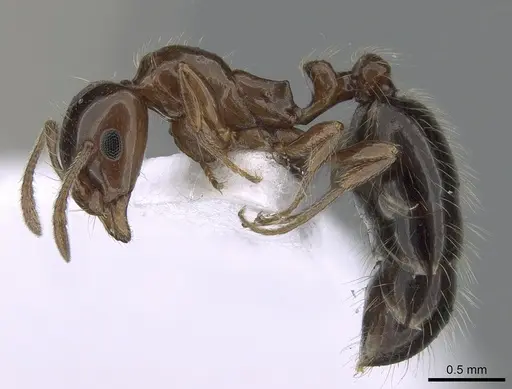
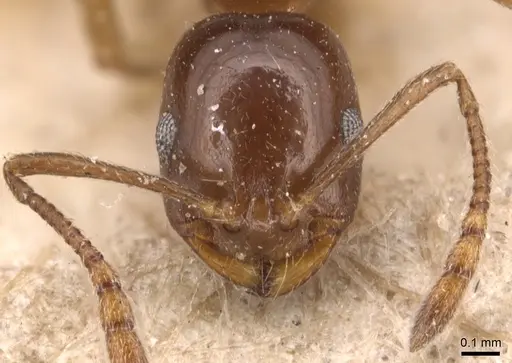
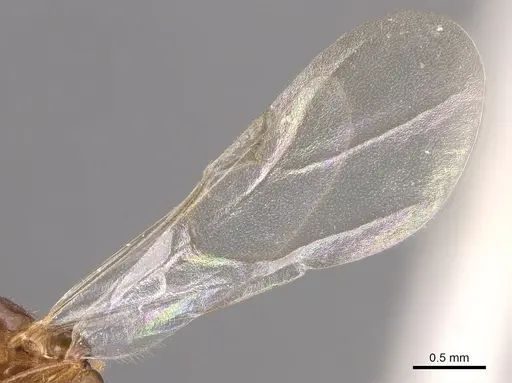
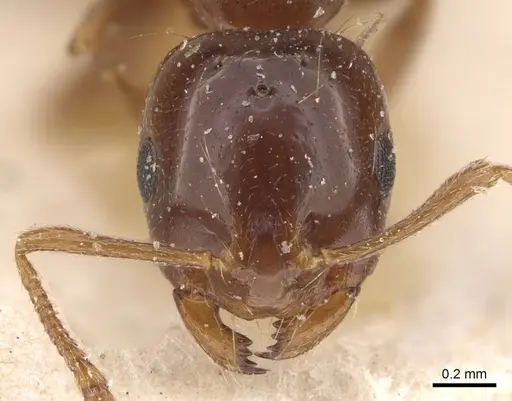
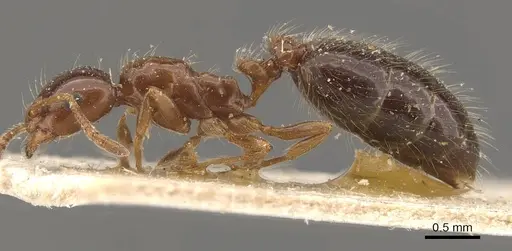
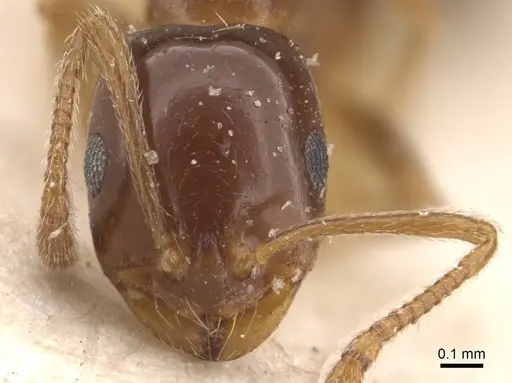
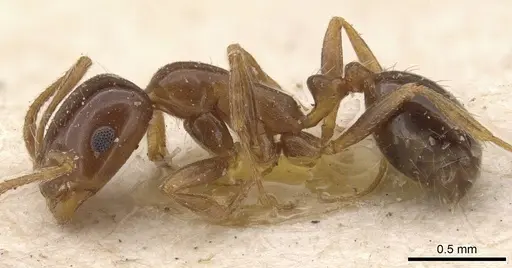
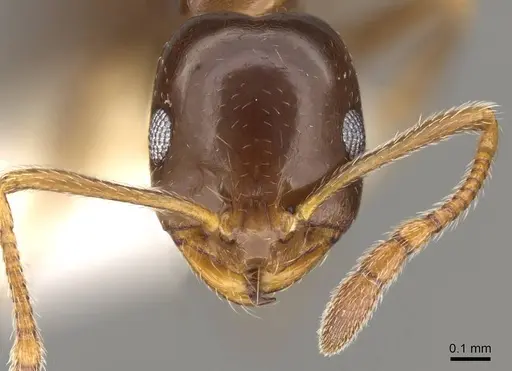
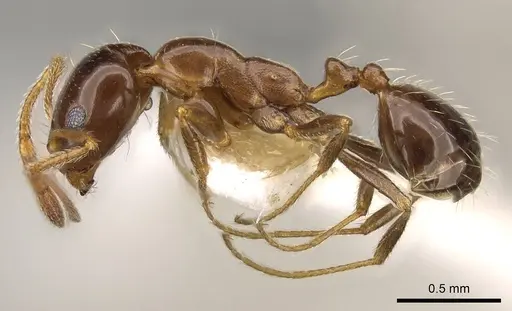
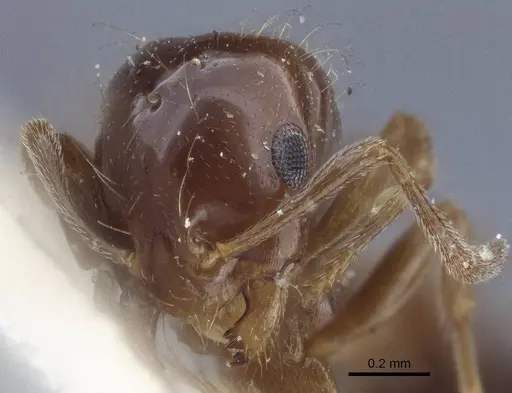
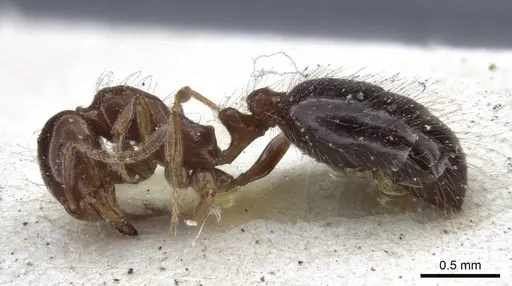
Monomorium creticum is a tiny, dark ant endemic to Crete and the Aegean Islands of Greece. Workers are small and dark brown to black, measuring approximately 2-3mm. Queens are ergatoid (wingless), which is unusual, this species produces only wingless queens rather than the typical winged reproductive forms seen in most ants. This is a rare trait in the ant world, making them particularly interesting for antkeepers who want something different from the usual species. Colonies are polygynous, meaning they contain multiple queens that all contribute to reproduction.
Quick Summary
- Difficulty: Medium
- Origin & Habitat: Endemic to Crete and the Aegean Islands of Greece, where it inhabits open, sunny habitats ranging from sea level to over 1000m elevation. Nests in soil and rock rubble in both natural and human-modified environments [1][2].
- Colony Type: Polygynous (multiple queens per colony) with ergatoid (wingless) queens only. The ergatoid queens are born without wings and serve as replacement reproductives, when a queen dies, an ergatoid can take over egg-laying duties. This is different from typical ants that have winged queens for dispersal [3][4][5].
- Colony: Polygyne
- Size & Growth:
- Queen: Approximately 4-5mm (estimated based on genus patterns)
- Worker: Approximately 2-3mm (estimated based on genus patterns)
- Colony: Likely several hundred workers based on related Monomorium species
- Growth: Moderate
- Development: 6-8 weeks (estimated based on related Monomorium species) (Development timeline is not specifically documented for this species, estimates based on genus patterns)
- Antkeeping:
- Temperature: Keep at 22-28°C. As a Mediterranean species from Crete, they prefer warm conditions. A heating cable on one side of the nest creates a temperature gradient allowing workers to choose their preferred zone [2].
- Humidity: Moderate humidity around 50-60%. These ants nest in soil and rock rubble in typically dry Mediterranean habitats, so avoid overly damp conditions. Provide a moisture gradient with a damp section and a drier section.
- Diapause: Yes, as a temperate/Mediterranean species, they likely require a winter rest period. Reduce temperature to 10-15°C for 2-3 months during winter, mimicking natural seasonal cycles.
- Nesting: Y-tong (AAC) nests or plaster nests work well. Provide a small outworld for foraging. Because of their tiny size, ensure escape prevention is excellent, they can squeeze through very small gaps. Naturalistic setups with soil and small rocks can mimic their natural rock rubble nesting sites.
- Behavior: Generally peaceful and non-aggressive. Workers are small but active foragers, searching for small prey and honeydew. They are not known for stinging and pose no danger to keepers. Their tiny size means excellent escape prevention is essential, use fine mesh and tight-fitting lids. Colonies are polygynous, so multiple queens coexist peacefully. The ergatoid queen system means colonies can maintain reproduction even if the primary queen is lost.
- Common Issues: escape prevention is critical due to their very small size, they can squeeze through gaps that larger ants cannot, polygynous colonies may be harder to establish if you're used to single-queen species, multiple queens need to be introduced carefully, ergatoid queens are wingless, so nuptial flights don't occur, new colonies form when ergatoids disperse or through colony budding, overheating can be fatal, avoid temperatures above 30°C even though they prefer warmth, wild-caught colonies may have parasites, quarantine and observe new colonies carefully
The Ergatoid Queen System
Monomorium creticum has a fascinating reproductive system, it produces only ergatoid queens, which are wingless queens born without the ability to fly. This is unusual in the ant world, where most species produce winged queens that disperse to start new colonies. The ergatoid queens serve as replacement reproductives within the colony. When the primary queen dies, an ergatoid can take over egg-laying duties, ensuring colony survival. This was only discovered when researchers realized that a species described as 'Monomorium biroi' was actually just an ergatoid queen of M. creticum [3][4]. For antkeepers, this means colonies can maintain continuous reproduction without needing to replace queens, but it also means you won't observe nuptial flights, new colonies form when ergatoids disperse or through colony budding.
Housing and Nest Setup
These tiny ants need appropriately scaled housing. A Y-tong (AAC) nest with small chambers works well, as does a plaster nest with narrow tunnels. The chambers should be sized for their small worker size, avoid large, open spaces. Provide a small outworld connected to the nest for foraging. Escape prevention is critical, their tiny size allows them to squeeze through gaps that larger ants cannot. Use tight-fitting lids, fine mesh on any ventilation, and apply Fluon or similar barriers to the rim of the outworld. A naturalistic setup with a soil layer and small rocks can mimic their natural nesting in rock rubble. [2]
Feeding and Diet
Like other Monomorium species, these ants are omnivorous. They likely accept sugar sources (honey water, sugar water) and protein (small insects like fruit flies, pinhead crickets, or mealworms). In the wild, they forage for honeydew from aphids and small prey. Feed small amounts of protein 2-3 times per week, and keep a sugar source available at all times. Remove uneaten food promptly to prevent mold. Their small size means prey items should be appropriately sized, avoid large insects that could overwhelm workers.
Seasonal Care and Winter Rest
As a Mediterranean species from Crete, M. creticum experiences seasonal temperature changes in the wild. During winter, temperatures on Crete drop significantly, and ants become less active. You should provide a winter rest period (diapause) of 2-3 months, reducing temperatures to 10-15°C. This helps maintain natural rhythms and may improve colony health long-term. Reduce feeding during this period, the colony will be less active and consume less food. In summer, they can tolerate temperatures up to around 28-30°C, but avoid overheating. [2]
Colony Establishment
Establishing M. creticum colonies can be different from typical ants. Since they have ergatoid queens and are polygynous, you may receive a colony with multiple queens already present. Unlike species with winged queens, you won't have a claustral founding stage to observe, the colony is typically established when ergatoid queens are introduced or when a colony splits (budding). When introducing multiple queens, do so gradually in a neutral space. These ants are not aggressive toward each other in the same colony, but unrelated queens may fight initially. Be patient during establishment, colony growth may be slower than more common species. [5][2]
Frequently Asked Questions
How long does it take for Monomorium creticum to produce first workers?
The exact timeline is not documented, but based on related Monomorium species, expect 6-8 weeks from egg to worker at optimal temperature (around 25°C). Growth rate is moderate, these are not fast growers like some Camponotus species.
Can I keep multiple queens together in one colony?
Yes, M. creticum is naturally polygynous, meaning colonies contain multiple queens. Unlike many species where multiple queens fight, these ants peacefully coexist. If starting with multiple foundresses, introduce them gradually in a neutral space.
What temperature do Monomorium creticum need?
Keep them warm at 22-28°C. As Mediterranean ants from Crete, they prefer temperatures in the warm end of the antkeeping range. Use a heating cable on one side of the nest to create a gradient, allowing workers to regulate their own temperature.
Are Monomorium creticum good for beginners?
They are rated as Medium difficulty. While not the easiest species, they are not challenging once you understand their needs. The main considerations are escape prevention (critical due to tiny size), providing proper warmth, and understanding their unique ergatoid queen system. They are fascinating for keepers interested in unusual reproductive biology.
Do Monomorium creticum need hibernation?
Yes, as a Mediterranean species, they benefit from a winter rest period. Reduce temperature to 10-15°C for 2-3 months during winter. This mimics their natural seasonal cycle on Crete and helps maintain colony health.
How big do Monomorium creticum colonies get?
Based on related species, colonies likely reach several hundred workers. They are not among the largest Monomorium species, but polygynous colonies can still become substantial. Expect moderate colony growth over 1-2 years.
Why are my Monomorium creticum escaping?
Their tiny size means they can squeeze through incredibly small gaps. Check all connections between nest and outworld, use fine mesh (at least 0.5mm or smaller), and apply Fluon or similar barrier compounds to all edges. Even tiny gaps that wouldn't concern larger ants will allow escapes.
What's unusual about Monomorium creticum queens?
They have only ergatoid (wingless) queens, no winged queens are produced. This is rare in ants and means you won't see nuptial flights. Ergatoid queens serve as replacement reproductives within the colony, allowing continuous reproduction without dispersal flights.
References

This caresheet is licensed under CC BY-SA 4.0 .
CASENT0281548
View on AntWeb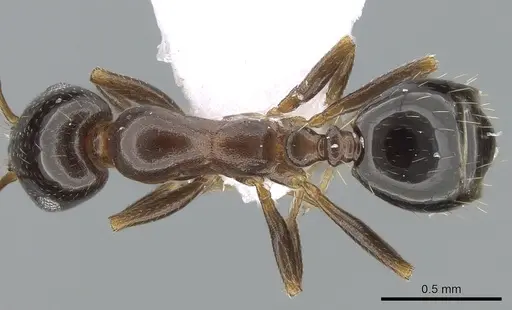
CASENT0281549
View on AntWeb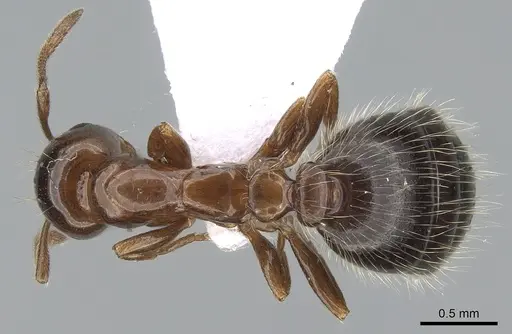
CASENT0904603
View on AntWeb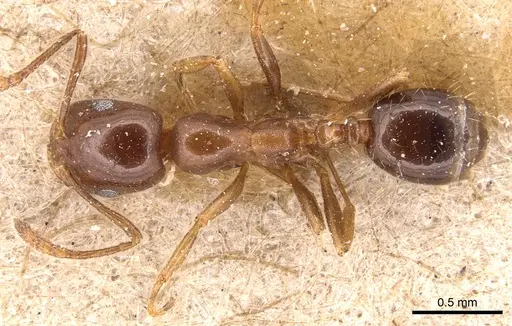
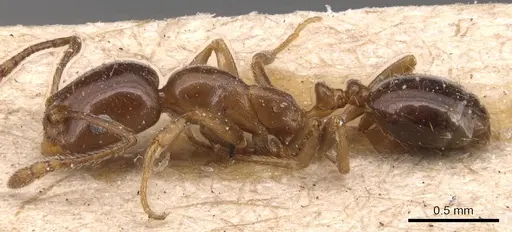
CASENT0904612
View on AntWeb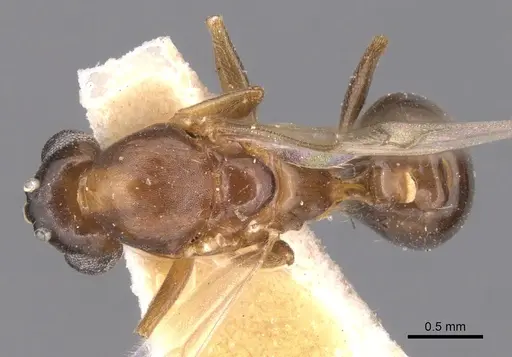
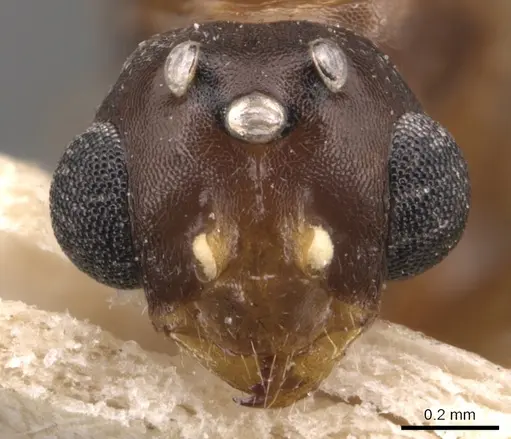
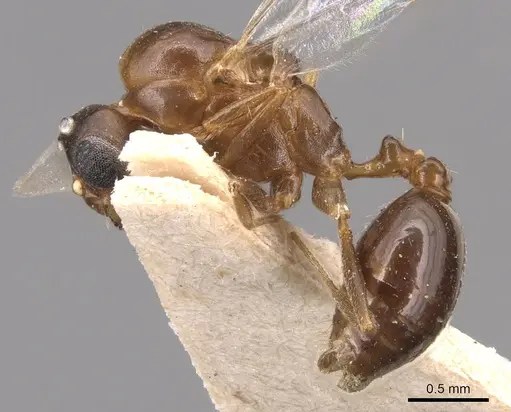
CASENT0908775
View on AntWeb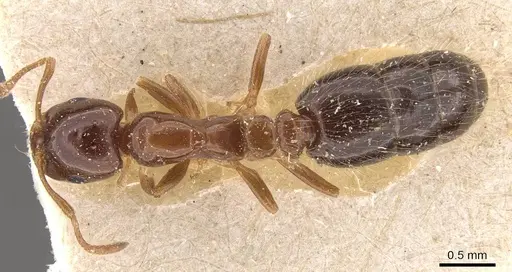
CASENT0908776
View on AntWeb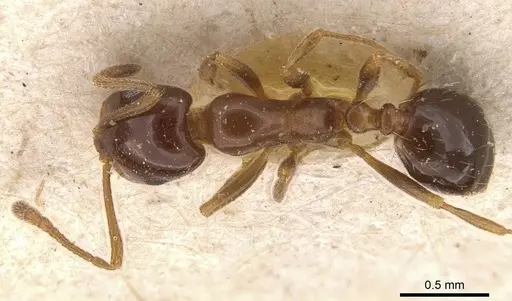
CASENT0914316
View on AntWeb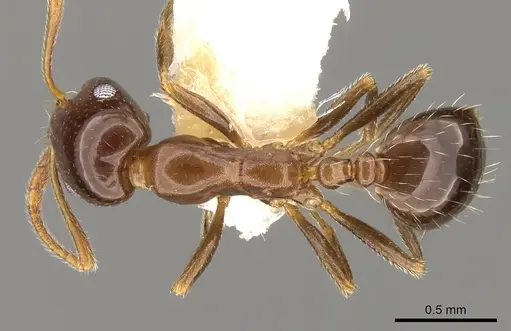
CASENT0916612
View on AntWeb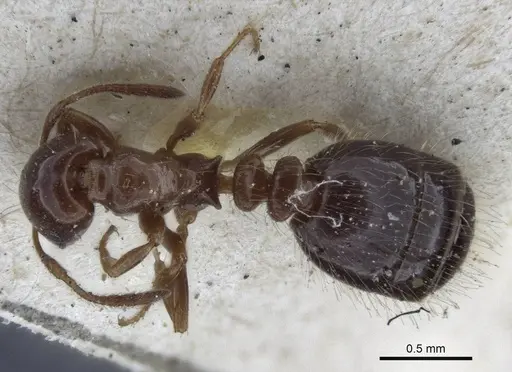
Literature
Loading...Loading products...