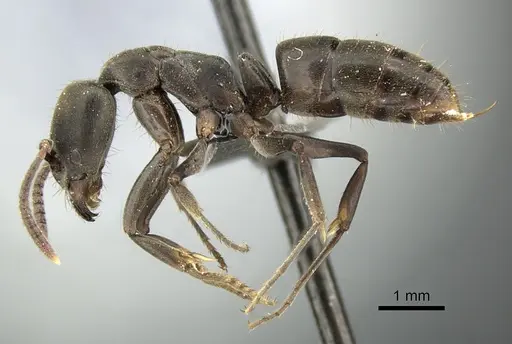
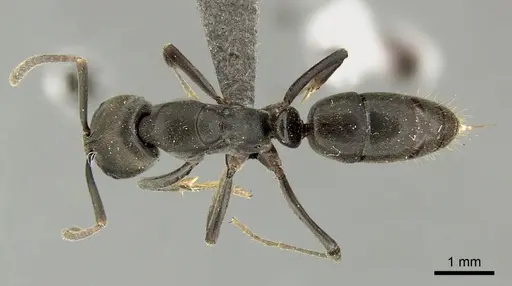
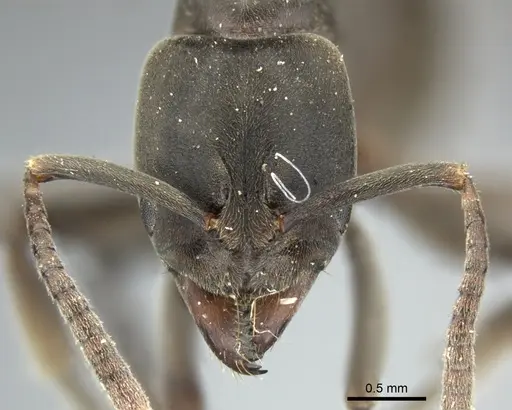
Mesoponera caffraria - "African Stinging Ant"
Mesoponera caffraria is a fascinating medium-sized ant species belonging to the Ponerinae subfamily. These ants are known for their slender build and a coloration that typically ranges from very dark brown to nearly black, often with a subtle yellowish pubescence, especially in West African forms. Their mandibles are triangular and relatively long, with more than eight teeth. They possess small eyes located towards the front of their head. A distinctive feature is their cooperative foraging behavior, often employing tandem running to recruit nestmates to food sources. Unlike many ant species, M. caffraria workers exhibit an unusual degree of task specialization from an early age, rather than displaying a typical age-dependent division of labor.
- Difficulty: Medium
- Origin & Habitat: Sub-Saharan Africa, including countries like South Africa, Ivory Coast, Ghana, Kenya, and Zimbabwe. in Primarily found in savannahs and semi-deciduous forest zones, nesting in the ground, rotting logs, or sometimes in active or abandoned termite nests..
- Colony Type: Monogyne, semi-claustral founding.
- Size & Growth:
- Queen: 10.5mm+
- Worker: 5-9.5mm
- Colony: Small (hundreds). Medium, with initial cyclical egg-laying patterns during founding. growth.
- Antkeeping:
- Temperature: Maintain a temperature around 22°C (72°F) for optimal development, though they can tolerate slight fluctuations..
- Humidity: Aim for a humidity of approximately 40% RH in their nesting area, with access to a water source in the outworld..
- Diapause: Not required. Not specified at Not specified.
- Nesting: These ants prefer nests that mimic their natural underground or rotting wood environments. Plaster, Ytong, or naturalistic setups with a sandy soil substrate are suitable. They tend to build two-chambered nests, with the brood in the inner chamber, and have a unique entrance structure to deter intruders..
- Behavior: Medium (towards prey and potential threats) aggressiveness.
- Common Issues: Lack of live prey for semi-claustral queens, Inadequate humidity leading to desiccation, Stress from excessive vibrations or disturbances, Escapes due to their active foraging.
Mesoponera caffraria queens exhibit a semi-claustral founding behavior, meaning they forage for small arthropods to feed their first brood. This differs from fully claustral species where the queen relies solely on her fat reserves. Providing small insects like flightless fruit flies or tiny crickets during the founding stage is crucial for their success. Observe carefully to ensure the queen is actively hunting and the brood is developing.
A remarkable aspect of M. caffraria is their unique division of labor. Unlike many ants where tasks change with age, these workers show a significant degree of task specialization from an early age. Some workers will consistently focus on internal nest duties, while others are dedicated foragers. Among foragers, some may specialize further in collecting sugary liquids, or even in stinging and retrieving insect prey. This specialized behavior makes them truly distinct.
These ants are predatory and will actively hunt insects. When offering prey, consider their natural hunting strategies. They are known to attack termite nests in large groups in the wild, with the entire colony sometimes emigrating into the conquered nest. This aggressive hunting instinct means they require a consistent supply of live insects for their protein needs. Offering various types of small feeder insects can help meet their dietary requirements.
Foraging in M. caffraria is often coordinated through tandem running, where one ant leads another to a food source using both visual and chemical cues. This fascinating behavior can be observed in a well-designed outworld. Ensure your setup provides enough space for them to exhibit this natural communication method, which contributes to their efficient food collection.
Frequently Asked Questions
What kind of enclosure is best for a Mesoponera caffraria colony?
For these fascinating ants, a formicarium that allows for a sandy soil substrate is ideal, as they naturally nest in the ground or rotting wood. Plaster or Ytong nests with good humidity gradients can also work. Ensure there's a secure outworld for foraging, allowing them to exhibit their unique tandem running.
What do Mesoponera caffraria eat?
Mesoponera caffraria are primarily predatory ants, so their diet should consist mainly of live insects like fruit flies, small crickets, or mealworms. They also appreciate sugary liquids, so offering a sugar water or honey solution can supplement their diet. Remember, during colony founding, the queen actively hunts for her brood.
How large do Mesoponera caffraria colonies get?
These colonies are typically on the smaller side for ant species, usually reaching a few dozen up to around 70-120 workers. This makes them a manageable size for many antkeeping enthusiasts.
Do Mesoponera caffraria sting?
Yes, like many Ponerinae ants, Mesoponera caffraria workers are capable of stinging. While generally not aggressive towards handlers unless provoked, caution should always be exercised. Their sting is primarily used for subduing prey.
Is diapause necessary for Mesoponera caffraria?
Given their natural habitat in tropical and subtropical regions of Africa, Mesoponera caffraria typically do not require a diapause period in captivity, unlike many temperate ant species. Maintaining stable temperatures year-round is usually sufficient.
How do Mesoponera caffraria queens start their colonies?
Mesoponera caffraria queens practice semi-claustral founding. This means the queen will forage outside the nest to hunt small arthropods to feed her larvae during the initial stages of colony development. Providing easy access to small feeder insects is crucial during this period.
What's unique about Mesoponera caffraria worker behavior?
These ants exhibit a fascinating and unusual division of labor. Instead of workers changing roles as they age, Mesoponera caffraria workers show a remarkable degree of task specialization early in life. Some are dedicated to indoor nest work, while others specialize in foraging, with some foragers even specializing further in what they collect.
How do Mesoponera caffraria communicate during foraging?
They are well-known for their use of tandem running to recruit other workers to food sources. One ant will lead a nestmate, often physically touching them, using both visual cues and chemical trails to guide them directly to the discovery. It's a truly engaging behavior to witness in an outworld.
Are Mesoponera caffraria suitable for beginner antkeepers?
Due to their semi-claustral founding, specific dietary needs, and unique behavioral quirks, Mesoponera caffraria are generally considered a 'Medium' difficulty species. They are better suited for antkeepers with some prior experience who can provide the attentive care they require, particularly during the crucial founding phase.