

Mesoponera melanaria
- Scientific Name
- Mesoponera melanaria
- Tribe
- Ponerini
- Subfamily
- Ponerinae
- Author
- Emery, 1893
- Distribution
- Found in 4 countries
Mesoponera melanaria Overview
Mesoponera melanaria is an ant species of the genus Mesoponera. It is primarily documented in 4 countries , including India, Lao People's Democratic Republic, Sri Lanka. Detailed taxonomic data and occurrence records can be further explored via authoritative databases such as AntWeb or the Global Biodiversity Information Facility (GBIF).
Mesoponera melanaria
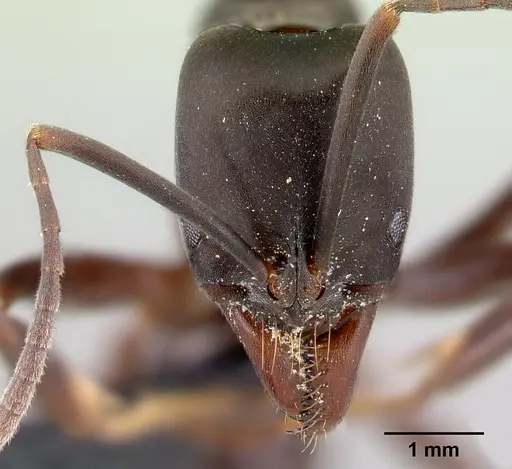
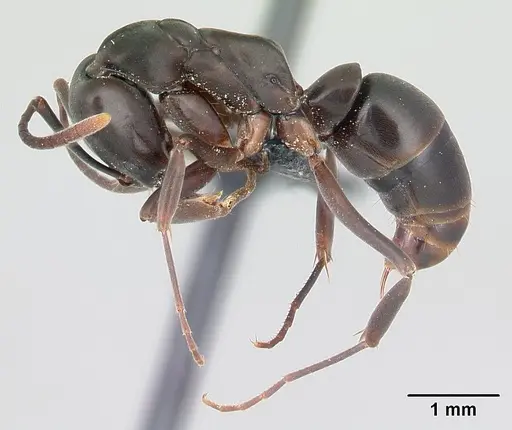
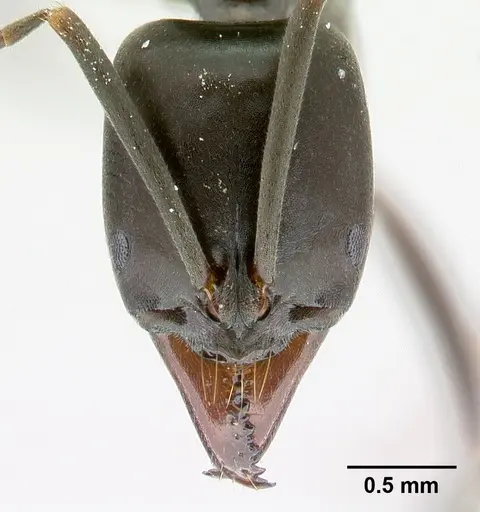
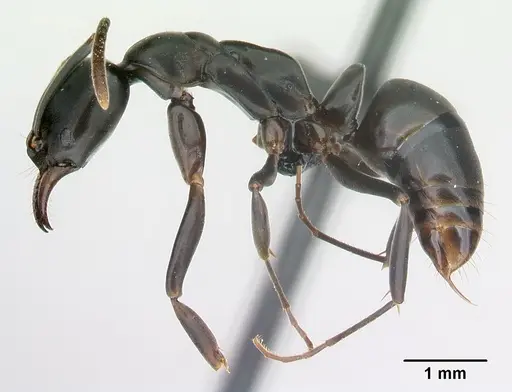
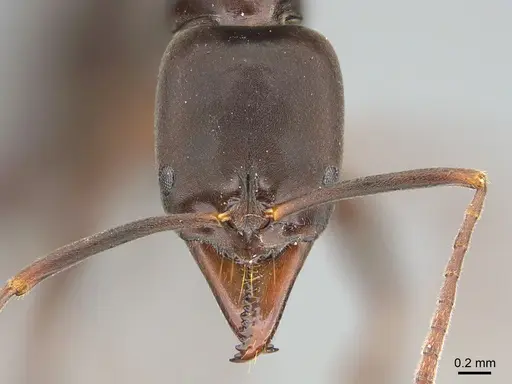
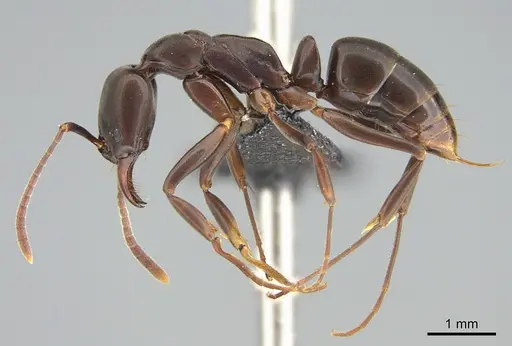
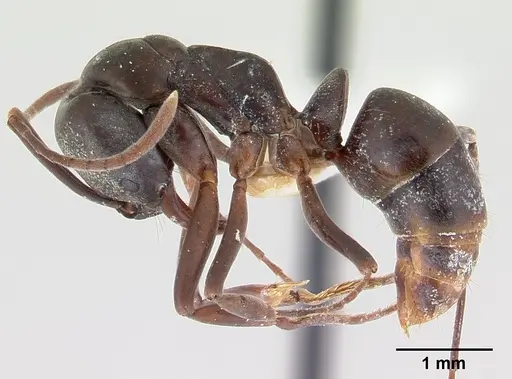
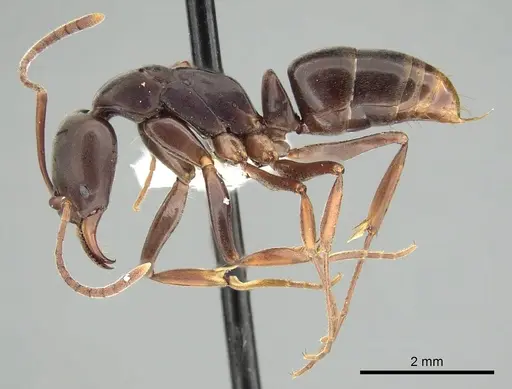
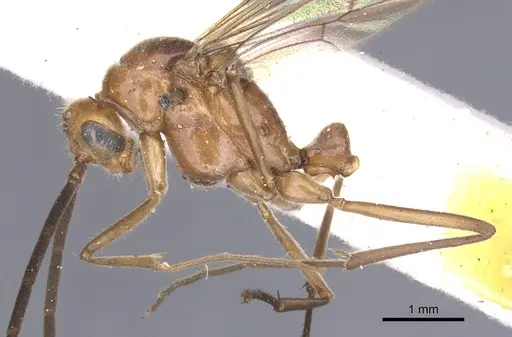
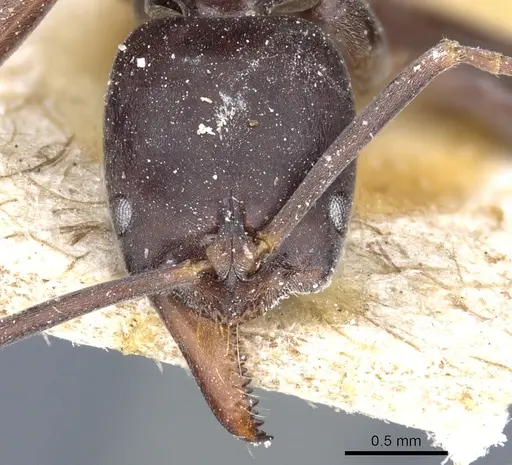
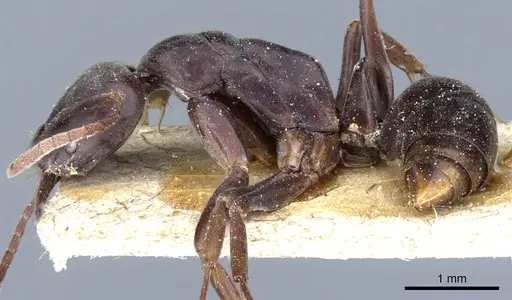
Mesoponera melanaria is a medium-sized ponerine ant native to South and Southeast Asia. Workers measure 7.5-8.5mm and have a distinctive appearance: dark brown to blackish body that is smooth and somewhat shiny, with much lighter reddish legs, antennae, and mandibles. The abdomen has a rounded node (petiole) that is convex in front and nearly flat or concave behind. Unlike many ants, they have almost no erect hairs on their body, just a few on the head and abdomen tip. Queens are slightly larger at 9mm and similar in color to workers. This species has undergone several reclassifications, moving through Ponera, Euponera, and Pachycondyla before being placed in Mesoponera. They are ground-dwelling ants found across diverse climates in Sri Lanka and India, from wet forests to drier zones.
Quick Summary
- Difficulty: Medium
- Origin & Habitat: Native to the Indomalaya region, found in India, Sri Lanka, Vietnam, and surrounding countries. Also recorded from southern China and the Seychelles. In Sri Lanka, they occur across all climate zones from wet to dry areas. They are ground-dwelling ants typically found in forest environments [1][2].
- Colony Type: Colony structure is unconfirmed. No specific data on whether they are single-queen (monogyne) or multi-queen (polygyne) colonies. Ponerine ants typically have single-queen colonies, but this hasn't been documented specifically for M. melanaria.
- Size & Growth:
- Queen: 9mm [3]
- Worker: 7.5-8.5mm [3]
- Colony: Unknown, no colony size data available
- Growth: Unknown, no development timing data available
- Development: Unknown, no direct measurements available. Based on typical Ponerinae patterns, estimate 6-10 weeks at optimal temperature. (Ponerine ants typically have slower development than many common ant genera. Without species-specific data, expect moderate growth rate.)
- Antkeeping:
- Temperature: Aim for 22-26°C. This species comes from tropical and subtropical regions (India, Sri Lanka, Vietnam) so they prefer warm conditions. A gentle gradient allowing them to choose their preferred temperature is ideal.
- Humidity: Keep substrate moderately moist. They inhabit forest floors in wet to intermediate climate zones, so they need more humidity than desert ants but not saturation. Provide a moisture gradient with damp substrate on one side.
- Diapause: Unknown if hibernation is required. Given their tropical/subtropical origin, they likely do not need a true diapause, but may reduce activity during cooler periods.
- Nesting: Naturalistic setups with soil or a Y-tong/plaster nest work well. They are ground-dwelling so need depth for nesting. Provide damp substrate they can excavate or move into.
- Behavior: Ponerine ants are typically more defensive than many common ant genera. They have functional stingers and may use them when threatened. Workers are moderately active foragers, hunting for small prey. They are not escape artists like tiny ants, but standard escape prevention (fluon barriers) is still recommended. Their dark coloration and larger size make them easy to spot. They likely hunt small invertebrates rather than relying heavily on honeydew.
- Common Issues: no specific colony size data makes it hard to plan for growth, founding colonies may be difficult to establish without documented care requirements, defensive behavior means stings are possible, handle with care, limited availability as they are not commonly kept in the hobby, lack of documented captive breeding success means care is largely inferential
Appearance and Identification
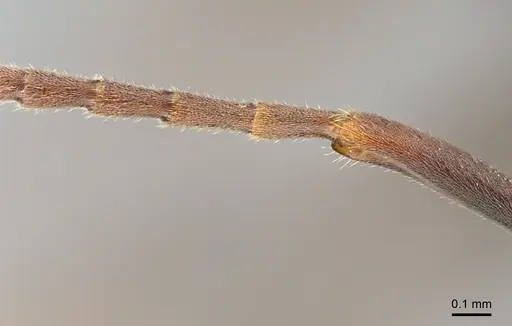
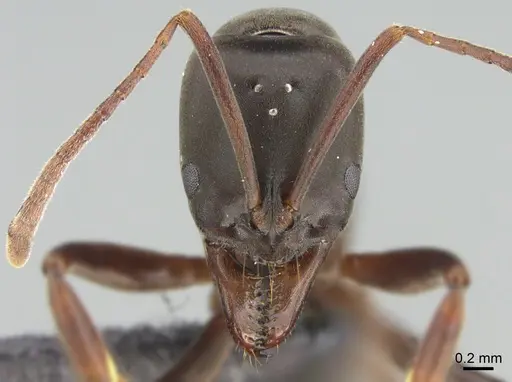
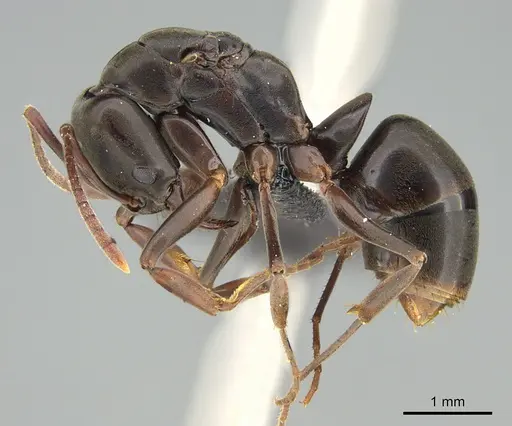
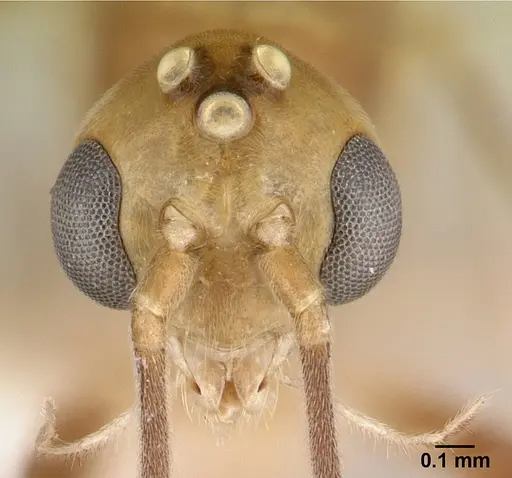
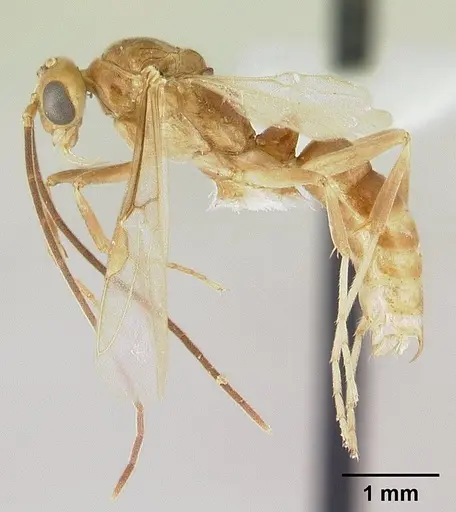
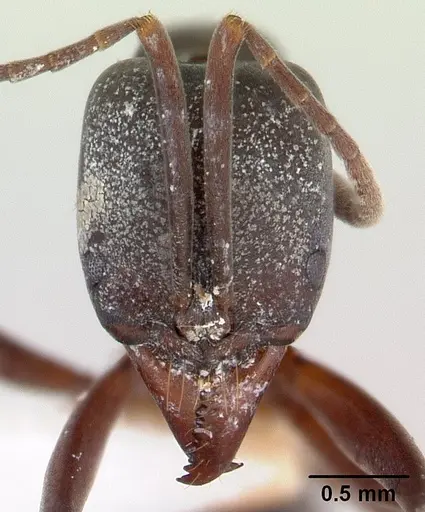
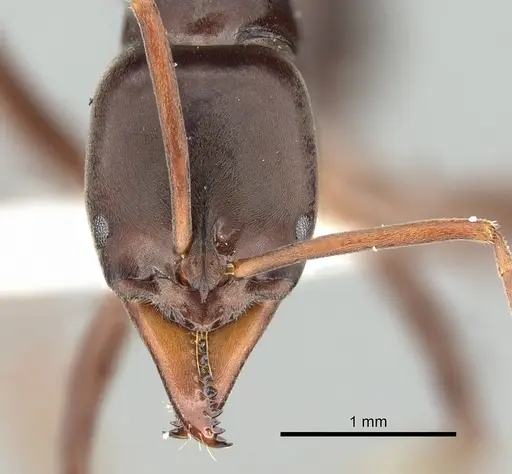
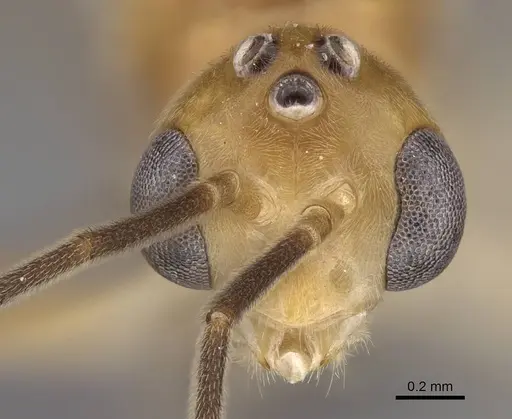
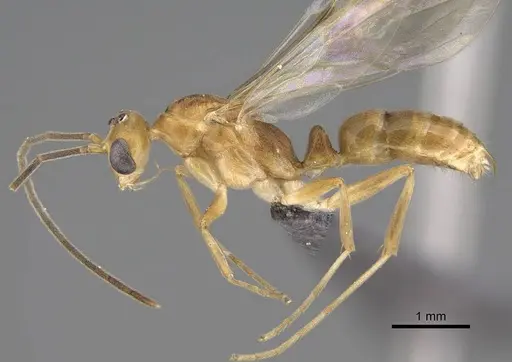
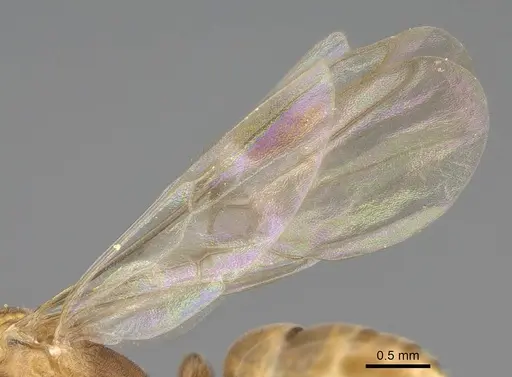
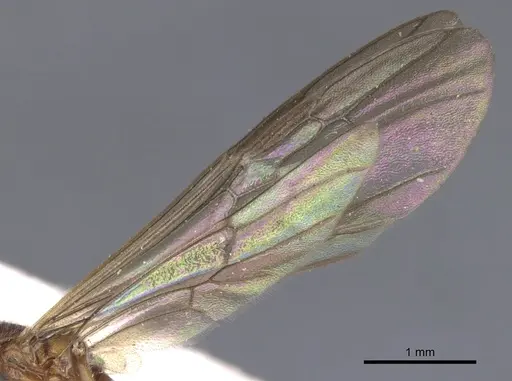
Mesoponera melanaria workers are distinctive among ponerine ants. They measure 7.5-8.5mm, making them a medium-sized ant. The body is dark castaneous brown (almost blackish) and smooth with a slight shine, this is notably different from the often matte or textured surfaces of many related species. The legs, antennae, and mandibles are much lighter, reddish in color, creating a striking two-tone appearance. The most distinctive morphological feature is the petiole (the segment between the thorax and abdomen): it is very convex on the front face but nearly flat or slightly concave on the back face. Unlike many ants, they have almost no erect hairs, just a few on the clypeus (face plate), mandibles, and the tip of the abdomen. Queens are similar but larger at 9mm, with the typical sexual characteristics. Males have been described but are winged. This species was previously classified under Ponera, Euponera, and Pachycondyla before being moved to Mesoponera, so you may find older literature under those names. [3]
Natural Distribution and Habitat
This species has a broad distribution across South and Southeast Asia. They are confirmed in India (particularly Karnataka, Kerala, and West Bengal), Sri Lanka, Vietnam, Myanmar, and southern China. They have also been recorded from the Seychelles in the Malagasy region. In Sri Lanka specifically, they are found across all climate zones, the wet zone, dry zone, and intermediate zones, showing they can adapt to various conditions [1]. They are ground-dwelling ants associated with forest environments. The broad distribution across different climate zones suggests they are relatively adaptable to temperature and humidity variations, though they clearly prefer warmer, moderately humid conditions.
Nest Preferences and Housing
In captivity, Mesoponera melanaria does well in naturalistic setups with soil substrate or in Y-tong/plaster nests. As ground-dwelling ants, they need vertical space to dig chambers and tunnels. A nest depth of at least 2-3 cm allows them to create proper galleries. The substrate should be kept moderately moist, damp but not waterlogged. You can provide a moisture gradient by keeping one side of the nest damp and allowing the other side to dry slightly, letting the ants choose their preferred humidity. Test tube setups can work for founding colonies but will need to be moved to larger quarters as the colony grows. Avoid completely dry conditions, these are forest-floor ants, not desert dwellers. [3]
Feeding and Diet
Like most Ponerinae, Mesoponera melanaria are predators. They likely hunt small invertebrates in the wild, springtails, tiny beetles, and other micro-arthropods. In captivity, offer small live prey such as fruit flies, pinhead crickets, small mealworms, and especially live springtails or isopods. Protein should make up the majority of their diet. Sugar sources may be accepted, you can offer occasional honey water or sugar water, but don't rely on it as a primary food source. Feed them every 2-3 days with prey items, removing any uneaten food after 24 hours. A varied diet helps ensure proper nutrition. [3]
Temperature and Seasonal Care
Keep your colony at 22-26°C. This species comes from tropical and subtropical regions, so warmth is important. A heating cable on one side of the nest can create a temperature gradient, which is ideal since it lets the ants regulate their own temperature by moving between warmer and cooler areas. Place the heating on top of the nest, not underneath, to avoid drying out the substrate too quickly. Regarding diapause: given their tropical origin (India, Sri Lanka, Vietnam), they likely do not require a true hibernation. However, they may naturally reduce activity during cooler periods. If you keep them at room temperature (around 20-24°C), they should remain active year-round. Do not expose them to temperatures below 15°C for extended periods. [3]
Behavior and Temperament
Ponerine ants are generally more defensive than many common ant genera like Camponotus or Lasius. Mesoponera melanaria has a functional stinger and may use it if threatened or handled roughly. They are not typically aggressive toward humans but will defend their nest if disturbed. Workers are active foragers, hunting rather than just collecting honeydew. They are not particularly fast-moving compared to some smaller ants. For escape prevention, standard barriers like fluon on test tube rims or formicarium edges work well, they are not known escape artists like tiny ants, but good practice is still important. Their larger size and dark coloration make them easy to observe and track within the nest. [3]
Frequently Asked Questions
How long does it take for Mesoponera melanaria to raise their first workers?
The exact egg-to-worker timeline is unknown, it hasn't been documented in scientific literature. Based on typical Ponerinae development patterns, expect around 6-10 weeks from egg to first worker at optimal temperature (around 24°C). Ponerine ants tend to develop more slowly than many common ant genera.
Are Mesoponera melanaria good for beginners?
They are rated as medium difficulty. They are not the easiest choice for beginners because there is limited documented captive care information, and they may be more defensive than common pet ants. However, if you have experience with other ponerine ants like Diacamma or Harpegnathos, you should do well with M. melanaria.
Can I keep multiple queens together?
This hasn't been documented. The colony structure (single-queen vs multi-queen) is unknown for this species. Most Ponerinae are single-queen colonies, but without specific research, we cannot confirm. It is not recommended to combine unrelated foundress queens unless you observe them founding peacefully, try only with ample space and monitor closely.
What do Mesoponera melanaria eat?
They are predators. Feed them small live prey like fruit flies, pinhead crickets, small mealworms, and especially live springtails or isopods. They may occasionally accept sugar water or honey, but protein-rich prey should be their primary food. Feed them every 2-3 days.
How big do Mesoponera melanaria colonies get?
The maximum colony size is unknown, there is no documented colony size data for this species. Based on their medium worker size and typical Ponerinae patterns, expect colonies probably reaching dozens to low hundreds of workers, not thousands.
Do they need hibernation?
Probably not. Given their tropical and subtropical origin (India, Sri Lanka, Vietnam), they likely do not require a true diapause. They may reduce activity slightly during cooler periods, but keeping them at stable room temperature (20-24°C) year-round should be fine.
What temperature and humidity do they need?
Keep them at 22-26°C with moderately humid substrate. They come from forest environments in tropical Asia, so they prefer warmth and moderate humidity. A moisture gradient in the nest lets them choose their preferred conditions.
When should I move them to a formicarium?
Start with a test tube setup for the founding queen. Once the colony reaches 15-20 workers and you see them becoming active outside the tube, you can move them to a larger setup like a Y-tong nest or naturalistic formicarium with soil.
Is this species invasive or restricted?
They are native to Asia (India, Sri Lanka, China, Vietnam, etc.). There are no reports of them being invasive elsewhere. If you live within their native range, you may be able to find wild colonies, but always check local regulations before collecting.
References

This caresheet is licensed under CC BY-SA 4.0 .
CASENT0145371
View on AntWeb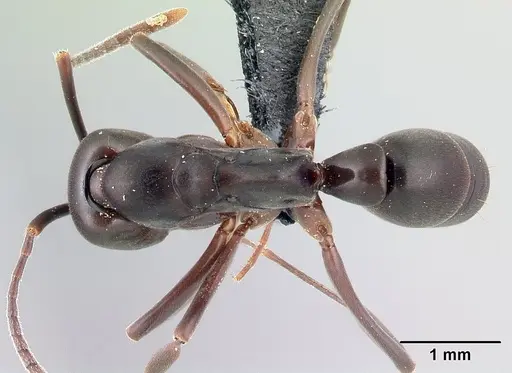
CASENT0145395
View on AntWeb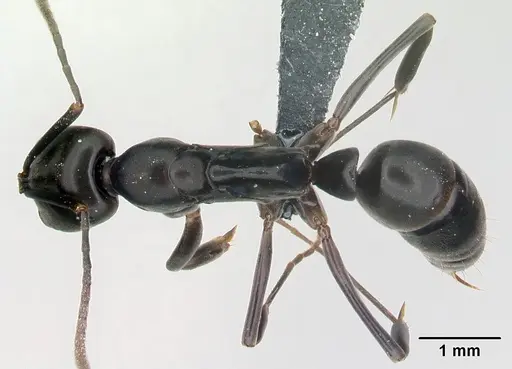
CASENT0159291
View on AntWeb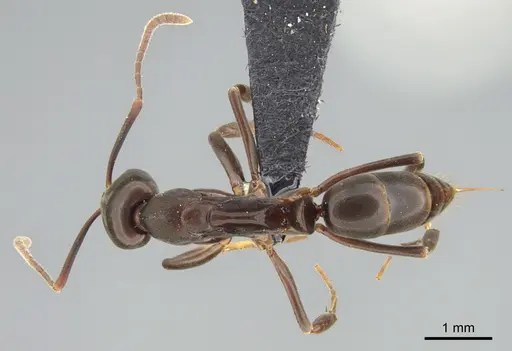
CASENT0159302
View on AntWeb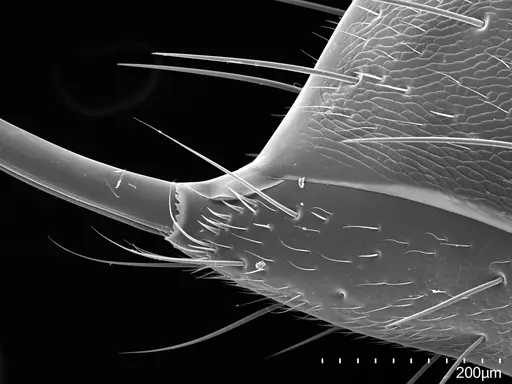
CASENT0161707
View on AntWeb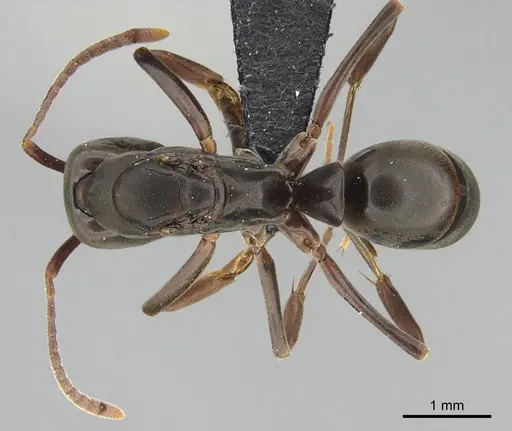
CASENT0178898
View on AntWeb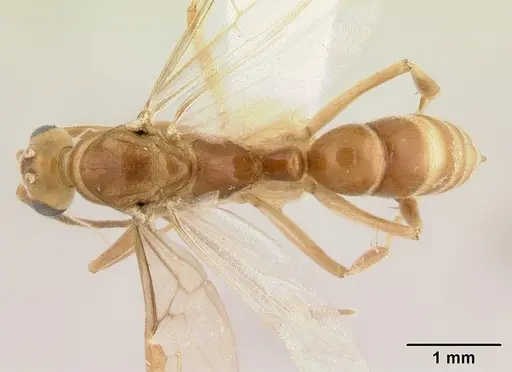
CASENT0189297
View on AntWeb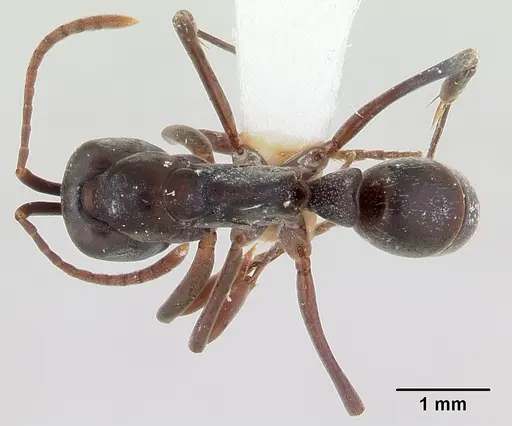
CASENT0249169
View on AntWeb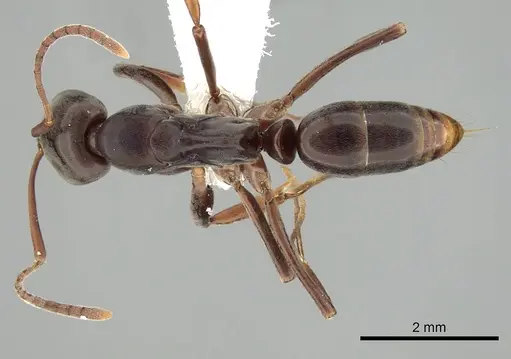
CASENT0272313
View on AntWeb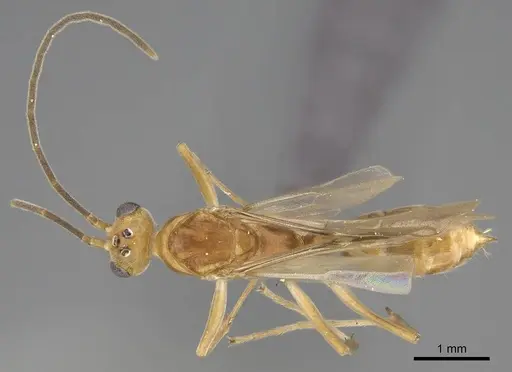
CASENT0740631
View on AntWeb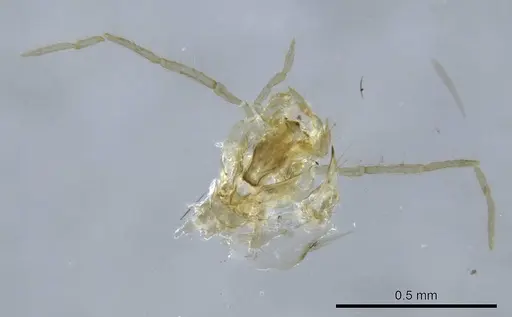
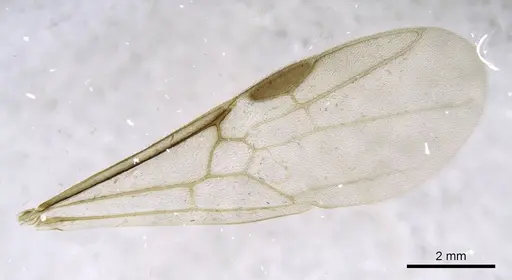
CASENT0740632
View on AntWeb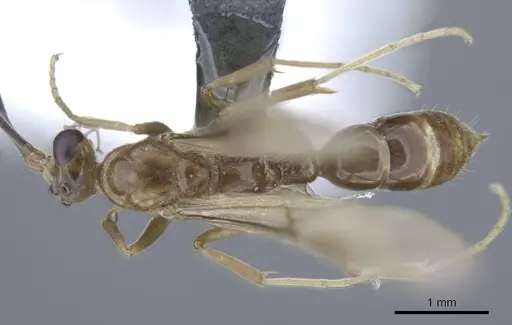
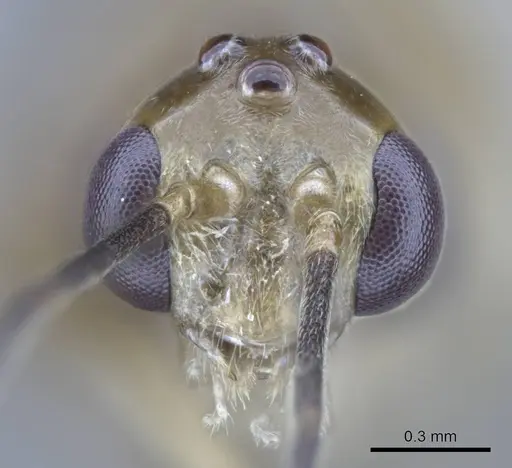
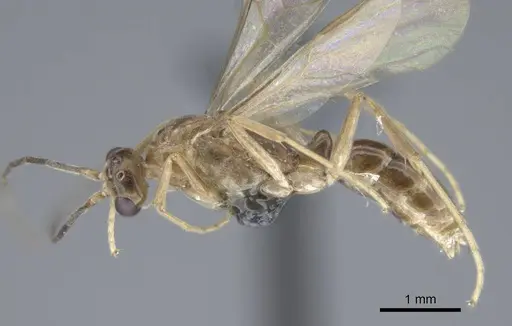
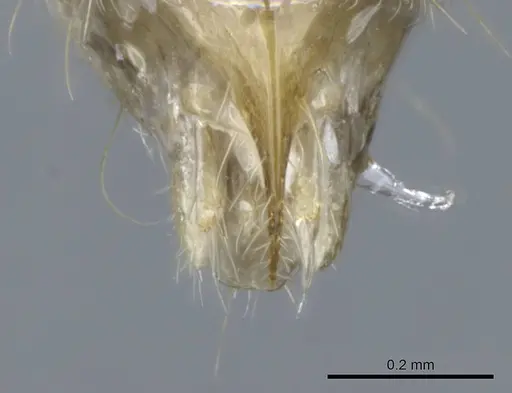
CASENT0740633
View on AntWeb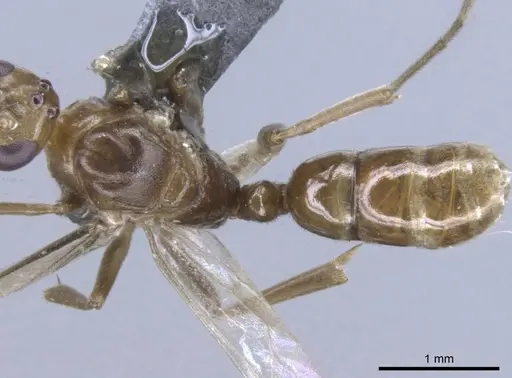
CASENT0740744
View on AntWeb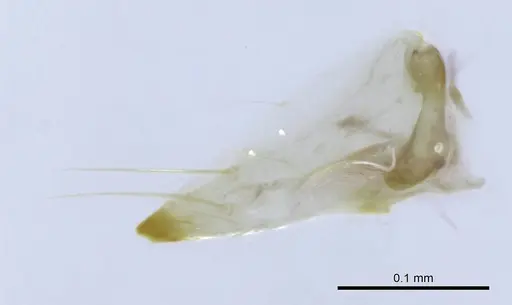
CASENT0740768
View on AntWeb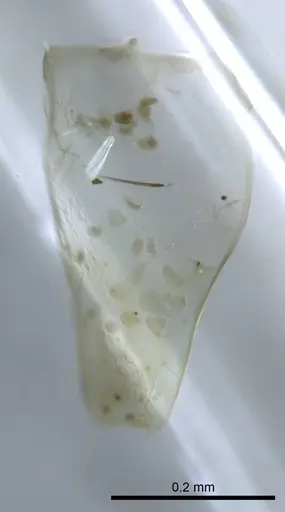
CASENT0902489
View on AntWeb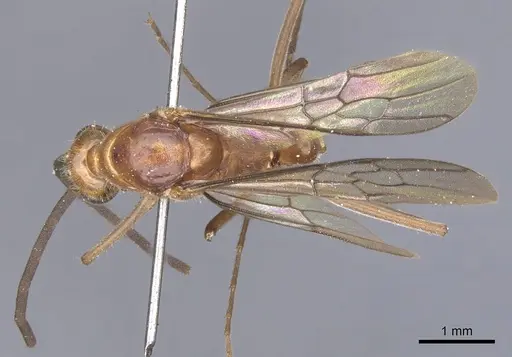
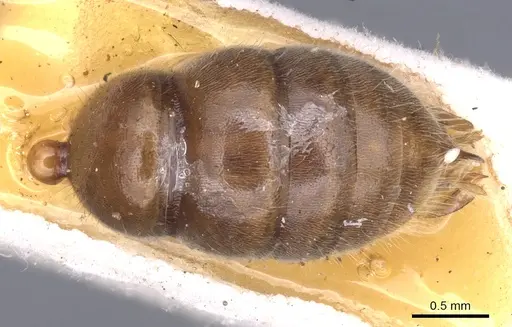
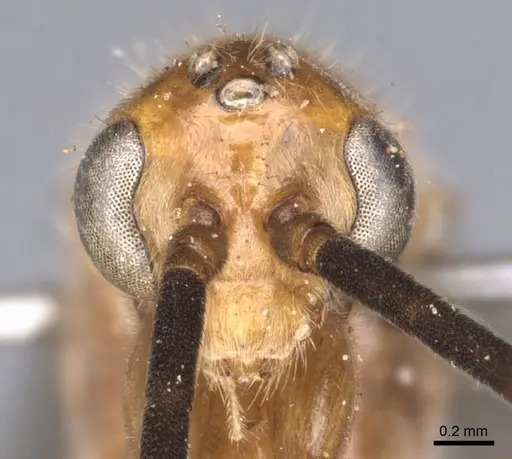
CASENT0903930
View on AntWeb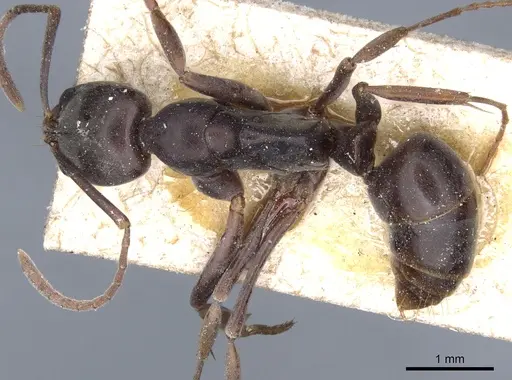
Literature
Loading...Loading products...