

Mesoponera rubra
- Scientific Name
- Mesoponera rubra
- Tribe
- Ponerini
- Subfamily
- Ponerinae
- Author
- Smith, 1857
- Distribution
- Found in 1 countries
Mesoponera rubra Overview
Mesoponera rubra is an ant species of the genus Mesoponera. It is primarily documented in 1 countries , including Malaysia. Detailed taxonomic data and occurrence records can be further explored via authoritative databases such as AntWeb or the Global Biodiversity Information Facility (GBIF).
Mesoponera rubra
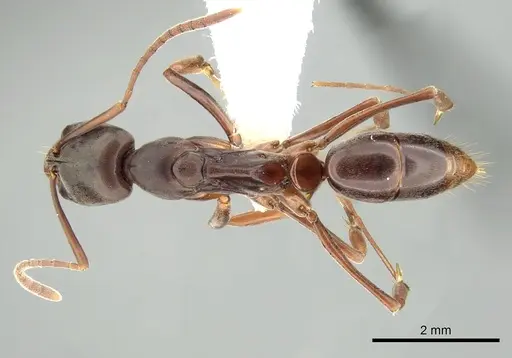
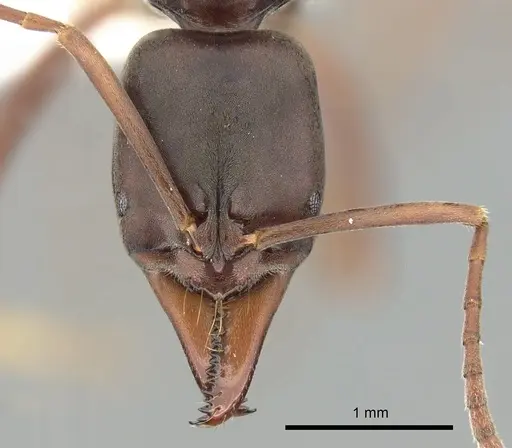
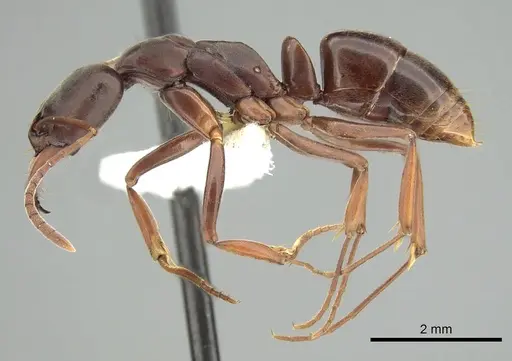
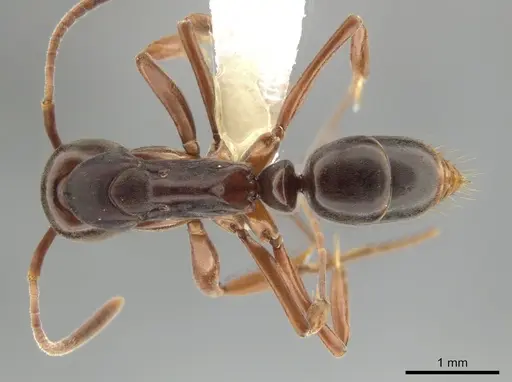
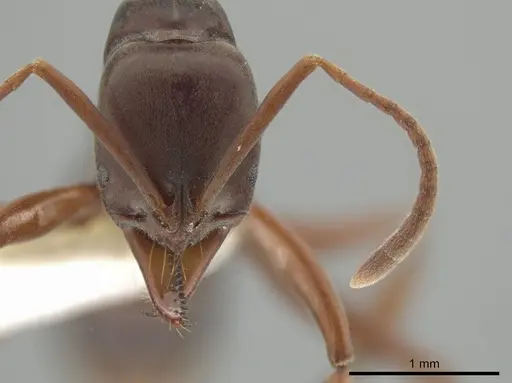
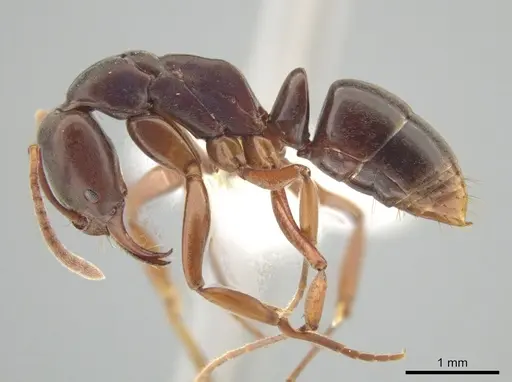
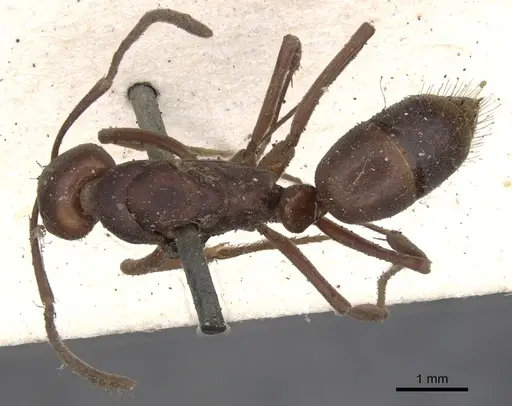
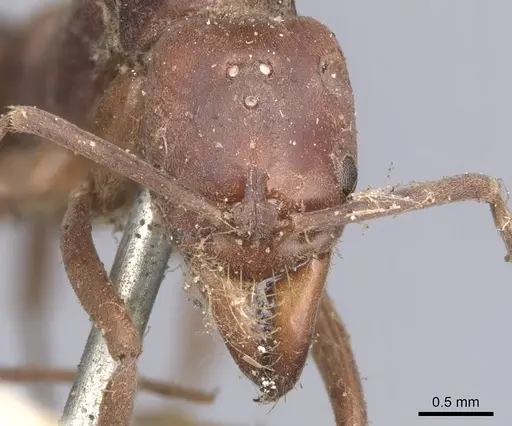
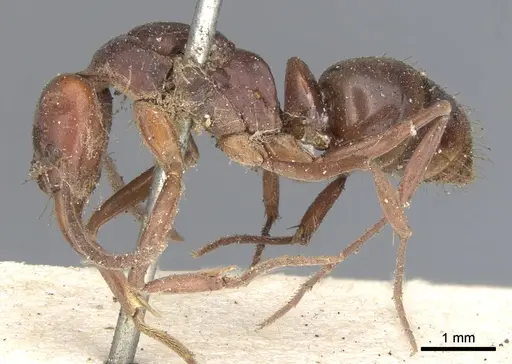
Mesoponera rubra is a small to medium-sized ant in the subfamily Ponerinae, found across Southeast Asia and Australasia. Workers are relatively small and slender, while queens measure around 6-7mm. The species has a reddish-brown to dark brown coloration typical of many Ponerine ants. Originally described from Singapore in 1857,this species has undergone several reclassifications, moving through Ponera, Euponera, Pachycondyla, and finally Mesoponera. The karyotype has been studied, showing 20 chromosomes in diploid individuals from Malaysian and Indonesian populations. These ants are part of the Ponerini tribe, which includes many predatory species with potent stings.
Quick Summary
- Difficulty: Medium
- Origin & Habitat: Tropical to subtropical regions of Southeast Asia and Australasia, including Singapore, Thailand, Malaysia, Indonesia, Borneo, New Guinea, and northern Australia. They inhabit forest floors and rotting wood in humid tropical environments [1][2].
- Colony Type: Likely monogyne (single queen colonies), though colony structure is not well documented in scientific literature. Ponerine ants typically establish single-queen colonies.
- Colony: Monogyne
- Founding: Claustral
- Size & Growth:
- Queen: 6-7mm (estimated from 3 lines historical measurement) [3]
- Worker: Estimated 3-4mm based on genus typical size
- Colony: Unknown, likely small to moderate (under 500 workers) based on typical Ponerine colony sizes
- Growth: Unknown, likely moderate like related Ponerines
- Development: Estimated 6-10 weeks at tropical temperatures (25-28°C) (Development time is inferred from related Ponerine species, specific data for M. rubra is not available)
- Antkeeping:
- Temperature: Keep at 24-28°C, reflecting their tropical origin. A slight gradient allowing cooler areas around 22°C is beneficial. Do not let temperatures drop below 20°C for extended periods [2].
- Humidity: High humidity is essential, aim for 70-80% relative humidity. Keep the nest substrate consistently moist but not waterlogged. These forest-floor ants need damp conditions [1].
- Diapause: No, as a tropical species, they do not require hibernation. Maintain stable warm conditions year-round.
- Nesting: In captivity, they do well in naturalistic setups with moist substrate, or in acrylic/plaster nests with good humidity retention. They prefer dark, humid nesting chambers. A Y-tong (AAC) nest or test tube setup with moist棉花 works well. Avoid dry, ventilated setups.
- Behavior: Ponerine ants are typically predatory and more defensive than many common ant genera. They have functional stings and may use them when threatened. Workers are active foragers that hunt small invertebrates. They are not aggressive toward humans but will defend their nest. Escape prevention should be moderate, they are not particularly small but are active climbers. Watch for escape attempts and use appropriate barriers.
- Common Issues: high humidity requirements mean mold can be a problem if ventilation is poor, tropical species may struggle in air-conditioned rooms or during winter if heating is not provided, predatory diet means they need live prey, failure to provide appropriate food leads to colony decline, small colony size makes them vulnerable to stress, avoid disturbing founding colonies, lack of documented care information means trial and error may be necessary
Housing and Nest Setup
Mesoponera rubra requires humid, dark nesting conditions. A test tube setup with a water reservoir works well for founding colonies, keep the cotton moist but not flooded. For established colonies, a Y-tong (AAC) nest or naturalistic setup with moist substrate provides the humidity they need. Avoid fully acrylic nests unless you can maintain high humidity inside. The nest should be placed in a dark area, as these forest-floor ants prefer dim conditions. An outworld for foraging allows you to deliver prey items. Ensure the setup has escape prevention, while not tiny, they are active climbers. [1]
Feeding and Diet
Like other Ponerine ants, Mesoponera rubra is predatory and needs a protein-rich diet. Offer small live prey such as fruit flies, pinhead crickets, mealworms, and other small insects. They likely accept protein jelly or frozen insects if pre-killed, but live prey encourages natural hunting behavior. Sugar sources may be accepted occasionally, but protein is the primary dietary need. Feed every 2-3 days, removing uneaten prey after 24 hours to prevent mold. A varied diet helps ensure colony health.
Temperature and Humidity Management
Maintain temperatures between 24-28°C. This tropical species does not tolerate cool conditions well, avoid temperatures below 20°C. A small heat mat on one side of the setup can create a gradient if your room temperature is below optimal. Humidity is critical: aim for 70-80% relative humidity. The nest substrate should feel consistently moist. Mist the outworld occasionally, but avoid directly misting the nest which can flood it. A water tube in the outworld provides drinking water. Monitor for condensation, some condensation is normal and indicates good humidity, but excessive dripping suggests too much moisture. [2]
Colony Development and Growth
A single queen will seal herself into a chamber and lay eggs after mating. The first brood develops slowly, Ponerine ants typically take 6-10 weeks from egg to worker at optimal temperatures. The first workers (nanitics) will be smaller than mature workers. Growth rate is moderate, and colonies remain relatively small compared to many Formicinae. Be patient with founding colonies, they are sensitive to disturbance. Avoid checking the nest too frequently during the founding stage. Once established with 10-20 workers, the colony becomes more resilient.
Behavior and Defense
Mesoponera rubra workers are active foragers that hunt small invertebrates. They have a functional sting which they may use when defending the nest or subduing prey. While not aggressive toward humans, they can deliver a mild sting if handled roughly or if the nest is threatened. Workers communicate through chemical signals and may form foraging trails. The colony is defensive of its nest and will respond to threats. Observe from a distance rather than disturbing the nest frequently.
Frequently Asked Questions
How long does it take for Mesoponera rubra to produce first workers?
Expect 6-10 weeks from egg to first worker at optimal temperatures (24-28°C). This is typical for Ponerine ants, though specific data for M. rubra is not documented.
What do Mesoponera rubra ants eat?
They are predatory ants that need protein-rich food. Offer small live prey like fruit flies, pinhead crickets, and small mealworms. They may accept pre-killed insects and occasionally sugar water, but protein should form the bulk of their diet.
What temperature do Mesoponera rubra ants need?
Keep them warm at 24-28°C. They are tropical ants and do not tolerate cool temperatures well, avoid letting them drop below 20°C.
Do Mesoponera rubra need hibernation?
No, they do not require hibernation. As a tropical species, maintain warm conditions year-round without seasonal temperature drops.
How big do Mesoponera rubra colonies get?
Colony size is not well documented, but based on related Ponerine species, colonies likely reach a few hundred workers at most. They remain smaller than many common ant species.
Can I keep multiple Mesoponera rubra queens together?
This is not recommended. There is no documentation of multi-queen founding or polygyny in this species. Ponerine ants typically establish single-queen colonies.
What humidity level do Mesoponera rubra need?
High humidity is essential, aim for 70-80%. Keep the nest substrate consistently moist but not waterlogged. These forest-floor ants need damp conditions to thrive.
Are Mesoponera rubra good for beginners?
They are considered medium difficulty. While not the hardest species, their humidity and temperature requirements make them better suited for keepers who have had some experience with tropical ant species.
When should I move Mesoponera rubra to a formicarium?
Wait until the colony has at least 20-30 workers and is actively foraging. Moving too early can stress the colony. A Y-tong nest or naturalistic setup with moist substrate works well once the colony is established.
Why is my Mesoponera rubra colony declining?
Common causes include: temperatures too low (below 20°C), humidity too low or too high, insufficient protein in diet, or disturbance to the nest. Check these parameters and adjust accordingly. Also ensure prey is being consumed, uneaten dead prey can cause mold issues.
Where is Mesoponera rubra found in the wild?
They are found across Southeast Asia and Australasia: Singapore, Thailand, Malaysia, Indonesia, Borneo, New Guinea, and northern Australia. They inhabit forest floors in humid tropical environments.
References

This caresheet is licensed under CC BY-SA 4.0 .
Literature
Loading...Loading products...