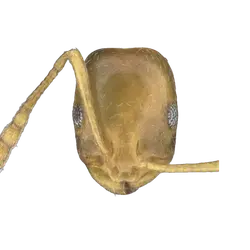
Monomorium mictilis - "Undocumented (Similar to Little Black Ant)"
Dive into the fascinating world of Monomorium mictilis! While specific details for M. mictilis in antkeeping communities are rare, this comprehensive care guide draws insights from closely related and commonly kept Monomorium species, such as the popular 'Little Black Ant' (Monomorium carbonarium, formerly Monomorium minimum). These tiny ants, typically sporting a glossy dark hue, are known for their incredibly adaptable nature and efficient foraging. You'll observe a uniform worker caste, meaning no distinct size variations among the busy foragers, making them a consistent and intriguing addition to any formicarium.
- Difficulty: Easy
- Origin & Habitat: Undocumented for Monomorium mictilis; however, similar Monomorium species are found worldwide, particularly in the Old World tropics, North America, and Europe. in Undocumented for Monomorium mictilis; however, related species are found in diverse environments including forests, grasslands, urban areas, nesting under rocks, in soil, rotting wood, and even in household crevices..
- Colony Type: Polygynous (multiple queens), claustral (queen seals herself in) founding.
- Size & Growth:
- Queen: 4-6mm
- Worker: 1-2mm
- Colony: Large (tens of thousands). Fast growth.
- Antkeeping:
- Temperature: Preferred temperature range is between 18-28°C (64-82°F). Maintaining a temperature towards the higher end of this range (around 25-28°C or 77-82°F) can significantly accelerate brood development and colony growth..
- Humidity: Brood prefers high humidity (around 60-80%), while workers are comfortable in medium humidity (40-60%) in the main nest areas. A humidity gradient is ideal, allowing the colony to choose..
- Diapause: Required. 3-4 months at 5-10°C.
- Nesting: Highly adaptable, they can thrive in various artificial setups including acrylic nests, 3D printed nests, grout, and ultracal nests. For natural setups, they prefer nesting in soil, under rocks, or in rotting wood..
- Behavior: Low (towards handler, medium towards food) aggressiveness.
- Common Issues: Escape (major concern), Drowning in liquid food, Mold in nest, Colony stalling.
Be warned, ant keepers: Monomorium ants, like the ones similar to M. mictilis, are true escape artists! Their diminutive size allows them to squeeze through the tiniest cracks, making robust escape prevention an absolute must. Regularly inspect your formicarium for any potential breaches and refresh barriers like Fluon or talcum powder to keep your colony safely contained within their setup.
One of the most captivating aspects of keeping these ants is their astounding prolificacy. Monomorium colonies are infamous for their explosive growth rates and their ability to continuously produce fertile queens right within the nest. This polygynous nature means your colony can quickly swell to impressive numbers, potentially reaching supercolony status if given the right conditions and consistent nutrition.
When it comes to feeding your Monomorium mictilis colony, variety is key. These opportunistic scavengers have a broad diet, eagerly accepting everything from pre-killed feeder insects like roaches or mealworms, to sugary solutions like honey or sugar water. Observing their swarming behavior around a fresh food source, especially as the colony matures, is a testament to their efficient foraging strategies.
Proper hydration is crucial for these tiny ants. When offering liquid foods, always saturate a cotton ball or similar substrate thoroughly before placing it in the outworld. This simple yet vital step prevents your small workers from accidentally drowning, ensuring safe access to their much-needed sugars and water. A well-hydrated colony is a thriving colony, and these tiny foragers will certainly appreciate the easy access.
Despite their small stature, ants similar to Monomorium mictilis are remarkably hardy and adaptable to various environmental conditions, making them a relatively forgiving species for those experienced in antkeeping. They can tolerate a decent range of temperatures and humidities, though providing their preferred optimal range will undoubtedly lead to healthier and faster-growing colonies. Their resilience makes them a rewarding species to observe, provided their basic needs and containment are met.