

Melophorus andersenioides
- Scientific Name
- Melophorus andersenioides
- Tribe
- Melophorini
- Subfamily
- Formicinae
- Author
- Heterick <i>et al.</i>, 2017
- Distribution
- Found in 1 countries
Melophorus andersenioides Overview
Melophorus andersenioides is an ant species of the genus Melophorus. It is primarily documented in 1 countries , including Australia. Detailed taxonomic data and occurrence records can be further explored via authoritative databases such as AntWeb or the Global Biodiversity Information Facility (GBIF).
Melophorus andersenioides
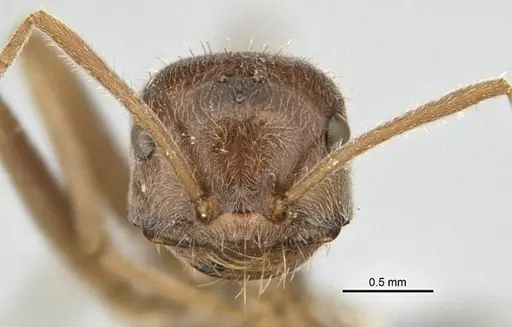
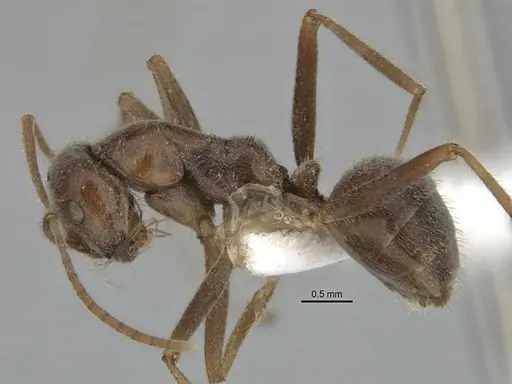
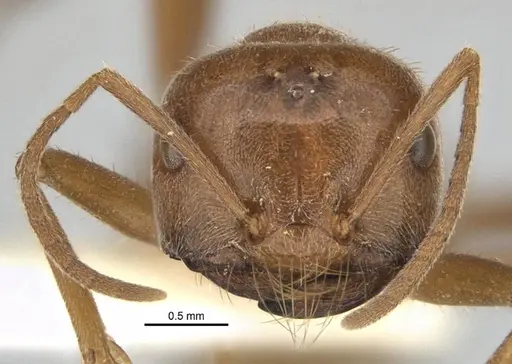
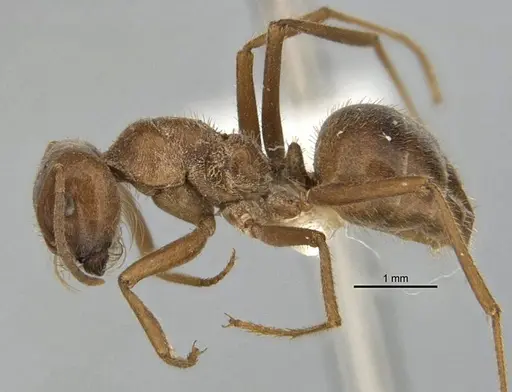
Melophorus andersenioides is a small to medium-sized ant belonging to the Melophorus genus, native to Australia. Workers are polymorphic, with major workers measuring around 1.0-1.74mm head width and minor workers being smaller. The species is distinguished by its thick, rectangular petiolar node in minor workers, a clypeus that is folded back and not protrusive, and notably hairy antennal scapes in minor workers. This ant has been collected in red soil habitats across New South Wales, Queensland, and Western Australia [1].
A particularly interesting aspect of this species is its potential relationship with Iridomyrmex purpureus (commonly known as the meat ant). Specimen labels associate M. andersenioides with nests of this larger ant species, suggesting it may be a social parasite, meaning it lives within the host colony and relies on the host workers for care [2]. This parasitic relationship makes it a unique species to keep, though it presents specific challenges.
Quick Summary
- Difficulty: Expert
- Origin & Habitat: Australia, collected in NSW, QLD, and WA, typically in red soil habitats [2][1]
- Colony Type: Likely socially parasitic, appears to associate with Iridomyrmex purpureus colonies. Colony structure is unconfirmed but likely small if dependent on host colonies.
- Queen: Socially parasitic
- Size & Growth:
- Queen: Unconfirmed, no queen description available. Estimated 6-8mm based on genus patterns.
- Worker: Major workers: 1.0-1.74mm head width, minor workers smaller at approximately 1.0mm [1]
- Colony: Unknown, likely small colonies if socially parasitic on Iridomyrmex
- Growth: Unknown
- Development: Unconfirmed, no development data available. Estimate 6-10 weeks based on related Melophorus species. (Development timeline is unconfirmed due to limited research on this species.)
- Antkeeping:
- Temperature: Melophorus ants are typically heat-loving and from arid Australian habitats. Keep at 26-30°C with a warm gradient. This species likely prefers warmer conditions similar to other Melophorus species.
- Humidity: Low to moderate, red soil habitats suggest drier conditions. Keep nest substrate moderately dry, not waterlogged.
- Diapause: Unknown, Australian ants may have reduced activity during hot dry periods rather than true hibernation. Observe colony for seasonal slowdowns.
- Nesting: In nature, likely nests in soil or under stones in arid areas. A naturalistic setup with compact soil or a Y-tong/plaster nest with dry to moderately humid chambers would be appropriate. Given the potential parasitic lifestyle, consider providing spaces that allow interaction with host colony elements.
- Behavior: This species is likely timid given its probable parasitic relationship with larger Iridomyrmex ants. Workers are small and likely avoid confrontation. Escape risk is moderate due to small size, use standard barriers but fine mesh is advisable. The species is poorly documented in captivity, so behavior observations are limited.
- Common Issues: social parasitism makes this species difficult to keep, host colony requirements are complex, limited availability, rarely collected or sold in the antkeeping hobby, colony growth is likely slow or limited due to parasitic lifestyle, no established care protocols exist for this species, small worker size means escape prevention should be adequate but not extreme
Species Identification and Distinguishing Features
Melophorus andersenioides is a member of the Melophorus anderseni species group, characterized by short maxillary palps that do not reach the neck sclerite, narrow segments ending in an awl-shaped tip, and the absence of a metatibial apical spur. The species can be distinguished from related species by its thick, rectangular or quadrate petiolar node in minor workers, a clypeus that is folded back and not protrusive, and the clypeal psammophore positioned at the midline of the clypeus. Minor workers also have notably hairy antennal scapes with many short, erect, bristly setae, a feature that distinguishes it from the similar M. anderseni which lacks these setae [1]. Major workers have four teeth on the masticatory margin of the mandible, while minor workers have four to six teeth.
Potential Social Parasitism
This is perhaps the most significant aspect of Melophorus andersenioides biology. Specimen labels associate this species with nests of Iridomyrmex purpureus (the meat ant), and it is possible that M. andersenioides is a social parasite on that species [2]. Social parasites live within host colonies and rely on the host workers to care for their brood, queen, and colony. This relationship means the species likely cannot found colonies independently but instead must be adopted by an established host colony. This makes captive keeping particularly challenging, as you would need to establish both the parasite and host species. The exact nature of this parasitism (temporary or permanent) is not fully documented.
Natural Habitat and Distribution
Melophorus andersenioides has been collected across three Australian states: New South Wales, Queensland, and Western Australia, with a concentration in the mid-west region of WA [1][2]. The species has been found in red soil habitats, suggesting it prefers arid to semi-arid environments typical of much of inland Australia. Melophorus ants as a genus are well-adapted to Australian conditions and are often found in hot, dry regions. The red soil collection sites indicate this species tolerates the challenging conditions of the Australian interior.
Housing and Nesting Considerations
Given the likely parasitic nature of this species, housing requirements are complex. If the species does require a host colony, you would need to maintain both Melophorus andersenioides and an Iridomyrmex purpureus colony simultaneously. For nesting, a naturalistic setup with soil chambers would best replicate natural conditions. The nest should have areas of varying humidity, though this species likely prefers drier conditions given its red soil habitat. Temperature should be kept warm (26-30°C) using a heating cable or mat on one side of the nest to create a gradient. Escape prevention should be adequate for small ants, standard barriers typically work for ants of this size, though fine mesh is advisable as a precaution.
Feeding and Diet
The diet of Melophorus andersenioides is not specifically documented, but Melophorus ants are typically omnivorous, feeding on honeydew, small insects, and nectar. In captivity, you should offer sugar water or honey as a constant energy source, along with small protein sources like fruit flies, small mealworms, or other micro-prey. Given the likely parasitic lifestyle, the diet may be partially provided by host workers if the colony association is maintained. Feed small amounts initially and observe acceptance. Remove uneaten food after 24-48 hours to prevent mold.
Challenges and Expert-Level Considerations
Melophorus andersenioides is an expert-level species due to several factors. First, the likely social parasitic relationship with Iridomyrmex purpureus makes colony establishment and maintenance extremely challenging, you would need both species or a way to integrate them. Second, this species is rarely collected or available in the antkeeping hobby, making acquisition difficult. Third, there are no established care protocols for this specific species, so keepers must be prepared to experiment and document their observations carefully. The limited scientific literature means much of the husbandry will need to be inferred from related species and genus-level knowledge. This species is best suited for experienced antkeepers who have the resources and knowledge to attempt more complex setups involving potential host-parasite relationships.
Frequently Asked Questions
Is Melophorus andersenioides a good species for beginners?
No. This is an expert-level species due to its likely social parasitic lifestyle, which requires complex colony management. There are no established care protocols, and the species is rarely available in the hobby.
How do I keep Melophorus andersenioides?
This species is extremely difficult to keep. If it is truly socially parasitic on Iridomyrmex purpureus, you would need to maintain both species. Keep in a naturalistic setup with red soil at 26-30°C with moderate humidity. No specific protocols exist, document any successes carefully.
Does Melophorus andersenioides need a host colony?
Likely yes. Specimen evidence suggests this species may be a social parasite of Iridomyrmex purpureus. This means it likely cannot establish colonies independently but requires adoption into a host colony.
Where does Melophorus andersenioides live?
This species is found in Australia, specifically in New South Wales, Queensland, and Western Australia, typically in red soil habitats.
How big do Melophorus andersenioides colonies get?
Colony size is unknown. If the species is socially parasitic, colonies are likely small since they depend on host workers. Related non-parasitic Melophorus species can have colonies reaching several thousand workers, but parasitic species typically remain smaller.
What temperature do Melophorus andersenioides need?
Keep warm at 26-30°C. Melophorus ants are typically heat-loving and adapted to arid Australian conditions. Use a heating cable on one side of the nest to create a temperature gradient.
How long does it take for eggs to become workers?
The development timeline is unconfirmed for this species. Based on related Melophorus species, estimate 6-10 weeks from egg to worker at optimal temperature (around 26-28°C).
Can I keep multiple queens together?
This is unknown. Given the likely parasitic nature, queen behavior within host colonies would be different from typical independent-founding ants. Do not attempt combining unrelated queens without proper research.
What do Melophorus andersenioides eat?
Likely omnivorous like other Melophorus species. Offer sugar water or honey as an energy source, and small protein sources like fruit flies or small mealworms. If parasitic, they may receive food from host workers.
Is Melophorus andersenioides available in the antkeeping hobby?
This species is rarely, if ever, available. It is not commonly collected or sold, and the potential parasitic nature makes it extremely challenging to maintain in captivity.
Do I need to hibernate Melophorus andersenioides?
Diapause requirements are unknown. Australian ants may have different seasonal patterns than temperate species. Observe your colony for seasonal slowdowns and adjust temperatures accordingly rather than forcing a hibernation period.
References

This caresheet is licensed under CC BY-SA 4.0 .
ANIC32-900082-1
View on AntWeb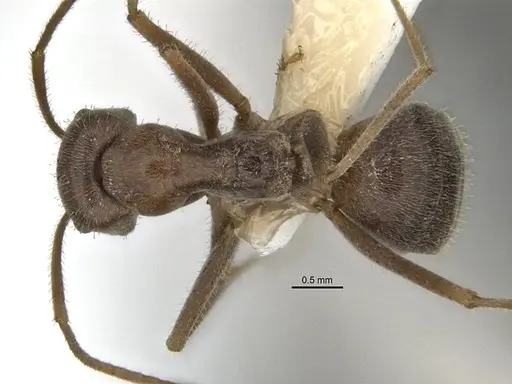
ANIC32-900082-2
View on AntWeb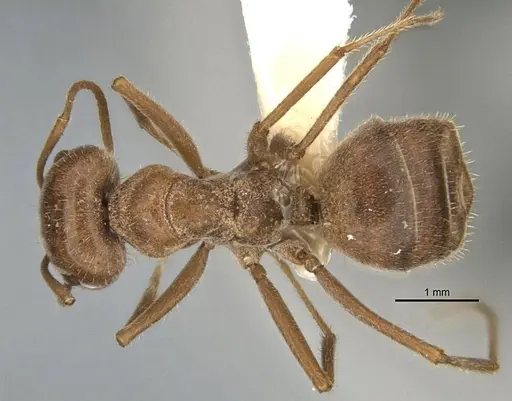
Literature
Loading...Loading products...