
Iridomyrmex purpureus exhibits a clear seasonal flight window. Peak flight activity is concentrated in October, with the overall period spanning March to November.
Iridomyrmex purpureus
- Scientific Name
- Iridomyrmex purpureus
- Tribe
- Leptomyrmecini
- Subfamily
- Dolichoderinae
- Author
- Smith, 1858
- Common Name
- Southern Meat Ant
- Distribution
- Found in 1 countries
- Nuptial Flight
- from March to November, peaking in October
AI Identifiable
try →
Iridomyrmex purpureus Overview
Iridomyrmex purpureus (commonly known as the Southern Meat Ant) is an ant species of the genus Iridomyrmex. It is primarily documented in 1 countries , including Australia. Detailed taxonomic data and occurrence records can be further explored via authoritative databases such as AntWeb or the Global Biodiversity Information Facility (GBIF).
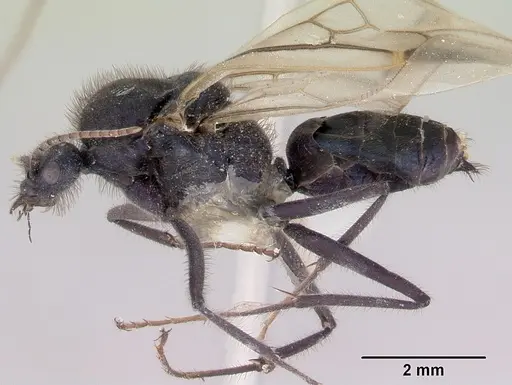
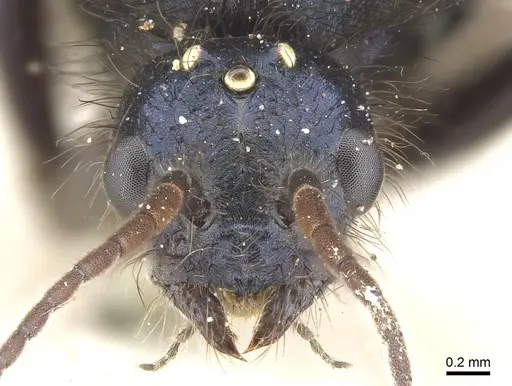
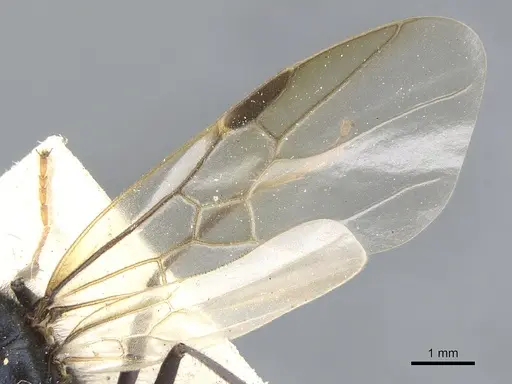
The nuptial flight of Iridomyrmex purpureus is a significant biological event, typically occurring from March to November, peaking in October. During this time, winged queens and males leave the nest to mate and establish new colonies.
Iridomyrmex purpureus - "Southern Meat Ant"
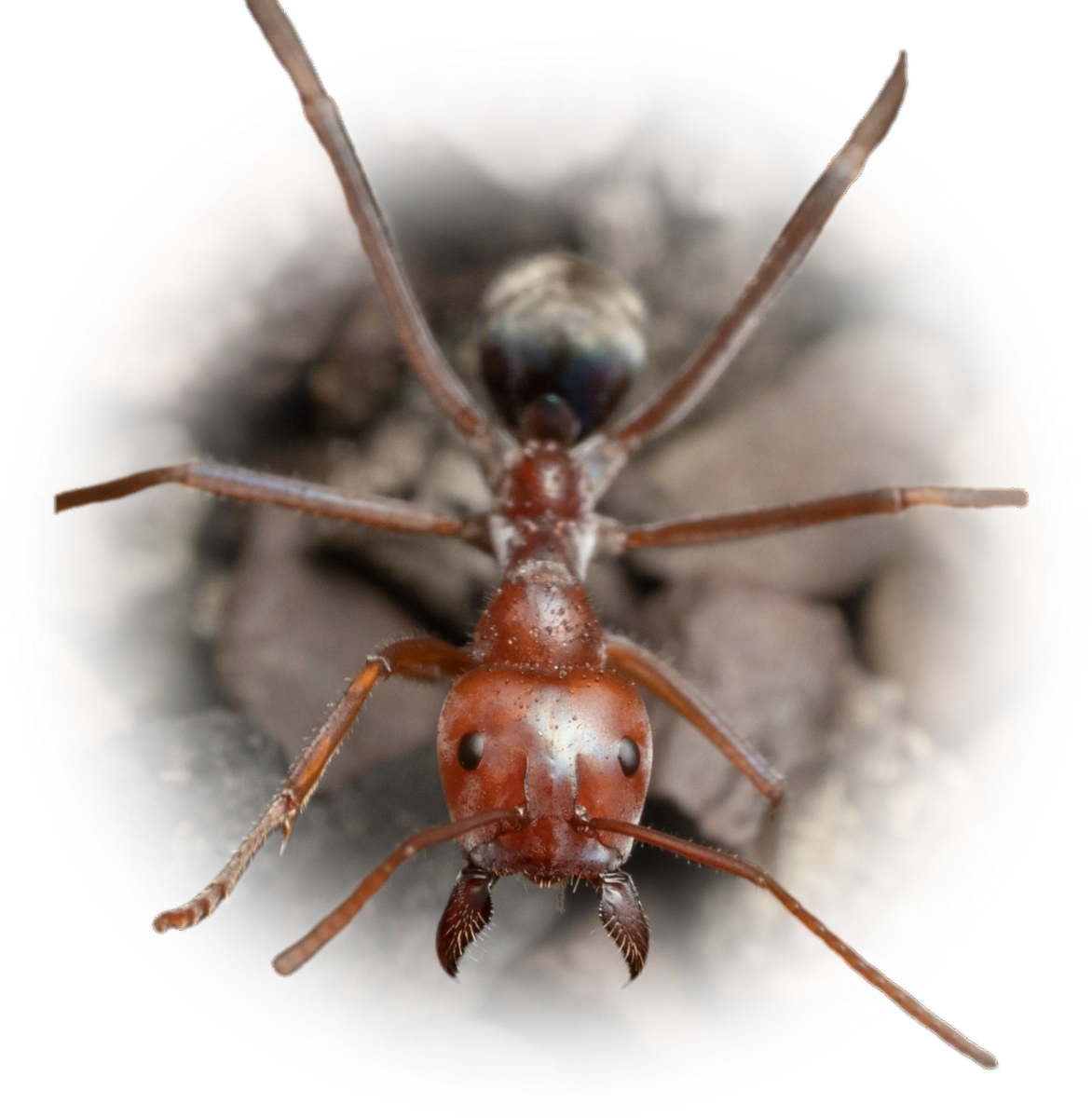
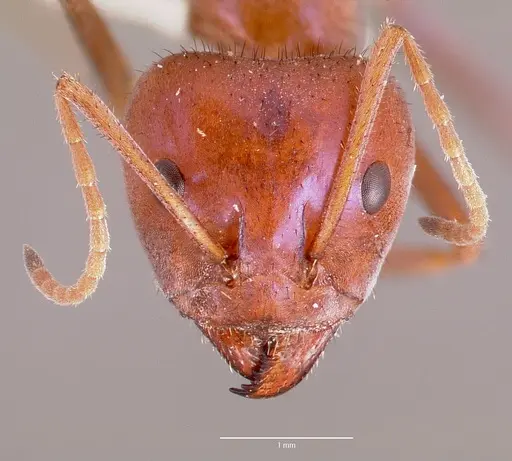
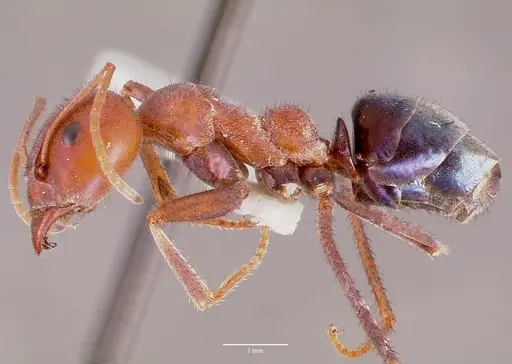
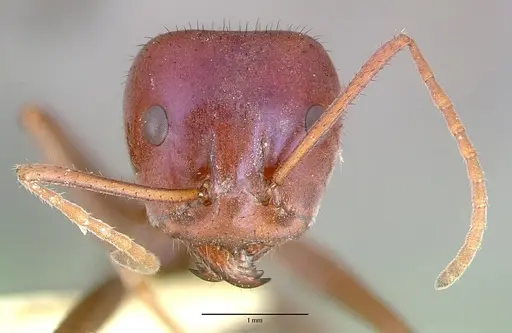
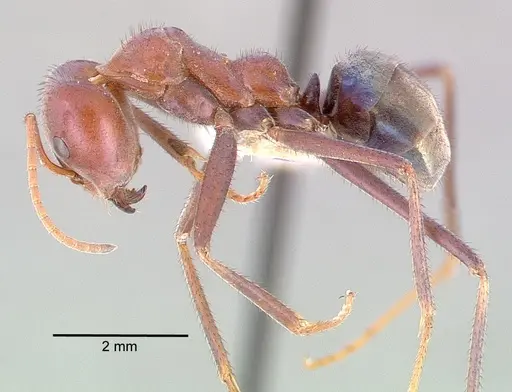
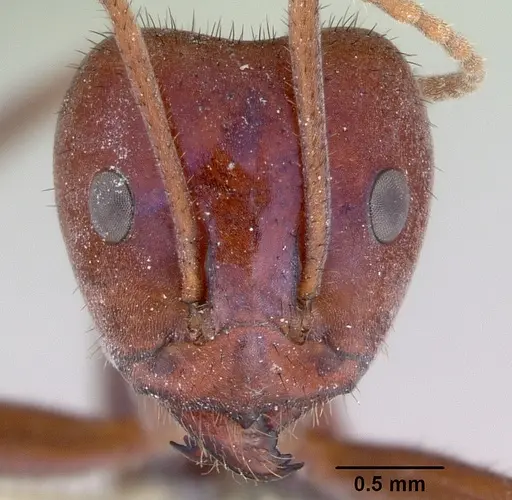
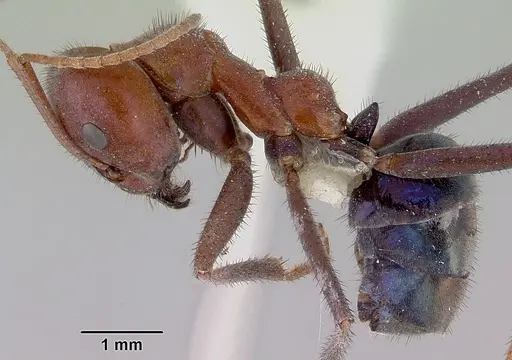
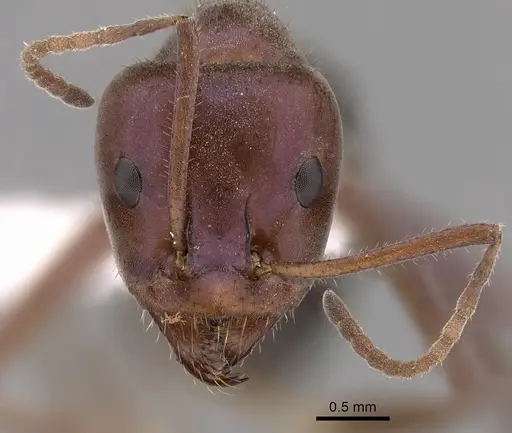
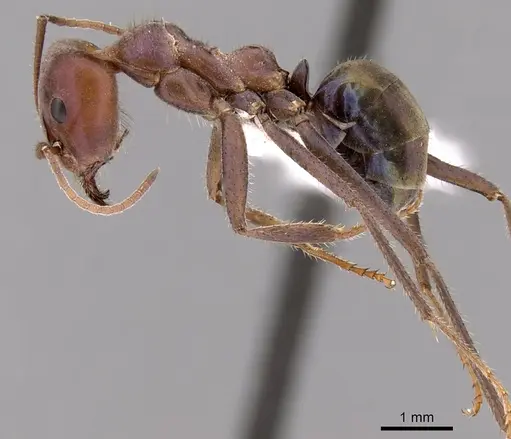
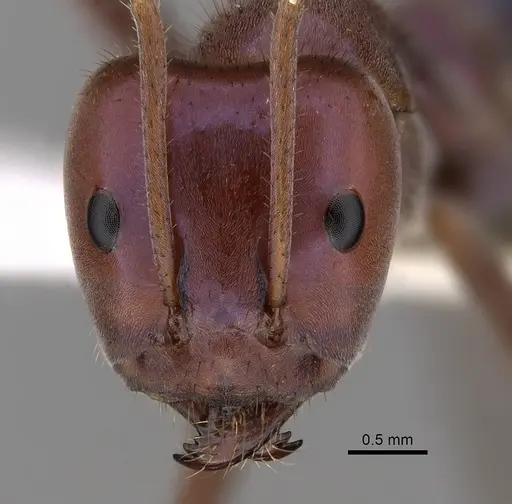
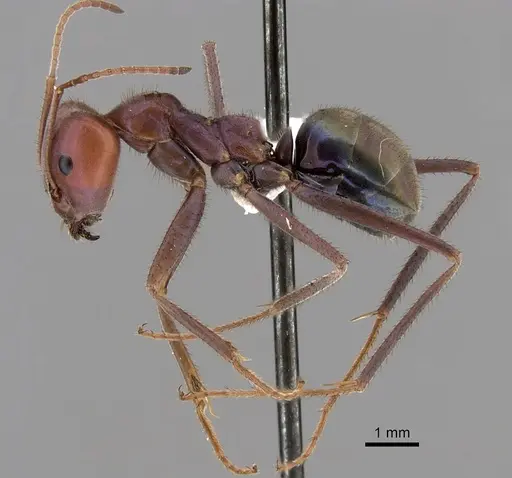
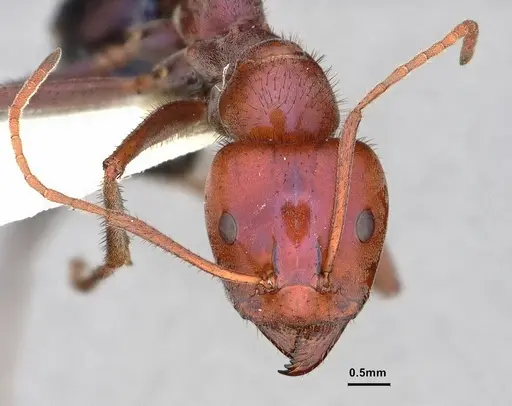
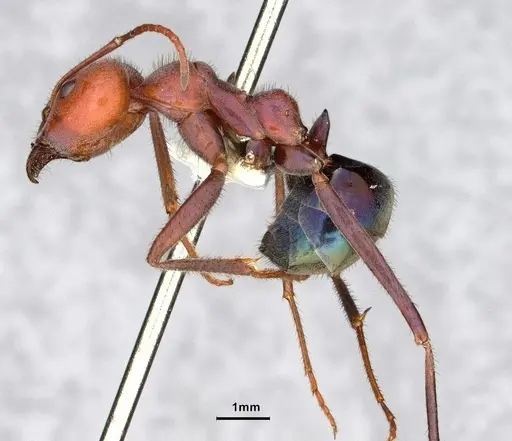
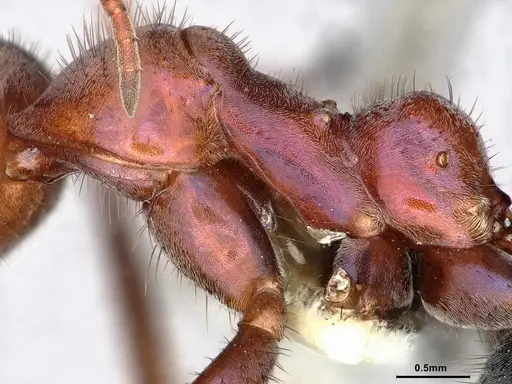
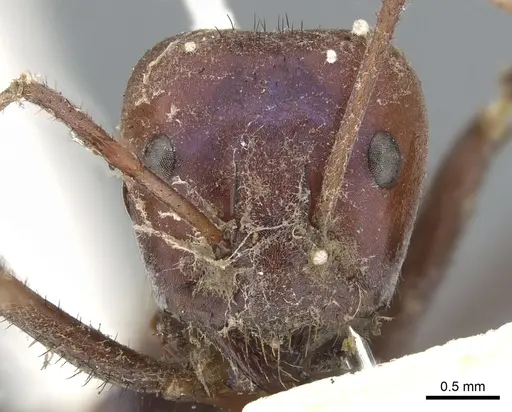
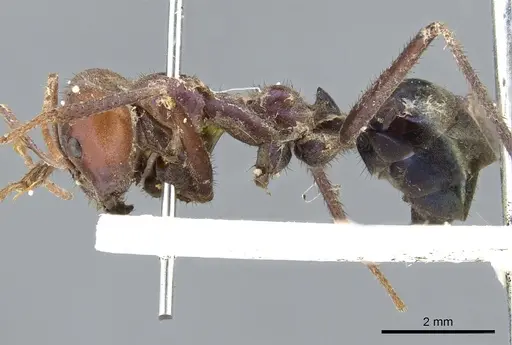
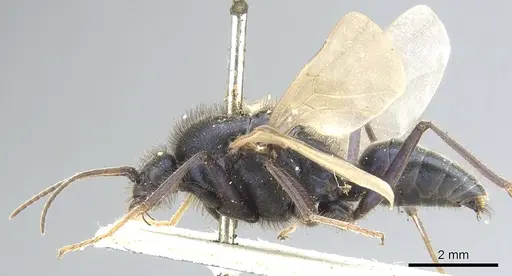
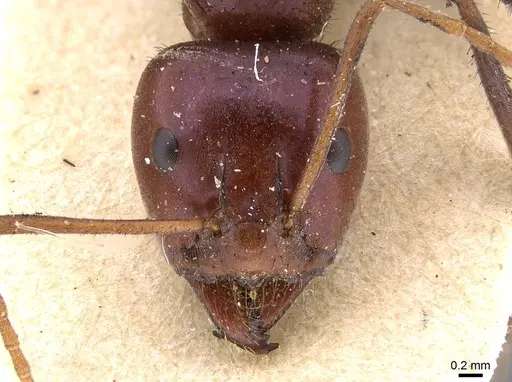
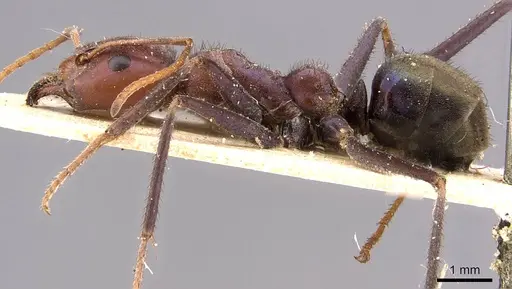
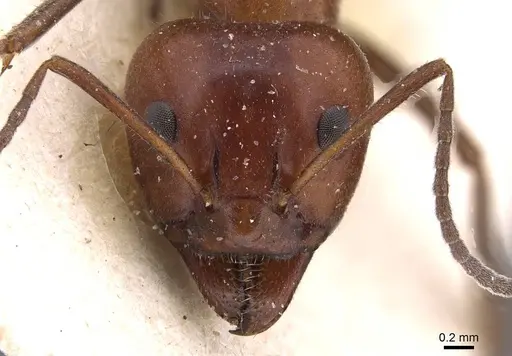
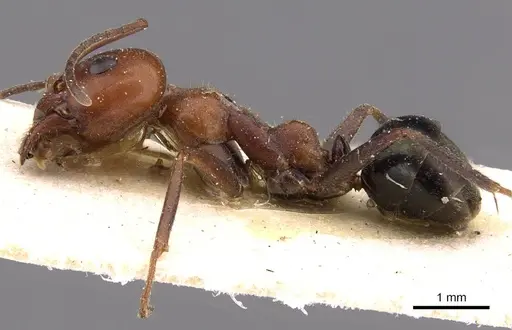
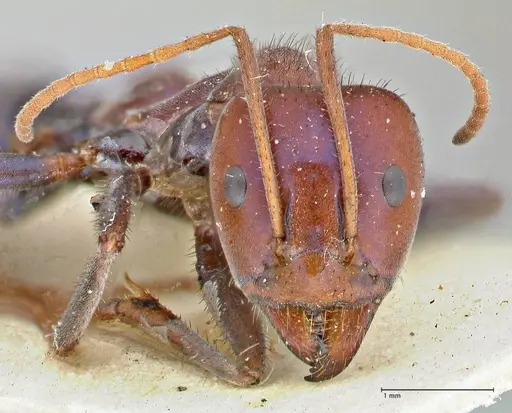
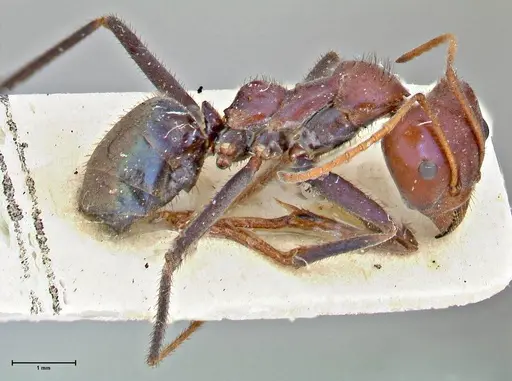
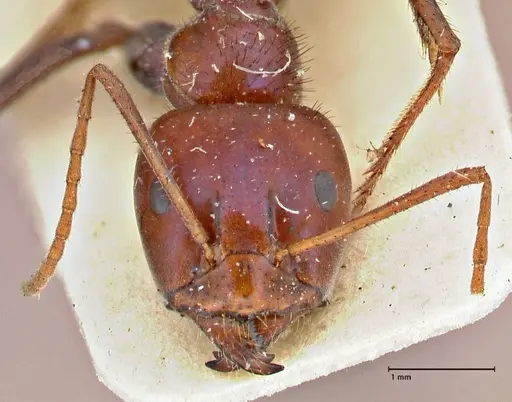
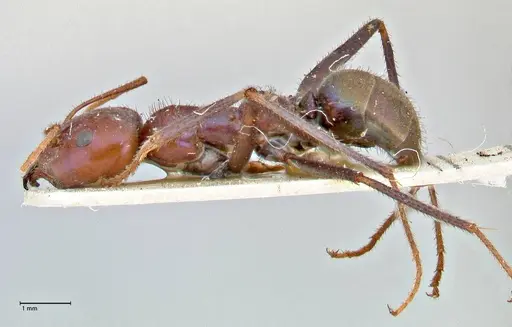
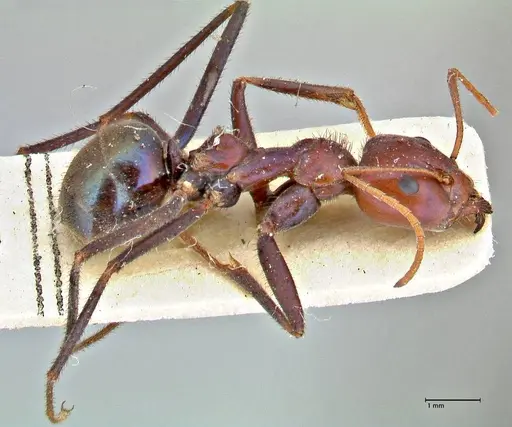
The meat ant is one of Australia's most recognizable and widespread ant species. Workers measure 7-9mm with a distinctive dark reddish body and an iridescent purple-to-blue sheen on the gaster (abdomen) that catches the light beautifully. These are large, robust ants with a monomorphic worker caste, meaning all workers are the same size. They build impressive mound nests covered in small pebbles that can reach several meters in diameter, earning them the alternate common name 'gravel ant' [1][2]. The species is found throughout mainland Australia, spanning roughly 4000km east to west and 3000km north to south [2]. What makes this species particularly notable is its extreme pugnacity, when disturbed, workers pour out of nest entrances in overwhelming numbers to attack any perceived threat, biting and spraying irritating secretions from their pygidial glands [1]. This aggressive defense extends to fierce territorial behavior, with established colonies maintaining boundaries through ritual displays between neighboring nests.
Quick Summary
- Difficulty: Medium
- Origin & Habitat: Native to Australia, found throughout mainland Australia in diverse habitats including woodland, savannah, and arid zones. They prefer open ground areas and are commonly found along road verges, in disturbed areas, and around human settlements [2][3].
- Colony Type: Polygynous (multiple queens) and polydomous (multiple connected nest sites). Colonies can contain thousands to tens of thousands of workers, with some large nests housing over 300,000 individuals [1][4]. Queens mate once (monandrous) [1][5].
- Size & Growth:
- Queen:{.size-link} size data unavailable
- Worker:{.size-link} 7-9mm [6][7][8]
- Colony: up to 300,000 workers [4]
- Growth: Moderate
- Development: Approximately 6-8 weeks (estimated from related Dolichoderinae species) (Development time is estimated based on genus-level data, as specific development studies for this species are lacking)
- Antkeeping:
- Temperature: Keep at 22-28°C. These ants are adapted to Australian conditions and can tolerate high temperatures, reducing foraging activity only when surface temperatures exceed 50°C [9]. Provide a temperature gradient allowing workers to thermoregulate.
- Humidity: Moderate humidity. They nest in soil and require the substrate to remain moist but not waterlogged. The mound structure helps regulate nest humidity.
- Diapause: No, these are Australian ants adapted to year-round activity in warm climates. However, activity may slow during cooler winter months in temperate regions.
- Nesting: Large, naturalistic setups work best given their polydomous nature and large colony size. A formicarium with multiple chambers connected to outworlds, or a custom-built dirt setup with pebble-covered areas, mimics their natural mound-building behavior. They need space for their extensive tunnel systems.
- Behavior: Extremely aggressive and territorial. Workers will aggressively defend the nest against any intruder, including humans. They forage both on the ground and in trees, seeking nectar, honeydew, and insects. They are diurnal and highly active during warm daylight hours. Workers transport protein foods (like insects) back to the nest to feed larvae rather than consuming them directly [10]. They maintain long-term trail networks and can be competitive at food sources, rarely being displaced [11]. Escape prevention is important but less critical than for tiny ants, their larger size makes standard barriers effective.
- Common Issues: aggressive defense means frequent ant escapes during feeding or nest maintenance., large colony size requires significant space and resources, may outgrow small formicaria., polydomous nature means they may establish secondary nests in multiple locations., queens are accepted by established colonies, this species can have multiple reproductive queens., they compete aggressively with other ant species, which may limit tankmates.
Nuptial Flight Activity Analysis 174 observations
Flight Activity by Hour 174 observations
Iridomyrmex purpureus nuptial flight activity peaks around 16:00 during the afternoon. Activity is spread across a 12-hour window (08:00–19:00). Times may be influenced by human observation patterns.
Housing and Nest Setup
Iridomyrmex purpureus requires more space than most ant species due to their large colony size and mound-building behavior. A naturalistic setup with a dirt chamber system works well, they will construct their own tunnels and create the characteristic pebble-covered mound appearance if given appropriate materials. Alternatively, a large formicarium with multiple connected chambers provides adequate housing. The nest should have a layer of small pebbles on top, as this is part of their natural architecture, the gravel helps regulate temperature and humidity while waterproofing the nest [12]. Provide multiple outworlds connected to the nest area, reflecting their polydomous nature. Use a water tube for humidity and ensure the substrate stays moist but never soggy. Given their aggressive defense behavior, use a well-sealed escape barrier like fluon on the rim of any outworlds.
Feeding and Diet
Meat ants are true omnivores with a particular fondness for protein. They feed on nectar and honeydew from plants (they'll tend hemipteran insects for honeydew), but their name comes from their preference for insects and carrion, they'll scavenge dead insects, small animals, and even tear fragments from larger carcasses [13]. In captivity, offer a varied diet: protein sources like mealworms, crickets, and other insects should make up the bulk of feeding. They also accept sugar water or honey as an energy source. Workers do not consume protein directly but transport it back to the nest where it's fed to larvae [10]. One unique documented behavior is their collection of bat guano, they've been observed entering caves and carrying bat guano back to their nest, likely for the nutrients [14][15]. Feed protein prey 2-3 times per week and keep a constant sugar water source available.
Temperature and Seasonal Care
These Australian ants thrive in warm conditions. Maintain temperatures between 22-28°C in the nest area. They are remarkably heat-tolerant, studies show they only reduce foraging activity when surface temperatures exceed 50°C, and they exhibit behavioral plasticity to deal with heat stress by changing routes to use cooler microclimates or running faster to reach thermal refuge [9]. During Australian summer, they're active year-round in their native range. If kept in temperate regions, they may show reduced activity in winter but do not require true hibernation. A heat cable on one side of the nest can create a beneficial temperature gradient. Avoid temperatures below 15°C for extended periods.
Colony Structure and Behavior
This is a polygynous species, colonies typically have multiple queens working together, which contributes to their ecological dominance [1]. They are also polydomous, meaning a single colony maintains multiple nest sites connected by trails [16]. This has practical implications for keepers: your colony may establish secondary nests in different parts of their enclosure. The species is famous for its aggressive defense, disturb a nest and dozens of workers will pour out, biting and spraying secretions from their pygidial glands [1]. They maintain territories with ritual displays at boundaries where workers engage in pairwise displays sweeping their legs and heads [17]. Despite their aggression toward intruders, they can be remarkably tolerant of new queens, foundress queens are sometimes accepted by established colonies and may become supernumerary queens [18]. Workers are diurnal and highly active foragers, establishing long-term trail networks.
Growth and Development
Colonies grow large quickly under good conditions. A mature nest with over 1.5m diameter can contain approximately 50,000 workers [11], and some sources indicate colonies can reach 300,000 workers [4]. Nuptial flights occur in October (Australian spring) when winged queens and males take to the air [18]. Founding typically begins with a single queen (65 of 72 newly founded nests in one study had single queens), though pleometrosis (multiple queens founding together) does occur [18]. The colony near Canberra studied by Greenslade was at least 70 years old, demonstrating their remarkable longevity [12]. Queens are monandrous, meaning they mate only once during their nuptial flight [5].
Ecological Role and Interactions
In the wild, Iridomyrmex purpureus plays a significant ecological role. They are dominant members of Australian ant communities, often making up 80%+ of ant biomass in survey areas [11]. They are important seed dispersers, one study found they were responsible for 43% of total seed dispersal events and all dispersal distances over 17m, with maximum recorded dispersal of 120 meters [19]. They also pollinate flowers, including Conospermum undulatum [20]. However, they are aggressive competitors and can exclude other ant species from areas, exclusion studies showed removing them reduced ant counts by 75% and abundance by 99.5% [11]. They are preyed upon by ant-hunting spiders that use chemical cues to locate them [21]. Their nests also promote diverse soil microbial communities [22].
Frequently Asked Questions
Are meat ants good for beginners?
Not ideal for beginners. While their size makes them easier to handle than tiny ants, their extreme aggression and large space requirements make them challenging. They pour out aggressively when disturbed, making routine feeding and nest maintenance stressful for both keeper and ants. They also need significant space as colonies grow very large.
How long does it take for first workers to appear?
Based on related Dolichoderinae species, expect first workers (nanitics) approximately 6-8 weeks after the queen lays eggs, assuming optimal temperatures around 24-26°C. Development is temperature-dependent, cooler temperatures will slow development.
Can I keep multiple queens together?
Yes, this is a polygynous species that naturally accepts multiple queens. In the wild, colonies commonly have multiple reproductive queens, and foundress queens are sometimes tolerated by established colonies. However, introducing unrelated queens to an established colony may still trigger aggression initially.
How big do colonies get?
Very large. Mature colonies can reach 50,000 to 300,000 workers. Nests over 1.5 meters in diameter can contain approximately 50,000 workers. You'll need to plan for significant space as they grow.
What do meat ants eat?
They are omnivores with a protein preference. Feed insects (mealworms, crickets, etc.) 2-3 times per week, and provide constant access to sugar water or honey. They also eat nectar and honeydew in the wild. Workers transport protein back to the nest to feed larvae rather than eating it themselves.
Do they need hibernation?
No. As Australian natives adapted to year-round warm conditions, they do not require a hibernation period. However, activity may slow during cooler months. Keep them warm year-round (22-28°C).
Why are my meat ants dying?
Common causes include: temperature too cold (below 15°C), substrate too dry or too wet, insufficient protein in diet, or stress from too-frequent disturbance. Their aggressive nature means they may die prematurely if constantly disturbed during feeding. Also ensure escape barriers are secure, despite their size, they'll find gaps.
When do nuptial flights occur?
In Australia, nuptial flights occur in October (spring). Winged queens and males emerge to mate. If you're breeding this species, simulate Australian spring conditions to trigger reproductive behavior.
What's the best nest type for meat ants?
A large naturalistic setup with dirt or a custom-built formicarium with multiple chambers works best. They need space for their large colony and prefer to build extensive tunnel systems. A layer of small pebbles on the nest surface mimics their natural mound-building behavior.
Are meat ants aggressive to each other?
They are highly aggressive to non-nestmates but maintain ritualized boundaries with neighboring colonies. Within the colony, workers are cooperative. They use spatial memory to recognize their territory and don't often enter foraging spaces of neighbors. Confrontations typically involve displays rather than fighting, except over high-value food resources.
Report an Issue
The current care sheet is based fully on literature. See inconsistencies, or something that's incorrect? Please , it will be resolved after review from an admin. Contributing to the blogs tab also helps providing information, to make us be able to further improve the caresheets. Thank you for your support!
References

This caresheet is licensed under CC BY-SA 4.0 .
ANTWEB1008536
View on AntWeb
CASENT0006108
View on AntWeb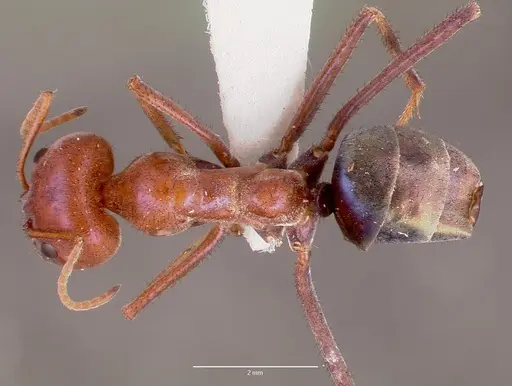
CASENT0010657
View on AntWeb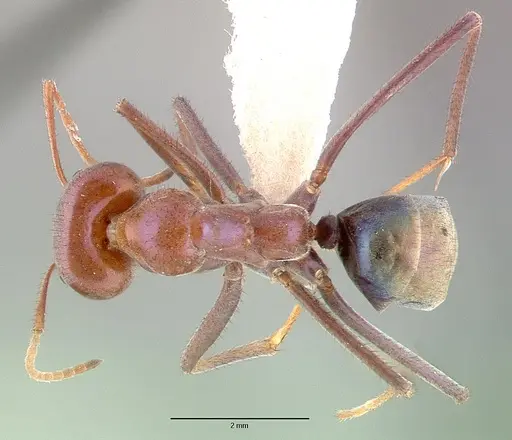
CASENT0172039
View on AntWeb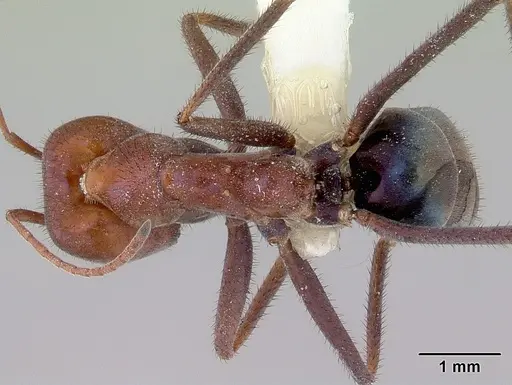
CASENT0172040
View on AntWeb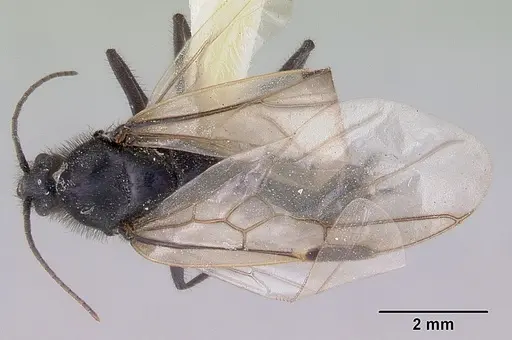
CASENT0249723
View on AntWeb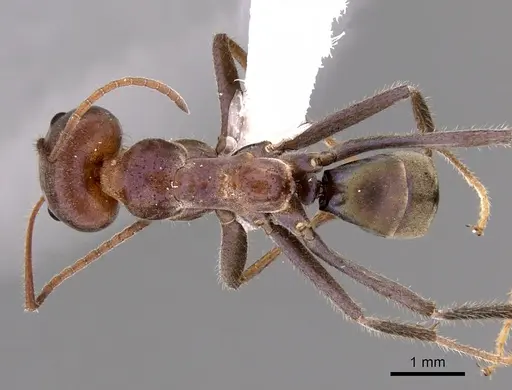
CASENT0249725
View on AntWeb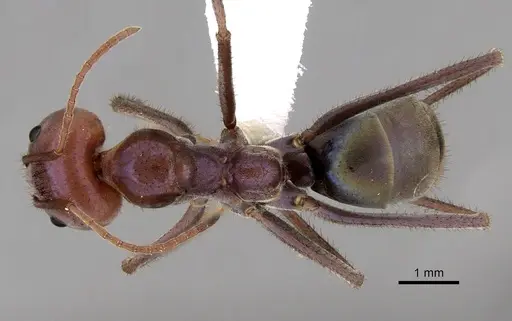
CASENT0886042
View on AntWeb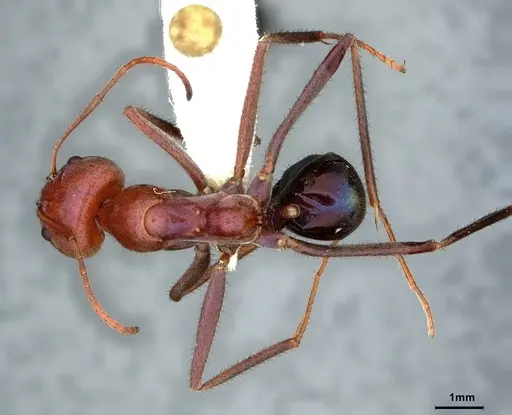
CASENT0903079
View on AntWeb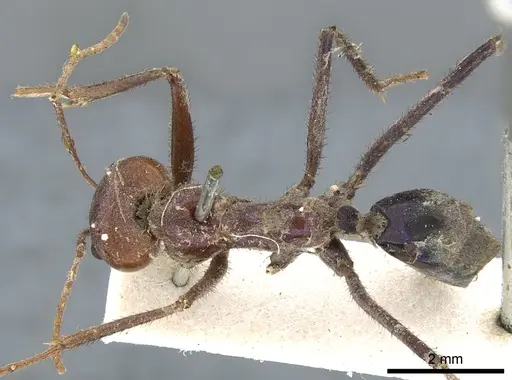
CASENT0903477
View on AntWeb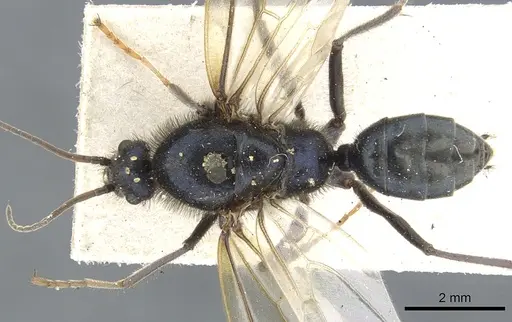
CASENT0909519
View on AntWeb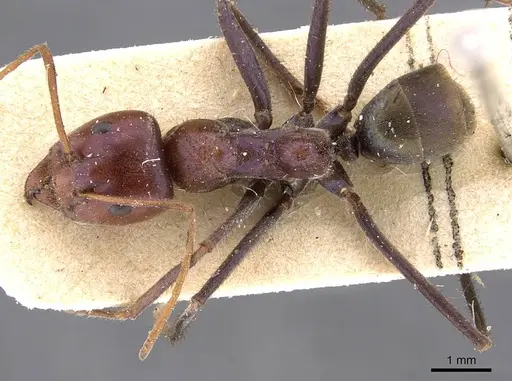
CASENT0909520
View on AntWeb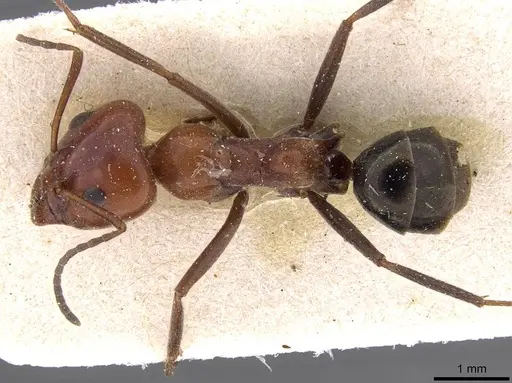
FOCOL2826
View on AntWeb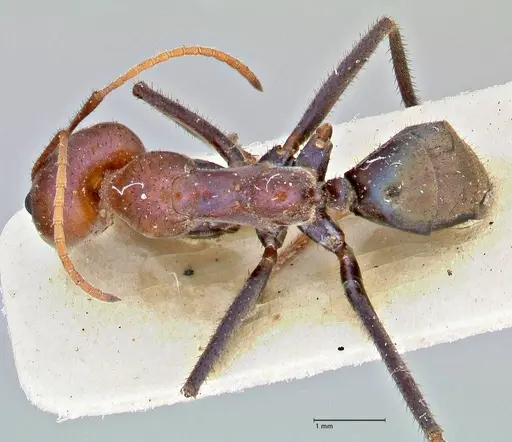
FOCOL2827
View on AntWeb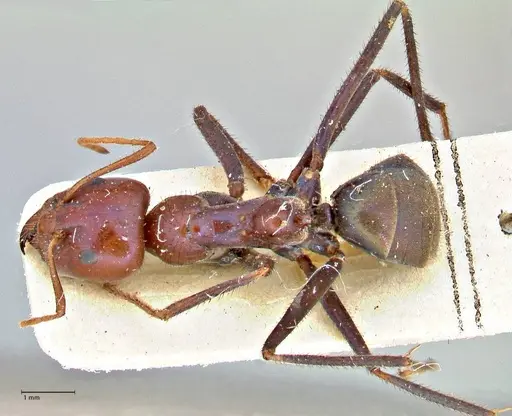
Literature
Loading...Loading products...