

Megalomyrmex wettereri
- Scientific Name
- Megalomyrmex wettereri
- Tribe
- Solenopsidini
- Subfamily
- Myrmicinae
- Author
- Brandão, 2003
- Distribution
- Found in 2 countries
Megalomyrmex wettereri Overview
Megalomyrmex wettereri is an ant species of the genus Megalomyrmex. It is primarily documented in 2 countries , including Costa Rica, Panama. Detailed taxonomic data and occurrence records can be further explored via authoritative databases such as AntWeb or the Global Biodiversity Information Facility (GBIF).
Megalomyrmex wettereri
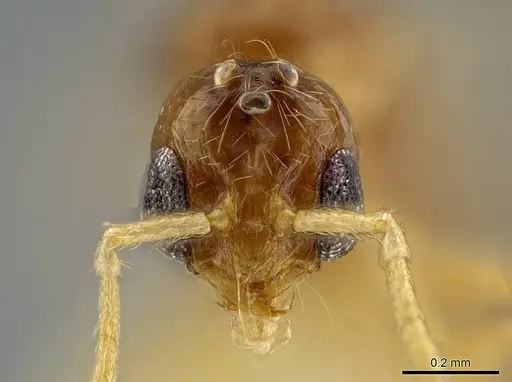
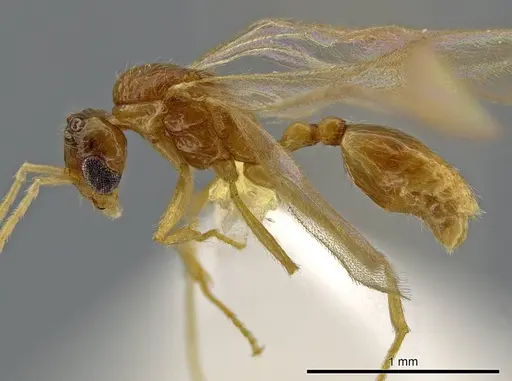
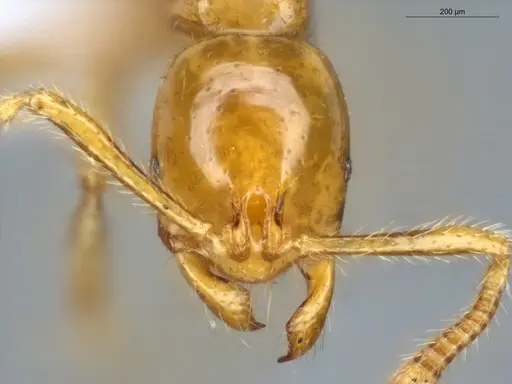
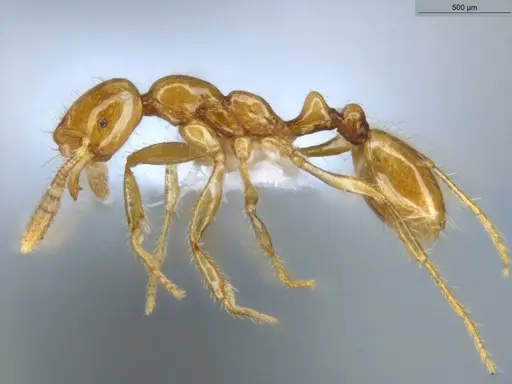
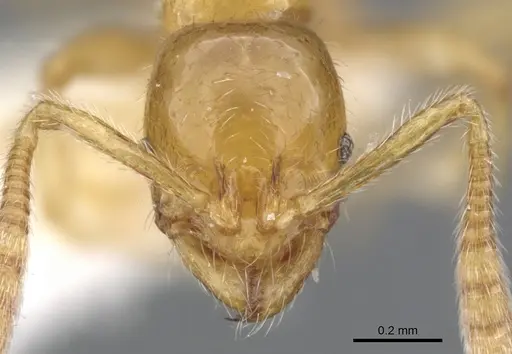
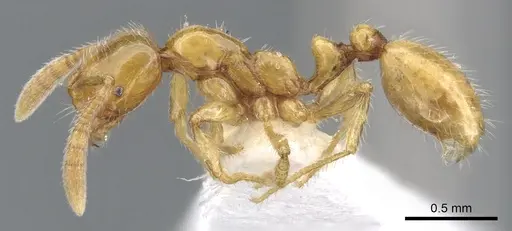
Megalomyrmex wettereri is a tiny bright yellow ant native to the lowland rainforests of Costa Rica and Panama. Workers measure just 0.50-0.52mm in head width, making them one of the smaller ant species in the hobby [1]. The species is uniquely known for its extraordinary lifestyle as an agro-predator, it specifically raids nests of fungus-farming ants (Cyphomyrmex and Trachymyrmex species), forcibly taking over their nests, killing the host workers, and consuming their fungus gardens [2][3]. This is not a typical ant species and represents one of the most specialized and challenging ants to keep in captivity.
Quick Summary
- Difficulty: Expert
- Origin & Habitat: Lowland Neotropical rainforests in Costa Rica and Panama, from sea level to 365m elevation [1]. Found at La Selva Biological Station in Costa Rica and Barro Colorado Island in Panama [3].
- Colony Type: Facultatively polygynous, single queens can infiltrate host colonies, but larger colonies with up to three queens and over 60 workers are typical [1].
- Colony: Optionally polygyne
- Queen: Socially parasitic
- Size & Growth:
- Queen: Estimated slightly larger than workers (workers are HW 0.50-0.52mm) [1]. Signal: estimated from worker measurements.
- Worker: 0.50-0.52mm head width,0.58-0.59mm head length [1].
- Colony: Up to 60+ workers with up to 3 queens in established colonies [1]. Signal: confirmed from field observations.
- Growth: Unknown, Signal: unconfirmed
- Development: Unknown, no direct development data exists for this species. Signal: unconfirmed. (Development timeline has not been studied. Related Megalomyrmex species may provide rough estimates, but nothing specific is available.)
- Antkeeping:
- Temperature: Keep warm around 24-26°C. This species comes from tropical lowland rainforests, so stable warmth is essential. Use a heating cable on one side of the nest to create a gentle gradient if room temperature is below this range. Signal: inferred from natural habitat (tropical rainforest).
- Humidity: High humidity required, aim for 70-80%. These ants live in rainforest environments and require consistently moist conditions. Keep the nest substrate damp but not waterlogged. Mist occasionally and use a water reservoir in the outworld. Signal: inferred from natural habitat.
- Diapause: No, this is a tropical species that does not experience cold winters. They remain active year-round. Signal: inferred from tropical distribution.
- Nesting: This species cannot be kept in isolation, they require a host fungus-farming ant colony to survive. In captivity, they would need to be provided with a host colony (Cyphomyrmex or Trachymyrmex species) in a setup that allows them to interact. A naturalistic setup with a divided chamber system may work, but this is highly experimental. Signal: inferred from obligate parasitic biology.
- Behavior: Extremely aggressive when defending their colony or raiding host nests. They conduct mass raids on Cyphomyrmex colonies, stinging and killing adult workers [2]. They have a distinctive defensive behavior called gaster flagging, they raise and wave their abdomen while emitting volatile chemicals from their sting [1][4]. Workers are tiny but can deliver a sting. They are fast-moving and will readily attack anything that threatens the colony. Escape prevention is critical due to their very small size, they can squeeze through the tiniest gaps. Signal: confirmed from field and laboratory observations [2][1].
- Common Issues: This species cannot be kept without a host colony, they are obligate agro-predators that require fungus-farming ant colonies to survive, Tiny size means escapes are likely without fine mesh barriers and tight-fitting lids, Specialized diet means they will not thrive on typical ant foods, they need access to fungus gardens, No captive breeding data exists, wild-caught colonies may have parasites or fail to establish, Their aggressive raiding behavior makes them difficult to house with any other ant species
The Agro-Predator Lifestyle
Megalomyrmex wettereri is one of the most biologically unusual ants you could attempt to keep. Unlike typical ants that forage for food or farm honeydew, this species is an obligate agro-predator that survives by raiding the nests of fungus-farming ants [4]. They specifically target species like Cyphomyrmex longiscapus and Paratrachymyrmex bugnioni [2]. When they find a host colony, they conduct mass raids, stinging and killing the adult host workers, then take over the nest cavity. They consume the fungus garden by cropping mycelium directly from the substrate, but they do not tend or add nutrients to the garden like the host ants do [2]. When the fungus garden becomes depleted, the colony must locate and usurp a new host colony. This means in captivity, you would need to provide a continuous supply of host colonies, something that makes this species essentially impossible to keep long-term for most hobbyists.
Housing and Host Requirements
This species cannot be kept in a standard ant setup. They require live host colonies of Cyphomyrmex or Trachymyrmex species to survive. In the wild, M. wettereri infiltrates existing host nests, often filling the nest entrance (auricle) with soil to seal themselves in while maintaining the stolen fungus garden [1]. In captivity, you would need a complex setup with two connected colonies, the host colony and the Megalomyrmex colony, allowing for their natural raiding behavior. This is extremely experimental and not recommended for any keeper. Even if you obtained both species, the dynamics would be difficult to manage. The practical reality is that this species is not suitable for captive husbandry in the traditional sense.
Feeding and Nutrition
In the wild, M. wettereri feeds almost exclusively on the fungus gardens of their host ants. They crop mycelium directly from the garden substrate but do not forage for additional nutrients or tend the garden [2]. When presented with host ant larvae in the laboratory, workers strip the fungal mycelium coating from the larvae before feeding them to their own brood [2]. This suggests the fungal coating may provide some protection. In captivity, without a functioning host colony and its fungus garden, these ants would starve. They would not accept typical ant foods like sugar water, protein sources, or seeds. This makes them one of the most difficult species to feed in the ant hobby.
Defense and Behavior
M. wettereri workers are tiny but feisty. They conduct coordinated mass raids on host colonies, overwhelming the defenseless Cyphomyrmex workers through sheer numbers and stinging [2]. Their most distinctive behavior is gaster flagging, when threatened or during colony disturbance, they raise and wave their abdomen while emitting volatile chemicals from their sting [1][4]. These chemicals include specific alkaloids (cis/trans-2-butyl-8-hexylpyrrolizidine) that likely serve as both deterrent and chemical weapon [4]. Workers have a functional sting and will use it defensively. They are fast-moving and aggressive when their colony is threatened.
Distribution and Habitat
This species is known only from two countries in Central America: Costa Rica and Panama. In Costa Rica, they have been found at La Selva Biological Station in Heredia province. In Panama, they occur on Barro Colorado Island and in Panama Province. All collection sites are lowland rainforest below 365m elevation [1][3]. The climate is warm and humid year-round with minimal seasonal temperature variation. This confirms they need tropical conditions in captivity with high humidity and no cold period.
Frequently Asked Questions
Is Megalomyrmex wettereri suitable for beginners?
No. This is absolutely not a beginner species. In fact, it is not recommended for anyone except advanced researchers. They require live host ant colonies (Cyphomyrmex or Trachymyrmex) to survive, as they feed exclusively on fungus gardens. There is no established captive husbandry method for this species.
What do Megalomyrmex wettereri eat?
They eat the fungus gardens of host ant colonies. They crop mycelium directly from the garden substrate but do not tend the garden or add nutrients. They will also feed host ant larvae to their own brood after removing the fungal coating. They will not accept typical ant foods.
What temperature do Megalomyrmex wettereri need?
Keep them warm at 24-26°C. They come from tropical lowland rainforests in Costa Rica and Panama where temperatures are consistently warm year-round. A heating cable on one side of the setup can help maintain appropriate temperatures.
How big do Megalomyrmex wettereri colonies get?
Colonies typically reach 60+ workers with up to 3 queens. Single queens can establish colonies by infiltrating host nests, but larger multi-queen colonies are more common in the wild.
Can I keep Megalomyrmex wettereri in a test tube setup?
No. This species cannot be kept in isolation. They are obligate agro-predators that require a host fungus-farming ant colony to survive. A test tube setup would result in colony death.
How long does it take for Megalomyrmex wettereri to develop from egg to worker?
This is unknown. No research has documented the development timeline for this species. Related Megalomyrmex species may provide estimates, but nothing specific is available.
Do Megalomyrmex wettereri need hibernation?
No. They are a tropical species from Costa Rica and Panama with no cold winter period. They remain active year-round and do not require diapause.
Can I keep multiple queens together in one colony?
Yes, polygynous colonies are normal for this species. Colonies with up to 3 queens and 60+ workers have been documented in the wild. However, this is irrelevant for captive keeping, you would still need a host colony.
Why are my Megalomyrmex wettereri dying?
Without a host colony, they will starve. This species cannot survive on typical ant foods. If you obtained a wild-caught colony, they may have parasites or may have already depleted any fungus garden they brought with them. This species is not suitable for captive husbandry.
Is Megalomyrmex wettereri aggressive?
Yes, extremely so when it comes to interacting with their host species. They conduct mass raids, stinging and killing adult Cyphomyrmex workers. They also show distinctive gaster flagging behavior when threatened. They are not aggressive toward humans compared to larger ants, but they will sting if handled.
References

This caresheet is licensed under CC BY-SA 4.0 .
CASENT0630040
View on AntWeb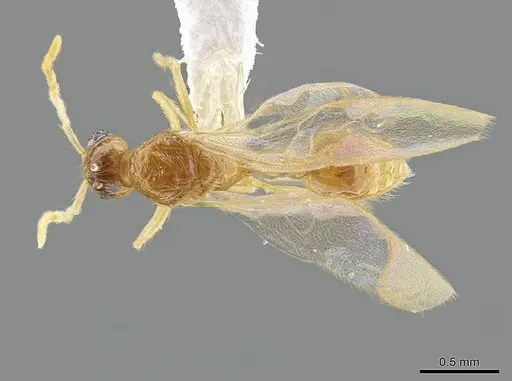
ECOFOG-LA15-0082-17
View on AntWeb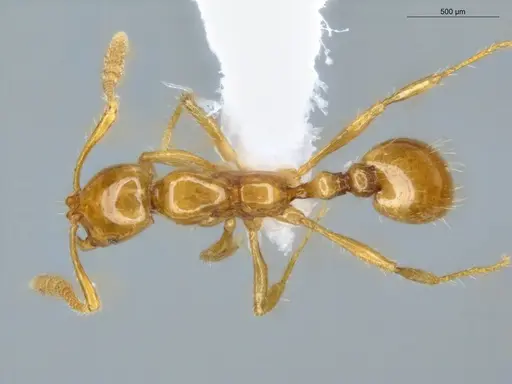
INBIOCRI001238212
View on AntWeb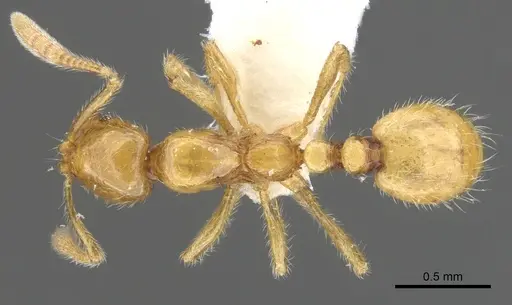
INBIOCRI001238214
View on AntWeb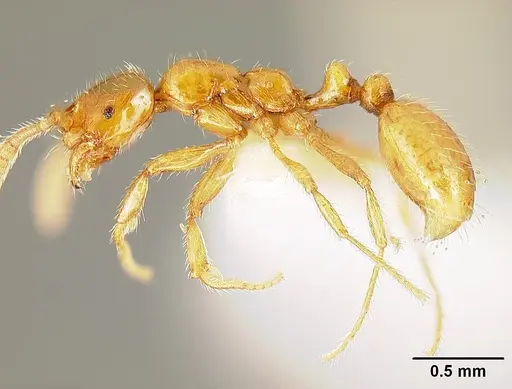
Literature
Loading...Loading products...