

Paratrachymyrmex bugnioni
- Scientific Name
- Paratrachymyrmex bugnioni
- Tribe
- Attini
- Subfamily
- Myrmicinae
- Author
- Forel, 1912
- Distribution
- Found in 9 countries
Paratrachymyrmex bugnioni Overview
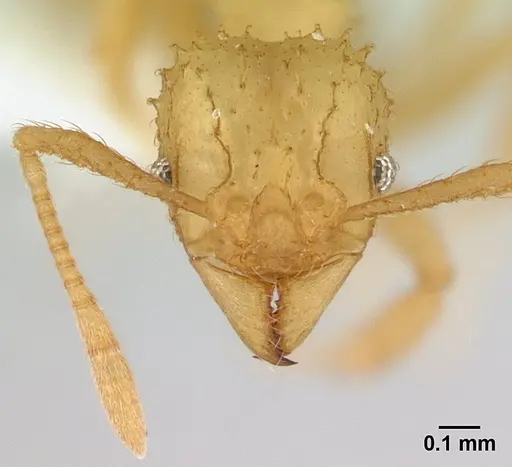
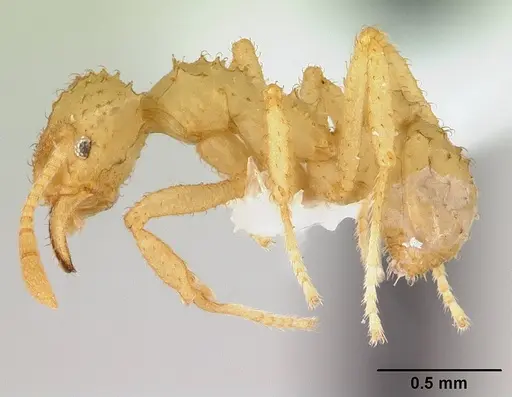
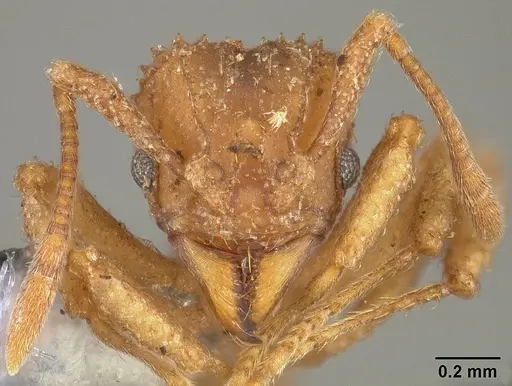
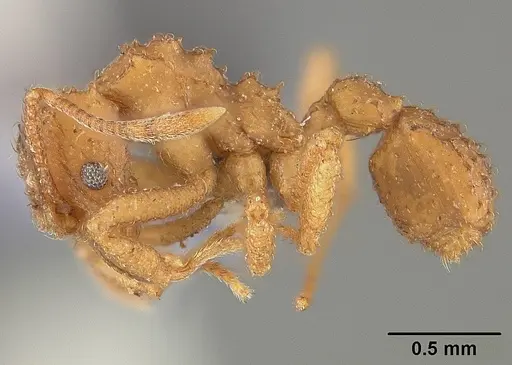
Paratrachymyrmex bugnioni is an ant species of the genus Paratrachymyrmex. It is primarily documented in 9 countries , including Brazil, Colombia, Costa Rica. Detailed taxonomic data and occurrence records can be further explored via authoritative databases such as AntWeb or the Global Biodiversity Information Facility (GBIF).
Paratrachymyrmex bugnioni
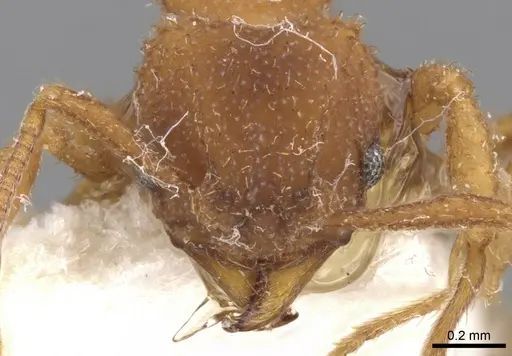
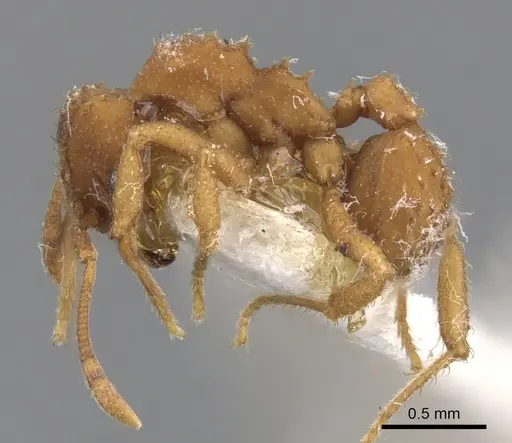
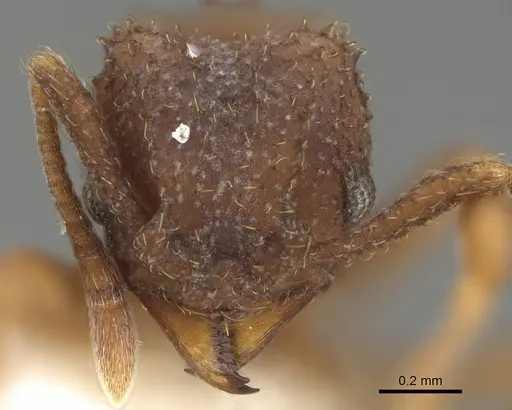
Paratrachymyrmex bugnioni is a small fungus-growing ant belonging to the tribe Attini. Workers are monomorphic (all the same size) and cultivate fungi for food, this makes them unique among ants. They range from Honduras through Costa Rica and Panama into northern South America, including Colombia, Venezuela, Guyana, and Brazil. These ants build small nests on the forest floor, often with a tiny soil mound around the entrance, and their colonies typically grow to a few hundred to a few thousand workers [1][2]. What makes this species particularly interesting is that it's a 'higher attine' ant that practices vertical fungal cultivar transmission, queens carry a piece of the parent fungus in their infrabuccal pocket to start their own garden [3].
Quick Summary
- Difficulty: Medium
- Origin & Habitat: Tropical rainforests of Central America (Honduras, Costa Rica, Panama, Guatemala) and northern South America (Colombia, Venezuela, Guyana, Brazil, Trinidad). Found in leaf litter, primary and secondary forests, and forest edges at elevations up to 980m [4][2][5].
- Colony Type: Single-queen colonies (haplometrotic). Queens found nests alone and must forage during founding (semi-claustral). Colonies grow to 100-3000 workers [6][1].
- Colony: Monogyne
- Founding: Semi-claustral
- Size & Growth:
- Queen: Estimated 5-7mm based on genus patterns
- Worker: Estimated 3-5mm based on genus patterns
- Colony: Up to 3000 workers [1]
- Growth: Moderate, small colonies take time to develop
- Development: Estimated 6-10 weeks based on related Trachymyrmex species (Development time not directly studied, estimate based on genus patterns for higher attine ants)
- Antkeeping:
- Temperature: Keep at 24-28°C. As a tropical species, they need warm conditions. A heating cable on one side of the nest creates a gradient.
- Humidity: Keep substrate consistently moist but not waterlogged. These forest-floor ants need damp conditions, think rainforest leaf litter.
- Diapause: No, as a tropical species, they do not require hibernation. Keep temperatures stable year-round.
- Nesting: Use a naturalistic setup with soil or a Y-tong/plaster nest. They prefer having roots or surfaces to attach their fungal garden. Chamber depth around 25-30mm works well. Small entrance of about 2mm [7].
- Behavior: Generally peaceful and not aggressive. They are fungus farmers, the key to keeping them is successfully cultivating their fungal garden. Workers forage for plant materials (flowers, feces, dead leaves) to feed their fungus. Queens must leave the nest to forage during founding, which is unusual compared to many ants that seal themselves in [6]. Escape risk is moderate, use standard barriers.
- Common Issues: fungal garden collapse is the biggest risk, contamination or improper humidity can kill the fungus and starve the colony, semi-claustral founding means foundress queens need to hunt, they cannot survive on stored fat alone like claustral species, wild-caught colonies may have parasites like Escovopsis fungus (affects 51% of Trachymyrmex) that can devastate captive colonies [9], temperature drops below 22°C can slow or stop colony growth, small colony size means slow development, beginners may lose patience
The Fungus-Growing Lifestyle
Paratrachymyrmex bugnioni belongs to the Attini tribe, the fungus-growing ants. Unlike most ants that hunt insects or collect honeydew, these ants cultivate fungi as their primary food source. This is a complex mutualism: the ants feed the fungus with plant materials (dead leaves, flowers, insect feces), and the fungus serves as the sole food for their larvae and a partial food source for adult workers [3]. The fungal garden is essential to colony survival, without it, the colony will starve. This makes P. bugnioni fundamentally different from keeping typical predatory ants. The key to success is maintaining a healthy fungal garden. Higher attine ants like this species practice vertical cultivar transmission, the queen carries a piece of the parent fungus in a special pocket (infrabuccal pocket) when she establishes a new nest, ensuring the fungal cultivar is passed down through generations [3].
Nest Setup and Chamber Design
In the wild, foundress queens look for small chambers on the forest floor about 27mm deep with a volume around 1-2 cm³ [7]. They attach their fungal garden to roots hanging from the ceiling, or if no roots are available, to rock surfaces or directly on the soil [7]. For captivity, replicate these conditions with a naturalistic setup using soil or a Y-tong/plaster nest with small chambers. The entrance is tiny, only about 2mm in diameter [7]. Provide some organic material or rough surfaces for the fungus to attach to. A small soil mound around the entrance is normal. Keep the nest humid but ensure ventilation to prevent mold, which can destroy the fungal garden.
Feeding Your Colony
The most critical aspect of keeping P. bugnioni is feeding the fungus, not the ants directly. Workers collect plant materials to feed their fungal garden, in nature they use flowers, dead leaves, insect feces, and other plant debris [8]. In captivity, you can offer small pieces of fresh flowers, crushed dry leaves, or tiny amounts of grain/seed materials. Some keepers report success with providing very small amounts of protein (like crushed insects) but the primary food must be plant-based to feed the fungus. The fungus will grow white mycelium when healthy. If the fungus turns dark or stops growing, something is wrong with the substrate conditions or food quality. Never feed the ants sugar water or honey, they cannot digest these directly.
Colony Founding
This is a semi-claustral species, which is important to understand for successful founding. Unlike claustral ants (like Lasius or Camponotus) where the queen seals herself in and lives off stored fat, semi-claustral queens like P. bugnioni must leave the nest to hunt for food during the founding period [6]. This means your founding queen will need access to small prey items and plant materials. Research shows 100% of wild nests had only a single foundress (haplometrosis) [7], so do not combine multiple queens. The queen will establish a small chamber, plant her fungal garden on roots or soil, and gradually raise her first workers (nanitics) while continuing to forage.
Defense and Health
Fungus-growing ants have evolved sophisticated defenses against fungal pathogens. P. bugnioni carries beneficial actinomycete bacteria on special plates (propleural laterocervical plates) that produce antibiotics to suppress harmful fungi like Escovopsis, which attacks the fungal gardens [9]. Studies show Escovopsis affects about 51% of Trachymyrmex colonies in the wild [9], so this defense is critical. In captivity, maintain clean conditions and avoid introducing contaminants that could harm the fungus. The ants themselves are small and not particularly aggressive, they rely on their fungal defenses and cryptic nesting rather than stinging.
Temperature and Seasonal Care
As a tropical species from Central and South American rainforests, P. bugnioni requires warm, stable temperatures. Keep the nest area at 24-28°C for optimal fungus growth and brood development. Temperature drops below 22°C can slow colony growth significantly. Use a heating cable on one side of the nest to create a gentle gradient, but avoid direct heat that could dry out the substrate. Since they come from regions without winter, they do not require diapause, maintain consistent temperatures year-round. Humidity should be high (70-80%) to keep both the fungus and substrate moist.
Frequently Asked Questions
How do I feed Paratrachymyrmex bugnioni?
You feed the fungus, not the ants directly. Offer small plant materials like flower petals, crushed dry leaves, or tiny pieces of vegetation. The ants will process these and feed their fungal garden. Never feed sugar water or honey, they cannot digest these. The fungus should appear white and fluffy when healthy.
Can I keep multiple queens together?
No. Research shows 100% of wild colonies are haplometrotic, founded by a single queen [7]. Combining unrelated queens will likely result in fighting. Each colony should start with one queen.
How long does it take for first workers to emerge?
Exact development time is unconfirmed for this species. Based on related Trachymyrmex species, expect 6-10 weeks from egg to first worker at optimal temperature (around 26°C). Growth is slower than many common ant species due to the added complexity of fungus cultivation.
What is the best nest type for this species?
A naturalistic setup with soil or a Y-tong/plaster nest works best. They need small chambers (about 25-30mm deep) with tiny entrances (~2mm). Provide rough surfaces or organic material for the fungal garden to attach to. Avoid smooth acrylic nests without texture.
Why is my fungal garden turning dark?
A dark or shriveled fungal garden usually indicates problems, either contamination, improper humidity (too dry or too wet), or poor food quality. Check substrate moisture, ensure ventilation, and offer cleaner plant materials. This is the most common cause of colony failure.
Are Paratrachymyrmex bugnioni good for beginners?
They are intermediate difficulty. Unlike typical ants where you just feed them protein and sugar, these require maintaining a fungal garden, a living organism the colony depends on. The semi-claustral founding also requires more attention than claustral species. Not recommended as a first ant, but manageable for those with some experience.
Do they need hibernation?
No. As a tropical species from Central and South America, they do not require winter cooling. Keep temperatures stable at 24-28°C year-round. Temperature drops can stress the colony and fungus.
How big do colonies get?
Colonies reach 100-3000 workers in the wild [1]. In captivity, expect moderate growth over several years. They are not rapid growers like some invasive ants.
What temperature do they need?
Keep at 24-28°C. As tropical rainforest ants, they need warm conditions. A heating cable on part of the nest creates a gradient. Avoid temperatures below 22°C for extended periods.
References

This caresheet is licensed under CC BY-SA 4.0 .
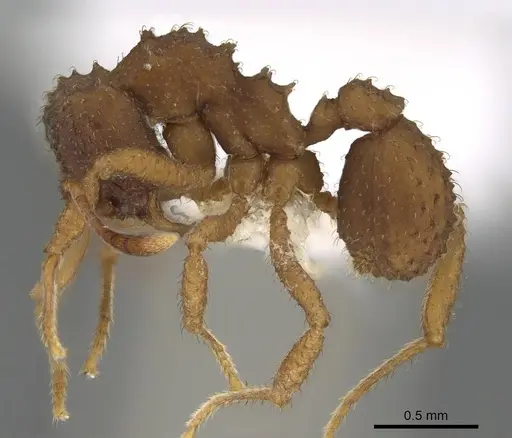
CASENT0179468
View on AntWeb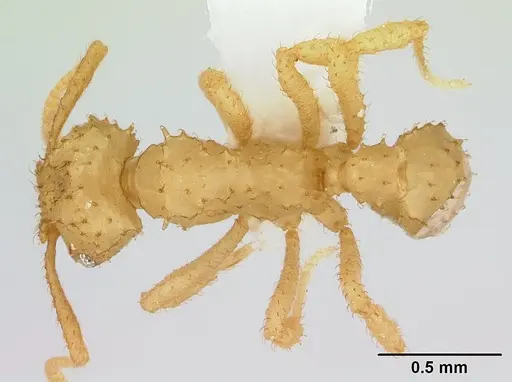
CASENT0901694
View on AntWeb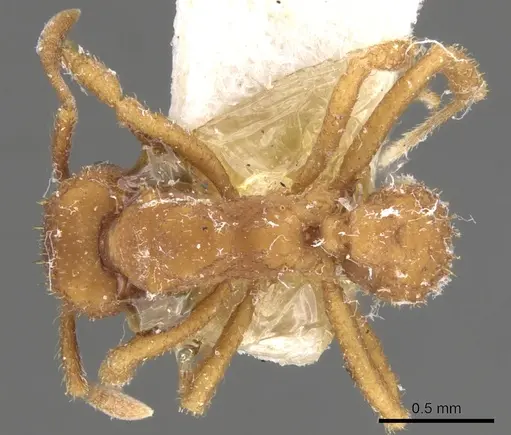
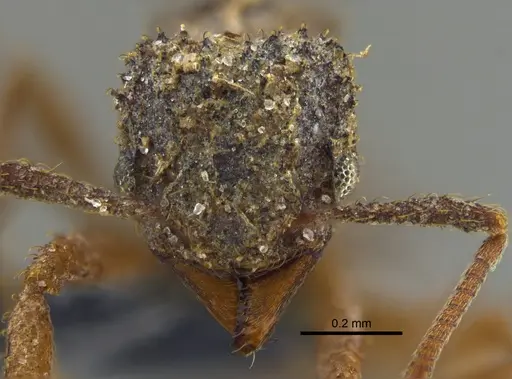
CASENT0919968
View on AntWeb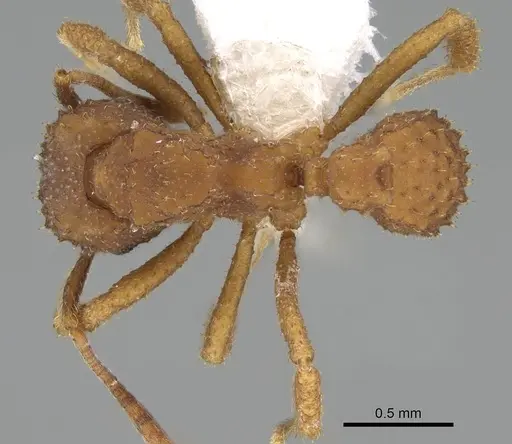
CBUMAGENT34600
View on AntWeb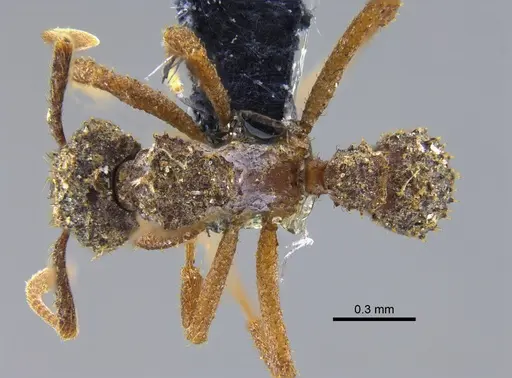
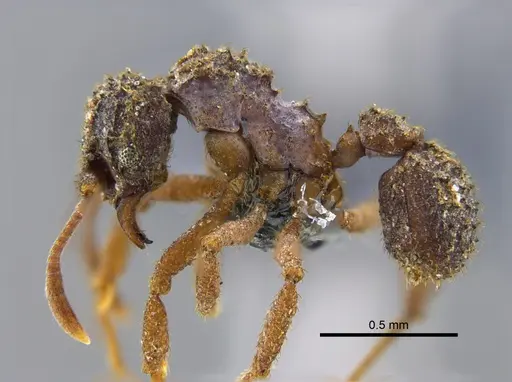
USNMENT00445762
View on AntWeb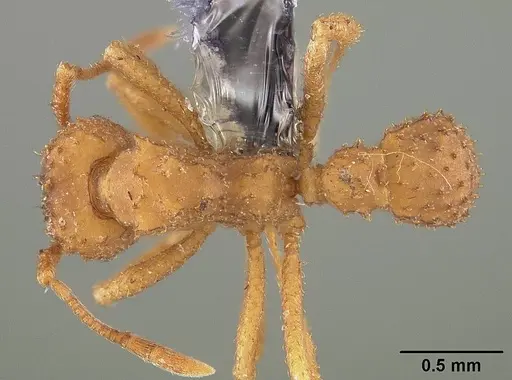
Literature
Loading...Loading products...