

Cyphomyrmex longiscapus
- Scientific Name
- Cyphomyrmex longiscapus
- Tribe
- Attini
- Subfamily
- Myrmicinae
- Author
- Weber, 1940
- Distribution
- Found in 3 countries
Cyphomyrmex longiscapus Overview
Cyphomyrmex longiscapus is an ant species of the genus Cyphomyrmex. It is primarily documented in 3 countries , including Colombia, Costa Rica, Panama. Detailed taxonomic data and occurrence records can be further explored via authoritative databases such as AntWeb or the Global Biodiversity Information Facility (GBIF).
Cyphomyrmex longiscapus
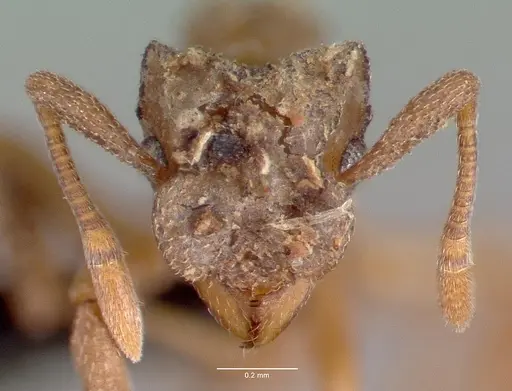
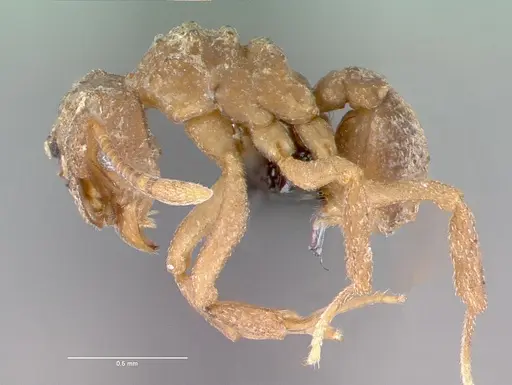
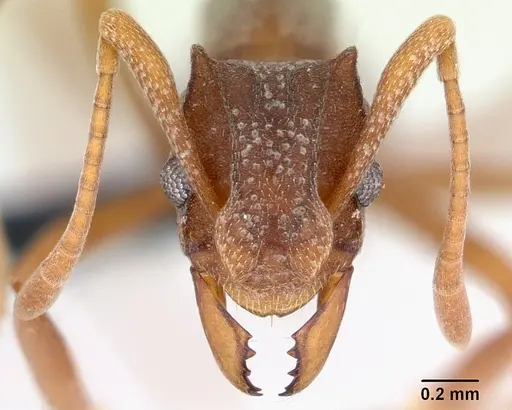
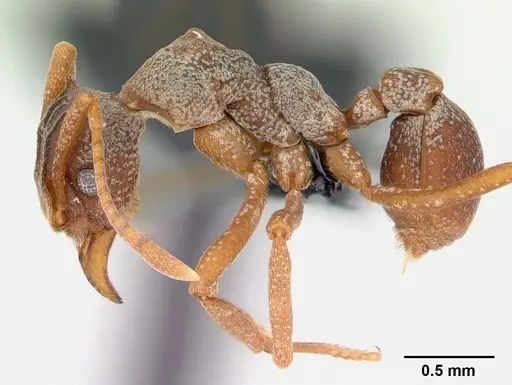
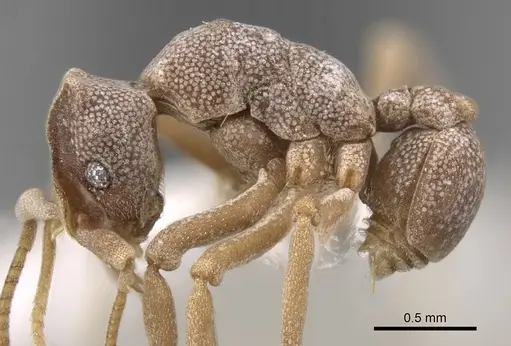
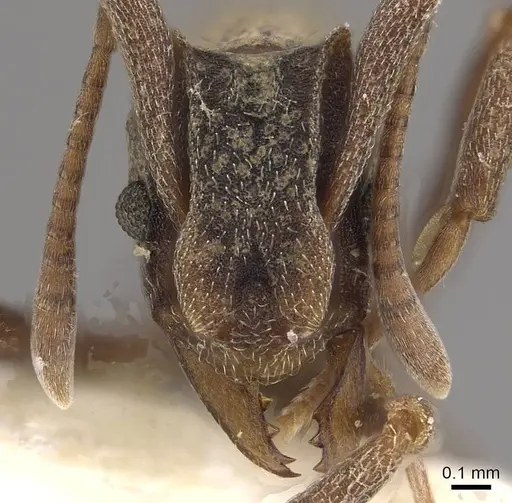
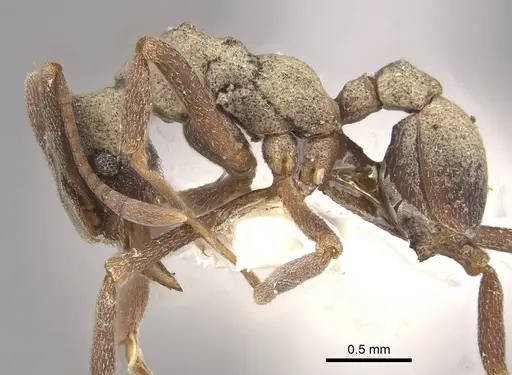
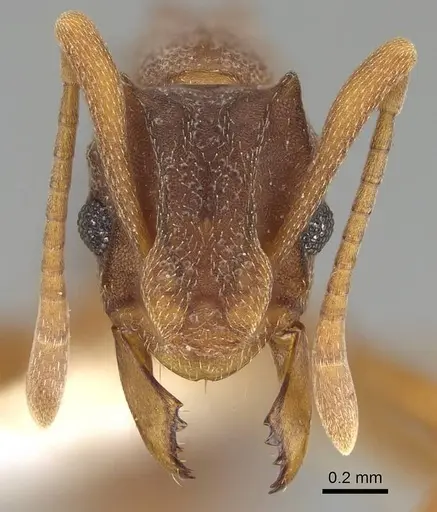
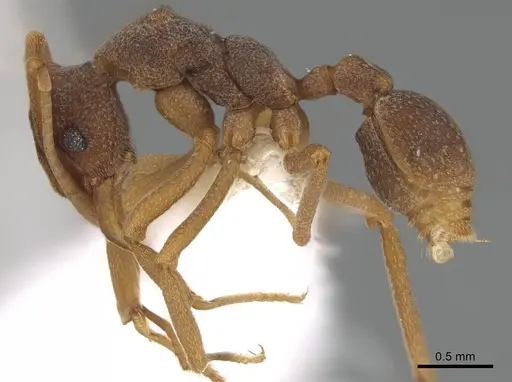
Cyphomyrmex longiscapus is a small fungus-growing ant native to the wet forests of Costa Rica, Panama, and Colombia [1]. Workers measure just 0.70-0.86 mm in head length and are yellow to brown in color, with distinctive foveae (pitted structures) covering their body that house beneficial bacteria [1]. The most remarkable feature of this species is its agricultural system, it cultivates a specific fungal cultivar (Clade 1) for food, a mutualistic relationship that has evolved over millions of years [2]. Nests are built in steep embankments along streams, featuring unique 'auricle'-shaped entrances made of clay that help protect the fungus garden from predators [3][1]. This species is a model organism for studying ant-fungal symbiosis, cultivar specificity, and social parasitism [4].
Quick Summary
- Difficulty: Medium
- Origin & Habitat: Wet tropical forests of Costa Rica, Panama, and Colombia, typically nesting in steep embankments along permanent streams [1][3]
- Colony Type: Monogyne (single queen) colonies that are perennial. Queens are singly mated (monandrous), and colonies average 14-23 workers in wild nests [1][5]
- Colony: Monogyne
- Founding: Claustral
- Size & Growth:
- Queen: 0.85-0.93 mm head length [1]
- Worker: 0.70-0.86 mm head length,0.90-1.12 mm Weber's length [1]
- Colony: Typically 10-60 workers, mature colonies around 30 workers [1][6]
- Growth: Slow, small colony size with limited worker production
- Development: Unknown, no direct studies. Based on related lower-attine species, estimate 8-12 weeks at optimal temperature. (Lower-attine ants typically have slower development than leaf-cutters. Colony growth is gradual with small worker numbers.)
- Antkeeping:
- Temperature: Keep at 22-26°C. As a tropical wet-forest species, they need warm, stable conditions similar to their native habitat [7].
- Humidity: High humidity is essential, they nest along streams in damp forest environments. Keep nest substrate consistently moist but not waterlogged.
- Diapause: No, being a tropical species, they do not require hibernation. Maintain warm conditions year-round.
- Nesting: Y-tong (acrylic) or plaster nests work well. The key is providing a small chamber (around 1-2 cm³) with high humidity. The nest entrance should be small (1-2mm) to help maintain humidity. Avoid dry, airy setups.
- Behavior: These are docile, non-aggressive ants that are primarily fungivores, they cultivate and feed on their fungal garden [8]. Workers are solitary foragers that collect detritus (insect feces, dry plant material, leaf litter) to feed their fungus [9]. They show no defensive aggression toward humans and rarely bite. Their main defense is the elaborate auricle nest entrance that deters predators like army ants [3]. Escape risk is low, they are small but not particularly mobile outside their nest. The fungal garden is the heart of the colony, without it, the colony cannot survive.
- Common Issues: Fungal garden collapse is the primary killer, maintain strict humidity and avoid contamination, Small colony size means slow recovery from losses, be patient with growth, Temperature drops below 20°C can stress these tropical ants and slow fungus growth, Contamination of the fungal garden with mold can destroy the colony, use clean substrates, Wild colonies may carry Escovopsis parasite (45.7% prevalence in field), quarantine new colonies [13]
The Fungus Garden: A Living Food Source
Cyphomyrmex longiscapus belongs to the 'lower agriculture' group of fungus-growing ants, cultivating a Clade 1 fungal symbiont that is distantly related to the cultivars of more derived attine ants [9]. Unlike leaf-cutter ants that grow gongylidia-rich gardens, this species cultivates a simple mycelium that the ants feed on directly. The fungus is the sole food source for larvae and a partial food source for adult workers [11]. The ants feed their fungus crude substrates including insect feces, dry plant debris, leaf litter, and seed fragments, not fresh leaves like Atta species [9]. In captivity, you can offer small pieces of dried leaf litter, cardboard, or insect remains. The critical point is that the fungal garden must be maintained, without it, the colony will starve. The fungus appears as a white, thread-like mass that the ants tend constantly, adding substrate and weeding out contaminants.
Nest Architecture and Housing
In the wild, C. longiscapus builds nests in steep clay embankments along permanent streams, constructing distinctive 'auricle'-shaped entrances 1-4 cm in diameter [3]. The auricle is a flared, clay-rimmed opening that helps protect the nest from predators like army ants and flooding. The nest consists of a single small chamber about 11mm deep with a volume around 1 cm³ [10]. For captivity, a small Y-tong (acrylic) nest or plaster nest works well, the key is maintaining high humidity while allowing some ventilation. The nest chamber should be appropriately sized for their tiny colony (a few dozen workers maximum). Provide a small outworld for foraging. The nest entrance should be small (1-2mm) to help maintain humidity levels inside. Avoid test tubes as the fungal garden needs more space than a water reservoir provides.
Temperature and Humidity Requirements
Being a wet-forest tropical species from Costa Rica, Panama, and Colombia, C. longiscapus requires warm and humid conditions [1]. Keep the nest at 22-26°C, this range supports both ant and fungal metabolism. Temperature below 20°C will slow fungal growth and can stress the colony. High humidity is critical: aim for 70-85% relative humidity in the nest area. The substrate should remain consistently damp but never waterlogged. These ants are sensitive to drying out, their native habitat along streams provides constant moisture. Use a small water reservoir or mist regularly, but ensure good ventilation to prevent mold. A heating cable on one side of the nest can create a slight temperature gradient if your room temperature is below 22°C.
Feeding and Diet
C. longiscapus is a fungivore, the fungal garden is their primary food source. Workers forage for detritus to feed the fungus, not for themselves directly [9]. Offer small amounts of dried plant material: leaf litter fragments, small pieces of cardboard, or dried herbivore droppings (insect feces is ideal but hard to obtain). You can also offer tiny amounts of grain or seed fragments. Protein is not a major part of their diet like it is for predatory ants. Some keepers report success with very small pieces of dead insects, but plant matter is more natural. The key is variety in the substrate you provide, rotate between different types of dried plant material. Never feed fresh leaves or fruits, these are not their natural substrate. Remove any uneaten substrate after a week to prevent mold.
Defense and Predation
This species has limited direct defense capabilities, workers are small and docile. When threatened, they may curl up in a defensive ball, protecting their legs and antennae [3]. Their main defense is the elaborate nest architecture: the auricle entrance is designed to deter army ants and other predators. Research shows that army ant raiders (Neivamyrmex sp.) will climb the outside of the auricle but rarely venture onto the rim or into the nest itself [3]. A more serious threat is the agro-predator Megalomyrmex sp., which specifically raids Cyphomyrmex nests, kills or drives out the workers, and consumes the entire fungal garden [3]. In captivity, the main risks are mold contamination and stress from improper humidity. They do not sting and pose no danger to keepers.
Colony Dynamics and Growth
C. longiscapus colonies are small by ant standards, wild colonies average 14-23 workers, with maximum around 50-60 [1]. This is a slow-growing species that requires patience. Colonies are monogynous (single queen) and queens are singly mated (monandrous), meaning all workers are full siblings with very high relatedness (0.73-0.74) [5][12]. Alate production occurs during the early dry season (December-February) and wet season (July-August), with averages of 7.8 alates per nest [1]. In captivity, expect gradual growth over months rather than rapid expansion. The queen can live for many years, and colonies are perennial. Do not expect large worker numbers, these are tiny colonies that max out around 50 workers even in ideal conditions.
Frequently Asked Questions
How long does it take for first workers to appear in Cyphomyrmex longiscapus?
The exact development time is unconfirmed, but based on related lower-attine species, expect 8-12 weeks from egg to first worker at optimal temperature (24-26°C). Growth is slow, these ants have small colonies and gradual development.
Can I keep multiple Cyphomyrmex longiscapus queens together?
No. This species is strictly monogyne, colonies have a single queen. Multiple unrelated queens will fight. In the wild,100% of foundress nests have just one queen (haplometrosis) [10].
What do Cyphomyrmex longiscapus eat?
They are fungivores that cultivate a fungal garden for food. Offer dried plant substrates like leaf litter fragments, cardboard pieces, or dried herbivore feces. They do not eat fresh leaves like Atta ants, they prefer crude detritus. The fungus garden processes this substrate into food for the colony.
How big do Cyphomyrmex longiscapus colonies get?
Small, wild colonies average 14-23 workers, with maximum around 50-60 workers [1]. This is one of the smaller attine ants. Do not expect large colonies, these are tiny, slow-growing colonies that remain modest in size.
What temperature do Cyphomyrmex longiscapus need?
Keep them warm at 22-26°C. As a tropical wet-forest species from Costa Rica and Panama, they need consistent warmth. Below 20°C will stress the colony and slow fungal growth.
Do Cyphomyrmex longiscapus need hibernation?
No. Being a tropical species from Central and South America, they do not require diapause or hibernation. Maintain warm, humid conditions year-round.
Why is my fungal garden turning dark or dying?
The fungal garden is susceptible to Escovopsis, a parasitic fungus that affects 45.7% of wild colonies [13]. In captivity, maintain strict hygiene, avoid contamination, and ensure proper humidity. If the garden turns dark or covered in mold, the colony will likely die. Some keepers report success with maintaining garden health through clean substrate and proper ventilation.
Can I keep Cyphomyrmex longiscapus in a test tube?
Not ideal. While founding colonies can start in test tubes, the fungal garden needs more space than a standard test tube provides. A small Y-tong or plaster nest with a chamber around 1-2 cm³ is more appropriate for established colonies.
Are Cyphomyrmex longiscapus good for beginners?
Not ideal for beginners. They require specific humidity and temperature control, and the fungal garden is more delicate than a standard ant colony. The biggest challenge is maintaining a healthy fungal garden long-term. If you're new to antkeeping, start with easier species like Lasius or Camponotus.
References

This caresheet is licensed under CC BY-SA 4.0 .
CASENT0039722
View on AntWeb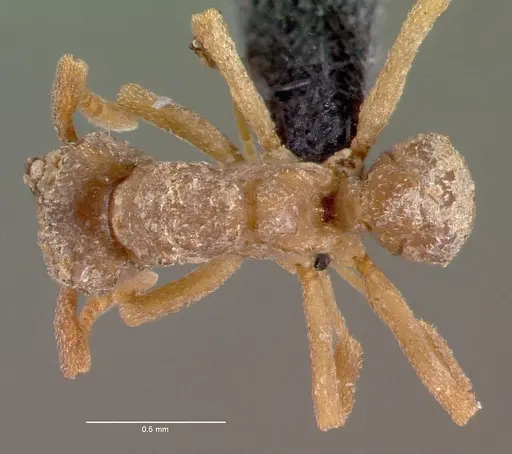
CASENT0052777
View on AntWeb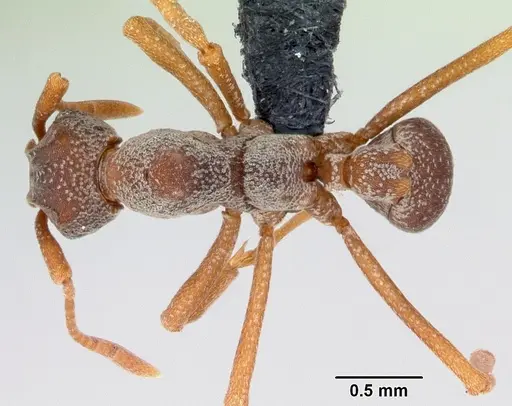
CASENT0281764
View on AntWeb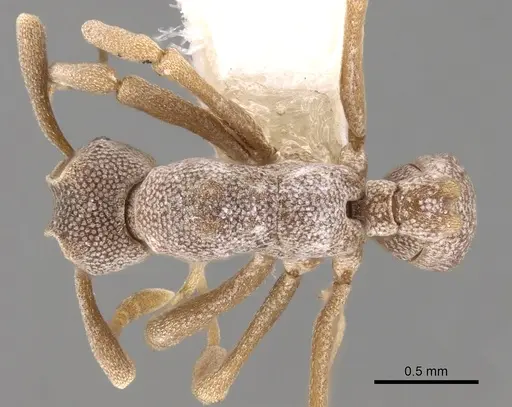
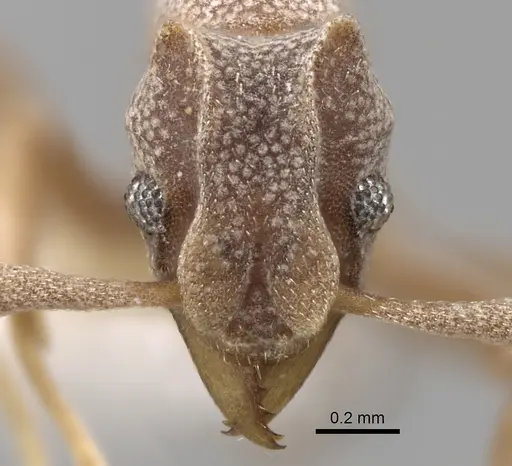
CASENT0911147
View on AntWeb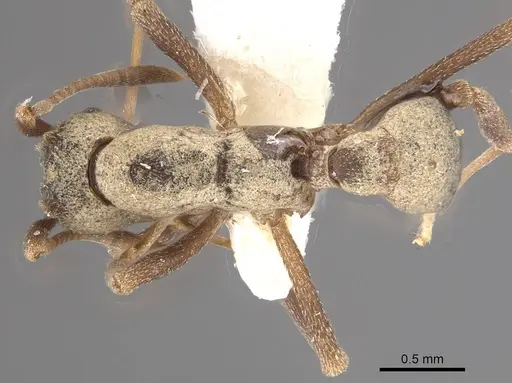
CASENT0922128
View on AntWeb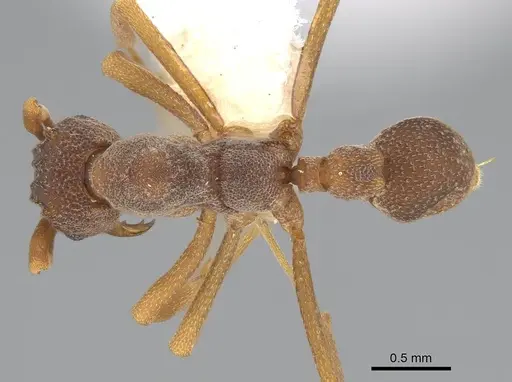
Literature
Loading...Loading products...