

Megalomyrmex mondabora
- Scientific Name
- Megalomyrmex mondabora
- Tribe
- Solenopsidini
- Subfamily
- Myrmicinae
- Author
- Brandão, 1990
- Distribution
- Found in 2 countries
Megalomyrmex mondabora Overview
Megalomyrmex mondabora is an ant species of the genus Megalomyrmex. It is primarily documented in 2 countries , including Costa Rica, Ecuador. Detailed taxonomic data and occurrence records can be further explored via authoritative databases such as AntWeb or the Global Biodiversity Information Facility (GBIF).
Megalomyrmex mondabora
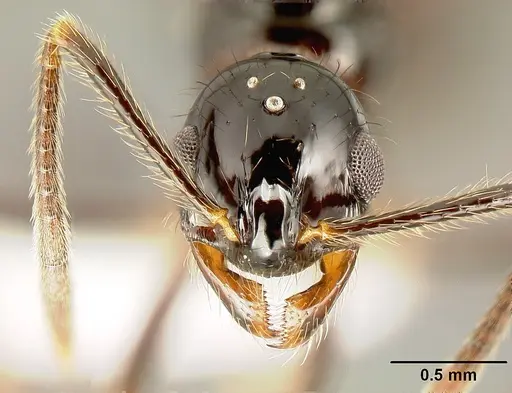
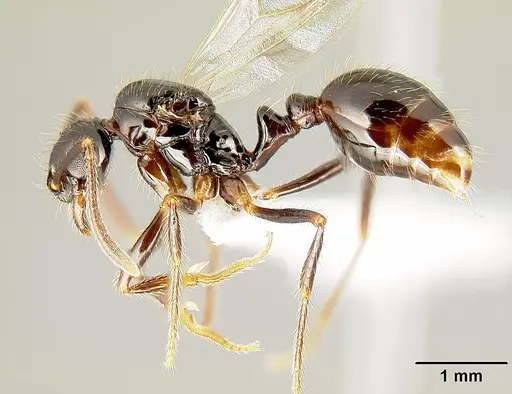
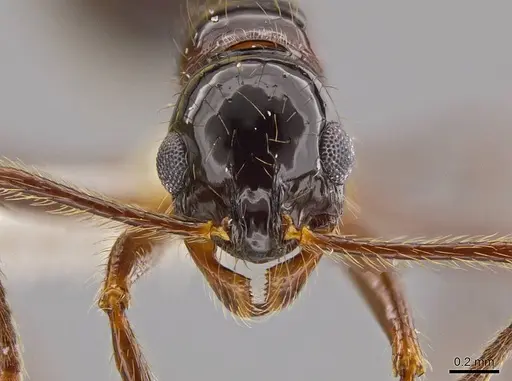
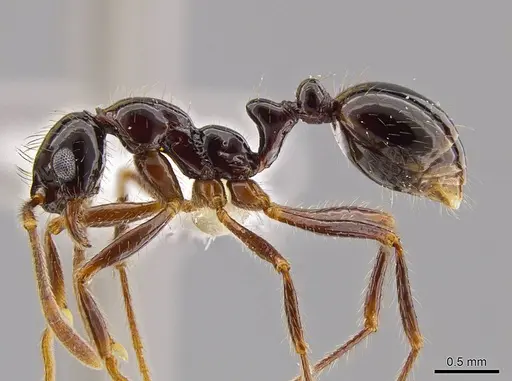
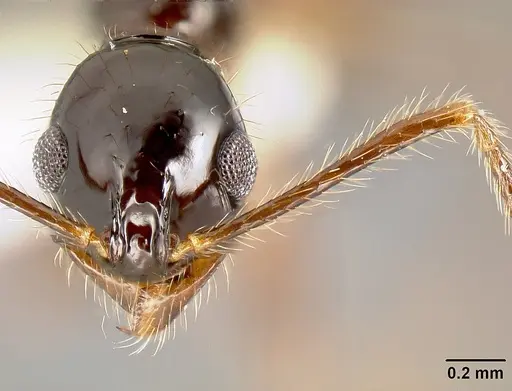
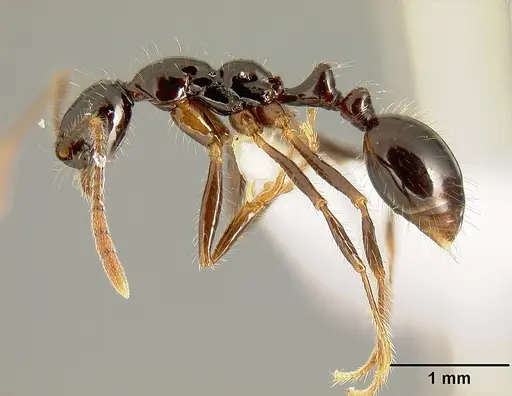
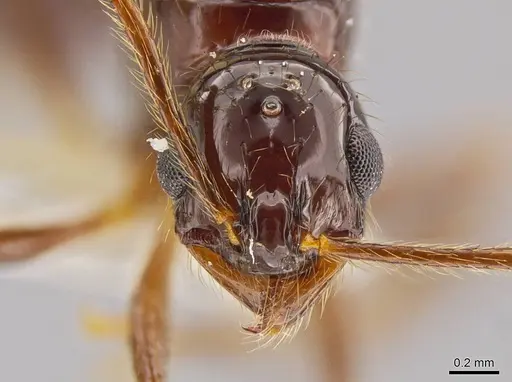
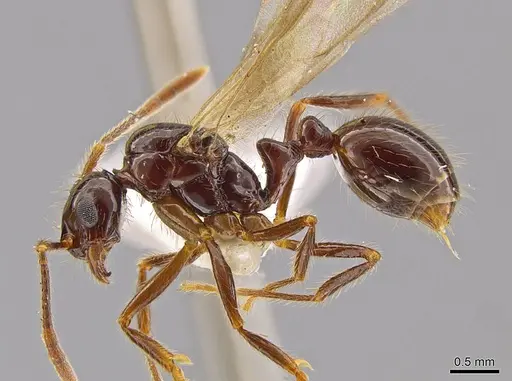
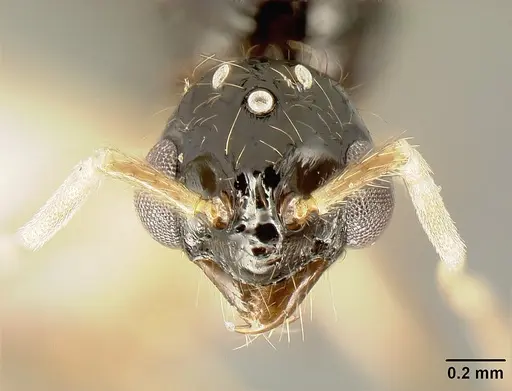
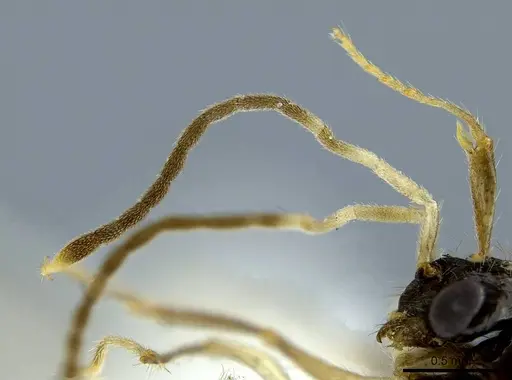
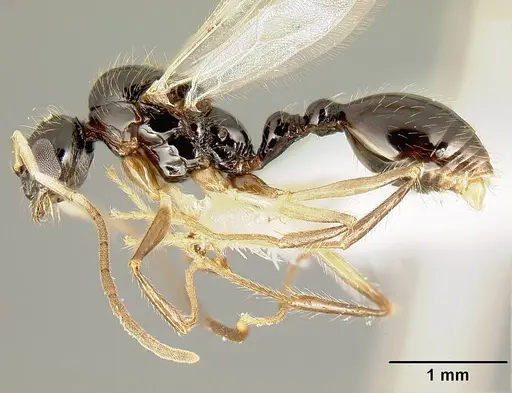
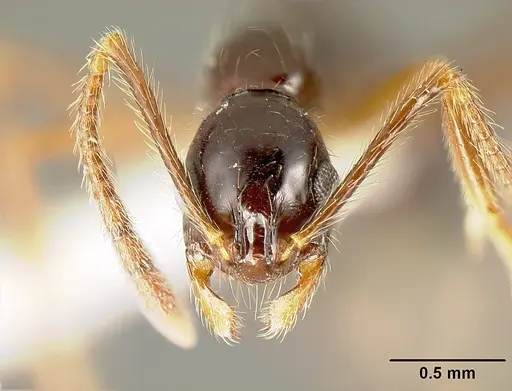
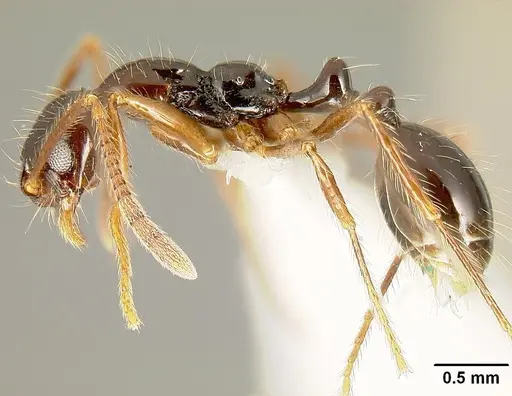
Megalomyrmex mondabora is a small, slender thief ant measuring 2.5-3mm as a worker, with a dark reddish-brown to black coloration and distinctive long antennae [1]. This species is a specialized social parasite of fungus-growing ants, specifically targeting Cyphomyrmex cornutus nests in the wet forests of Central America [2]. Found in Costa Rica, Honduras, and Panama from sea level to 800m elevation, these ants live within the nest structure of their hosts, maintaining separate chambers while feeding on the host's fungal garden and brood [2][3]. The species name 'mondabora' comes from Tupi meaning 'robber', a fitting name for these parasites that conduct organized raids on their hosts [1].
Quick Summary
- Difficulty: Expert
- Origin & Habitat: Wet tropical forests of Costa Rica, Honduras, and Panama, typically in mature rainforest at elevations from sea level to 800m on the Atlantic slope of the Cordillera Volcanica Central, Cordillera de Talamanca, and Cordillera de Guanacaste [1][2].
- Colony Type: Obligate social parasite, always associated with Cyphomyrmex cornutus host nests. Colonies contain a single winged queen and typically 50-250 workers [4]. This is a lestobiotic parasite that lives peacefully in separate chambers near the host colony, consuming host fungus and larvae without killing the host queen [2].
- Colony: Monogyne
- Queen: Socially parasitic
- Size & Growth:
- Queen: 9.4-9.7mm head width,1.60-1.65mm mesosoma length [1].
- Worker: 0.74-0.88mm head width,1.31-1.50mm mesosoma length [1].
- Colony: 50-250 workers per colony [4][2].
- Growth: Unknown, no captive breeding data available.
- Development: Unknown, has never been successfully bred in captivity. (Development timeline unconfirmed due to parasitic lifestyle making captive breeding extremely challenging.)
- Antkeeping:
- Temperature: Keep at 24-26°C, matching the warm, humid conditions of their tropical rainforest habitat. A gentle gradient allows adjustment.
- Humidity: High humidity (70-80%) is essential, reflecting their wet forest origin. Maintain moist substrate conditions.
- Diapause: No, these are tropical ants that do not enter hibernation. Activity continues year-round.
- Nesting: Cannot be kept independently. This is an obligate social parasite that requires a host Cyphomyrmex colony to survive. Even if a host were available, they nest in separate chambers within the host's arboreal nest structure. Not recommended for captive keeping.
- Behavior: These ants are specialized parasites that conduct organized raids on their hosts. Workers enter the host colony, quickly graze on the fungus garden, and flee with host brood [3]. Their venom contains pyrrolidine alkaloids that pacify host workers, causing them to display submissive postures (head tilt, antennal retraction, gaster tuck) rather than aggression [2][3]. They forage primarily at night and are rarely seen outside the nest structure during daylight [3]. Workers are small but active, with moderate escape risk. They do not sting humans but will use their venom defensively against host ants.
- Common Issues: Cannot be kept without a host colony, they are obligate parasites of Cyphomyrmex and cannot establish independent nests [2]., Even if host species were available, maintaining a parasitic relationship in captivity would require exceptional expertise and specialized setup., Wild-caught colonies are extremely difficult to establish due to their dependence on live host colonies., Their specialized diet (host fungus and brood) cannot be replicated in captivity., The species' entire lifecycle is tied to the host colony, without it, the colony will perish.
Why This Ant Cannot Be Kept in Captivity
Megalomyrmex mondabora is an obligate social parasite that has never been successfully kept in captivity, and for good reason. This species is completely dependent on its host, the fungus-growing ant Cyphomyrmex cornutus, for survival throughout its entire lifecycle [2]. Unlike some parasites that can switch hosts or survive independently, M. mondabora does not appear to nest independently outside the association with attine hosts [2]. They live in separate chambers within the host's nest structure, maintaining their own entrance but relying entirely on the host's fungal garden for nutrition and the host's brood as protein source [2][3]. Without a living host colony, there is simply no way to keep this species alive. Even if you could obtain both species, replicating the precise conditions of an arboreal nest in a tropical rainforest would require extraordinary effort and expertise.
The Parasitic Relationship with Cyphomyrmex
M. mondabora is a lestobiotic social parasite, it lives peacefully alongside its host rather than directly killing the host queen. The parasite colonies inhabit chambers very near those of the host Cyphomyrmex cornutus, maintaining a separate entrance [2]. They feed on both the host's fungal symbiont and the host's larvae, but they do not eliminate the host colony [2]. This is a delicate balance: the parasite needs the host alive to continue providing food. Research shows that only about 15% of C. cornutus nests are parasitized, and even in parasitized nests, the host queen typically survives [4]. The parasite queen lives within the host nest structure, and colonies can contain over 100 workers along with alate queens and males [2]. This specialized relationship has evolved over millions of years and cannot be replicated in captivity.
Venom and Chemical Warfare
One of the most fascinating aspects of M. mondabora is its sophisticated chemical weaponry. Workers produce three specific pyrrolidine alkaloids: trans-2-heptyl-5-hexylpyrrolidine, trans-2-hexyl-5-nonylpyrrolidine, and trans-2-hexyl-5--pyrrolidine (the latter being a unique ketopyrrolidine first discovered in this species) [3][5]. These compounds serve multiple purposes. When Megalomyrmex workers encounter host workers, they use antennal tapping, the host responds not with aggression but with submissive postures: head tilting, antennal retraction, and gaster tucking [2]. The venom appears to function as both an appeasement allomone (calming the host) and a repellent (deterring other intruders). This chemical manipulation allows the parasite to conduct organized raids, a few individuals enter the host colony, quickly graze on the fungus garden, and flee with host brood, with minimal resistance [3]. Different populations have slightly different venom chemistry: Costa Rica populations have pyrrolidines, while Panama populations have piperidines, suggesting ongoing evolution [2].
Natural History and Distribution
This species occurs in wet forest habitats across Central America, primarily in mature rainforest environments. Collections range from sea level to 800m elevation on the Atlantic slope of Costa Rica's mountain ranges (Cordillera Volcanica Central, Cordillera de Talamanca, and Cordillera de Guanacaste), with additional records from Honduras and Panama [1][2]. The species was first described in 1990 from Costa Rica, with the type locality in Cartago Province near Turrialba [1]. They are found most often in nests of Cyphomyrmex cornutus, though they have also been recorded with other attine hosts including Cyphomyrmex salvini, Cyphomyrmex costatus, and Apterostigma goniodes [2]. Interestingly, worker size varies depending on host species, workers are larger when parasitizing C. cornutus (head length 0.87-0.96mm) and smaller when parasitizing other hosts (as small as 0.67mm with C. costatus) [2]. This suggests the parasite may be able to physiologically adapt to different host species.
Observing This Species in the Wild
For ant enthusiasts interested in observing Megalomyrmex mondabora, the best approach is to find them in their natural habitat in Costa Rica's wet forests. Look for nests of Cyphomyrmex cornutus, these are distinctive arboreal nests built on vines and tree trunks, with a papery, carton-like structure [4]. Research shows that roughly 8-40% of C. cornutus nests contain M. mondabora parasites, depending on location and season [2]. If you find a parasitized nest, you may observe the distinctive raiding behavior at night when Megalomyrmex workers become active [3]. Remember to observe responsibly without disturbing the nest. The best locations include the Atlantic slope forests of the Cordillera de Talamanca and areas around Turrialba, where the species was first discovered. Guided nature walks with local experts can greatly increase your chances of a successful observation.
Frequently Asked Questions
Can I keep Megalomyrmex mondabora as a pet ant?
No. This is an obligate social parasite that cannot survive without a host Cyphomyrmex cornutus colony. Even if you could obtain both species, the complex parasitic relationship cannot be replicated in captivity. This species is not suitable for captive keeping under any circumstances.
What do Megalomyrmex mondabora ants eat?
They are specialized parasites that feed on two things from their host: the fungal garden (yeast that Cyphomyrmex cultivates) and host brood (larvae). They do not forage for food independently like normal ants. This specialized diet cannot be replicated in captivity.
How big do Megalomyrmex mondabora colonies get?
Colonies typically contain 50-250 workers, which is relatively small compared to many ant species. They do not form large supercolonies because they are limited by the resources of their host colony [4][2].
Where can I find Megalomyrmex mondabora in the wild?
They are found in wet forests of Costa Rica, Honduras, and Panama. Look in mature rainforest areas at elevations from sea level to 800m on the Atlantic slope. Search for Cyphomyrmex cornutus arboreal nests, these are the host colonies that M. mondabora parasitizes. The best locations are in Costa Rica's Cordillera de Talamanca region around Turrialba.
Why are they called 'thief ants'?
The name comes from their parasitic lifestyle, they live in the nests of other ant species and steal resources (fungal garden and brood) from their hosts without killing the host colony. The species name 'mondabora' comes from the Tupi word meaning 'robber' [1].
How do Megalomyrmex mondabora take over a host nest?
They do not violently overthrow the host colony. Instead, they live peacefully in separate chambers within the host nest, maintaining their own entrance. They conduct organized raids where a few workers enter the host area, quickly eat from the fungus garden, and grab some brood to take back to their chamber [3]. Their venom chemicals pacify host workers, preventing aggressive responses. The host queen typically continues laying eggs, providing a perpetual food source.
Are Megalomyrmex mondabora dangerous to ecosystems if introduced?
While this species has not become invasive, it is a specialized parasite that could potentially cause problems if introduced to new areas with related host species. They are currently found only in Central American wet forests. As with all ant species, they should never be released outside their native range.
References

This caresheet is licensed under CC BY-SA 4.0 .
CASENT0613271
View on AntWeb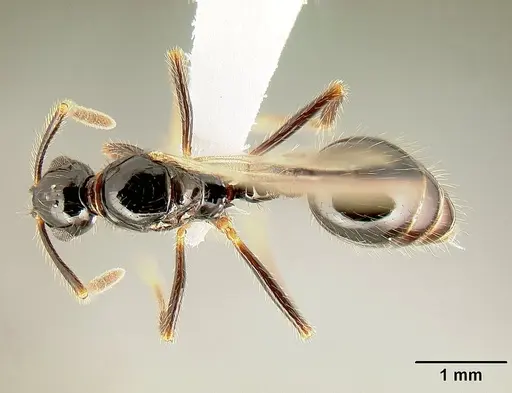
CASENT0630976
View on AntWeb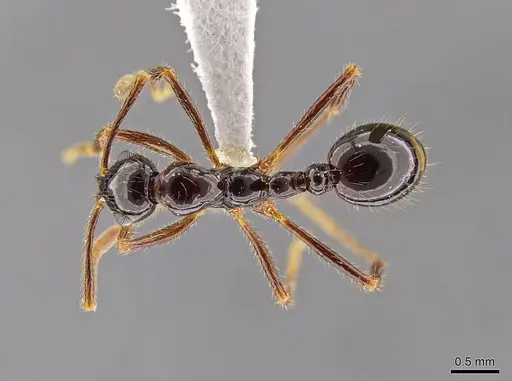
INBIOCRI001280853
View on AntWeb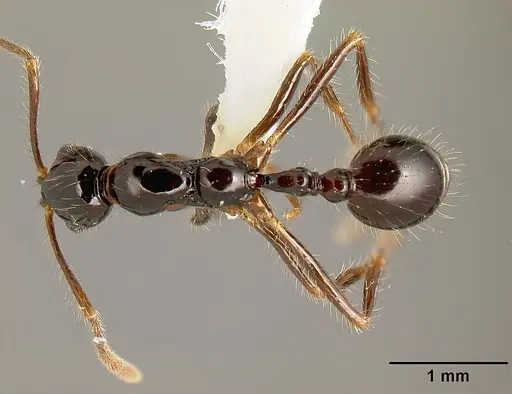
INBIOCRI001280862
View on AntWeb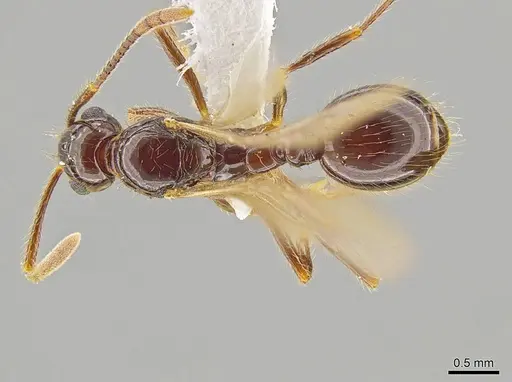
JTLC000001520
View on AntWeb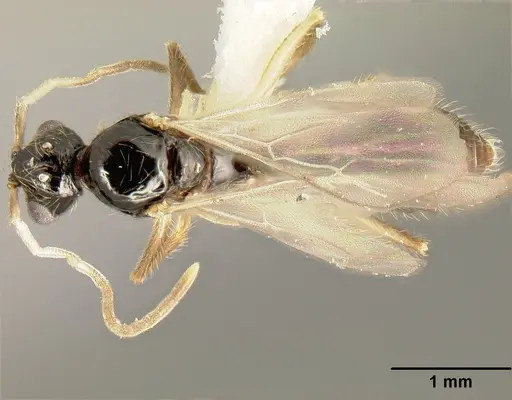
MCZ35466
View on AntWeb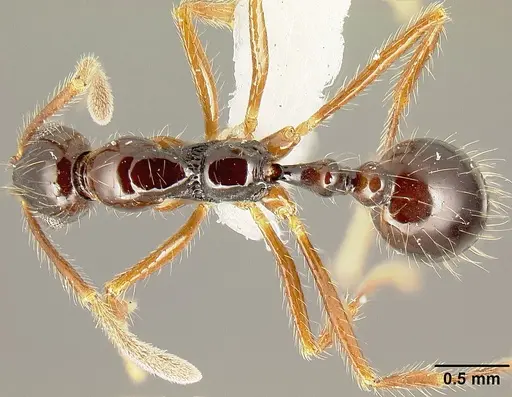
Literature
Loading...Loading products...