

Cyphomyrmex cornutus
- Scientific Name
- Cyphomyrmex cornutus
- Tribe
- Attini
- Subfamily
- Myrmicinae
- Author
- Kempf, 1968
- Distribution
- Found in 6 countries
Cyphomyrmex cornutus Overview
Cyphomyrmex cornutus is an ant species of the genus Cyphomyrmex. It is primarily documented in 6 countries , including Colombia, Costa Rica, Ecuador. Detailed taxonomic data and occurrence records can be further explored via authoritative databases such as AntWeb or the Global Biodiversity Information Facility (GBIF).
Cyphomyrmex cornutus
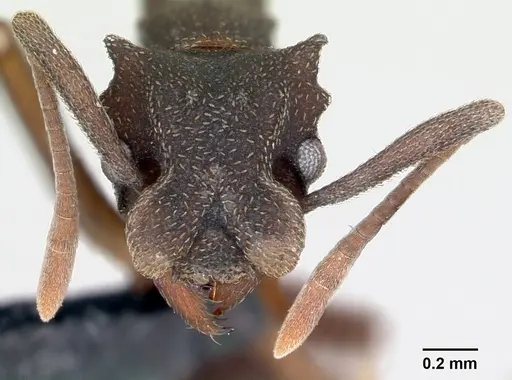
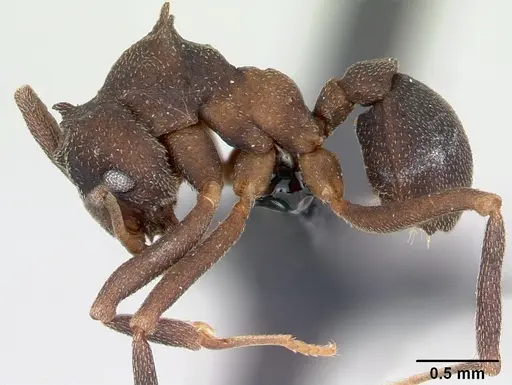
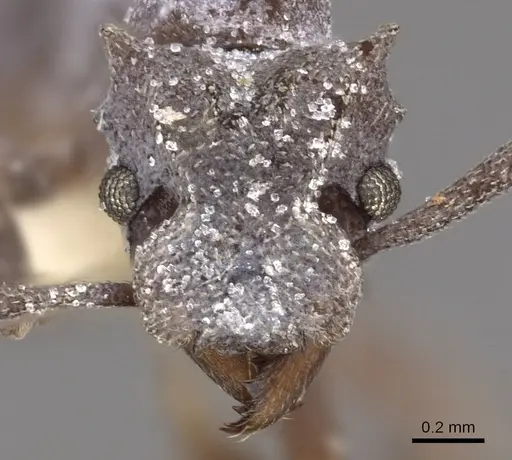
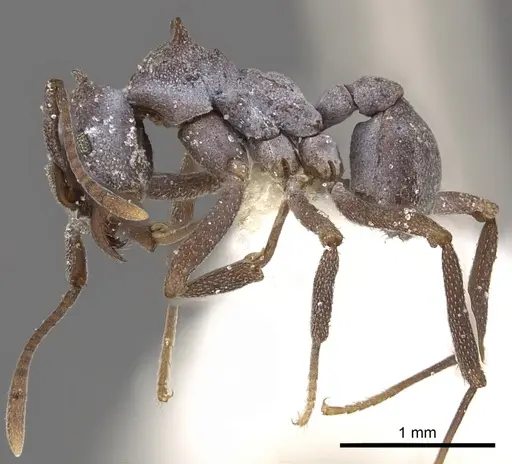
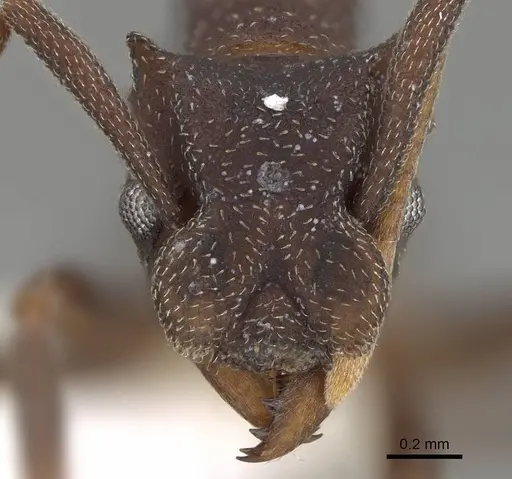
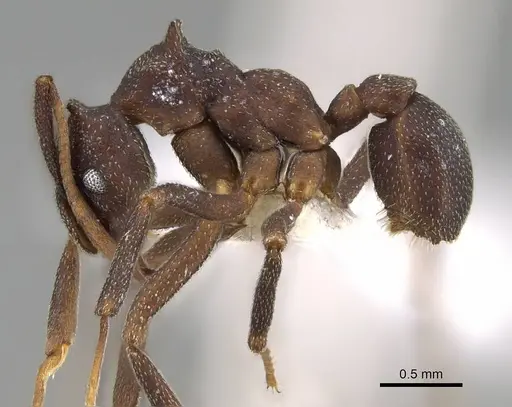
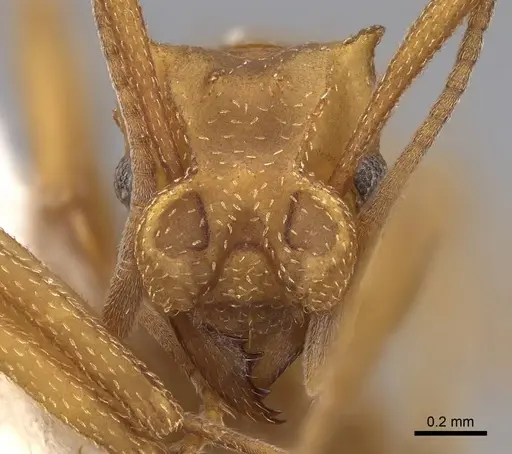
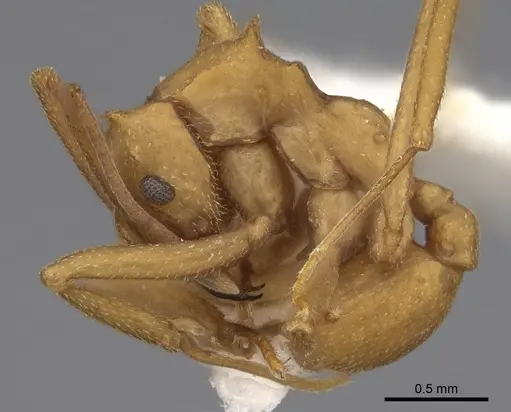
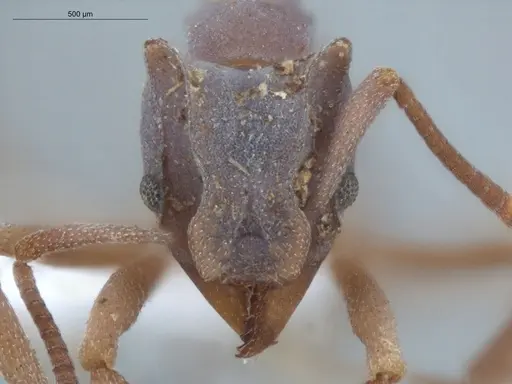
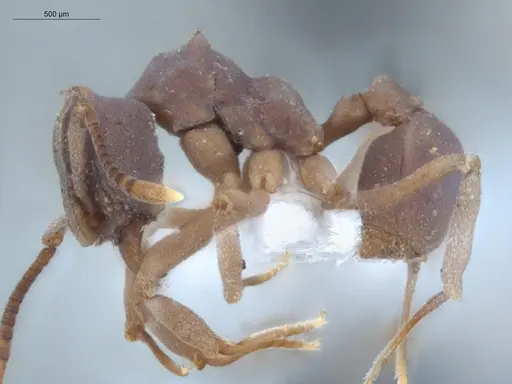
Cyphomyrmex cornutus is a small fungus-growing ant native to Central and South America, ranging from Mexico down through Costa Rica, Colombia, Ecuador, French Guiana, and into Brazil. Workers are tiny at just under 1mm in head length, with a distinctive appearance featuring horn-like protuberances on the head and thorax, and prominently expanded frontal lobes. These ants are monomorphic, meaning all workers look the same size. They inhabit humid forest understories where they build unusual arboreal nests made of accreted soil, typically hanging from tree trunks, rocks, or vegetation 1-2 meters above ground [1]. What makes C. cornutus particularly interesting is its role as a host to the socially parasitic ant Megalomyrmex mondabora, when parasitized, the workers exhibit remarkably passive behavior, playing dead rather than fighting back [2].
Quick Summary
- Difficulty: Medium
- Origin & Habitat: Neotropical forests from Mexico to Brazil, typically found in mature and secondary forest understories in shaded, humid areas near ground level [2][3]. Indicator species of minimally disturbed forest.
- Colony Type: Monogyne (single queen) colonies with documented worker populations in the thousands, one studied colony had 2,657 workers [2].
- Colony: Monogyne
- Founding: Claustral
- Size & Growth:
- Queen: Not directly measured, estimated 4-5mm based on genus patterns
- Worker: Head length 0.87-0.96mm, body mass 0.347-0.433mg [4][5]
- Colony: Up to 4,000+ workers in mature colonies [1][6]
- Growth: Moderate, typical for fungus-growing ants
- Development: Unconfirmed, Attini species typically take 2-4 months at optimal temperature, but no specific data for this species (Development timeline not directly studied. Related Cyphomyrmex species suggest several months from egg to worker.)
- Antkeeping:
- Temperature: Keep at 24-28°C, they are tropical ants from humid forest understories. A slight temperature gradient allows them to regulate.
- Humidity: High humidity required, aim for 70-80%. These ants naturally live in humid forest conditions and build nests that retain moisture [2].
- Diapause: No, as a tropical species, they do not require hibernation. Activity may slow during cooler/drier periods but no true diapause.
- Nesting: Arboreal nesters in the wild, they construct soil mounds attached to vegetation. In captivity, they need vertical space to build their characteristic nest structures. A naturalistic setup with soil substrate and vertical surfaces works well, or a Y-tong/plaster nest with chambers scaled to their tiny size [1][2].
- Behavior: Generally calm and non-aggressive. Workers forage in lines and collect diverse organic material including insect feces and decaying vegetable matter to cultivate their fungus garden [2]. They have a vestigial sting and cannot effectively fight back against parasites, when attacked by Megalomyrmex mondabora, they typically play dead rather than resist [4]. Their small size means escape prevention should be taken seriously, use fine mesh barriers. They are not aggressive toward keepers and pose no danger.
- Common Issues: Fungus garden failure, the symbiotic fungus is essential for colony survival, if the fungus dies, the colony will not survive, Escape risk due to tiny size, workers can squeeze through very small gaps, use tight-fitting lids and fine mesh, Humidity drops causing fungus death, maintain consistently high humidity, Colony decline from Megalomyrmex parasitism, wild colonies can carry parasites that may affect captive colonies, Slow growth leading to keeper impatience, fungus cultivation is slower than typical ant development
Nesting and Housing
Cyphomyrmex cornutus is an arboreal species that builds distinctive nests made of accreted soil in the wild. These nests hang from or attach to tree trunks, rocks, and epiphytes typically 1-2 meters above ground [1]. The nests are oblong masses where less than a quarter of the volume contains actual ant chambers, the rest is a semi-solid soil structure that also houses various commensal arthropods [2]. In captivity, you should provide vertical space for nest construction. A naturalistic setup with a soil chamber and vertical surfaces works well, or you can use a Y-tong/plaster nest with small chambers scaled to their tiny worker size. The key is providing enough vertical space for them to build their characteristic soil structures. Nests average about 20cm long and 10cm wide in the wild, so give them room to expand [2]. They prefer humid conditions and their nests are often found in shaded, humid areas near ground level in their natural habitat.
Feeding and Fungus Cultivation
As a fungus-growing ant (Attini), C. cornutus cultivates a symbiotic yeast fungus as their primary food source. Workers forage for organic material to feed the fungus, they collect insect feces and diverse vegetable debris like decaying flower parts [2]. This is a 'yeast agriculture' system typical of the Cyphomyrmex rimosus group [1]. In captivity, you need to provide appropriate substrate for fungus cultivation. This typically includes small amounts of organic material like crushed insects, fruit pieces, or specialized fungus-growing ant food. The ants will process this material and cultivate their fungus garden on it. They are also known to collect seeds, one study showed they can carry multiple seeds at a time by grabbing mouthfuls [7]. Do not rely solely on sugar water, while they may accept it, the fungus garden is their primary food source. Fresh protein (small insects) should be offered occasionally to supplement the fungus.
Temperature and Humidity
These are tropical ants requiring warm, humid conditions. Keep the nest at 24-28°C, this range matches their natural habitat in Central and South American forests. Temperature affects both colony activity and fungus growth. A heating cable on one side of the nest can create a gradient, but avoid overheating. High humidity is critical, aim for 70-80% relative humidity. These ants naturally inhabit humid forest understories, and their soil nest structures help retain moisture. The nest should be kept consistently moist but not waterlogged. Monitor condensation levels in test tube setups and rehydrate before the substrate dries out completely. Poor humidity will cause the fungus garden to die, which will kill the colony. [2][1]
Colony Structure and Growth
C. cornutus forms monogyne colonies with a single queen. Mature colonies can reach 4,000+ workers, making them moderately large for a Cyphomyrmex species [1][6]. One studied colony in Costa Rica had 2,657 workers [2]. Colony growth is moderate, faster than leaf-cutter ants but slower than many common ant species. The queen is claustral (she seals herself in during founding and raises the first workers alone on stored fat). First workers (nanitics) will be smaller than mature workers. Colonies in the wild show about 22.5% survival over two years, with 55% becoming inactive and some colonies relocating nearby [2]. This suggests some colonies may enter reduced activity periods, possibly during unfavorable seasons.
Behavior and Defense
These ants are remarkably passive, especially when dealing with their known social parasite Megalomyrmex mondabora. When contacted by the parasite, workers exhibit submissive behavior, head tilt, antennal retraction, gaster tuck, and playing dead. They may also twitch with quick backward motions [2]. They rarely respond aggressively and lack the mandibular strength to remove parasite appendages [4]. They have a vestigial sting that cannot penetrate human skin. Toward keepers, they are completely harmless. Workers forage in lines and are active primarily at night or during humid periods. Their small size (under 1mm) means they can escape through tiny gaps, use fine mesh barriers and tight-fitting lids. When first encountering unfamiliar Megalomyrmex workers, they may display aggression with open mandibles and jumping motions, but this is rare in established colonies [2].
Common Problems
The biggest challenge with C. cornutus is maintaining the symbiotic fungus garden. If the fungus dies, the colony will starve regardless of other food available. Keep humidity high and stable, and avoid temperature extremes. Their tiny size makes escape prevention critical, these ants can squeeze through gaps that seem impossible. Use fine mesh (at least 0.5mm) on any ventilation and ensure all connections are tight. Wild-caught colonies may carry the social parasite Megalomyrmex mondabora, which can eventually kill the colony by exploiting its resources. Quarantine new colonies and monitor for parasite presence. Growth is slower than typical ants, which can lead to keeper impatience, resist the urge to overfeed or disturb the colony. Finally, these ants are sensitive to disturbance, excessive vibration or handling can cause colony stress. [2][4][1]
Frequently Asked Questions
How long does it take for Cyphomyrmex cornutus to produce first workers?
The exact timeline is unconfirmed for this species, but based on related Attini ants, expect 2-4 months from egg to first worker at optimal temperature (24-28°C). Fungus cultivation takes longer than typical ant development.
What do Cyphomyrmex cornutus ants eat?
They are fungus-growers that cultivate yeast as their primary food. Workers collect organic material like insect feces and decaying plant matter to feed the fungus. In captivity, provide small amounts of crushed insects, fruit, or specialized fungus-ant food. They may accept sugar water occasionally but do not rely on it.
Can I keep Cyphomyrmex cornutus in a test tube?
Test tubes can work for founding colonies, but these ants are arboreal and need vertical space to build their characteristic soil nest structures. A small formicarium with a soil chamber and vertical surfaces is better long-term.
How big do Cyphomyrmex cornutus colonies get?
Mature colonies can reach 4,000+ workers. One studied colony had 2,657 workers, and typical Costa Rica colonies have over 4,000 workers [1][2][6].
Are Cyphomyrmex cornutus good for beginners?
They are intermediate difficulty. The main challenge is maintaining the symbiotic fungus garden, if it dies, the colony dies. They require high humidity and warm temperatures. If you have experience with fungus-growing ants or are willing to learn, they can be rewarding.
Do Cyphomyrmex cornutus need hibernation?
No. As a tropical species, they do not require hibernation. Activity may slow during cooler periods, but no special winter treatment is needed.
Why are my Cyphomyrmex cornutus dying?
The most likely cause is fungus garden failure, check humidity levels and temperature stability. Other possibilities include parasite presence (Megalomyrmex), escape and desiccation, or disturbance stress. Review your humidity, temperature, and escape prevention.
When should I move Cyphomyrmex cornutus to a formicarium?
Move them once the colony reaches 20-30 workers and the test tube space becomes cramped. They prefer naturalistic setups with soil and vertical surfaces for building their arboreal-style nests.
Can I keep multiple Cyphomyrmex cornutus queens together?
No. This species is monogyne, colonies have a single queen. Multiple unrelated queens will fight. Only keep one queen per colony.
References

This caresheet is licensed under CC BY-SA 4.0 .
CASENT0052778
View on AntWeb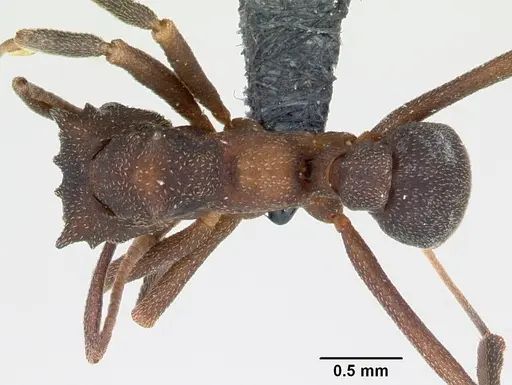
CASENT0901674
View on AntWeb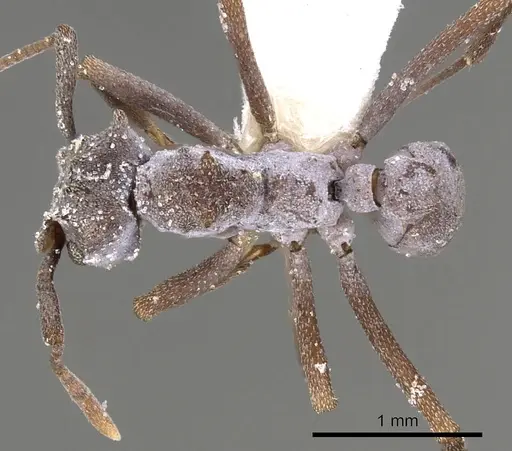
CASENT0922120
View on AntWeb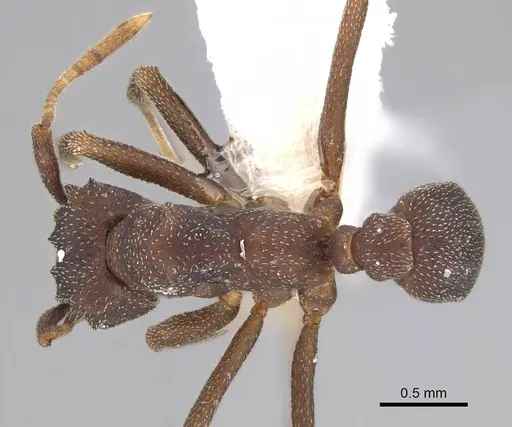
CASENT0923103
View on AntWeb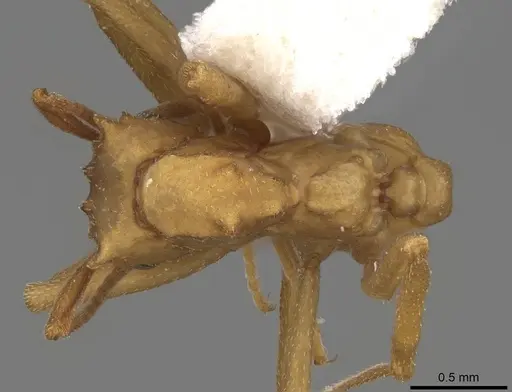
ECOFOG-MI15-0090-41
View on AntWeb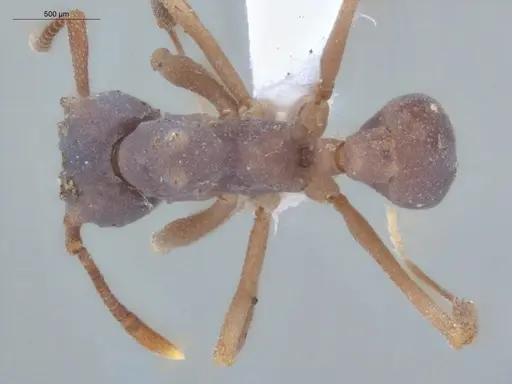
Literature
Loading...Loading products...