

Linepithema fuscum
- Scientific Name
- Linepithema fuscum
- Tribe
- Leptomyrmecini
- Subfamily
- Dolichoderinae
- Author
- Mayr, 1866
- Distribution
- Found in 4 countries
Linepithema fuscum Overview
Linepithema fuscum is an ant species of the genus Linepithema. It is primarily documented in 4 countries , including Colombia, Ecuador, Peru. Detailed taxonomic data and occurrence records can be further explored via authoritative databases such as AntWeb or the Global Biodiversity Information Facility (GBIF).
Linepithema fuscum
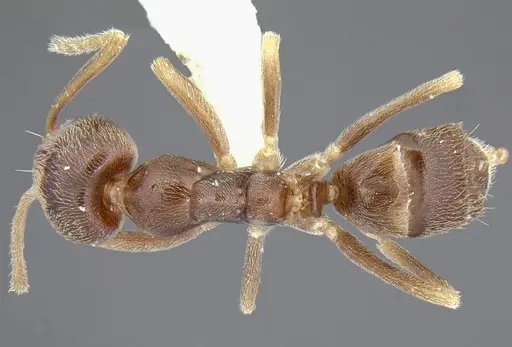
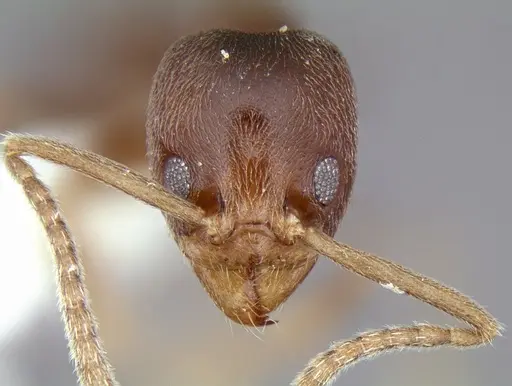
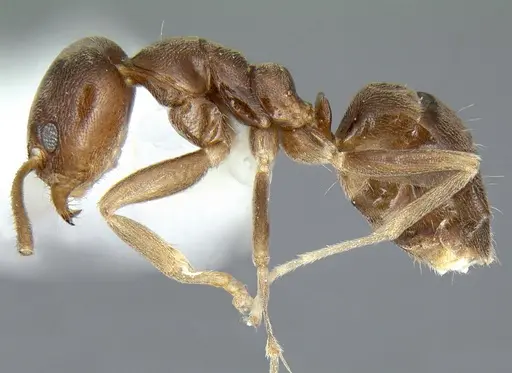
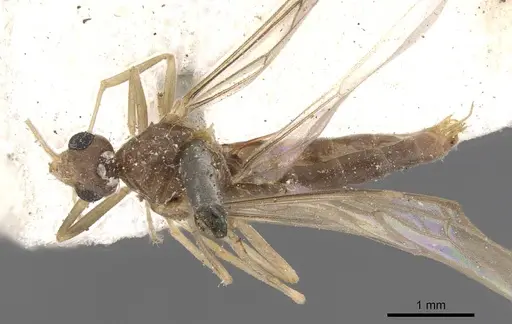
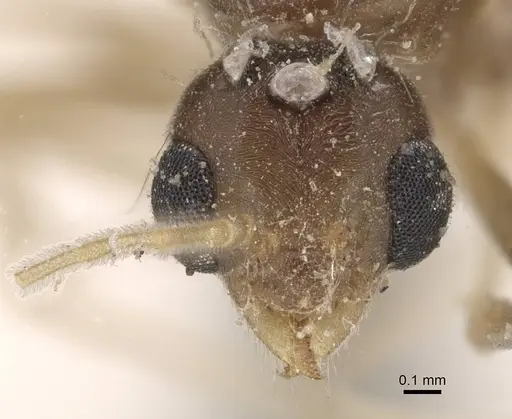
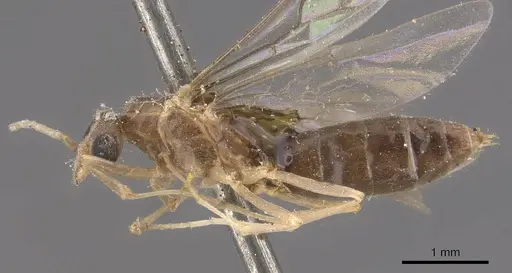
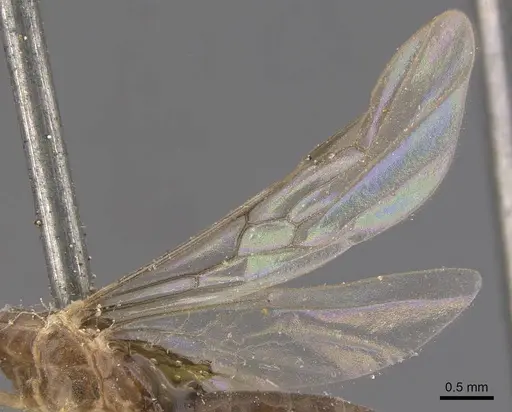
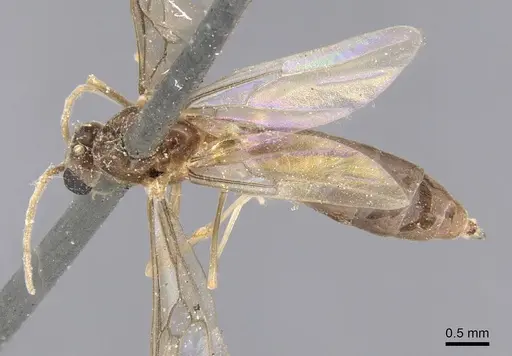
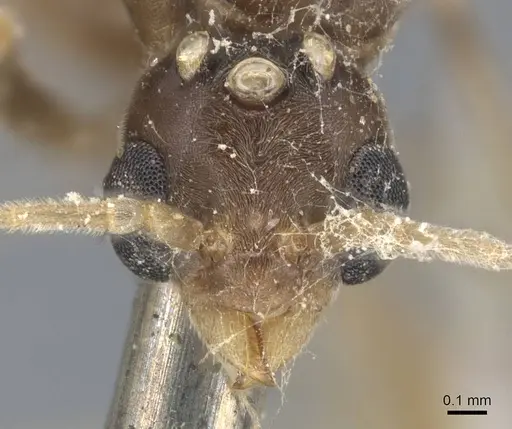
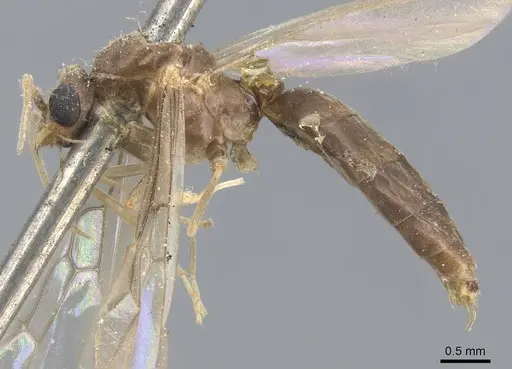
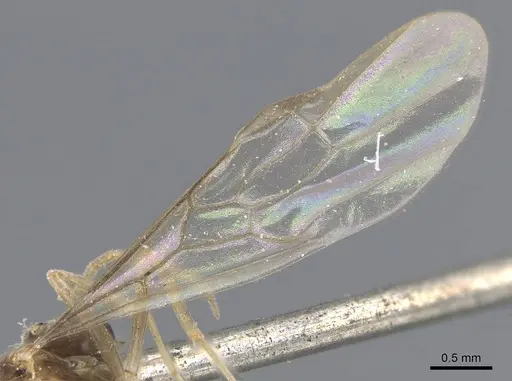
Linepithema fuscum is a small Neotropical ant and the type species for the genus Linepithema, meaning it was the first species described when the genus was established. Workers are tiny at around 0.5mm head width, with a medium brown to dark brown body color and relatively short antennal scapes. The species has been collected across a remarkable elevation range from 200 to nearly 3000 meters in Peru and Ecuador. Notably, scientists have never definitively connected the workers and queens to the males, the original description was based only on males collected in Lima, Peru in 1866,making this one of the more mysterious ant species in the hobby. The males are 4.5-5mm with distinctive two submarginal cells in their forewings [1][2].
Quick Summary
- Difficulty: Unknown
- Origin & Habitat: Neotropical species from Peru and Ecuador, found from 200 to nearly 3000 meters elevation. Collected in shrubby pastures and inside laboratory buildings [2]. Also found in shade-grown coffee plantations [3].
- Colony Type: Unconfirmed, workers and queens have never been definitively associated with males. Based on genus patterns, likely single-queen colonies.
- Size & Growth:
- Queen: MML 1.87-1.91 mm [2], moderately sized queen
- Worker: 0.45-0.51mm head width (HW), total length approximately 2-3mm [2]
- Colony: Unknown, no colony data available
- Growth: Unknown
- Development: Unknown, no development data exists for this species. Based on similar Neotropical Dolichoderines, estimate 6-10 weeks at warm temperatures. (Direct development data does not exist. This is an estimate based on genus-level patterns.)
- Antkeeping:
- Temperature: Unconfirmed, aim for warm Neotropical conditions around 22-26°C. Adjust based on colony activity.
- Humidity: Unconfirmed, the wide elevation range (200-3000m) suggests adaptability. Start with moderate humidity (50-70%) and observe colony preferences.
- Diapause: Unknown, no data on overwintering requirements. As a Neotropical species from moderate elevations, they may not require true hibernation but may slow down in cooler months.
- Nesting: Unconfirmed. Based on related Linepithema species, likely nests in soil or under stones. A test tube setup or Y-tong nest with moist substrate would be a reasonable starting point.
- Behavior: Behavior is unstudied. Based on genus patterns, they are likely generalist foragers similar to the well-known Argentine ant (L. humile). Workers are tiny and may be able to escape through small gaps, use standard escape prevention. Temperament is unknown but related species are not particularly aggressive.
- Common Issues: This is one of the least-studied ant species in captivity, expect a steep learning curve with no species-specific guides available, Workers and queens have never been definitively described, so identifying correct caste association is difficult, No information exists on founding behavior, queen care is uncertain, Wide elevation range (200-3000m) means optimal conditions are unclear and may require experimentation, No colony size data exists, keepers should expect slower growth and smaller colonies than common species
Species Identification and Taxonomic Notes
Linepithema fuscum presents a unique challenge in antkeeping: the workers and queens have never been definitively associated with the males. The original description by Mayr in 1866 was based only on males collected in Lima, Peru, and subsequent researchers have been unable to conclusively link the different castes. This means if you acquire this species, you may be keeping an undescribed worker caste. The species is placed in the fuscum species group based on male genitalia morphology, and males can be identified by their two submarginal cells in the forewings and distinctive elongated body shape. Workers are small (HW 0.45-0.51mm) with medium brown to dark brown coloration and relatively short antennal scapes [2][4].
Natural Distribution and Habitat
This species has been recorded from Peru and Ecuador across an extraordinary elevation range of 200 to nearly 3000 meters. Specimens have been collected in diverse settings: a lone male was found in a shrubby pasture, while a series from Madre de Dios was collected foraging inside a laboratory building. More recently, the species has been recorded in shade-grown coffee plantations, suggesting it can adapt to agricultural landscapes [3][5]. The wide elevation range suggests considerable ecological flexibility, though this also makes pinpointing optimal captive conditions challenging. The species is considered rare in most collections, with very low frequency even in its native range [5].
Keeping an Unstudied Species
Linepithema fuscum represents a genuine frontier in antkeeping, there is essentially no captive husbandry information available, and even basic biology remains undocumented. This makes it an experimental species unsuitable for beginners who want clear care guidelines. If you acquire this species, expect to function as a researcher, documenting your observations carefully. Start with standard Neotropical ant setups: test tubes with water reservoirs for founding colonies, moderate temperatures (22-26°C), and moderate humidity. The lack of specific data means you will need to experiment and adapt based on your colony's responses. Consider this a learning opportunity rather than a straightforward pet-keeping experience.
Related Species for Comparison
The most well-known relative of Linepithema fuscum is the infamous Argentine ant (Linepithema humile), which has become a global invasive species. While L. fuscum is not invasive and has very different behavior, keepers can use L. humile as a rough reference for general care parameters. Both belong to the Dolichoderinae subfamily and share certain biological traits. L. humile colonies can be multi-queen (polygyne) and form supercolonies, but it is unknown if L. fuscum shares these traits. Other Linepithema species in the fuscum group include L. piliferum, L. tsachila, L. angulatum, and L. keiteli, none are commonly kept in captivity. The genus as a whole is known for being generalist feeders that exploit a wide range of food sources.
Frequently Asked Questions
How do I keep Linepithema fuscum ants?
There is no established care guide for this species, it is one of the least-studied ants in captivity. Start with a test tube setup for founding colonies, maintain temperatures around 22-26°C, and provide moderate humidity. You will likely need to experiment to find what works best.
What do Linepithema fuscum ants eat?
Diet is unconfirmed for this species. Based on related Linepithema species, they likely accept sugar sources (honey water, sugar water) and protein (small insects). Start with standard ant foods and observe what they accept.
How long does it take for Linepithema fuscum to develop from egg to worker?
This has never been documented. Based on similar Neotropical Dolichoderines, estimate 6-10 weeks at warm temperatures, but this is a rough guess.
Are Linepithema fuscum ants good for beginners?
No. This species is not recommended for beginners due to the complete lack of captive care information. Beginners should start with well-documented species like Lasius niger, Camponotus species, or Messor species.
How big do Linepithema fuscum colonies get?
Unknown, no wild colony data exists. Based on the small worker size and rare collection records, colonies are likely smaller than common species, possibly under 100-500 workers.
Where is Linepithema fuscum found?
This species is native to Peru and Ecuador in South America, found from 200 to nearly 3000 meters elevation.
Do Linepithema fuscum ants need hibernation?
Unknown. As a Neotropical species from moderate elevations, they may not require true hibernation but could slow down during cooler periods.
Can I keep multiple Linepithema fuscum queens together?
Not documented. Colony structure is unknown for this species. Do not attempt combining unrelated queens without research specific to L. fuscum.
Why is so little known about Linepithema fuscum?
This is the type species for the genus, meaning it was described first in 1866,but scientists have never definitively connected the workers and queens to the males. The original description was based only on males, and the other castes remain unassociated, making biological study difficult.
References

This caresheet is licensed under CC BY-SA 4.0 .
Literature
Loading...Loading products...