

Leptogenys arcuata
- Scientific Name
- Leptogenys arcuata
- Tribe
- Ponerini
- Subfamily
- Ponerinae
- Author
- Roger, 1861
- Distribution
- Found in 3 countries
Leptogenys arcuata Overview
Leptogenys arcuata is an ant species of the genus Leptogenys. It is primarily documented in 3 countries , including Brazil, French Guiana, Guadeloupe. Detailed taxonomic data and occurrence records can be further explored via authoritative databases such as AntWeb or the Global Biodiversity Information Facility (GBIF).
Leptogenys arcuata
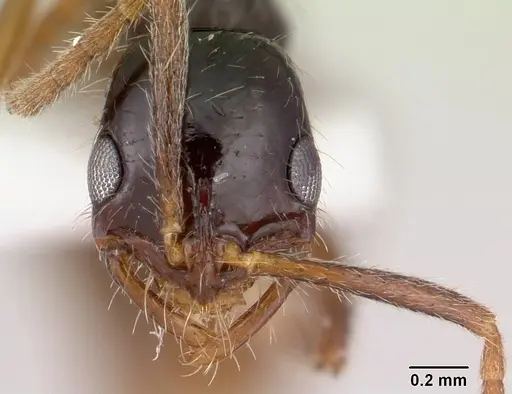
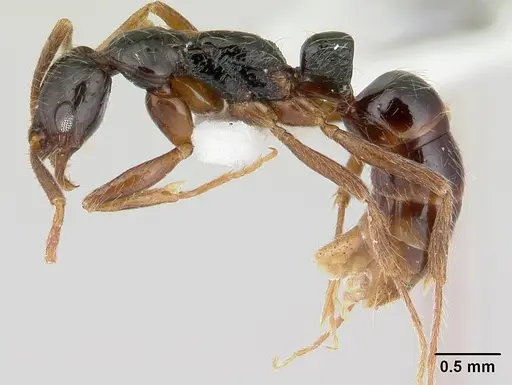
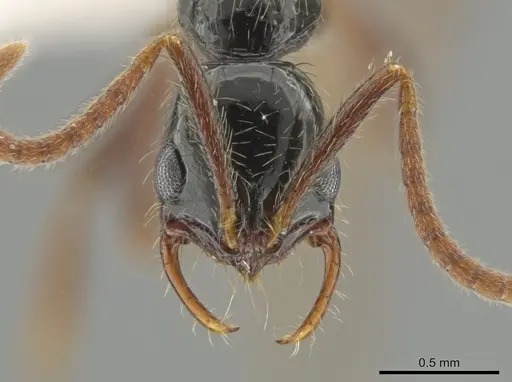
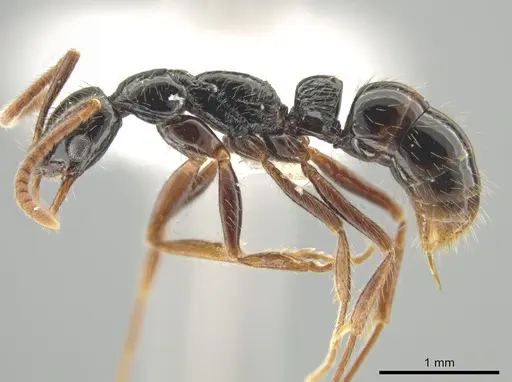
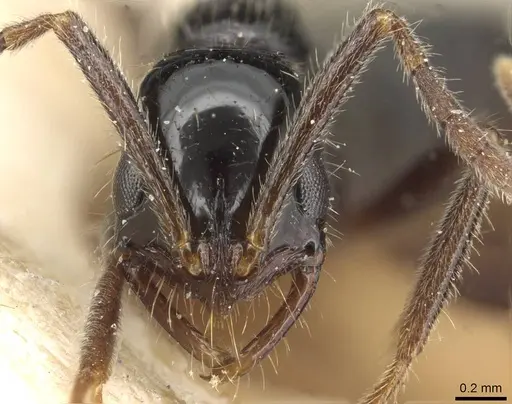
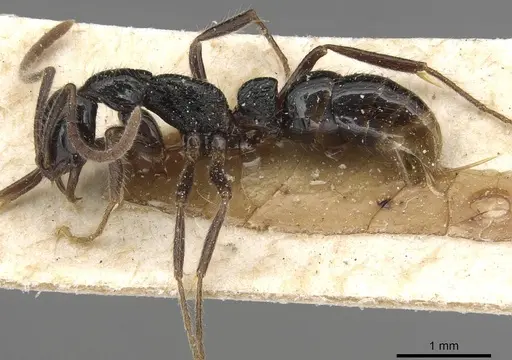
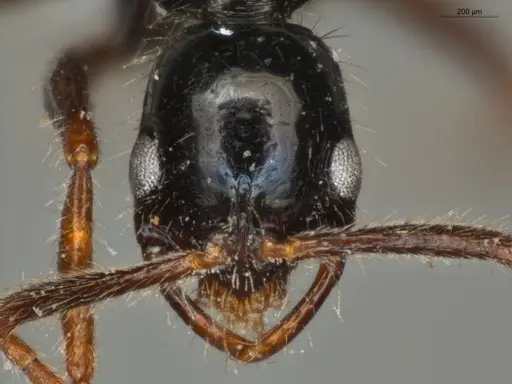
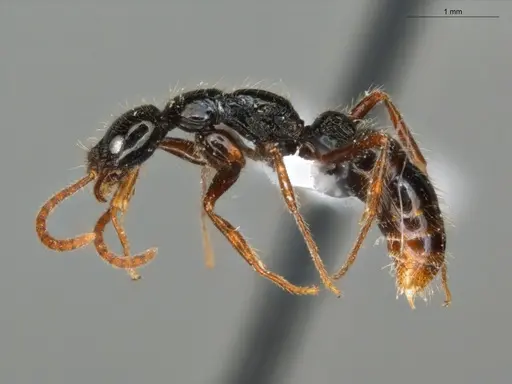
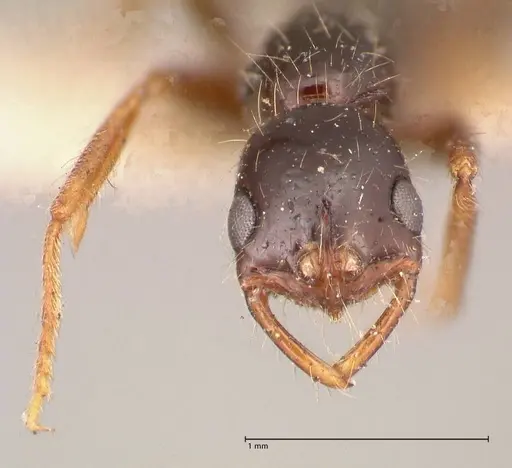
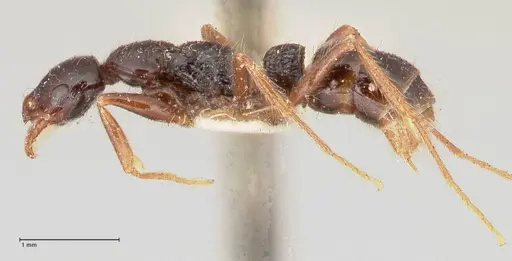
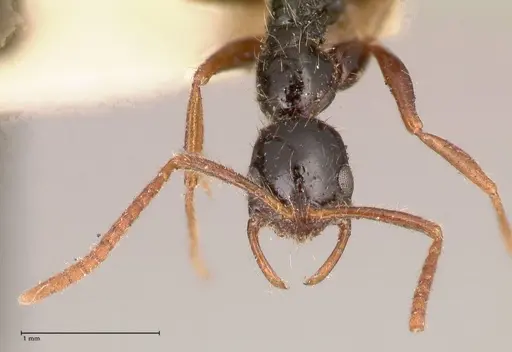
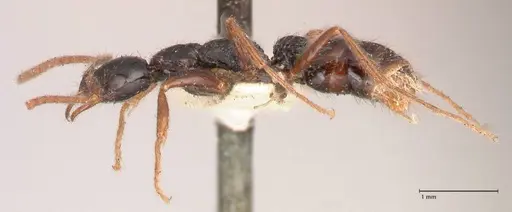
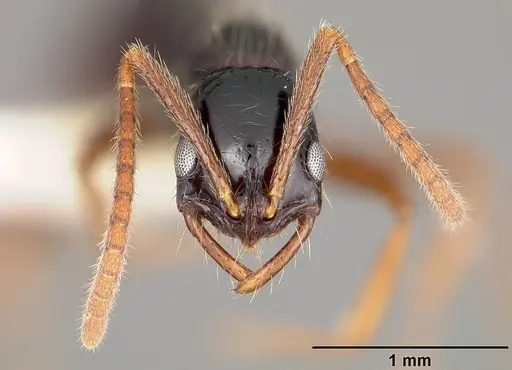
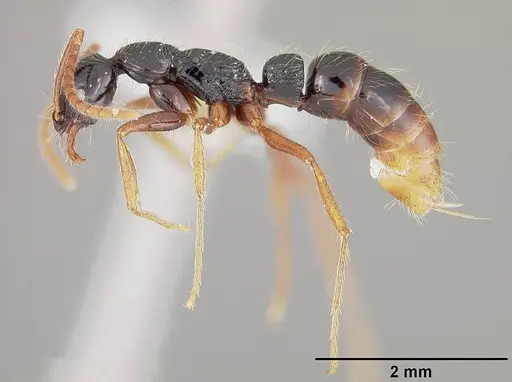
Leptogenys arcuata is a predatory ant species belonging to the subfamily Ponerinae, found throughout the Neotropical region including South America and several Caribbean islands [1]. Workers are relatively small for a Ponerine ant, measuring around 1.4-1.6mm in mesosoma length, with a dark body (head, mesosoma, and gaster black) and brownish legs, antennae, and mandibles. The species is distinguished by its smooth and shining cephalic dorsum, abundant suberect hairs on the scape, and hypostomal teeth that are typically not visible in full-face view. This species can be confused with the more commonly encountered Leptogenys pubiceps complex, so careful identification is important [2].
What makes L. arcuata particularly interesting is its foraging behavior, it forms migratory columns of approximately ten workers moving in single file without brood, a behavioral pattern shared with related species in Malaysia and South Africa [3]. This column-forming behavior is distinctive among Ponerine ants and suggests a highly coordinated social structure. The species has been collected from diverse microhabitats including inside fallen fruits and suspended soil associated with bromeliads, indicating adaptability to different forest floor microenvironments [3].
Quick Summary
- Difficulty: Medium
- Origin & Habitat: Neotropical region, found in Suriname, Brazil, Bolivia, French Guiana, Guyana, and Caribbean islands including Barbados, Grenada, Guadeloupe, and Saint Vincent and the Grenadines [1][4]. In Brazil, they inhabit cocoa plantations and forest remnants, typically nesting under stones or in rotten logs[5].
- Colony Type: Colony structure is not fully documented. Queen has not been described, and colony size data is limited. Workers have been observed foraging in columns of approximately ten individuals [3]. Based on related Leptogenys species, colonies likely contain up to several hundred workers at maturity.
- Size & Growth:
- Queen: Unknown, queen has not been described in scientific literature [1]
- Worker: Workers measure approximately 0.88-1.00mm head length,0.70-0.78mm head width, with mesosoma (WL) 1.40-1.60mm
- Colony: Estimated several hundred workers based on related species, direct data unavailable
- Growth: Moderate, inferred from similar Ponerine species
- Development: Estimated 6-10 weeks based on typical Ponerine development patterns (Direct development data unavailable for this species. Estimates based on genus-level patterns for Ponerine ants.)
- Antkeeping:
- Temperature: Keep at 24-28°C, this reflects their tropical Neotropical distribution from Suriname to Brazil and Caribbean islands. Provide a temperature gradient allowing workers to self-regulate.
- Humidity: Moderate to high humidity (60-80%), they inhabit forest floor environments in Brazil and are found near rotting wood and under stones in damp conditions[5]. Keep nest substrate consistently moist but not waterlogged.
- Diapause: Unlikely, as a tropical species from the Neotropical region, they probably do not require a true diapause. However, a slight reduction in temperature during winter months may be beneficial to simulate seasonal changes.
- Nesting: In nature, they nest under stones and in rotten logs. For captivity, a naturalistic setup with moist substrate (soil or sand mixed with rotting wood pieces) works well. Y-tong or plaster nests with chambers scaled to their medium-small size are also suitable. Provide a moisture reservoir to maintain humidity.
- Behavior: L. arcuata is a predatory ant that hunts small invertebrates. Workers forage in distinctive columns of approximately ten individuals moving in single file, a behavior documented in Brazilian populations [3]. They are likely moderately aggressive when defending the colony, typical of Ponerine ants. Escape prevention should be adequate for their medium size, they are not tiny but can climb smooth surfaces. They are primarily nocturnal or crepuscular foragers based on the observation of a worker collected under lights at night in Guadeloupe [6].
- Common Issues: limited biological data makes care recommendations somewhat speculative, much is inferred from genus-level patterns, predatory diet means you must provide regular live prey (small insects, springtails), column-forming behavior may make them prone to escaping if gaps exist in their enclosure, queen and colony founding behavior is completely unknown, making propagation from wild colonies difficult, tropical humidity requirements can lead to mold issues if ventilation is poor
Nest Preferences and Housing
In their natural habitat, Leptogenys arcuata nests under stones and in rotting logs. This indicates they prefer dark, humid microenvironments within forest floor debris. For captive care, replicate these conditions using a naturalistic setup with a substrate mix of soil and sand, incorporating pieces of rotting wood or leaf litter to create natural hiding spots. A Y-tong (acrylic) nest or plaster nest with appropriately sized chambers also works well, the chambers should be sized for their medium-small worker size (around 1.5mm mesosoma). Keep the nest area moist but not flooded, a water reservoir connected to the nest chamber helps maintain consistent humidity. Since they forage in columns, provide an outworld area where workers can patrol and hunt. Escape prevention should be moderate, they are not extremely small but can climb, so standard barrier methods work. [3][1]
Feeding and Diet
Leptogenys arcuata is a predatory ant that hunts small invertebrates. In Brazil, they have been observed foraging in columns without brood, suggesting active hunting expeditions [3]. Their diet should consist primarily of small live prey such as fruit flies, pinhead crickets, small mealworms, and most importantly, live springtails or other micro-arthropods. The genus Leptogenys is known for preying on isopods, springtails, and other small soil invertebrates in the wild. Feed prey items 2-3 times per week, adjusting based on colony consumption. Remove uneaten prey after 24-48 hours to prevent mold. Sugar sources like honey water or sugar water may be accepted occasionally, but protein-rich live prey should form the bulk of their diet. Do not rely on sugar alone, these are obligate predators.
Temperature and Seasonal Care
As a Neotropical species found in Suriname, Brazil, Bolivia, and Caribbean islands, L. arcuata requires warm conditions. Maintain temperatures between 24-28°C in the nest area, with a slight gradient allowing workers to self-regulate. A heating cable or mat on one side of the nest can create this gradient. Since they come from tropical regions without harsh winters, a true hibernation (diapause) is likely not required. However, a slight seasonal reduction in temperature during winter months (dropping to around 20-22°C) may help simulate natural cycles and potentially trigger breeding behavior. Avoid temperatures below 18°C for extended periods. High humidity is essential, aim for 60-80% relative humidity in the nest area, similar to the damp forest floor conditions where they naturally occur. [1]
Behavior and Colony Dynamics
One of the most distinctive behaviors of L. arcuata is their column-forming foraging strategy. Workers have been observed moving in single file columns of approximately ten individuals without carrying brood [3]. This behavior is similar to that reported for Leptogenys processionalis distinguenda in Malaysia and Leptogenys intermedia in South Africa, suggesting a conserved behavioral trait within the genus. The species appears to be primarily nocturnal or crepuscular, as evidenced by a worker collected under lights at night in Guadeloupe [6]. Workers are moderately aggressive when defending the colony, typical of Ponerine ants, but they are not typically aggressive toward humans. The colony structure is not well documented, the queen has never been described, and it remains unclear whether colonies are monogyne (single queen) or polygyne (multiple queens). Colony size at maturity is estimated at several hundred workers based on related species.
Identification and Similar Species
Leptogenys arcuata can be confused with members of the more commonly encountered Leptogenys pubiceps complex [2][7]. Key identification features include the smooth and shining cephalic dorsum with sparse piligerous punctulae, abundant suberect hairs on the scape, and the typically invisible hypostomal teeth in full-face view. Workers measure approximately 0.88-1.00mm head length with a cephalic index (CI) of 0.77-0.80. The body is mostly black with brownish appendages. The species is the smallest member of the arcuata species group. Specimens from French Guiana identified as L. cf. arcuata show slight differences in head width, eye placement, and node sculpturing, potentially representing a distinct species. When identifying your ants, compare against the diagnostic features in Lattke 2011 revision of New World Leptogenys species.
Frequently Asked Questions
How long does it take for Leptogenys arcuata to produce first workers?
The exact egg-to-worker timeline is unknown for this species. Based on typical Ponerine development patterns and related Leptogenys species, estimate approximately 6-10 weeks from egg to first worker at optimal temperature (24-28°C). This is an estimate since no specific development data exists for L. arcuata.
What do Leptogenys arcuata ants eat?
They are predatory ants that hunt small invertebrates. Feed them live prey such as fruit flies, small crickets, mealworms, and primarily springtails or other micro-arthropods. Remove uneaten prey after 24-48 hours. Sugar water or honey may be occasionally accepted but should not replace protein-rich live prey.
Can I keep Leptogenys arcuata in a test tube setup?
Yes, a test tube setup can work for founding colonies, but you will need to transition them to a more naturalistic or Y-tong setup as the colony grows. They require high humidity and should have access to a moist substrate area. A test tube with a water reservoir works for temporary housing but is not ideal for long-term colony development.
Are Leptogenys arcuata good for beginners?
This species is rated as Medium difficulty. While not the most challenging ant species, the lack of documented biological data makes care more speculative. Their predatory diet requiring live prey and high humidity needs may be challenging for complete beginners. If you have experience with other Ponerine ants or predatory species, this can be a rewarding species to keep.
Do Leptogenys arcuata need hibernation or diapause?
As a tropical Neotropical species, they likely do not require a true hibernation period. However, a slight temperature reduction during winter months (dropping to around 20-22°C) may be beneficial to simulate seasonal changes, but this is not required for colony survival.
How big do Leptogenys arcuata colonies get?
Colony size is not well documented, but based on related species and observed foraging columns of approximately ten workers, colonies likely reach several hundred workers at maturity. The queen has never been described, so exact colony structure remains unknown.
When should I move Leptogenys arcuata to a formicarium?
Move them from a test tube setup to a formicarium or larger naturalistic setup when the colony reaches around 50-100 workers and the test tube setup becomes crowded. Ensure the new setup maintains high humidity and provides hunting space in the outworld area.
Why are my Leptogenys arcuata dying?
Common causes include: low humidity (they need 60-80% in nest area), insufficient prey (they need regular live protein), temperatures too low (keep above 24°C), or poor ventilation causing mold. Also ensure escape prevention is adequate, they form foraging columns and may escape through small gaps.
Can I keep multiple Leptogenys arcuata queens together?
The colony structure is not documented, we don't know if they are monogyne (single queen) or polygyne (multiple queens). Combining unrelated queens has not been studied. For safety, keep only one queen per colony until more data is available.
References

This caresheet is licensed under CC BY-SA 4.0 .
CASENT0178794
View on AntWeb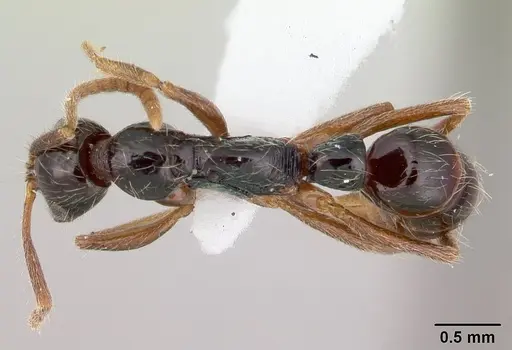
CASENT0630431
View on AntWeb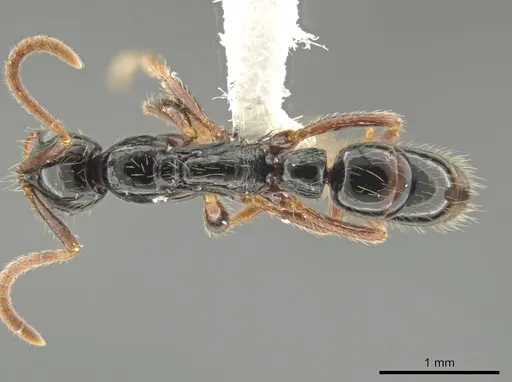
CASENT0915214
View on AntWeb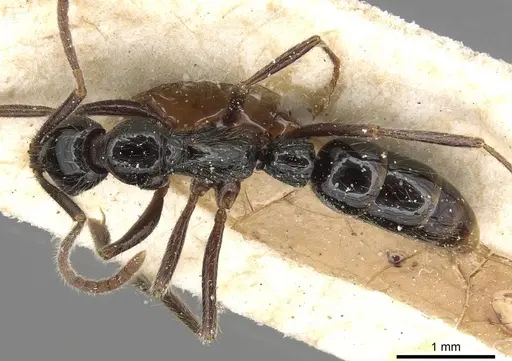
ECOFOG-PAT19-0079-15
View on AntWeb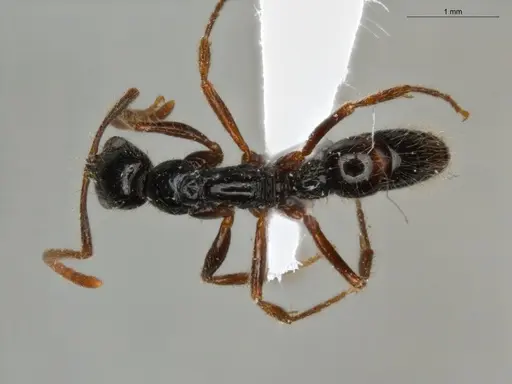
FOCOL1029
View on AntWeb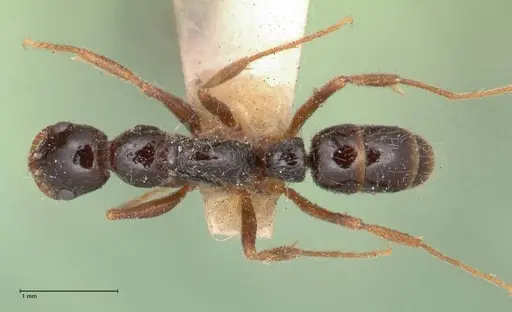
FOCOL1030
View on AntWeb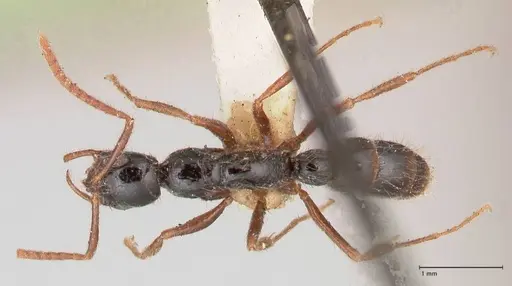
USNMENT00441821
View on AntWeb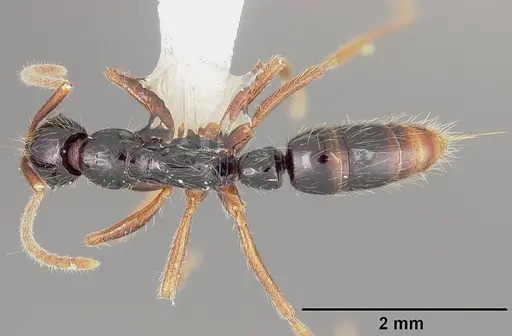
Literature
Loading...Loading products...