

Leptogenys pubiceps
- Scientific Name
- Leptogenys pubiceps
- Tribe
- Ponerini
- Subfamily
- Ponerinae
- Author
- Emery, 1890
- Distribution
- Found in 14 countries
Leptogenys pubiceps Overview
Leptogenys pubiceps is an ant species of the genus Leptogenys. It is primarily documented in 14 countries , including Antigua and Barbuda, Barbados, Colombia. Detailed taxonomic data and occurrence records can be further explored via authoritative databases such as AntWeb or the Global Biodiversity Information Facility (GBIF).
Leptogenys pubiceps
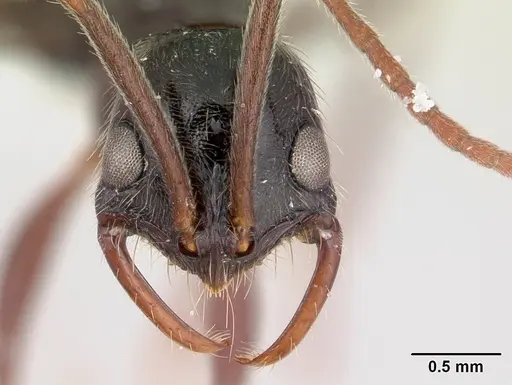
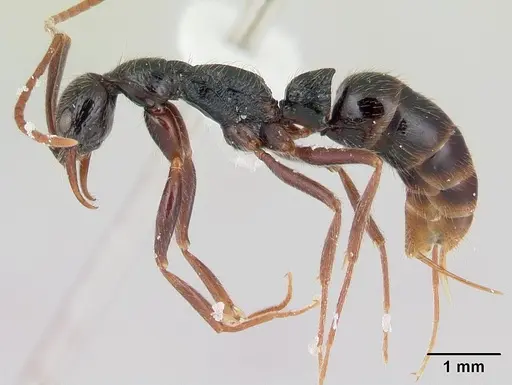
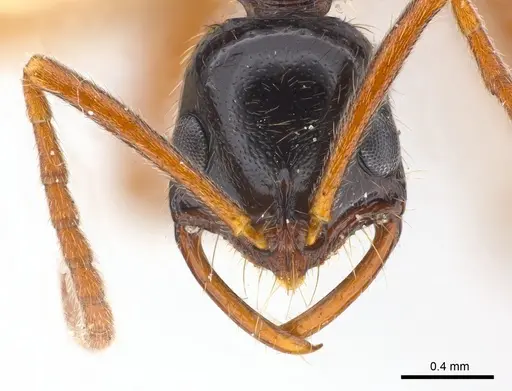
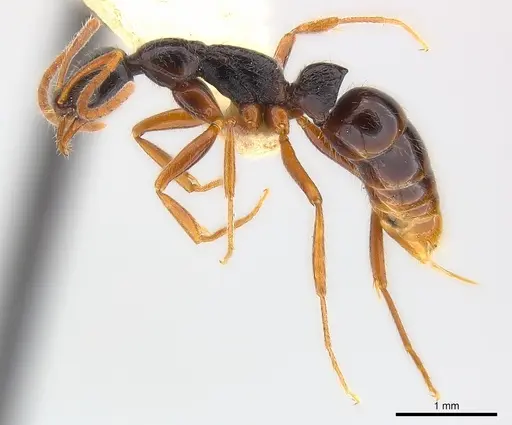
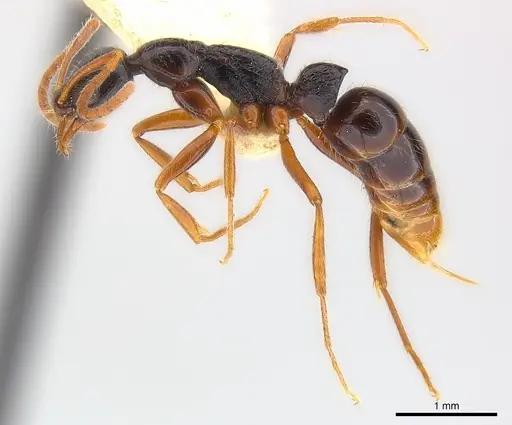
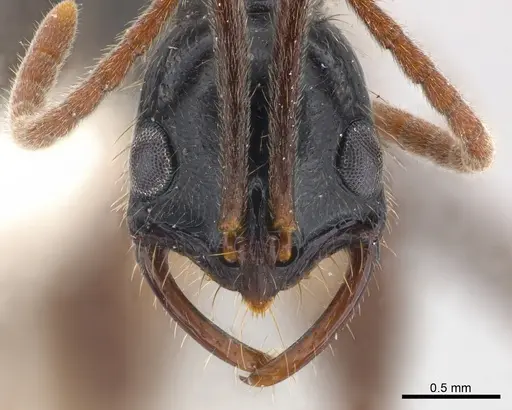
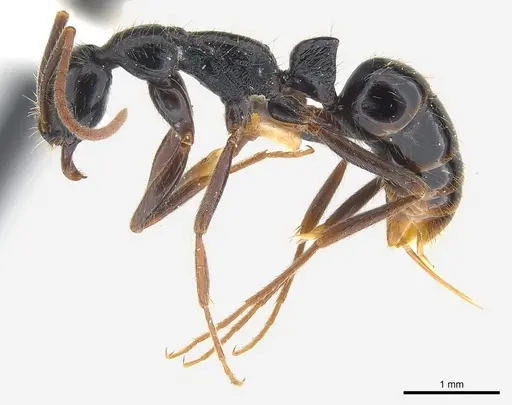
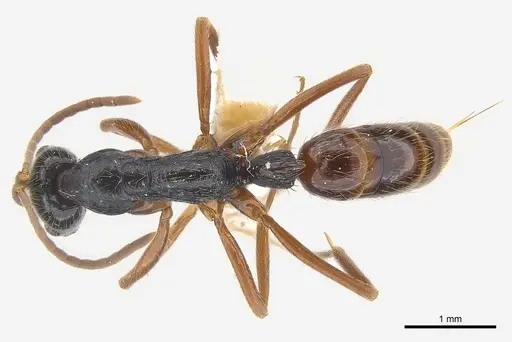
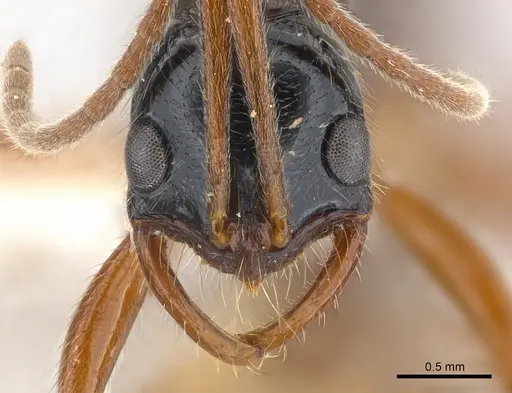
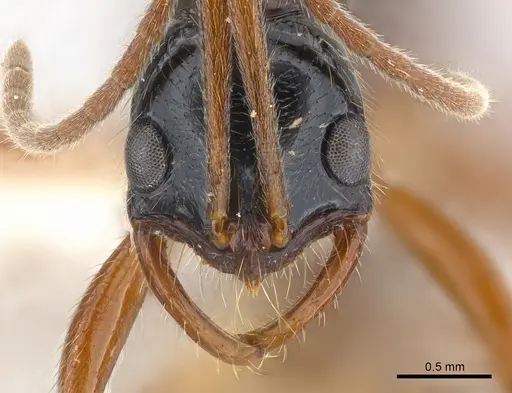
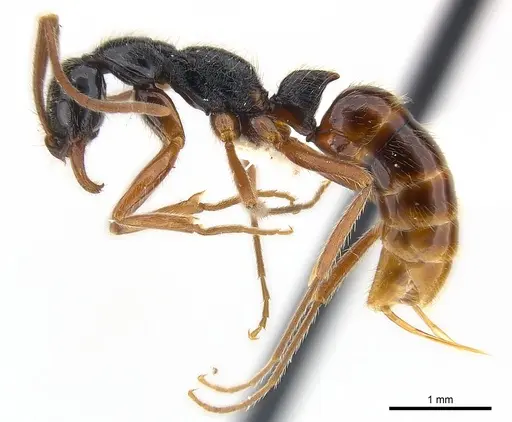
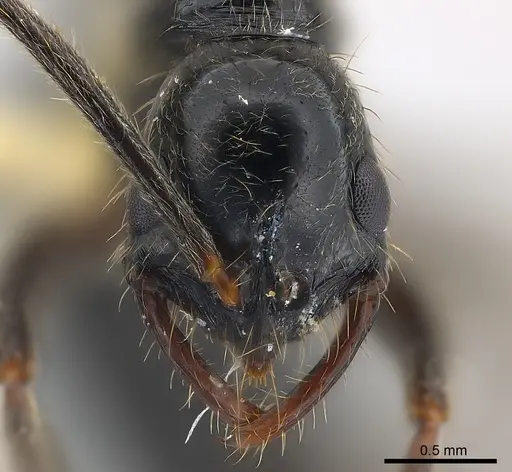
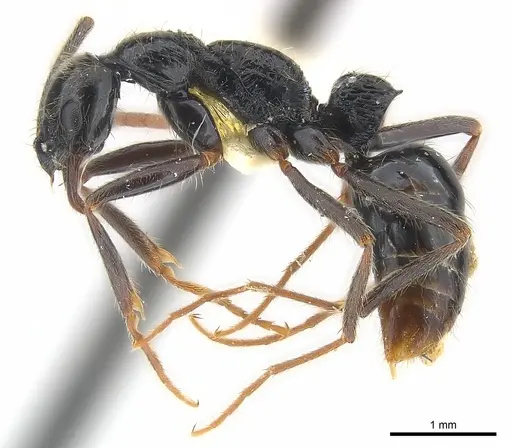
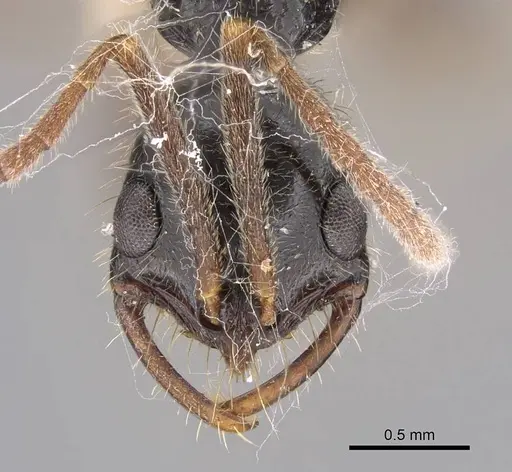
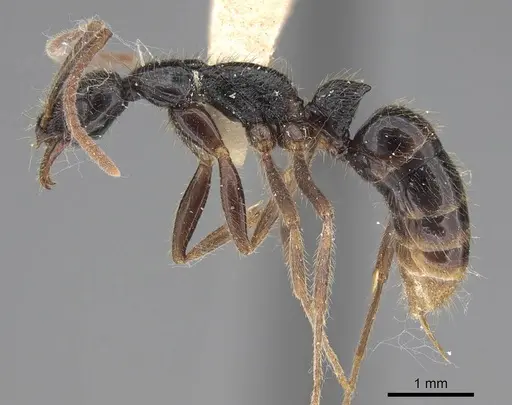
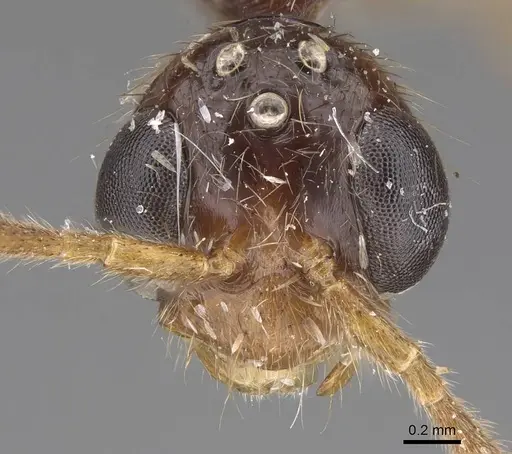
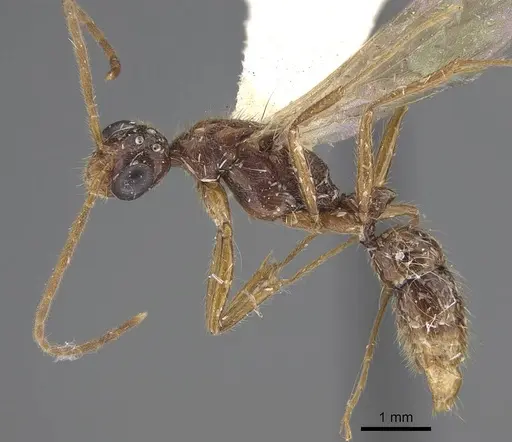
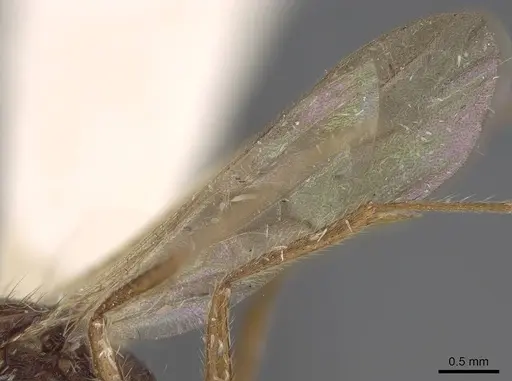
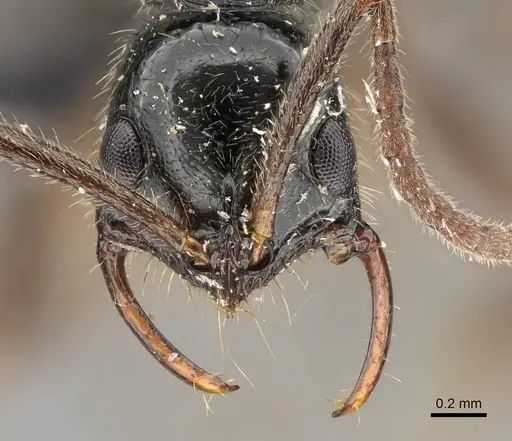
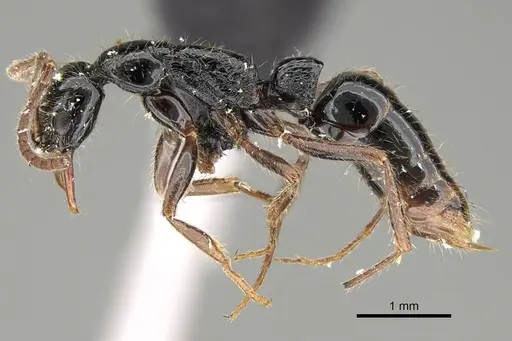
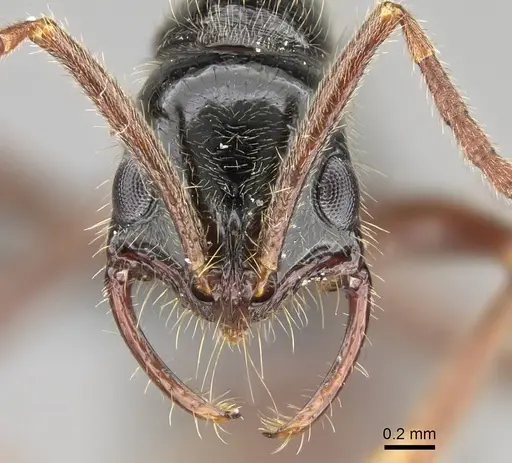
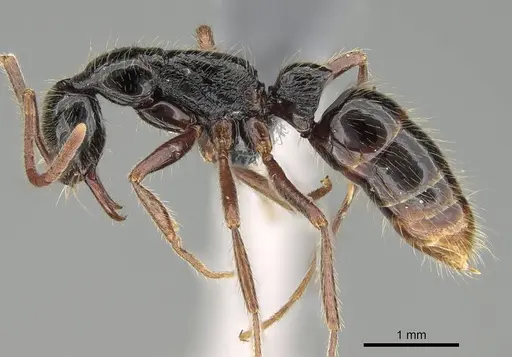
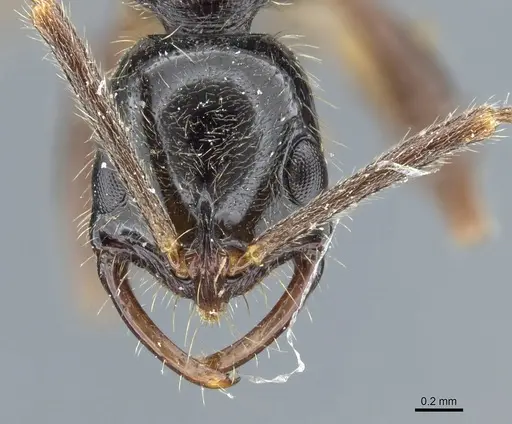
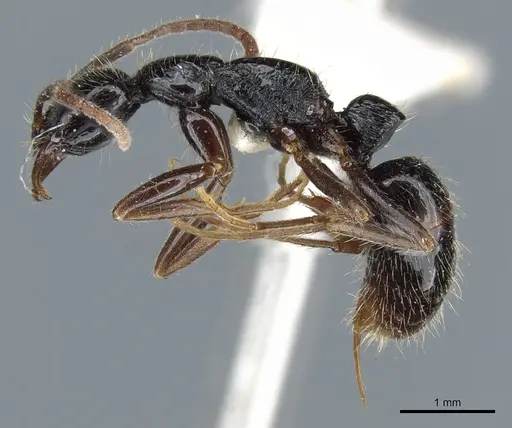
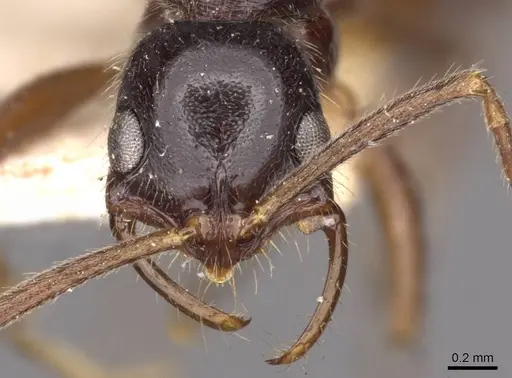
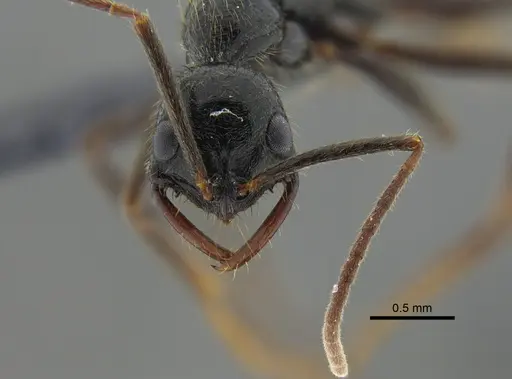
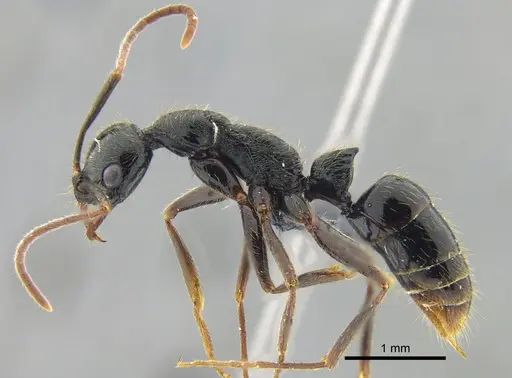
Leptogenys pubiceps is a slender predatory ant belonging to the Ponerinae subfamily. Workers measure 5.5-6.2mm in length with a distinctive black body, brown to dark brown legs, antennae, and mandibles. They have large convex eyes occupying over one-fourth of the lateral cephalic margin, and their petiolar node features a unique blunt projection ranging from a crest to a tooth that overhangs the posterior margin. This species is part of a complex distributed throughout the Caribbean Basin, from Costa Rica and Nicaragua through northern Colombia and Venezuela, across both the Greater and Lesser Antilles. They inhabit diverse environments ranging from dry forests to humid cloud forests, including coffee plantations, typically nesting beneath rotten logs or in leaf litter. The most notable behavior is their escape response, when disturbed, these ants rapidly flee and hide amongst leaf litter rather than engaging in defensive aggression. Queens and males remain undescribed in scientific literature, making captive breeding particularly challenging.
Quick Summary
- Difficulty: Expert
- Origin & Habitat: Caribbean Basin, from Costa Rica and Nicaragua through northern Colombia and Venezuela, including Trinidad and Tobago, Greater and Lesser Antilles. Found in habitats ranging from dry forests to humid and cloud forests, lowland to montane areas, including coffee plantations. Nests beneath rotten logs and in leaf litter [1][2][3]
- Colony Type: Colony structure is unconfirmed. Queens and males have never been described in scientific literature, suggesting this species may have ergatoid (wingless) queens similar to other Leptogenys species. The species complex shows significant morphological variation across its range.
- Size & Growth:
- Queen: Unknown, queen has never been described scientifically
- Worker: 5.5-6.2mm [4][5]
- Colony: Unknown, no colony size data available
- Growth: Unknown
- Development: Unknown, no development data exists for this species (No scientific data on development timeline exists. Related Leptogenys species typically take 2-4 months from egg to worker at tropical temperatures.)
- Antkeeping:
- Temperature: Keep at 24-28°C as a starting point. This is a tropical Caribbean species, so warmth is important. Use a heating cable on one side of the nest to create a gradient. Monitor colony activity, if workers become sluggish, increase temperature slightly, if they avoid the heated area, reduce it.
- Humidity: Maintain moderate to high humidity (60-80%). These ants live in leaf litter and under rotting logs in nature, so they prefer damp substrate conditions. Keep the nest substrate consistently moist but not waterlogged. Provide a water tube for drinking access.
- Diapause: No, this is a tropical species from the Caribbean Basin. They do not require hibernation. Maintain consistent temperatures year-round.
- Nesting: Provide a naturalistic setup with multiple chambers filled with moist substrate (soil/peat mix). They prefer nesting in tight, dark spaces beneath logs or in leaf litter. A Y-tong (AAC) nest or plaster nest with narrow chambers works well. Ensure darkness and security, these ants are skittish and will flee when exposed to light.
- Behavior: These ants are highly skittish and secretive. When their nest is disturbed, they rapidly flee and hide rather than engage in defensive behavior. They are predatory, hunting small invertebrates in nature. Workers are fast-moving and can escape quickly, so excellent escape prevention is essential despite their moderate size. They do not have a painful sting, their primary defense is flight. They likely use chemical trails for foraging communication.
- Common Issues: queen unavailability, queens have never been scientifically described, making wild-queen collection for captive founding nearly impossible, escape risk, despite moderate size, their skittish nature and fast movement means they can escape through small gaps, no development data, without known colony founding or growth timelines, keeping this species requires significant trial and error, stress sensitivity, these ants are easily stressed by light and disturbance, often fleeing rather than adapting to captive observation, humidity management, improper humidity leads to colony decline, but specific requirements remain unknown
Species Status and Taxonomic Complexity
Leptogenys pubiceps represents a species complex rather than a single, well-defined species. Lattke (2011) determined that this ant is part of a complex containing several similar forms including L. columbica, L. cubaensis, L. mucronata, and L. vincentensis. The complex shows bewildering morphological diversity across its Caribbean range, with variations in overall size, head shape, mandible width, color, and the development of the apical petiolar process. Some populations have a crested petiolar node while others have a distinct blunt tooth. This complexity reflects the complicated geological history of the Caribbean region. For antkeepers, this means that specimens from different Caribbean islands or mainland regions may show subtle differences in morphology, but all belong to this complex and likely have similar care requirements. [1]
Natural History and Behavior
In the wild, Leptogenys pubiceps inhabits diverse environments from dry forests to humid and cloud forests, from lowland areas to montane elevations, including agricultural areas like coffee plantations. They nest beneath rotten logs and within leaf litter. The most documented behavior is their escape response: when disturbed, these ants rapidly flee and hide amongst the leaf litter rather than standing their ground or displaying aggression. This skittish nature is important to understand for captive care, they are not a species that tolerates frequent disturbance or observation. Workers are predatory, hunting small invertebrates in their natural habitat. The species has been collected in Haiti nesting in the ground beneath debris in an unused tobacco shed, showing adaptability to human-modified environments. [3]
Housing and Nesting Setup
Because queens have never been described, captive colonies must be acquired through queenless colony fragments or by collecting workers from established wild colonies, both challenging prospects. For housing, provide a naturalistic setup with moist substrate (a soil and peat mixture works well) in a formicarium or plastic container with multiple chambers. These ants prefer tight, dark spaces similar to what they find under rotting logs in nature. A Y-tong (AAC) nest or plaster nest with narrow chambers provides the darkness and security they need. Keep the nest area humid (60-80% relative humidity) and provide a water tube for drinking access. Because of their skittish nature, minimize exposure to vibrations, light, and disturbance. Place the nest in a quiet, dark location and observe only when necessary.
Feeding and Diet
Leptogenys pubiceps is predatory, like other members of the Ponerinae subfamily. In nature, they hunt small invertebrates including springtails, mites, and other micro-arthropods found in leaf litter. In captivity, offer small live prey such as fruit flies, small crickets, mealworms, and other appropriately-sized insects. Feed protein-rich prey 2-3 times per week. The acceptance of sugar sources is uncertain, while some Ponerinae will occasionally drink honey or sugar water, this species likely relies primarily on protein. Remove uneaten prey after 24-48 hours to prevent mold. Always provide fresh water.
Temperature and Seasonal Care
As a tropical Caribbean species, Leptogenys pubiceps requires warm temperatures year-round with no hibernation period. Maintain temperatures in the range of 24-28°C. Use a heating cable placed on top of the nest (never underneath, as excessive bottom heat can dry out the substrate) to create a gentle temperature gradient. This allows workers to self-regulate by moving between warmer and cooler areas. Monitor colony activity as your guide, if workers become sluggish and cluster together, the temperature may be too low, if they avoid the heated area entirely, reduce heat. Since this species comes from a region with minimal seasonal temperature variation, maintain consistent conditions throughout the year rather than attempting any seasonal cooling.
Challenges in Captive Care
Keeping Leptogenys pubiceps in captivity presents significant challenges. First and foremost, queens have never been scientifically described, meaning there is no documented method for establishing new colonies from captured queens. Workers may be collected from the wild, but establishing sustainable captive populations is difficult without understanding their colony structure and reproductive biology. Additionally, these ants are highly sensitive to disturbance, unlike some species that adapt to observation, L. pubiceps responds to stress by fleeing and may abandon brood or die from stress. Their escape response is rapid, so escape prevention must be excellent. Finally, the complete lack of development data means each colony becomes an experimental case requiring careful observation and adjustment of conditions.
Frequently Asked Questions
Can I keep Leptogenys pubiceps in a test tube?
A test tube setup can work for small colony fragments, but these ants prefer the dark, tight spaces of a naturalistic setup. If using a test tube, keep it humid and dark, and transfer to a more naturalistic formicarium as the colony grows.
How do I start a Leptogenys pubiceps colony?
This is extremely challenging because queens have never been scientifically described. You would need to collect wild workers and hope to maintain a queenless colony, or locate already-established captive colonies. There is no documented method for founding new colonies.
How long does it take for Leptogenys pubiceps to develop from egg to worker?
This is completely unknown, no scientific data exists on their development timeline. Related Leptogenys species in tropical conditions typically take 2-4 months, but this is only an estimate.
What temperature do Leptogenys pubiceps need?
Keep them warm at 24-28°C. This is a tropical Caribbean species that does not tolerate cool temperatures. Use a heating cable on one side of the nest to create a gradient.
Are Leptogenys pubiceps good for beginners?
No. This species is rated Expert difficulty due to multiple factors: queens have never been described (making colony founding nearly impossible), there is no development or care data available, they are highly skittish and stress-sensitive, and they require specific conditions that are not well understood.
Do Leptogenys pubiceps need hibernation?
No. As a tropical Caribbean species, they do not require hibernation or winter cooling. Maintain consistent warm temperatures year-round.
What do Leptogenys pubiceps eat?
They are predatory ants. Feed small live prey such as fruit flies, small crickets, mealworms, and other appropriately-sized insects. Protein should be offered 2-3 times per week. Sugar acceptance is uncertain.
Why are my Leptogenys pubiceps dying?
Without specific data on this species, common causes include stress from disturbance or light exposure, incorrect humidity (too dry or too wet), temperatures outside their 24-28°C range, or inadequate prey. These ants are skittish and may die from stress if frequently disturbed.
Can I keep multiple queens together?
This is unknown. Queens have never been described for this species, so we do not know their colony structure. Combining unrelated ants of this species has not been documented and is not recommended.
How big do Leptogenys pubiceps colonies get?
Unknown, no colony size data exists in scientific literature. Related Leptogenys species typically form colonies of several hundred workers, but specific data for L. pubiceps is unavailable.
References

This caresheet is licensed under CC BY-SA 4.0 .
CASENT0178777
View on AntWeb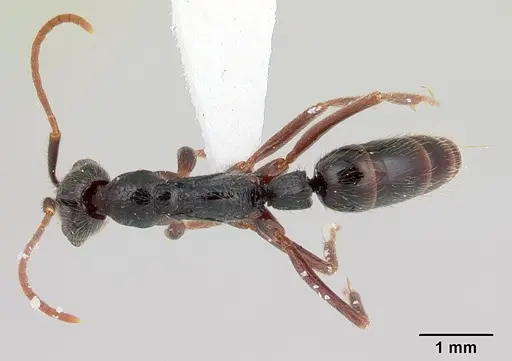
CASENT0217025
View on AntWeb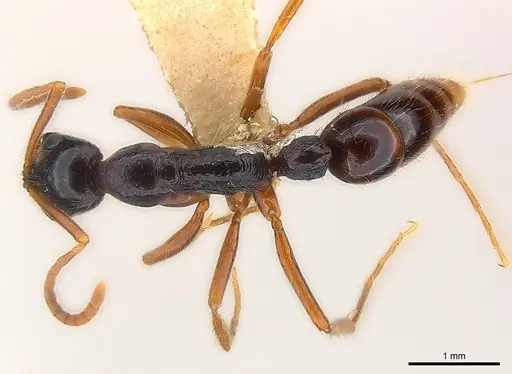
CASENT0217026
View on AntWeb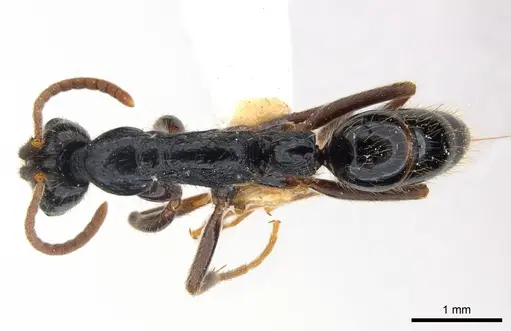
CASENT0217027
View on AntWeb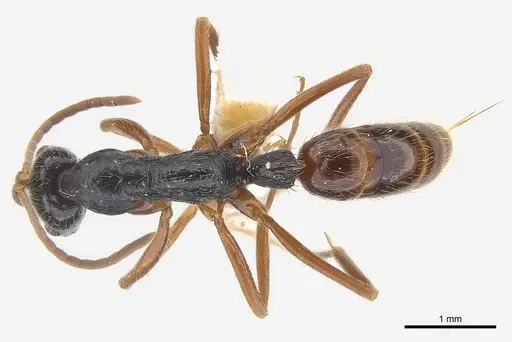
CASENT0217028
View on AntWeb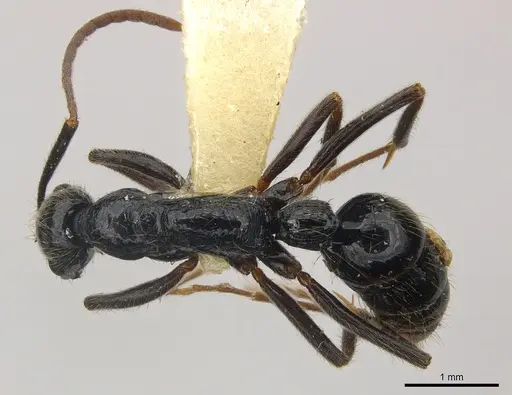
CASENT0248759
View on AntWeb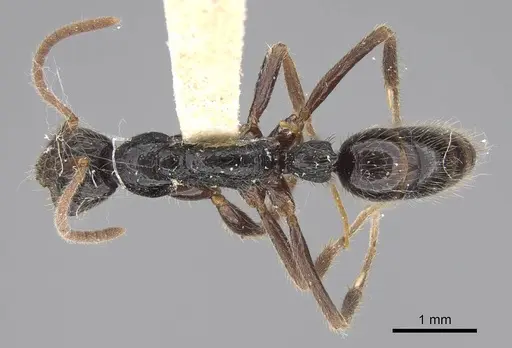
CASENT0248760
View on AntWeb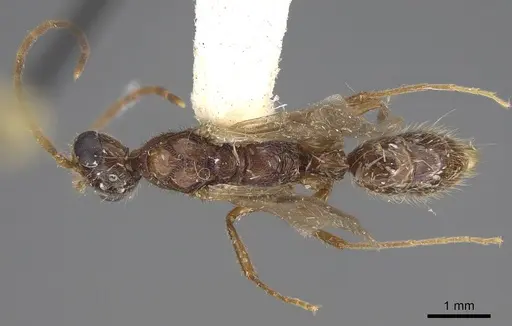
CASENT0318516
View on AntWeb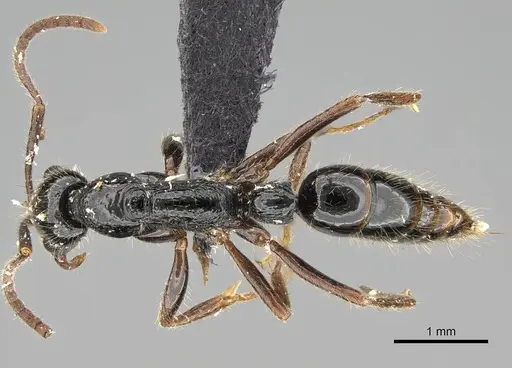
CASENT0729638
View on AntWeb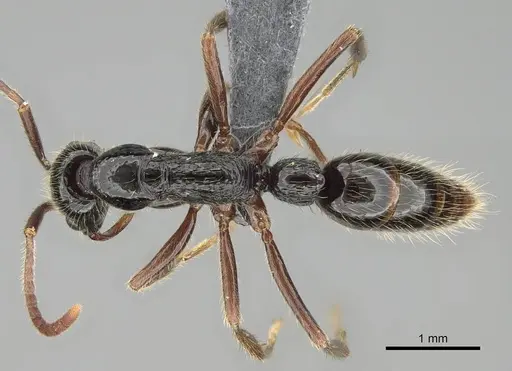
CASENT0903969
View on AntWeb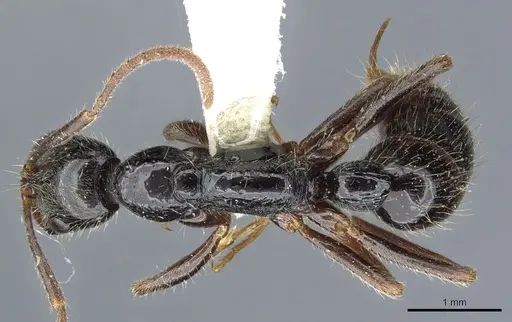
CASENT0907347
View on AntWeb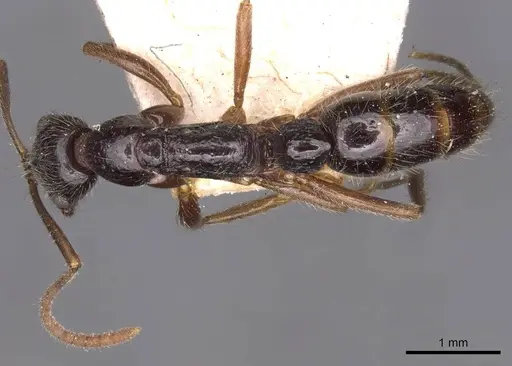
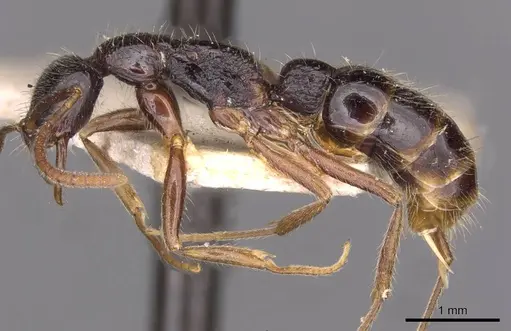
CASENT0915237
View on AntWeb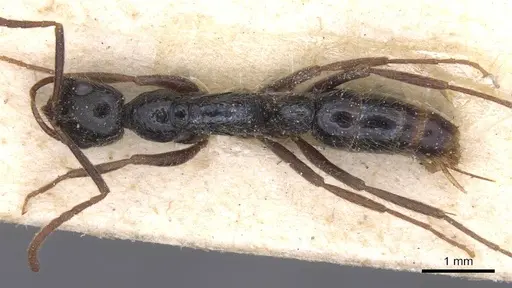
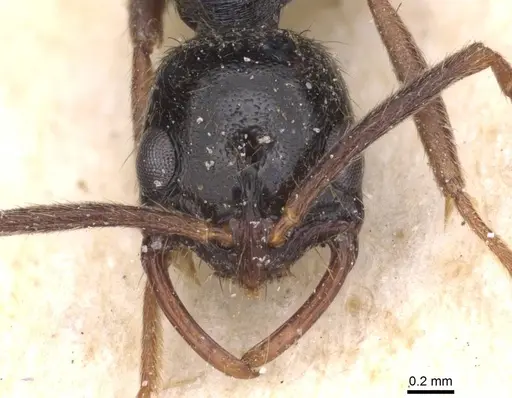
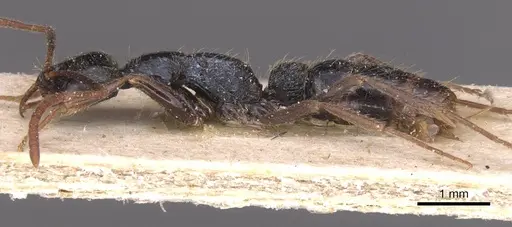
CBUMAGENT41675
View on AntWeb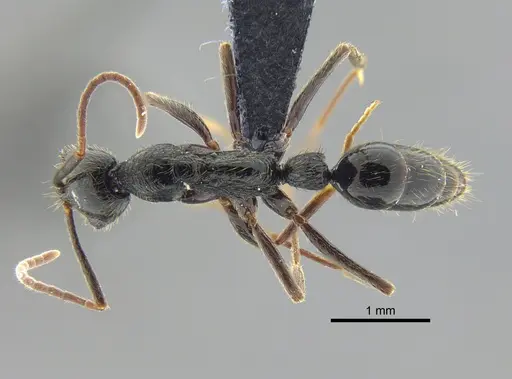
Literature
Loading...Loading products...