

Leptogenys intermedia
- Scientific Name
- Leptogenys intermedia
- Tribe
- Ponerini
- Subfamily
- Ponerinae
- Author
- Emery, 1902
- Common Name
- Common Razorjaw Ant
- Distribution
- Found in 6 countries
Leptogenys intermedia Overview
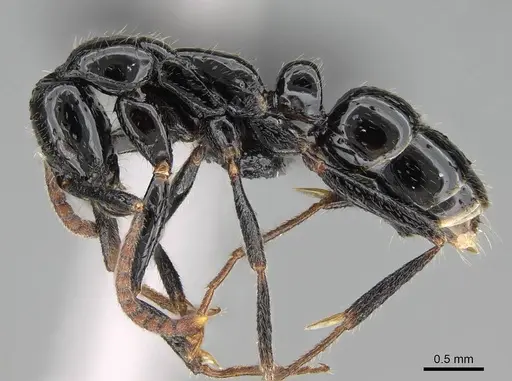
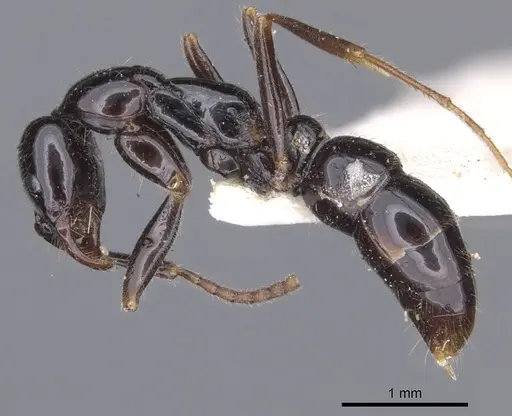
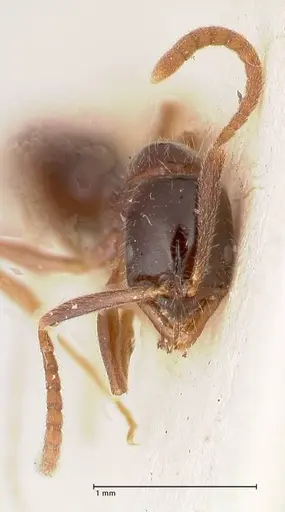
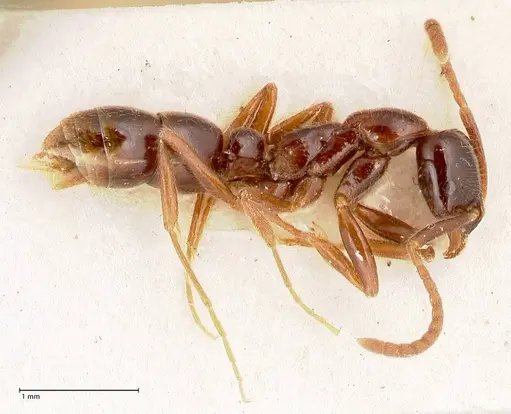
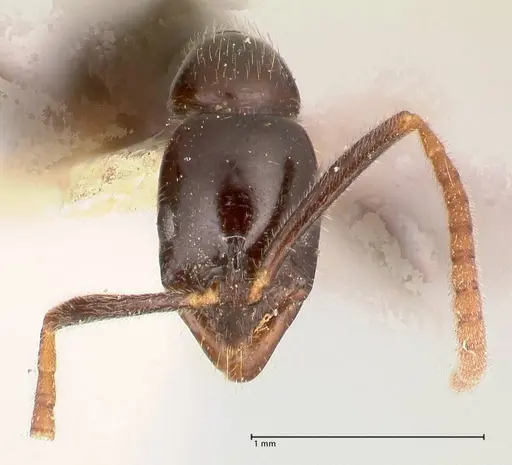
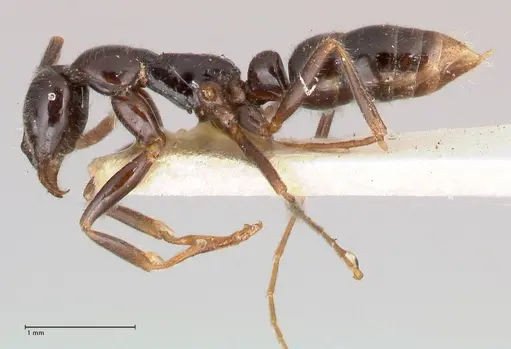
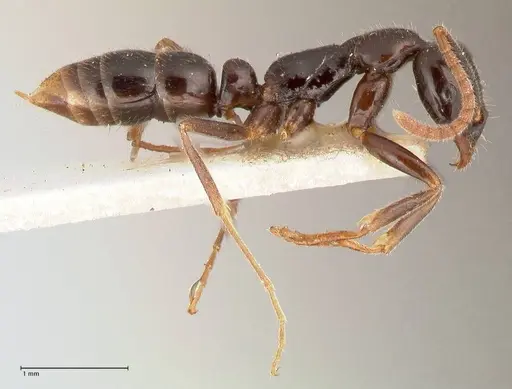
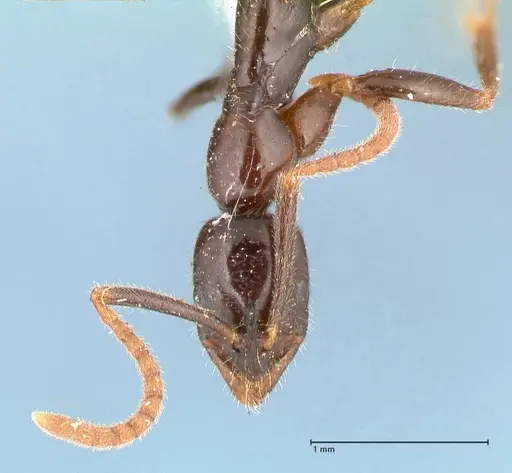
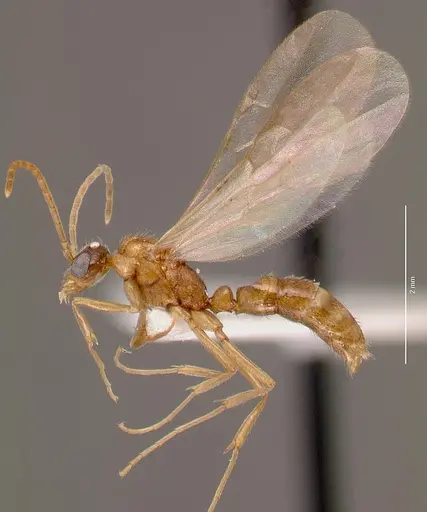
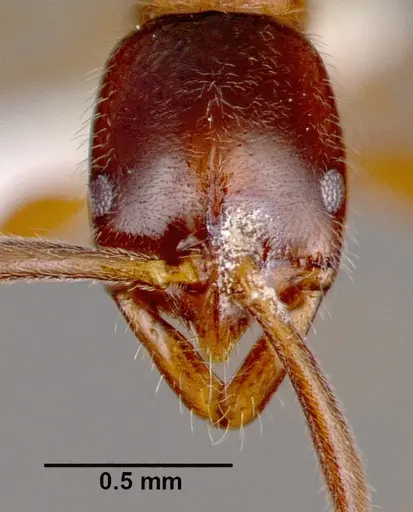
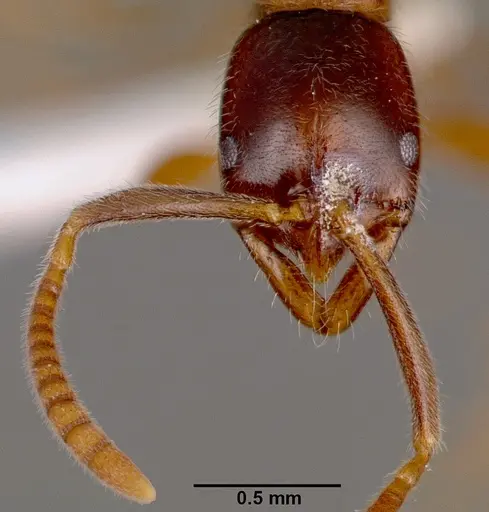
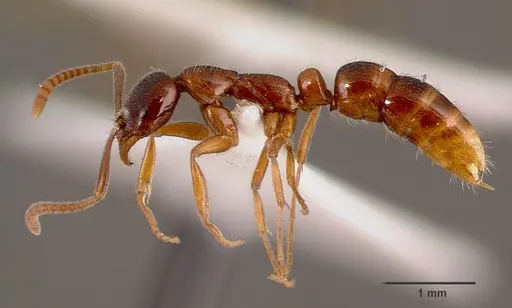
Leptogenys intermedia (commonly known as the Common Razorjaw Ant) is an ant species of the genus Leptogenys. It is primarily documented in 6 countries , including Lesotho, Mozambique, Eswatini. Detailed taxonomic data and occurrence records can be further explored via authoritative databases such as AntWeb or the Global Biodiversity Information Facility (GBIF).
Leptogenys intermedia - "Common Razorjaw Ant"
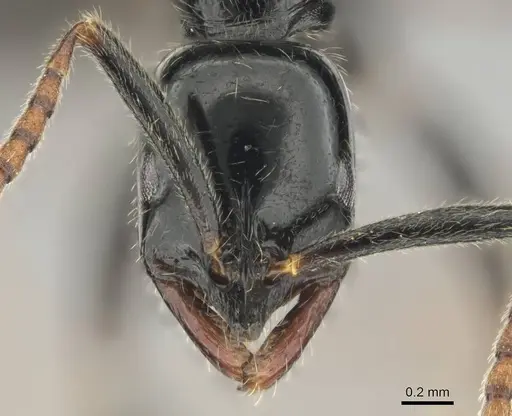
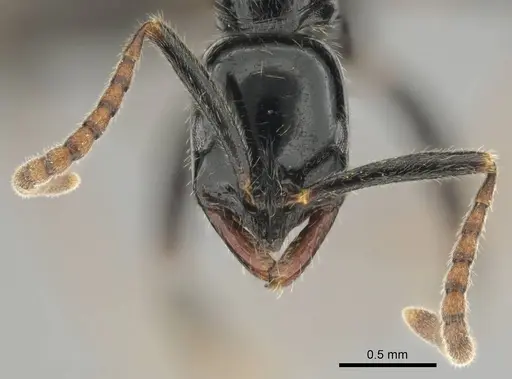
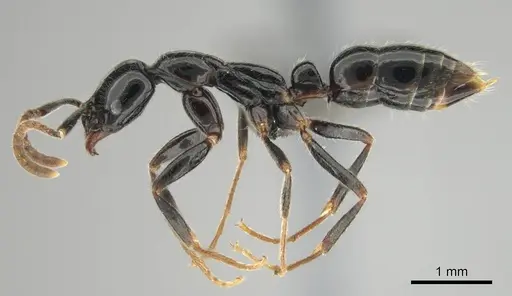
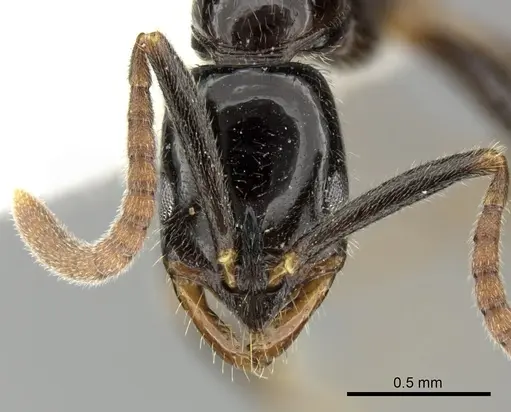
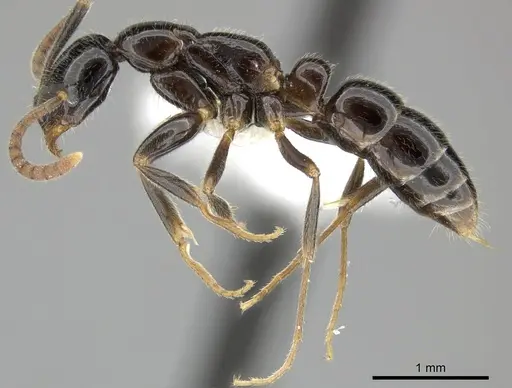
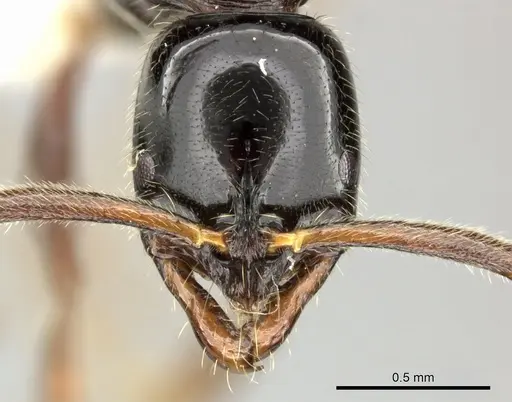
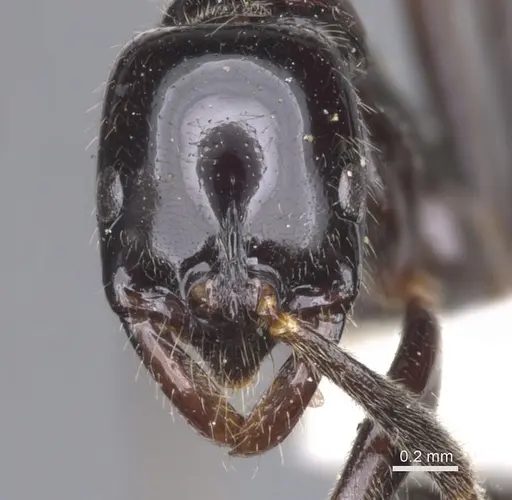
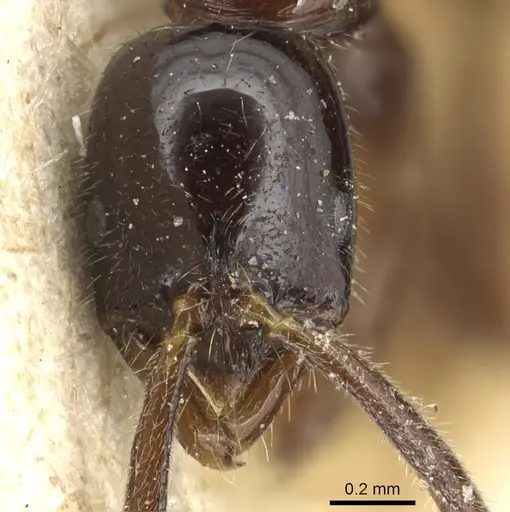
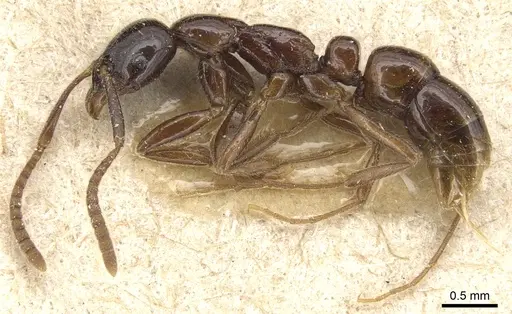
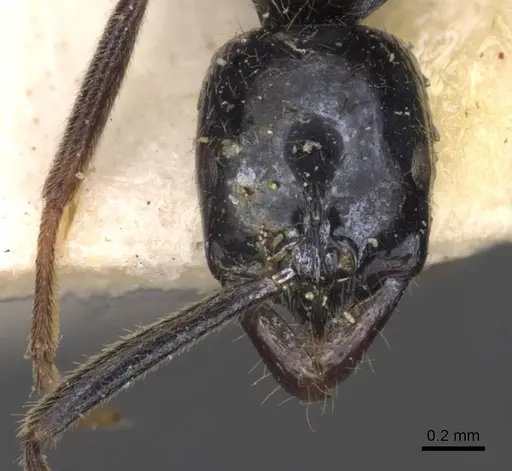
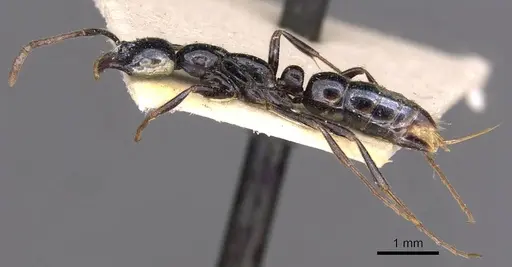
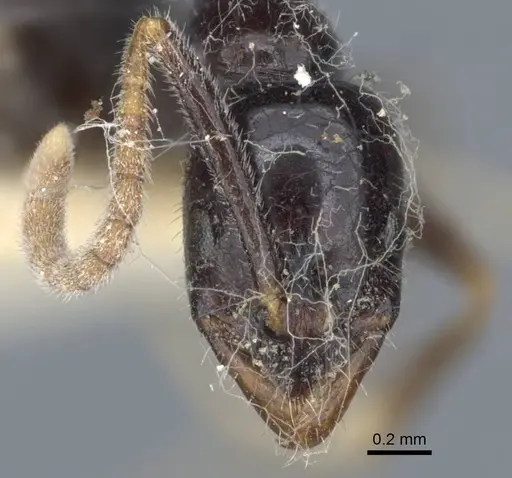
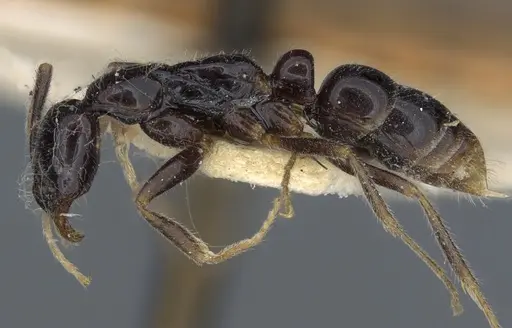
Leptogenys intermedia is a medium-sized ponerine ant native to southern and eastern Africa. Workers are slender ants with distinctive elongated mandibles suited for their predatory lifestyle. They measure approximately 5-7mm as workers, with ergatomorphic (wingless) queens that are slightly larger. This species is known for its specialized predatory behavior, using raiding strategies to capture prey in groups. They nest in soil cavities in moist habitats including coastal forests and woodland areas across their range in Botswana, Democratic Republic of Congo, Eswatini, Kenya, Mozambique, South Africa, Zambia, and Zimbabwe [1][2].
What makes this species particularly interesting is their unusual combination of traits. Unlike true army ants, they still exhibit obligate collective foraging and nomadic nesting behavior, they move their colonies periodically rather than maintaining permanent nests. Their queens are permanently wingless (ergatomorphic), and workers are obligately sterile with no ovarioles, meaning reproduction is entirely the queen's responsibility [1]. This makes them a fascinating species for keepers interested in advanced ant behavior.
Quick Summary
- Difficulty: Medium
- Origin & Habitat: Native to the Afrotropical region, found across southern and eastern Africa including South Africa, Mozambique, Zimbabwe, Zambia, Kenya, Botswana, Democratic Republic of Congo, and Eswatini. Inhabits coastal forest and moist woodland habitats, nesting in soil holes. Also found in sedgeland-herbland, thicket, shrubland, and forest areas [1][3][2].
- Colony Type: Single-queen colonies with ergatomorphic (wingless) queens. Workers are obligately sterile, they cannot lay eggs. Colonies exhibit nomadic behavior, periodically moving nests rather than staying in one location [1][4][5].
- Colony: Monogyne
- Size & Growth:
- Queen: Estimated 7-9mm based on genus patterns, queens are larger than workers with proportionally shorter thorax and larger gaster [1]
- Worker: Estimated 5-7mm based on genus typical sizes
- Colony: Likely moderate colonies, estimated 100-500 workers based on related Leptogenys species
- Growth: Moderate, estimated based on tropical/subtropical development
- Development: Estimated 6-10 weeks at optimal temperature based on typical Ponerinae development (Development time is estimated from related species, direct measurements not available for this specific species)
- Antkeeping:
- Temperature: Active between 20-35°C with optimal foraging around 28°C. Keep nest area at 24-28°C for best colony development. They are adapted to warm conditions [6].
- Humidity: Moderate to high humidity, they inhabit moist woodland and coastal forest habitats. Keep nest substrate consistently moist but not waterlogged. Provide a water source.
- Diapause: Unknown, no specific research on diapause requirements. Based on their African distribution, they likely have reduced activity during cooler dry seasons rather than true hibernation.
- Nesting: Natural nesting: soil cavities in moist habitats. In captivity, they do well in naturalistic setups with moist soil or plaster nests. A Y-tong or acrylic nest with moisture reservoir works well. They prefer tight chambers and will move colonies periodically.
- Behavior: This species is a specialized predator using group raiding strategies to capture prey. Workers are active foragers that hunt in groups, similar to army ant raiding behavior but not as extreme. They are not aggressive toward humans but will defend the colony. They have functional stings but are too small to cause significant discomfort. Escape prevention is important, use standard barriers. Their nomadic nature means they may try to move if conditions aren't optimal [5][6].
- Common Issues: colonies may attempt to escape frequently due to nomadic nature, ensure secure boundaries, specialized diet means they need regular protein prey, sugar sources are rarely accepted, nomadic behavior can cause stress if disturbed during nest relocation attempts, colonies can fail if humidity drops too low, they prefer moist conditions, slow colony growth compared to common pet trade species may frustrate beginners
Housing and Nest Setup
Leptogenys intermedia does well in naturalistic setups that mimic their natural soil-nesting habitat. A Y-tong (acrylic) nest with a moisture chamber works well, or you can use a plaster/soil nest. The key is maintaining consistent moisture, these ants come from moist woodland and won't tolerate dry conditions. Provide a water tube or cotton wick for drinking water. Since they're nomadic by nature, they may attempt to relocate if stressed or if conditions aren't optimal, so ensure their outworld is secure with proper barriers. A test tube setup can work for founding colonies, but be prepared to move them to a larger setup as the colony grows. [1][5]
Feeding and Diet
This is a specialized predator that requires live protein prey. They use group raiding strategies to capture prey, so offer small live insects like fruit flies, pinhead crickets, small mealworms, or other appropriately-sized arthropods. Unlike many ants, they are not typically attracted to sugar water or honey, their diet is primarily predatory. Feed them prey items 2-3 times per week, adjusting based on colony size and consumption. Remove uneaten prey after 24 hours to prevent mold. A constant water source is essential. Given their specialist predator status, don't expect them to accept commercial ant foods or sugar sources [5][6].
Temperature and Seasonal Care
Keep the nest area at 24-28°C for optimal colony development. Research shows they're active between 20-35°C, with peak foraging activity around 28°C when they achieve their fastest running speeds [6]. A heating cable on one side of the nest creates a temperature gradient allowing the ants to self-regulate. Place the heating on top of the nest, not underneath, to avoid drying out the substrate. Since they're from tropical/subtropical Africa, they don't require true hibernation. However, you may notice reduced activity during winter months if room temperatures drop significantly, this is normal seasonal adjustment, not a diapause requirement.
Behavior and Colony Dynamics
Leptogenys intermedia exhibits fascinating behavioral adaptations. Unlike typical ants that maintain permanent nests, they show nomadic behavior, periodically relocating their entire colony [5]. They forage collectively using raiding strategies, similar to army ants but less extreme [4]. Workers are obligately sterile with no reproductive capacity, all egg-laying is done by the queen [1]. The queen herself is ergatomorphic, meaning she's permanently wingless rather than having wings that she removes after mating. This is an unusual trait in ants and makes the colony structure quite different from typical species. Colonies are relatively peaceful and workers focus on hunting prey rather than defending against large threats.
Growth and Development
Colony growth is moderate rather than rapid. The queen has 14-18 ovarioles per ovary, allowing her to produce eggs continuously once established [1]. However, since workers are obligately sterile, there are no replacement reproductives if the queen dies, the colony will eventually die out. First workers (nanitics) will typically appear within 6-10 weeks under optimal conditions, though this is estimated from related Ponerinae species. Growth rate depends heavily on temperature and feeding frequency. Expect the first year to result in a colony of perhaps 20-50 workers, with larger colonies developing over subsequent years. Orphaned nests (queenless colonies) die within 3 weeks, confirming the workers' complete dependence on the queen [1].
Common Challenges
This species presents several challenges for keepers. Their specialized predatory diet means you must commit to providing regular live prey, this isn't a species you can neglect feeding. Their nomadic nature means they may try to escape or relocate if disturbed, so excellent escape prevention is essential. They require higher humidity than many common pet trade species, so monitor substrate moisture carefully. Beginners may find their slower growth compared to species like Lasius or Camponotus frustrating. Finally, since workers cannot reproduce, queen loss is fatal to the colony, handle queen-containing setups with extra care. These challenges make this a species better suited for intermediate to experienced antkeepers rather than complete beginners.
Frequently Asked Questions
Can I keep Leptogenys intermedia in a test tube?
Test tubes work for founding colonies, but you'll need to move them to a proper nest within a few months as the colony grows. Their nomadic nature means they may attempt to relocate if the test tube becomes too dry or cramped. A naturalistic or Y-tong setup with moisture retention is better for established colonies.
How long until first workers appear in Leptogenys intermedia?
Estimated 6-10 weeks from egg to first worker at optimal temperature (around 28°C). This is based on typical Ponerinae development timelines rather than direct measurements for this specific species. Patience is key, they grow more slowly than common pet trade species.
What do Leptogenys intermedia ants eat?
They are specialized predators that need live protein prey. Feed small live insects like fruit flies, pinhead crickets, small mealworms, or other tiny arthropods. They rarely accept sugar sources like honey or sugar water. This is not a species that will thrive on commercial ant foods.
Are Leptogenys intermedia good for beginners?
No, this species is better suited for intermediate to experienced antkeepers. Their specialized predatory diet, humidity requirements, nomadic behavior, and slower growth present challenges that beginners may find frustrating. Species like Lasius niger or Camponotus species are better starting points.
How big do Leptogenys intermedia colonies get?
Estimated 100-500 workers based on related Leptogenys species. They don't reach the massive colony sizes of some ants, but a healthy established colony will have several hundred workers. Growth is moderate, expect several years to reach maximum size.
Do Leptogenys intermedia need hibernation?
No specific diapause requirement has been documented. Based on their African distribution, they likely have reduced activity during cooler periods rather than true hibernation. If room temperatures drop below 20°C in winter, you may see reduced activity, but no special overwintering care is needed.
Can I keep multiple Leptogenys intermedia queens together?
No, this is a monogyne (single-queen) species. The queen is ergatomorphic (permanently wingless) and colonies have a single reproductive queen. Combining unrelated queens has not been studied and is not recommended. Workers are obligately sterile, so there are no replacement reproductives if the queen dies.
Why is my Leptogenys intermedia colony dying?
Common causes include: low humidity (they need moist conditions), insufficient prey (they need regular live protein), queen death (workers cannot reproduce and the colony will die), or temperatures outside their 20-35°C active range. Check that substrate is consistently moist, prey is being offered regularly, and the queen is still present and healthy.
When should I move Leptogenys intermedia to a formicarium?
Move them when the test tube setup becomes cramped or the water reservoir runs out, typically when the colony reaches 20-30 workers. Use a naturalistic setup or Y-tong with moisture retention. They may attempt to relocate if conditions aren't optimal, so ensure proper humidity and minimal disturbances.
References

This caresheet is licensed under CC BY-SA 4.0 .
CASENT0235910
View on AntWeb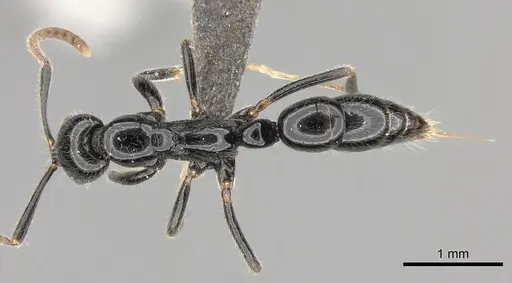
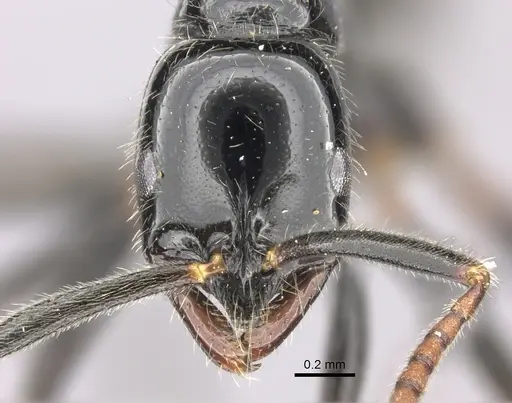
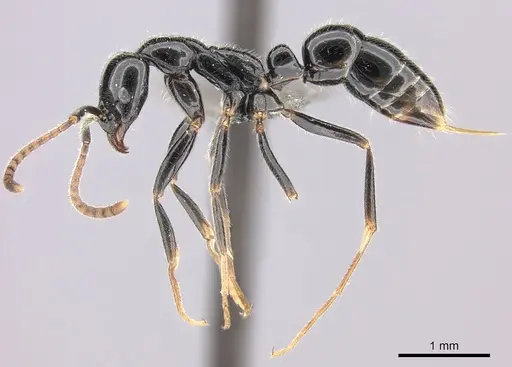
CASENT0251923
View on AntWeb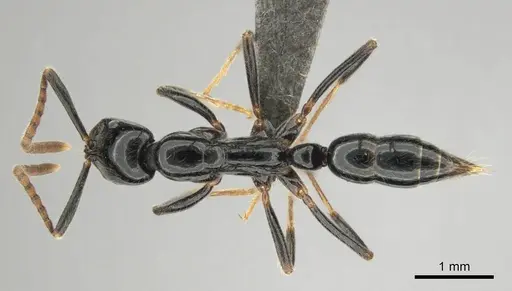
CASENT0270561
View on AntWeb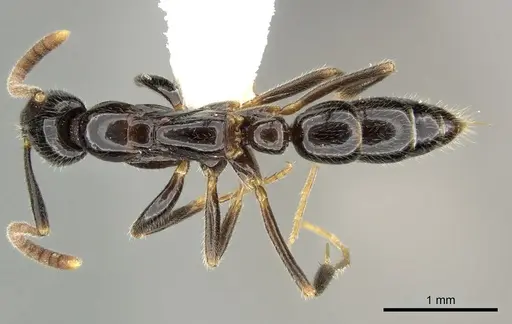
CASENT0270562
View on AntWeb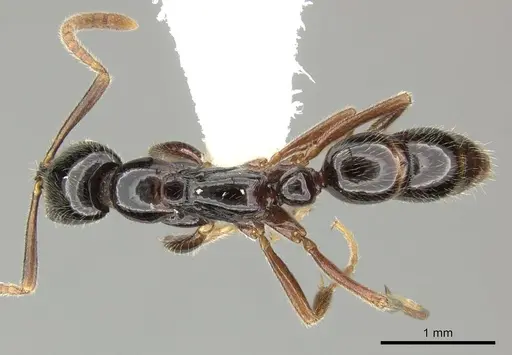
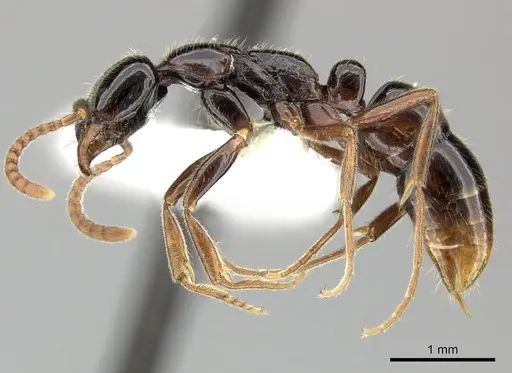
CASENT0785937
View on AntWeb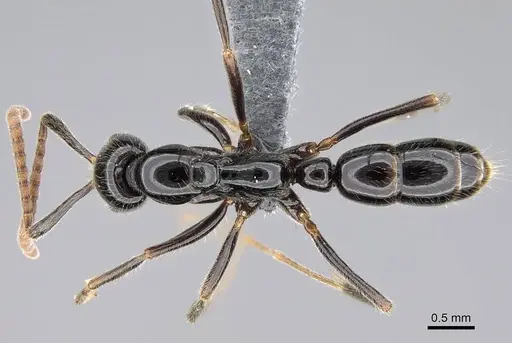
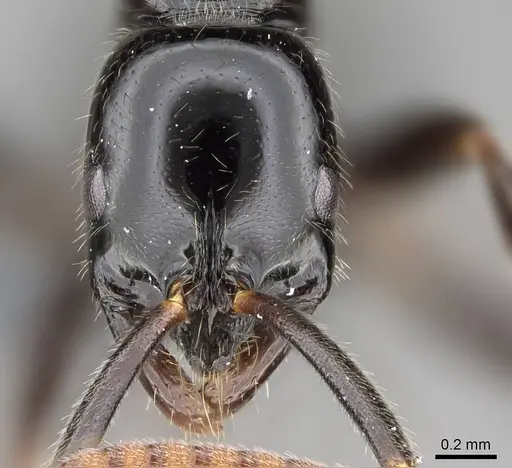
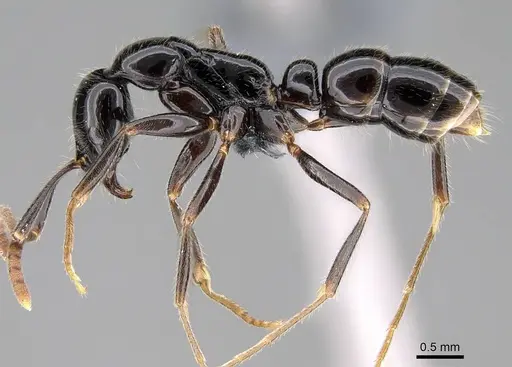
CASENT0813710
View on AntWeb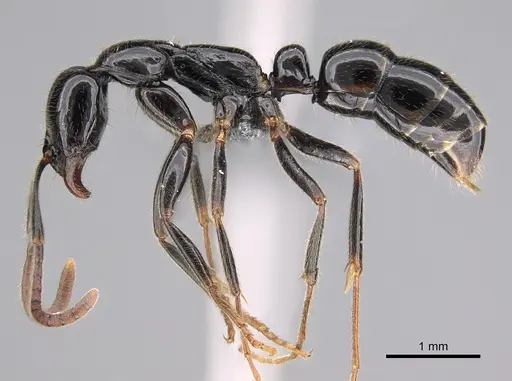
CASENT0822208
View on AntWeb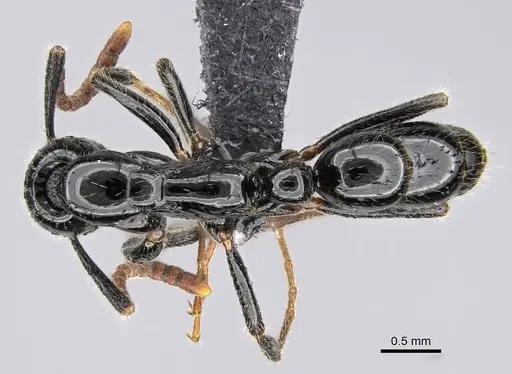
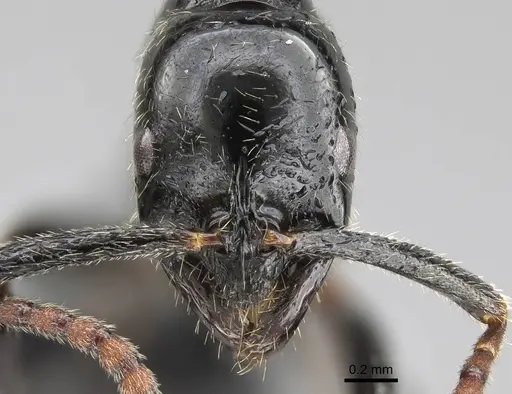
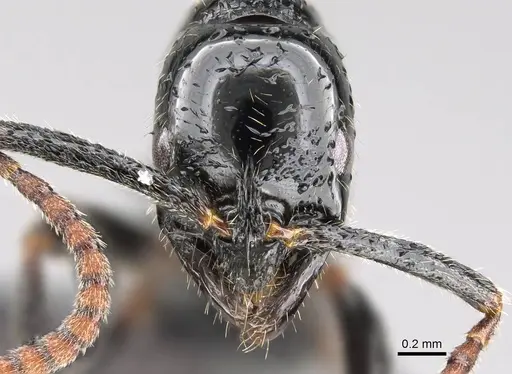
CASENT0902578
View on AntWeb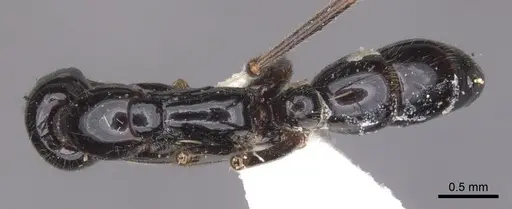
CASENT0903945
View on AntWeb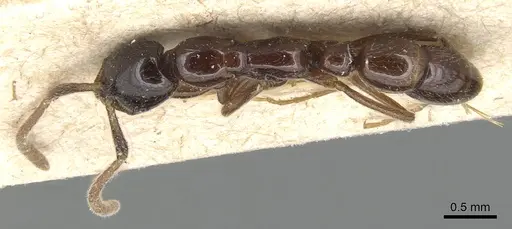
CASENT0907356
View on AntWeb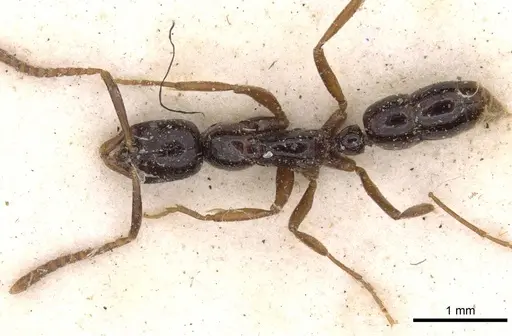
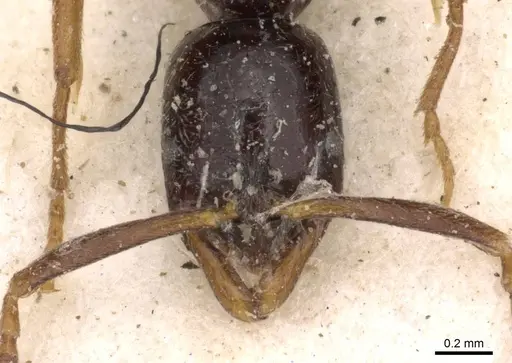
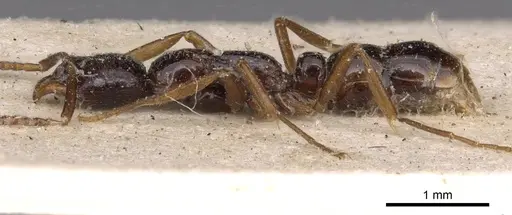
CASENT0907357
View on AntWeb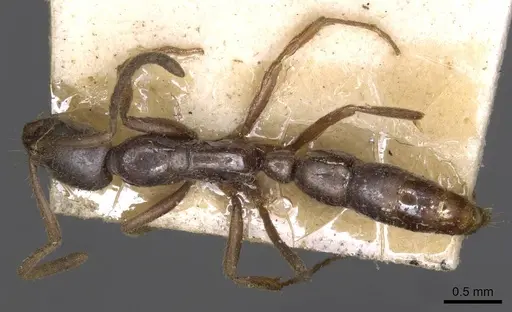
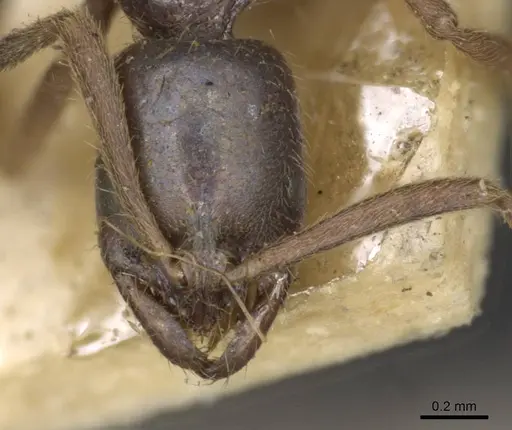
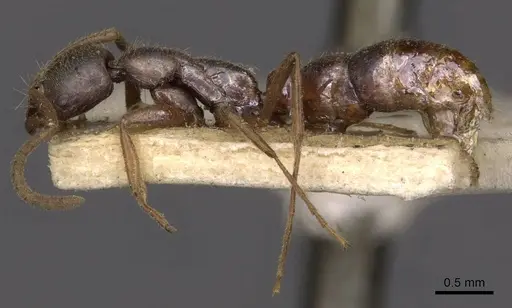
CASENT0907358
View on AntWeb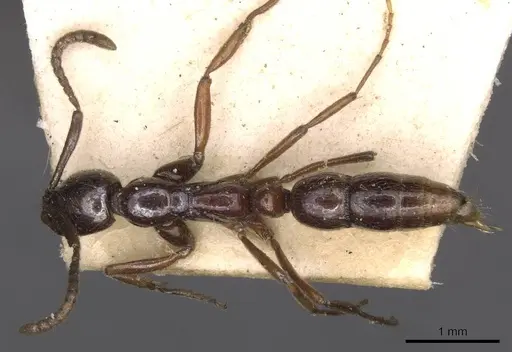
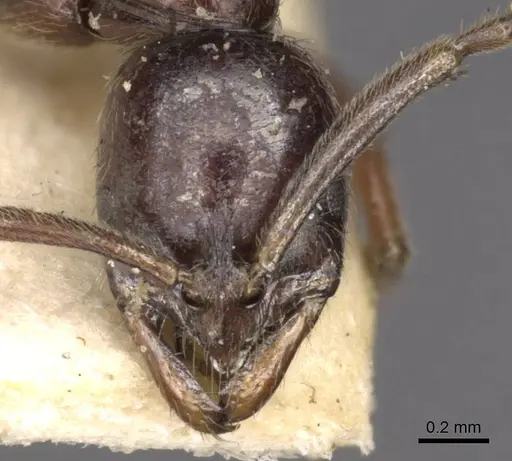
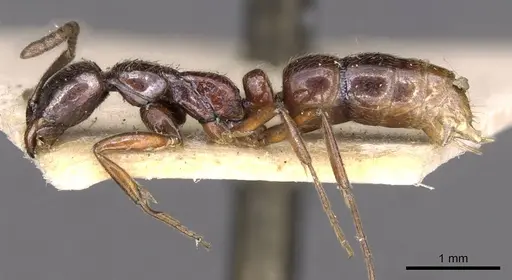
CASENT0907359
View on AntWeb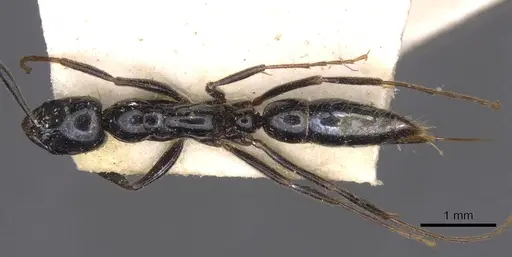
CASENT0915230
View on AntWeb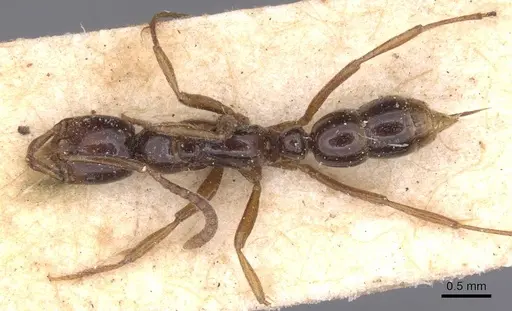
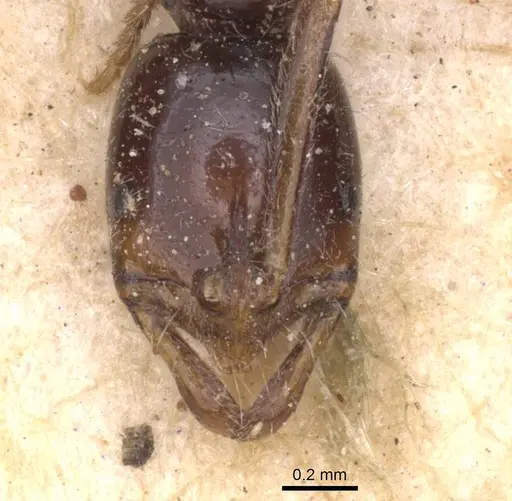
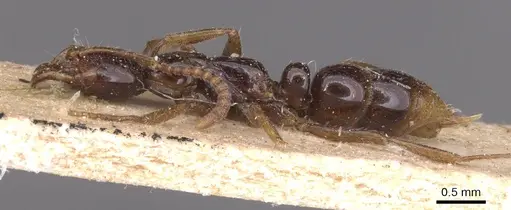
CASENT0915231
View on AntWeb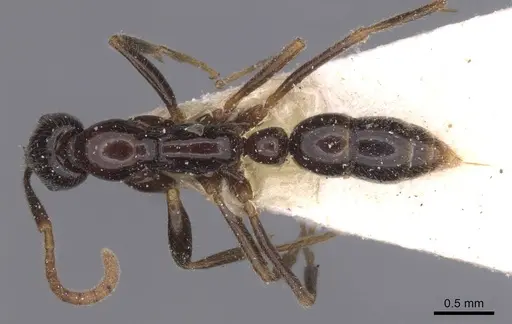
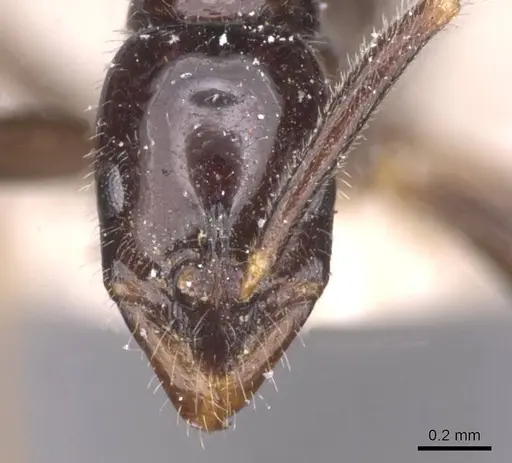
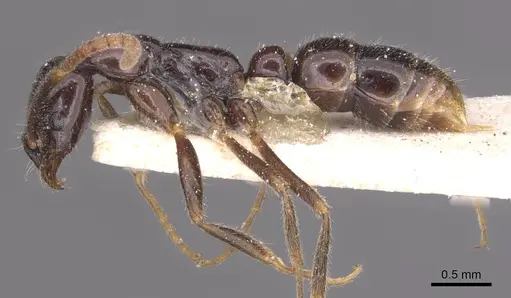
CASENT0915232
View on AntWeb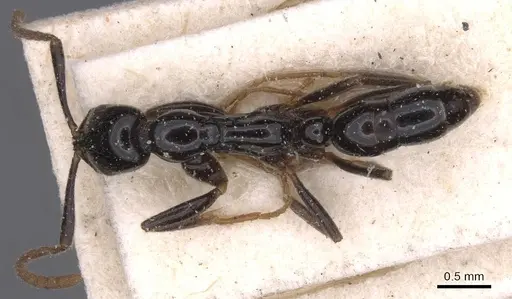
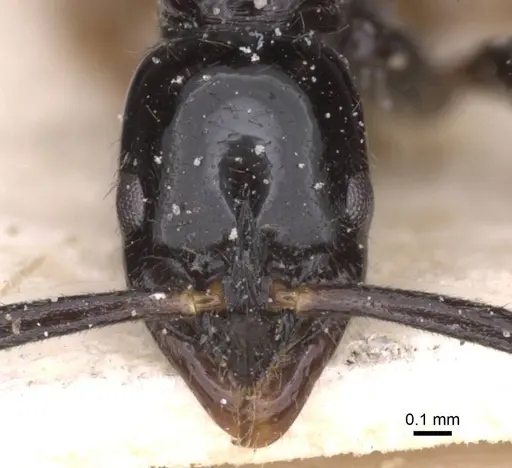
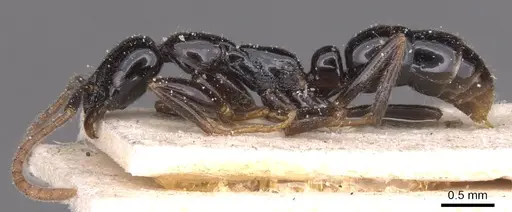
CASENT0916844
View on AntWeb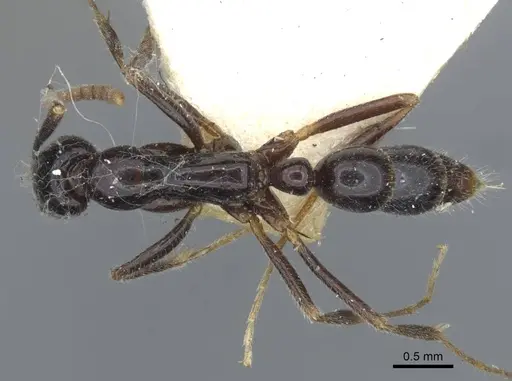
FOCOL1031
View on AntWeb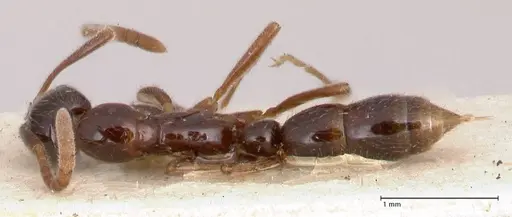
FOCOL1032
View on AntWeb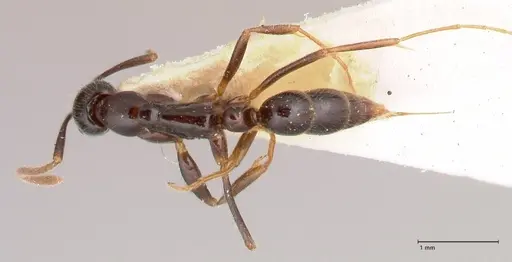
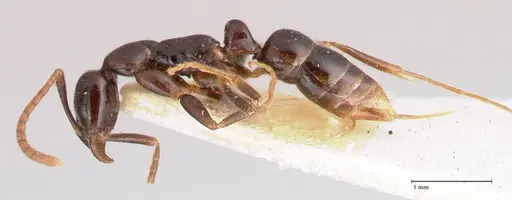
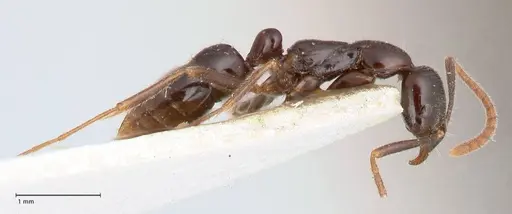
FOCOL1033
View on AntWeb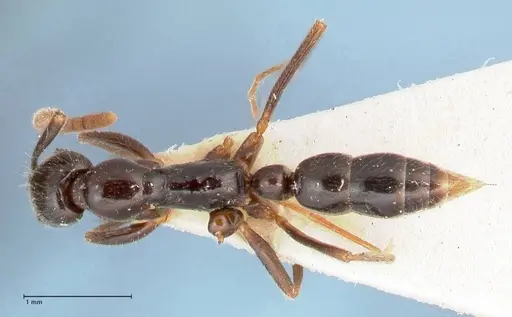
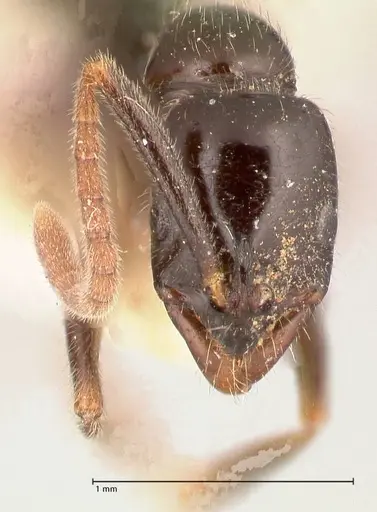
FOCOL1034
View on AntWeb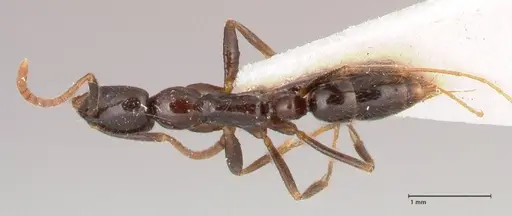
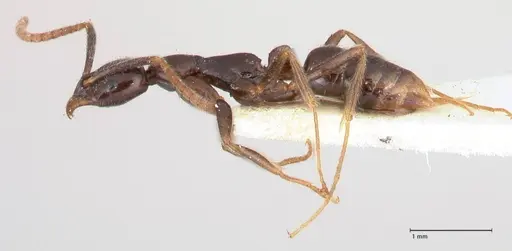
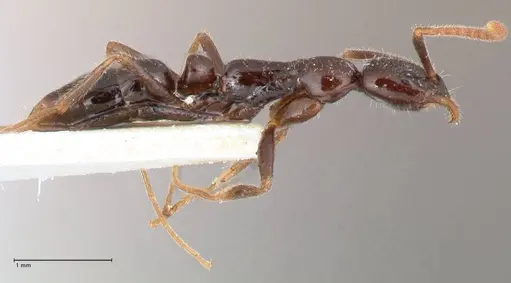
SAM-HYM-C002646A
View on AntWeb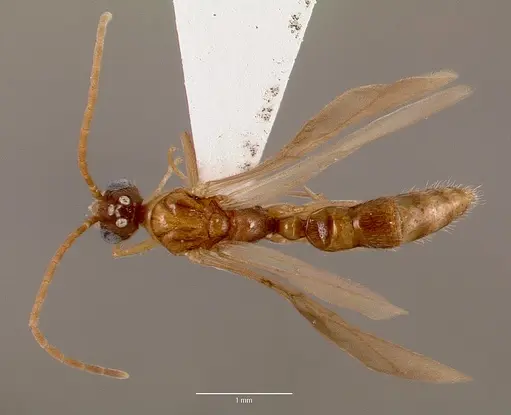
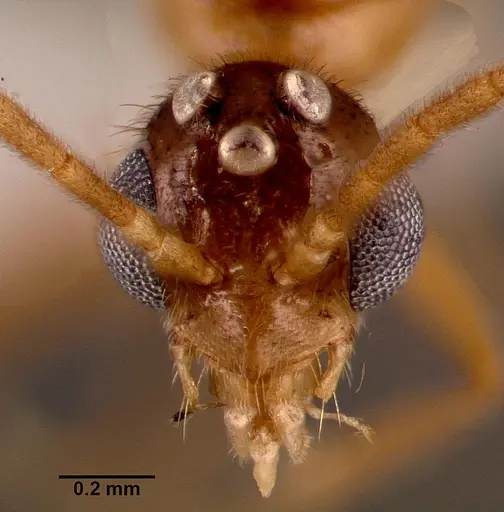
SAM-HYM-C002646B
View on AntWeb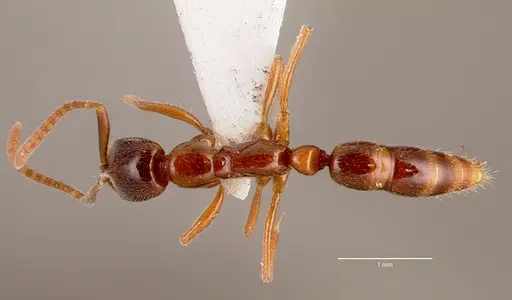
Literature
Loading...Loading products...