

Lepisiota validiuscula
- Scientific Name
- Lepisiota validiuscula
- Tribe
- Plagiolepidini
- Subfamily
- Formicinae
- Author
- Emery, 1897
- Distribution
- Found in 4 countries
Lepisiota validiuscula Overview
Lepisiota validiuscula is an ant species of the genus Lepisiota. It is primarily documented in 4 countries , including Namibia, Yemen, South Africa. Detailed taxonomic data and occurrence records can be further explored via authoritative databases such as AntWeb or the Global Biodiversity Information Facility (GBIF).
Lepisiota validiuscula
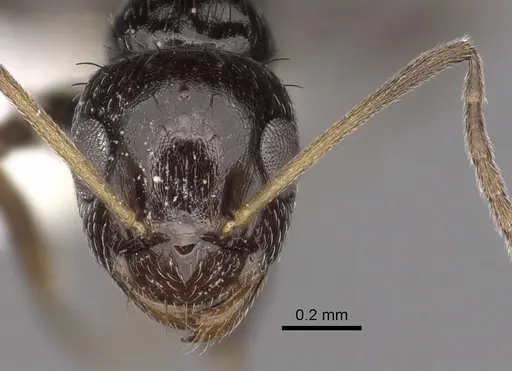
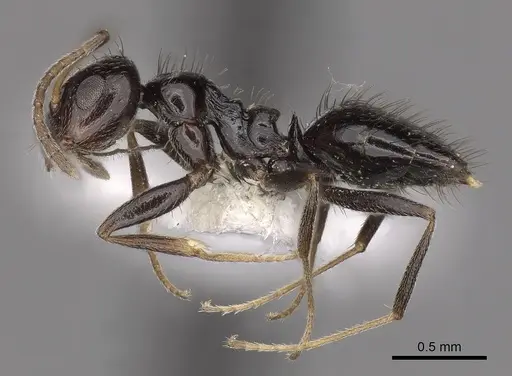
Lepisiota validiuscula is a small to medium-sized ant species native to sub-Saharan Africa and the Arabian Peninsula. Workers measure approximately 3-4mm with a dark brown body and distinctive stout black dorsal hairs that help distinguish them from similar species like Lepisiota canescens. The scape (antenna segment) extends beyond the back of the head by about half its own length, and the body has coarser, more abundant erect pilosity than related species. This species is found across a wide range including Namibia, Somalia, Yemen, Zimbabwe, the Democratic Republic of Congo, Benin, Nigeria, Saudi Arabia, and Rwanda, making it one of the more widespread Lepisiota species in Africa [1][2]. In Nigeria, they have been found nesting in soil and building protective tents of vegetable matter around mealybugs, suggesting a mutualistic relationship with honeydew-producing insects [3].
Quick Summary
- Difficulty: Medium
- Origin & Habitat: Sub-Saharan Africa and Arabian Peninsula. Found in diverse habitats across its range, from Nigeria where it inhabits forest zones and cocoa plantations, to western Yemen and Rwanda. Nests in soil and builds tents of vegetable matter around mealybugs [3][4].
- Colony Type: Colony structure is not well documented in scientific literature. Based on typical Lepisiota genus patterns, likely forms single-queen colonies, though this requires confirmation through targeted research.
- Size & Growth:
- Queen: Estimated 5-6mm based on genus patterns
- Worker: Approximately 3-4mm based on head width measurements of HW 0.59-0.63 [1]
- Colony: Unknown from direct studies, but likely moderate colonies of several hundred workers based on genus patterns
- Growth: Moderate, estimated based on related Formicinae species
- Development: Estimated 6-8 weeks at optimal temperature based on genus-level data for related Formicinae (Development time is estimated from related species, specific data for this species is not available)
- Antkeeping:
- Temperature: Keep at 24-28°C. As an Afrotropical species, they prefer warm conditions. A heating cable on one side of the nest creates a suitable gradient.
- Humidity: Moderate to high humidity. They nest in soil and build tents around mealybugs, suggesting they prefer damp conditions. Keep the nest substrate consistently moist but not waterlogged, with some drier areas available.
- Diapause: Unknown, no specific research on diapause requirements. As a species from tropical Africa, they may not require true hibernation but may reduce activity during cooler periods.
- Nesting: Soil-nesting species. In captivity, a naturalistic setup with moist soil or a Y-tong/plaster nest works well. They may benefit from a shallow water reservoir. Avoid completely dry conditions.
- Behavior: Generally active and alert workers. They are not particularly aggressive but will defend their nest. Based on their mutualistic relationship with mealybugs in the wild, they likely tend honeydew-producing insects and may show interest in sugar sources. Escape prevention should be moderate, workers are small but not among the tiniest ants. Use standard barriers and tight-fitting lids.
- Common Issues: limited scientific data means care recommendations are partly estimated from genus patterns, humidity control is important, too dry can cause colony decline, wild-caught colonies may carry parasites that can affect captive survival, their small size means they can slip through standard test tube barriers if not careful
Natural History and Distribution
Lepisiota validiuscula is a widely distributed species across sub-Saharan Africa and the Arabian Peninsula. The species has been recorded from numerous countries including Namibia, Somalia, Yemen, Zimbabwe, the Democratic Republic of Congo, Benin, Nigeria, Saudi Arabia, and more recently Rwanda where it was found in Akagera National Park [1][2][4]. In western Yemen, this species appears to be very abundant, though it has not been found elsewhere in Arabia outside Yemen [3]. In Nigeria, researchers have observed them nesting in soil and constructing tents of vegetable matter around mealybugs (Pseudococcids), indicating a mutualistic relationship where the ants protect these sap-sucking insects in exchange for honeydew [3]. This symbiotic behavior with Lycaenid butterflies has also been documented in some Lepisiota species, though specifically unconfirmed for L. validiuscula [4].
Identification and Distinguishing Features
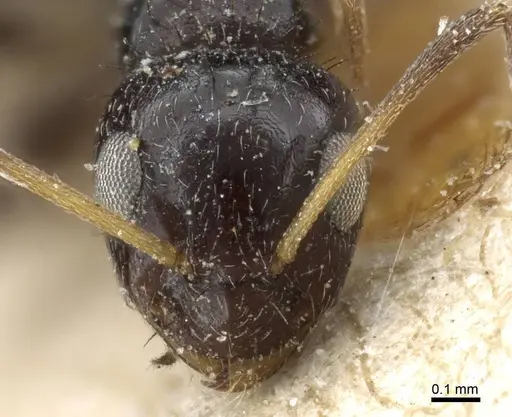
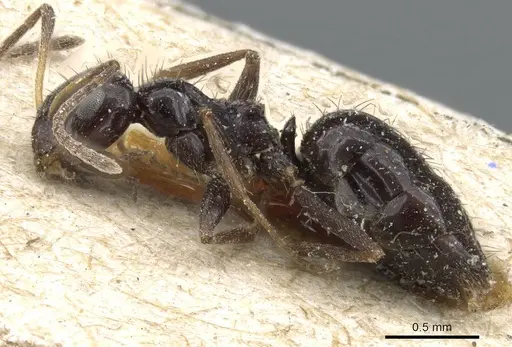
Workers of Lepisiota validiuscula can be identified by their head width measurement of 0.59-0.63mm and a scape index of 125-135. They are distinguished from the similar Lepisiota canescens by their stout black dorsal hairs that cover the body dorsum. Compared to the Lepisiota capensis type, they appear stockier with more pronounced propodeal prominences. The scape extends beyond the occiput by approximately half its own length. Their pilosity (body hairs) is longer, coarser, and more abundant than related species. The body is dark brown with brown appendages, while the scape is distinctive ochreous-yellow in color [3][1].
Housing and Nesting
In captivity, Lepisiota validiuscula does well in naturalistic setups with moist soil or in Y-tong/plaster nests that allow for humidity control. Since they are soil-nesting ants that naturally build protective structures, providing them with a substrate they can manipulate is beneficial. A shallow water reservoir connected to the nest area helps maintain appropriate humidity levels. Avoid completely dry conditions as this species originates from relatively humid African habitats. Room temperature within their preferred range is usually adequate, though a slight heating gradient can be provided on one side of the nest using a heating cable placed on top of the nest material.
Feeding and Diet
Based on their observed behavior in the wild where they tend mealybugs for honeydew, these ants will likely accept sugar sources such as sugar water or honey. They should also be offered protein sources like small insects (fruit flies, small mealworms, crickets) regularly. As a Formicinae species, they have the typical ability to consume both carbohydrates and proteins. Feed protein prey 2-3 times per week and provide a constant sugar water source. Remove uneaten prey after 24-48 hours to prevent mold issues.
Temperature and Seasonal Care
As an Afrotropical species originating from warm regions of Africa and the Arabian Peninsula, Lepisiota validiuscula prefers temperatures in the range of 24-28°C. They can tolerate slightly cooler conditions but growth and activity will be reduced below this range. No specific diapause requirements have been documented for this species. In captivity, they likely do not require a true hibernation period, though they may become less active during cooler periods. Maintain consistent warmth for optimal colony development. Avoid temperature extremes and sudden fluctuations.
Colony Development
Specific development timelines for Lepisiota validiuscula have not been documented in scientific literature. Based on typical Formicinae development patterns and related Lepisiota species, expect approximately 6-8 weeks from egg to first worker at optimal temperature. Queens are estimated to be 5-6mm in size, somewhat larger than workers. Colony growth is moderate, do not expect rapid expansion like some faster-growing genera. Initial colonies will remain small through the founding stage, with growth accelerating once the first workers (nanitics) establish and begin foraging. Patience is key during the founding phase.
Frequently Asked Questions
How long does it take for Lepisiota validiuscula to produce first workers?
Specific data is not available for this species, but based on typical Formicinae development, expect approximately 6-8 weeks from egg to first worker at optimal temperature (24-28°C). The founding stage requires patience as the queen raises her first brood alone.
What do Lepisiota validiuscula ants eat?
They likely accept both sugar sources and protein. In the wild, they tend mealybugs for honeydew, so sugar water or honey should be accepted. Offer small insects like fruit flies, small mealworms, or cricket pieces as protein. Feed protein 2-3 times per week with constant sugar water available.
Do Lepisiota validiuscula ants need hibernation?
Diapause requirements are not documented for this species. As an Afrotropical species from tropical Africa, they likely do not require true hibernation. They may reduce activity during cooler periods but should be kept warm (24-28°C) for optimal development.
What temperature is best for Lepisiota validiuscula?
Keep them at 24-28°C. This Afrotropical species prefers warm conditions. A slight temperature gradient allowing workers to choose their preferred zone is ideal.
How big do Lepisiota validiuscula colonies get?
Colony size is not well documented, but based on genus patterns, expect moderate colonies of several hundred workers. Growth is moderate, not as fast as some genera but steady over time.
What type of nest should I use for Lepisiota validiuscula?
A naturalistic setup with moist soil or a Y-tong/plaster nest works well. This soil-nesting species benefits from humidity control. Ensure the substrate stays moist but not waterlogged.
Are Lepisiota validiuscula ants aggressive?
They are not particularly aggressive but will defend their nest if threatened. Workers are active and alert. They are not known to be dangerous to humans.
Can I keep multiple Lepisiota validiuscula queens together?
Colony structure (monogyne vs polygyne) has not been documented for this species. It is not recommended to combine unrelated foundress queens as aggression is likely.
Is Lepisiota validiuscula a good species for beginners?
This species is rated as Medium difficulty. While not the most challenging, the limited available care information means keepers should have some basic antkeeping experience. Their humidity and temperature requirements are straightforward but must be maintained consistently.
References

This caresheet is licensed under CC BY-SA 4.0 .
CASENT0280473
View on AntWeb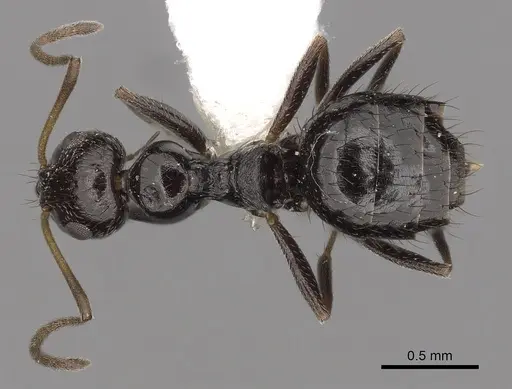
CASENT0905155
View on AntWeb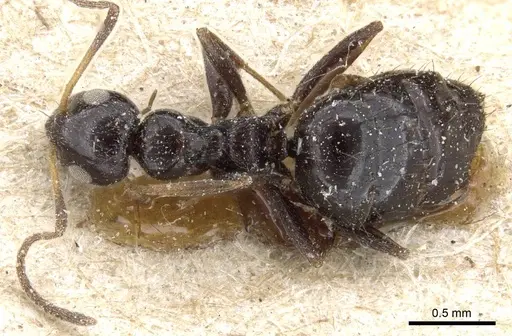
Literature
Loading...Loading products...