

Lepisiota canescens
- Scientific Name
- Lepisiota canescens
- Tribe
- Plagiolepidini
- Subfamily
- Formicinae
- Author
- Emery, 1897
- Distribution
- Found in 14 countries
Lepisiota canescens Overview
Lepisiota canescens is an ant species of the genus Lepisiota. It is primarily documented in 14 countries , including Benin, Congo, Democratic Republic of the. Detailed taxonomic data and occurrence records can be further explored via authoritative databases such as AntWeb or the Global Biodiversity Information Facility (GBIF).
Lepisiota canescens
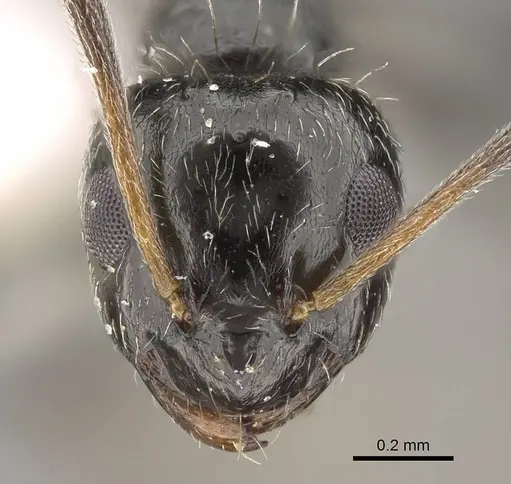
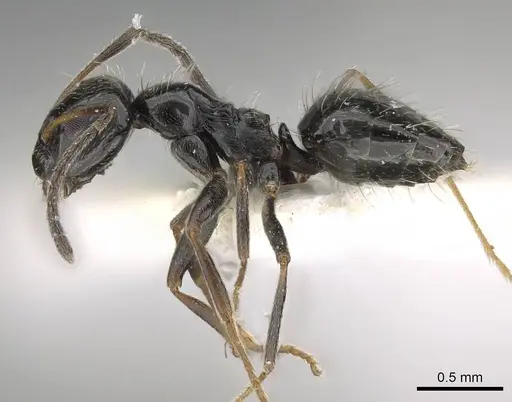
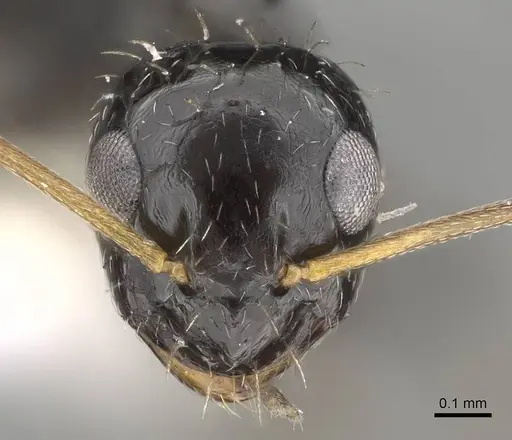
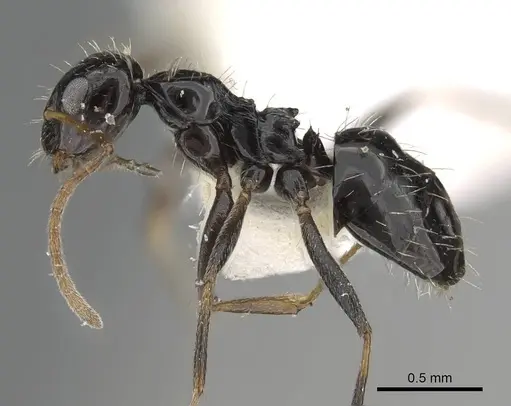
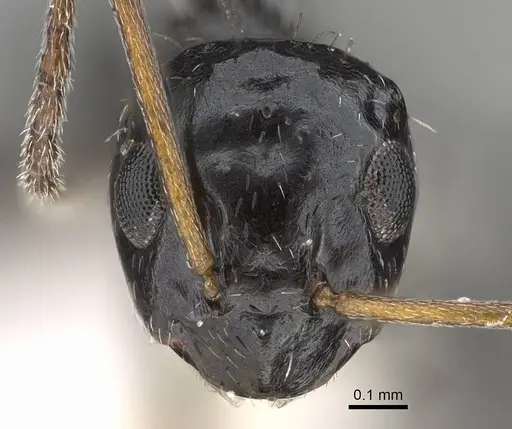
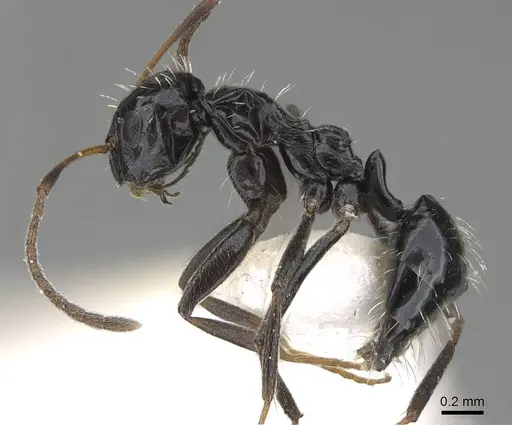
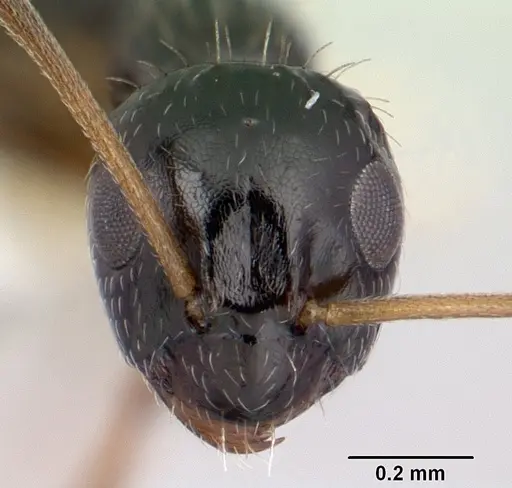
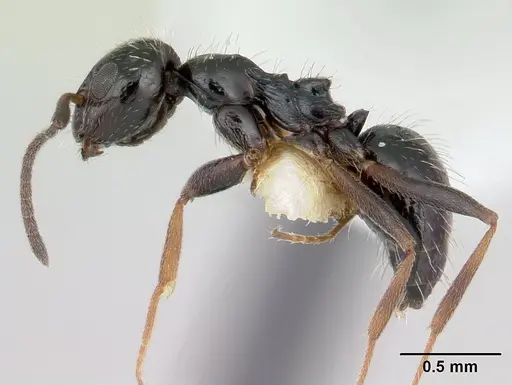
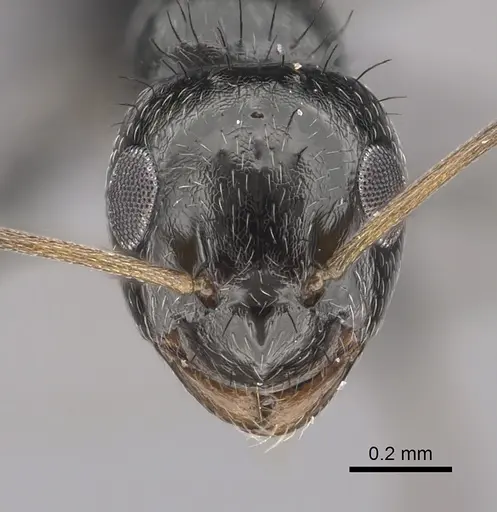
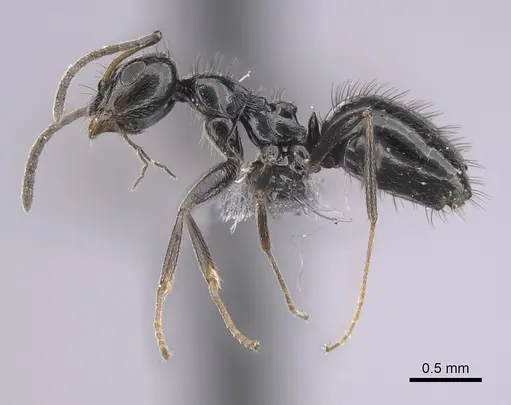
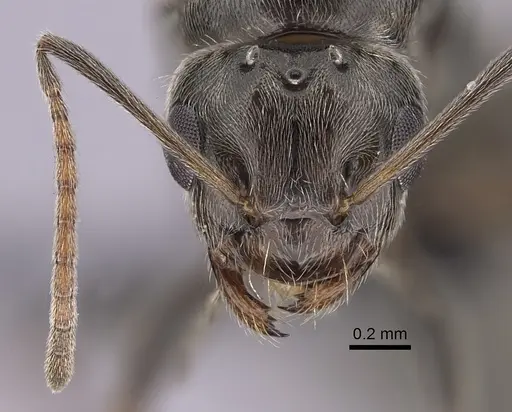
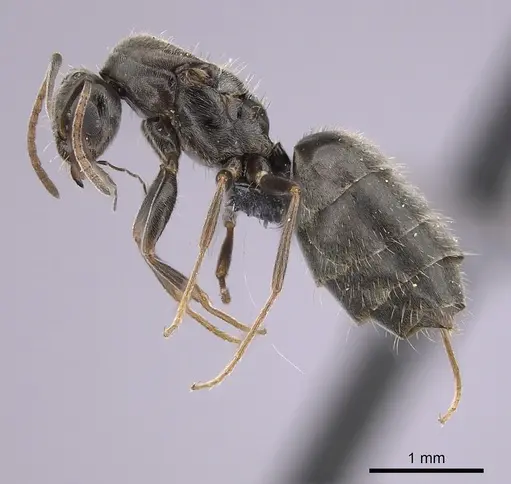
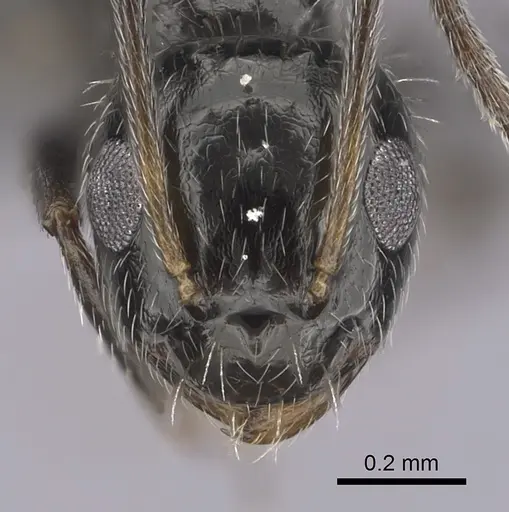
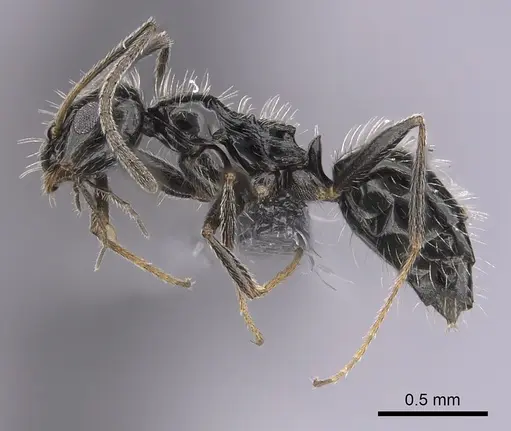
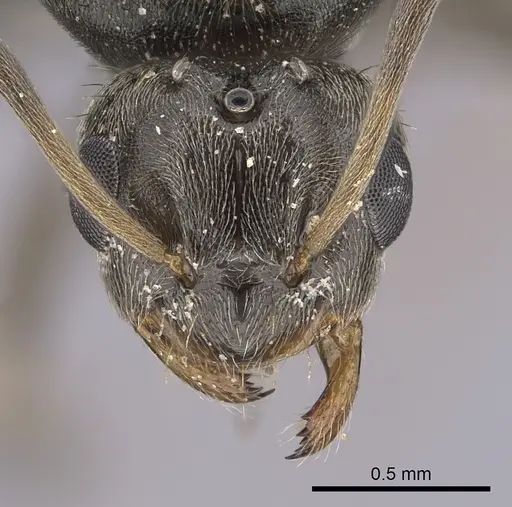
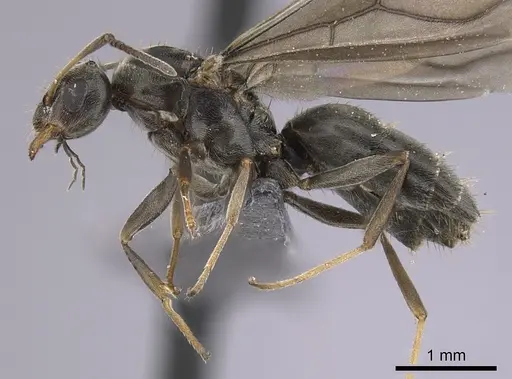
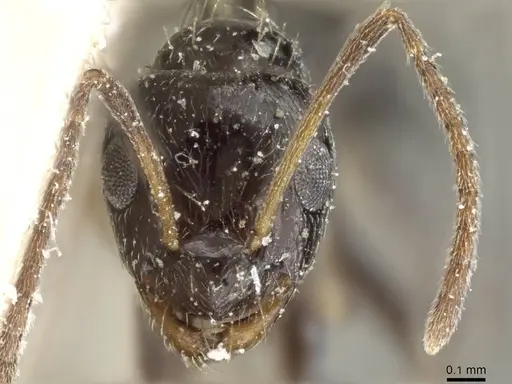
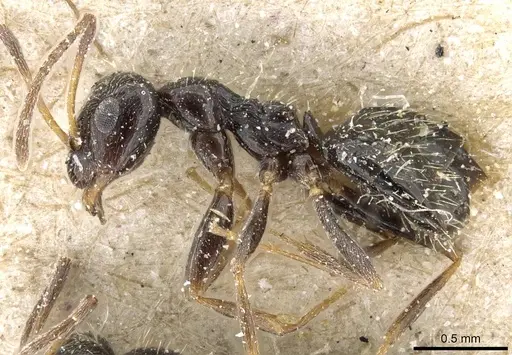
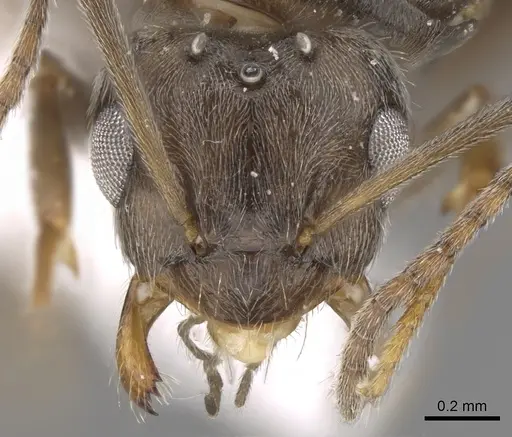
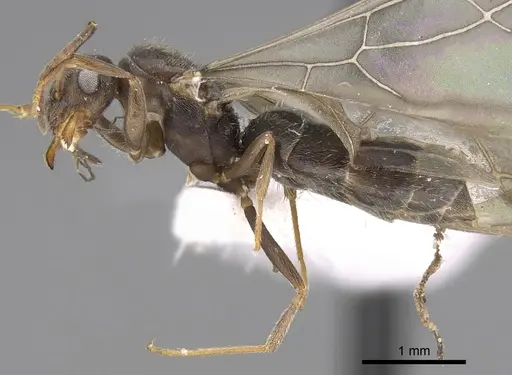
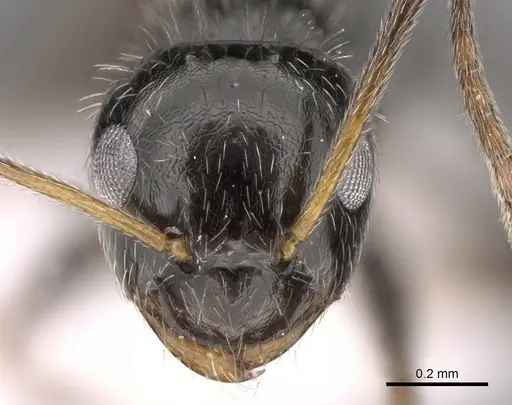
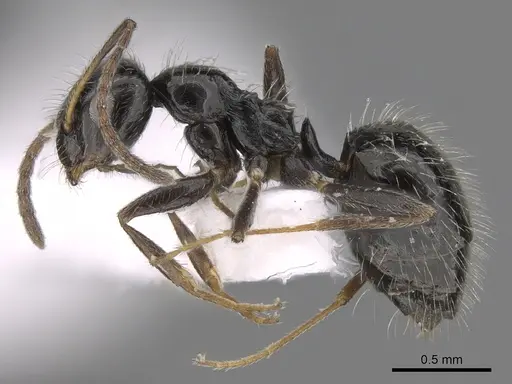
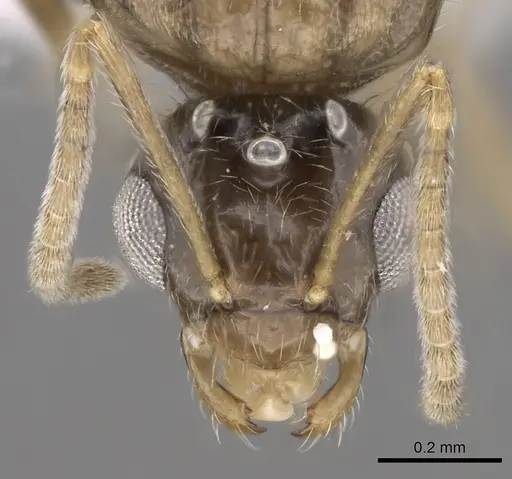
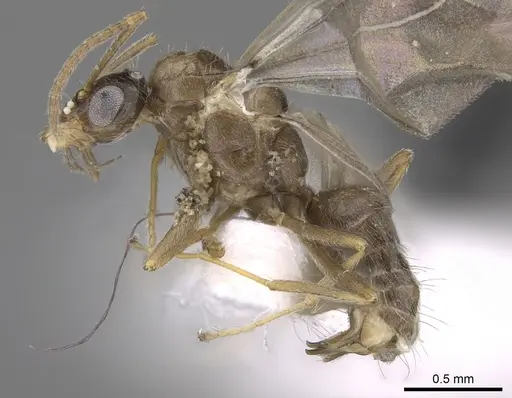
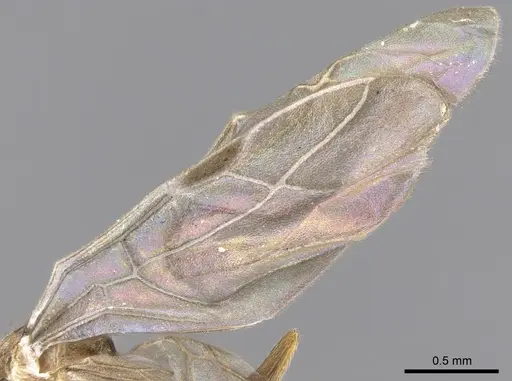
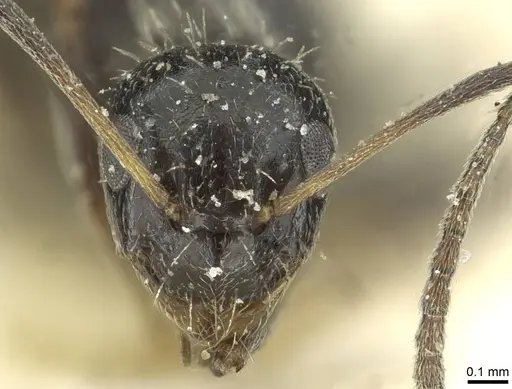
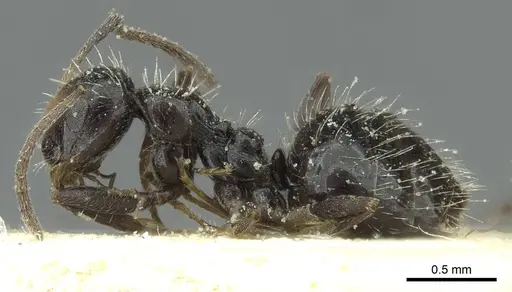
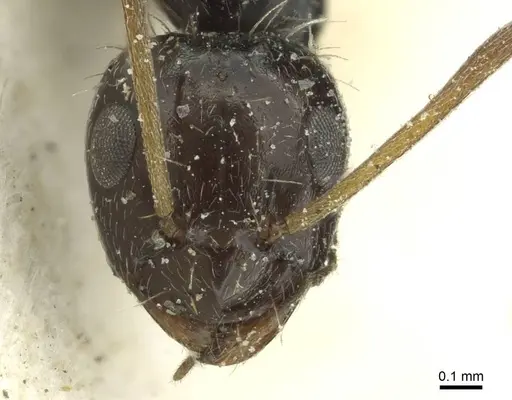
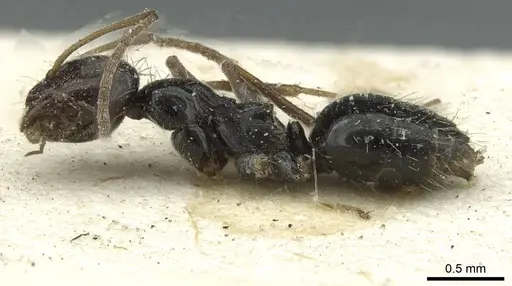
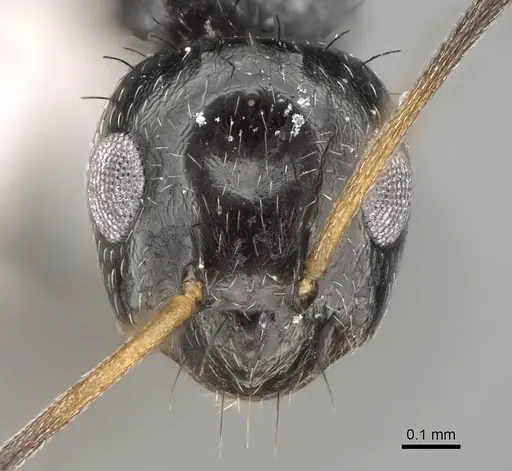
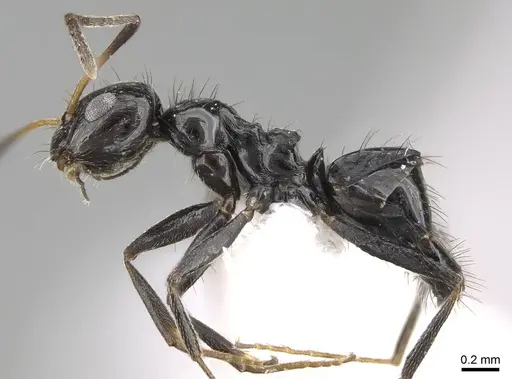
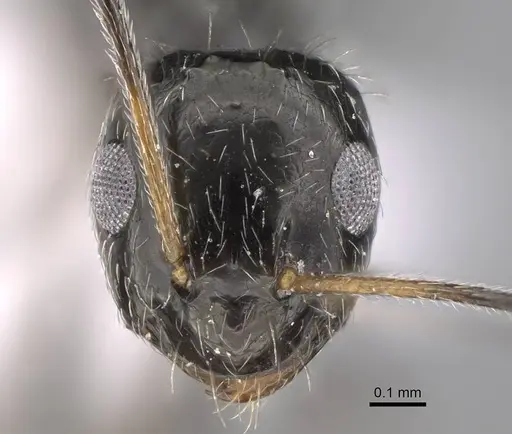
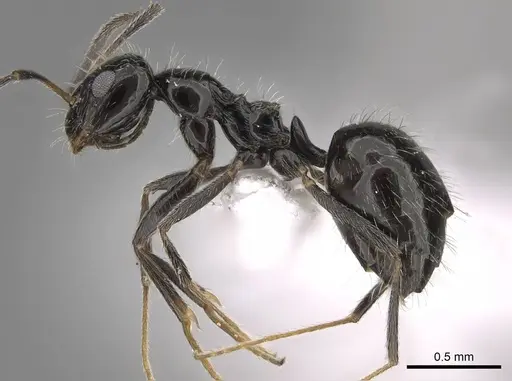
Lepisiota canescens is a small, entirely black ant with a moderately shiny appearance and long, abundant body hairs, particularly on the gaster. The pronotum has five pairs of hairs, and the body is mostly smooth except for the mesopleura which has transverse striations [1][2]. Originally described from Somalia in 1897,this species has spread across much of sub-Saharan Africa and into the Arabian Peninsula and Israel [2]. It inhabits diverse environments from mango orchards in Benin to red mangrove forests in The Gambia, and scrub habitats across its range [3][4]. This species has been flagged as having high invasive potential, with supercolonies documented in some areas [5][2].
Quick Summary
- Difficulty: Medium
- Origin & Habitat: Native to the Afrotropical region, found across sub-Saharan Africa from Benin to Kenya, also recorded in Gambia, Nigeria, Democratic Republic of Congo, Mauritania, Saudi Arabia, Oman, Yemen, and Israel. Inhabits forests, scrub habitats, mango orchards, and red mangrove areas [3][4][2][1].
- Colony Type: Colony structure is not well documented in scientific literature. Based on supercolonial findings, the species may form large colonies with multiple queens in some areas [5]. Further research needed on queen number and colony organization.
- Colony: Polygyne, Supercolonial
- Founding: Claustral
- Size & Growth:
- Queen: Estimated 5-7mm based on genus Lepisiota patterns
- Worker: Estimated 2-4mm based on related Lepisiota species
- Colony: Likely several hundred to a few thousand workers based on supercolonial observations [5]
- Growth: Moderate, estimated based on tropical Formicinae patterns
- Development: Estimated 6-8 weeks at optimal tropical temperatures based on genus patterns (Development timeline not directly studied for this species. Estimate based on typical Lepisiota and Formicinae development patterns.)
- Antkeeping:
- Temperature: Keep at 24-30°C. This is a tropical/subtropical species native to warm African regions. A heating gradient allows thermoregulation [2].
- Humidity: Moderate humidity around 50-70%. In nature found in both dry savannah areas and mangrove habitats with higher moisture. Provide a water tube but avoid waterlogging the nest.
- Diapause: Unlikely to require true diapause. May show reduced activity during cooler periods but no hibernation needed for tropical origin.
- Nesting: In the wild, they nest in dead vegetation (twigs, small branches, air roots) of red mangroves and under stones in some habitats [3][6]. For captivity, a Y-tong or acrylic nest works well. Provide some moist substrate and small twigs/branches as nesting material if using a naturalistic setup.
- Behavior: Workers are active foragers, likely foraging for honeydew and small prey. The species has been noted as aggressive in some contexts and may outcompete native ants. They are small (around 2-4mm) so escape prevention is important, use fine mesh barriers. They have been observed tending aphids and collecting honeydew in agricultural settings [2].
- Common Issues: Invasive potential, this species has documented invasive behavior in Ethiopia and may outcompete native ant populations [2][5], Small size means escape prevention must be excellent, use tight-fitting lids and fine mesh, Supercolonial behavior may lead to aggressive interactions with other ant colonies if housed nearby, Limited specific research means care requirements are estimated from genus patterns, monitor colony response and adjust conditions, Wild-caught colonies may carry myrmecophile beetles (documented host species) that could affect colony health [7][8]
Housing and Nest Setup
Lepisiota canescens is a small ant that can be housed in standard formicarium setups. In the wild, they nest in dead vegetation within red mangroves and in soil under stones [3][6]. For captivity, a Y-tong (acrylic) nest works well, or you can use a naturalistic setup with a soil chamber and small twigs/branches for them to nest in. They prefer nests with moderate humidity, not soaking wet but not bone dry either. A water tube attached to the outworld ensures they have access to moisture. Because they are small (around 2-4mm workers), use fine mesh on any ventilation holes to prevent escapes. A small outworld connected to the nest allows for foraging space.
Feeding and Diet
Like most Formicinae ants, Lepisiota canescens likely has an omnivorous diet. In their natural habitat, they have been observed on Acacia trees and in mango orchards, suggesting they feed on honeydew from aphids and scale insects [2][4]. They also likely hunt small insects and arthropods for protein. For captive colonies, offer sugar water or honey as a constant energy source, and provide protein sources like small crickets, mealworms, or fruit flies. They are small, so prey items should be appropriately sized. A varied diet helps maintain colony health. Remove uneaten prey after 24 hours to prevent mold.
Temperature and Seasonal Care
As a species native to tropical and subtropical Africa, Lepisiota canescens prefers warm temperatures in the range of 24-30°C. They are found as far north as Israel and Oman, so they can tolerate some temperature variation, but they thrive in warmth. A heating cable on one side of the nest creates a temperature gradient that allows the colony to regulate its own temperature by moving between warmer and cooler areas. Unlike temperate species, they do not require true hibernation or diapause. However, avoid temperatures below 20°C for extended periods. Room temperature within this range is acceptable without additional heating in most homes. [2][1]
Behavior and Colony Dynamics
This species has been documented forming supercolonies, large networks of cooperating nests with high queen density and no aggression between colonies [5]. This is unusual and means they can become dominant in their introduced ranges. Workers are active foragers and will explore their outworld thoroughly. They are small but bold, and may attempt to escape through tiny gaps. The species has been noted as having high invasive potential, particularly in Ethiopia where it has invaded a wide range of environments [2]. If keeping multiple colonies, be aware they may not show typical colony aggression due to their supercolonial nature. They are known to be host species for various myrmecophile beetles in their native range [7][8].
Legal and Ethical Considerations
Lepisiota canescens has invasive potential and has been flagged as a species that could become problematic outside its native range [5][2]. If you live in regions where this species is not native, do not release colonies into the wild. This is particularly important in North America, Europe, and Australia where introduced ants can cause serious ecological damage. If you need to rehome a colony, consider offering it to another antkeeper rather than releasing it. Always check local regulations regarding ant keeping and transport.
Frequently Asked Questions
Is Lepisiota canescens a good species for beginners?
Lepisiota canescens is rated as medium difficulty. They are more challenging than common beginner species like Lasius or Camponotus because less is known about their specific care requirements. They have invasive potential and supercolonial behavior, which requires responsible keeping. If you have experience with other Formicinae species, you should be able to keep them successfully.
How long does it take for Lepisiota canescens to produce first workers?
The exact development timeline is not documented for this species. Based on typical Lepisiota and Formicinae patterns, expect first workers (nanitics) around 6-8 weeks after the queen lays eggs, assuming temperatures around 26-28°C. Growth rate is moderate, faster than some slow-growing genera but not as rapid as some tropical species.
Can I keep multiple Lepisiota canescens queens together?
This species has been documented forming supercolonies with multiple queens, so they may tolerate queen cohabitation better than most ant species [5]. However, introducing unrelated queens should still be done with caution. If combining foundress queens, introduce them before either has laid eggs and provide enough space. Monitor for aggression.
What do Lepisiota canescens eat?
They are omnivorous. Offer sugar water or honey constantly as an energy source. For protein, provide small insects like fruit flies, pinhead crickets, or small mealworms. They likely also collect honeydew in the wild, so occasional sweet fruits may be accepted. Remove uneaten food promptly.
What temperature do Lepisiota canescens need?
Keep them warm at 24-30°C. This tropical species does best in warm conditions. A heating cable on part of the nest creates a gradient. Avoid temperatures below 20°C for extended periods. Room temperature in the low-to-mid 20s°C is ideal.
Do Lepisiota canescens need hibernation?
No, they do not require hibernation. As a tropical/subtropical African species, they do not experience cold winters in their native range. They may show reduced activity during cooler periods but no special winter care is needed.
Why are my Lepisiota canescens escaping?
This is a small ant species (workers around 2-4mm), so they can squeeze through very small gaps. Use fine mesh (at least 0.5mm) on all ventilation and escape prevention barriers. Check all connections between the nest and outworld, and ensure lids fit tightly. Small size means excellent escape prevention is critical.
How big do Lepisiota canescens colonies get?
Colony size is not well documented, but supercolonial structures have been observed, suggesting colonies can reach several thousand workers [5]. Growth rate is moderate. With proper care, you can expect a healthy colony to reach several hundred workers within a year or two.
References

This caresheet is licensed under CC BY-SA 4.0 .
14D618C
View on AntWeb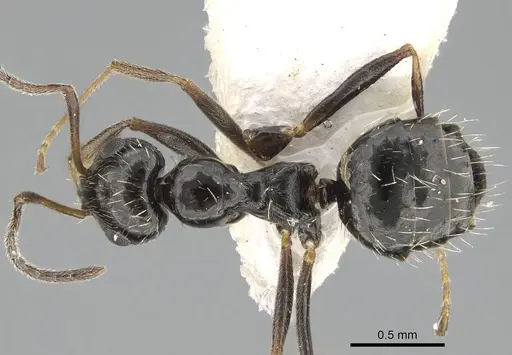
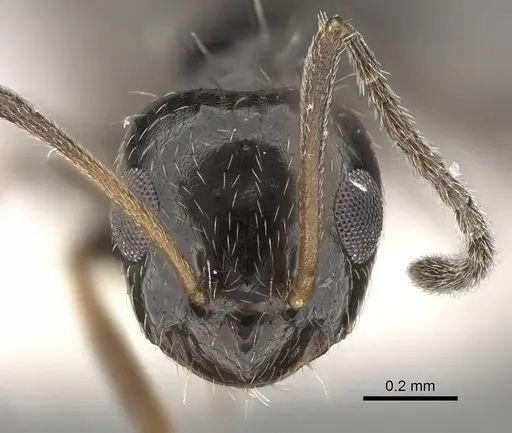
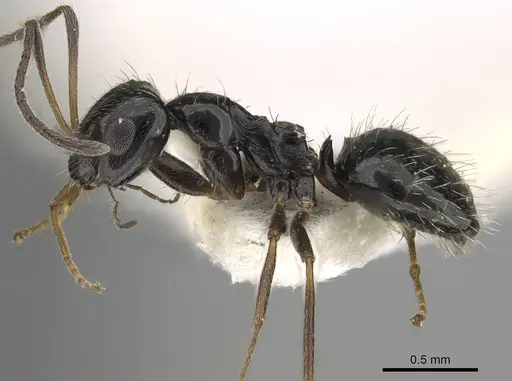
14D709D-1
View on AntWeb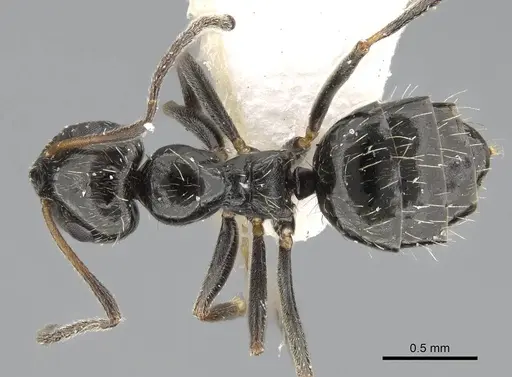
14D826C
View on AntWeb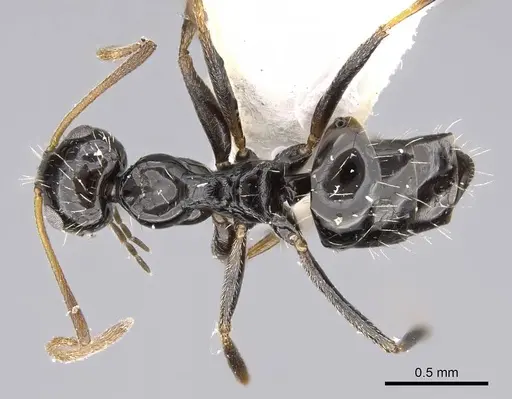
14L327C
View on AntWeb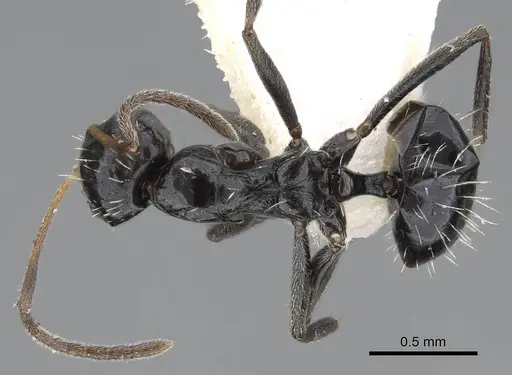
CASENT0178256
View on AntWeb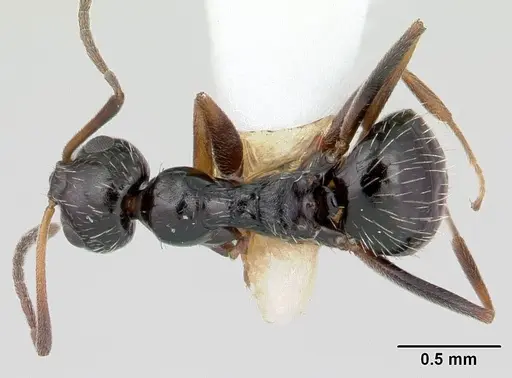
CASENT0249812
View on AntWeb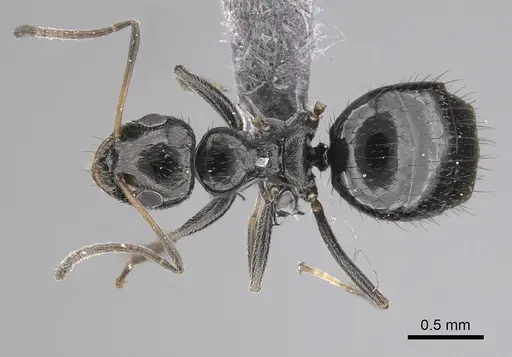
CASENT0249813
View on AntWeb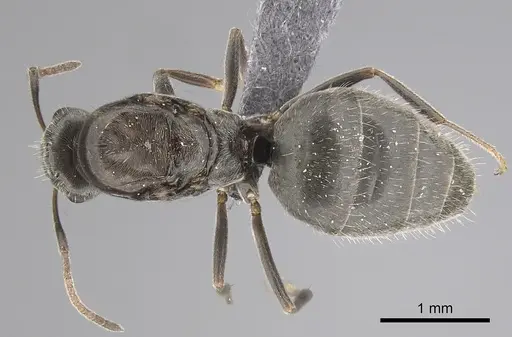
CASENT0264000
View on AntWeb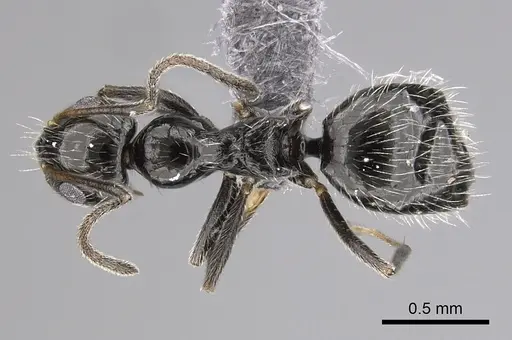
CASENT0264378
View on AntWeb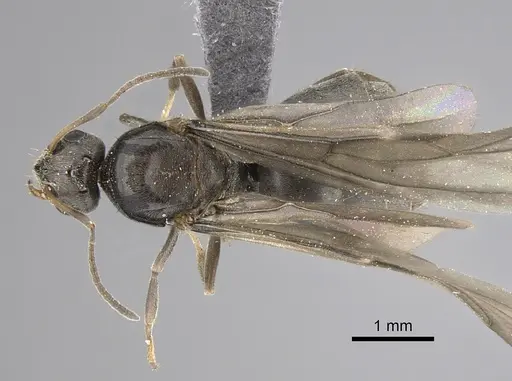
CASENT0905153
View on AntWeb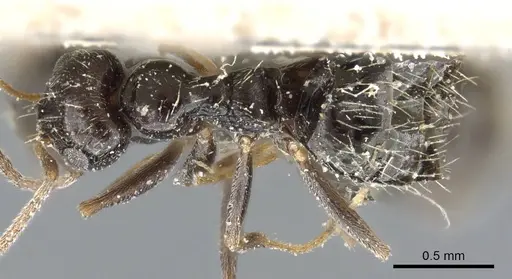
CASENT0906459
View on AntWeb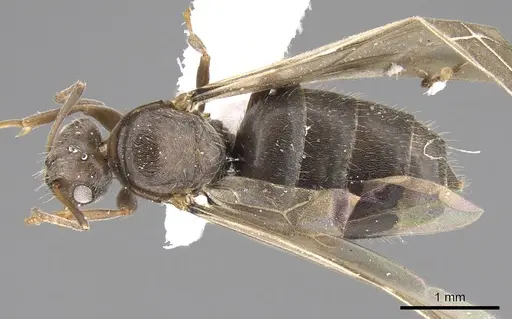
CASENT0906460
View on AntWeb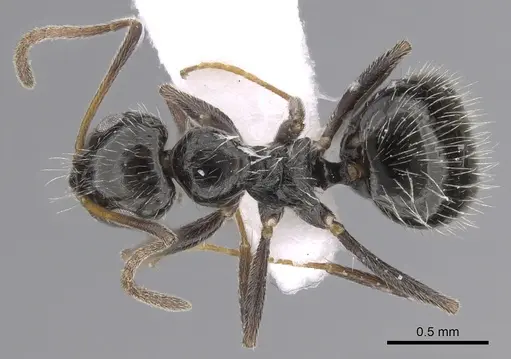
CASENT0906461
View on AntWeb
CASENT0912371
View on AntWeb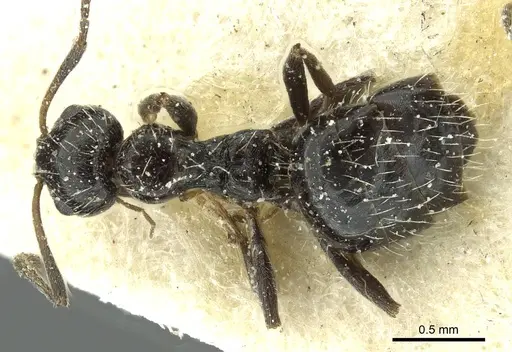
CASENT0912372
View on AntWeb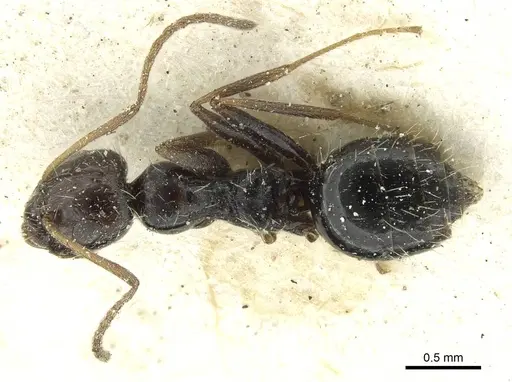
CASENT0919824
View on AntWeb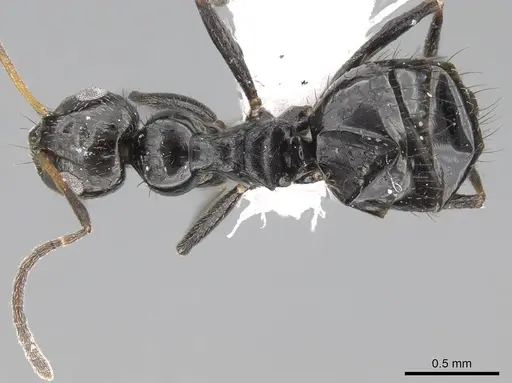
CASENT0922846
View on AntWeb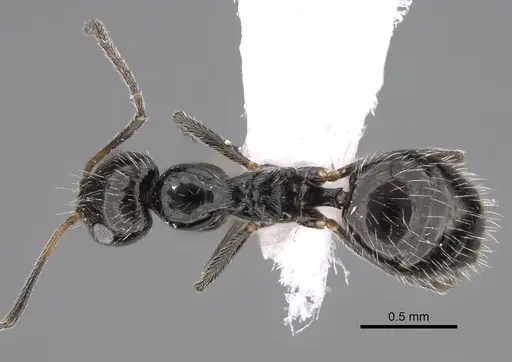
Literature
Loading...Loading products...